

Tokaido Pine Tree Avenue
Planted under Tokugawa Ieyasu’s road reforms, these pines marked distance and time. Once a guide for travelers, they still quietly recall the Tokaido in Oiso.
Total: 266 items
Planted under Tokugawa Ieyasu’s road reforms, these pines marked distance and time. Once a guide for travelers, they still quietly recall the Tokaido in Oiso.
Step into a harmonious blend of history and modern café culture at Hikawa Satei, a beautifully renovated rest spot within the grounds of Musashi Ichinomiya Hikawa Shrine. Unwind in a serene escape North of Tokyo, in a place offering visitors creative drinks and a well-deserved pause during their shrine visit.
Soak in the one-of-a-kind atmosphere of Kasamori-Kannon Temple, founded in the 8th century, where a historic Buddhist sanctuary stands suspended on stilts atop a forested hill in central Chiba.
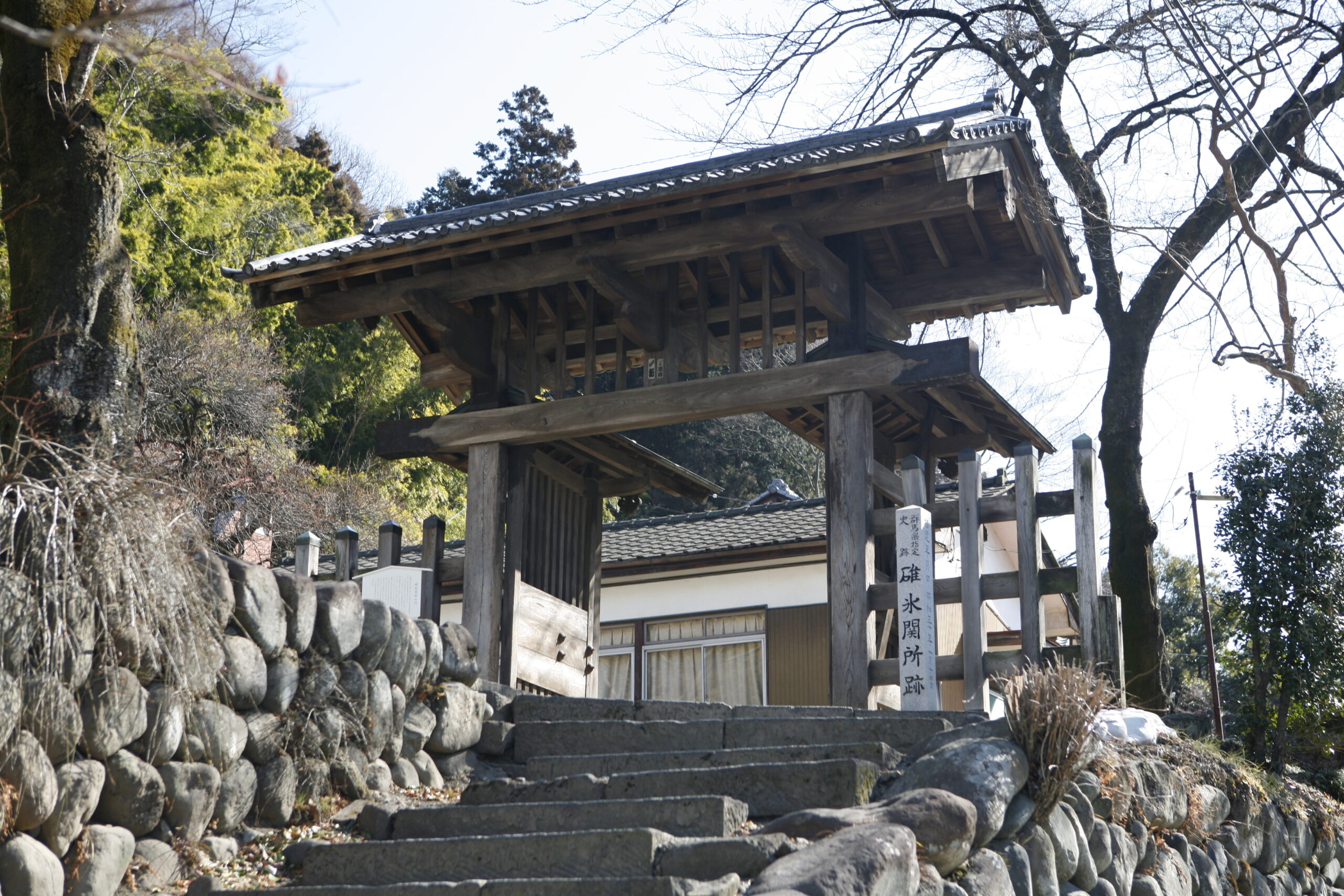
Deep in the mountains along the Hokkoku Kaidō, a reconstructed checkpoint museum where Edo-period travel and authority come vividly to life.
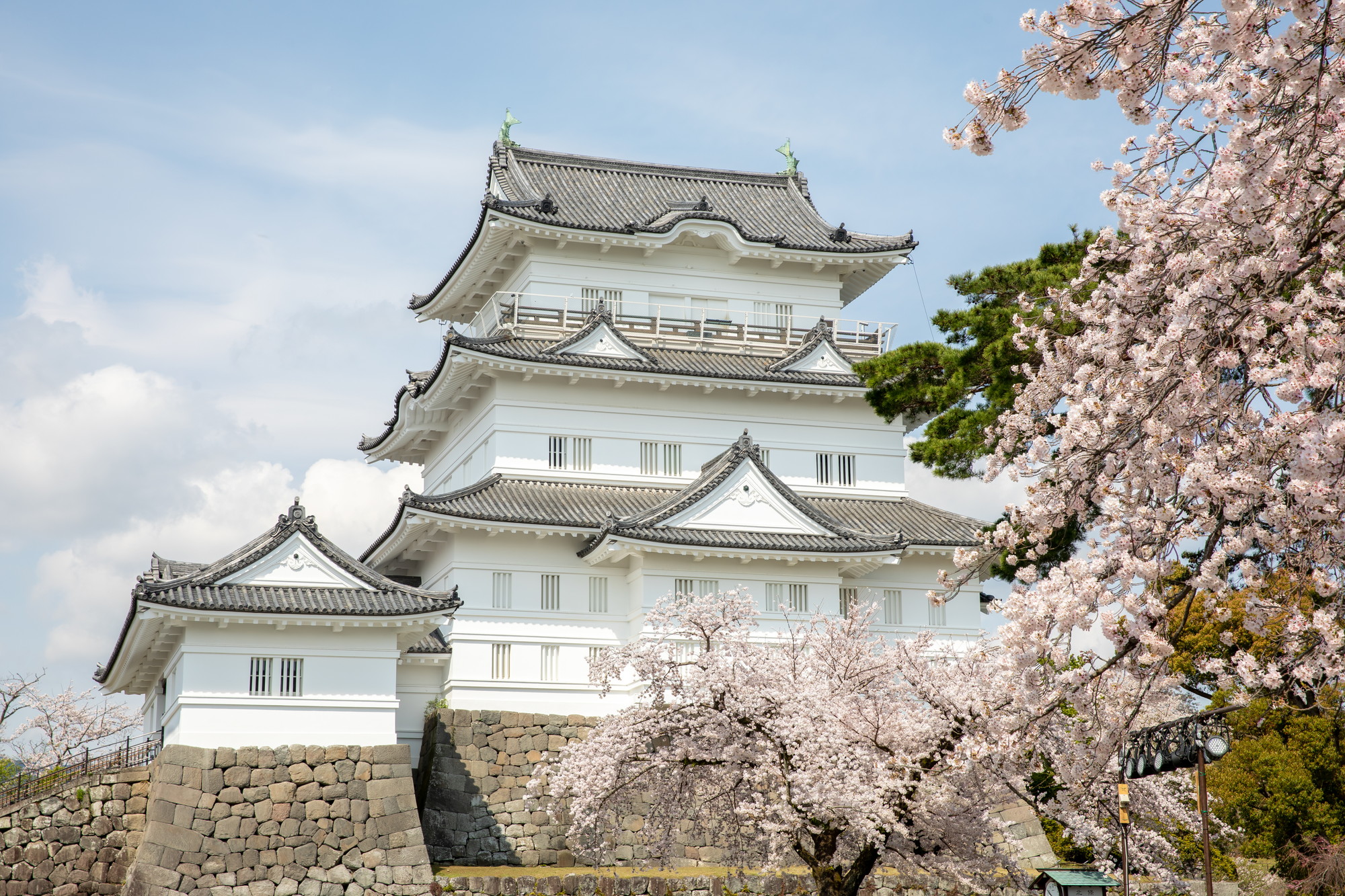
Perched near Odawara Castle, Seikantei—once the villa of Marquis Nagashige Kuroda—now offers a refined setting where architecture, landscape, and dining meet.
Discover sweeping mountain views, diverse slopes, and a one-of-a-kind Clear Dome experience at Inawashiro Ski Resort, where skiing meets quiet moments of awe.
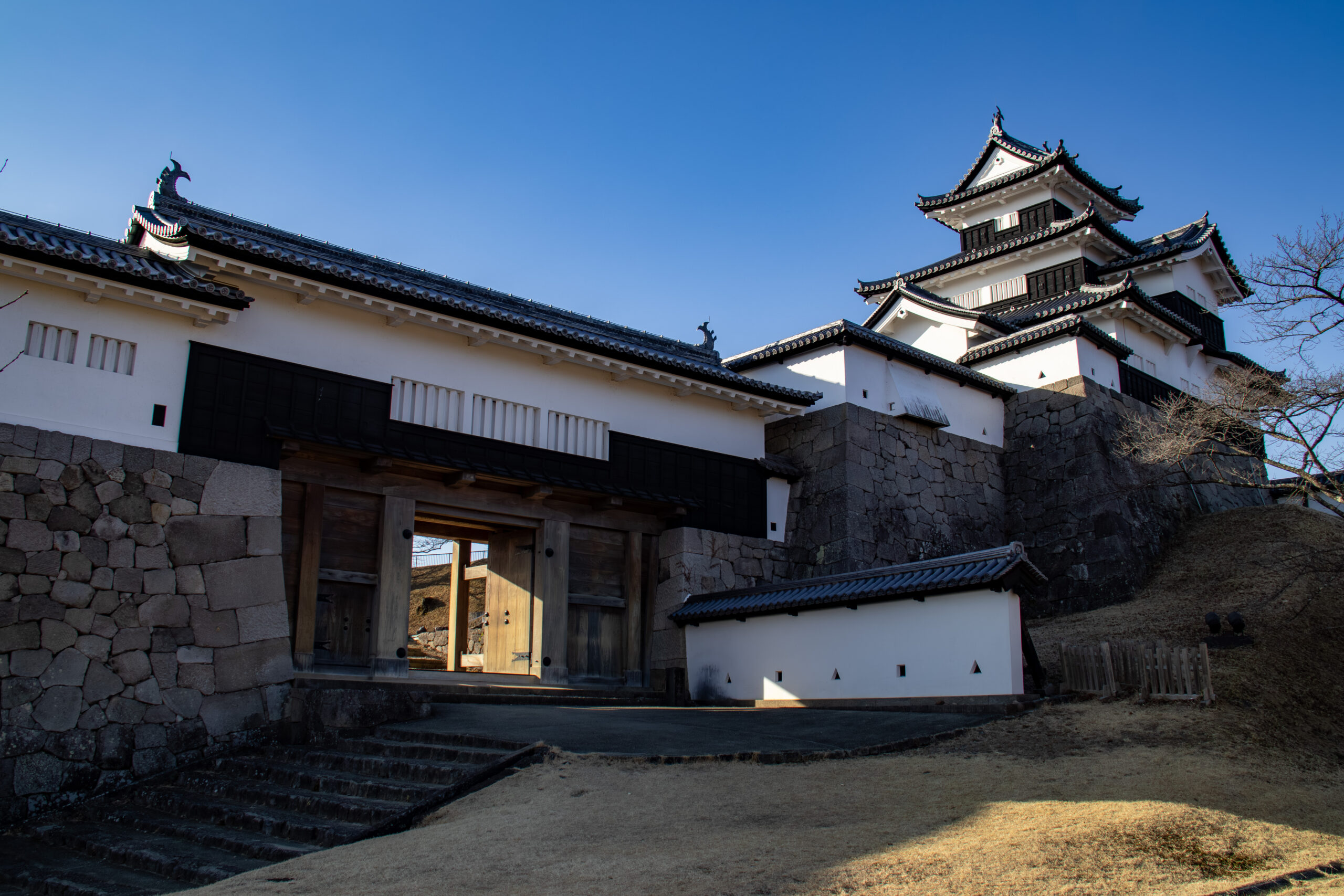
A former Oshu Kaido gateway town, Shirakawa preserves the quiet atmosphere of travelers’ days past.
Created in 1801 under Sadanobu’s ideal of shared enjoyment, Nanko Park remains a tranquil historic landscape where nature, culture, and daily life harmonize.
Located in the Bandai-Atami Onsen area of Koriyama, the Japan Kimono Museum is a permanent museum dedicated to antique kimonos from the Edo to early Showa periods, presenting kimonos as works of textile art.
With more than 4,000 kura (traditional storehouses) still standing, Kitakata City is a living testament to Edo-period tradition.
Mikazuki Village recreates the world of old Japan through a lively streetscape inspired by period dramas and regional legends
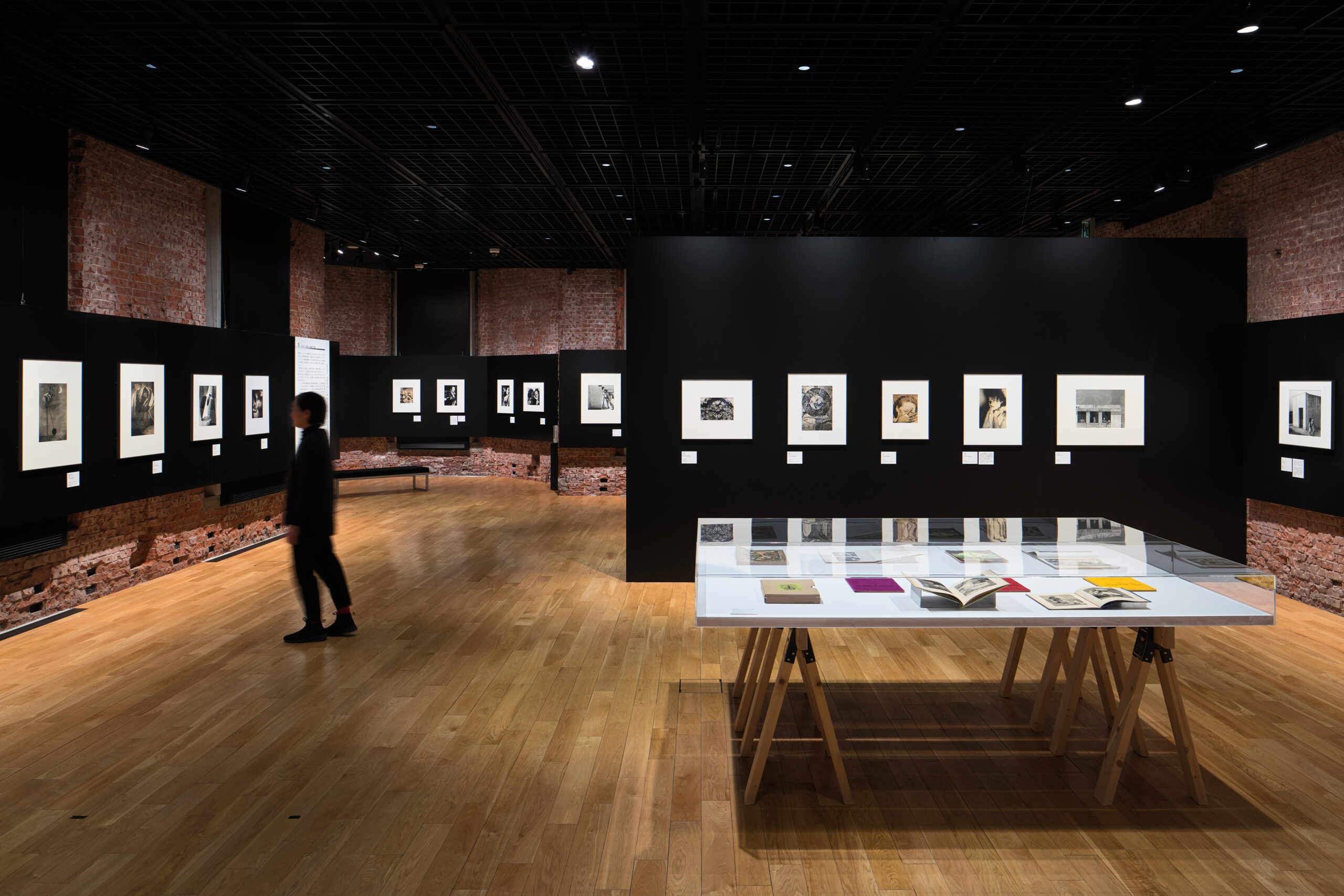
Tokyo Station Gallery is located inside the red-brick Marunouchi Building of Tokyo Station, transforming the station into a cultural space through art.
Yatai no Machi Central Park introduces Kanuma’s festival craftsmanship and garden culture through its exhibition hall and traditional garden.
Hitachinokuni Izumo Taisha stands on a hillside in Kasama City, bringing the traditions of Izumo Taisha to the Kanto region.