

Greater Tokyo

See & Do

reset
Shika no Yu

Shika no Yu

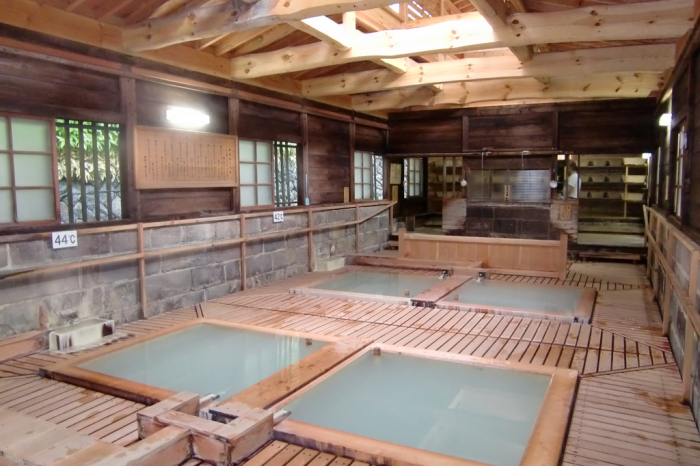
This hot spring facility is located in Yumoto, Nasu Town. It is said to have opened approximately 1,300 years ago. The origin of the discovery of this hot spring is said to be that a county official was hunting in the mountains and chased a deer that he missed shooting, and the deer healed its wounded body with the hot spring. It is considered the oldest hot spring in Tochigi Prefecture, and many of the surrounding hot-spring hotels use it as their spring water source. The baths are divided into six temperature levels ranging from 41–48 degrees Celsius (there is no 48-degree women’s bath). It is said that by following the bathing protocol, such as pouring water over yourself before entering the bath, you can increase the hot spring’s effects.

Nikko kaido Oshu kaido TOCHIGI
Ryushun Falls

Ryushun Falls

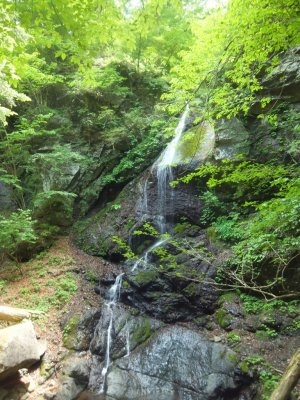
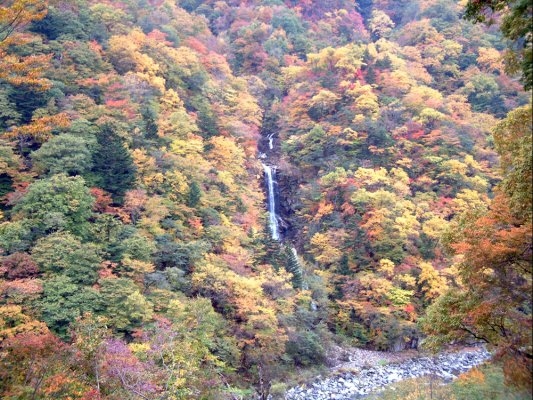
The waterfall can be reached via a 10 minute walk from the Ryushun parking area on the left side of the road past the Saruiwa Tunnel on National Route 400. Just past the Ryushun no Tsuribashi suspension bridge, the falls are 15 meters tall. The falls’ name means “spring flowing,” said to be an allusion to the fact that the falls dry up for three months in winter and don’t start flowing again until spring. Although not a particularly strong waterfall, the sight of the waters quietly flowing over the bare rock wall is elegant and soothing. The area around where the Ryushun no Tsuribashi suspension bridge crosses Senryu Gorge is also quite beautiful and popular destination to walk."

Nikko kaido Oshu kaido TOCHIGI
Daichuji Temple

Daichuji Temple

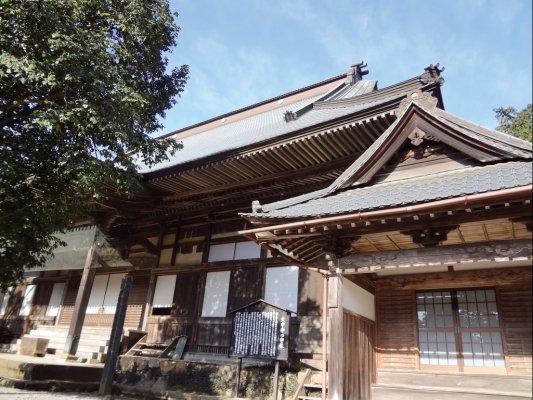
Daichuji Temple is a temple which is famous as the place where Uesugi Kenshin and Hojyo Ujiyasu made peace in 1568. This famous Buddhist temple's main gate is a rare example of ancient temple architecture. The grounds also include seven legendary "wonders": A hearth kept constantly lit to ward away a ghost; a set of stairs whose use is prohibited because they are said to bring bad luck; the "rootless" wisteria which grew from a cane; a well which is said to make the sound of horse hooves and neighing; a haunted toilet; a mountain to the east of the temple from which the sound of a wooden clapper can be heard by the head priest when danger threatens the temple; and a room where it is said that if you sleep in it, you will awaken lying in the opposite direction you fell asleep in. The history of the temple goes far beyond this however as it was originally built more than 800 years ago. The temple had the confidence of Tokugawa Ieyasu during the Edo period, and until the end of the Edo period was in a position of command as first among 3 leading temple at the head of the Soto sect. The temple is also home to a 200m path to the temple which is lined with hydrangeas and is spoken of in the Seven Wonders of the World and is also one of the "Tochigi Top 100 Scenic Places"."

Nikko kaido Oshu kaido TOCHIGI
Koundo Main Store

Koundo Main Store

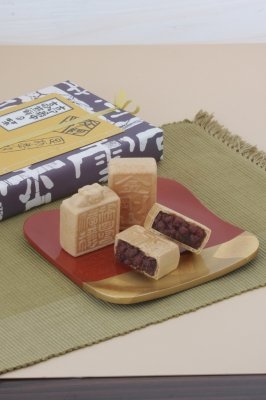
Although officially founded in 1868, the name of this venerable confectionary shop can be found in documents from the late Edo period. Its most famous offering is its Koin Monaka. These monaka (bean jam-filled wafer cakes) feature a motif inspired by the ancient official seals (Koin) of the Ashikaga Clan. Other popular items include its Koin Senbei (rice crackers), Takauji Senbei and Takauji (Dorayaki, bean jam filled pancake) , the latter of which was inspired by the character of the Ashikaga Takauji, the first Ashikaga shogun. Another popular item is their Monaka Gokko, which allows you to enjoy the classic flavor of monaka in a casual "make it yourself" style."

Nikko kaido Oshu kaido TOCHIGI
Hachimanyama Park

Hachimanyama Park

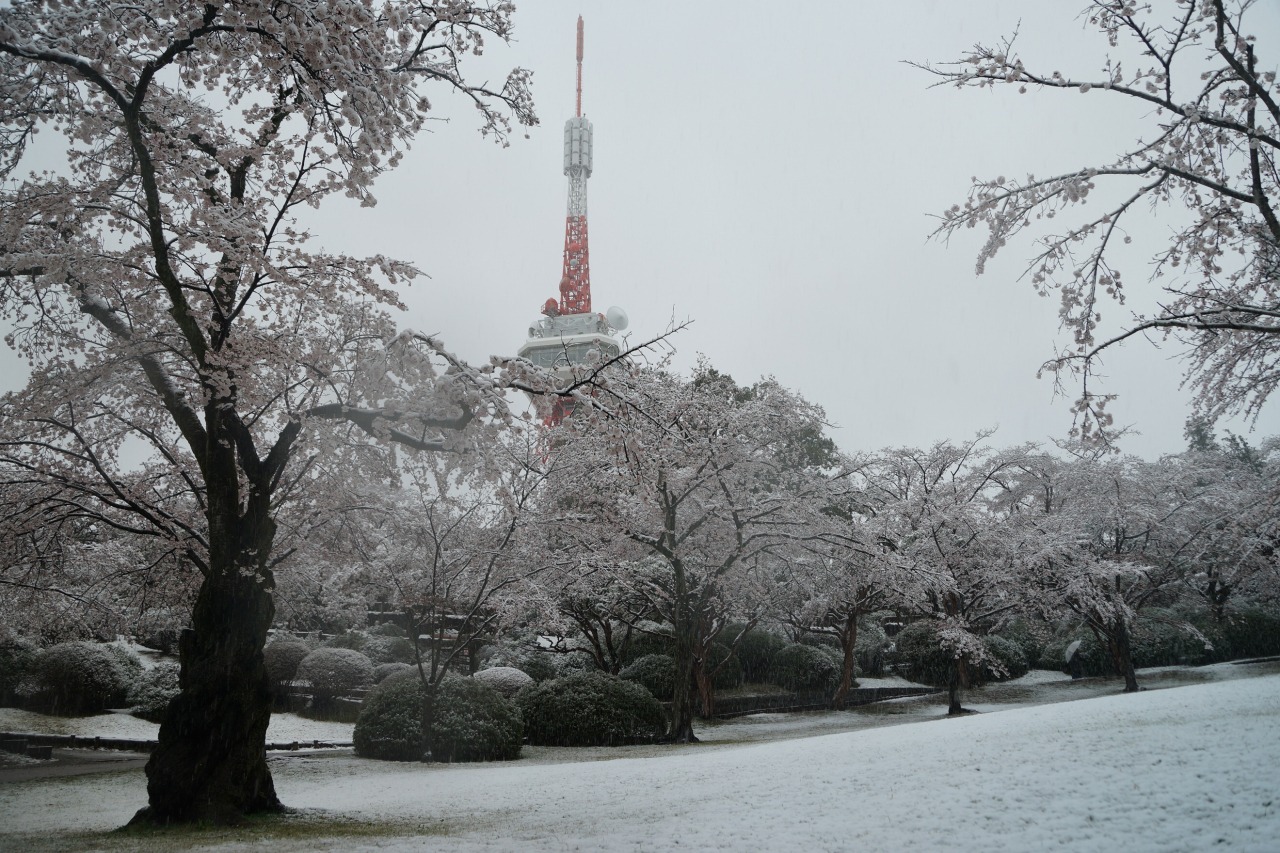
This park located in the center of Utsunomiya City. It numerous attractions include Utsunomiya Tower, which offers a sweeping view of the city, Adventure U playground, which features a large playground and go-kart track, a zoo, and more. Some 800 cherry blossoms trees and 700 azalea bushes have been planted in the park, making it a well-known destination for flower viewing. During the flower-viewing season, the park is illuminated with paper lanterns, Utsunomiya Tower is lit up, and vendors set up festival stalls in the park."

Nikko kaido Oshu kaido TOCHIGI
Boken Katsudo Center

Boken Katsudo Center

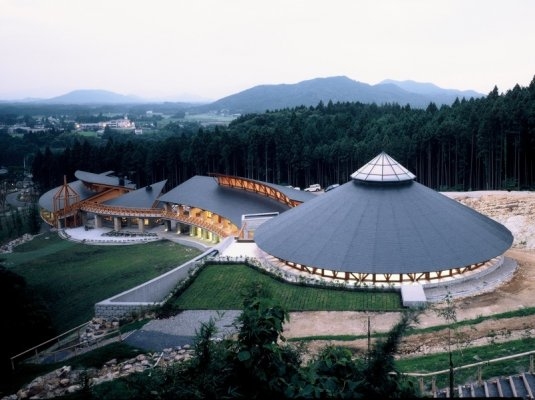
The Utsunomiya City Adventure Activity Center is a hands-on learning facility for children with little opportunity to come in contact with nature to develop creativity, teamwork and independence by learning about nature. The center has a full range of facilities including a spacious arena, an observation deck looking out on Mt. Nantai and the Nikko Mountains, wall climbing and an adventure area with a rope swing, a wooden bridge, a cave and more."

Nikko kaido Oshu kaido TOCHIGI
Auto Camp Nakagawa Station

Auto Camp Nakagawa Station

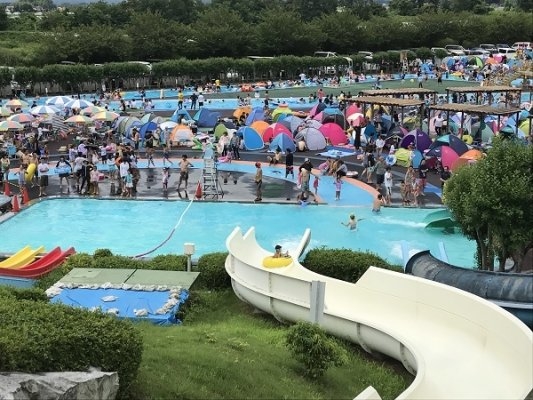
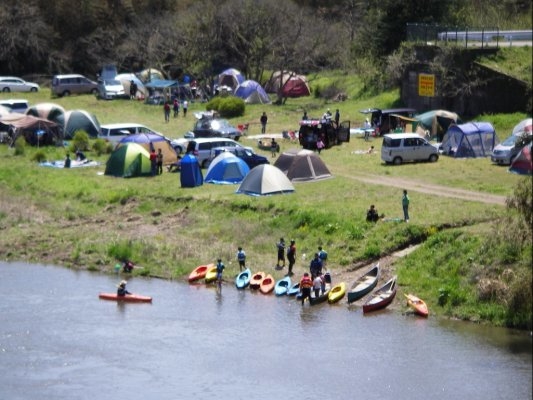
Auto-Camp Nakagawa Station is a drive-up camp ground where you can see the blue waters of the Naka River, the Kanto region's greatest, flowing right before your eyes. It's a great location to watch the river's flow reverse and is also an optimal base camp for mountain biking, hiking and river recreation such as canoeing and kayaking.There canoe and kayak rides and rentals, as well as a school where you can challenge yourself at a pace that suits you. In addition to camping in tents, campers can also stay in air-conditioned bungalows and lodges with AC power (outlets are for charging cell phones only) or in teepee tents (Native American tents) equipped with sunken fireplaces."

Nikko kaido Oshu kaido TOCHIGI
Kawaji Dam

Kawaji Dam

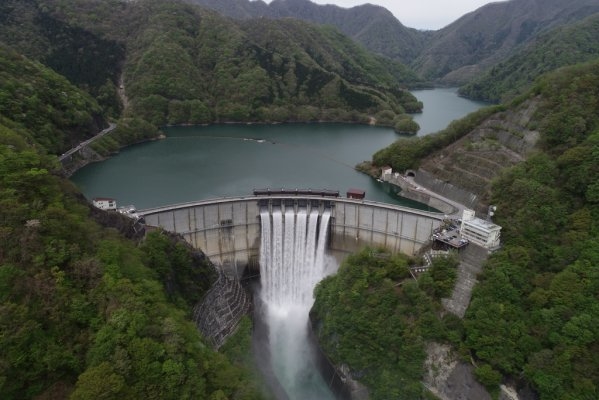
This dam is located along Prefectural Route 23 in Kawaji, Kawajionsen, Nikko City. Completed in 1983, the dam was built along the Kinu River for purposes such as flood control and irrigation. It is the fourth tallest concrete arch dam in Japan. It is considerable force at the time of drainage. At the Kawaji dam museum close to the damsite, it displays the topography model around the dam, a dam model, a construction tool. It has a dining room, the tea room."

Nikko kaido Oshu kaido TOCHIGI
Mt. Ohira

Mt. Ohira

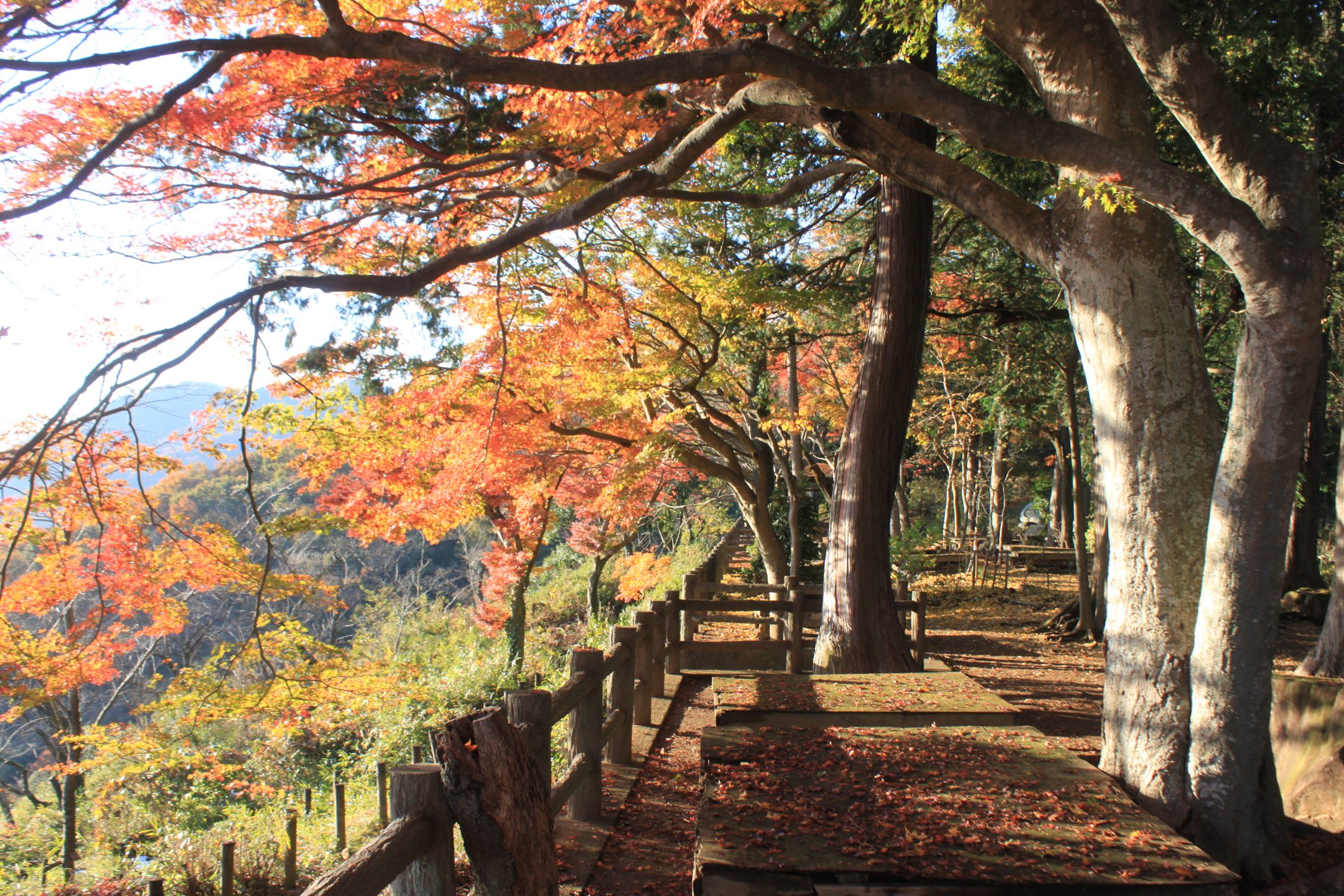
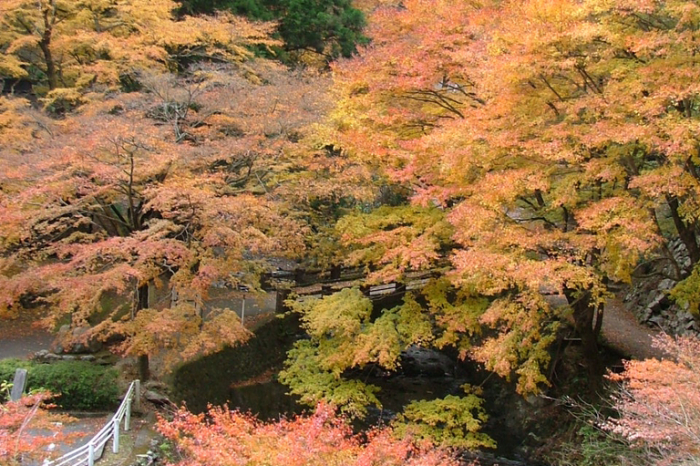
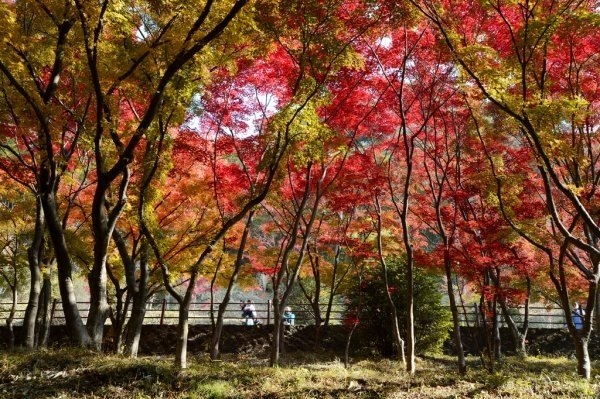
At Mt. Ohira in Tochigi City, you can enjoy seasonal scenery such as a tunnel of cherry blossoms in spring, hydrangea slopes in early summer, and autumn leaves in autumn. Located in the center of Tochigi city, it is a prefectural natural park that was designated in March 1955. From Kenshin-daira near the summit, you can get a panoramic view of the Kanto Plain, and the majestic view of the peaks below floating in mist has earned it the nickname Matsushima on land. From the observation deck you can also see Mt. Tsukuba, and on clear, sunny days you can even see the skyscrapers of Tokyo's subcenter and Mt. Fuji in the distance.

Nikko kaido Oshu kaido TOCHIGI