
Sekikawa Checkpoint Road History Museum
Deep in the mountains along the Hokkoku Kaidō, a reconstructed checkpoint museum where Edo-period travel and authority come vividly to life.
Total: 1140 items
Deep in the mountains along the Hokkoku Kaidō, a reconstructed checkpoint museum where Edo-period travel and authority come vividly to life.
With more than 4,000 kura (traditional storehouses) still standing, Kitakata City is a living testament to Edo-period tradition.
Planted under Tokugawa Ieyasu’s road reforms, these pines marked distance and time. Once a guide for travelers, they still quietly recall the Tokaido in Oiso.
Nihonmatsu Castle invites visitors to explore centuries of Japanese history within Kasumigajo Castle Park, where the legacy of samurai, seasonal beauty, and civic life continue to coexist in a castle-side landscape.
Set in a tranquil area distinct from central Karuizawa, this former post town preserves the history of the Nakasendō and Hokkoku Kaidō junction in a calm, understated atmosphere.
Immerse yourself like a true Chichibu resident as you traverse the steps of this traditional town.
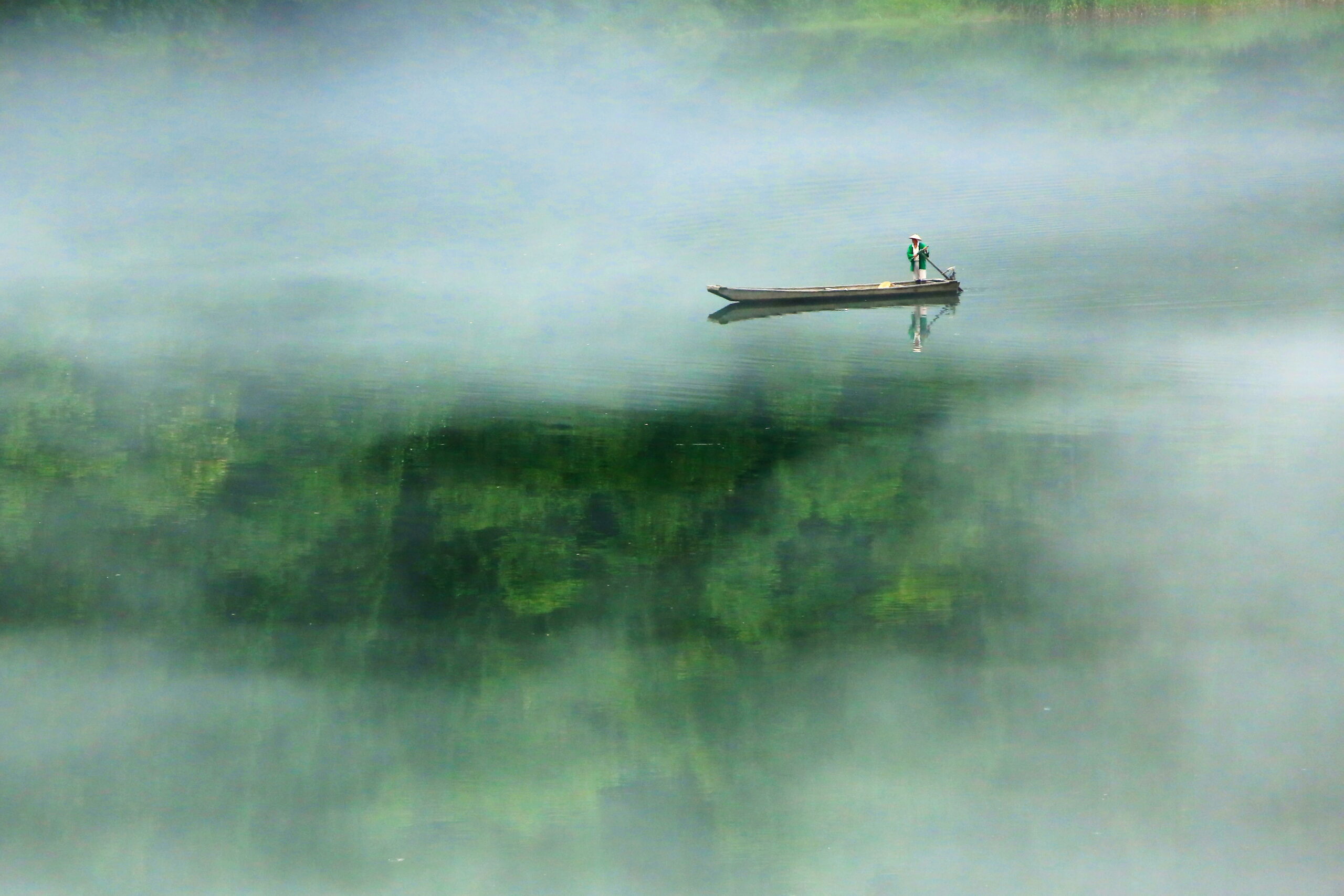
Mugenkyo no Watashi offers a rare river-crossing through Mugenkyo, a mist-veiled gorge in Okuaizu, where traces of a vanished village invite visitors into an immersive landscape of memory.
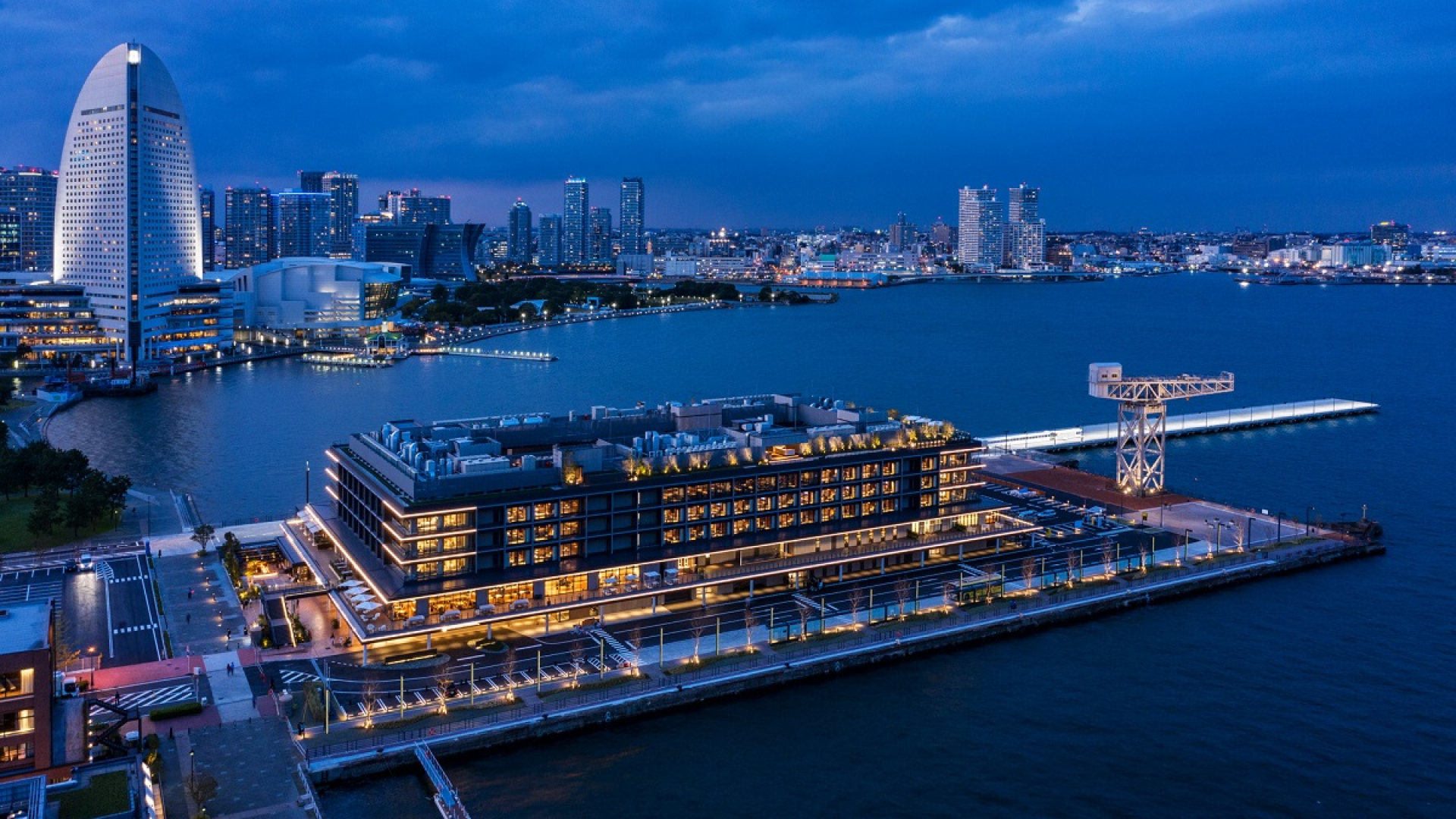
The Westin Yokohama is the newest lifestyle hotel located in Minato Mirai. It boasts an excellent location, with easy access from Haneda Airport and central Tokyo, and is within walking distance of Pacifico Yokohama.Under the Westin brand's concept of 'well-being,' the hotel offers a stay that nourishes both body and mind. All rooms are over 42 square meters in size and are equipped with the Heavenly® Bed, which provides 'cloud-like' comfort for deeply relaxing, quality sleep.The wellness floor, with a total area of over 1,000 square meters, includes a spa, indoor pool, and fitness studio, allowing guests to enjoy a healthy and comfortable experience even while traveling. In addition, a variety of restaurants and bars that are designed to indulge the five senses, along with offerings of locally sourced cuisine, welcome guests to a luxurious dining experience that enriches both body and soul.Escape the hustle and bustle of the city and enjoy a quality hotel experience that will restore your mind and body.
Step into a harmonious blend of history and modern café culture at Hikawa Satei, a beautifully renovated rest spot within the grounds of Musashi Ichinomiya Hikawa Shrine. Unwind in a serene escape North of Tokyo, in a place offering visitors creative drinks and a well-deserved pause during their shrine visit.
Soak in the one-of-a-kind atmosphere of Kasamori-Kannon Temple, founded in the 8th century, where a historic Buddhist sanctuary stands suspended on stilts atop a forested hill in central Chiba.
Tokyo Station Gallery is located inside the red-brick Marunouchi Building of Tokyo Station, transforming the station into a cultural space through art.
Created in 1801 under Sadanobu’s ideal of shared enjoyment, Nanko Park remains a tranquil historic landscape where nature, culture, and daily life harmonize.
The 50,000 m2 site is equipped with lure and fly fishing facilities and a bait fishing pond where mountain stream fish are released. The newly built barbecue facility (Berry Garden) and an area to play with your dog (dog park) have also been added to the park, making it an even more enjoyable facility. There is also a cafe restaurant that can be enjoyed by all, and is fully equipped for night games.
Mikazuki Village recreates the world of old Japan through a lively streetscape inspired by period dramas and regional legends
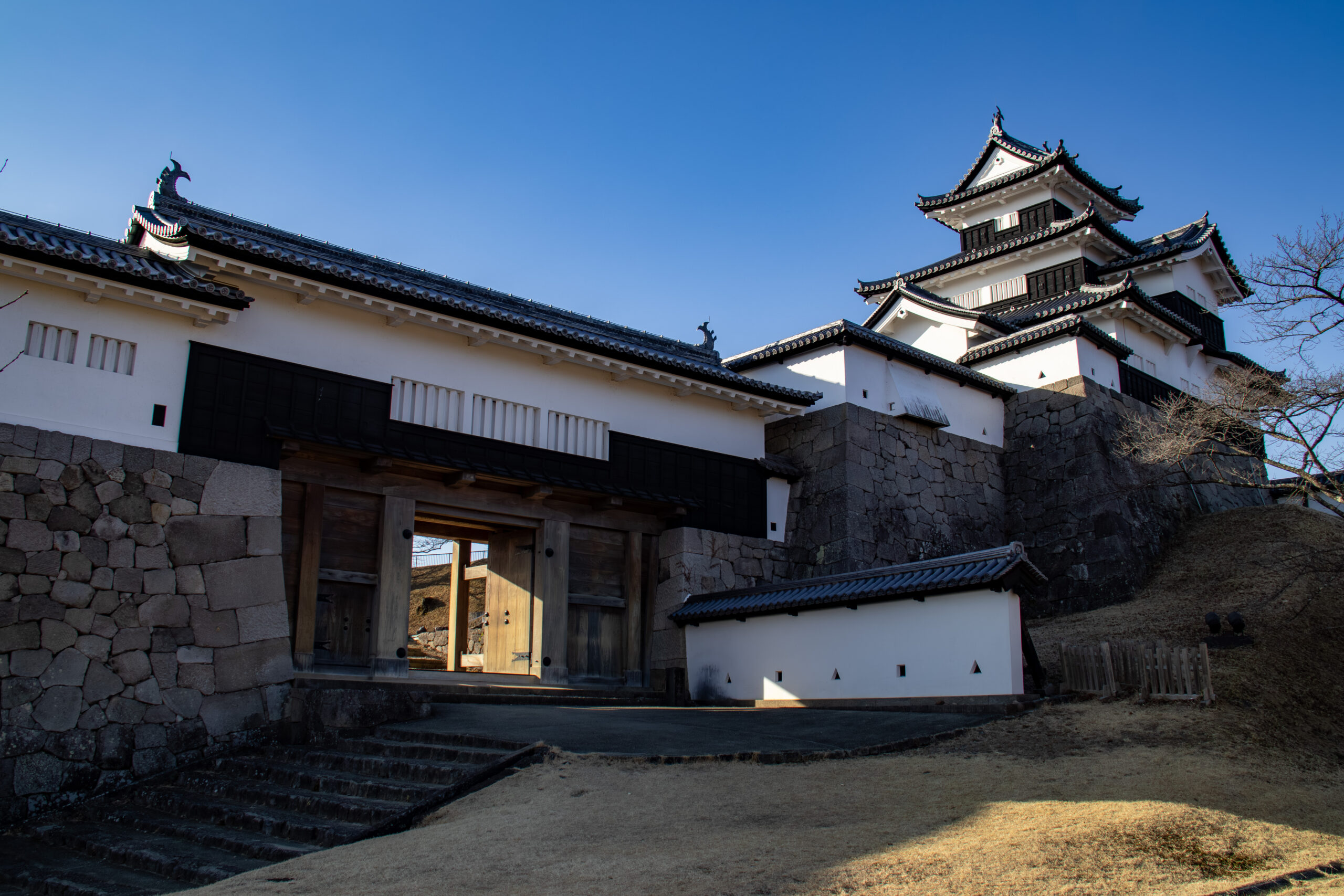
A former Oshu Kaido gateway town, Shirakawa preserves the quiet atmosphere of travelers’ days past.
In the summer, you can enjoy playing in the jumbo pool, which consists of 7 pools including the "Wave Pool" and "Water Slider". On the lawn plaza, which is filled with a tropical atmosphere, you can relax and play under the blue skies. The traffic park has transportation-themed facilities, such as the popular sky cycle and bicycle practice courses.
Yatai no Machi Central Park introduces Kanuma’s festival craftsmanship and garden culture through its exhibition hall and traditional garden.