
Greater Tokyo

See & Do

reset
Shiobara Imagination Archives

Shiobara Imagination Archives

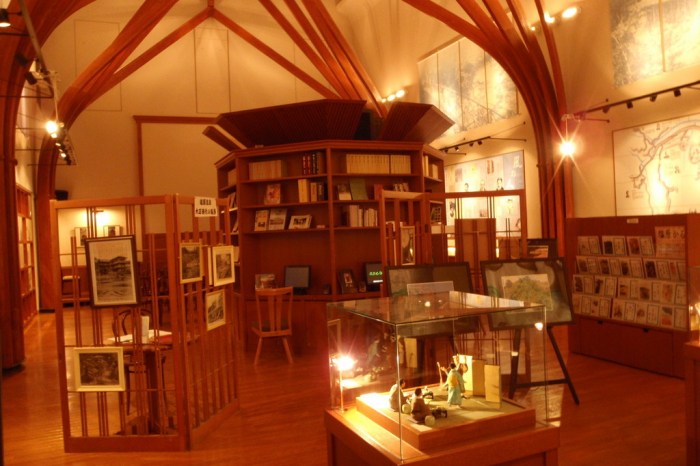
This composite facility can be found along the Shiobara Valley Line in Shiobara, Nasushiobara City. You’ll find exhibits on Shiobara’s history and literature as well as a shop selling souvenirs and local produce, a cafe and restaurant specializing in western dishes made with local ingredients. There’s also a foot bath facility utilizing on-site hot spring water as well as a tourism information section and valley observation platform. "

Nikko kaido Oshu kaido TOCHIGI
Saimyoji Temple

Saimyoji Temple

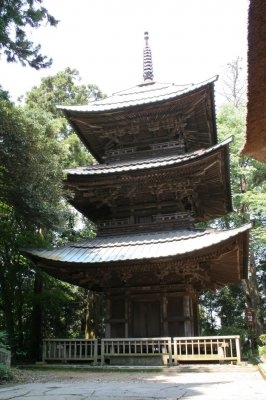
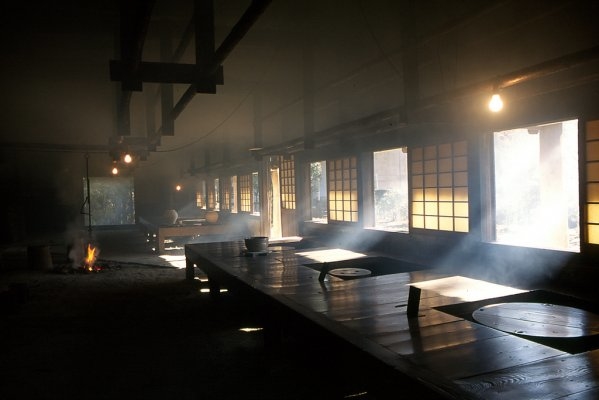
This Shingon Buddhist Sect Buzan School Temple in Mashiko City, Tochigi Prefecture is dedicated to the 11-headed Kanzeon Bodhisattva.  Saimyoji temple is the twentieth temple in the Bando (33 Kannon temples of kanto region) pilgrimage circuit. The gabled thatched two-story gate and three-story pagoda constructed in 1492 and the miniature shine in the main temple hall that is said to be created during the Muromachi period have all been designated Important Cultural Properties of Japan. A statue of a laughing Yama (king of Hell) next to the Bodhisattva Jizo who protects those who have fallen to hell is also found here at the temple. The laughing Yama (king of Hell) is said to be the incarnation of the jizo."

Nikko kaido Oshu kaido TOCHIGI
Tonoike Shuzo

Tonoike Shuzo

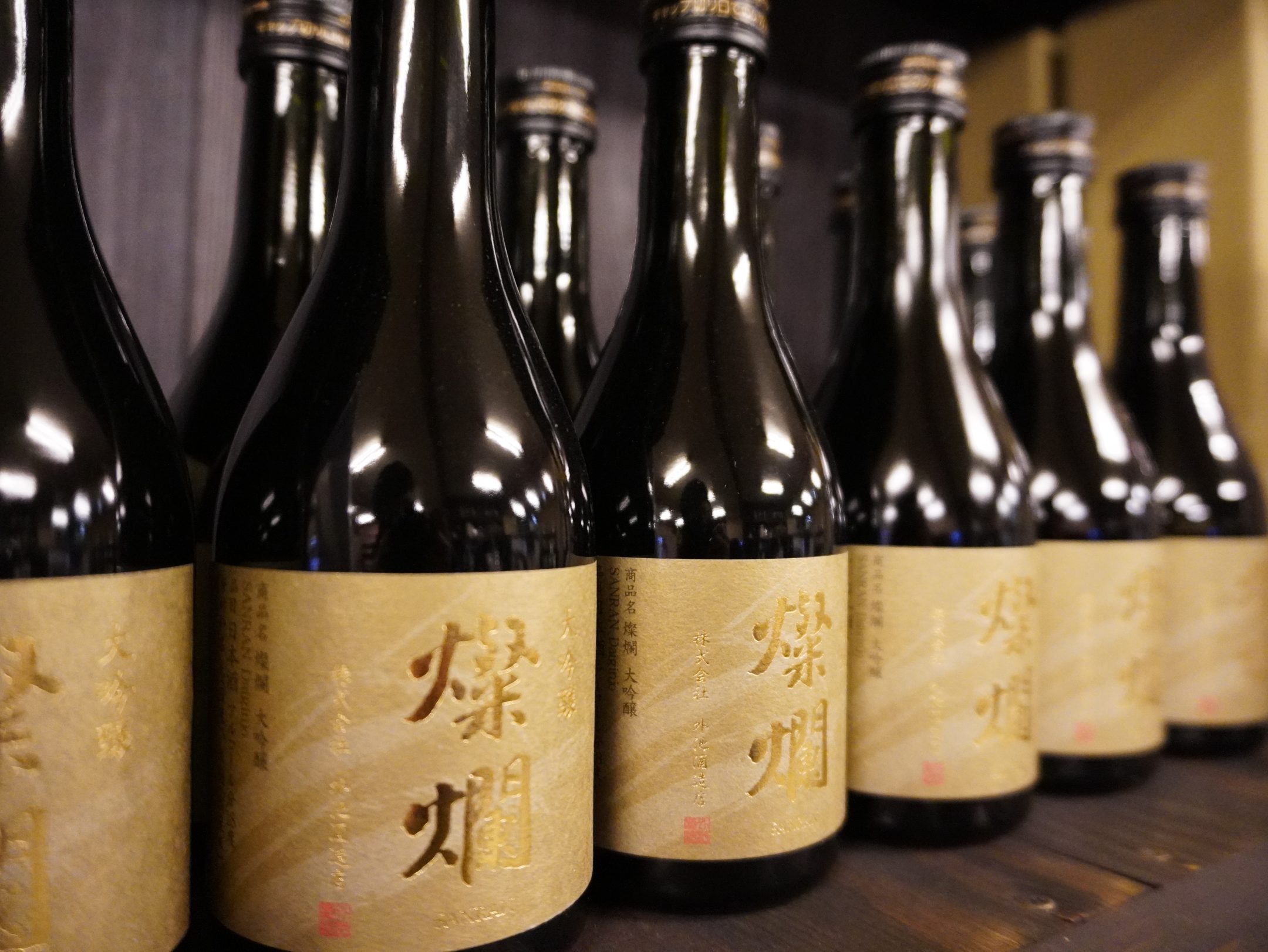
This brewery produces an array of choice sake and received a gold medal at the Annual Japan Sake Awards for its Sanran-daiginjo brew. Their facility tour is popular with tourists, where the brewer explains its history in detail. Come learn about the tradition and techniques of sake production. A gift shop on the grounds sells choice brews and cosmetics made with sake. Enjoy coffee brewed with the same water used for the sake, sweets with sake lees, a sake tasting set, and more at their café."

Nikko kaido Oshu kaido TOCHIGI
Tochigi Prefectural Museum of Fine Arts

Tochigi Prefectural Museum of Fine Arts

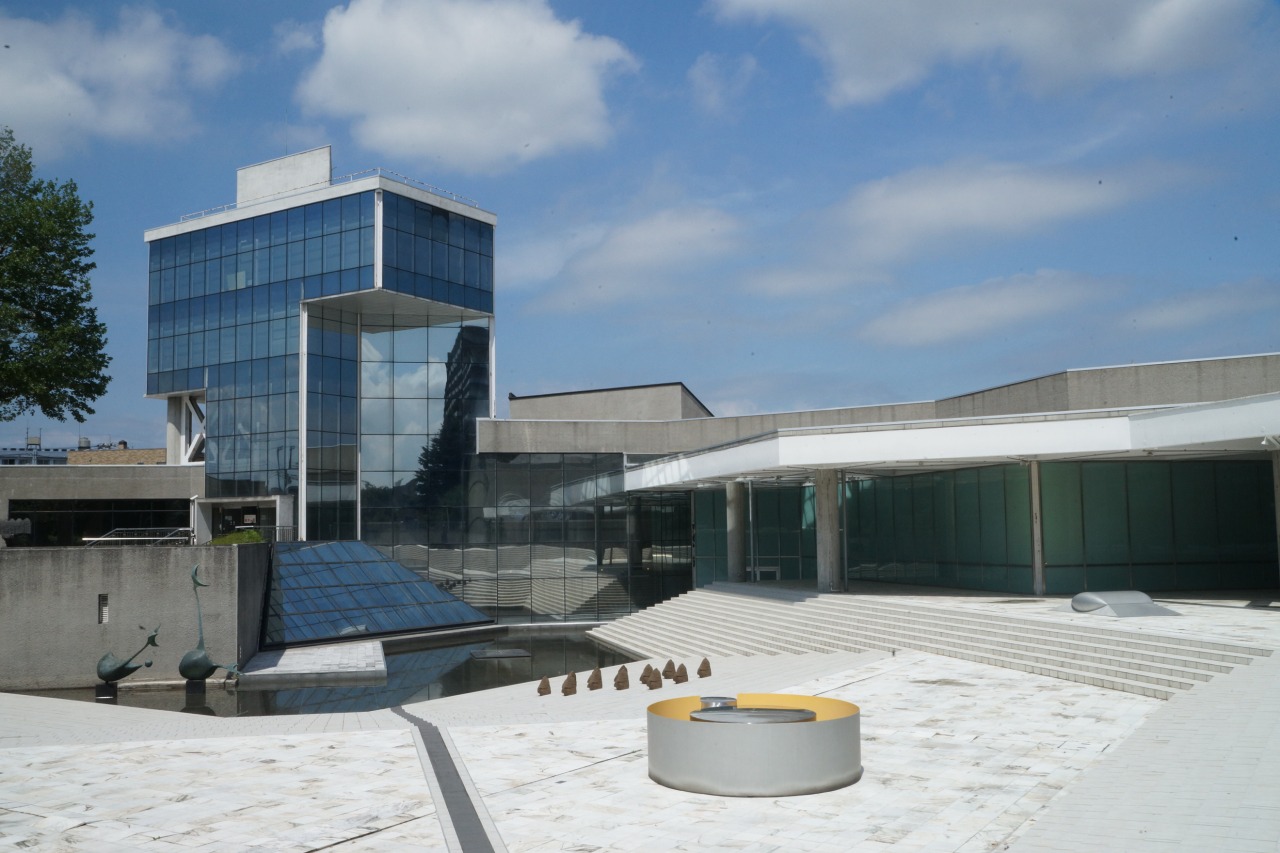
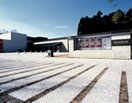
The Tochigi Prefectural Museum of Fine Arts opened in 1972 as one of the first public museums of modern and contemporary art in Japan. Kiyoshi KAWASAKI designed the museum architecture including the collection galleries built in 1981. This art museum's collection spans local and domestic artists as well as works from western Europe, and their 9,000-piece collection includes examples of paintings, woodblock prints, illustrations, photographs, and handicrafts. In the Meissen Porcelain Collection Room, around 100 works are displayed. The exhibits from the best collection of Meissen porcelain in Japan are rotated about 4 times annually."

Nikko kaido Oshu kaido TOCHIGI
Shiobara Onsen Yuppo no Sato

Shiobara Onsen Yuppo no Sato

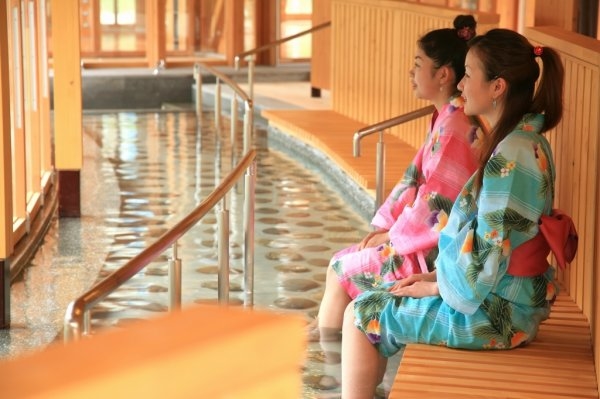
Shiobara Onsen Yuppo no Sato has opened on August 1, 2006, as a base tourist facility to advertise the rich amount of the water of Shiobara hot springs and rich natural surroundings to visitors from home and abroad. It has a 60-meter long footbath which is the largest in Japan. In addition, visitors can enjoy hot shower-baths, Insendo hot spring spot, and an exhibition hall that teaches about the history of Shiobara Hot Spring. You can also stroll about the site while taking in the seasonal blooms and monuments to literary and poem-inscribed monuments."

Nikko kaido Oshu kaido TOCHIGI
Kanaya Hotel History House

Kanaya Hotel History House

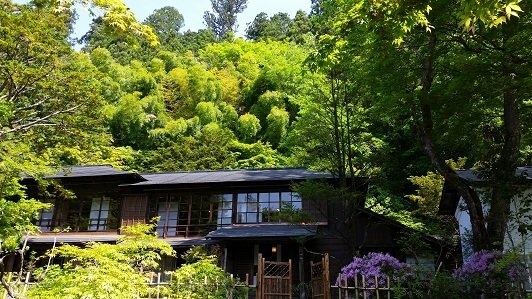
In 1870, Dr. James C. Hepburn, an American medical missionary, visited Nikko and stayed at the house of Zenichiro Kanaya, who was a member of Gagaku (an ancient imperial court music) orchestra of the Toshogu Shrine. Foreseeing an increase in the number of foreign tourists to Nikko, Dr. Hepburn suggested that Kanaya open a hotel for foreigners. Following Hepburn’s advice, Zenichiro remodeled his house and opened “Kanaya Cottage Inn” in 1873.   Kanaya’s house was originally a residence of samurai warriors during the Edo period. For its unique architectural characteristics, Kanaya Cottage Inn was called “Samurai House” by its foreign guests.   In 1893, Zenichiro relocated his business and opened “Kanaya Hotel” on the top of the hill that overlooks the River Daiya. It was Japan’s first full-fledged western-style resort hotel and has been in operation at the same place to date.   The Kanaya Samurai House and warehouse were registered as a National Tangible Cultural Property in 2014 and opened to the public as the Kanaya Hotel History House in 2015.

Nikko kaido Oshu kaido TOCHIGI
Nasu Teddy Bear Museum

Nasu Teddy Bear Museum

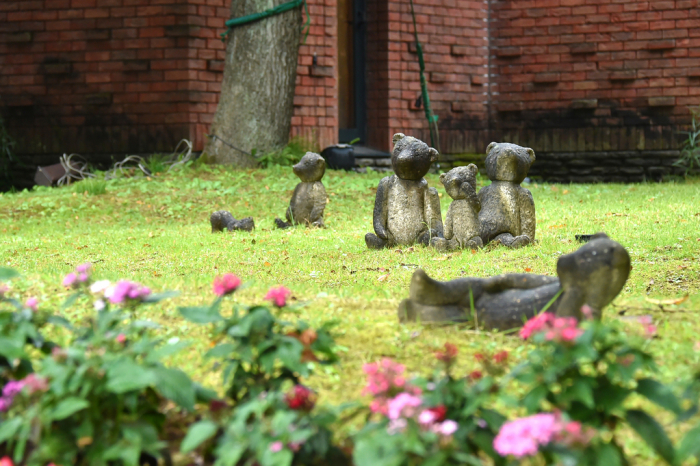
The Nasu Teddy Bear Museum exhibits teddy bears created by 100 artists from all over the world in order to further cultivate teddy bear culture. The museum building is modeled after a British manor house. You’ll find a collection that includes “artist bears” based on artists from around the world, as well as antique bears and Teddy Edward, the teddy bear that has traveled the most around the world. There are also planned exhibitions. The teddy bear museum features the works of Studio Ghibli into the museum as well as famous teddy bears. One of the museum highlights is the full-sized Cat Bus from My Neighbor Totoro. Unlike the Ghibli Museum that can only accommodate small children on the cat bus, even adult tourists can hop on and take pictures of this iconic bus. In addition, there’s a museum shop with a variety of teddy bear goods, as well as a tea room with teddy bear-themed menu items."

Oshu kaido Nikko kaido TOCHIGI
Nikko Saru Gundan

Nikko Saru Gundan

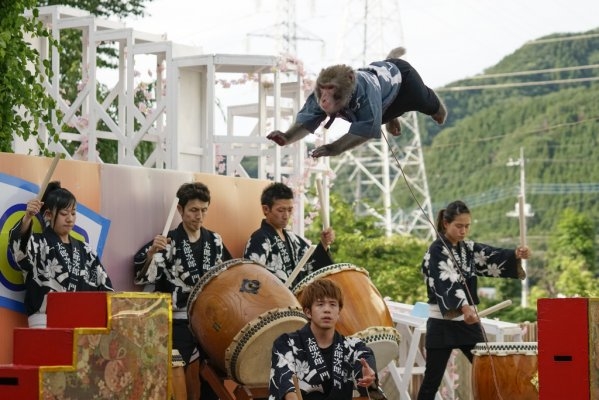
Visitors at this leisure facility can enjoy watching monkeys act in plays, do street performances, and more. It is famous for having produced Taro and Jiro, a trainer-monkey pair that was once the star of many TV commercials. In addition to the exhibit areas, the facility also a number of attractions where visitors can play with the monkeys. The area where visitors can take a photo while holding baby Japanese macaques is gaining popularity."

Nikko kaido Oshu kaido TOCHIGI
Mashiko Museum of Ceramic Art / Ceramic Art Messe Mashiko

Mashiko Museum of Ceramic Art / Ceramic Art Messe Mashiko

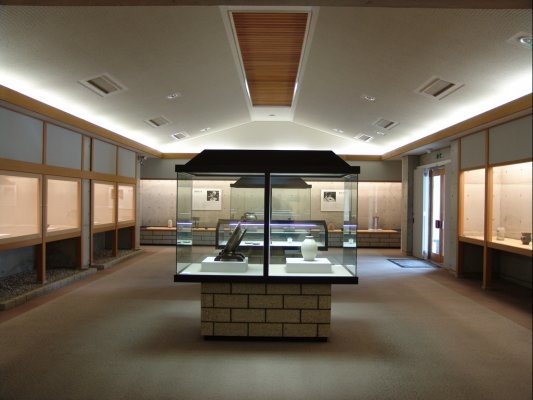
The Mashiko Museum of Ceramic Art features works by the late Mr. Shoji Hamada, who was a designated Living National Treasure, as well as works by other ceramists associated with the town of Mashiko. On the same site, there are also the Sasajima Kihei Hall, which has permanent exhibitions of works by the printmaker Kihei Sasajima, who studied under Shiko Munakata, and the Mashiko Arts & Crafts Residence, which hosts artists-in-residence from all over the world as part of an international exchange program. Shoji Hamada's House, which has been designated as a Cultural Property by the town of Mashiko, includes a reconstruction of the climbing kiln that Mr. Hamada used. You can also pick a cup you like and enjoy tea or coffee at salon located on the premises of the museum. There is also a museum shop in the salon where you can buy Mashiko pottery and more."

Nikko kaido Oshu kaido TOCHIGI
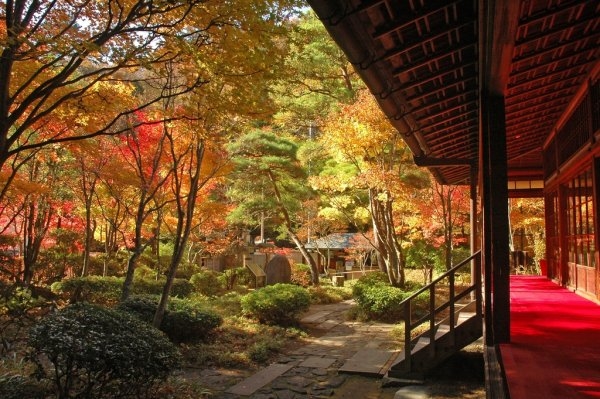
Nasu World Monkey Park

Nasu World Monkey Park

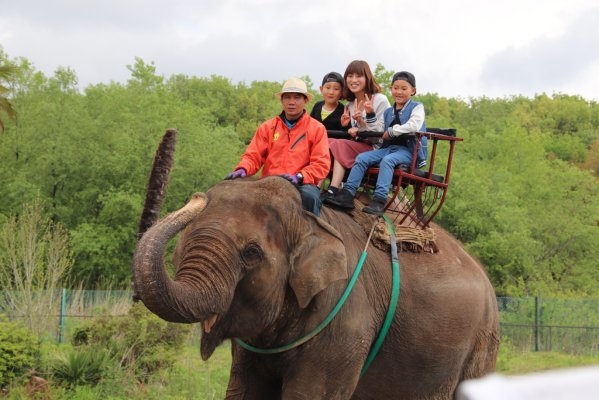
Nasu World Monkey Park is a monkey theme park with over 60 different types of rare monkeys from around the world. The plaza where guests can hold and take photos with the cute and rare monkeys is extremely popular. In addition to a petting area, there’s a “monkey theater” with variety shows featuring monkeys. And an “elephant forest” where visitors can ride elephants, along with many other experiences. You’ll also find restaurants that provide various Asian cuisine and shops that sell monkey-themed goods."

Nikko kaido Oshu kaido TOCHIGI
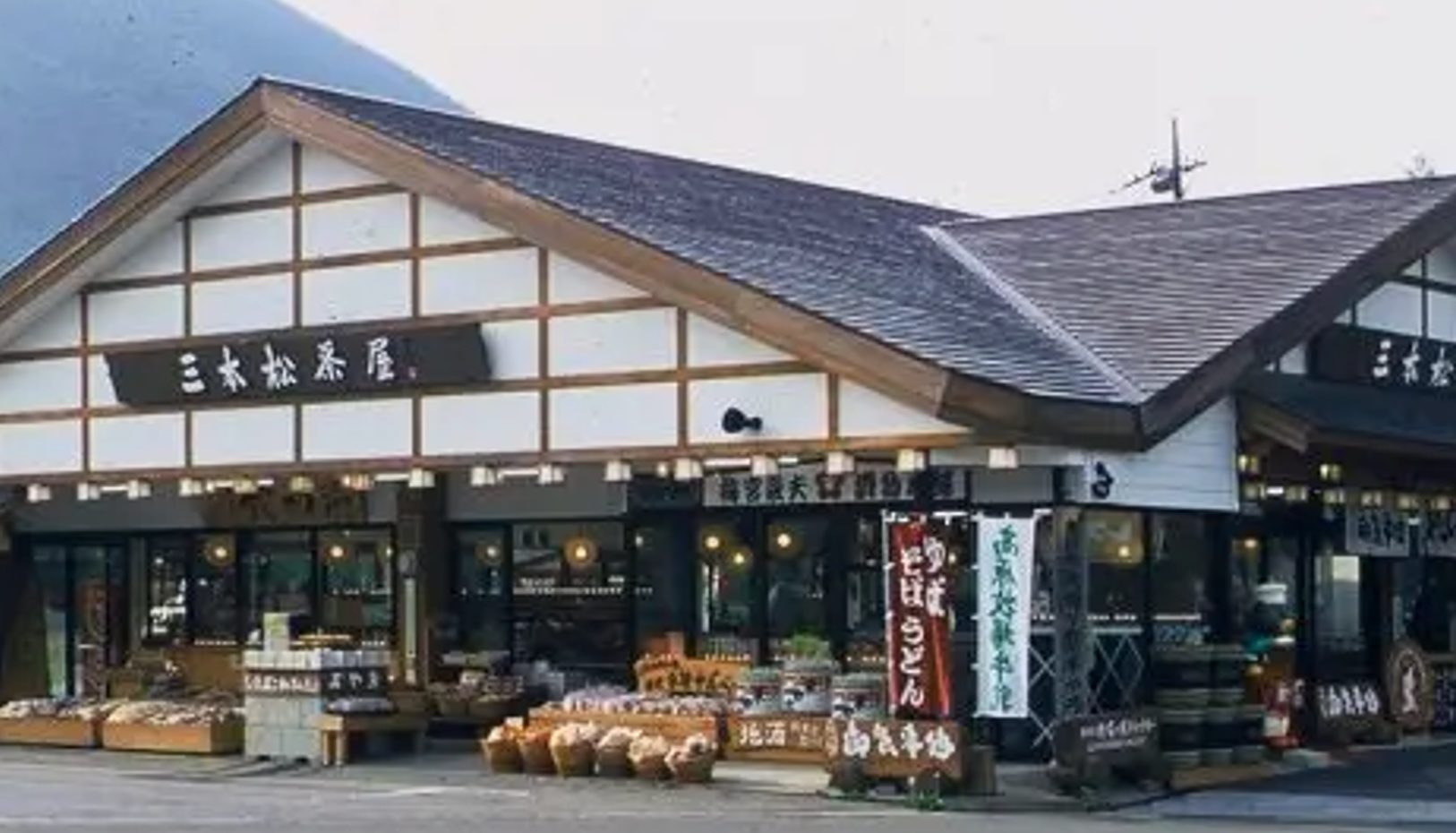
Nakagawa Aquatic Park

Nakagawa Aquatic Park

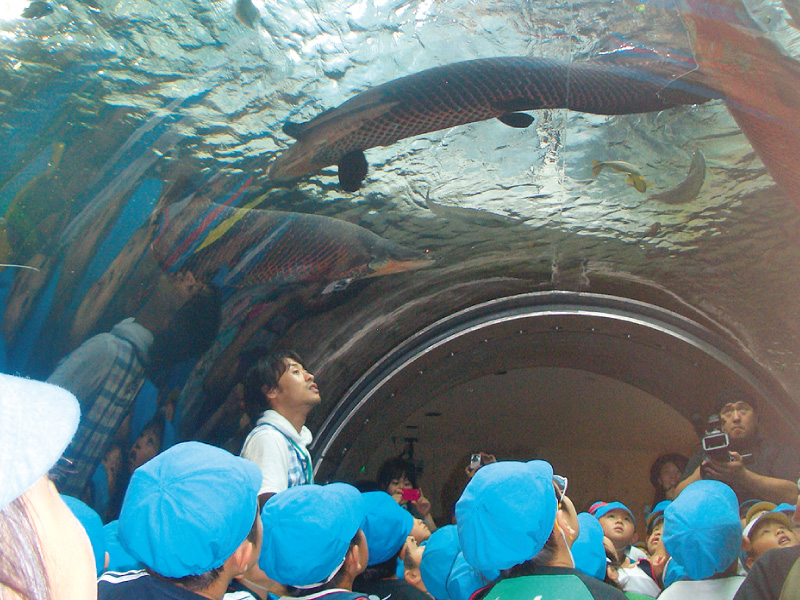
From the Nakagawa River, the best clear stream in the Kanto area, to rivers in the world (Amazon River), then to the Longing Sea (fish in coral reefs), are introduced in approx. 60 water tanks, in various sizes from small to large. The attraction of the river, which the sea does not have, is definitely the sunlight shining deep through the water. A large amount of sunlight is taken in at the aquatic park, recreating the scenic riverbed. As natural light shines through the water, the fish actively swim in the aquarium, which is an attractive part of this park which cannot be experienced at a marine aquarium. There are many interactive areas as well, including touching tanks where visitors can encounter crayfish and starfish directly."

Nikko kaido Oshu kaido TOCHIGI
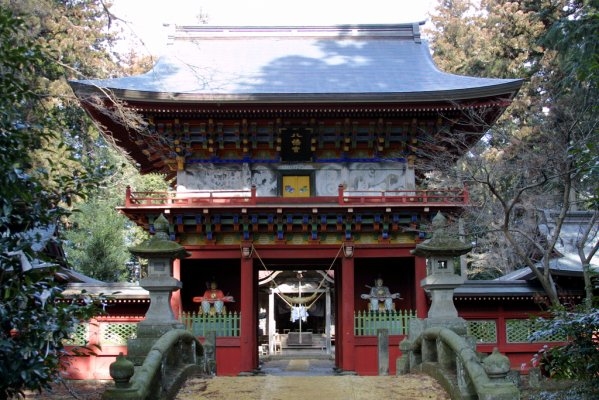
Emperor’s Room Memorial Park

Emperor’s Room Memorial Park

Emperor’s Memorial Park is a recreation of the former Shiobara Imperial Villa which was used as a summer resort for the imperial family. The villa was originally owned by Michitsune Mishima, the Governor of Tochigi Prefecture at that time, and was later offered to the Imperial Household Ministry in 1904. It was visited by Imperial family members including Emperors Meiji, Taisho and Showa and Princes Chichibu, Takamatsu and Mikasa. During the World War II, Princesses of Emperor Showa evacuated from Tokyo to this villa. After the war the villa was transferred to the Ministry of Welfare. Today, the Tenno-no-ma room, which was relocated to the current location in 1981, is open to the public with its beautiful garden. In the building there are a variety of materials that show the life of the Imperial household such as their stationeries, documents and photographs along with furnishings."

Nikko kaido Oshu kaido TOCHIGI
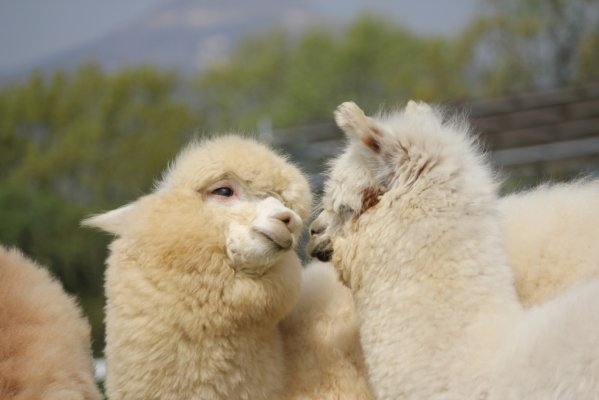
Sanbonmatsu Chaya

Sanbonmatsu Chaya

For over 100 years since its foundation, Sanbonmatsu Chaya has been a rest area for people who travel to, from, and through Oku-nikko. Please drop by for a rest during your trip. The restaurant serves homemade dishes using a lot of local ingredients, and the souvenir shop has a line up of items that you can buy only at Sanbonmatsu Chaya! They also offer a dessert making workshop (from around August through October): You will first harvest strawberries at Mt. Berry Okunikko in Senjogahara and then make sweets at Sanbonmatsu Chaya. You can make a reservation a week before, but they recommend you do so as early as possible. If there is a vacancy, you can even reserve your spot on the same day. Please enjoy making a dessert you like!

Nikko kaido Oshu kaido TOCHIGI
Nasu Shrine

Nasu Shrine

This shrine is located in Minamikanemaru, Otawara City, Tochigi Prefecture. It is said to have been built more some 1600 years ago during the time of Emperor Nintoku. The shrine was rebuilt by Nasu no Yoichi, a samurai famous for his legendary feat of archery at the Battle of Yashima at the end if the Heian period. For this reason, it has strong ties to the Nasu Clan. To this day, horseback archery is still practiced at the shrine's annual grand festival. The main shrine and the shrine's two-story gate, which were rebuilt in 1577, have been designated as national Important Cultural Properties."

Nikko kaido Oshu kaido TOCHIGI
Nasu Alpaca Farm

Nasu Alpaca Farm

The first and largest alpaca farm in Japan.This alpaca farm is located along Prefectural Route 305 in Oshima, Nasu Town. About 400 alpacas are being raised on the expansive grounds of the ranch. Throughout the four seasons, you can enjoy watching the alpacas amidst the natural scenery of Mt. Nasudake. Fluffy four-legged friends are waiting for your visit, you can feed them, take a stroll with them, and take many unique photographs together with them. Enjoy watching and petting lovely wonder alpacas!"

Nikko kaido Oshu kaido TOCHIGI