Lake Sagami Onsen (Hot Spring) Ururi
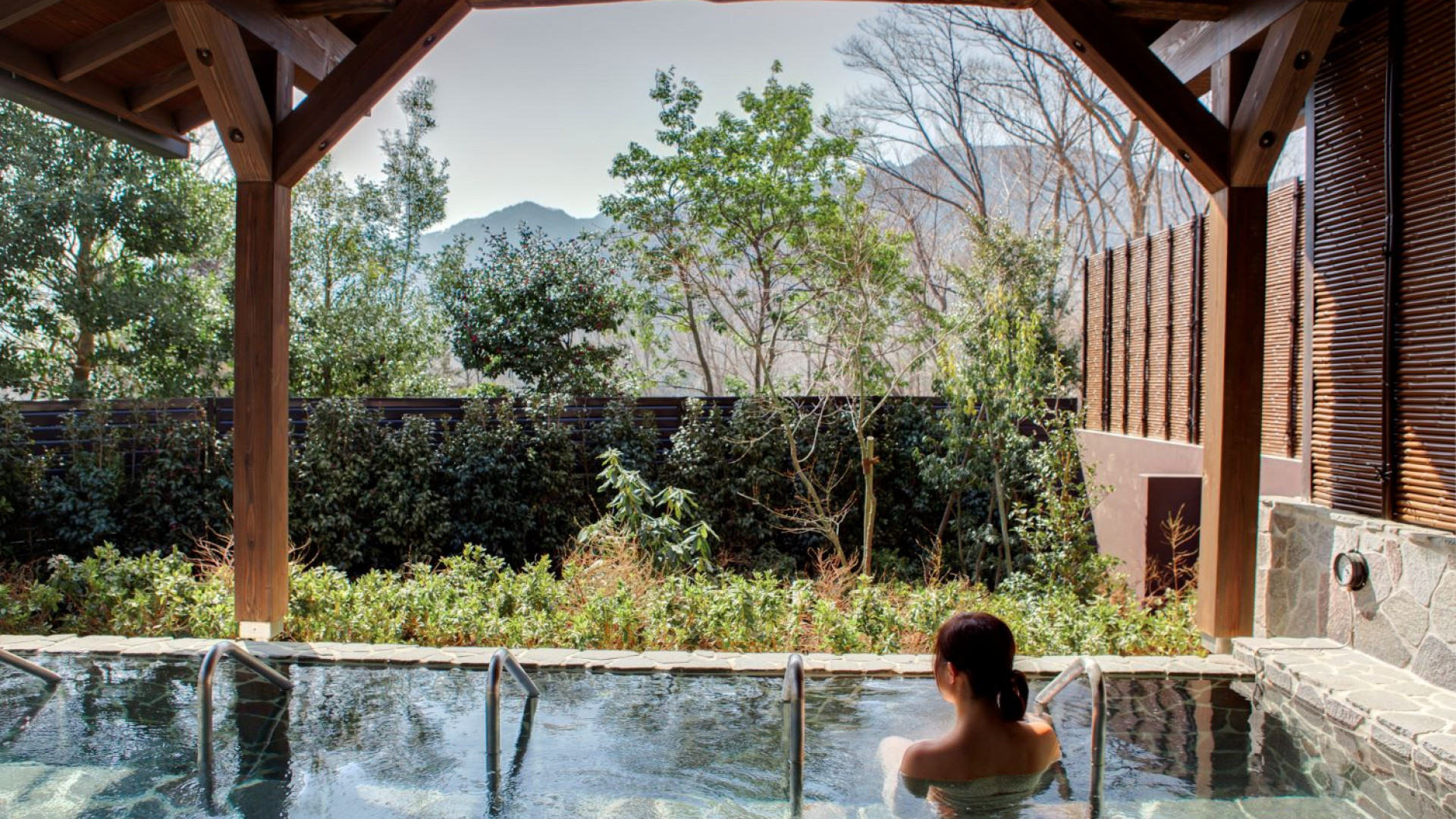
Lake Sagami Onsen (Hot Spring) Ururi is a bathing facility for day trips, built on a hill surrounded by Sagamiko Forest.
Total: 1727 items
Lake Sagami Onsen (Hot Spring) Ururi is a bathing facility for day trips, built on a hill surrounded by Sagamiko Forest.
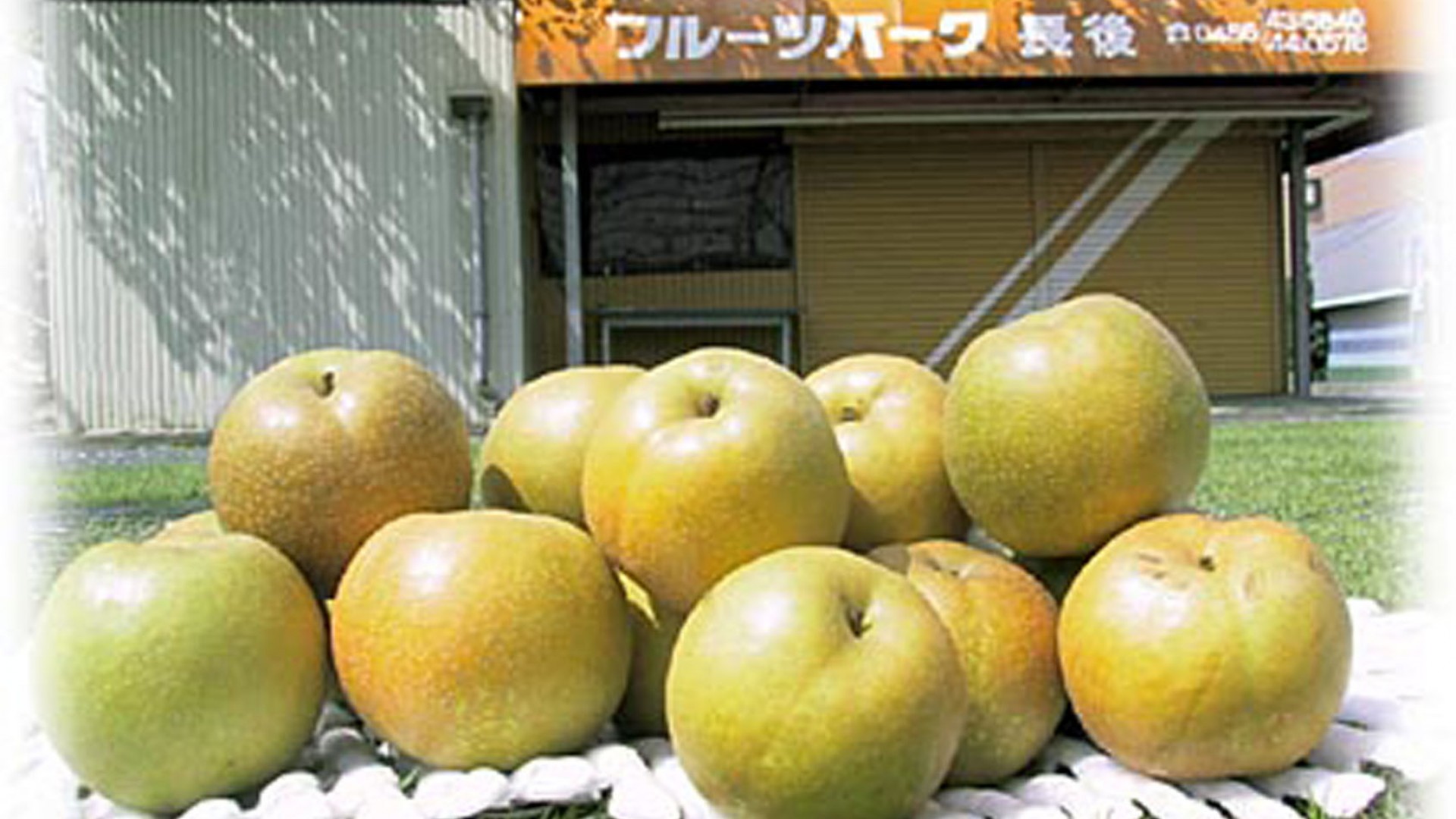
An orchard located within Fujisawa City. We offer fruit-picking experiences, as well as direct sales and home delivery. Plums can be picked in May, whereas pears, grapes, Japanese pears, persimmons, figs, and other fruits can be picked from August to December.
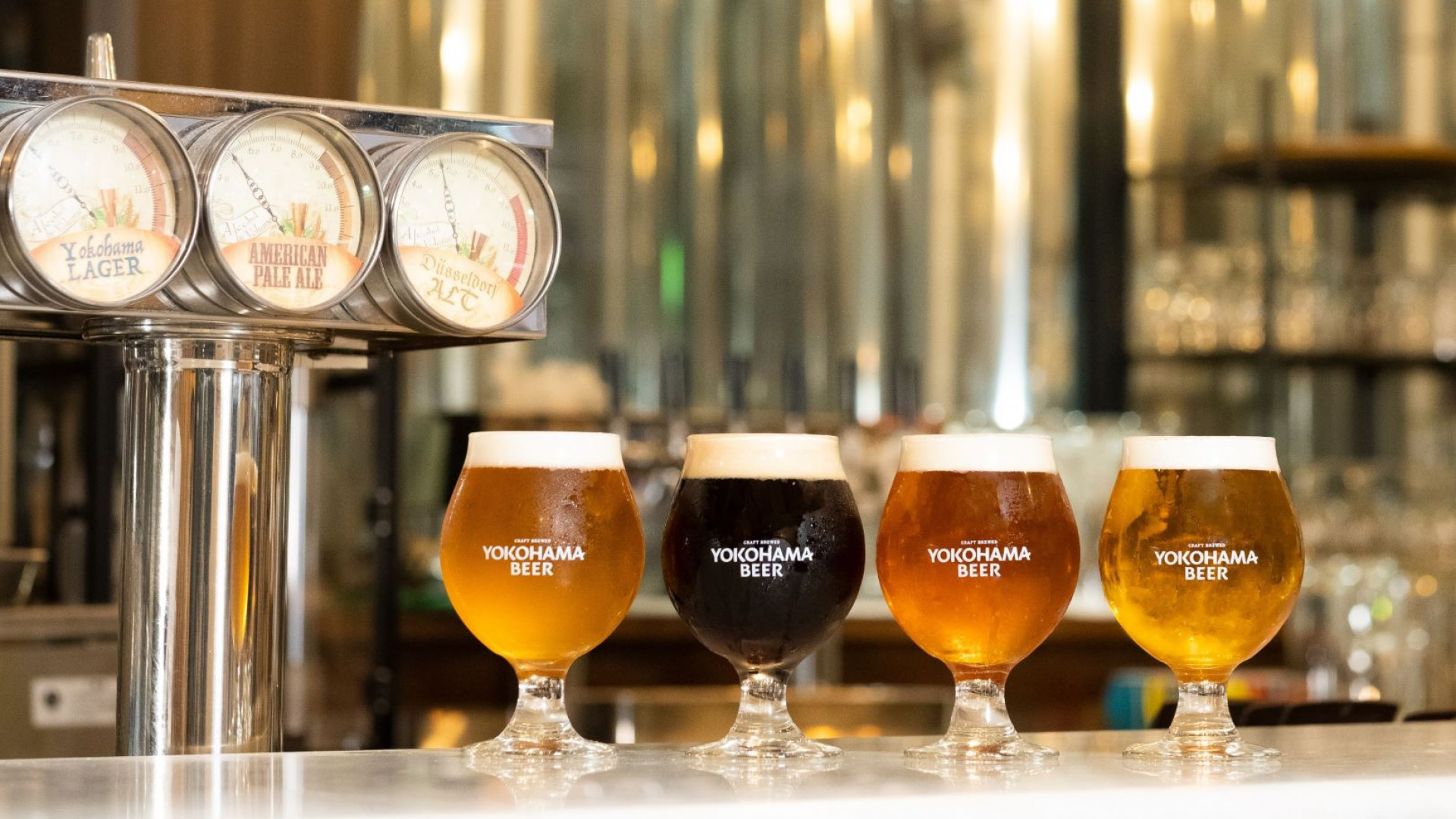
A beer hall dining restaurant where visitors can enjoy ingredients and dishes that envoke the history and stories of Kanagawa and Yokohama, coupled with beer fresh from the on-site factory. Here you can enjoy all of our original Kanagawa cuisine, made with ingredients obtained directly from local producers. We have a number of private rooms which can accommodate a variety of groups and parties, as well as a full lineup of all-you-can-drink plans featuring delicious Yokohama beer and food. We are a restaurant where you can always find new dishes and different ways to enjoy beer.Come and visit us to find your favorite beer! There are five types of beer brewed in-store: pilsner, alto, Weizen, pale ale, and Yokohama lager. Enjoy the crisp, fresh taste.
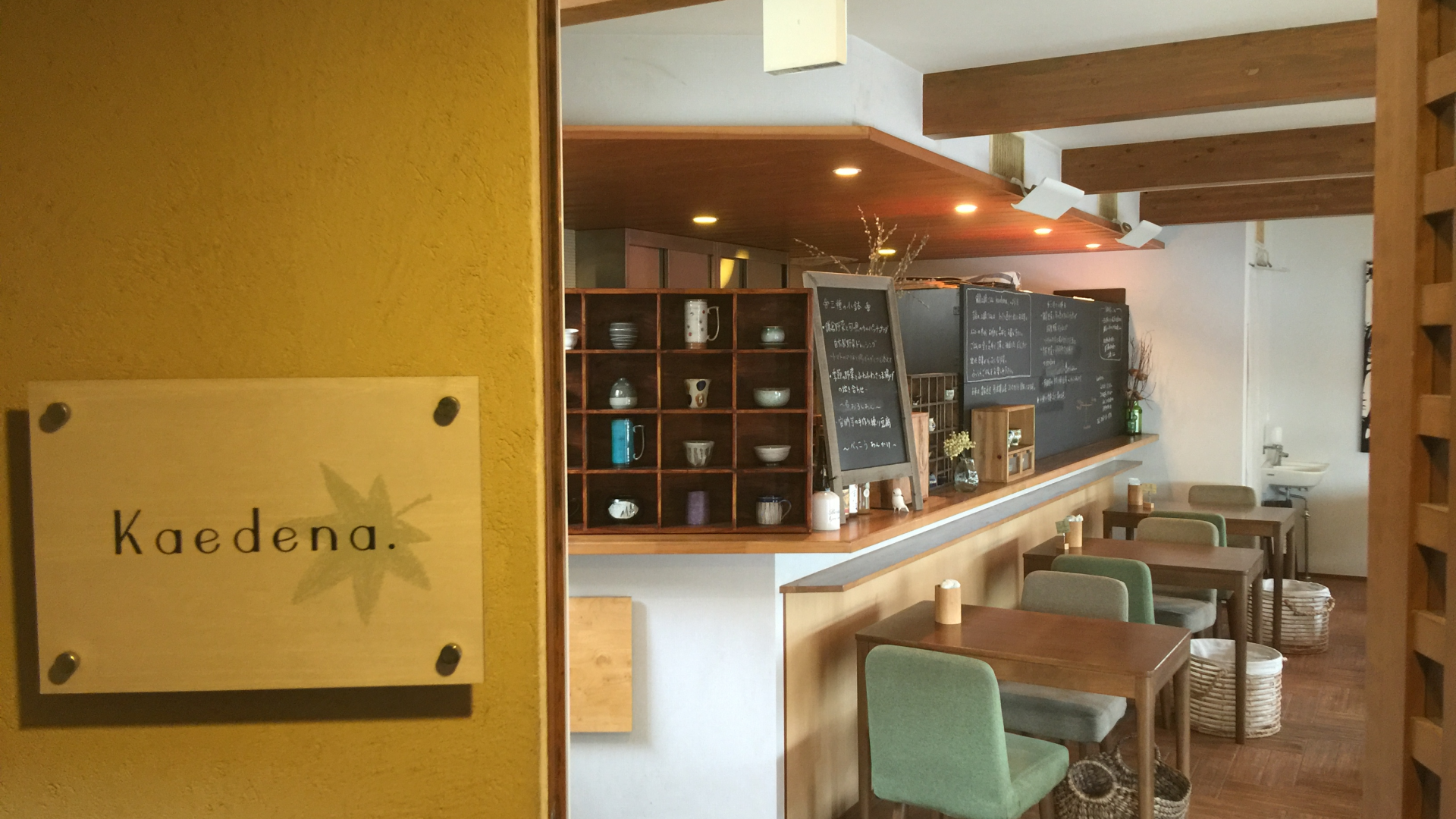
Kamakura earthen pot restaurant Kaedena is in Hase, Kamakura. It serves you special earthen pot Japanese menu. At lunch time "Donabe gohan", rice menu will be cooked in the earthen pots. They serve for each guest an earthen pot cooked rice in slowly cooked seaweed broth. The rice are from contracted farmer in Shinoyama, Tanba, Hyougo prefecture. At dinner time, you can enjoy the chef's special originals. This place is near from Hase Buddha and Kamakura Daibutu.
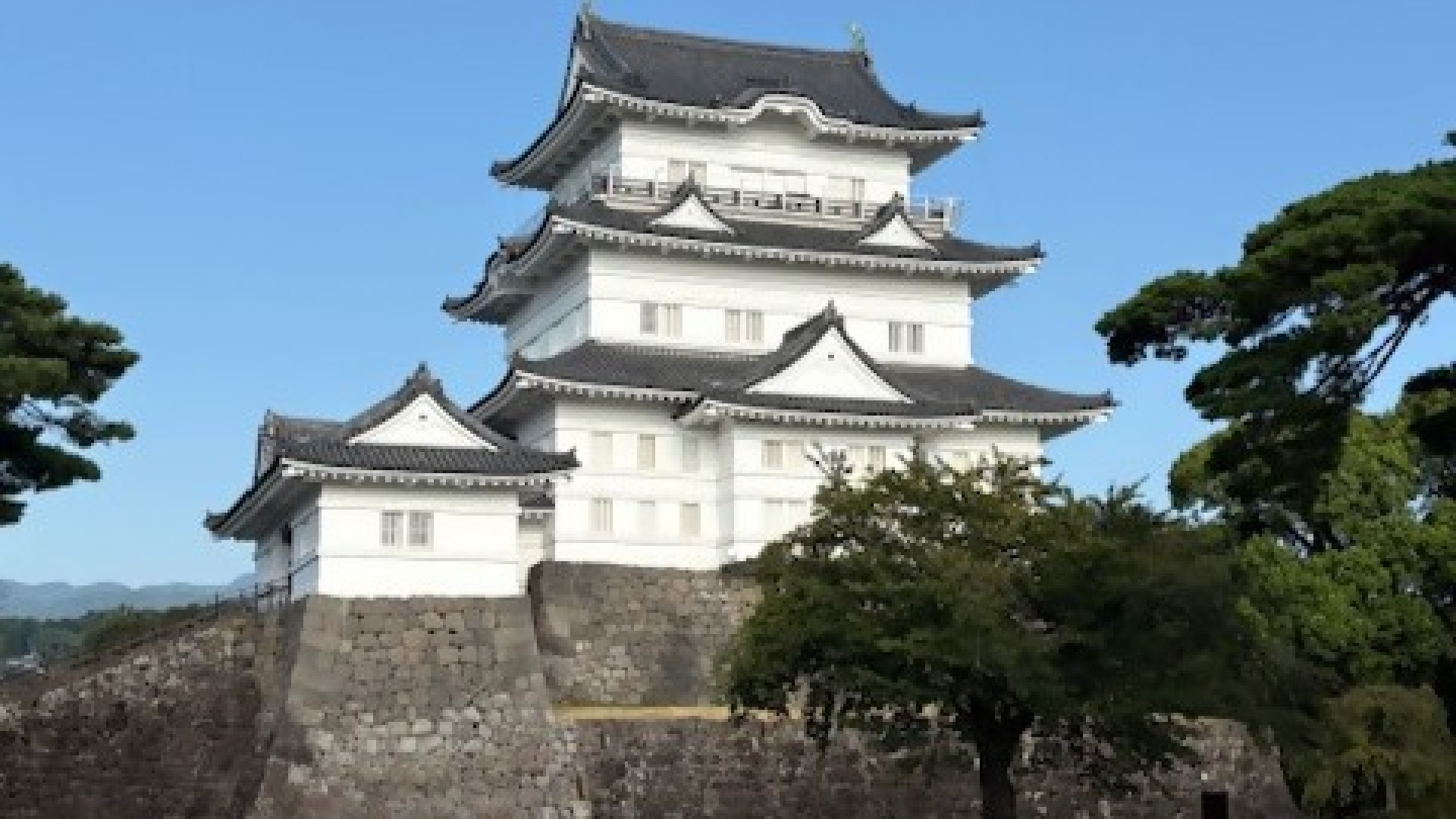
Odawara is home to a number of attractions, including Odawara Castle—the centerpiece of its castle ruins park, Miyuki Beach, Kamaboko Street (part of the historic Old Tokaido Road), and Odawara Fishing Port, as well as traditional crafts like Odawara lacquerware and Odawara Chochin (paper lanterns). At the fishing port, you can enjoy fresh sashimi, fried seafood, and the local variation of Kamaboko (a steamed fish paste product). The Odawara Castle & City Walking Tour (approx. half-day) takes you to Odawara Castle's main keep for panoramic views of the city and Sagami Bay, immerses you in history, and guides you through the historic streetscape. Explore the castle town where you can enjoy crafts and local cuisine. Itinerary: Odawara Station → Odawara Castle → Miyuki Beach → Fureai Exchange Center (Kamaboko Street Rest Area) → Lacquerware & Pottery Gallery (Odawara Lacquerware Shop) → Odawara/Ejima (Washi Paper & Japanese Tea Shop) → Odawara Station
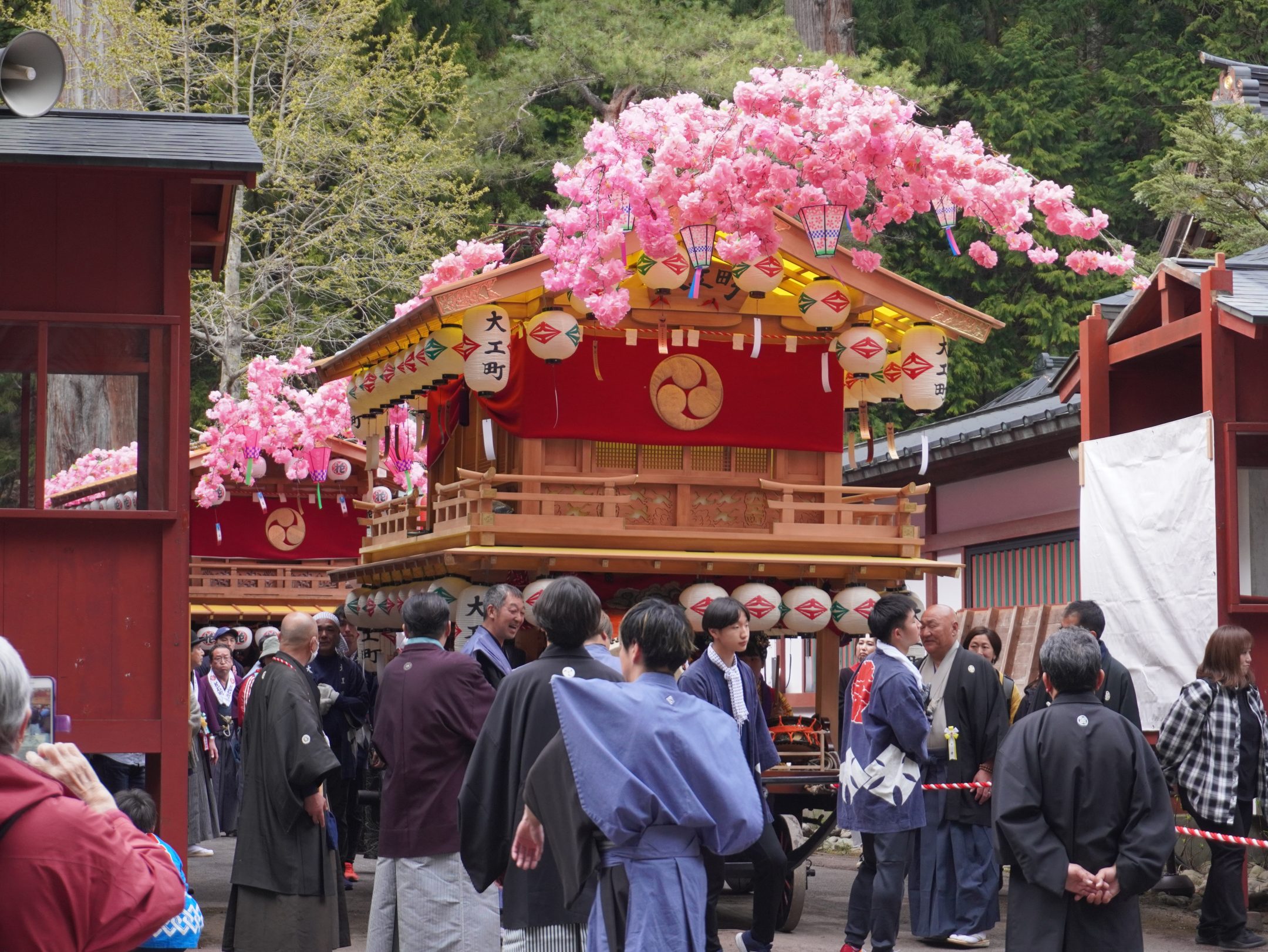
The Yayoi Festival is a traditional event in Nikko that marks the arrival of spring. Held annually from April 13 to April 17, this historic festival has been a part of Nikko’s cultural heritage for centuries. The festival is believed to have originated during the Jingokeiun era (767–770) as a grand ritual to celebrate the changing seasons. It was originally held in the third month of the lunar calendar, which is called "Yayoi" in Japan, meaning a time when nature flourishes. After the adoption of the Gregorian calendar in 1873, the festival continued in its current form, maintaining its deep-rooted traditions. Festival Highlights The festival officially begins on April 13 with a procession of beautifully decorated mikoshi (portable shrines) from the Honsha, Takiou, and Hongu Shrines. However, the most spectacular part of the event takes place on the final day, April 17. During the five-day celebration, various rituals are performed to honor the deities, but the most anticipated events are the Grand Festival (April 16) and the Procession of Floats (April 17). On these two days, eleven different neighborhoods from eastern and western Nikko bring out their elaborately adorned azalea floats and lively traditional musical bands, parading through the streets of the city. The highlight occurs when all the floats gather within the shrine grounds. Following an ancient custom, representatives from each town exchange greetings and name cards before the floats, accompanied by traditional hayashi (festival music), circle the shrine. On April 17, the festival reaches its climax when representatives from Ishiya-machi, the town responsible for that year’s festival, lead the crowd with spirited chants as they push the massive floats up the stone steps of the shrine’s sando (approach path) in a dramatic display of strength and unity. A Festival Steeped in Tradition The Yayoi Festival strictly follows ancient traditions, with every step of the ritual conducted as it has been for generations. Locals believe that any deviation from the traditional methods could bring misfortune, adding to the festival’s reputation as a “troublesome” or “chaotic” festival. Because of this, some people even refer to it as the “GOTA Festival”, where "GOTA" symbolizes trouble or disputes. This nickname has also led to the festival being called the “Quarrel Festival”, highlighting the passionate dedication and fiery energy of its participants. Steeped in history and rich cultural significance, the Yayoi Festival is a must-see event for anyone visiting Nikko in spring. It offers a rare opportunity to witness Japan’s traditional rituals, dynamic parades, and the deep community spirit that has kept this festival alive for over a millennium.
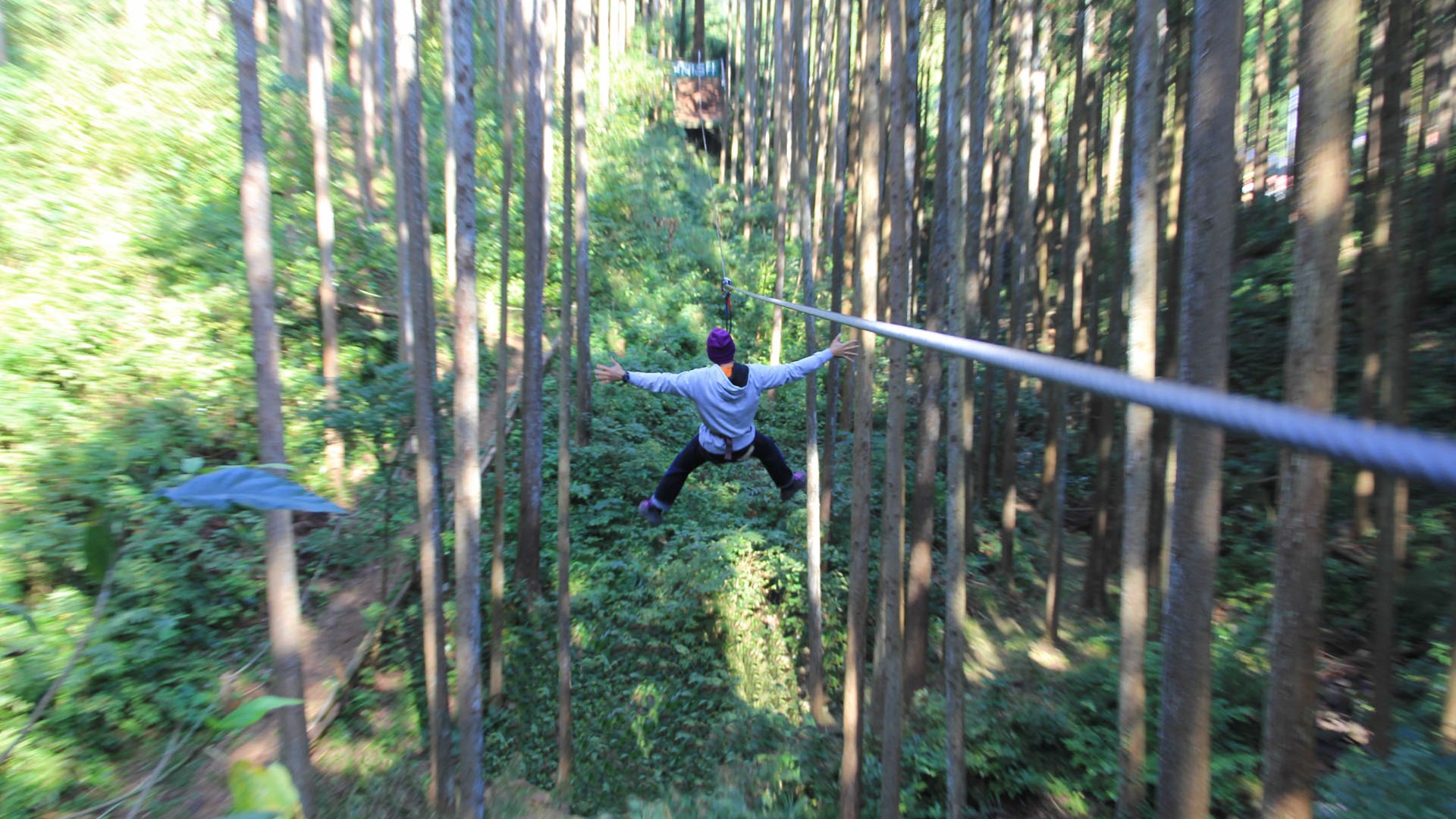
Forest Adventure is a leisure facility that originated in France. As the name "Forest Adventure" in Japanese implies, it is a nature-symbiotic outdoor park where visitors can enjoy full-scale ziplines wearing special harnesses. The Discovery Course is 10 meters high and over 100 meters long, and the zipline is a sight to behold. The course takes more than two hours to complete. Anyone can enjoy the zipline with peace of mind, as you will receive a thorough safety course beforehand. Shoes and other equipment are available to rent, making it easy to participate.
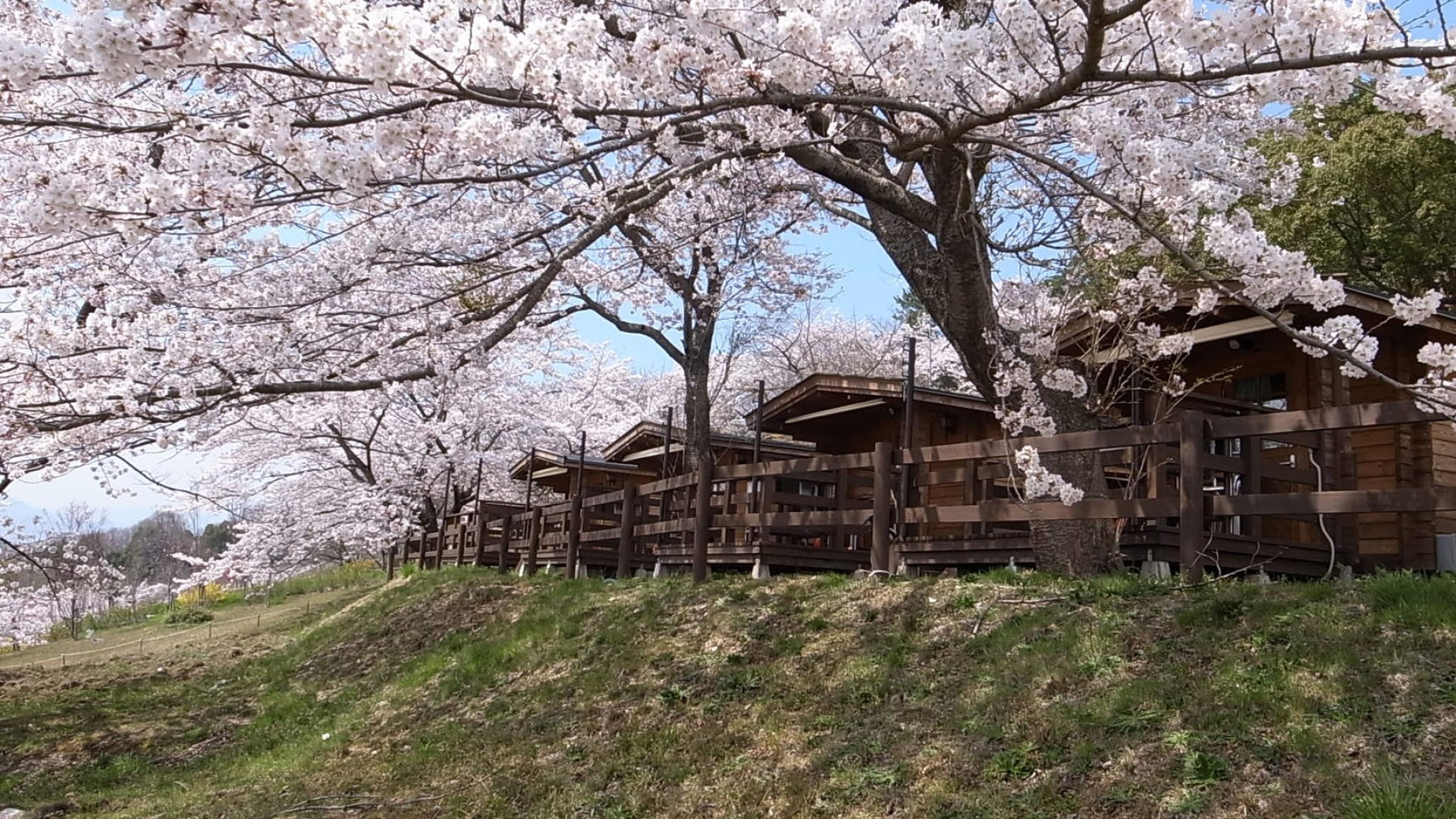
This is a camping ground located in the wholistic leasure land, Lake Sagami Pleasure Forest, in Sagami shi, Kanagawa. After enjoying many kinds of attractions, you can camp in this park. There are enough facilities such as setting up tent area, trailor area, log cabins and automobile camping site.(Opening hours: Follow the opening hours of the amusement park (Pleasure Forest))
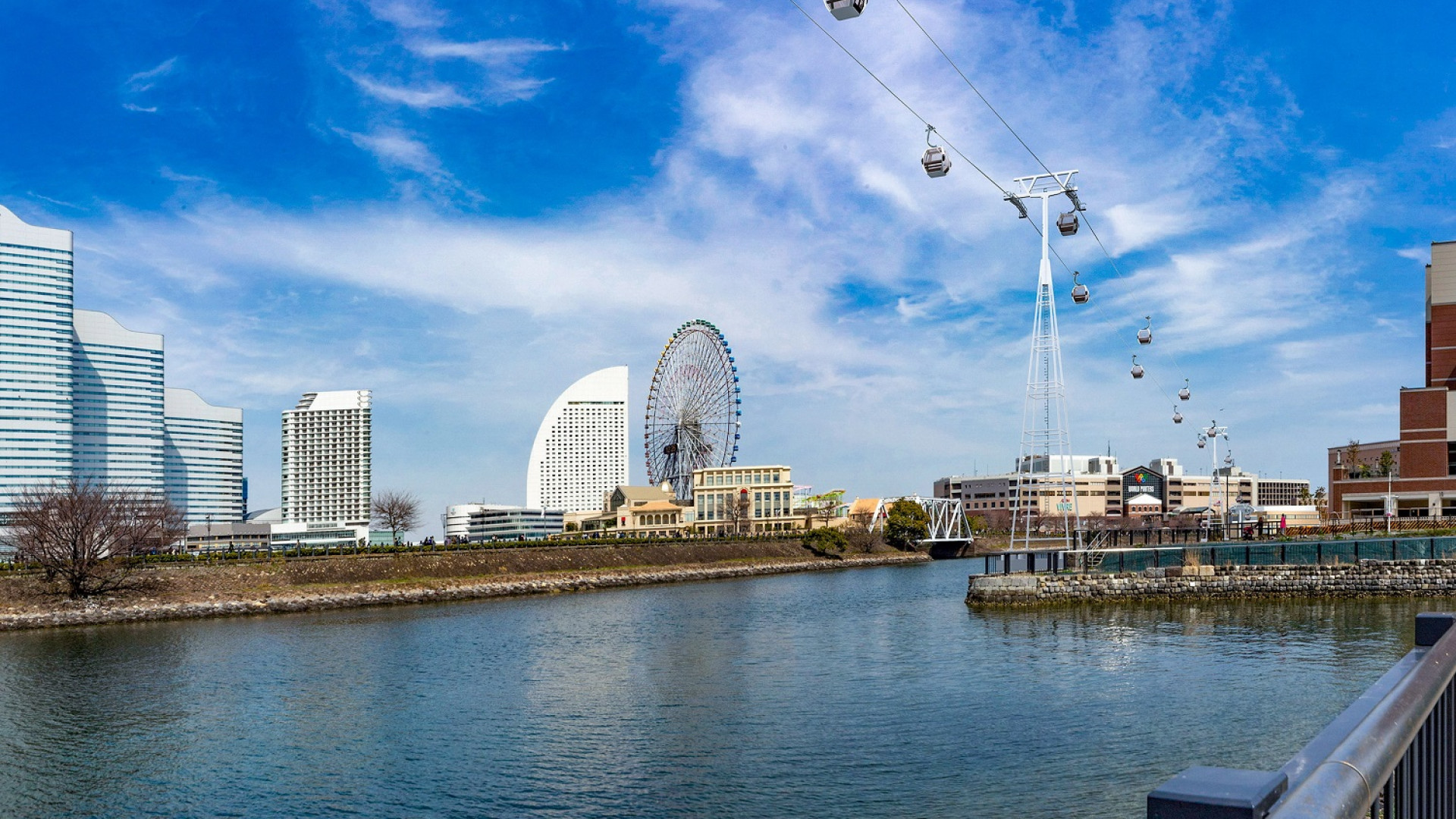
This is Japan's first urban circulatory ropeway, connecting JR Sakuragi-cho Station and the Canal Park in the Shinko District. The ropeway travels 630 meters each way in about five minutes, and each gondola holds up to eight passengers. The highest point of the ropeway is about 40 meters above sea level, offering a wonderful view.
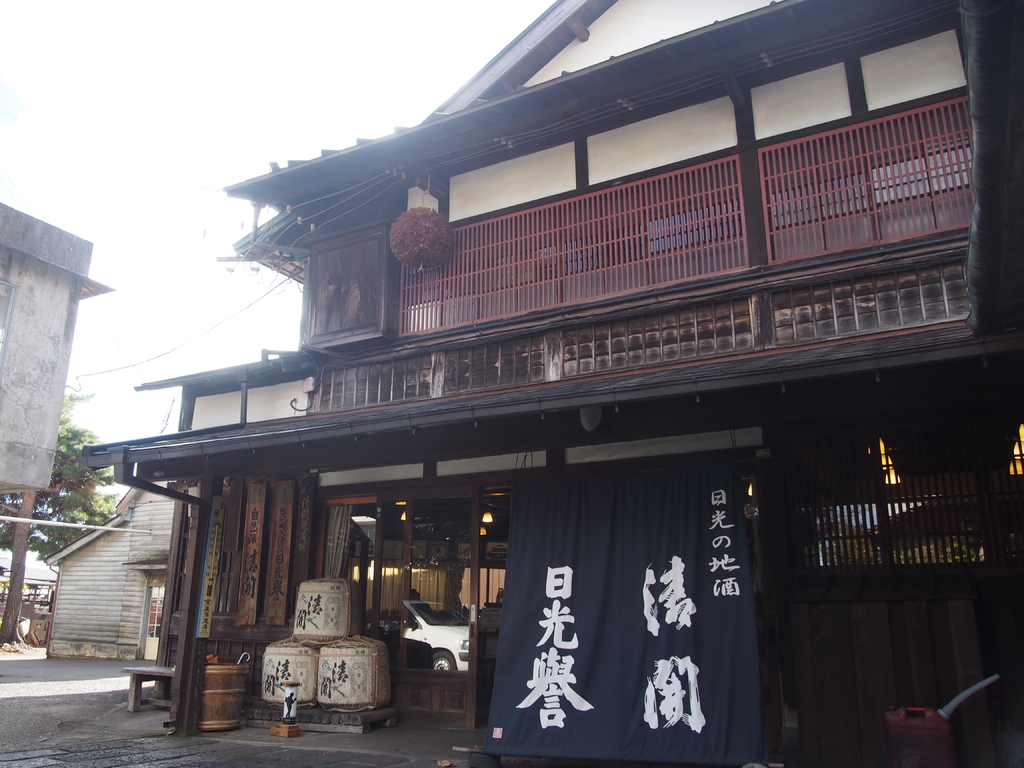
Watanabe Sahei Shoten is a family run brewery from 1842in Nikko. Their spirit that “Junmai Jyozosyu" is an authentic sake”. *”Junmai” is sake made only with rice, koji , and water *”Koji” is fungus which converts the starch from the rice into glucose Of course, we use Nikko’s natural grand water to make nice sake in Nikko’s very cold winter. Why don’t you try it? The owner can speak English. You can tour around with owner and hear his sprit of sake directly. *English guided tour / max 40 person *Reservation required (by Phone, E-mail, Online)
The largest and widest beach on the Miura Peninsula is close to the station, and during peak season it is crowded with many beachgoers, including families. In August, the "Miura Kaigan Noryo Matsuri Fireworks Festival" is held, and every year hundreds of thousands of tourists are intoxicated by the large flowers that color the summer night sky. With Tsukui Beach to the north and Kikuna Beach to the south, it is the largest beach on the Tokyo Bay side of the Miura Peninsula.
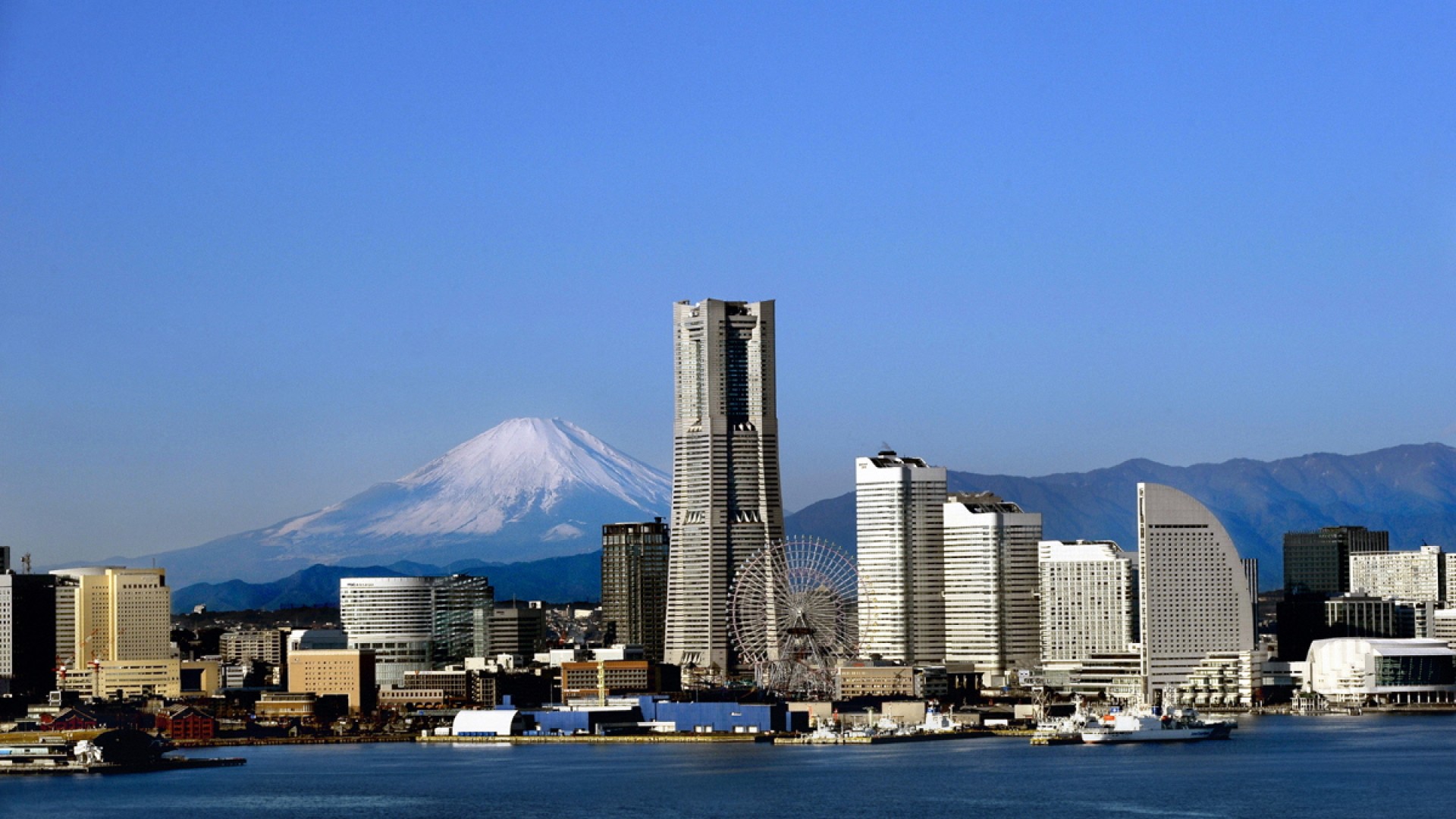
Our high-rise hotel is located in the Yokohama Landmark Tower, an iconic symbol of Yokohama Minato Mirai. The hotel itself consists of 70 floors above ground and 1 below. With every one of our 603 guest rooms located approximately 210 meters above ground level and above, guests can enjoy their own personal observatory-like view of the city. Facilities include the Sky Lounge on the top floor, a Japanese and Western-style restaurant on the 68th floor, and other dining offerings for any and all occasions. Equipped with 12 banquet halls of various sizes, including one of the largest in Yokohama City, and complete, comprehensive wellness facilities, our staff are looking forward to welcoming you with a heartfelt smile. Check-in at 3pm, Check-out at 11am *If the accommodation plan has a check-in or check-out time stipulation, that stipulation will take precedence.
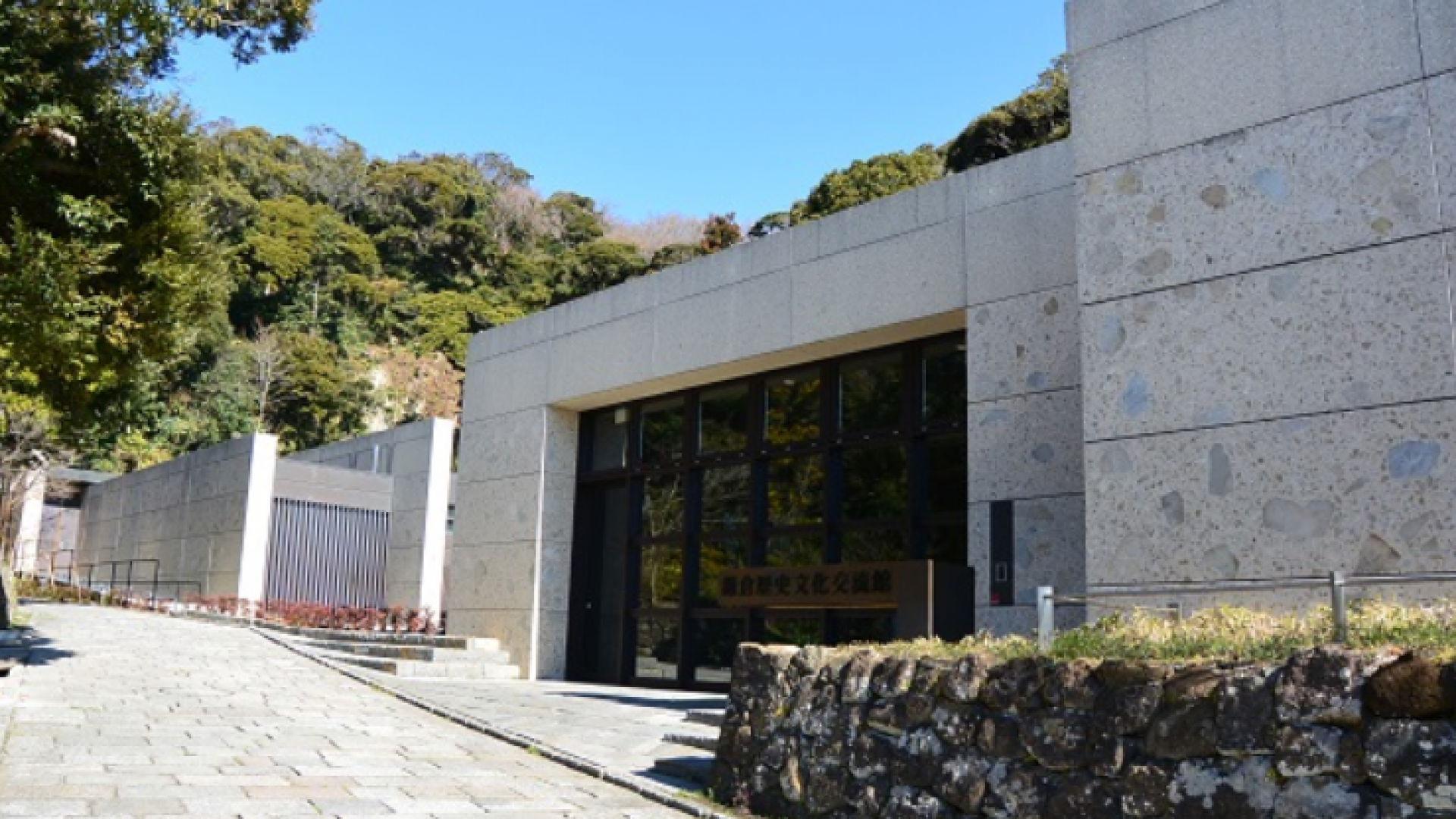
The museum opened in May 2017 as a place where children and adults alike can learn about, experience, and interact with Kamakura's historical and cultural heritage. The history of Kamakura, from primitive and ancient to modern times, is displayed, centering on artifacts excavated in Kamakura. The museum utilizes buildings designed by Foster + Partners, represented by the world-famous architect Norman Foster. Even first-time visitors can enjoy learning about Kamakura through diorama projection mapping and the latest video exhibitions, such as VR. From the special building materials to the medieval landscape garden and the sea view, there is plenty for you to enjoy.
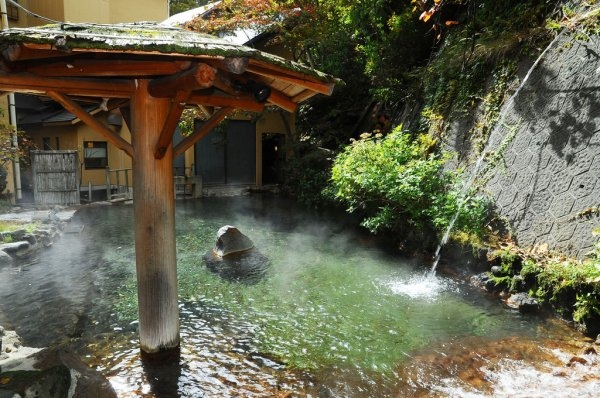
Located at the foot of Mt. Chausu at an altitude of 1,300 meters, Omaru Onsen Ryokan has been preserved by generations of innkeepers for over 200 years. Rich in metasilicic acid, the spring water is known for its moisturizing properties and is often called “Bijin-yu” (Beauty Hot Spring). The historic Kawa-no-Yu bath draws its water directly from the river source, where hot spring water gushes from the mountainside to form an open-air bath along the river. Here, guests can soak while listening to the gentle murmur of the stream, enjoying the secluded charm of this hidden onsen. Omaru Onsen’s water, abundant in metasilicic acid, has long been treasured for its skin-beautifying effects. The ryokan features mixed open-air baths such as Shirakaba-no-Yu, Ajisai-no-Yu, and Azami-no-Yu, making it a great choice for families. The on-site restaurant serves local Nasu vegetables, Tochigi Wagyu beef shabu-shabu, and “Nasuhikari” rice produced in Tochigi. Sake enthusiasts can also try shochu diluted with hot spring water. During the Meiji period, General Nogi Maresuke visited Omaru Onsen every year for convalescence. The ryokan’s lobby still displays valuable artifacts, including his clothing, diaries, and letters.
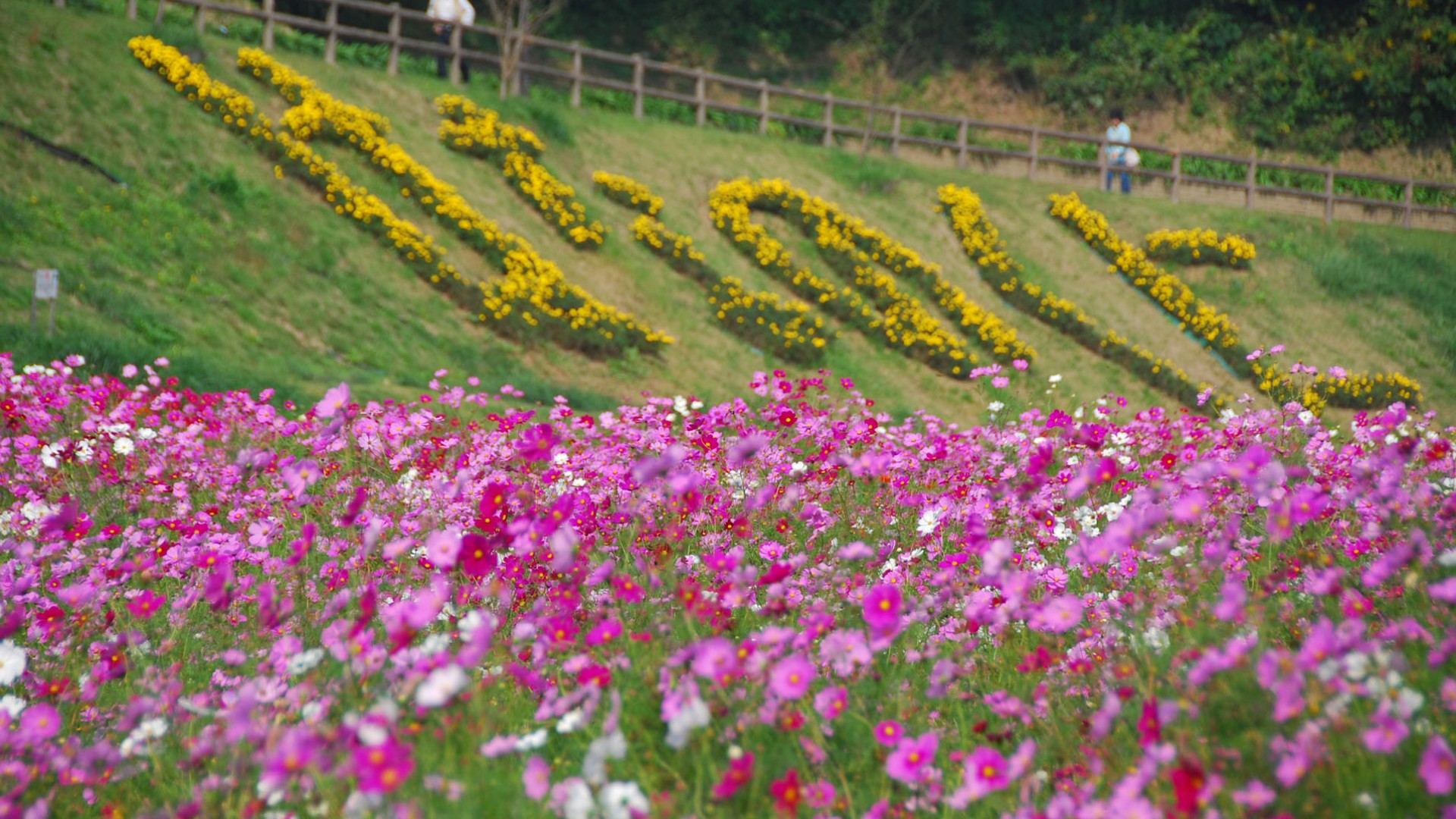
This beautiful garden is colored by various seasonal flowers through a year—poppies in spring and a million cosmos blossoms in autumn. Herb garden, Foot bath, Adventure land and BBQ will also give you great fun.
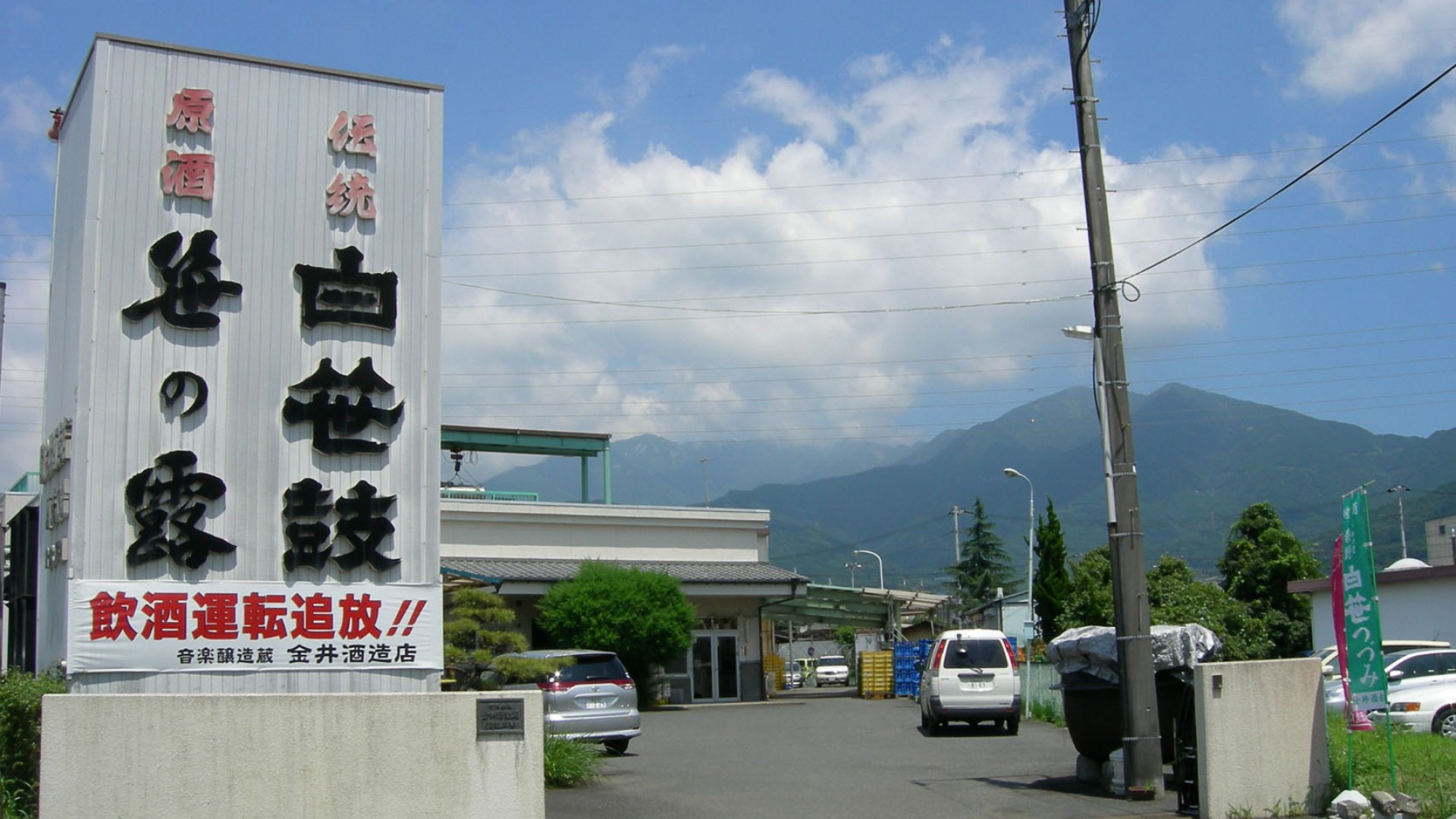
Founded in 1868, this is the only sake brewery in Hadano City, Kanagawa Prefecture. In addition to the traditional "Shirasasa Tsutsumi " and "Sasano-Tsuyu" sake, the brewery also produces the famous "Mozart" series of sake, in which Mozart is played by the koji mold. Sake brewery tours are available by advance reservation. In addition to the old-fashioned Shirasasa Tsutsumi and the original Sasanosu sake, this brewery mixes modernity and tradition in its sake production. Experience the famous Mozart series, in which koji mold ferments while listening to Mozart. Advance reservations for sake brewery tours are available.
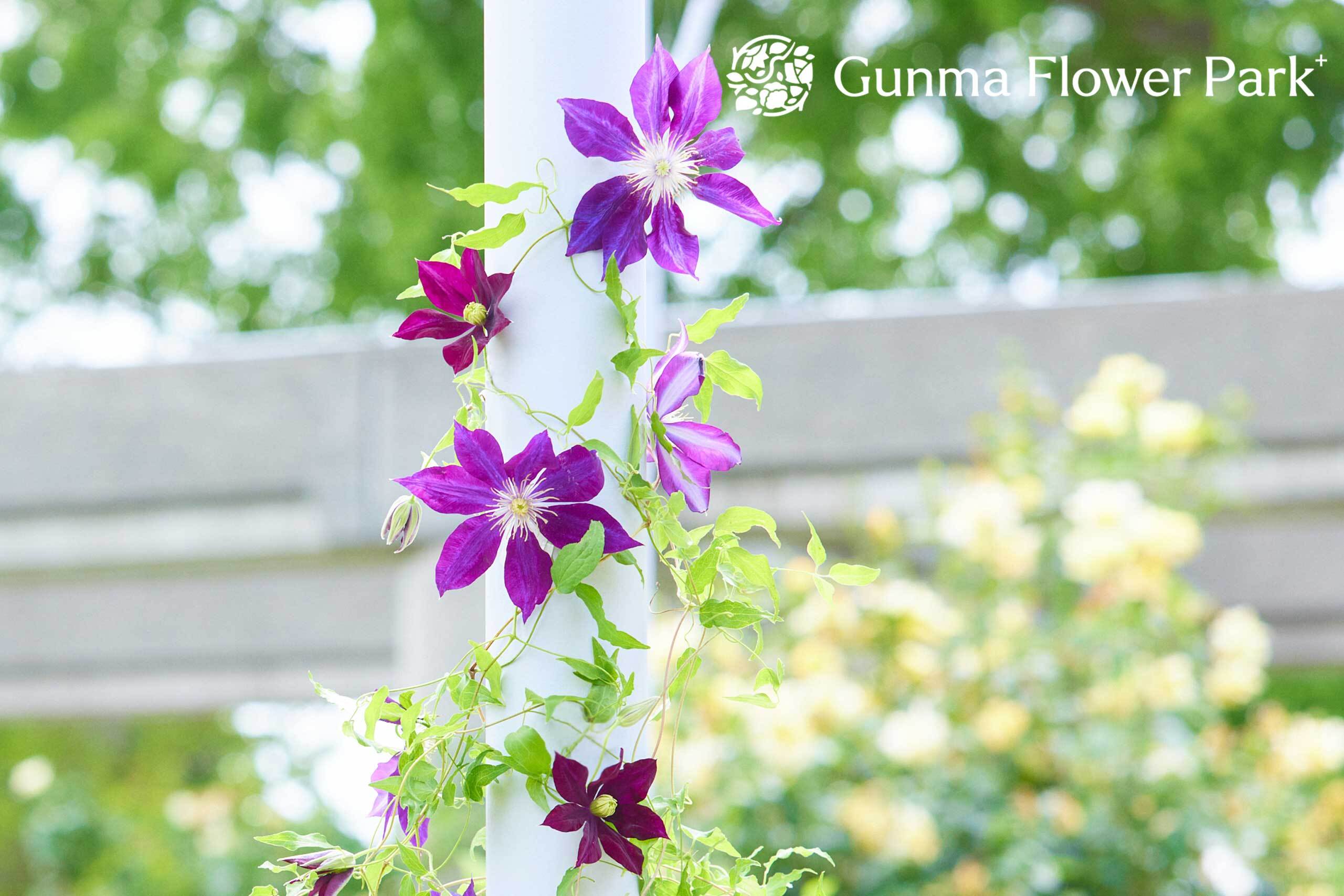
Lush blooms flower in Gunma Flower Park + every season. Its central floral display reflects the time of year, including colorful tulips in spring. Other attractions include an English garden, a Japanese garden, and a rock garden. The greenhouses feature plant life from various tropical countries. A kids' area features a range of slides, mazes, and play structures. Gunma Flower Park + is located on the southern side of Mt. Akagi, about 35 minutes by car from Maebashi Station.