Greater Tokyo

See & Do

reset
Uirou

Uirou

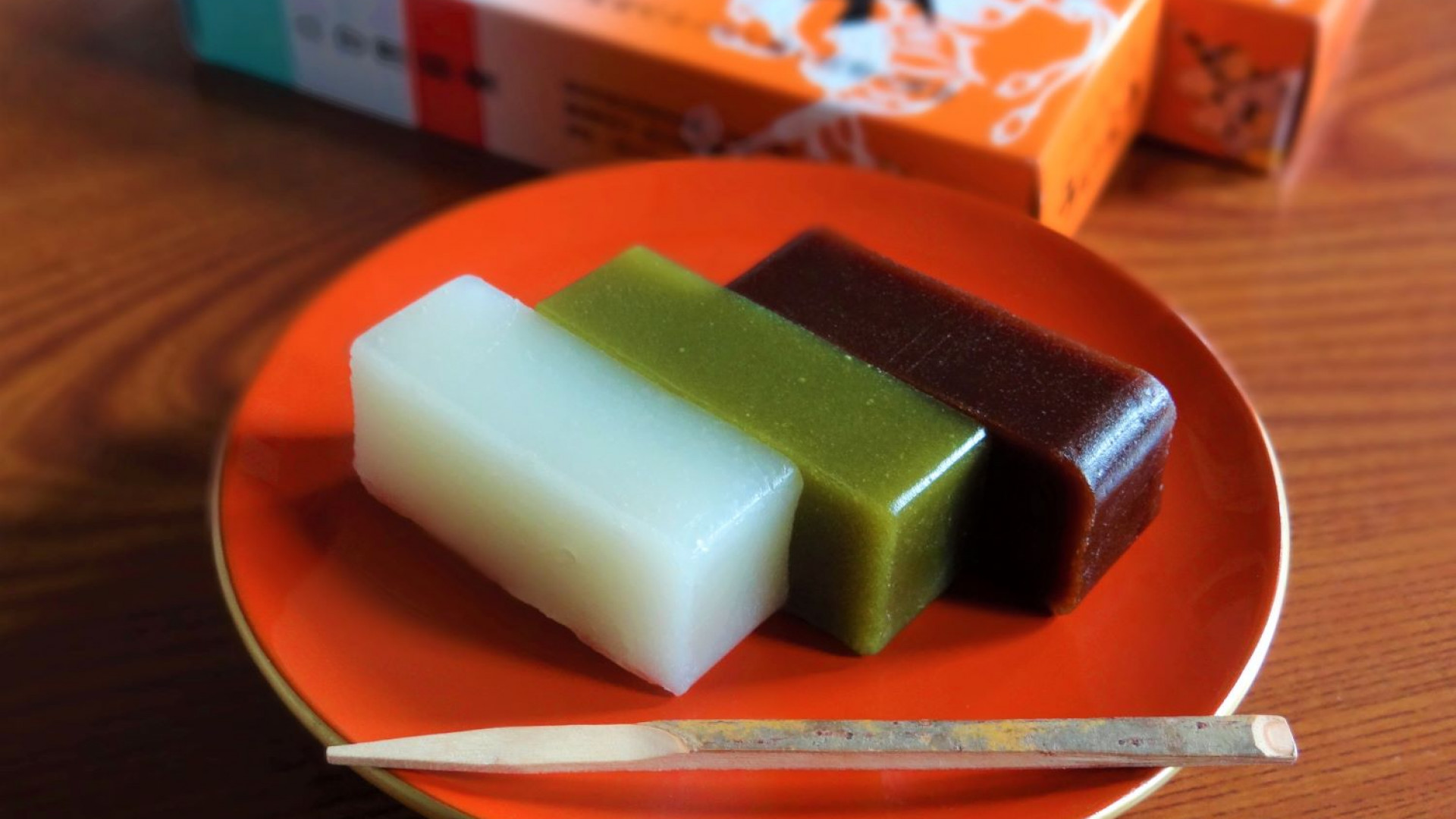
The Uiro family has been making medicine and sweets for over 650 years, so they are both named "uiro" after the family. Uiro is a steamed rice flour confectionery that was invented during the Muromachi period (1336-1573) for entertaining foreign envoys and is characterized by its springy texture and subtle sweetness. It is loved by people of all ages and was selected as one of Kanagawa's top 100 specialties. Due to its wide range of medicinal effects, many anecdotes have been spread about the medicinal uiro, including the "Kabuki Uirouri.” The traditional eight-building structure is worth seeing. The museum is in an old storehouse and exhibits different craft items (admission is free and includes a guide). You can also enjoy handmade seasonal Japanese sweets in the sweets shop.
Shopping Tokaido Koshu kaido KANAGAWA
Kannonzaki Park

Kannonzaki Park

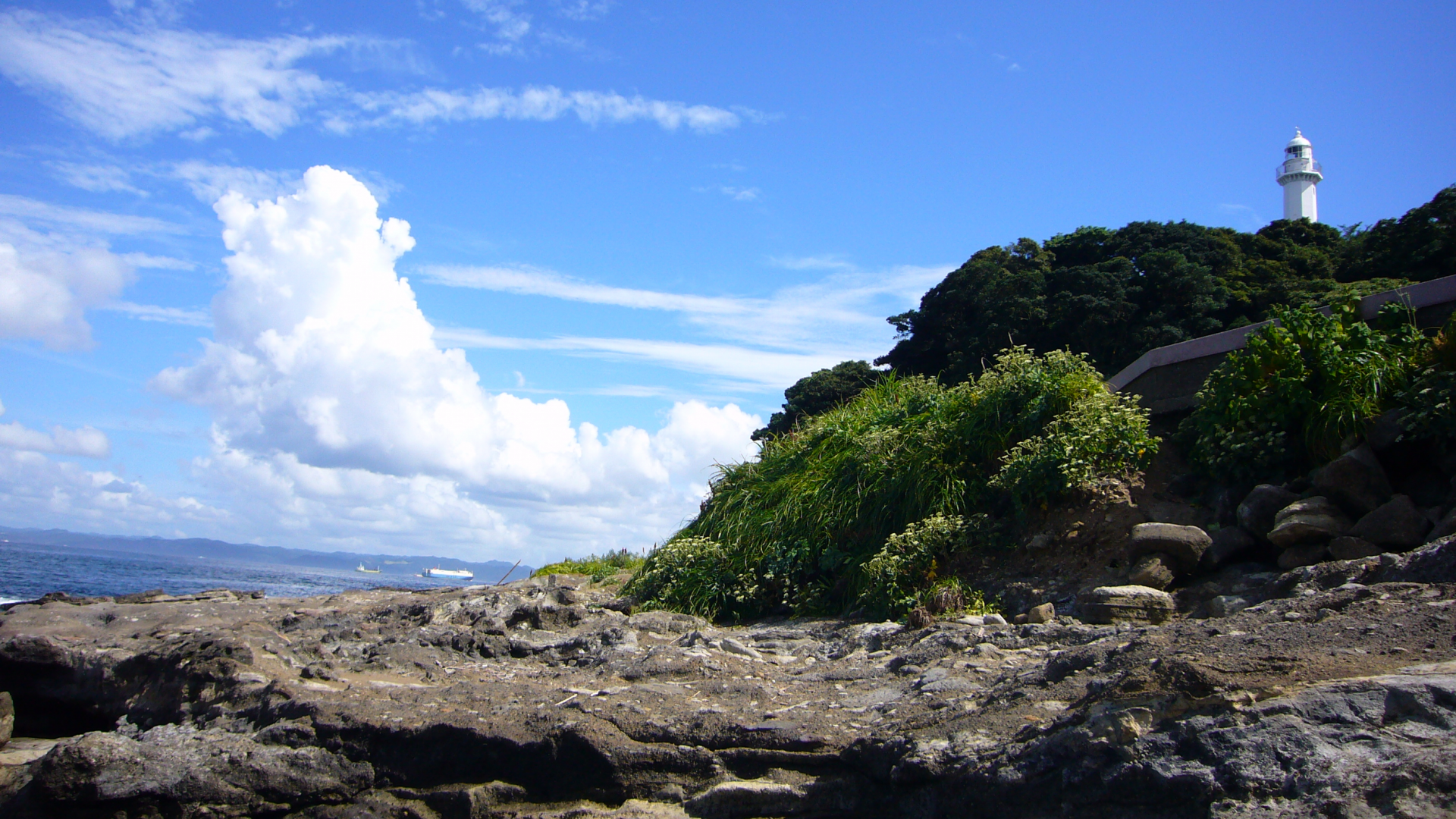
The prefectural Kannonzaki Park extends to almost all of Kannonzaki, sticking out Tokyo Bay. You can enjoy various kinds of activities such as watching coming and going ships, or walking in the forest. There are many tourist attractions around this park. For example, Kannonzaki Lighthouse which is the first western style lighthouse in Japan, Kannonzaki Nature Museum which displays the forest, river, sea, or other nature in Tokyo Bay, and finally the Yokosuka Museum of Art that displays arts of Yokosuka's ocean and Miura Pensinsula.

Nature & Views Koshu kaido Tokaido KANAGAWA
Kibune Festival

Kibune Festival

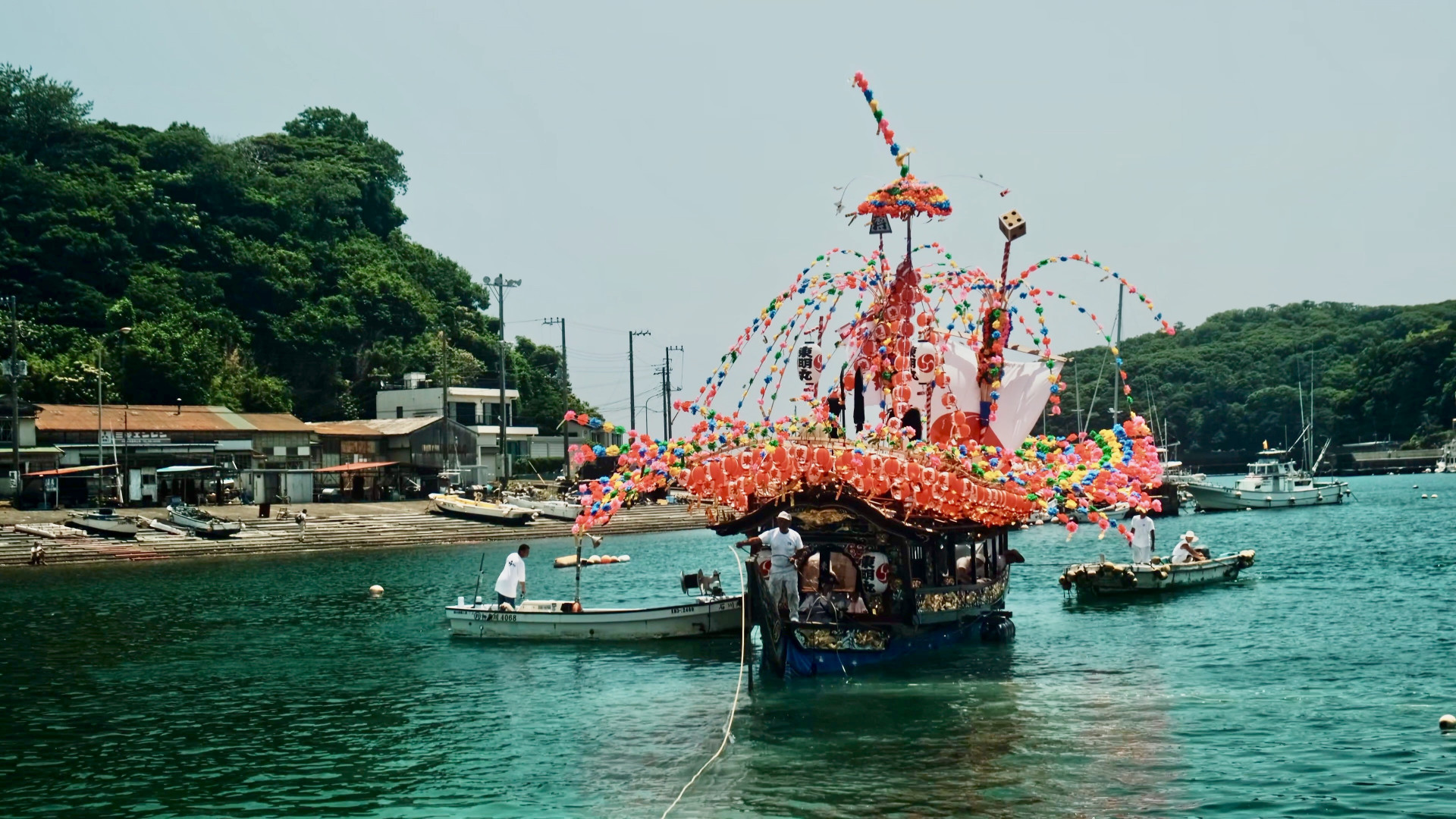
Kibune Shrine’s Kibune Festival, set in Manazuru, is considered one of Japan’s three major ship festivals and occurs annually in late July. It is designated as an Important Intangible Folk Cultural Property.During this two-day event, numerous boats—including one carrying a mikoshi (portable shrine)—are adorned with vibrant flower decorations and towed by oar-operated boats called Kaidenma in Manazuru Port. Both the daytime and illuminated nighttime visuals, which are accompanied by traditional songs and instruments, are mesmerizing. Manazuru celebrates this festival for prosperity in fishing and good health.The festival also features traditional Kashima dancing and mikoshi processions. It is a unique cultural experience you won’t want to miss!

Culture & Arts Tokaido Koshu kaido KANAGAWA
Yokohama Chinatown

Yokohama Chinatown

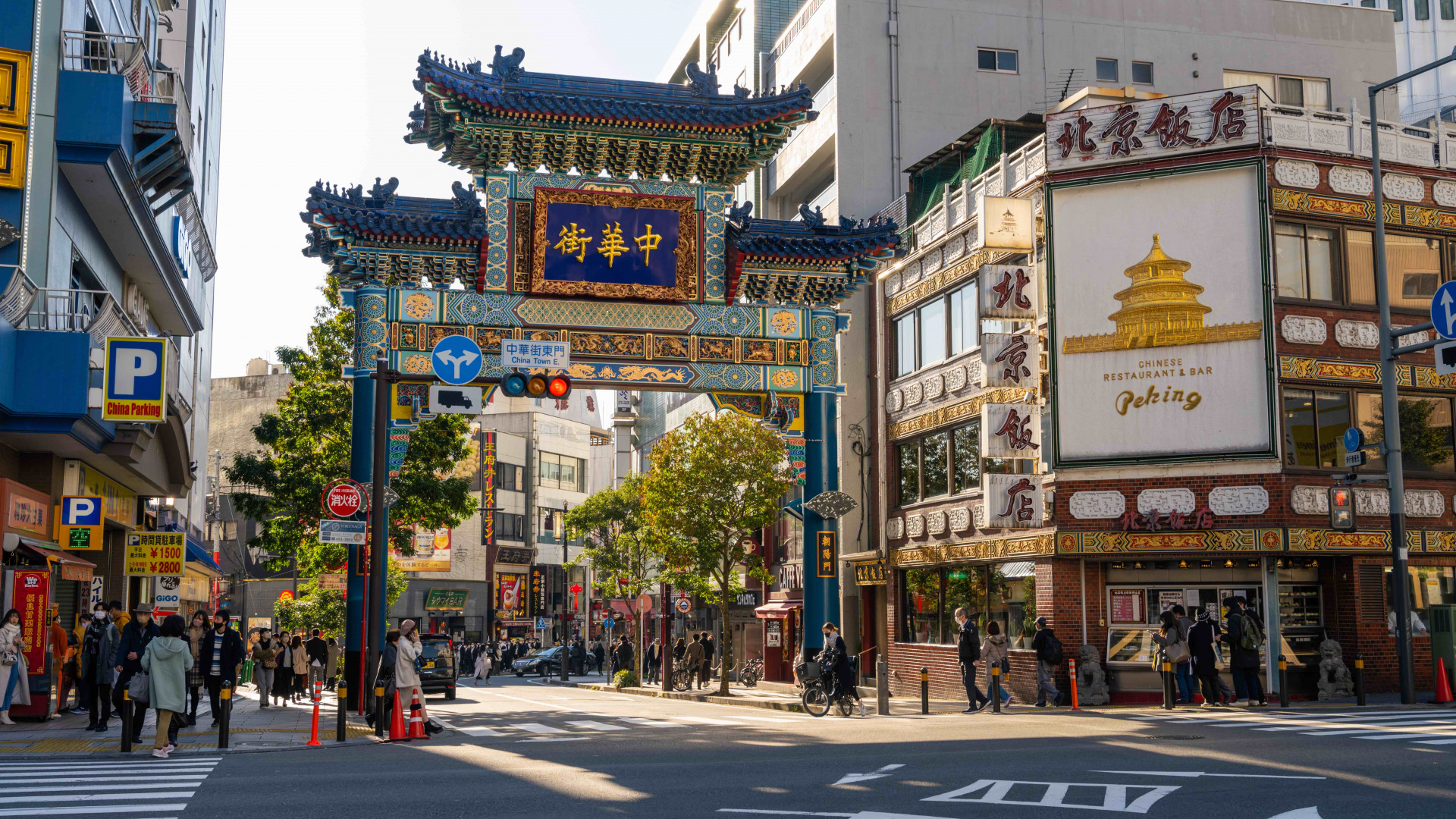
The Yokohama Chinatown is a Chinatown located in Yamashita-cho, Naka-ku, Yokohama. Along with Kobe Nankinmachi Chinatown and Nagasaki Shinchi Chinatown, it is known as one of the three major Chinatowns. Its scale is overwhelming, making it the largest Chinatown in Japan and East Asia with more than 600 stores lined up in an area of about 500m squared. There are alleys with place names such as Shanghai Road, Zhongshan Road, and Fujian Road intersect, as well as many signs with Chinese characters. Cantonese, Beijing, Shanghai, and Sichuan cuisine, steamed buns, gyoza dumplings, dim sum, and many other delicious Chinese dishes fill the streets. The many gate structures, the Guantei Temple, the Mazu Temple, the glamorous shops, and the liveliness of Chinese spoken in the alleys will invigorate you.In Yokohama's downtown heart, bustling Chinatown is home to over 500 shops and restaurants. Buy some souvenirs, grab a steamed bun from a food stand, or feast on a ten-course banquet, then visit one of the two colourful temples. The annual Chinese New Year celebrations are a riot of noise and energy, with lion dancers bursting into restaurants to perform for startled diners.Bars in Japan originated from Yokohama Chinatown and neighboring areas. There are many long-established bars that offer a laid-back and leisurely time for adults.Start your Chinatown exploration with a variety of breakfast items ranging from Chinese rice porridge to ramen, set dishes to dessert and soft drinks.

Eat & Drink Tokaido Koshu kaido KANAGAWA
Kawasui Kawasaki Aquarium

Kawasui Kawasaki Aquarium

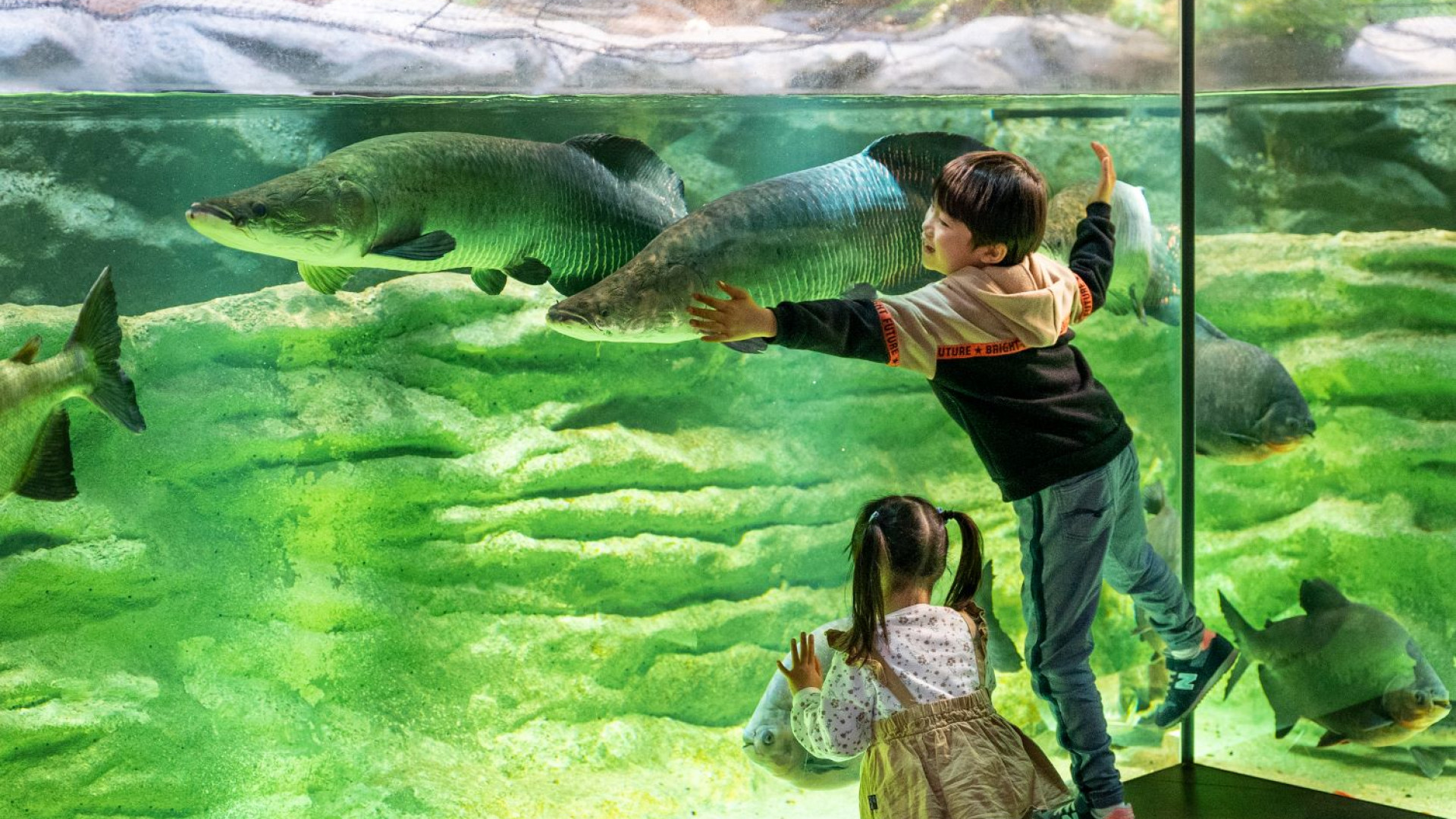
"Kawasui Kawasaki Aquarium" is a new type of nature entertainment aquarium where you can enjoy walking around the world's waterfronts. Under the theme of "beautiful waterfronts around the world," our exhibits use the latest lighting, sound, and video technology to show creatures living in different environments around the world, including the Tama River in Kawasaki, Asia, Africa, and the rainforests of the Amazon in South America. We also have various paid attractions, such as the backyard tour, where our crew guides you behind the scenes of the aquarium, the children's backyard tour (recommended for children of elementary age and younger), and "Amazon Time," where you can experience feeding capybaras.

Experience & Activities Tokaido Koshu kaido KANAGAWA
Yomiuriland Jewellumination

Yomiuriland Jewellumination

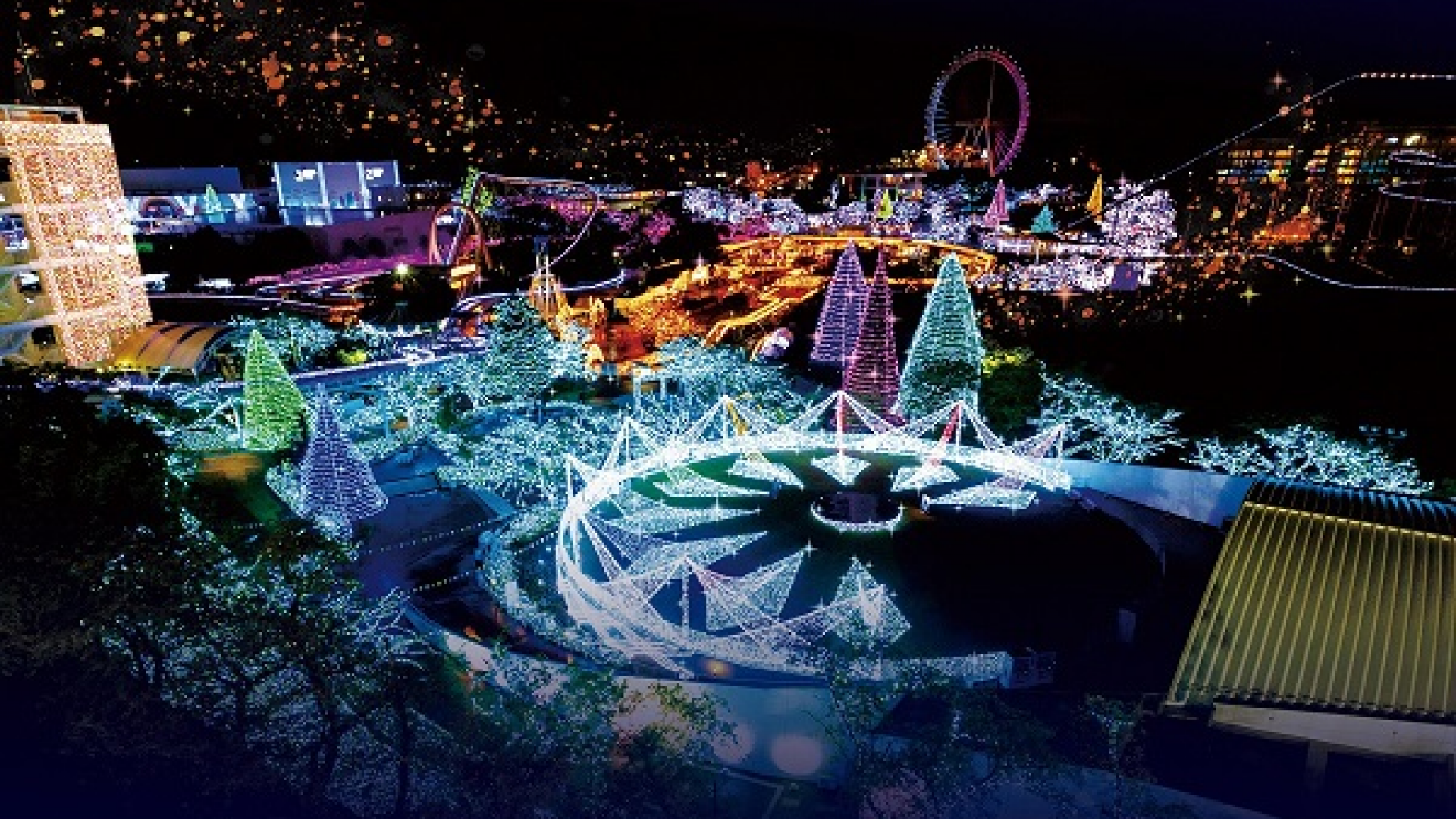
Please visit the facility's website for the latest information.Yomiuriland Jewellumination is an event held every winter in Yomiuri Land. World-famous lighting designers created these light displays based on the theme of jewels, using around 5.5 million LED bulbs of 8 different varieties and 30 colors. The garden is transformed into a glittering dream world and is packed with couples. Although it is great to simply walk through, we recommend looking down on the lights from the other attractions.

Culture & Arts Tokaido Koshu kaido KANAGAWA
Forest Adventure Yokohama

Forest Adventure Yokohama

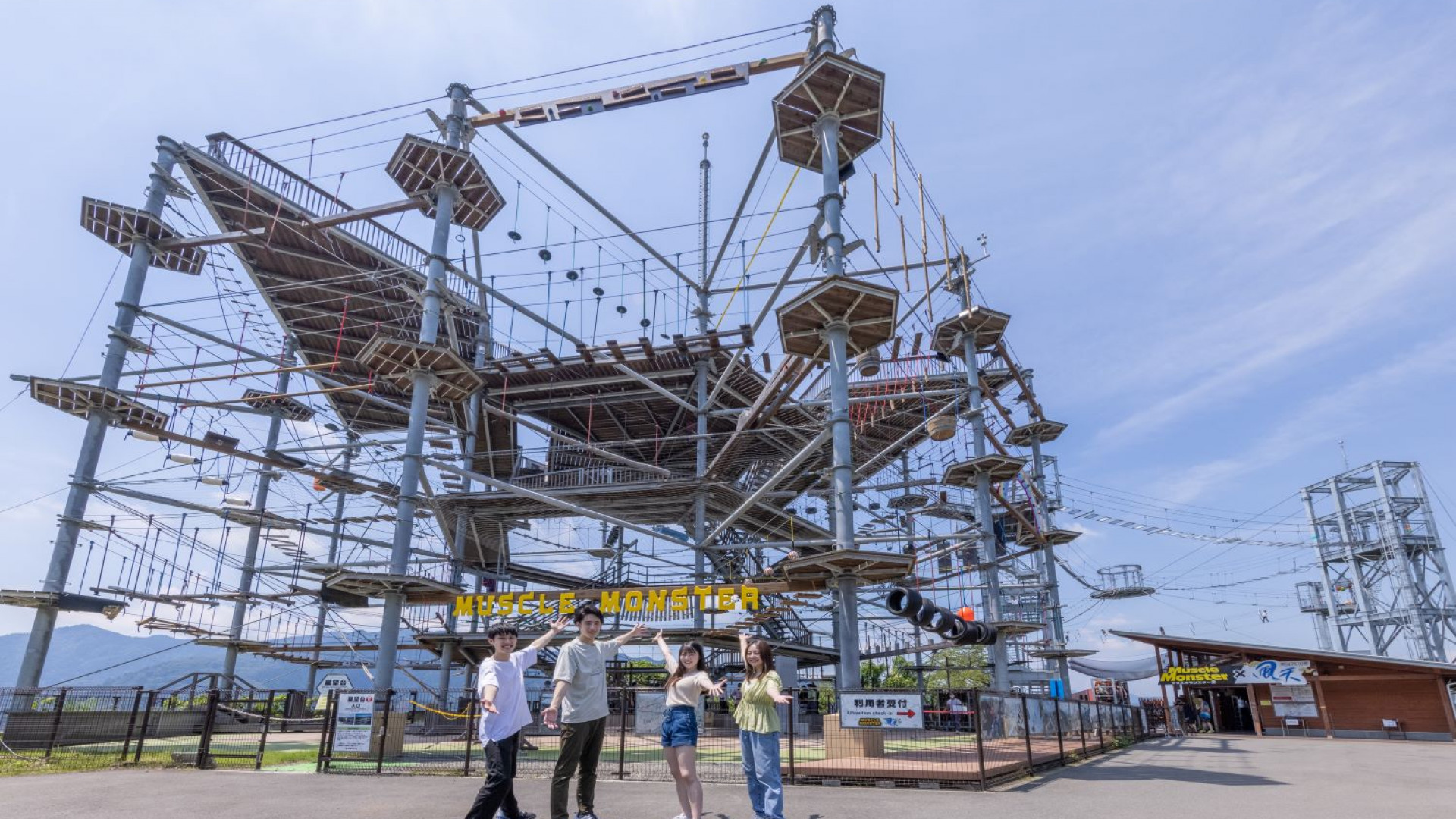
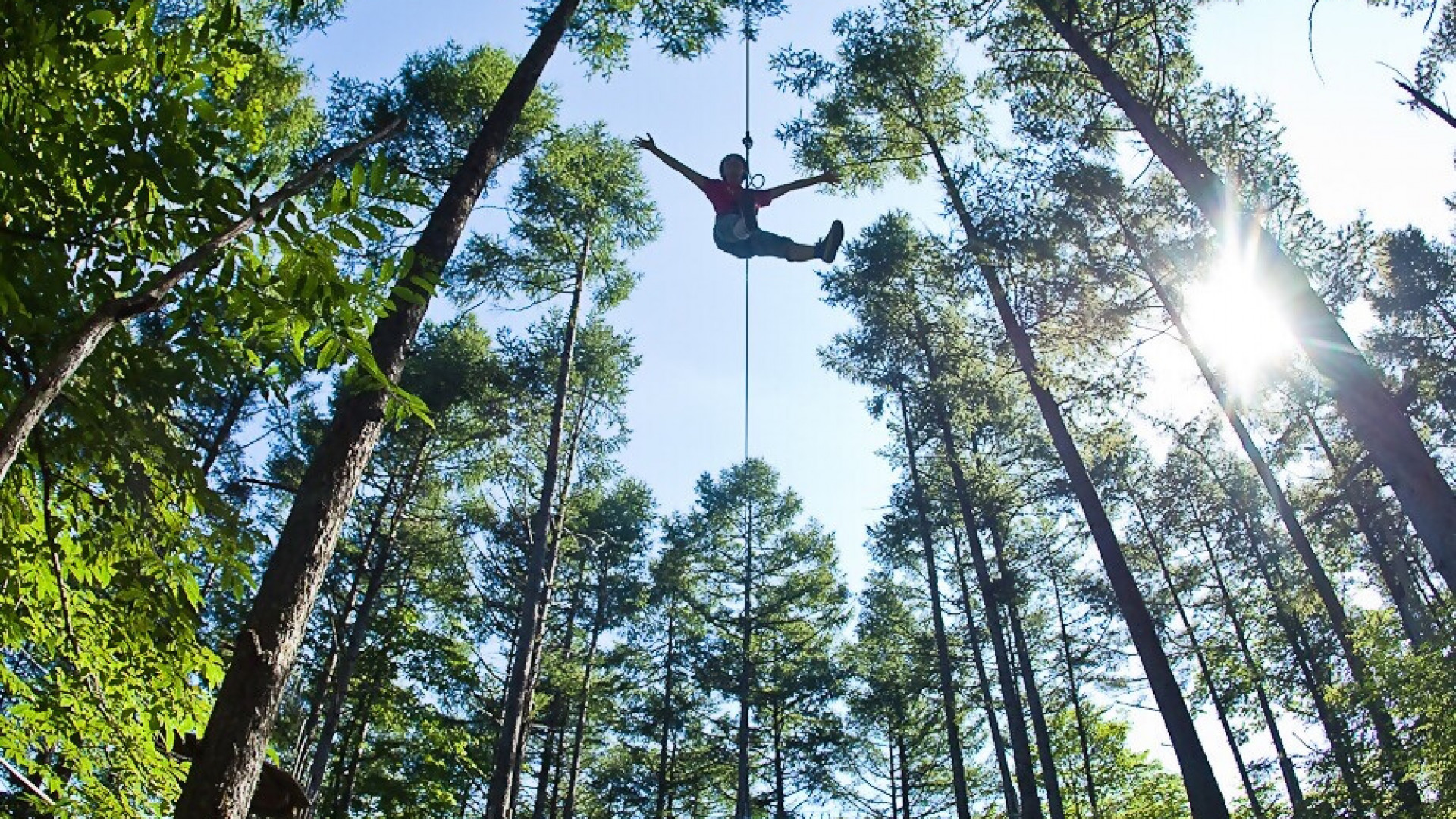
Excellent access! Forest Adventure Yokohama is located next to Yokohama Zoo Zoorasia and offers a full day of fun! There is a Kids Course for children 90cm and up, a Canopy Course for families, and an Adventure Course for adults! We also offer a wide range of other activities such as a net course where you can play without wearing a harness, an excitement course where you can experience vertical descent, and a trail adventure where you can ride a mountain bike through the forest!

Experience & Activities Tokaido Koshu kaido KANAGAWA
Kamakura Prince Hotel

Kamakura Prince Hotel

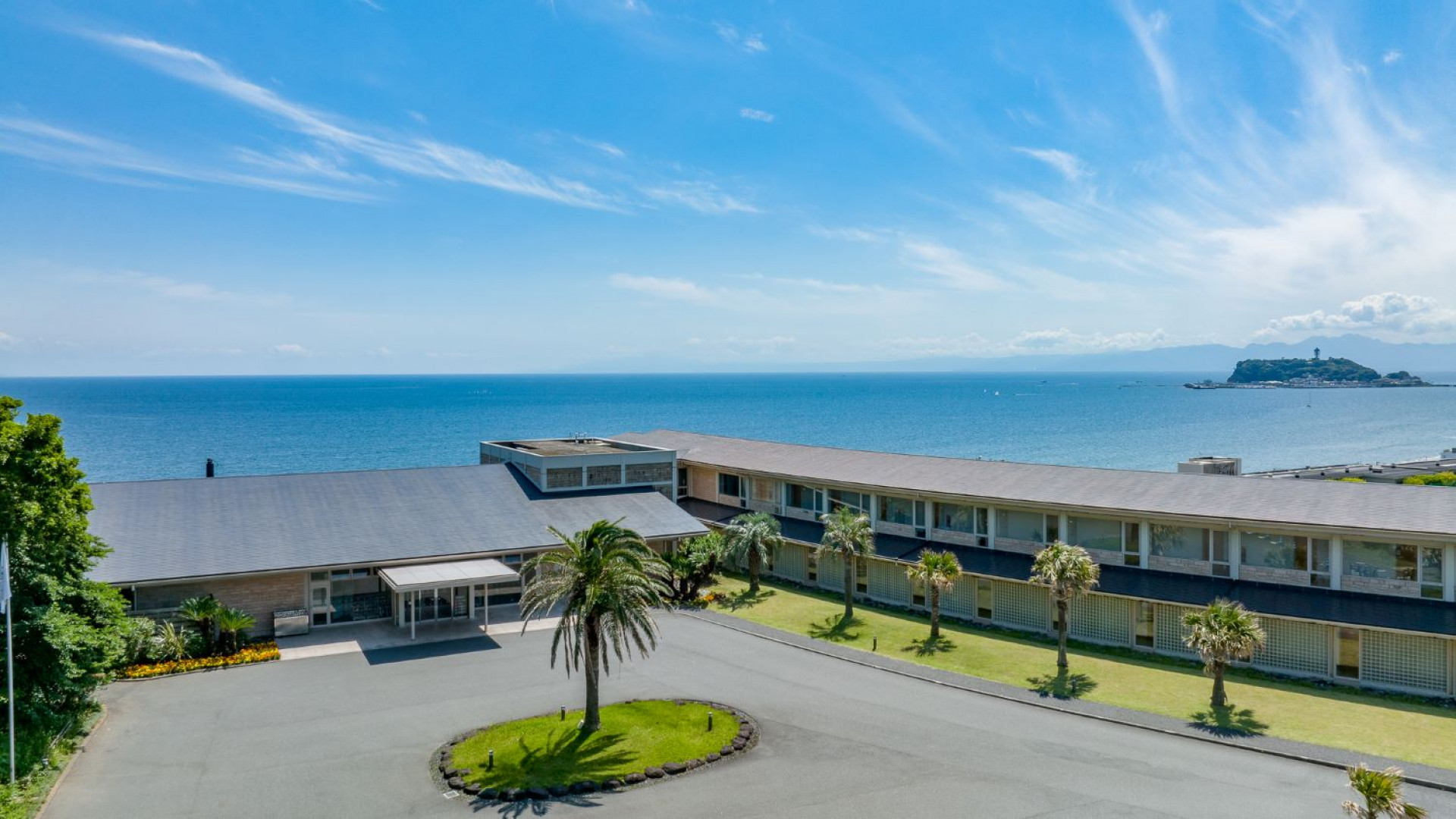
The Kamakura Prince Hotel is located on a small hill. Here you can enjoy evening views of Sagami Bay, Enoshima, and Mt. Fuji. There are plenty of sunny days from December to March. The air is clear, and you can see the forms of Mt. Fuji, Enoshima, the Izu Peninsula appearing during the sunset. If you have dinner at the Restaurant Le Trianon during sunset time, you can indulge in this spectacular view with a glass of wine in your hand. Sunset colors and French food make for a great combination. You can also have a slow breakfast in the morning while watching the horizon spread out in front of you.

Onsen & Stay Koshu kaido Tokaido KANAGAWA
Daihonzan Sojiji Temple (Mitama Festival Bon Odori)

Daihonzan Sojiji Temple (Mitama Festival Bon Odori)

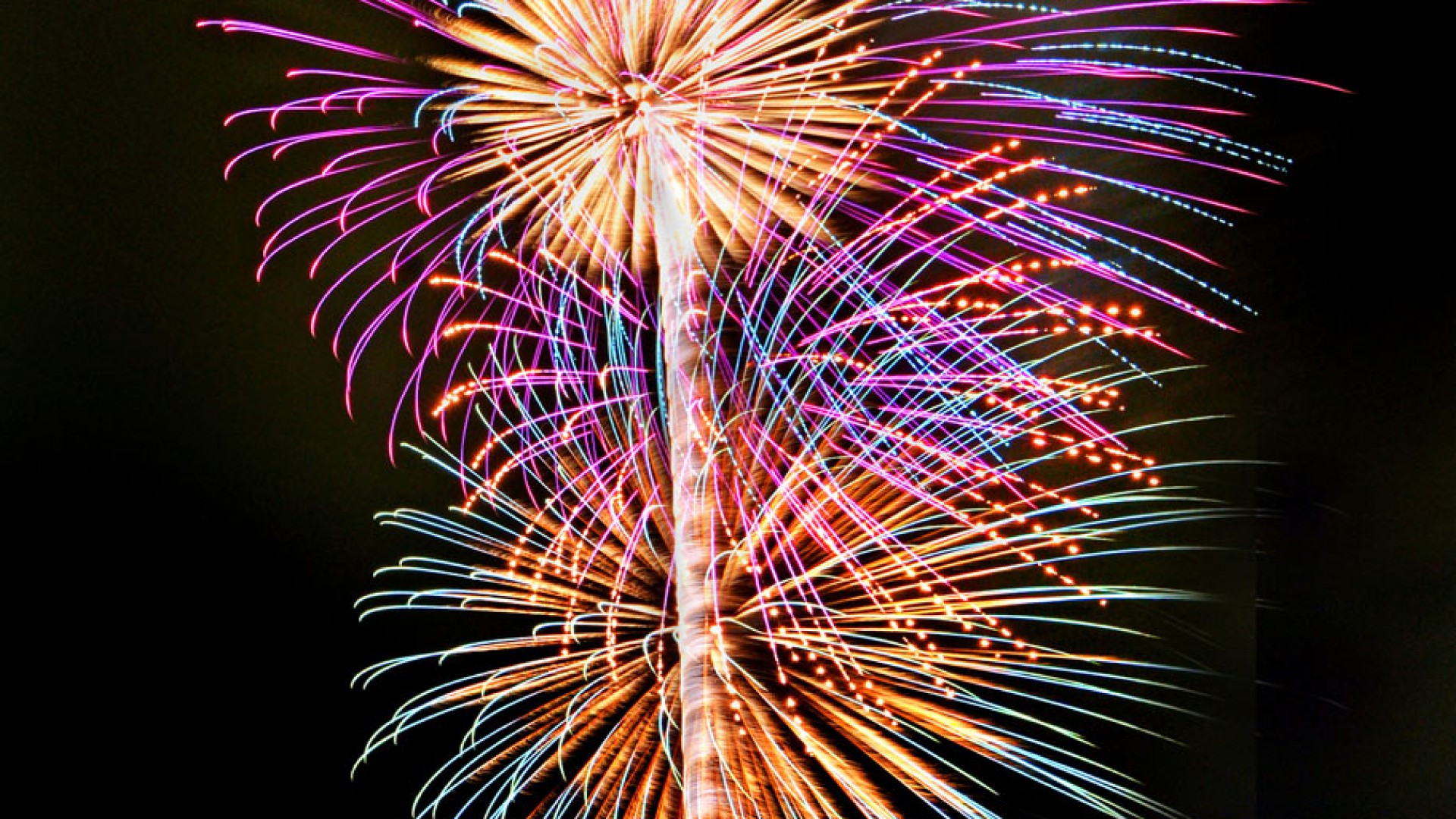
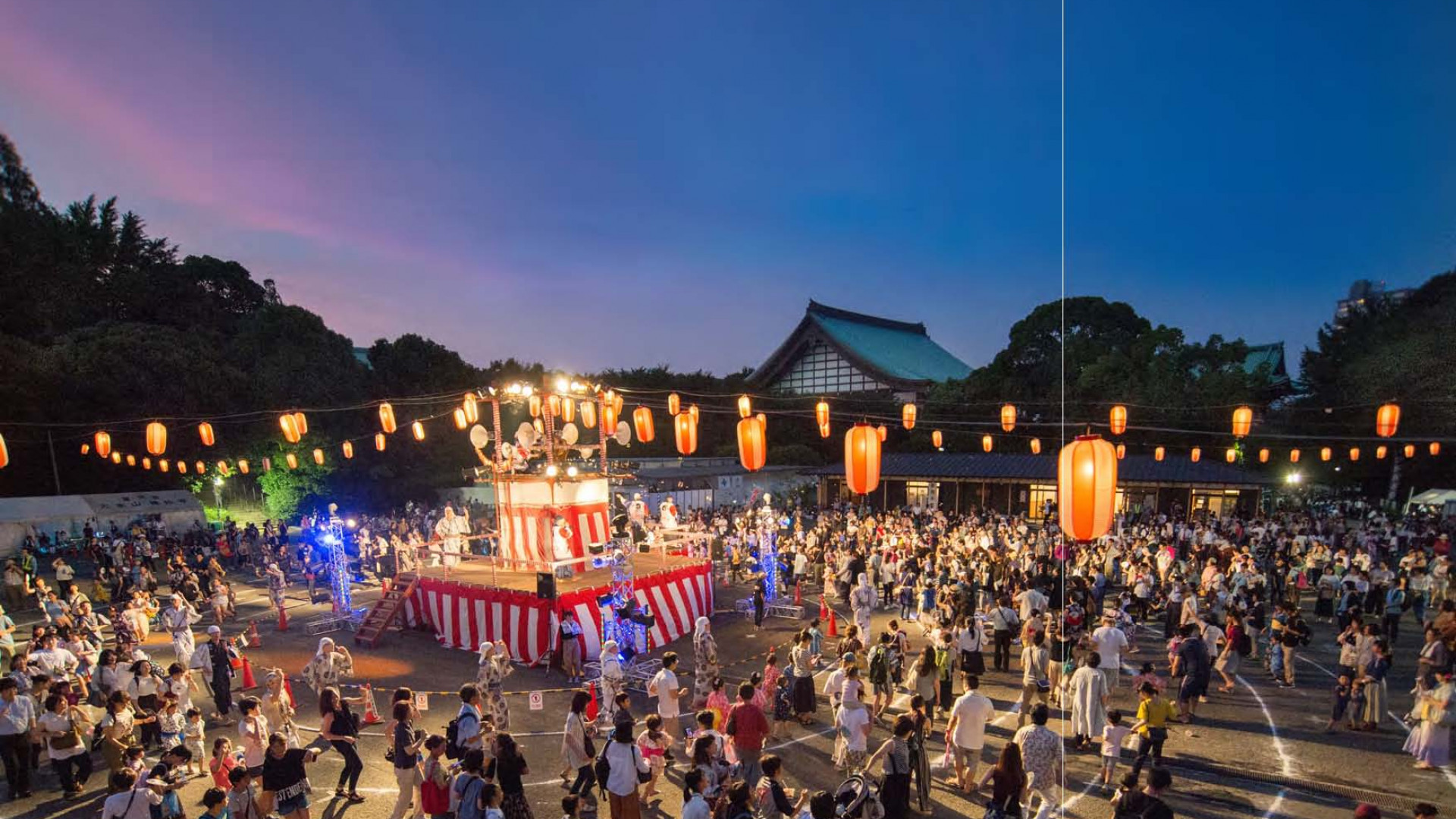
The Sojiji Temple is the head temple of the Soto school (of Zen Buddhism). Every summer, the Mitama Matsuri Bon Odori Festival is held. It is now established as a local summer tradition, and many participants enjoy dancing the Bon dance to the cheers of the energetic monks. Please come and join our Bon Odori Festival!Held over three consecutive days from July 18 to 20, this huge summer festival is a Tsurumi summer tradition. Featuring a Bon Odori dance with the temple priests, a fireworks display with 200 fireworks launched over the three days and many stalls lining the approach to the temple, this lively festival attracts crowds of people of all ages and genders.

Culture & Arts Tokaido Koshu kaido KANAGAWA
Footgolf Experience (Seven Hundred Club)

Footgolf Experience (Seven Hundred Club)

Combined golf and association football, the footgolf was established in 2009 by the Netherlands, and in 2012 the International Footgolf Federation was established and the first World Cup Footgolf Championship was held in Hungary.   Since then, many people have started to play footgolf, and the sport is now played in more than 40 countries centered in the United States and Europe. There are nearly 600 courses in the United States where footgolf can be played, and over 200 courses in the United Kingdom, making it very popular in western world.   The Japan Footgolf Association was established in 2014, and the Footgolf Club Championship was held on June 2nd and 9th at Seven Hundred Club in 2024.   You can experience not only footgolf at Seven Hundred Club, but also can enjoy the fields that was designed by Takahashi Yoichi, the cartoonist who created the manga "Captain Tsubasa".   Please check Seven Hundred Club's homepage here!

Nikko kaido Oshu kaido TOCHIGI
Ashio Copper Mine

Ashio Copper Mine

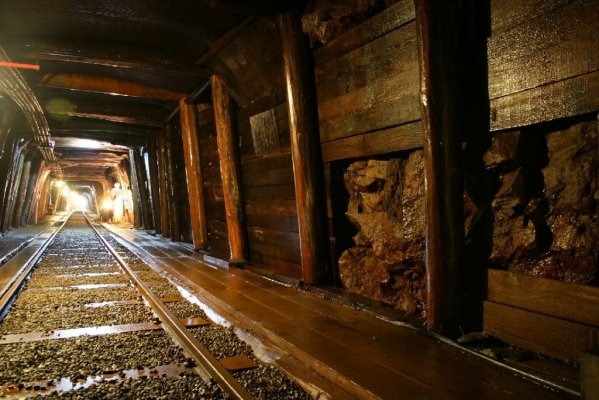
With a 400-year history, Ashio Copper Mine is a tourist attraction built out of the industrial remains of what used to be the largest copper mine in Japan. A trolley train transports visitors 700 metres underground to displays of the mine’s chronology and history and demonstrations of the harsh working conditions through life-like wax figures. You can learn more about this industrial property at the three on-site museums including the copper museum with displays of traditional copper processing methods. Then relax at the traditional cafe or enjoy a leisurely walk along the nearby Watarase River. Between 1610 and 1868, the copper mined here was an important resource for the prosperity of the nation. It was used to produce tiles for castles and shrines and was exported to China and the Netherlands. Among the coins of the years 1600 to 1867, coins produced in Ashio were known as “Ashiji-sen” with the Chinese character of “Ashi (foot)” on the back. Today the coin-shaped local Japanese sweet “Ashiji-sen Monaka” is a popular souvenir.

Nikko kaido Oshu kaido TOCHIGI
Kanagawa Prefectural Kanazawa-Bunko Museum

Kanagawa Prefectural Kanazawa-Bunko Museum

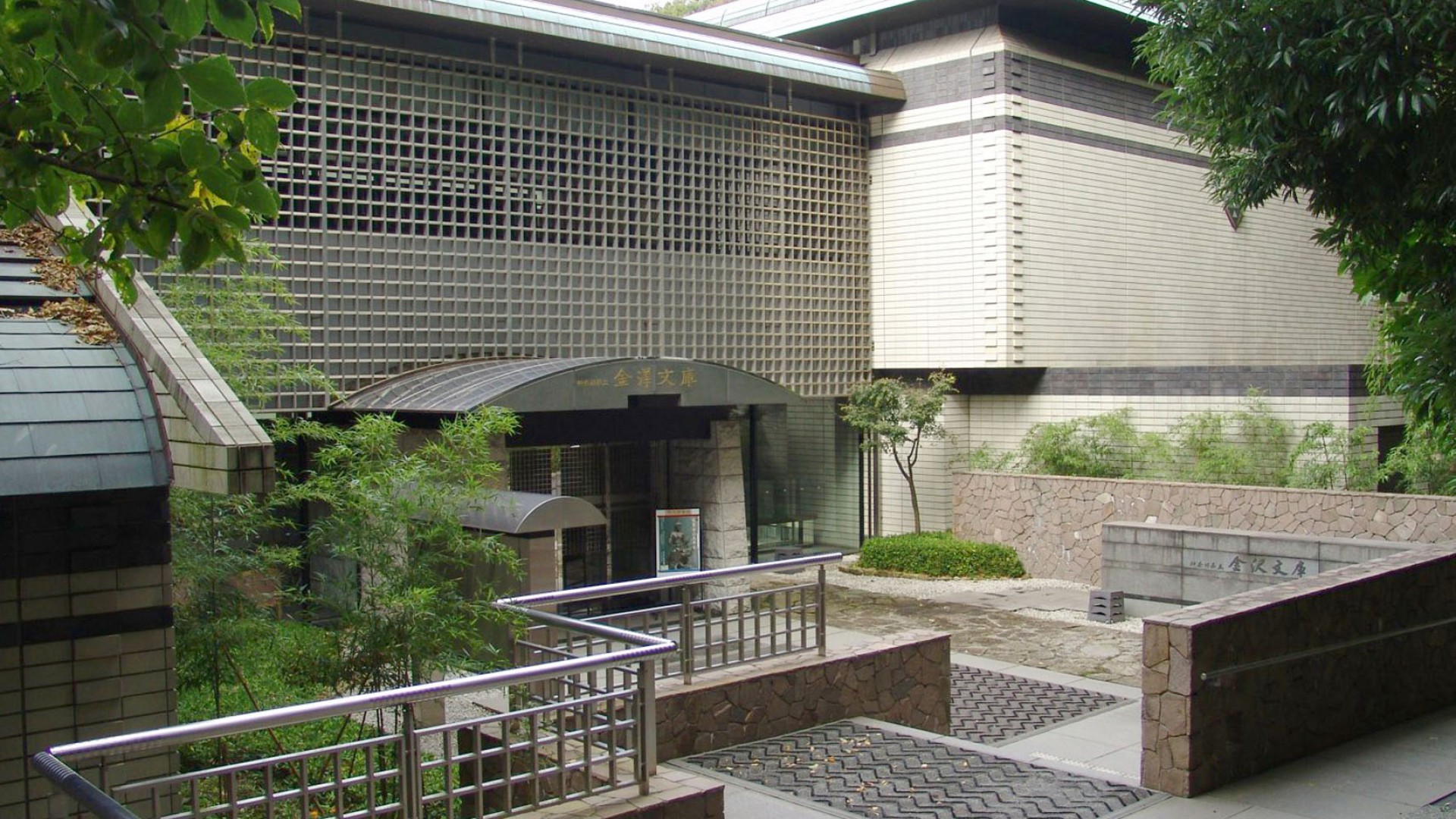
The Kanazawa Bunko was a samurai library built by Hojo Sanetoki, a member of the Hojo clan (Kanazawa Hojo) in the middle of the Kamakura period (1185-1333). The collection covers a wide range of subjects, including politics, literature, and history, and the policy of collecting books was continued by three successive generations of the Hojo family: Akitoki, Sadaaki, and Sadamasa, further enriching the collection. The Kanazawa-Hojo clan shared the same fate with the fall of the Kamakura shogunate, and the collection was administered by the adjacent family temple, Shomyoji Temple, which has continued to manage it into the modern era. The present Kanazawa Bunko was restored as a Kanagawa Prefecture facility in 1930, and since 1990, it has been a museum of history. The Prefectural Kanazawa Bunko is dedicated to preserving for future generations the valuable cultural assets that have handed down the legacy of the Kamakura period, exhibiting the results of its research and studies, and providing public access through lectures and other programs.

Culture & Arts Tokaido Koshu kaido KANAGAWA