

Greater Tokyo

See & Do

reset
Yokohama Archives of History

Yokohama Archives of History

Displays materials on Yokohama history from the end of the Edo period/Opening up of the port period to the beginning of the Showa period. The building was formerly used as the British consulate until 1972. There is a historical camphor tree in the courtyard. *Includes a cafe.Learn the fascinating history of how a small fishing village became the second largest city in Japan. It starts with the landing of Commodore Perry and his black ships.

Culture & Arts Tokaido Koshu kaido KANAGAWA
Kamimizo Summer Festival

Kamimizo Summer Festival

The Kamimizo Summer Festival has been held in Sagamihara since the end of the Edo period (1603-1868). The festival is said to be dedicated to Emperor Ushira, who prays for a good harvest and safety of the family, and is said to have been inspired by the Yasaka Shrine in Kyoto. On Sunday evenings, the local portable shrines (Mikoshi) and floats (Dashi) gather from each town and start a grand procession. Once the evening sun goes down, the lanterns of the portable shrines are lit, creating a fantastic spectacle that is not to be missed.

Culture & Arts Tokaido Koshu kaido KANAGAWA
Terugasaki Coast

Terugasaki Coast

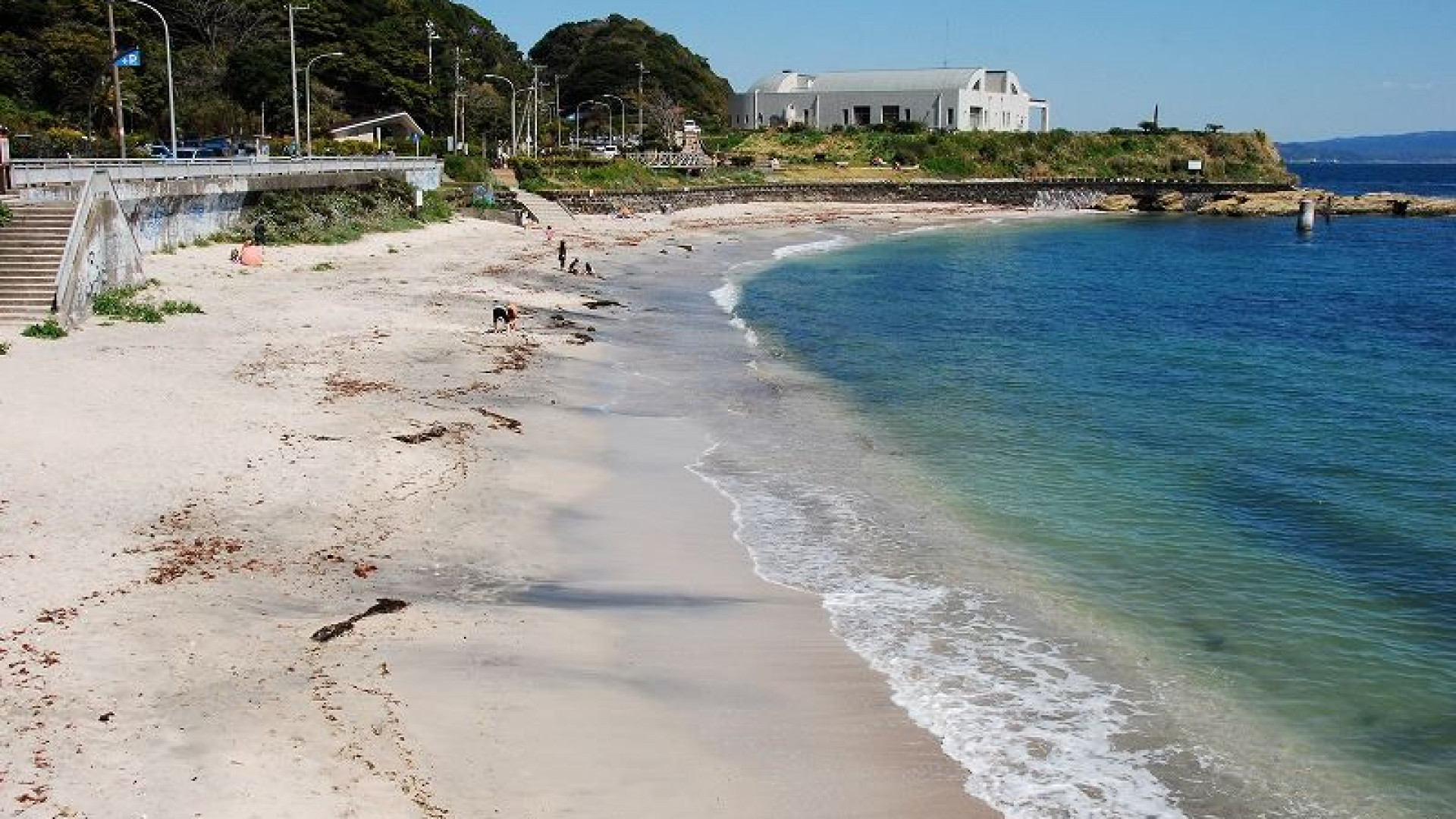
Terugasaki Coast is designated as a natural monument of Kanagawa Prefecture as the "Aobato (white-bellied green pigeon) Group Flyover Site in Oiso Terugasaki”. When the Oiso Hills are covered in green, they can also be observed at Mount Koraizan and Shonandaira. Early in the morning around May to November, you can view the aobato that fly in from the mountains and forests to drink seawater. Drinking seawater is said to provide salt and minerals. It is worth seeing the aobato risking their lives to come and drink seawater while avoiding the waves crashing onto the reefs.From May to November, admire the green pigeons that fly in from the mountains and forests to drink seawater during the early morning. It is said that they drink seawater to replenish salt and minerals. Avoiding the waves breaking on the reefs, the green pigeons risk their lives to come here. It is well worth watching.

Nature & Views Koshu kaido Tokaido KANAGAWA
Daiyūzan Saijo-ji Temple

Daiyūzan Saijo-ji Temple

Founded in 1394 by Soto Zen monk Ryoan Emyo Zenji, this ancient temple is a Soto sect training center renowned as one of the sect's three major prayer temples. Its natural beauty changes with the seasons, with its autumn foliage illuminated at night for seasonal viewing. Prayer services, zazen meditation experiences, and shojin-ryori vegetarian cuisine are available (reservation required). Temple legends feature tengu (mountain bird-like goblins), and the main hall enshrines the world's largest iron geta (wooden clogs).A unique aspect of this temple is its larger than life geta. These wooden sandals are left out for the tengu, winged spirits, that guard the temple grounds. The shoes vary in size, and some are even as tall as humans. Be sure not to miss this popular photography spot!One of the most sacred places in the Kanto region. Zen meditation sessions are held every second and fourth Sunday and Buddhist statue carving lessons every second and fourth Saturday of the month. There are spiritual spot tours around the grounds and other events as well.

Temples & Shrines Tokaido Koshu kaido KANAGAWA
KAMAKURABORI MUSEUM

KAMAKURABORI MUSEUM

The Kamakurabori Museum, on the 3rd floor of the Kamakurabori Kaikan, is the only museum that introduces the history and works of Kamakurabori (a form of Japanese lacquerware). This museum is used by many people as a place for history and culture, experience, and exchange. About 50 works and materials of Kamakurabori, a traditional craft boasting a history of about 800 years, are on display in the permanent exhibition. Relax and enjoy masterpieces from the Muromachi period (1336-1573) to the present while learning about the production process and its history. In the two-hour hands-on class, you can experience Kamakurabori making under the careful guidance of a full-time instructor. It is a program that even beginners can easily enjoy.

Culture & Arts Tokaido Koshu kaido KANAGAWA
Daihonzan Engaku-ji Temple

Daihonzan Engaku-ji Temple

This ancient temple has many old buildings, including the temple bell and the Shari-den Hall, which are both national treasures. Here you can take a quiet breath in the cool morning air and adjust yourself physically and mentally, and start your day with a refreshed feeling. Monks will guide you through the Shari-den Hall, the only national treasure building in Kanagawa Prefecture, which is not normally open to the public. In addition, at Nyoian, you can enjoy a special sutra reading for guests, participate in Zen meditation, and chat with a Buddhist monk while enjoying matcha green tea and Japanese sweets.Built in 1783, visitors must first pass through this majestic structure to enter the Engaku-ji Temple.The temple's main hall houses a wooden statue of the Shaka Buddha. Painted on the ceiling of the building is a beautiful White Dragon.Just a one-minute walk from Kita-kamakura Station. Visit in late autumn when the leaves are at their most beautiful, and the teahouse is serving delicious hot sweet sake.Breathe in the cool air of the morning to prepare yourself physically and mentally, and start your day feeling refreshed.

Temples & Shrines Tokaido Koshu kaido KANAGAWA