
Greater Tokyo

See & Do

reset
Ryuzu Falls

Ryuzu Falls

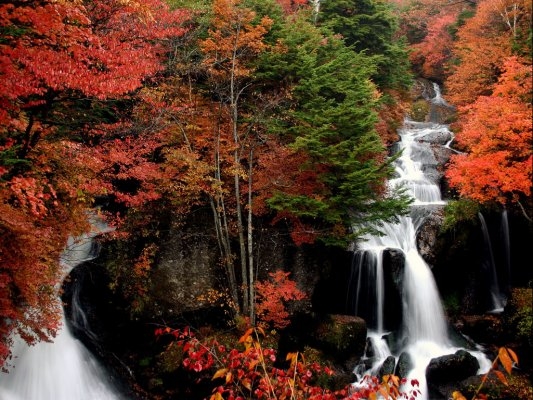
Ryuzu Falls cascades 210 metres down 10-metre wide terraces of volcanic rock from a historic eruption of Mount Nantai. The name “Ryuzu” (dragon’s head) comes from the presence at the base of the falls where a huge rock splits the waterfall in two. The area is popular for its stunning views of red and purple azalea blossoms from May to June as well as the autumnal red leaves in late September. The viewing platform offers the best view of the waterfall surrounded by the colours of the season. Ryuzu Falls is a popular location for visitors and is known as one of the five best falls in Nikko,along with Kegon Falls,Kirifuri Falls,Urami Falls, and Yudaki Falls.

Nikko kaido Oshu kaido TOCHIGI
Local Sake and visiting Sake brewery

Local Sake and visiting Sake brewery

Water is an important ingredient making up 80 per cent of Sake. Tochigi has abundant clear spring water perfect for Sake, thanks to the range of mountains in the north and its one and only fresh stream near Tokyo. Skilled brewers produce a range of Sakes with unique flavours in various parts of Tochigi. Sake tasting and a tours of the production process are available at these breweries. You can also purchase Sake, cups for Sake and cosmetics and sweets made with Sake.

Nikko kaido Oshu kaido TOCHIGI
Pick-Your-Own Fruit Farms (more than strawberries)

Pick-Your-Own Fruit Farms (more than strawberries)

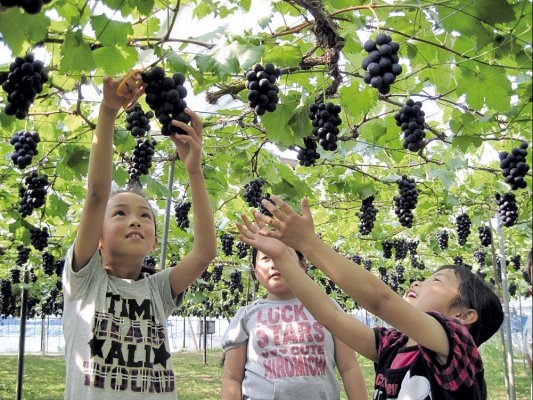
Many farms across the prefecture offer seasonal fruit picking. Aside from the nation’s largest crops of strawberries, you can enjoy picking a variety of other fruits such as cherries, peaches, grapes, blueberries and pears. Some also provide baking and cake decorating classes and jam making workshops using these seasonal fruits. The farm shops sell a wide range of products made with freshly picked fruits such as organic jams, sweets, gelatos and other gifts. As fruits in season may vary depending on farms and varieties, contact each farm for more information.

Oshu kaido Nikko kaido TOCHIGI
Kitsuregawa Onsen

Kitsuregawa Onsen

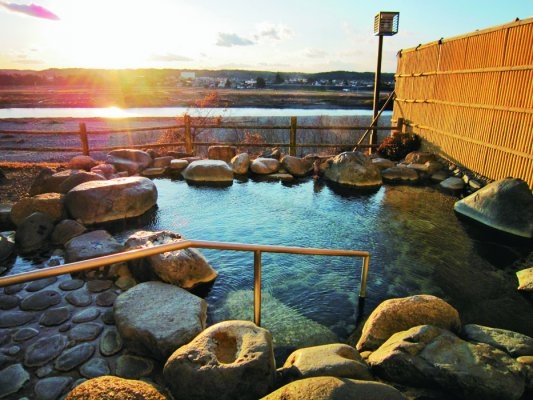
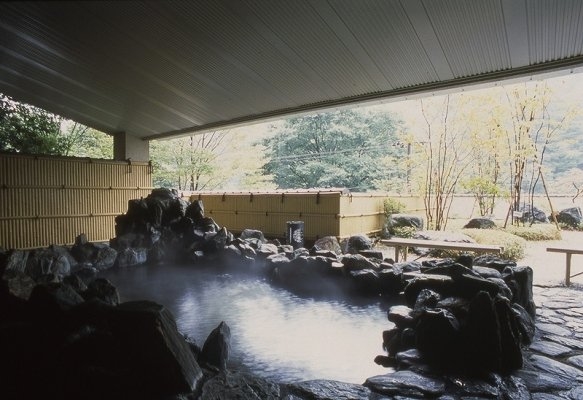
Kitsuregawa is a historic castle town and prospered as a post station on the Edo road. The Onsen is located along the rivers running through the town. The light-brown, salty, slightly alkaline water is one of the best in quality containing the three key elements of hot spring water: sulphur, salt and iron. Accessible in about 30 minutes from Utsunomiya, the prefectural capital, this is a popular Onsen for a day visit. You can also stop by the nation’s first roadside station with Onsen facilities inside.

Nikko kaido Oshu kaido TOCHIGI
Itamuro Onsen

Itamuro Onsen

A peaceful Onsen resort in the mountain ravines located in the western Nasu mountains. The clear alkaline hot spring water is known for its health benefits and the Onsen was designated as a “National Health Spa” by the Ministry of the Environment in 1971. Nestling into a natural landscape and surrounded by a richly preserved environment, most visitors come here for in search of the renowned health effects. Long known as a rustic therapeutic spa, the Onsen maintains its distinctive atmosphere. The temperature of the source of spring water is from 38℃ to 45℃, and its lukewarm water is gentle to the body.

Nikko kaido Oshu kaido TOCHIGI
Okukinu Onsen

Okukinu Onsen

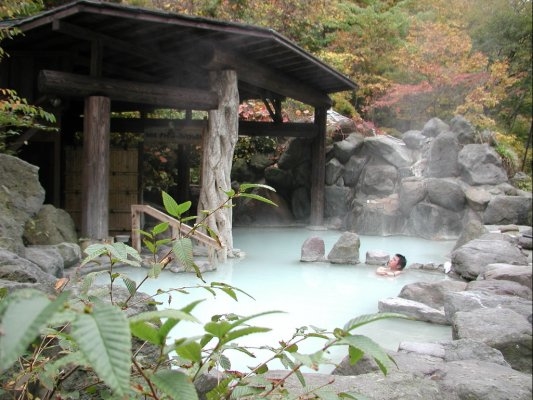
Hidden away in primeval forest, this Onsen is known as the last secret hot spring in the Kanto region. Four hot-spring facilities (Kaniyu, Teshirosawa, Nikkosawa and Haccho-No-Yu,) can be found here. Car traffic is restricted to the Onsen-kyo amidst the ancient beech woodland. Visitors can take pickup services arranged by inns or walk about 90 minutes to get there. At the moment two inns offer pickup services, and three inns (not Teshirosawa Onsen) are open to day visitors. Take your time to relax and unwind in these hidden hot spring villages.

Nikko kaido Oshu kaido TOCHIGI
Kawamata Onsen

Kawamata Onsen

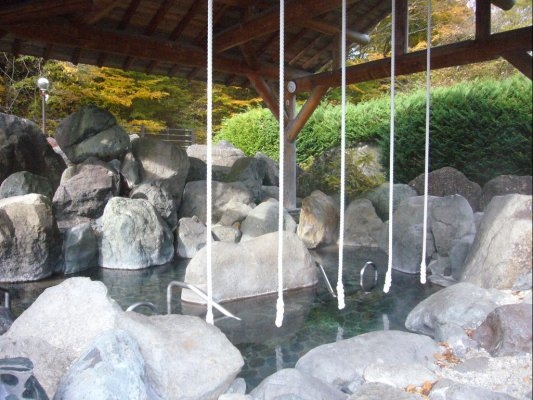
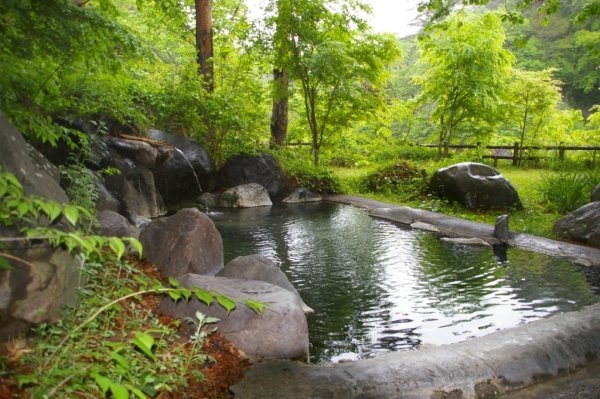
This Onsen rests alongside a verdant gorge carved out of rocks, where the roar of the Kinugawa River cuts through the stillness. Enjoy a splendid view of the gorge, beautiful mountains and great nature! Most of the inns located around the lake and along the valley have open-air baths (roten buro) and there are many scenic sites around the area. The Onsen welcomes many tourists during the seasons of fresh green foliage in mid-May, autumn colours in mid-October and “New Soba Festival” in November.

Nikko kaido Oshu kaido TOCHIGI
Yunishikawa Onsen

Yunishikawa Onsen

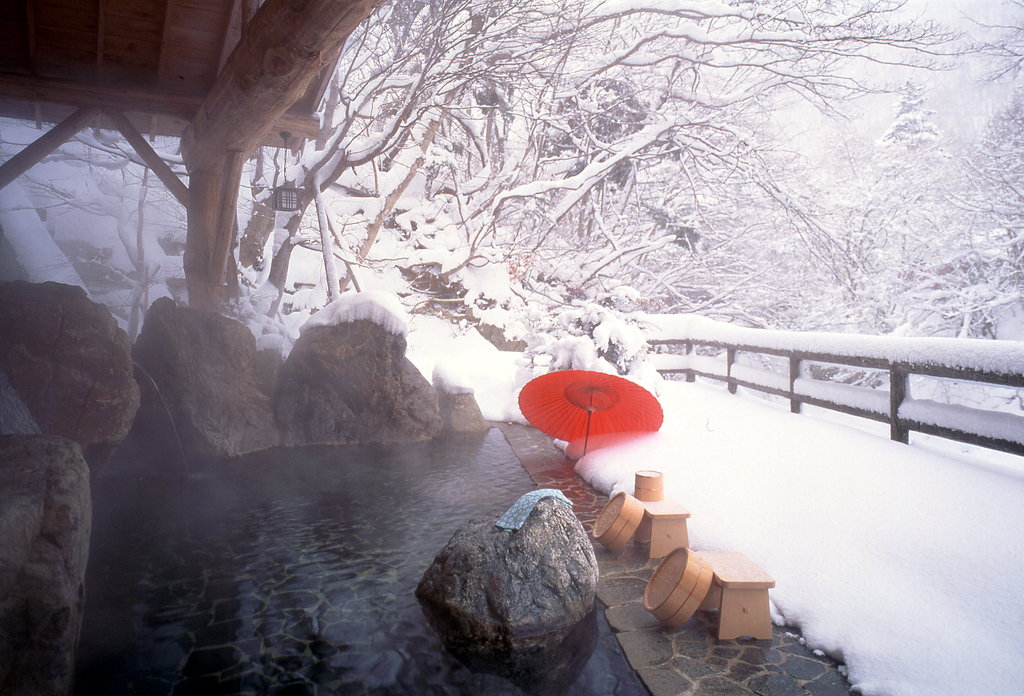
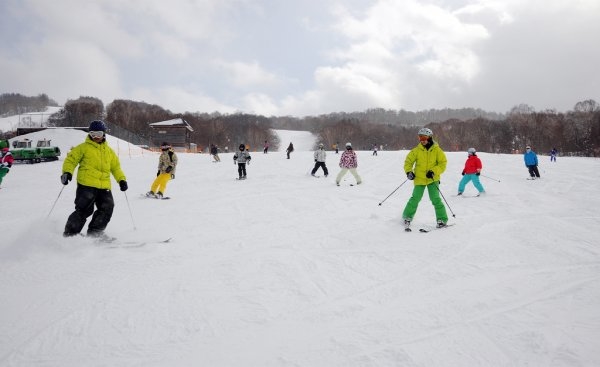
Legend has it that Samurai refugees found these spring waters and settled down in the village to heal their wounds. Today a row of inns and local houses are located along the valley. In addition to the abundant hot spring water, you can also enjoy seasonal local cuisine served around a fireplace (irori), including simply grilled wild ingredients such as freshwater fish, Sansai (wild vegetables), venison, bear and other delicacies. Miso paste grilled on a spatula is also a local specialty. If you visit here in the winter, do not miss the fantastic “Yunishikawa-onsen KAMAKURA Snow House Festival” from late January to early March. About 800 small snow houses are illuminated from inside candles.

Nikko kaido Oshu kaido TOCHIGI
Yumoto Onsen

Yumoto Onsen

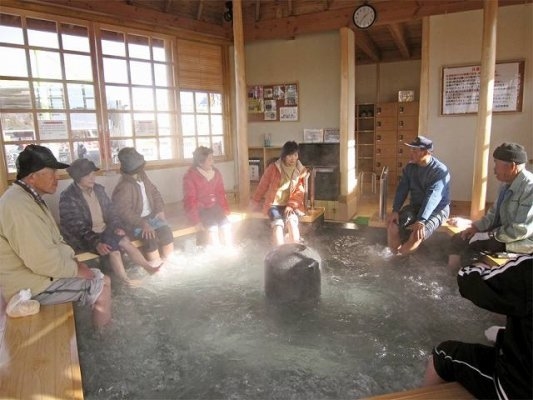
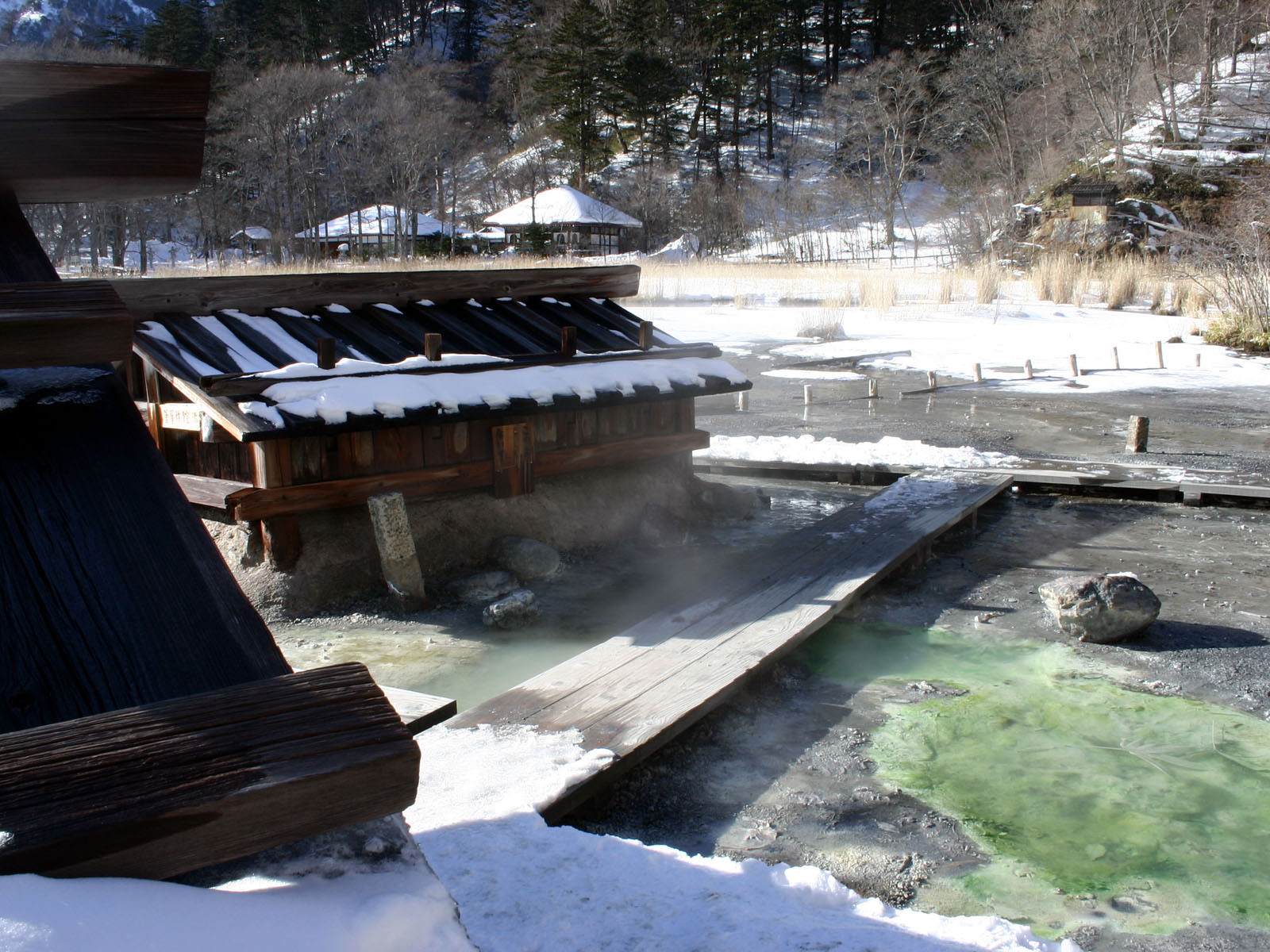
A peaceful Onsen town on the northern shore of Lake Yunoko, situated in the heart of Nikko National Park. It is said that the Buddhist monk Shodo Shonin, who first built a temple in Nikko about 1200 years ago to introduce Buddhism to the area discovered the Onsen. The milky-white sulphur-infused water is said to help with neuralgia and rheumatism. You can try it out in the foot bath known as “Anyo-no-yu” available free of charge in the town.(Closed for winter)   Taking in the tranquil landscape of the lake and mountains beyond clouds of steam, the Onsen provides a relaxing soak in the midst of some great nature.

Oshu kaido Nikko kaido TOCHIGI
Chuzenji Onsen

Chuzenji Onsen

This Onsen town on the northern shore of Lake Chuzenji, situated 1,250 metres above sea level.The town is popular as a summer resort and as a place of scenic beauty for autumn leaves. Chuzenji Onsen is drawn from Nikko Yumoto Onsen, 12 kilometers away. At Yumoto Onsen the water is 78° C, but it cools down to a more comfortable temperature by the time it reaches Chuzenji Onsen.The town is close to the Kegon falls and offers beautiful seasonal scenery.

Nikko kaido Oshu kaido TOCHIGI
Nikko Onsen

Nikko Onsen

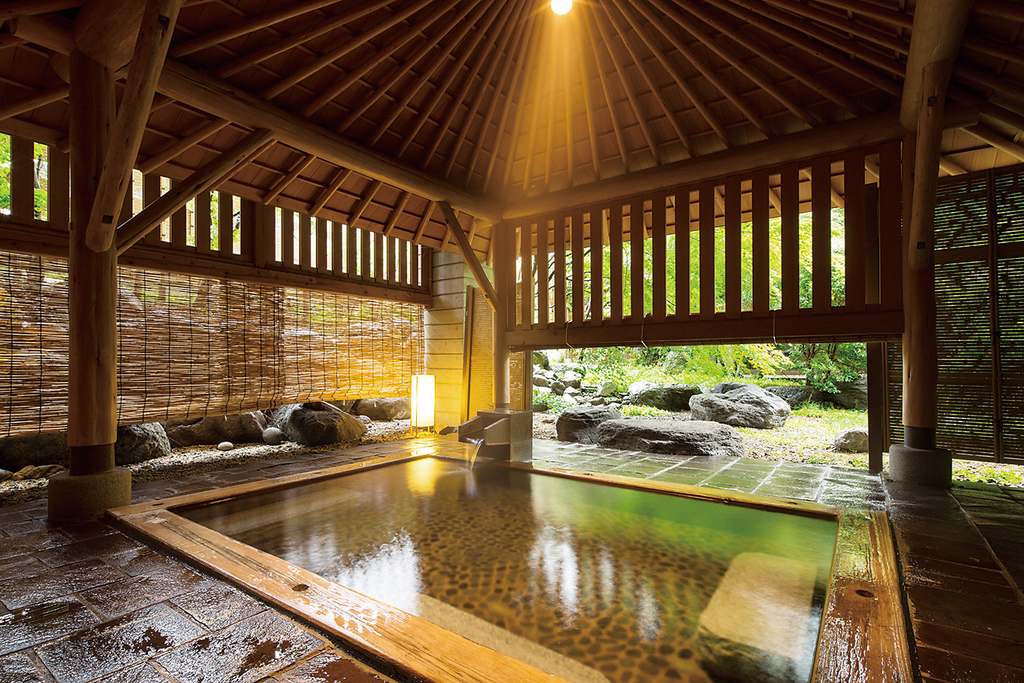
The Onsen area spreads around two Shinto shrines (the Toshogu and the Futarasan-jinja) and a Buddhist temple (the Rinnoji) of Nikko. The source of hot spring was rediscovered in recent years at the place where Kobo Daishi, a famous Buddhist monk and skilled calligrapher of the 8th century, used to call it a “hot spring of a vision”. The clear hot spring water, which is more comfortable for people who do not like sulphur, helps stiff shoulders and nerve pain and promotes beautiful skin. It is perfectly located to visit the World Heritage sites, stroll around the Monzenmachi Street and take a relaxing soak afterward.

Nikko kaido Oshu kaido TOCHIGI
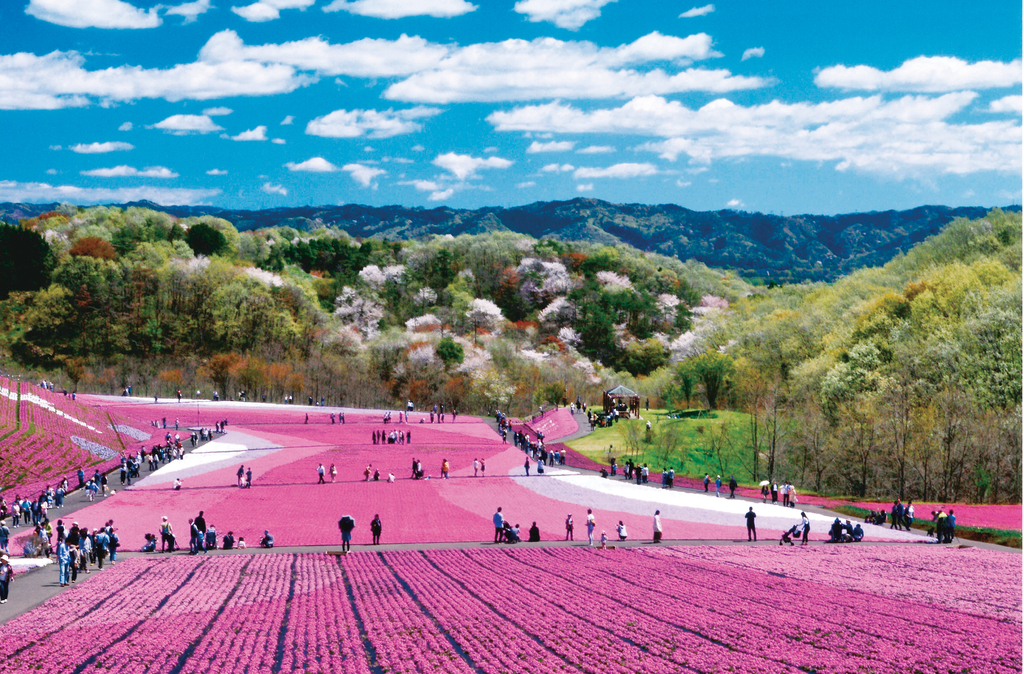
Ichikai-machi Shibazakura Park

Ichikai-machi Shibazakura Park

One of the largest in mainland Japan, the park is known for its 280,000 beautiful Shibazakura in bloom from mid-April to May, covering an area of 1.8 hectares. A must-see is the panoramic view of the floral carpet from the observatory, where various shades of red, white, mauve and pink lawn cherry blossoms form beautiful patterns. You can taste handmade soba noodles at the restaurant in the park. Local vegetables and Shibazakura plants are available at the farmer's market.

Nikko kaido Oshu kaido TOCHIGI
Bannaji Temple

Bannaji Temple

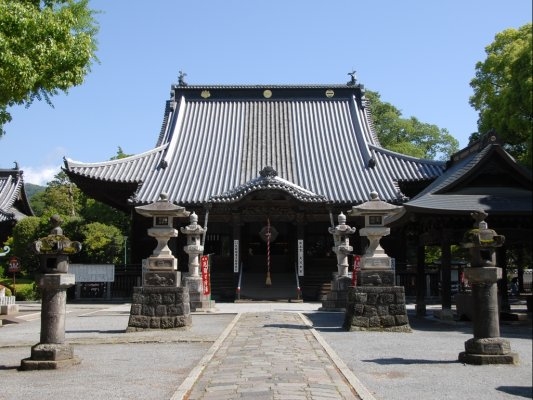
History of Bannaji Temple On the site of the present-day Bannaji Temple, a powerful samurai called Minamoto no Yoshiyasu, who was as famous as Taira no Kiyomori and Minamoto no Yoshitomo (the father of Minamoto no Yoritomo and Minamoto no Yoshitsune) built his castle at the end of Heian period. He is the first generation of Ashikaga family.   In 1196, Ashikaga Yoshikane, the son of Yoshiyasu, built a hall dedicated to Dainichi Nyorai, and the 3rd head of Ashikaga family, Ashikaga Yoshiuji, built a hall tower and other buildings. Since that, the Bannaji Temple bacame the clan temple of Ashikaga family. 150 years later, the 7th head of the family, Ashikaga Takauji, founded the Muromachi Shogunate, which gave the Ashikaga family the reign of Japan. Even in the Edo period, as the temple of the Ashikaga family, the direct descendant of the Minamoto clan, was revered and protected by the Tokugawa Shogun, who claimed to be a member of the Minamoto clan.   Became the National Treasure of Japan In 1923, Bannaji Temple was designated as a National Historic Site as the "Ashikaga Family Residence". The main hall, the bell tower, and the sutra hall were designated as National Important Cultural Properties. It was selected as the one of the 100 most famous castles in Japan. The 40,000-square-meter territory is laid out in a square shape, surrounded by a circular fortress and a moat, and retains the characteristics of the Kamakura period's Buke Yashiki (samurai's house).   Annual Events On February 3, the temple hosts the Ashikaga Setsubun Armor Parade, in which more than 150 participants dressed as samurai and wearing armor parade to Bannaji Temple and then perform the bean-scattering ceremony. In spring, you can enjoy cherry blossoms, and in fall, you can see the leaves of the city's natural monument, the Ginkgo tree (about 600 years old), turn yellow, and the beauty of the tree is breathtaking.      

Nikko kaido Oshu kaido TOCHIGI
The site of Ashikaga School

The site of Ashikaga School

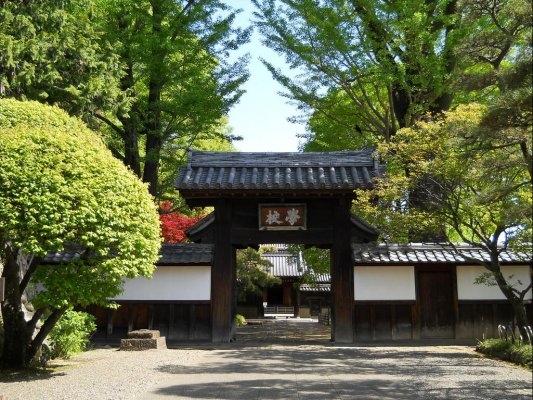
It is said that over 3,000 students studied at the school during the disturbances of the 10-year civil war (Onin War) starting in the 15th century.   When the Catholic missionary Francis Xavier came to the country in 1549, he described it as “Japan’s largest and most famous school” in his correspondence. Ashikaga thus became widely known overseas as well.   Today buildings have been restored,and visitors can view classrooms in their original historic form and join a program reading The Analects of Confucius on Sundays.

Oshu kaido Nikko kaido TOCHIGI