

Greater Tokyo

See & Do

reset
Mount Nabewariyama

Mount Nabewariyama

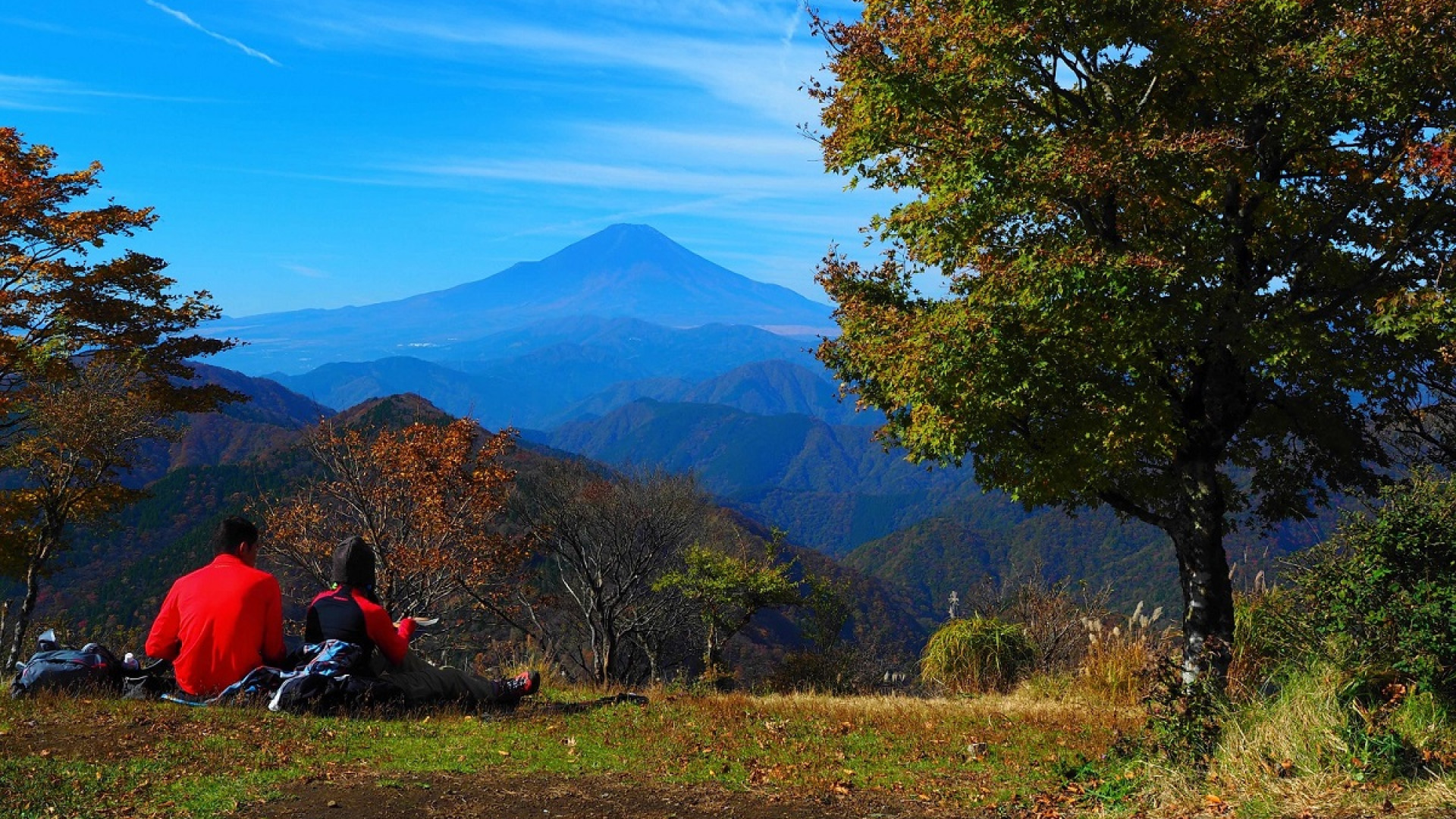
Mt. Nabewari, or Nabewariyama, (1,273 meters above sea level), sits nestled within the Tanzawa mountains of Kanagawa Prefecture and is a popular climbing spot for its beautiful mountain views and local specialty, "nabeyaki" udon noodles. Many climbers aim for the summit in the clear morning air. The trail is diverse and offers spectacular seasonal views such as fresh greenery, autumn leaves, and icy mist in winter. From the summit, you can enjoy a panoramic view of Mount Fuji and Sagami Bay, giving you a great sense of accomplishment. The hot "nabeyaki" udon noodles served at the mountain lodge are a blissful treat that will relieve climbers of their fatigue. From beginners to experienced climbers, Mt. Nabewari offers something for everyone. Why not start your day with a refreshing early-morning climb?Trekking early in the morning, when the air is clearer and there are fewer people, is a special experience.

Nature & Views Tokaido Koshu kaido KANAGAWA
Dohogawa Park

Dohogawa Park

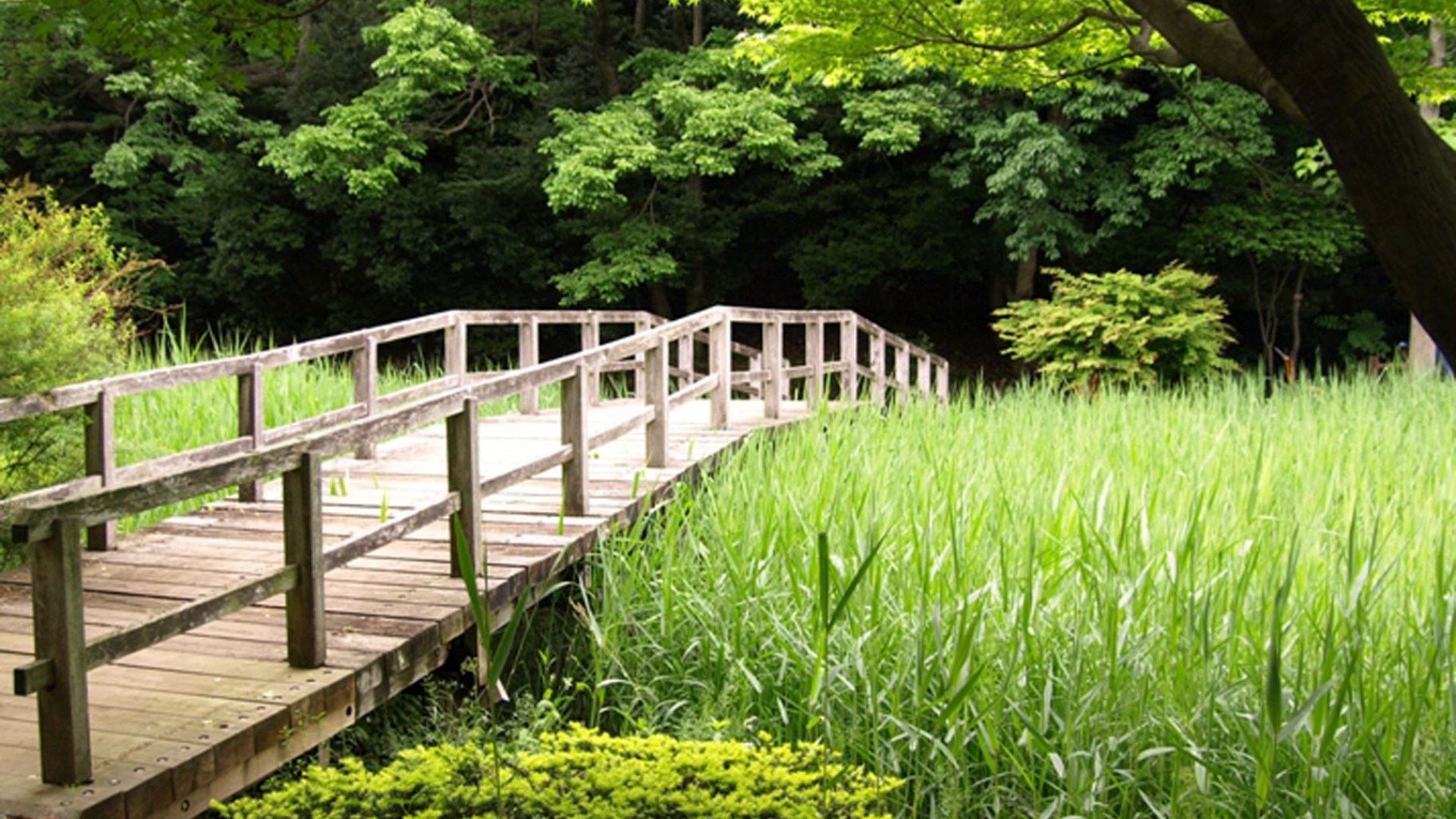
Nestled within the Sagami Yokoyama/Sagami River Suburban Greenbelt Special Preservation Area and the Greater Tokyo Suburban Greenbelt Preservation area, this scenic park boasts spectaclar natural scenery. It serves as a green space for conservation and a place of relaxation for local citizens. In an effort to preserve the natural environment of the Yokohama Hills and the source of the Michihoshi River as an urban green space, it serves as a place for interaction with nature where water and greenery meet. Visitors can observe wild birds and plants up close, deepening their understanding of nature. The park is also utilized as a venue for environmental education and outdoor learning.

Nature & Views Tokaido Koshu kaido KANAGAWA
Nango Hidari-Fuji (Left Fuji)

Nango Hidari-Fuji (Left Fuji)

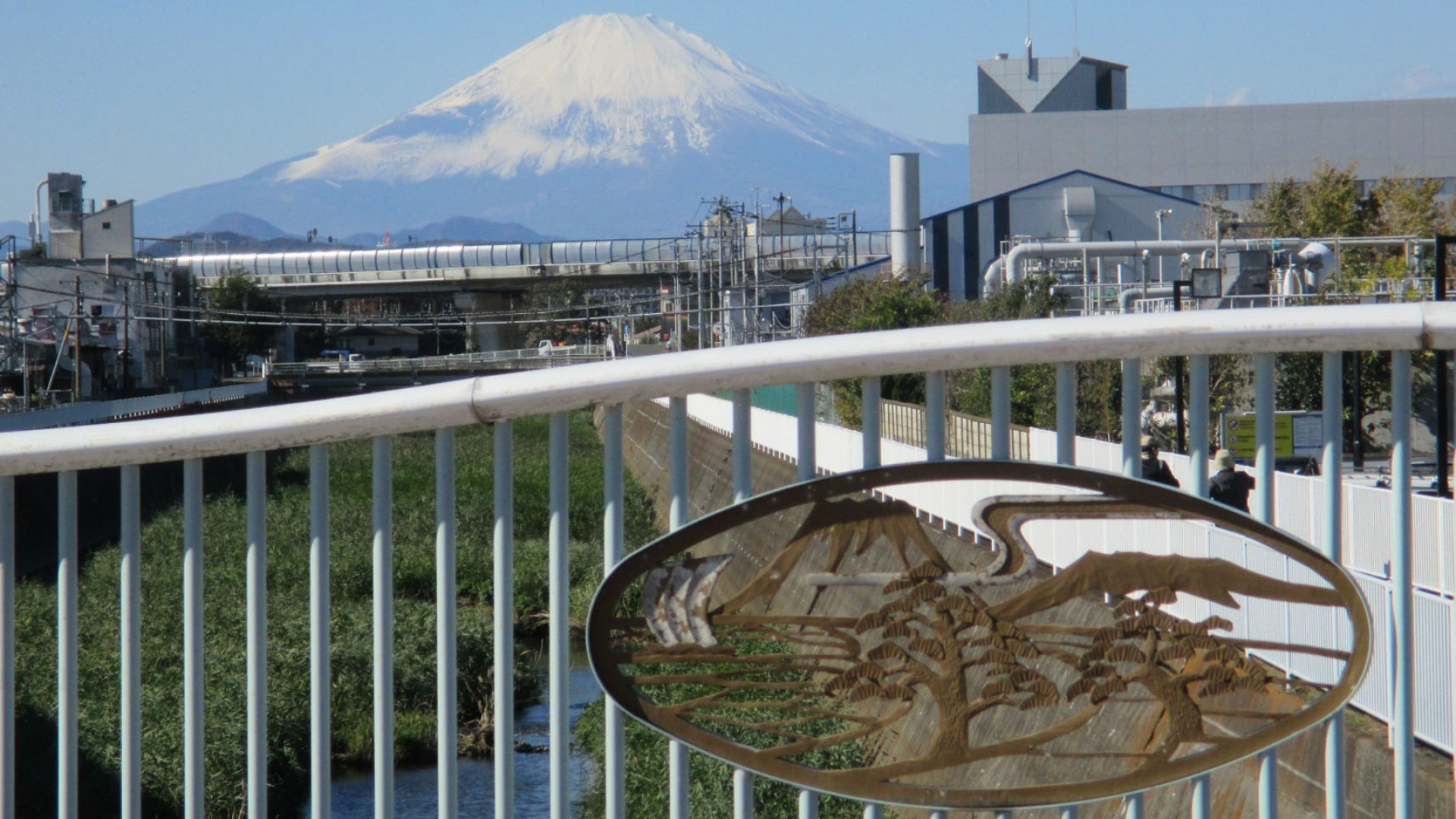
Along the Tokaido route from Nihonbashi to Kyoto, Mount Fuji is usually seen on the right when heading to Kyoto. However, you can see Mount Fuji on the left at this rare spot, upon the Toriidobashi Bridge located along National Route 1. The scenery of the past is captured in Hiroshige Utagawa’s (Hiroshige Ando) ukiyo-e painting “The Nango Pine Grove with Mount Fuji to the Left” (Nango no matsubara hidari fuji). Pine trees line the avenues of the path leading to the Tsurumine Hachimangu Shrine, leaving some traces of the past.

Nature & Views Tokaido Koshu kaido KANAGAWA
Kiyoken Yokohama Factoy

Kiyoken Yokohama Factoy

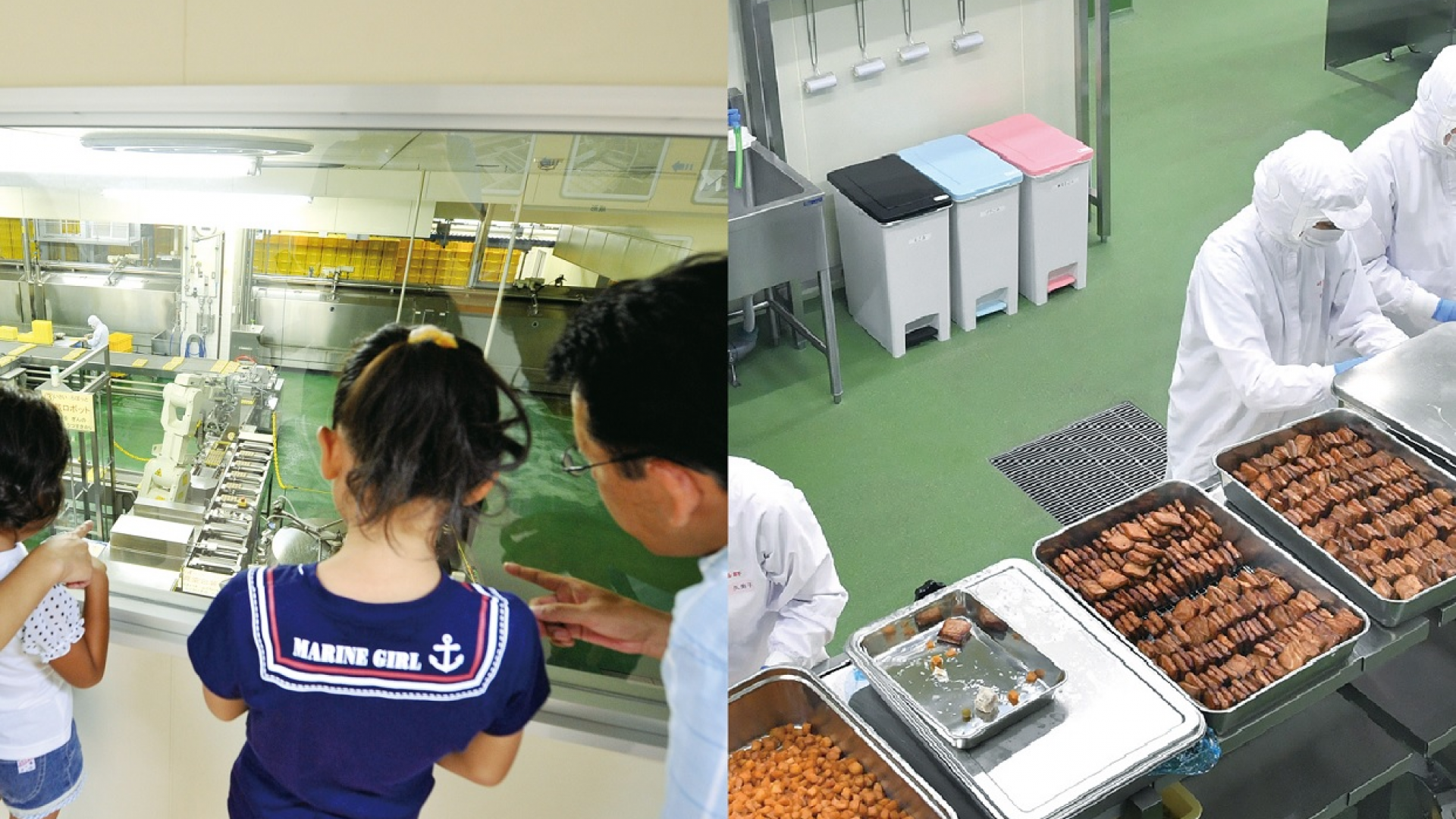
The shumai dumplings from Kiyoken are known as a famous food of Yokohama. At the Yokohama factory, you are able to tour their shumai and o-bento lunchbox production lines. The tour takes approximately 90 minutes. On this tour, you can learn about the history of the popular Ekiben lunch boxes and learn the secret to producing the delicious shumai o-bento lunch boxes. Through the glass, you can witness the important manufacturing process. Why not enjoy something that can only be enjoyed at this particular place? There is also a mini-museum shop in the factory where you can eat freshly cooked shumai and buy souvenirs.

Experience & Activities Tokaido Koshu kaido KANAGAWA
Italian Embassy Villa Memorial Park

Italian Embassy Villa Memorial Park

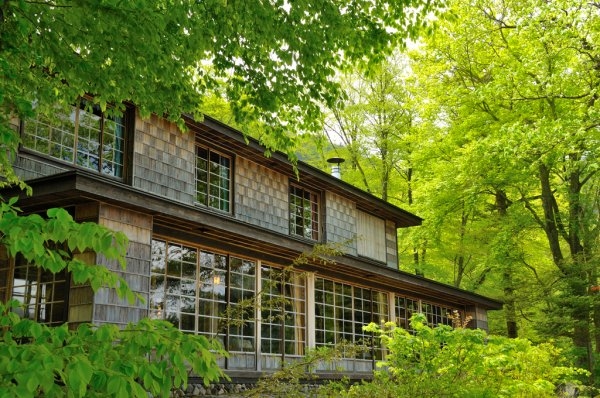
From the mid Meiji to the early Showa periods, the area around Lake Chuzenji was home to foreign embassies and villas and flourished as summer resorts. The villa was built as a summer house for the Italian ambassador in 1928 and used by successive ambassadors until 1997. Along with the main building reconstructed with the original floor, fittings and furniture, the cottage is now open to the public as a history museum of the local international summer resorts. In addition to the buildings, the park pleases the eye with a lovely view of Lake Chuzenji.   The villa was designed by Czech architect Antonin Raymond (1888-1976). Raymond moved to the United States when he was 22 years old where he took up architecture. His first visit to Japan was during the New Year’s period in 1919-20 to work on the project of the Imperial Hotel with his mentor Frank Lloyd Wright. Raymond was advised by local craftsmen on traditional architectural materials. He made a good use of the local Nikko cedar on the walls and his chequered design creates a beautifully modern exterior to the two-storey wooden villa. The whole ceiling of the ground floor was made with cedar bark by wickerwork, a popular technique in the traditional Japanese Sukiya style of architecture. The space of the living room and study is skilfully divided by wickerwork patterns.

Nikko kaido Oshu kaido TOCHIGI
Ashikaga Flower Park

Ashikaga Flower Park

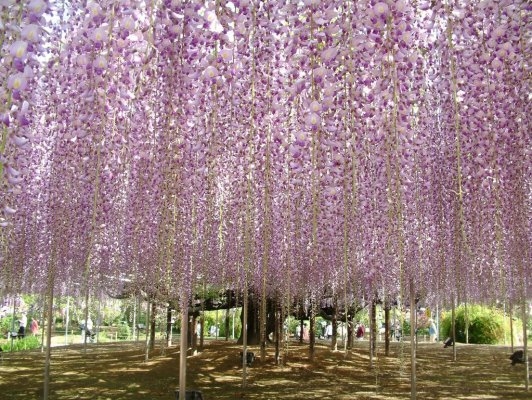
This flower garden creates a full sense of the season and magnificence of nature with a wide range of plants and trees. The highlight of the park is the massive Japanese wisteria trellises in bloom from late April to mid-May. You will be totally stunned by four large wisteria vines and 80-metre tunnel of white wisterias,designated as a prefectural natural treasure.   In the evening the illuminated wisterias bring dream-like scenes. The park also draws large crowds during the fall and winter months, when the "Bejeweled Flower Garden" is held. It is one of the Kanto area’s top three annual illumination events. The garden welcomes over a million tourists throughout the year.

Nikko kaido Oshu kaido TOCHIGI
Yoshiike Ryokan (Japanese-style inn)

Yoshiike Ryokan (Japanese-style inn)

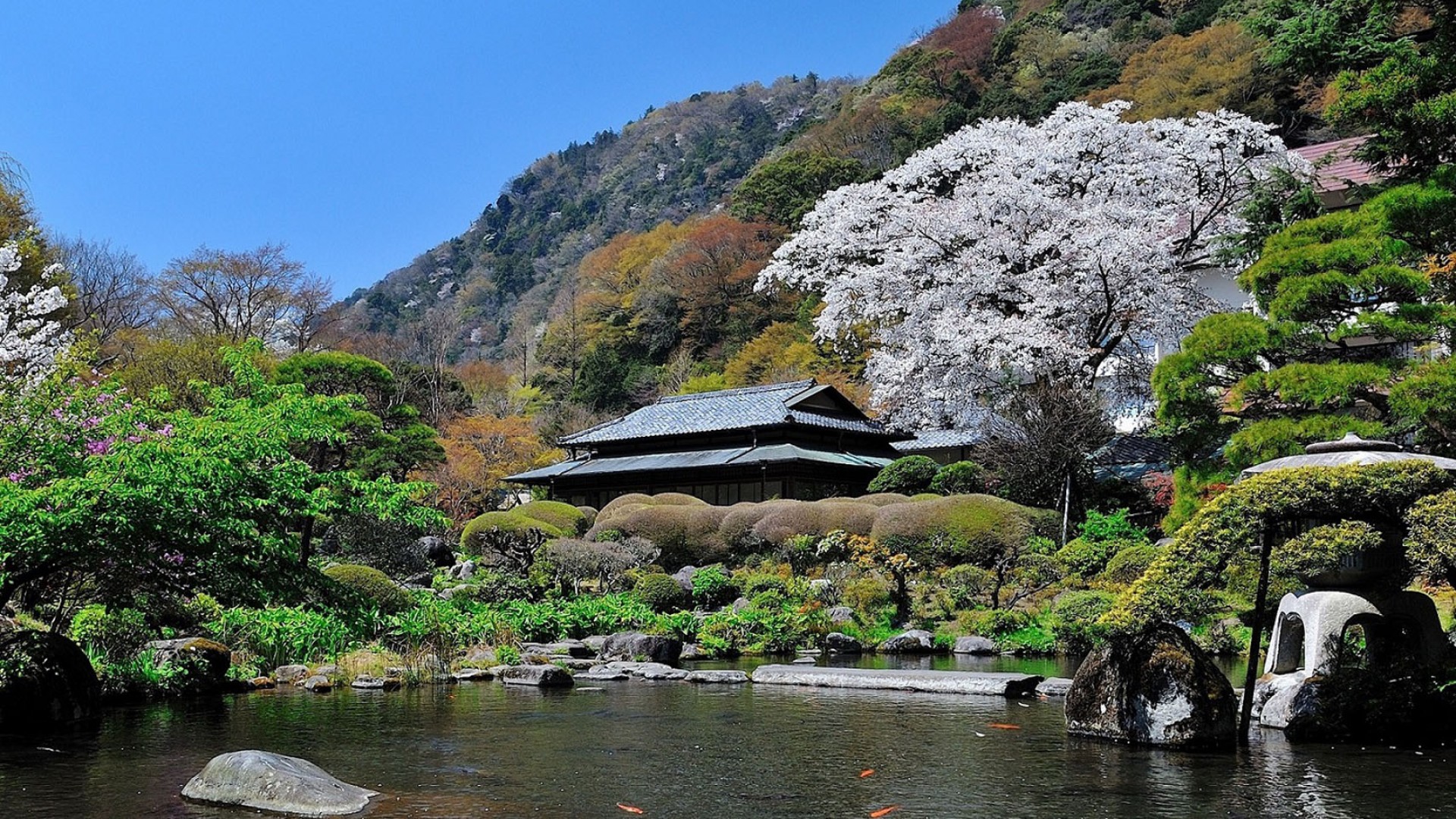
Yoshiike is proud of its hot springs, boasting 6 in-house sources and an abundant flow of hot water of up to 720 liters per minute. The elaborately designed large public bath, the garden-like open-air bath, and the relaxing private bath are all filled with 100% private hot spring water. On the ryokan's premises, there is a 10,000 tsubo (about 355,800 square feet) pond garden, "Sangetsu-en," a cherry blossom light-up event, "Light Garden," as well as firefly and autumn leaf seasonal events. We highly recommend taking a stroll in the garden at night!*For non-overnight guests, facilities are available from 1pm.

Onsen & Stay Tokaido Koshu kaido KANAGAWA
Kita-kamakura Takaranoniwa

Kita-kamakura Takaranoniwa

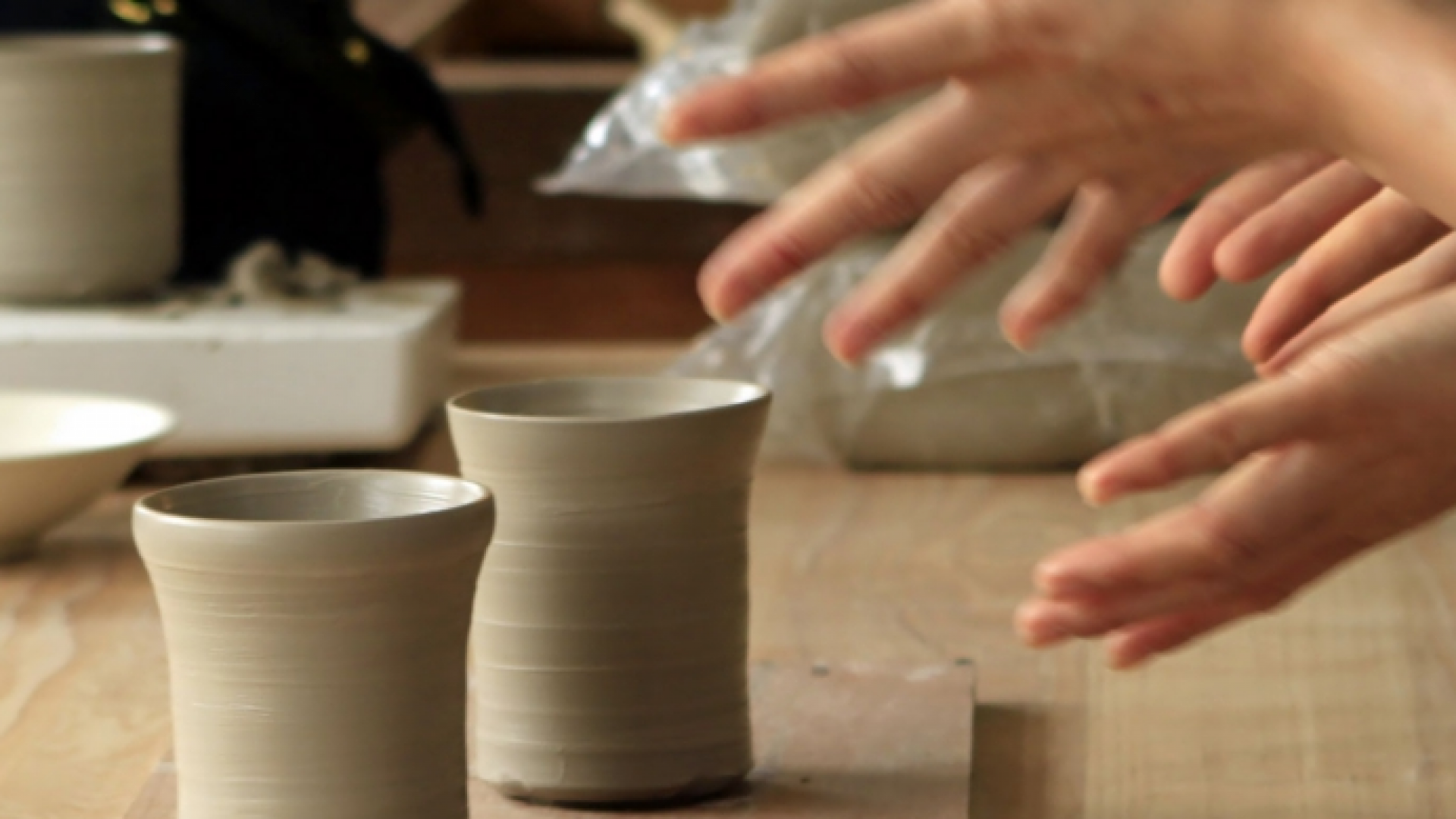
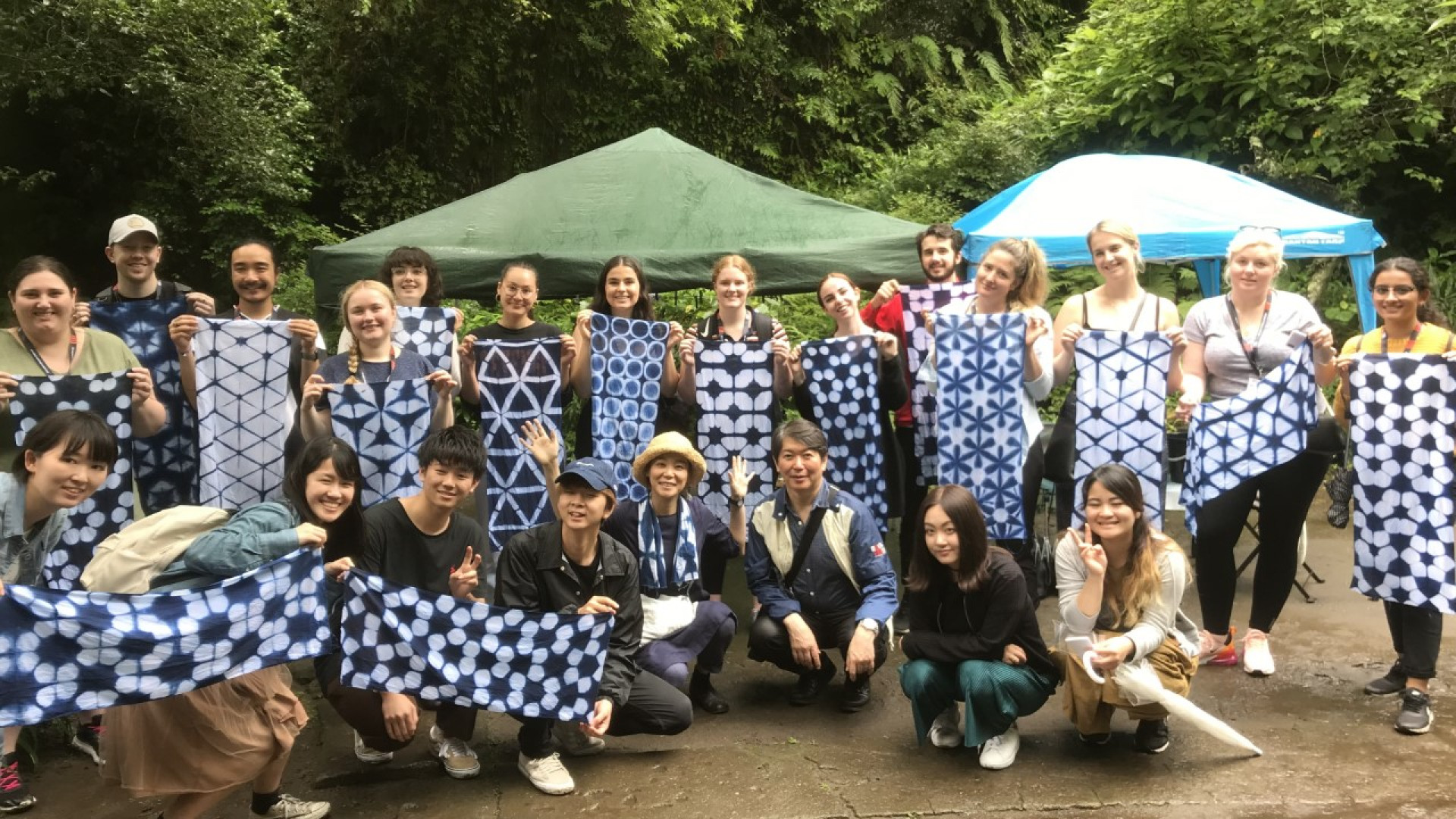
Roughly a 10 minute walk from Kita-Kamakura Station, this 85-year-old traditional Japanese house is surrounded by a spacious garden and lush greenery and offers reservation-based workshops, such as pottery experiences, cooking classes, dyeing workshops, and yoga. Pottery experiences are held daily. Experience fees are as follows: Leaf plate making: 3,400 yen, bowl making: 5,000 yen and up (shipping seperate). Private rentals are available depending on group size. Lunch boxes or meals can be provided alongside workshops. The attached gallery is open Fridays, Saturdays, and Sundays, as well as holidays, from 11AM to 4PM (no reservation required). You can also enjoy drinks in the garden on sunny days. Check the website calendar for events, such as the monthly Handmade Market and Weekend Cafe.

Experience & Activities Tokaido Koshu kaido KANAGAWA