Greater Tokyo

See & Do

reset
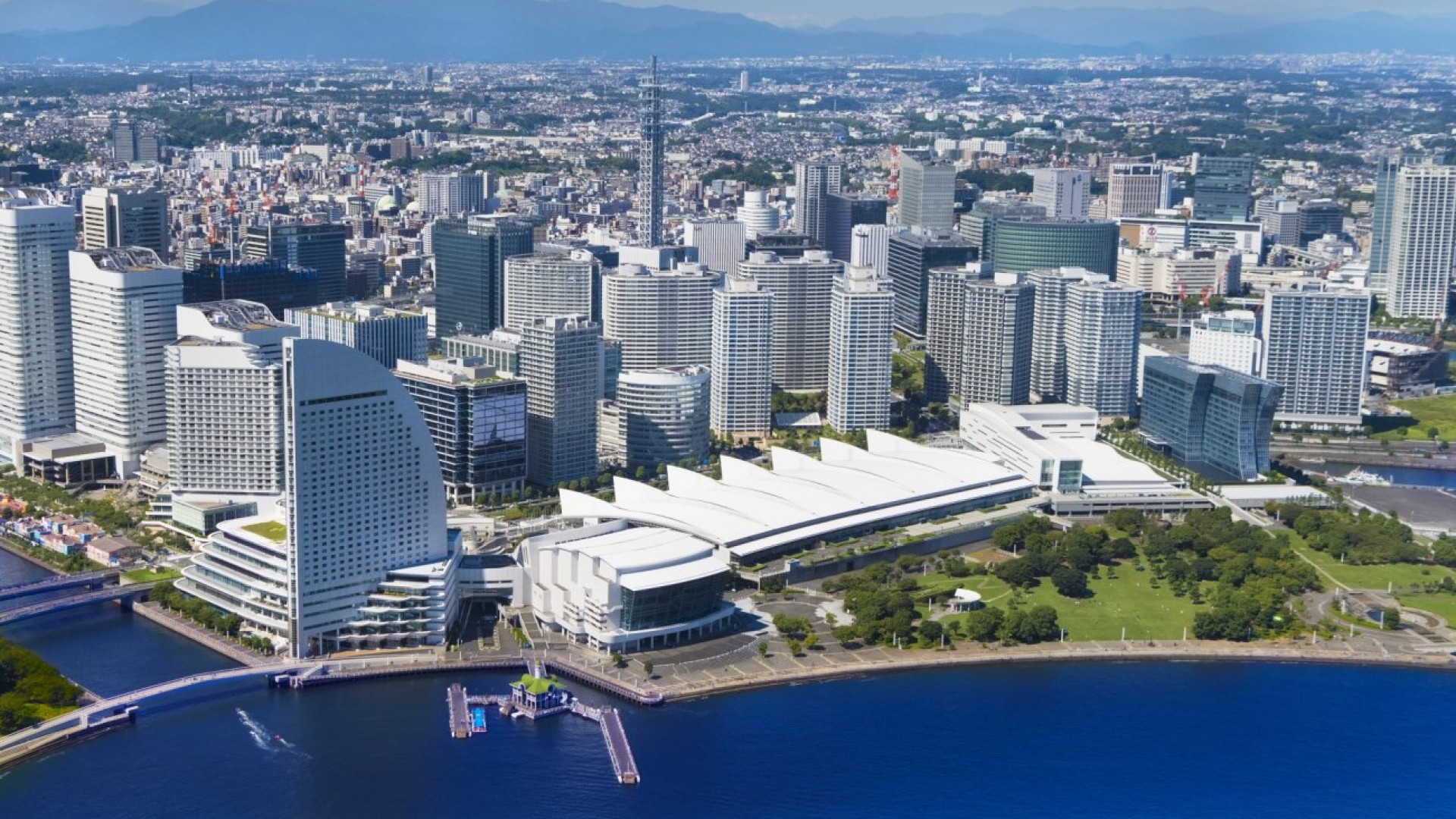
PACIFICO Yokohama

PACIFICO Yokohama

Pacifico Yokohama is located on the waterfront of Minato Mirai 21, a new city in Yokohama, and is "the world's largest complex MICE facility." Pacifico Yokohama, a multi-purpose convention facility that can hold a variety of events such as academic conferences, incentives, corporate conventions, exhibitions, concerts, and events, will open a new facility in 2020. On the first floor of the North, a 6,300 m² carpeted floor with a pillar-free space will be created, making it the largest banquet venue in Japan to be used in conjunction with meetings.

other Tokaido Koshu kaido KANAGAWA
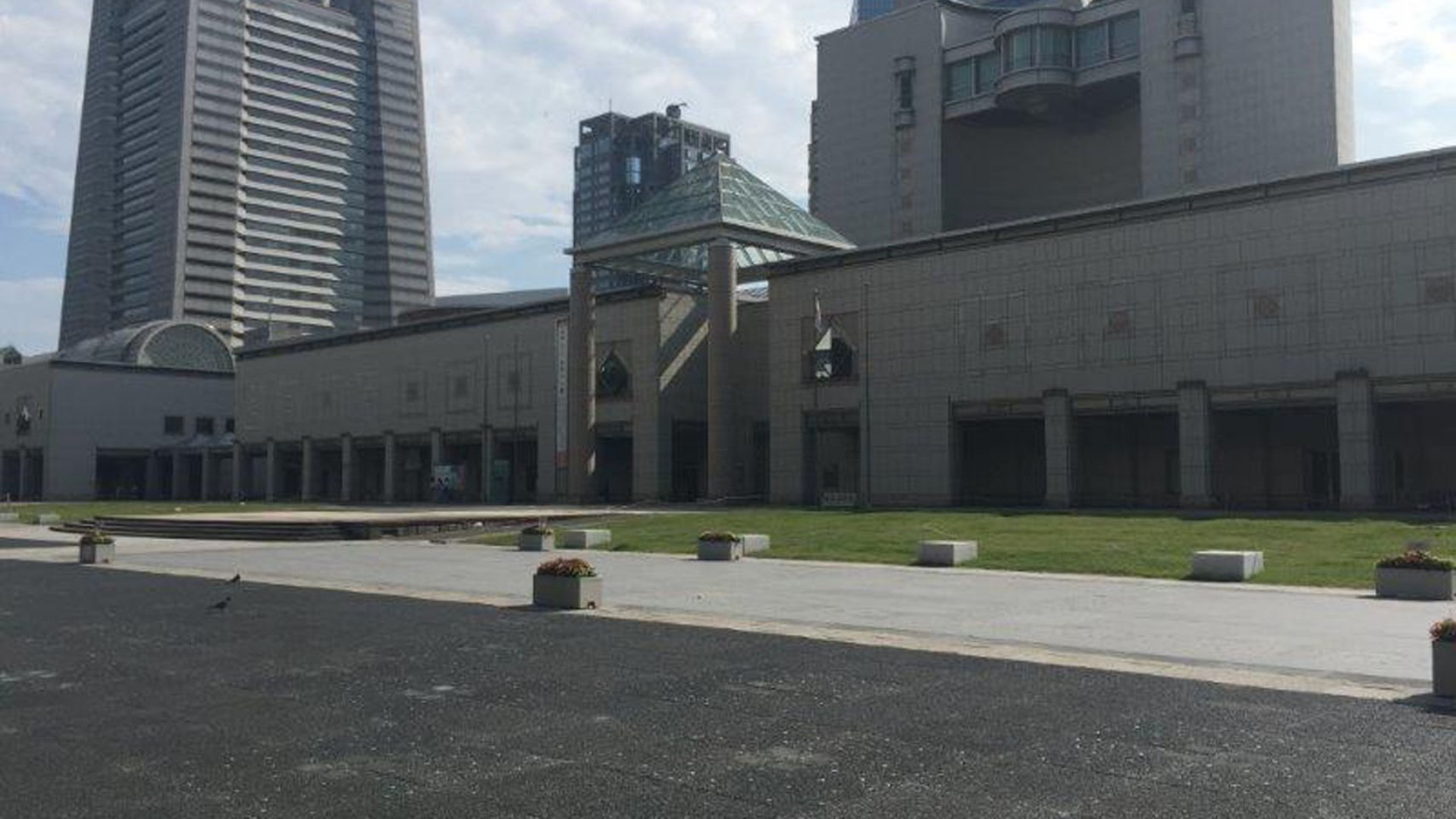
Grand Mall Park

Grand Mall Park

As a park located on the waterfront, we developed a design based on the theme of "the sea" to create a facility that enhances the appeal of the Minato Mirai 21 district. Art furniture (benches) with a nautical motif were installed under a row of zelkova trees, where the sun shines through the trees. At night, a luminous sea pavement in front of the art square creates a new nightscape of Minato Mirai with illusory light reminiscent of luminous insects drifting among the waves of the sea.

Nature & Views Tokaido Koshu kaido KANAGAWA
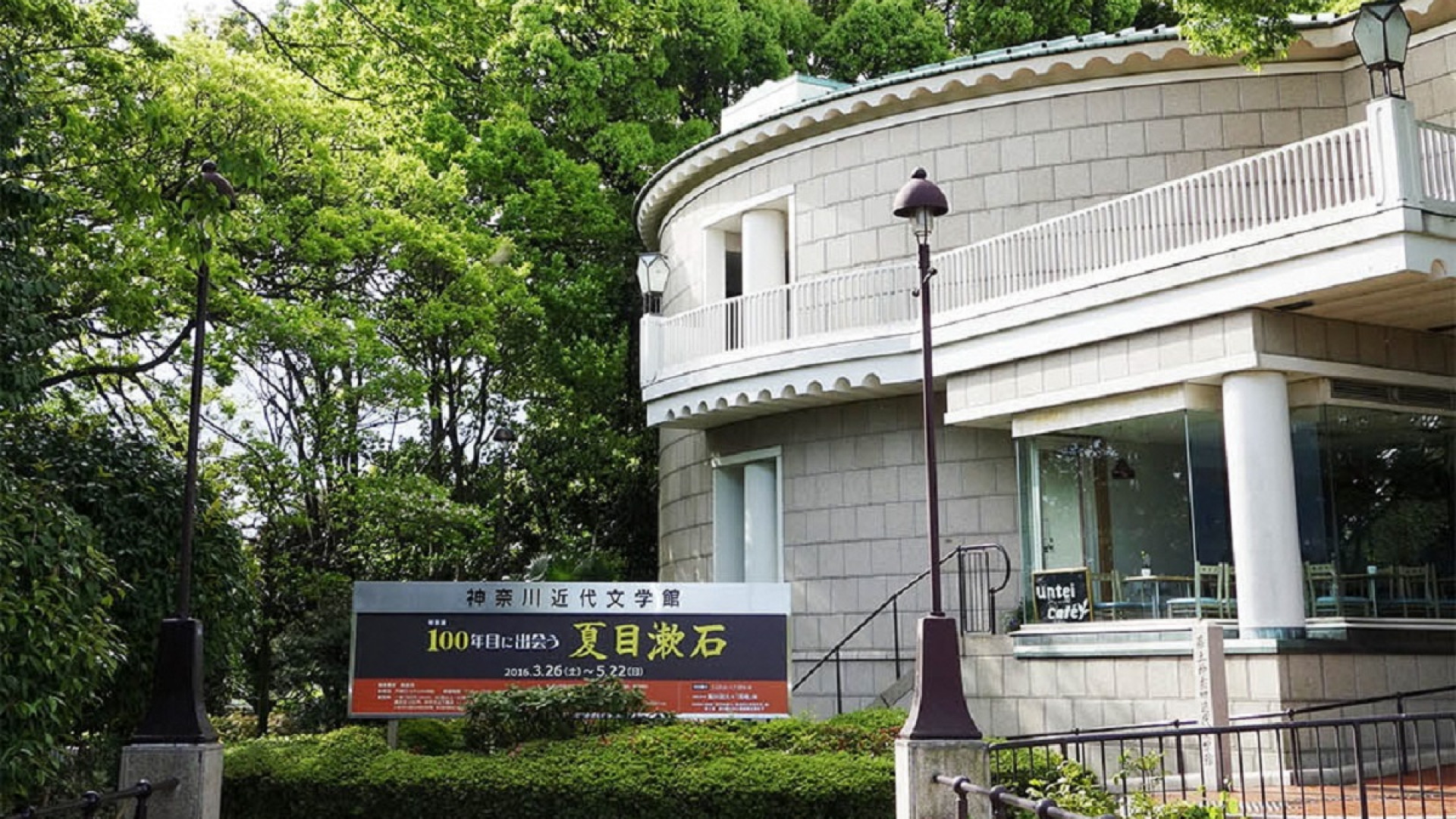
Kanagawa Museum of Modern Literature

Kanagawa Museum of Modern Literature

Please visit the facility's website for the latest information.This museum has information of Kanagawa related and/or born writers and literature. It is used both as a library of Japanese modern literature and event site. They have more than 1.2 million collections. Some of them are entitled famous writers' names, such as Yasushi Inoue library, Shohei Ooka library and Soseki Natsume special collection. They usually exhibit Kanagawa literature. The museum also displays personal exhibitions of Sosuke Natsume, Ryunosuke Akutagawa and other Kanagawa related writers.

Culture & Arts Tokaido Koshu kaido KANAGAWA
Sankeien Garden

Sankeien Garden

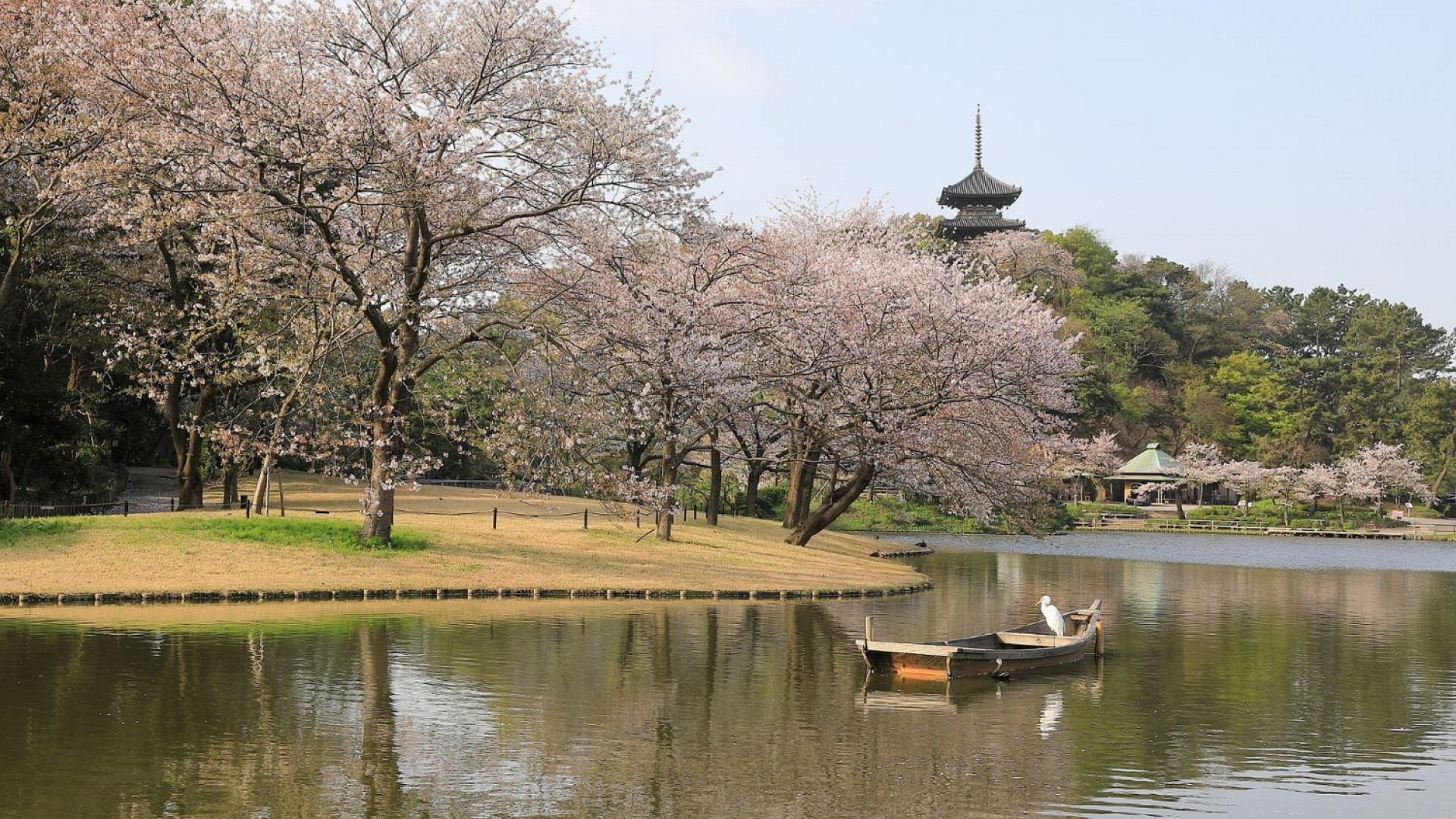
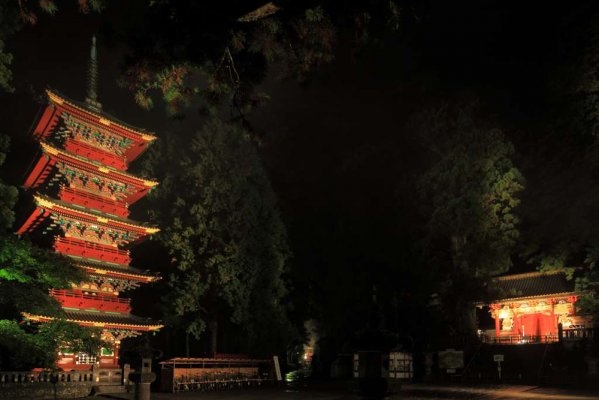
The vast classical Japan garden covering over 175,000 square meters was opened by Hara Sankei, a businessman who made a fortune with the Japanese silk trade. Rinshunkaku, the Three-Storied Pagoda of Old Toumyouji are amongst the properties designated as Important Cultural Properties by the Japanese government. The garden is also a famous viewing spot for plum and cherry blossoms, azaleas, and autumn leaves. Business hours are extended during special events.Experience a traditional Japanese Garden while learning a little history about Mr. Hara Sankeien, the designer. Grab a brochure at the entrance to find out which of the historic buildings are currently open for your exploration.Sankeien Garden holds a "Cherry Blossom Evening" from late March to early April every year. During the night event the beautiful lit-up cherry blossoms with a backdrop of historical buildings will take your breath away.

Nature & Views Koshu kaido Tokaido KANAGAWA
Hakone-jinja Shrine

Hakone-jinja Shrine

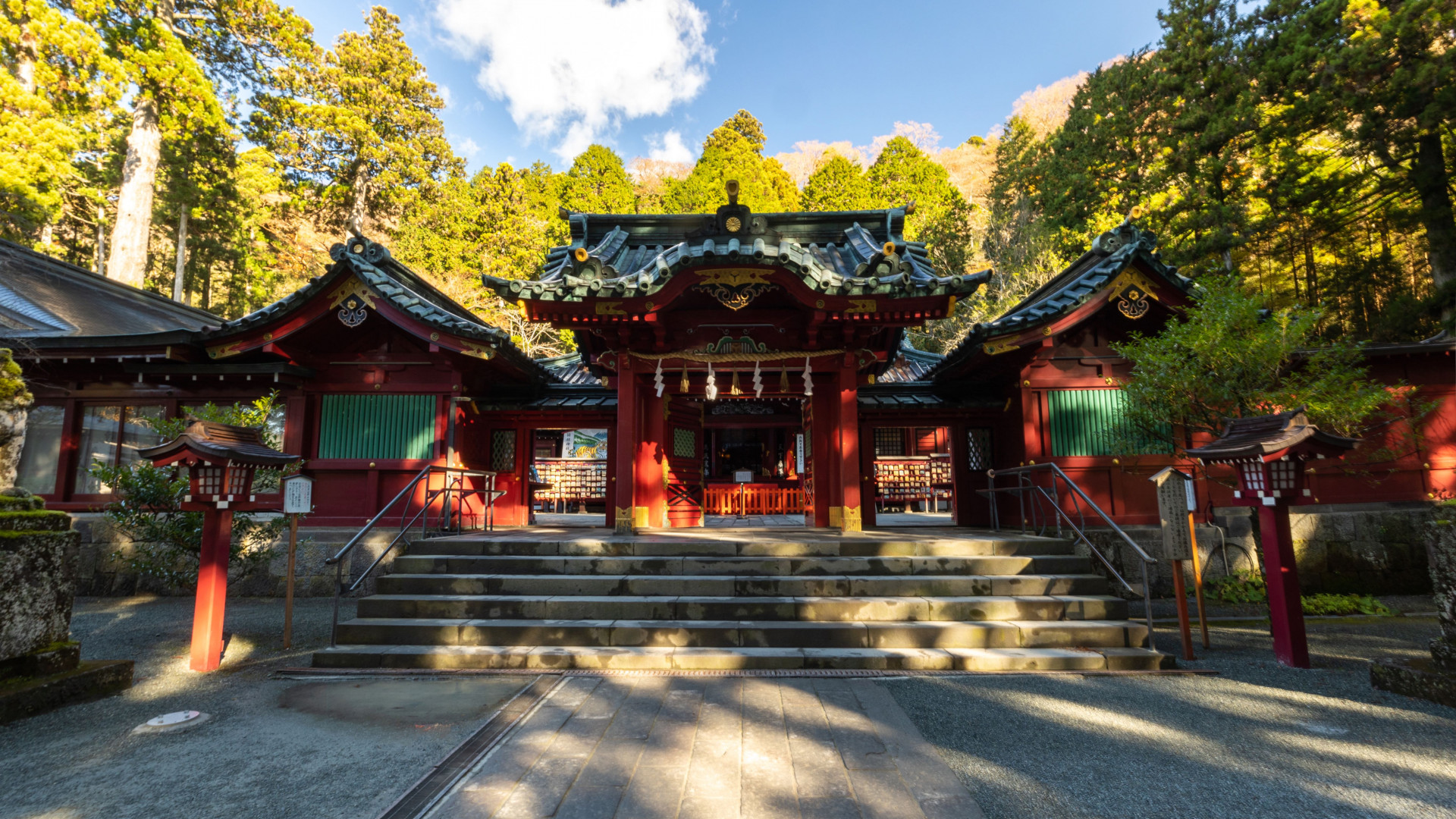
Hakone Shrine is an ancient shrine celebrating its 1266th anniversary. Founded in 757, the first year of the Tenpyo-Hoji Era, at the beginning of the Nara Period (710-794), when Mamaki Shonin, who was in ascetic training on Mount Hakone, was entrusted by the Great God of Hakone to the shrine at its current location by Lake Ashi. During the Kamakura period, Minamoto no Yoritomo deeply worshipped Hakone Shrine, giving birth to the custom of nishomode (pilgrimage to two shrines). Since then, the shrine has flourished as a place of reverence for warriors such as the regent Hojo and the warlord Tokugawa Ieyasu, as well as a sacred place for Shugen (Japanese mountain asceticism). In modern times, with the construction of the Hakone Road, Hakone became a sacred place of worship for the common people, and belief in Mount Hakone as a deity highly virtuous for protecting against bad luck, fulfilling one's desire, and ensuring traffic safety became even more popular. The approach from the Heiwa-no-torii (peaceful gateway) by Lake Ashinoko to the main shrine is flanked by rows of cedar trees more than 600 years old, giving the shrine a majestic appearance, behind the vermilion-lacquered Gongen-zukuri main shrine building is a pure forest of himeshara, a natural treasure of Kanagawa Prefecture, and the Gongen Mitarashi pond and Lake Ashi below reflect the vermilion Peace Gate and the sacred Mount Fuji, surrounding the shrine with beautiful nature. Many visitors from around the world come to pay their respects at the Kuzuryu Shrine (Shingu and Hongu), which is a shrine revered not only for its good fortune and prosperity, but also for its protection of money, prosperity in business, and match-making, particularly during the Tsukinamisai held at the main shrine on the 13th of each month. [Divine virtues] Good luck repelling of bad luck, fulfillment of one’s desires (protection against bad luck), traffic safety, match-making, family safety, and business prosperity On July 31st, the shrine organizes the Ashinoko Kosui Matsuri Festival to celebrate a legendary dragon. Monks sail the lake on pirate ships offering red rice to the depths below. Floating lanterns illuminate the lake waters while fireworks light the skies above.Lake Ashinoko Summer Festival Week: Hakone Summer Festival offers a variety of events such as the biggest annual festival of Hakone Shrine with Shinto celebrations and rituals, fireworks, and more. Many fireworks will be launched at a total of six fireworks festivals, adding color to the summer Hakone sky.

Temples & Shrines Tokaido Koshu kaido KANAGAWA
TEMPLESTAY ZENSŌ

TEMPLESTAY ZENSŌ

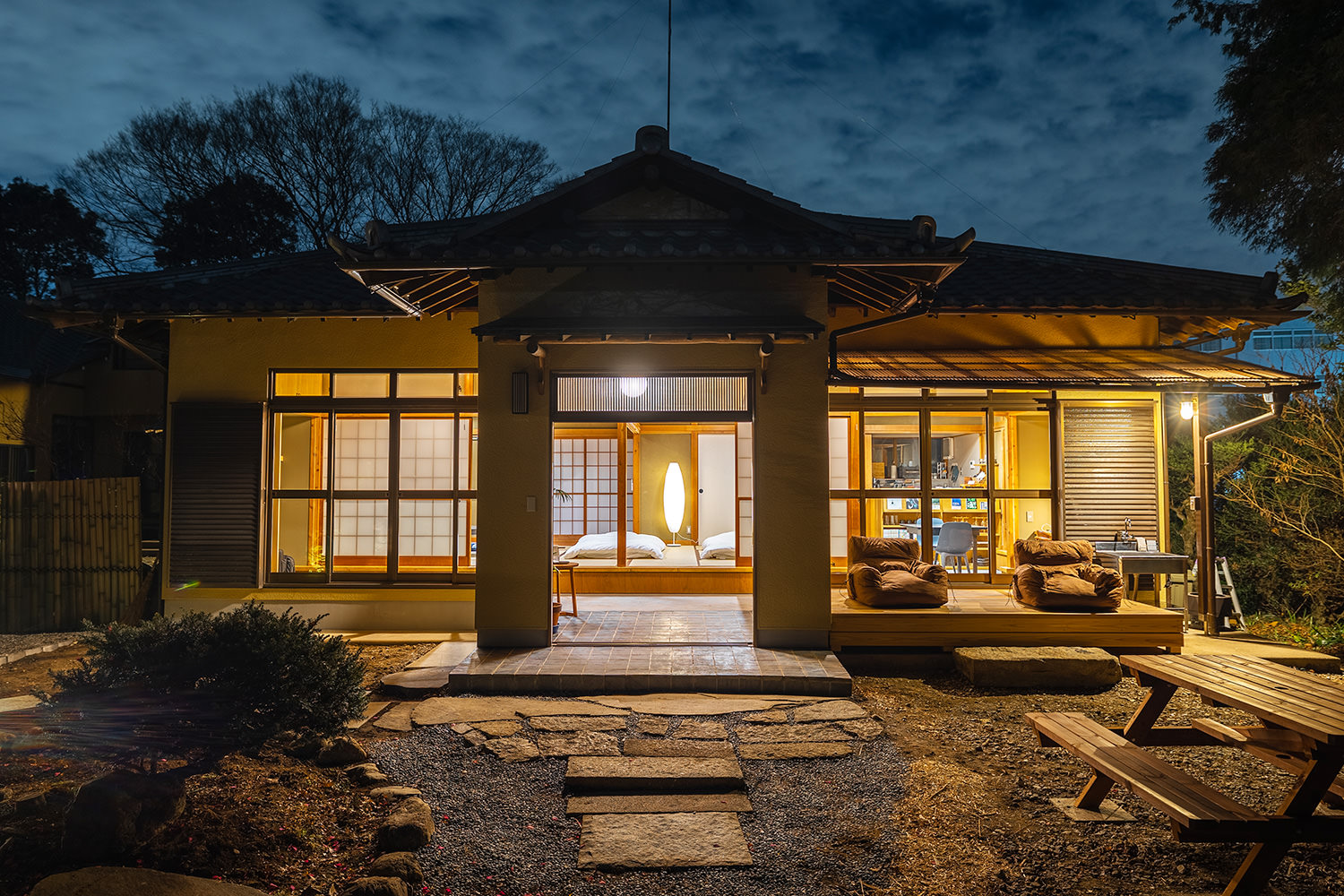
TEMPLESTAY ZENSŌ offers you a chance to stay in a traditional Japanese house adjacent to the temple grounds of Horinji Temple in the town of Chiyoda. The temple was founded in the early 14th century and remains a tranquil site of Buddhist devotion. Enjoy the amenities and comforts of a private villa while trying unique Buddhist experiences. Accommodating up to six people, the house comes with modern appliances and conveniences, including wi-fi service. Book activities such as zazen meditation or sutra copying to make the most of your proximity to Horinji Temple. Japanese-speaking visitors can take part in these activities with advance reservation, even if they are not staying at the temple. There are dining plans that can be added to the Onsen & Stay package, including one that provides everything you need a delicious barbecue meal.

Onsen & Stay Nakasendo Mikuni kaido GUNMA
Tochibiyori Store

Tochibiyori Store

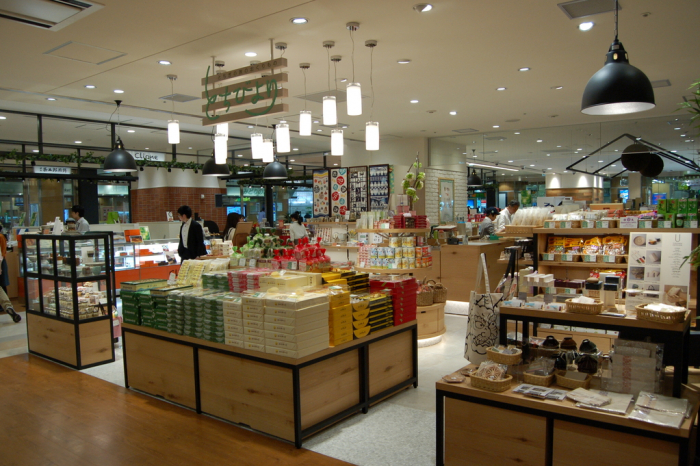
From Confections to Crafts, the Best Selection of Tochigi’s Local Goods All in One PlaceThe Tochibiyori Store is a local specialty shop directly managed by the Tochigi Prefecture Tourism and Local Products Association. It is located on the 2nd floor of the JR Utsunomiya Station building, PASEO, within Tochigi Grand Marché. Conveniently situated right by the station, it is the perfect place to pick up souvenirs and gifts before heading off. The store offers a wide range of Tochigi’s signature products, such as confectioneries made with fresh local fruits, including Tochigi strawberries, as well as yokan (sweet bean jelly), Nikko yuba (tofu skin), local sake, pickled vegetables, and more. Visitors can also find Mashiko ware pottery and other traditional crafts. Limited edition goods and popular local snacks are also available, making it easy to take home the “taste of Tochigi.”

Nikko kaido Oshu kaido TOCHIGI
Nasu Seshoseki Gojinka Festival

Nasu Seshoseki Gojinka Festival

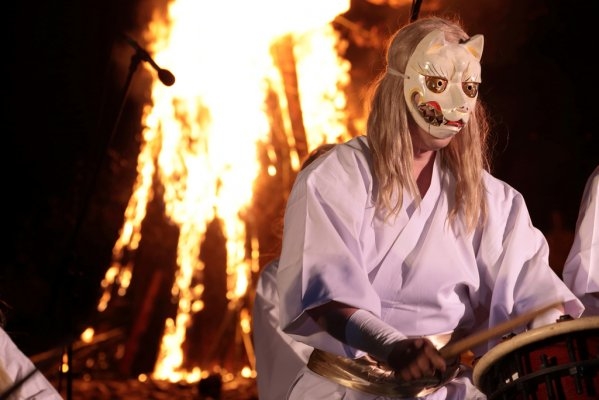
Nasu is known as the largest volcanic zone in Japan. Several large eruptions in the past have claimed many victims here. The villagers in the neighboring area started to cleanse themselves to appease the anger of the mountain, visit Nasu Yuzen Shrine, light the fire of the Avici hell and worship this as gojinka (sacred fire). This then became established as an event to pray for a bumper harvest and sound health before long.   The Gojinka Festival features a parade from Nasu Yuzen Shrine to Sesshoseki by participants attired in white clothing with torches. A large torch (gojinka) is then lit to create a fantastic atmosphere.   While the gojinka burns, the folk entertainment of hakumen konmo kyubikitusne drums is presented at Sesshoseki - the site of the legend of kyubinokitusne (nine-tailed fox). The general public can also participate in the torch parade which involves a walk through the dark.

Nikko kaido Oshu kaido TOCHIGI
Oya History Museum (Ohya)

Oya History Museum (Ohya)

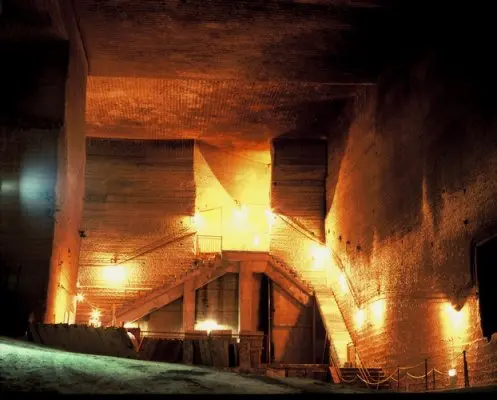
The old mining site of Utsunomiya’s famous,Oya Stone,has now been turned into a historical museum. The exhibition features the long history of the mining since the 17th century,with many materials on display. The underground cavern,covering 20,000 sq. metres,is large enough to fit a baseball field. With a fantastic atmosphere reminding visitors of the ruins of Ancient Rome.It is used in various scenes such as movie shooting, music videos shooting, weddings, concert, etc. due to its mysterious scenery.

Nikko kaido Oshu kaido TOCHIGI
Hokoku-ji Temple

Hokoku-ji Temple

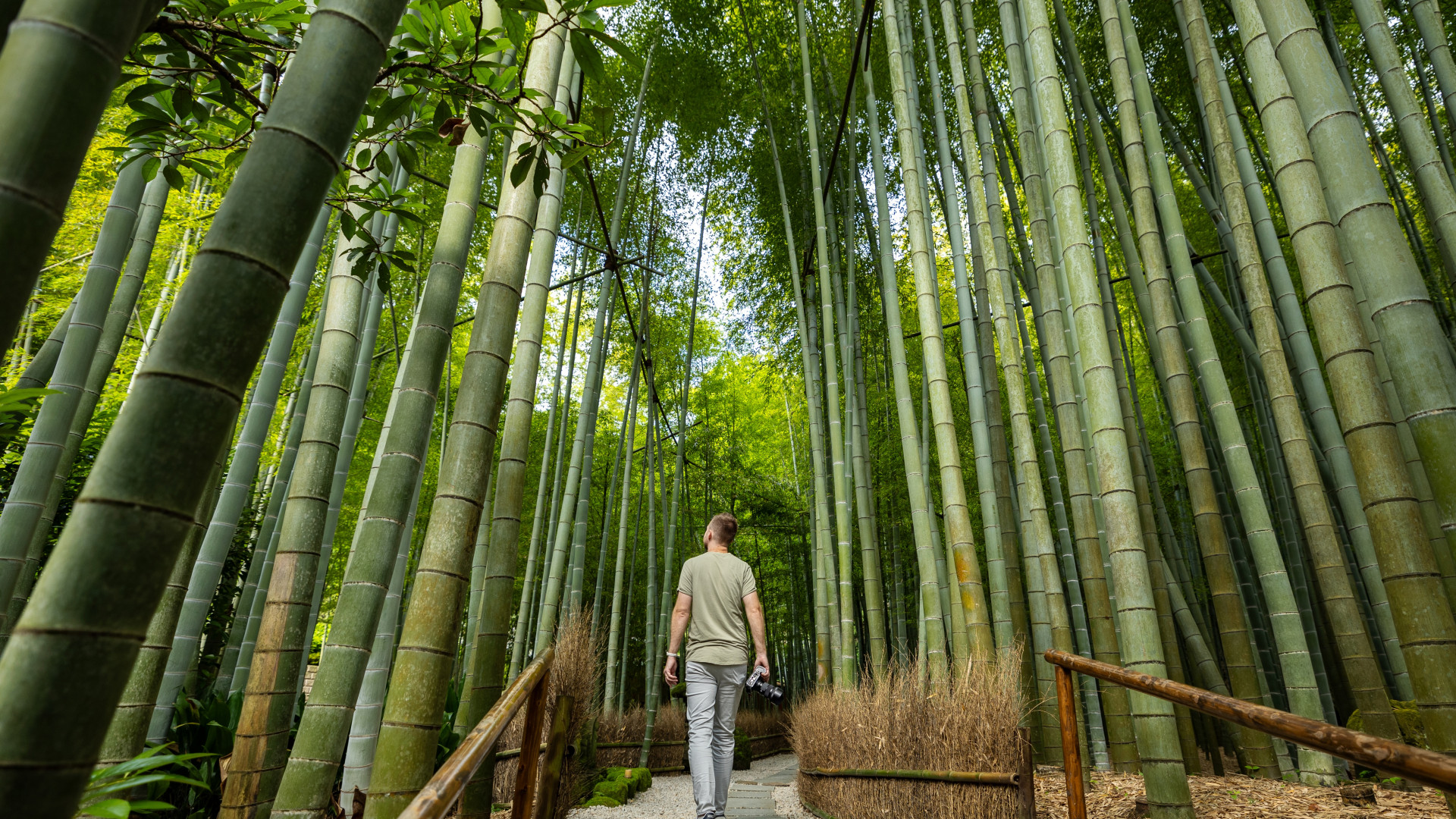
This ancient temple in Kamakura is known for the 1,000 moso bamboo trees on its grounds. Even in the present day, the solemn atmosphere of the temple conveys the tragedy of the Ashikaga clan. It also features a beautiful bamboo grove and garden. The “Sunday Zazen-kai” (Zen meditation), which has a reputation for being strict, is held every Sunday morning at 7:30 a.m. and is open to everyone. Please wear comfortable clothes to participate.This is probably the most impressive bamboo grove you will ever see. Be sure to get tickets for the temple's tranquil teahouse experience before entering.A temple in Kamakura with a beautiful garden and bamboo grove. A Sunday Zen meditation session is held at 7:30 in the morning every Sunday and is open to everyone. The session is reputed to be very strict, and be sure to wear comfortable clothing if you would like to participate.

Temples & Shrines Tokaido Koshu kaido KANAGAWA
Lacquer Workshop, NAMIKI (PILOT)

Lacquer Workshop, NAMIKI (PILOT)

Pilot Corporation, known today for the pens, created a high-end fountain pen utilizing Maki-e lacquer techniques in 1926 (Taisho 15). Later, the Kokkokai (a group of Maki-e artisans) was founded with living national treasure Maki-e artisan, Gonroku Matsuda, as its center. As a result, the ancient Japanese art of Maki-e has been preserved for over 100 years. Today, the workshop is in a brick building in Hiratsuka, which previously housed the former Second Navy Ammunitions Arsenal. The history of Maki-e-lacquered fountain pens and lacquered pieces are part of the exhibit.

Experience & Activities Tokaido Koshu kaido KANAGAWA