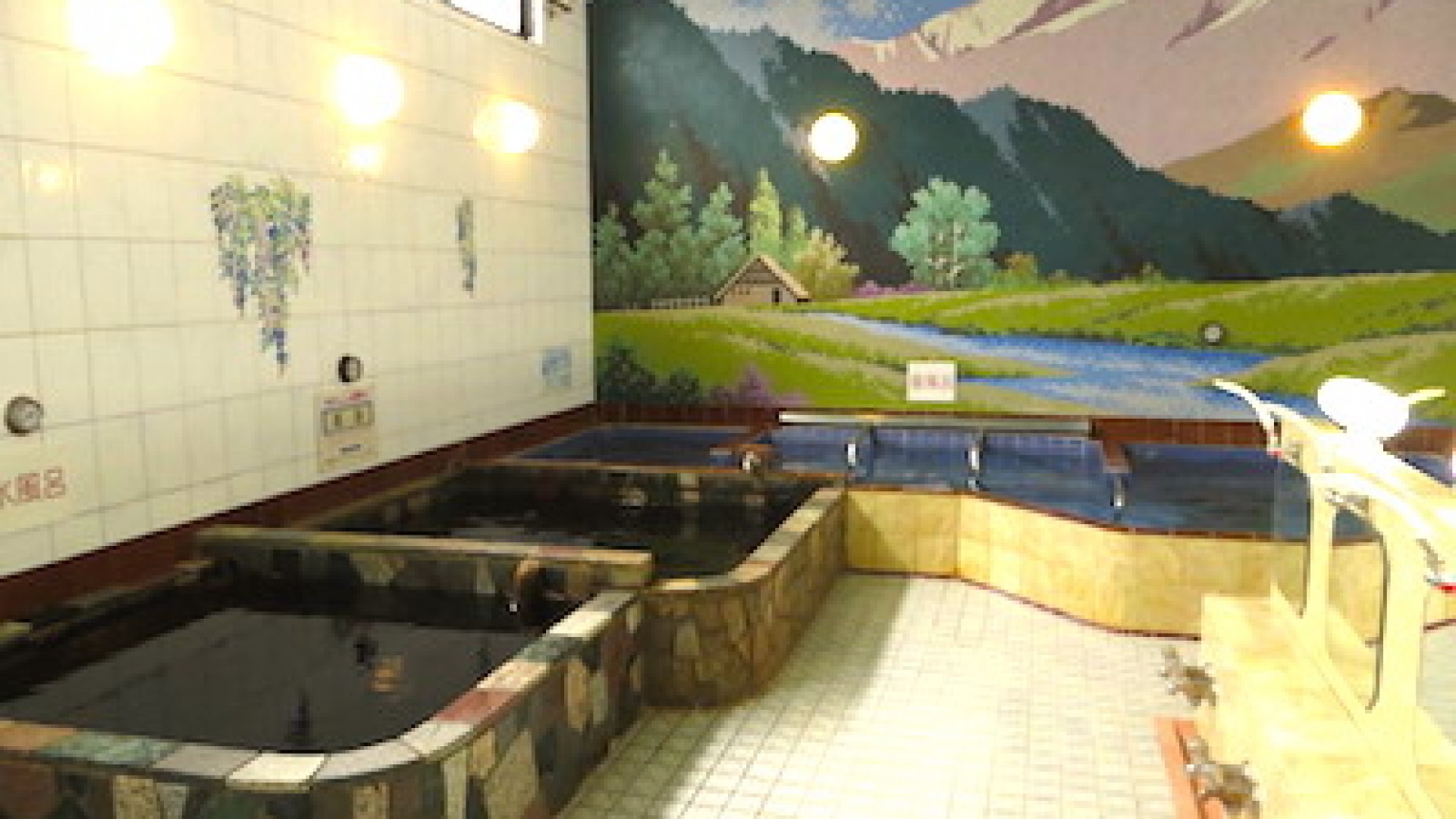
Tachibana Onsen Tachibana-yu
Please enjoy the clean and large community space inside the spa.
Total: 1727 items
Please enjoy the clean and large community space inside the spa.
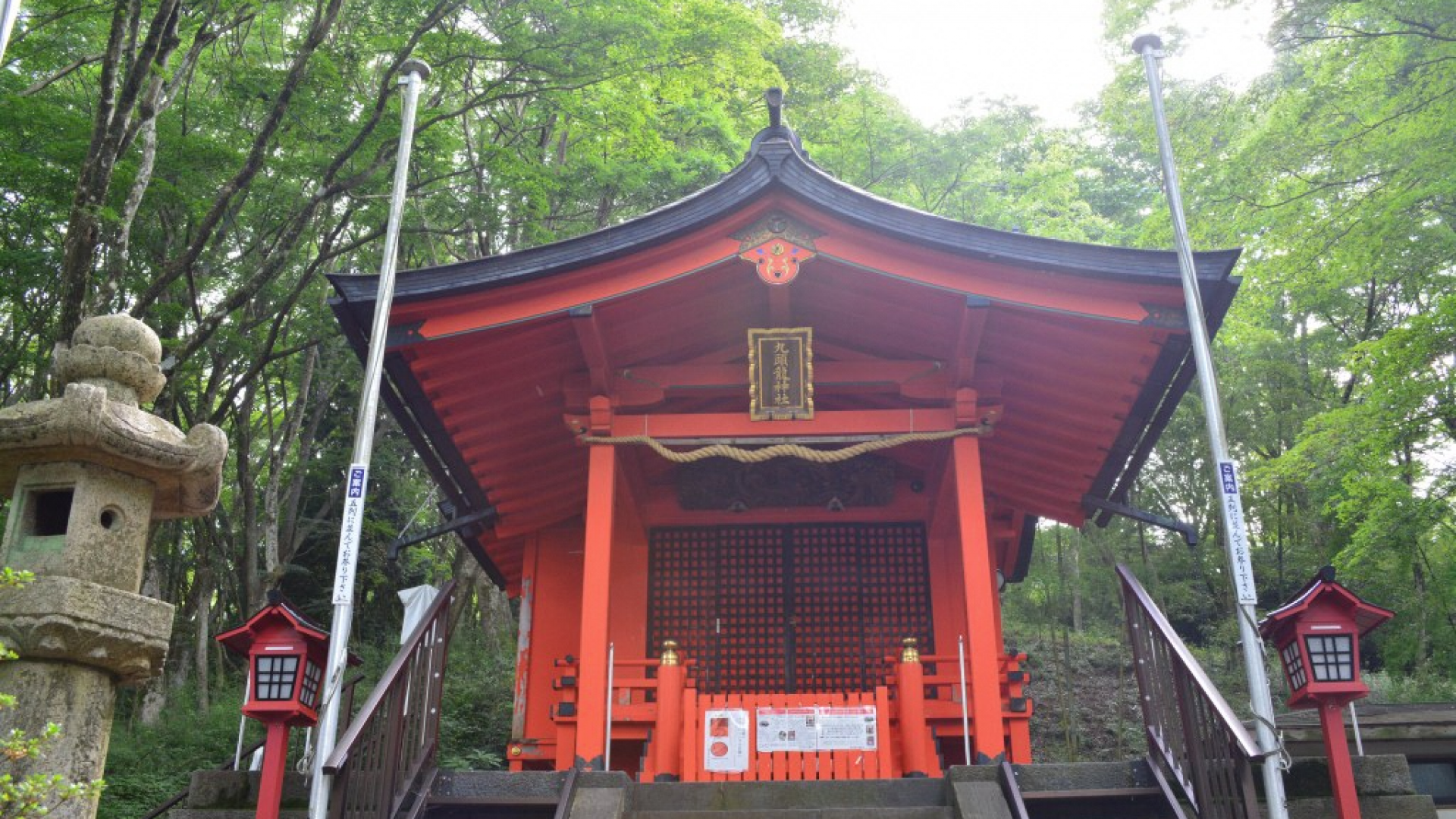
The wild trees, shrubs, and flowers along the shore of Lake Ashi are many in this lush nature park. Within the park is the spiritual spot, Kuzuryu Shrine Hongu. After heading through the entrance to the nature trail, you’ll see the grass swaying from the breeze across the lake. It’s easy to feel the passing of the ever-changing seasons in this much nature.
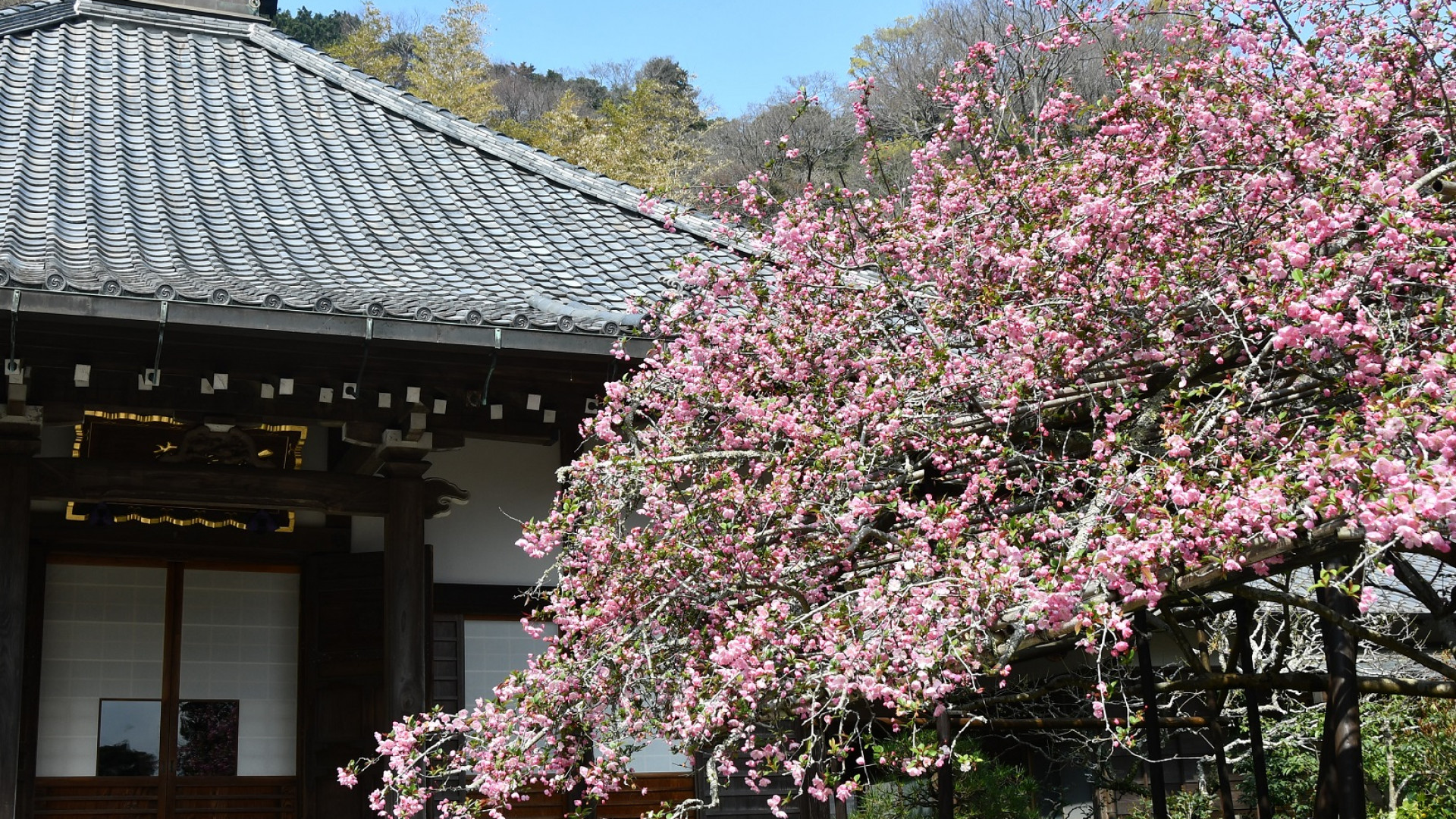
Yadoya Mitsunori, a close aide and temple magistrate to Hojo Tokiyori, became a follower of Nichiren Shonin's disciple, Nichiro Shonin, and donated his own residence to build "Mitsunoriji Temple". The temple grounds are constantly filled with flowers from season to season, especially the 200-year-old kaidou tree that blooms in early April and the 300 varieties of mountain hydrangea that bloom from mid-May.
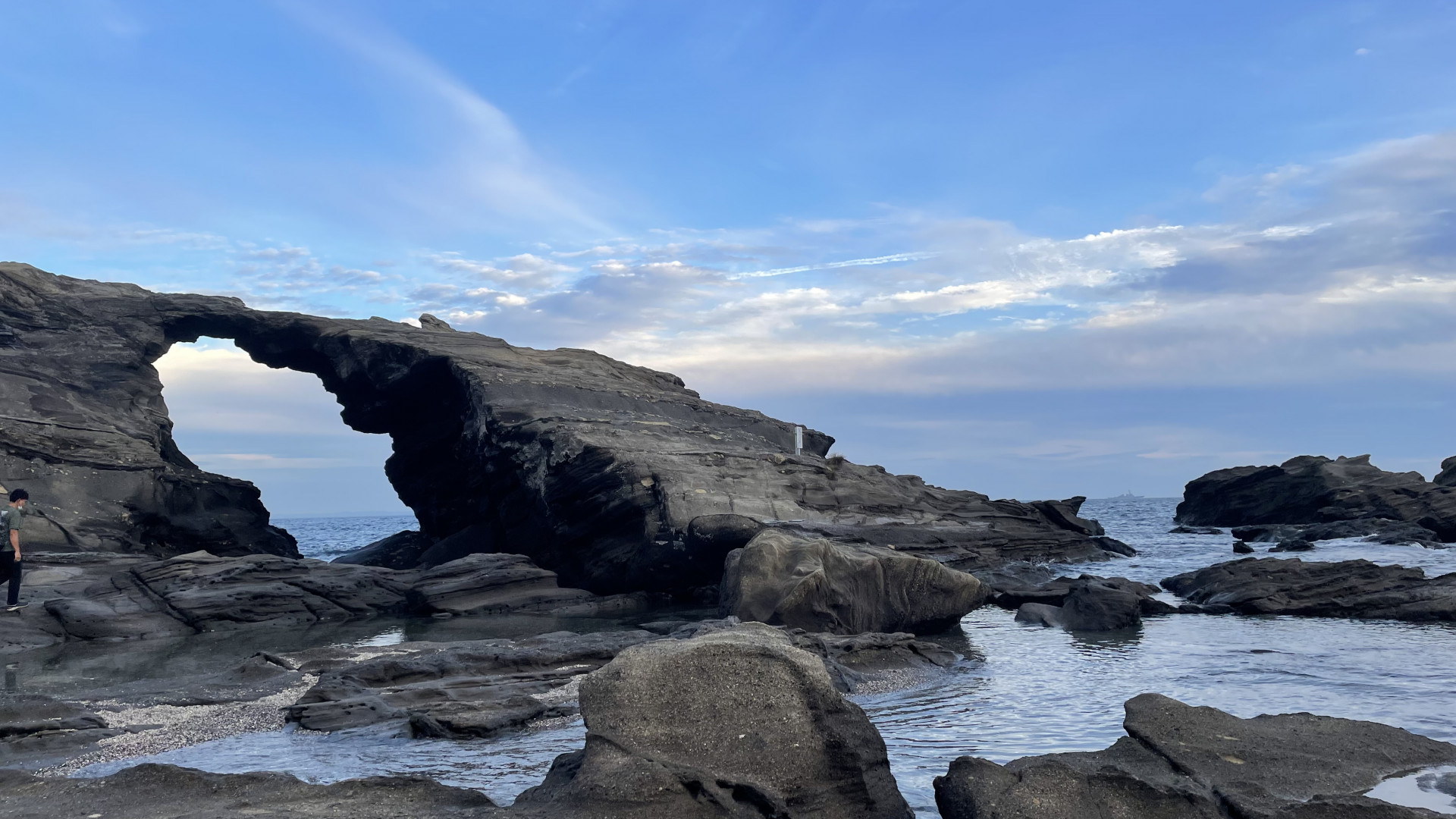
The island has been listed as a two-star destination in the revised third edition of Michelin Green Guide Japan. It has many scenic spots, with the southern hiking course offering views of the majestic Pacific Ocean and the strangely-shaped rock ‘Horseback Cave Mouth', while on the western part of the island, you can see views of Mt. Fuji over Sagami Bay. In addition, about 700,000 double-flowered daffodils planted all over the island are at their best from mid-January to early February.The southern part of Joagashima features untouched nature. Jagged cliffs hang over the white and blue waves, creating a remarkable landscape. It is also home to hiking trails and is a dream site for hikers and photographers alike. On the south side of the island you can find Jogashima Park. The park has an observatory, a picnic area, and a 16-meter-tall green lighthouse with a vegetable motif, the Awasaki Lighthouse. The gorgeous cliffs make a perfect place for hiking and resting.Jogashima is a wonderful place to visit at any time of the year. In particular, from mid-January to mid-February, approximately 700,000 double-layered daffodils are in full bloom. You can also observe the Japanese cormorant, which is designated a protected species by Kanagawa Prefecture.
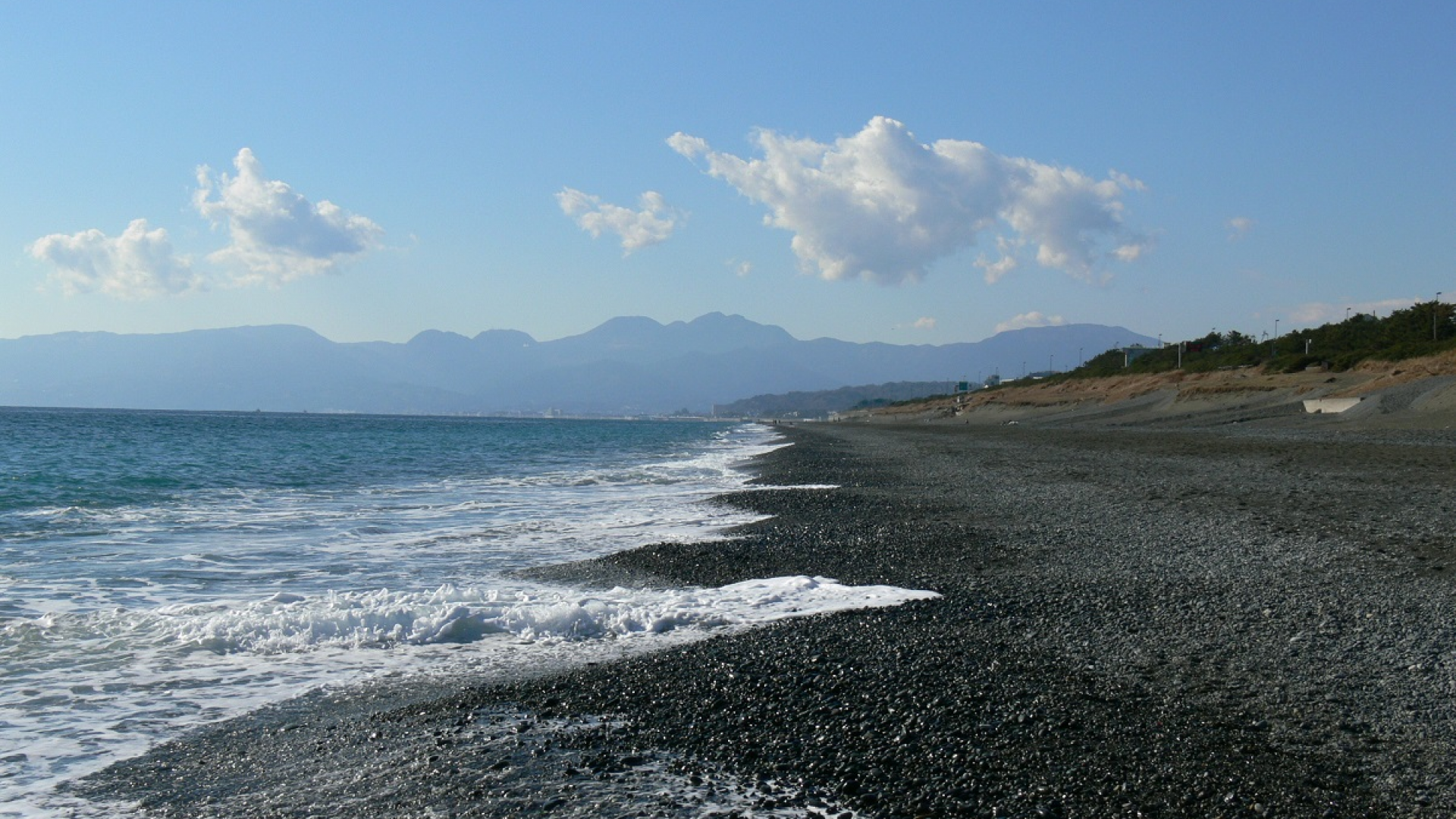
From olden days, this place was known as “Yorogi (Yurugi, Koyurugi, Koyorogi) Beach” and has appeared in many poems, including the following anthologies: Man’yoshu, Kokin Wakashū and Shin Kokin Wakashū. After the Meiji period, this place has become a place of relaxation with many financial giants and great writers building their villas here.
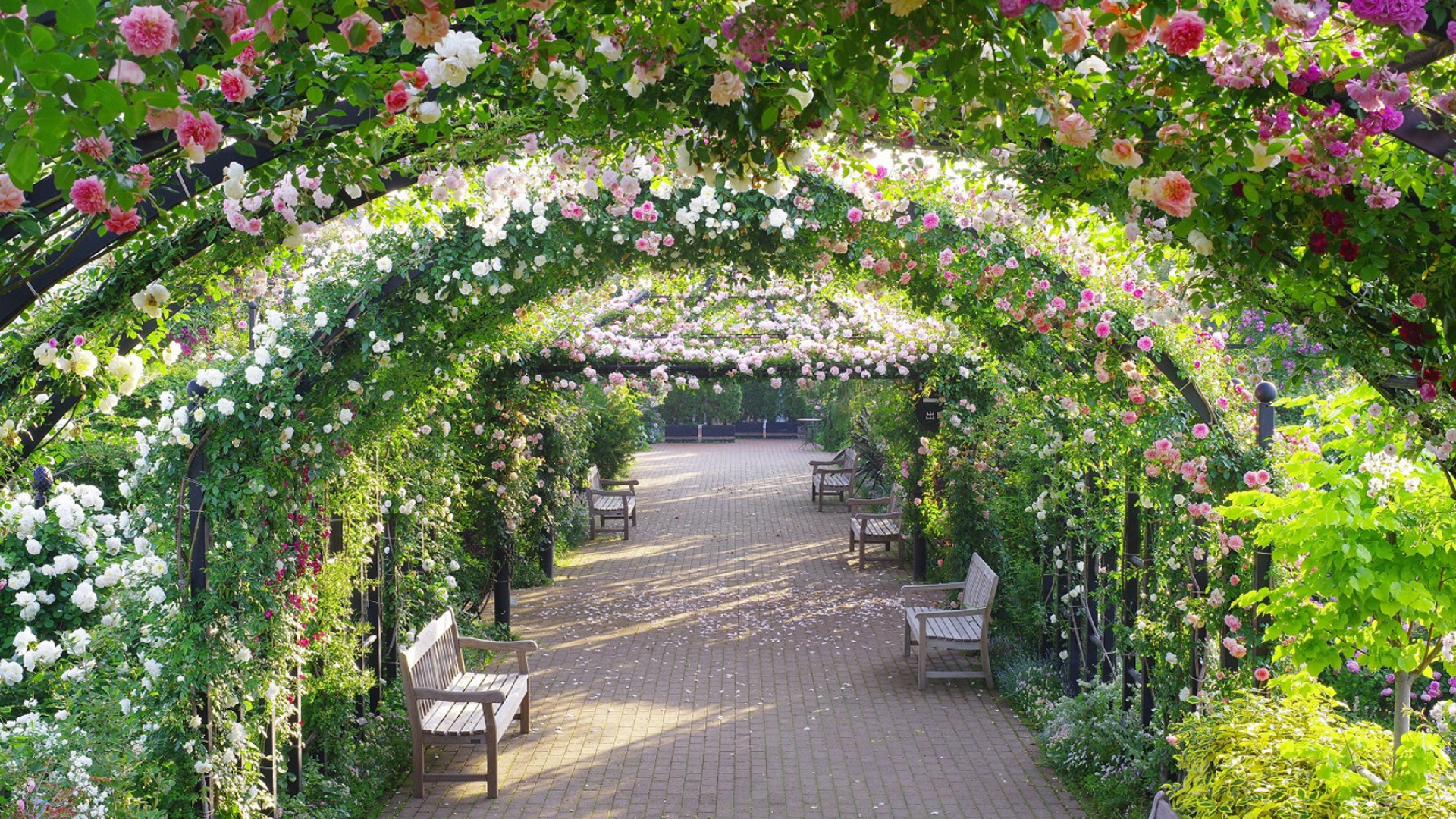
The Yokohama English Garden is an English-style garden decorated with a variety of flowers, trees, and plants, with roses, the flower of Yokohama City, as a main motif. From late April to May, 2,800 roses of around 2,200 varieties bloom, with the 50m-long rose tunnel being a sight to behold. Come enjoy near 300 varieties of hydrangeas bloom in June, more than 30 varieties of cherry blossoms in spring, and the garden's signature roses in autumn.
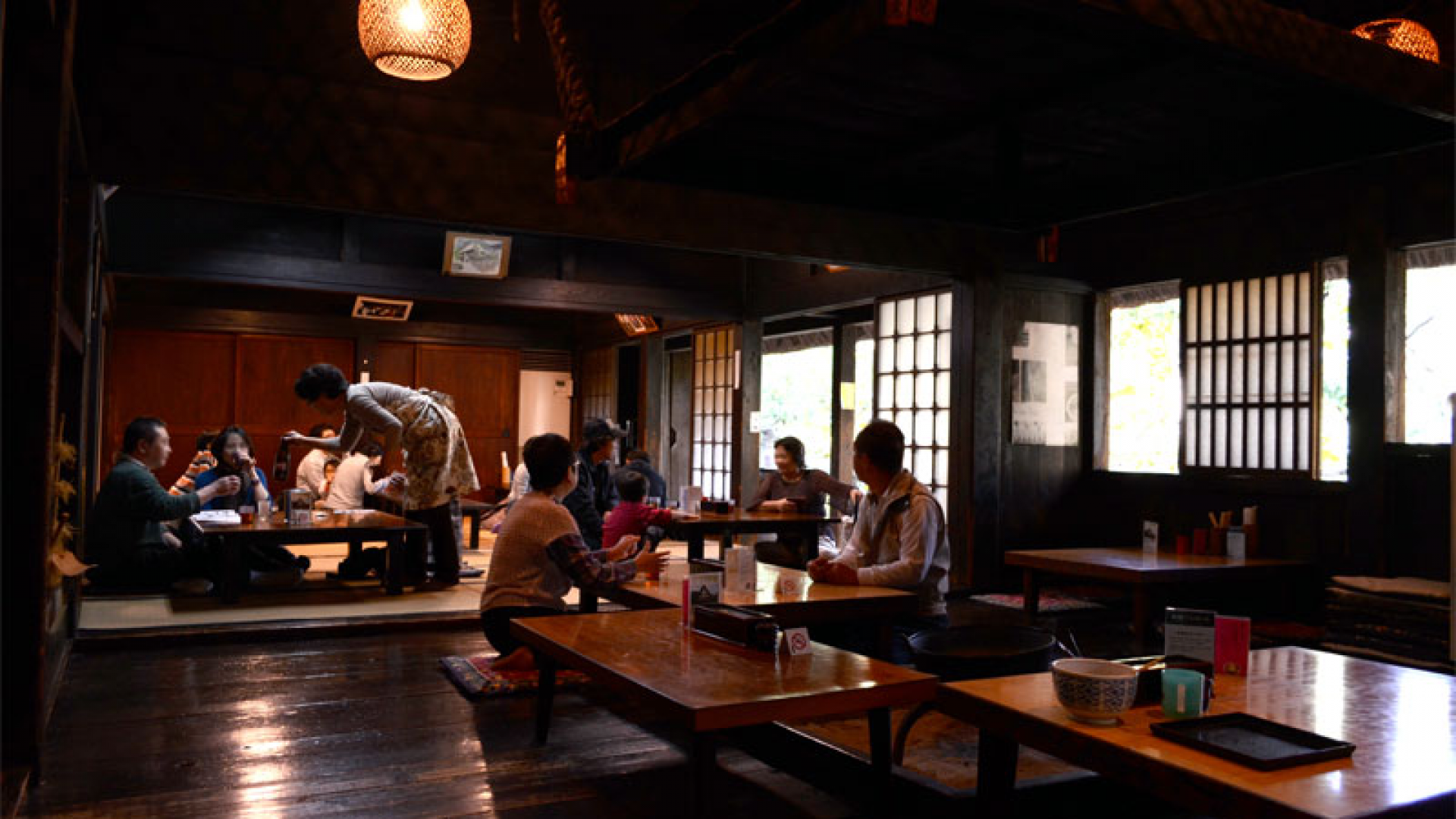
Soba Noodle Restaurant "Shirakawa-go" is on the 1st floor of the Yamashita House located in the center of Nihon Minka-en. This house is an old folk house with a large gassho-zukuri-style thatched roof, which is designated an important cultural property of Kanagawa prefecture. The soba noodle served here is made of spring water obtained from Oshino village in Yamanashi prefecture.
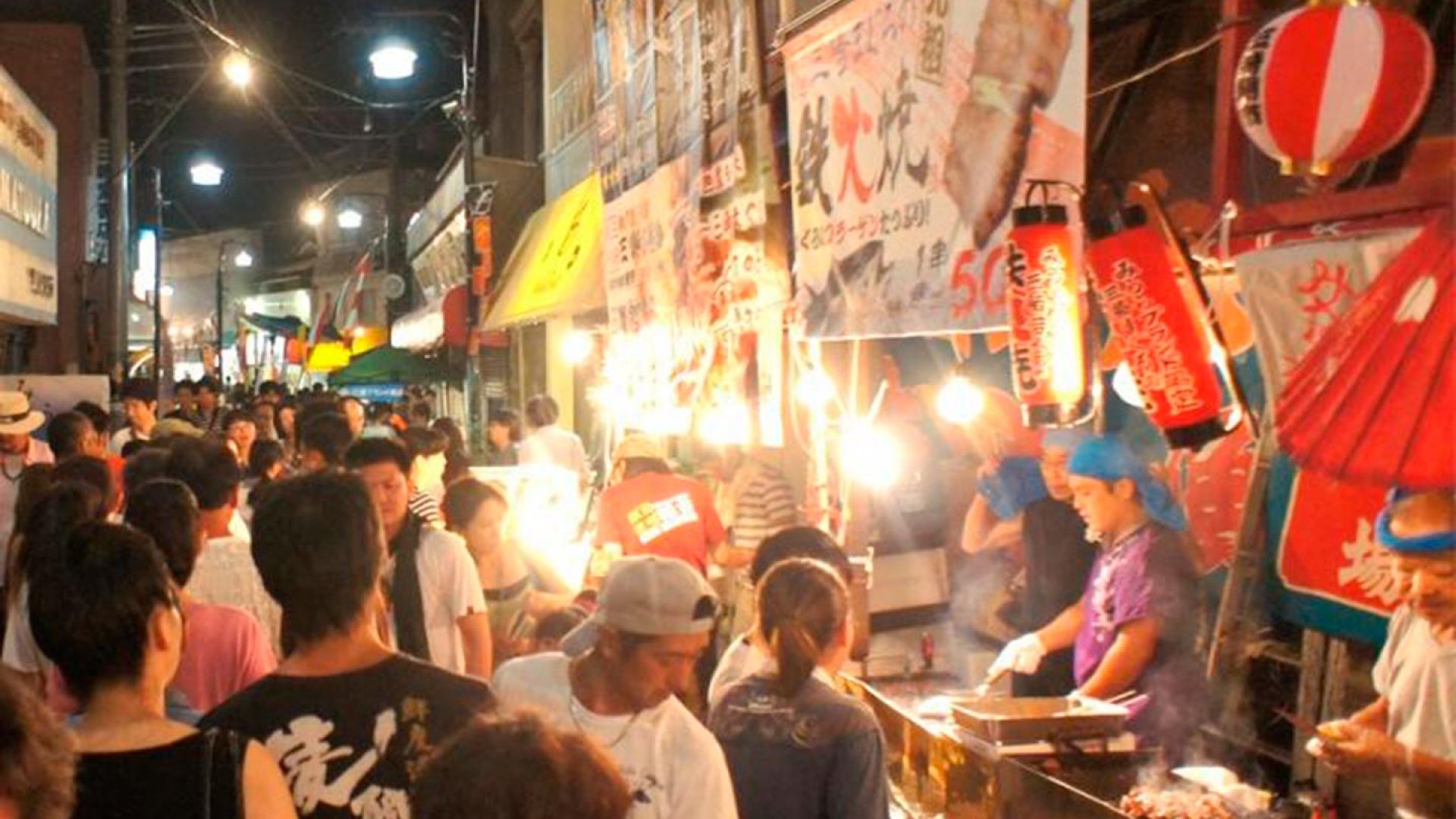
To this day, the working-class shopping district of Misaki still maintains a Showa-era atmosphere. Here you can find delicious tuna dishes and other tasty morsels. There are also special events with open participation. Enjoy a night in Misaki with a lot of eating, walking, and interesting things to do.
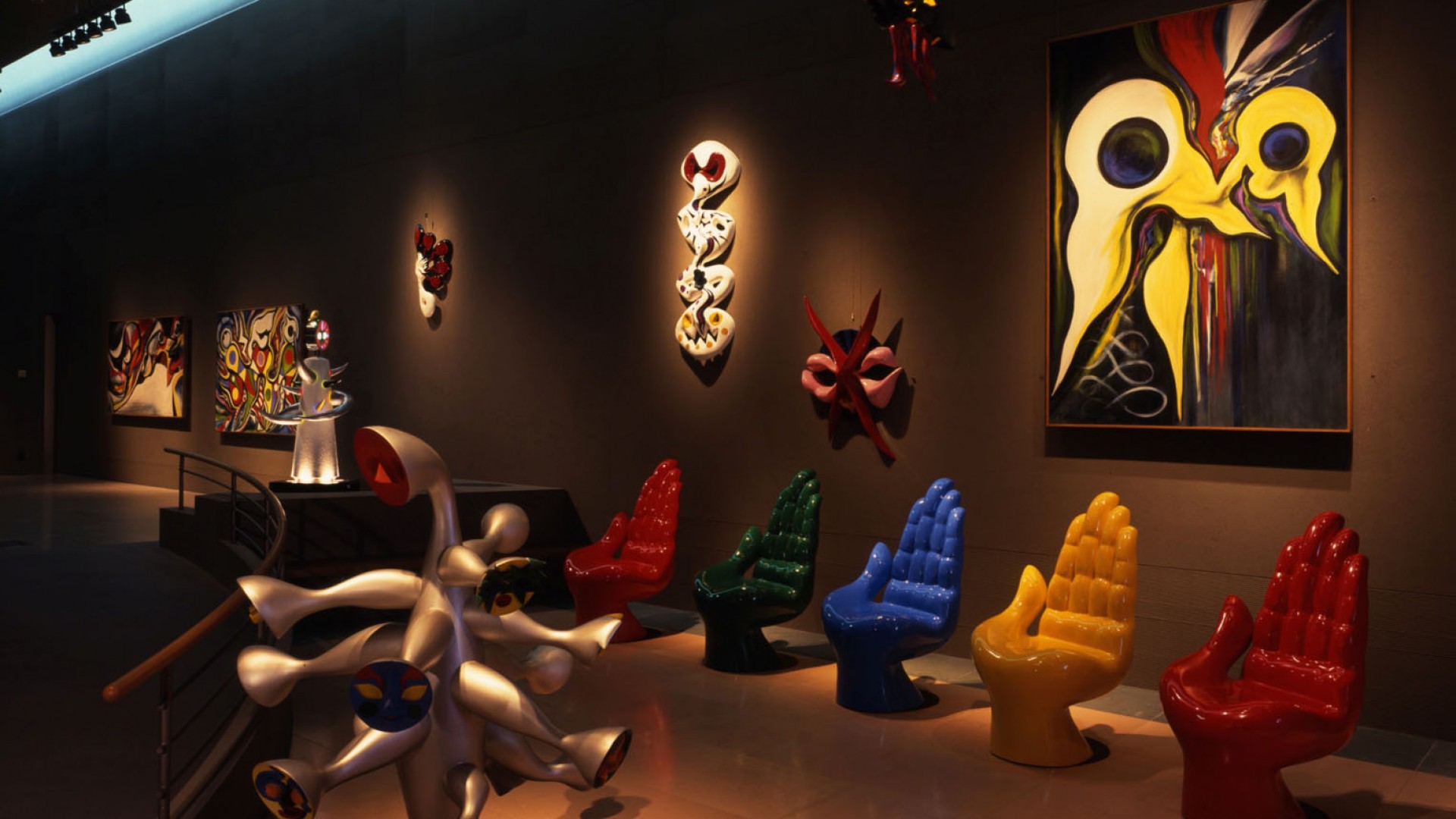
This is an "interactive museum" where visitors can enjoy, with all five senses, various works of art by Taro Okamoto, an artist associated with Kawasaki City, and others.Celebrating the life and distinctive art of Okamoto Taro, this museum is an interesting, entertaining place to visit. Enjoy the art, have a snack at the airy cafe, then buy some unique gifts at the shop.
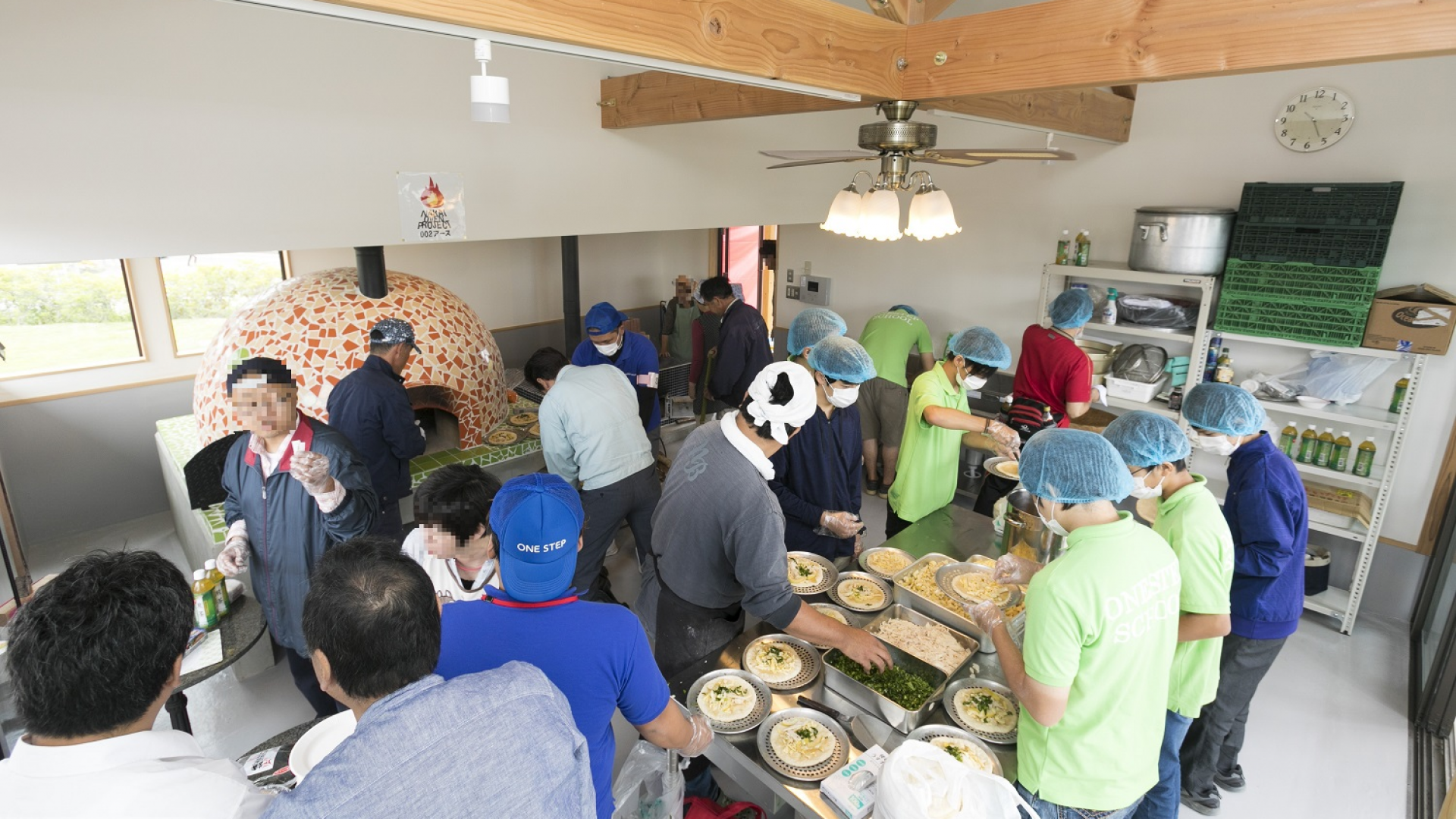
At Nakai Satomachi CAFÉ, you can relax while gazing at Mt. Fuji. Brand specialties are also on sale here. Next to the café, a giant pizza oven measuring approximately 2 meters across, and a kitchen range have been installed, and there is a Satomachi Kitchen where people can try their hand at making pizza.
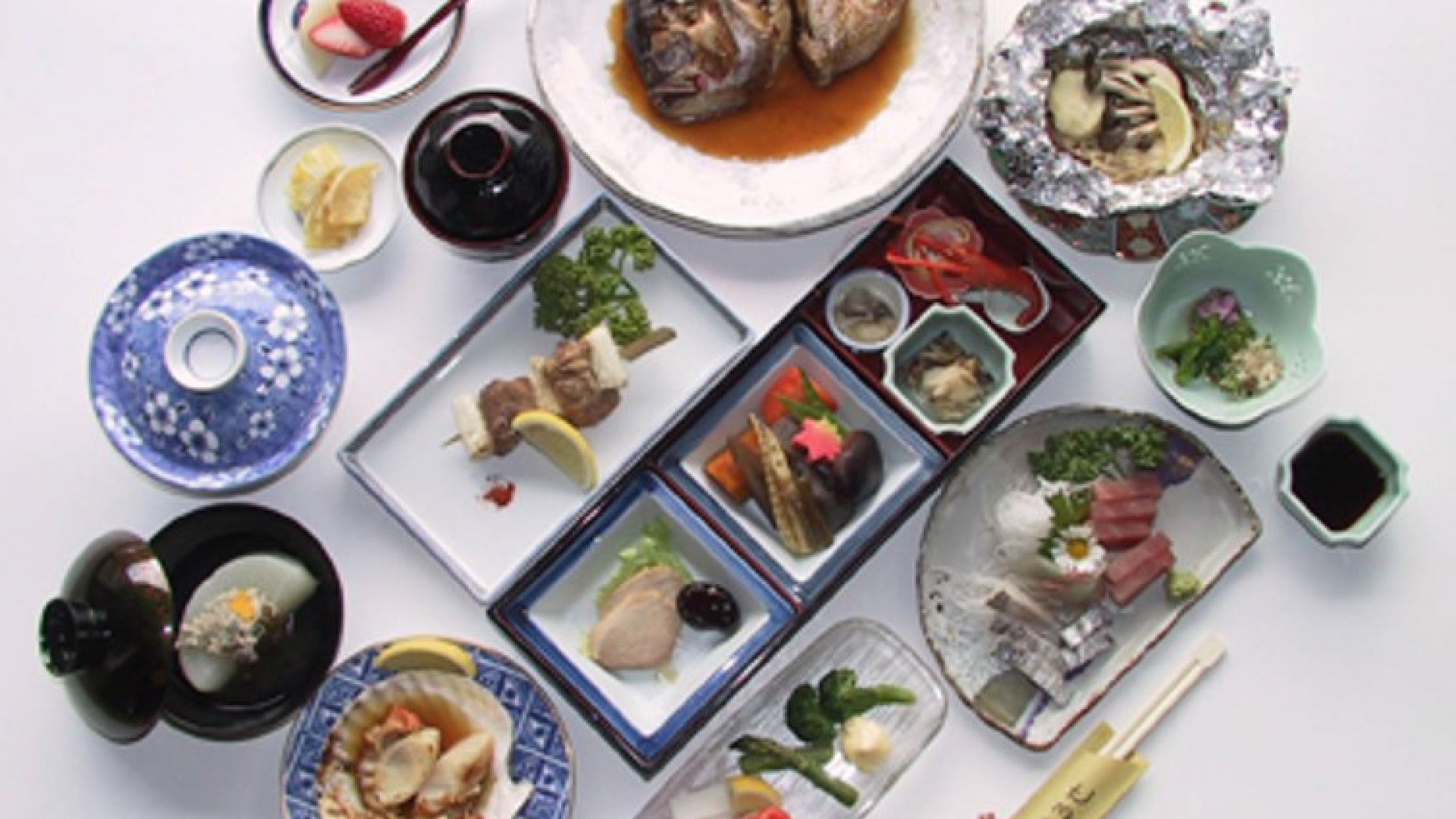
Naruse is in an old Japanese house, located in the Kamakura area. The house has a traditional Japanese straw roof. It has been renovated to be a Kaiseki cuisine restaurant. Since the building dates from the late Edo period to early Meiji period, the relaxing, old fashion atmosphere remains. You can enjoy local Kamakura vegetables and seafood here.
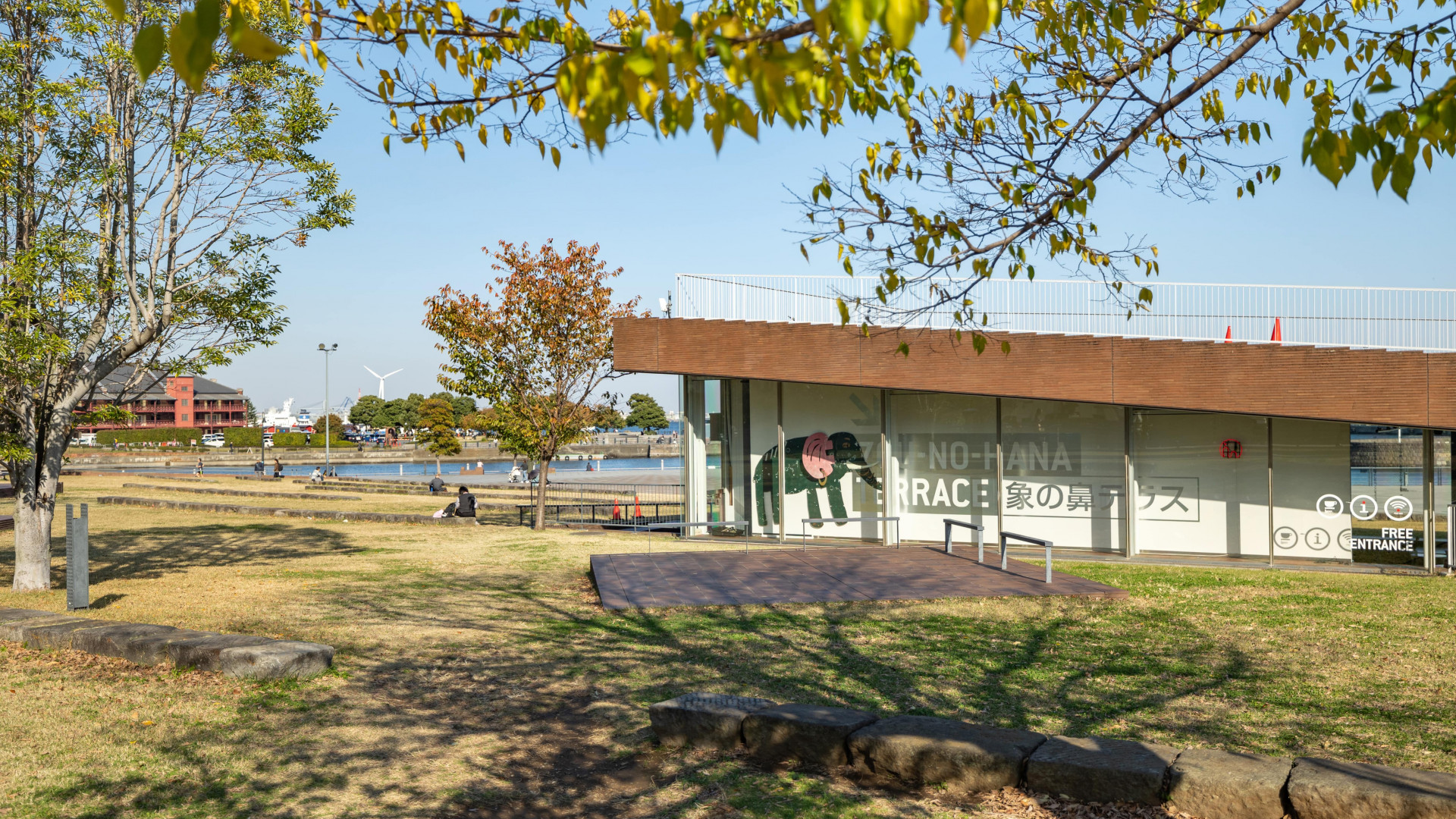
ZOU-NO-HANA Park, located in Kaigan-dori 1-chome, Naka-ku, was opened on June 2, 2009, and is the birthplace of the Port of Yokohama. On the 150th anniversary of the opening of the Port of Yokohama, the ZOU-NO-HANA breakwater was restored to its mid-Meiji Period shape. ZOU-NO-HANA Terrace, one of the many facilities established within the park, is a combined rest area and art space that hosts a wide variety of cultural programs including traditional arts, performing arts, music, and other genres, aiming to become a space where various people and cultures meet, connect, and create new culture. In keeping with this concept, the ZOU-NO-HANA Café strives to spread art through regularly scheduled events and offers a visually pleasing and creative menu devised by artists and creators alike. Dining overlooking the Port of Yokohama's Osanbashi International Passenger Boat Terminal and other harbor scenery from inside the restaurant is one of the unmatched pleasures of the ZOU-NO-HANA Café experience.
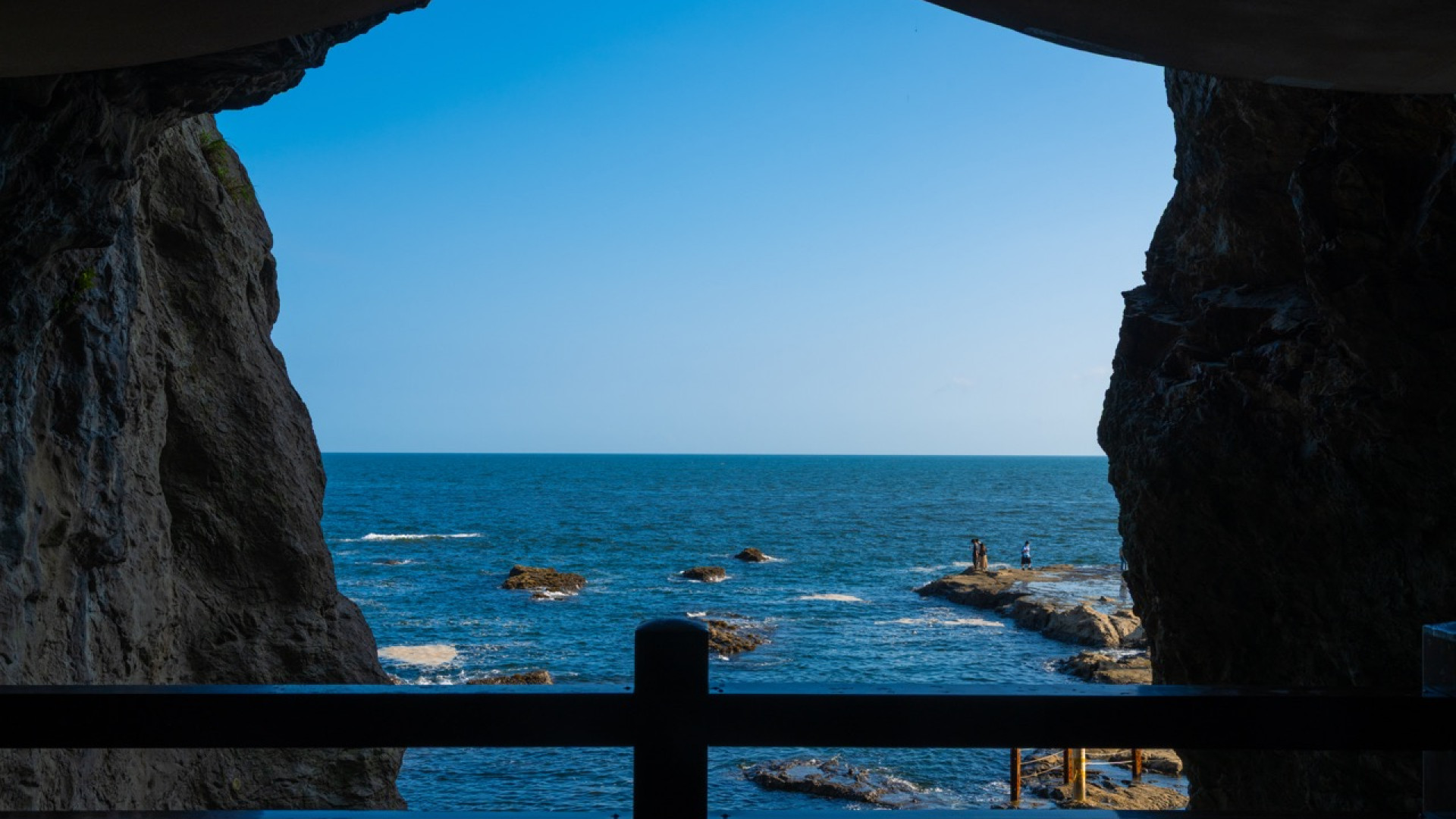
Enoshima is an island with a circumference of around 4 km and you can enjoy the popular sightseeing spots throughout a year, such as Enoshima Shrine, Enoshima Samuel Cocking Garden, Enoshima Sea Candle, Dragon Bell, Chigogafuchi Marine Plateau, and Enoshima Iwaya Cave. The Enoshima Yacht Harbor was the sailing competition venue for the Tokyo Olympic and Paralympic Games in 2020. The area is abundant with seafood such as shirasu, Ise Shrimp, sashimi, sazae and clams, all of which are very popular local cuisines to the tourists.When the tide is low, people flock to Chigogafuchi Abyss to take in the panoramic views of the sea and the magnificent skyline.The Chigogafuchi Rest House is a two-story building offering visitors a place to sit down and have a bite to eat before or after exploring the Iwaya Caves.Connected to the Chigogafuchi Abyss is the Sunset Reef. As the name suggests, it offers a stunning view of the sun setting into the sea. During the seasons of low tide, various marine life can be seen swimming amongst the reef, making it a popular fishing spot.The First Cavern is 152 metres long, and can be accessed by taking the left-side path where the cave splits at the entrance. When you walk further into the cavern, the cave splits again into two. Because of the extremely cold winds that sometime blow from the left-side path, it is rumored that the cave is somehow connected to Mt. Fuji, but this cannot be confirmed as it is closed to the public.On scenic Enoshima Island you can see historical temples, stroll around a botanical garden, take in the view from the lighthouse, or cool off in a cave created by the sea. In summer, the neighbouring beaches are lined with fun temporary bars.

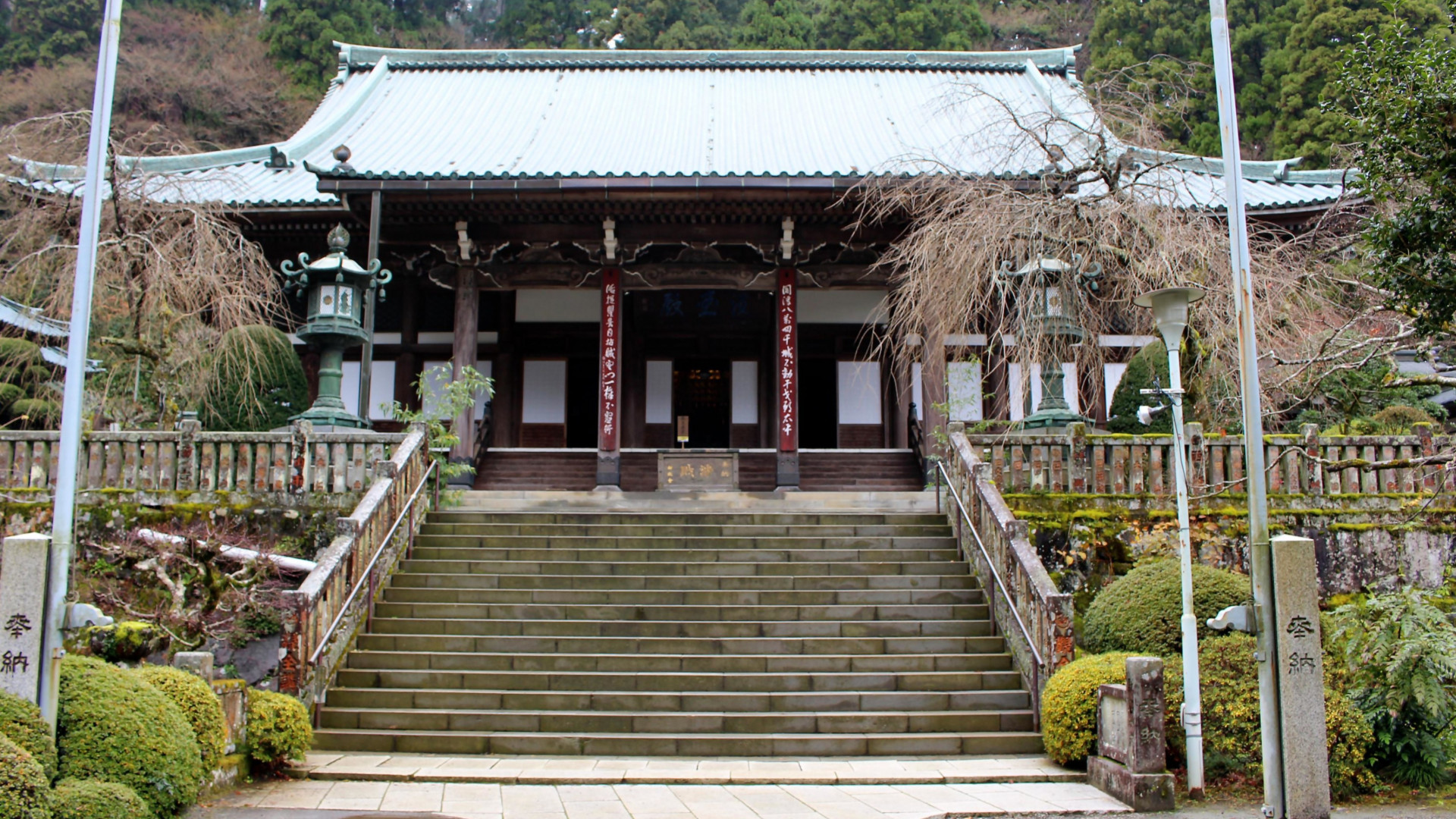
Welcome to Daiyuzan Saijoji Temple, a sacred Zen sanctuary where tranquility and solemnity reside. Located in Minamiashigara City, Kanagawa Prefecture, Daiyuzan Saijoji Temple stands as an important Zen temple of the Soto sect, preserving its long history and deep faith to this day.The main hall was designed by Ito Chuta, the first Japanese architecture historian, and embodies the traditional Japanese aesthetic of finding the beauty in shadows. The approach leading to it is lined with approximately 20,000 cedar trees, many over hundreds of years old, enveloping visitors in a quiet, mystical atmosphere.A beautifully proportioned pagoda welcomes worshippers, evoking a sense of being transported to ancient Japan. The legendary ascetic Tengu (a type of Shinto spiritual being) stands guard before Kekkai-mon (the sacred barrier gate), and is said to ward off evil spirits and protect worshippers while also guiding the path to enlightenment.Atop 354 stone steps lies the sacred sanctuary Okunoin, quietly standing to offer deep healing and insight to visitors. This space, woven from the natural beauty of the four seasons and the spirit of Zen, is the perfect place for a journey away from daily life to center your mind.We invite you to experience the “authentic Japan” where tranquility and strength coexist at Daiyuzan Saijoji Temple. Zen practice through zazen meditation and sutra copying awaits you.
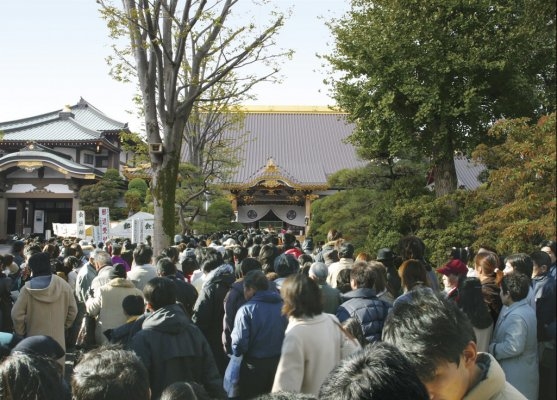
Sano yakuyoke-daishi is the popular name of this Tendai Buddhist temple in Sano City, Tochigi Prefecture. The name was made famous via TV commercials. A protective statue of the priest Ryogen is installed, so the temple has become associated with warding off misfortune. It’s one of the three main Tendai temples of the Kanto region for improving your luck, so every New Year’s Day people pour in for Hatsumode, the first prayers of the New Year."
The Nissan Motor Tochigi Plant is an integrated production factory managing the whole process of automobile manufacturing from the casting of iron and aluminium to mechanical assembly. Models produced at the factory are mainly full-size luxury cars and sports cars such as the Nissan Cima and Nissan GT-R. The factory tour includes a company overview video and a guide to the automotive assembly line.
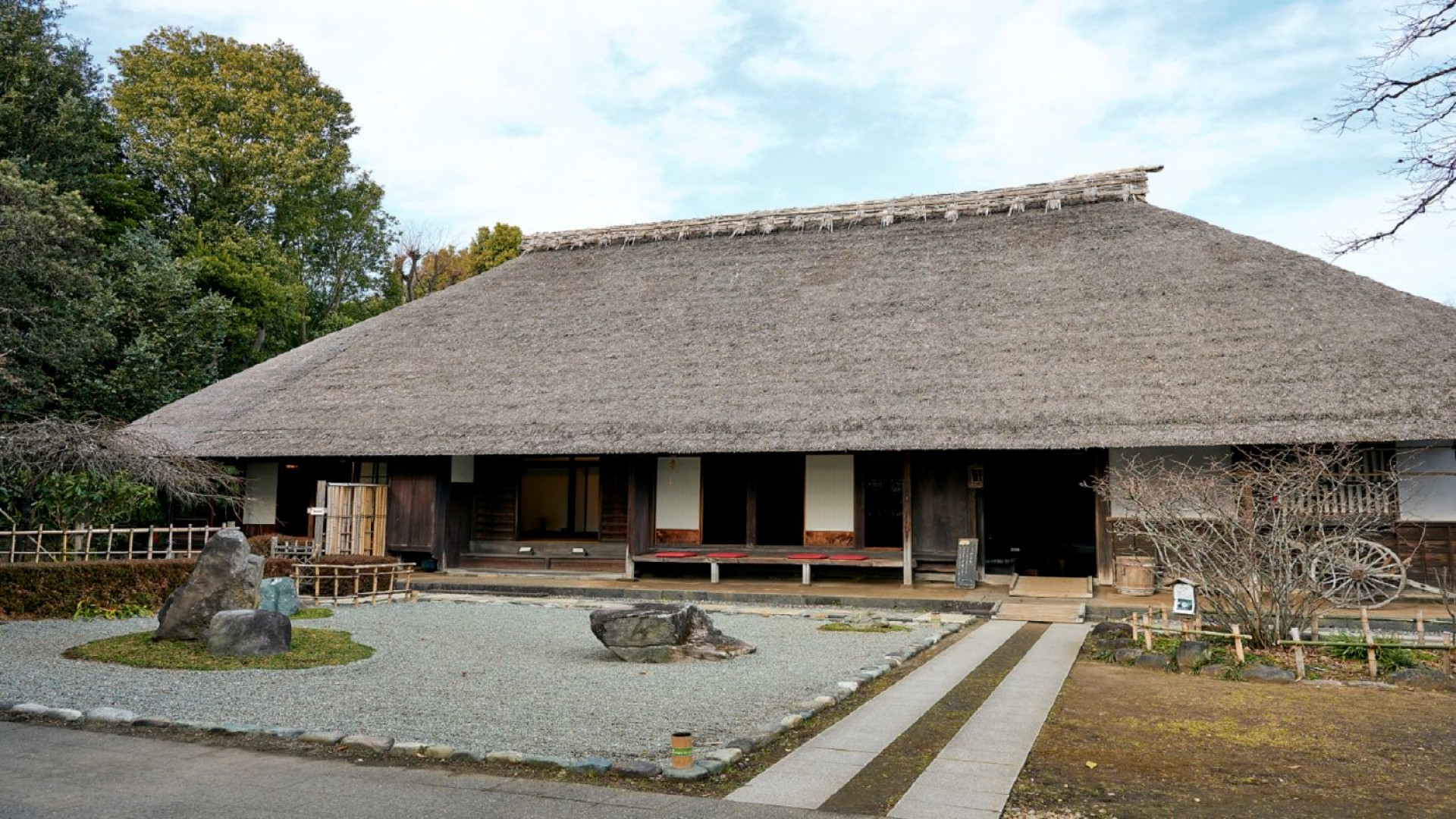
Located in Kanaijima, in the northern part of Kaisei Town, this old private house has a history spanning over 300 years. It was built by the Seto family, a family who served as the head of Kanaijima for generations during the Edo period. You can experience using a kamado (a traditional Japanese stove) and hearth here. We also have a fermentation-themed cafe, a shop selling local vegetables, and a shop selling ice cream made with local specialties.
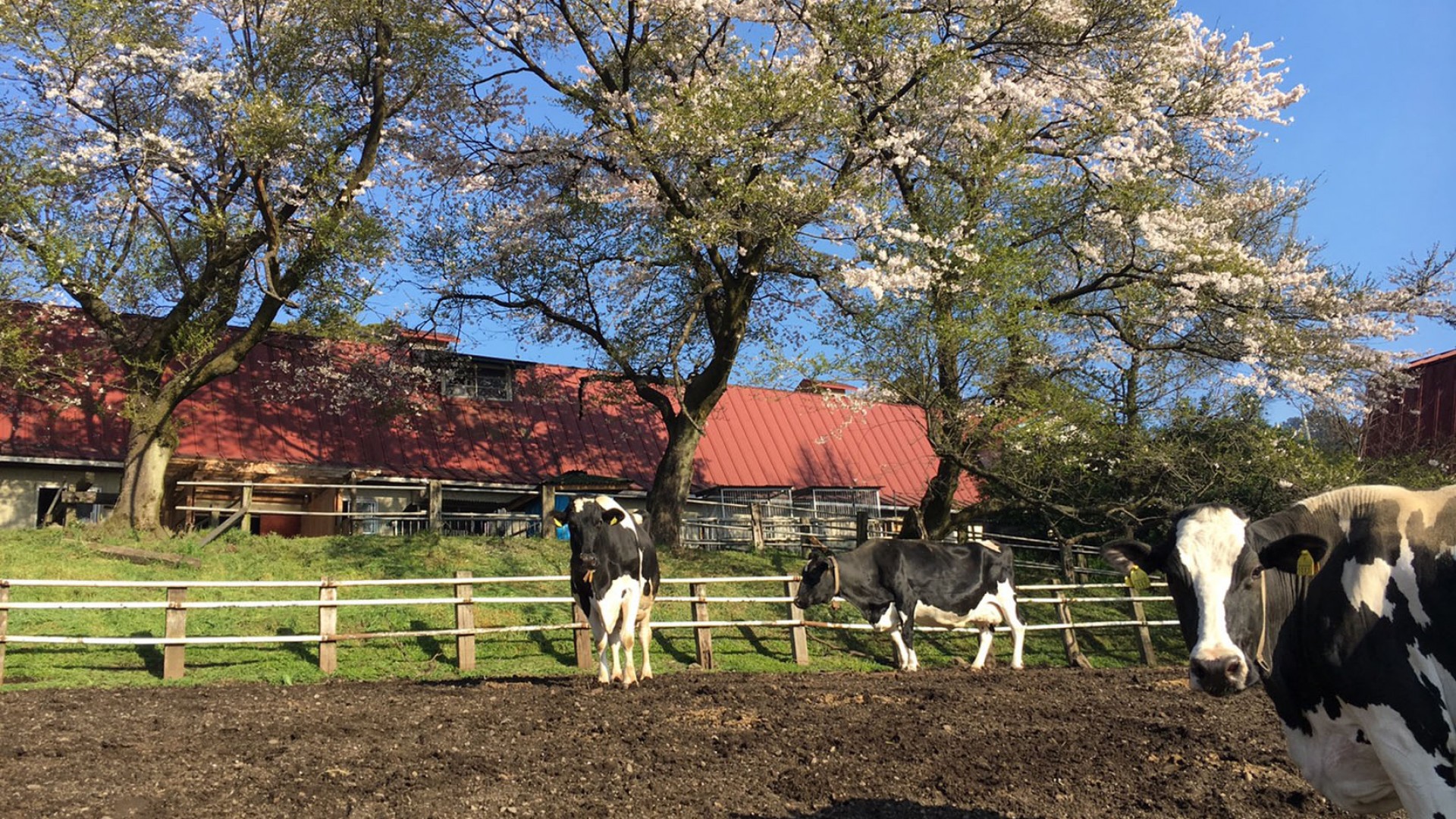
Hattori Dairy Farm is located near Lake Miyagase, which is one of the best scenic spots, and at east end of Tanzawa Sankai (mountain mass). Summer of Hibirano highland is cool and suitable for growing grasses and dairy cattle. This is the largest farm in Kanagawa. Cattle are growing in a free and relaxed atmosphere.