Greater Tokyo

See & Do

reset
Seven Lucky Gods Meguri

Seven Lucky Gods Meguri

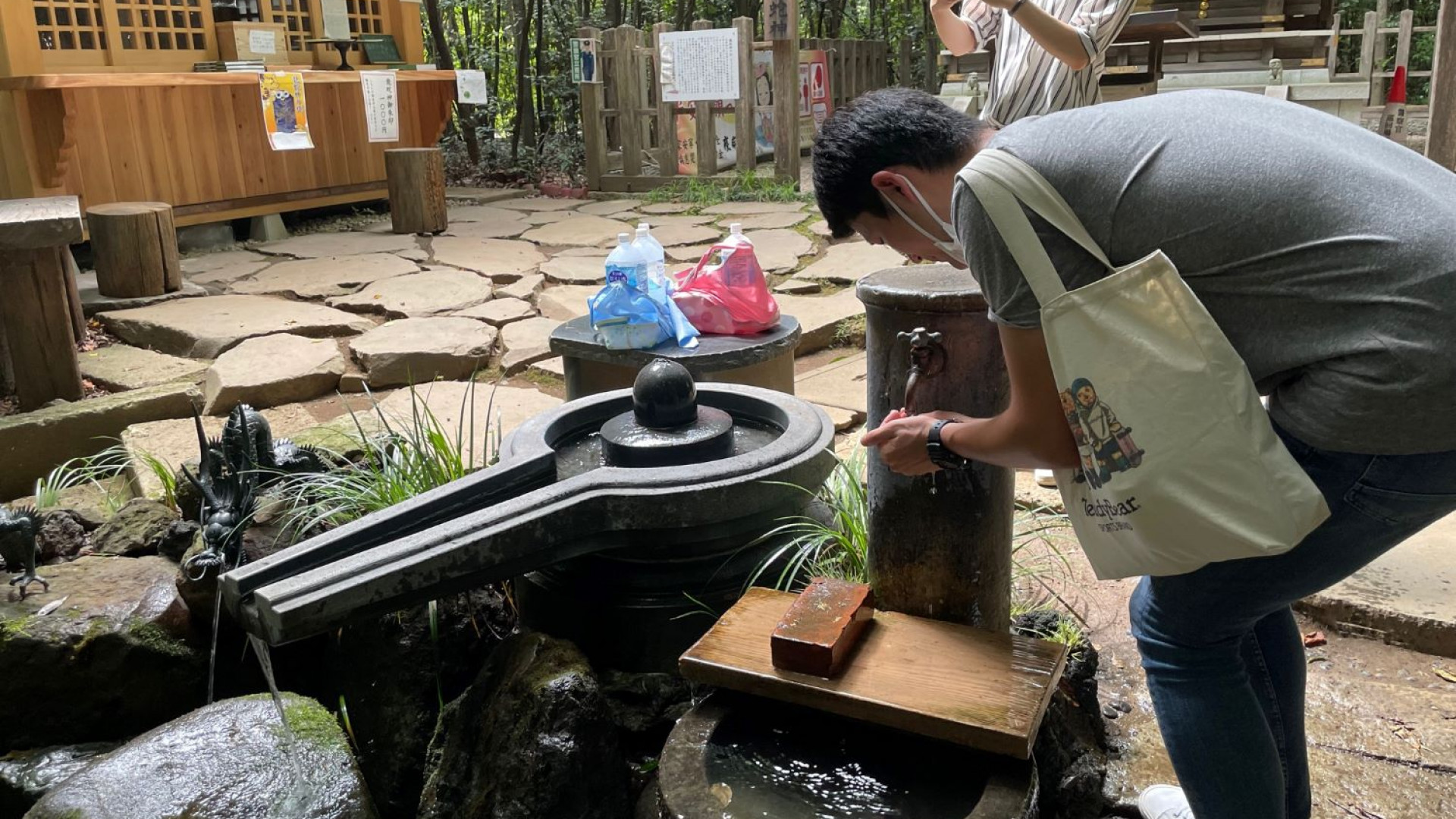
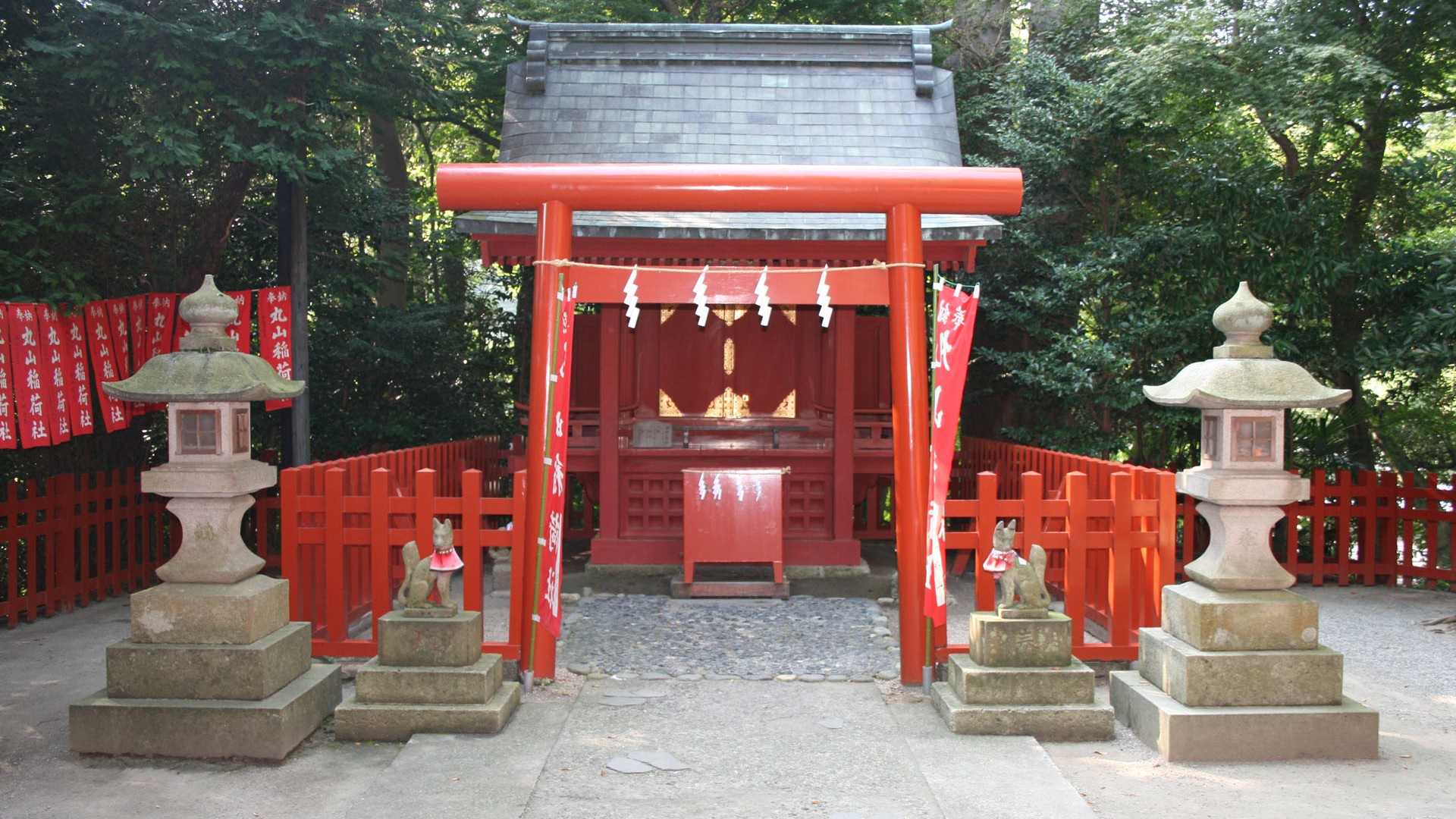
Previously located in the south of Hadano City, Minami Hadano Village, is home to many historic temples and shrines, as well as many spring water spots. Please feel free to visit the nine temples and shrines, some of which include the Seven Gods of Good Fortune plus cranes and turtles, to gather good fortune and enjoy a relaxing time. A special red seal map is available at each spot and at the Hadano Station Tourist Information Center, and visitors who collect all the red seal stamps on the map will receive a prize for completing the tour.

Culture & Arts Tokaido Koshu kaido KANAGAWA
Katase Beach

Katase Beach

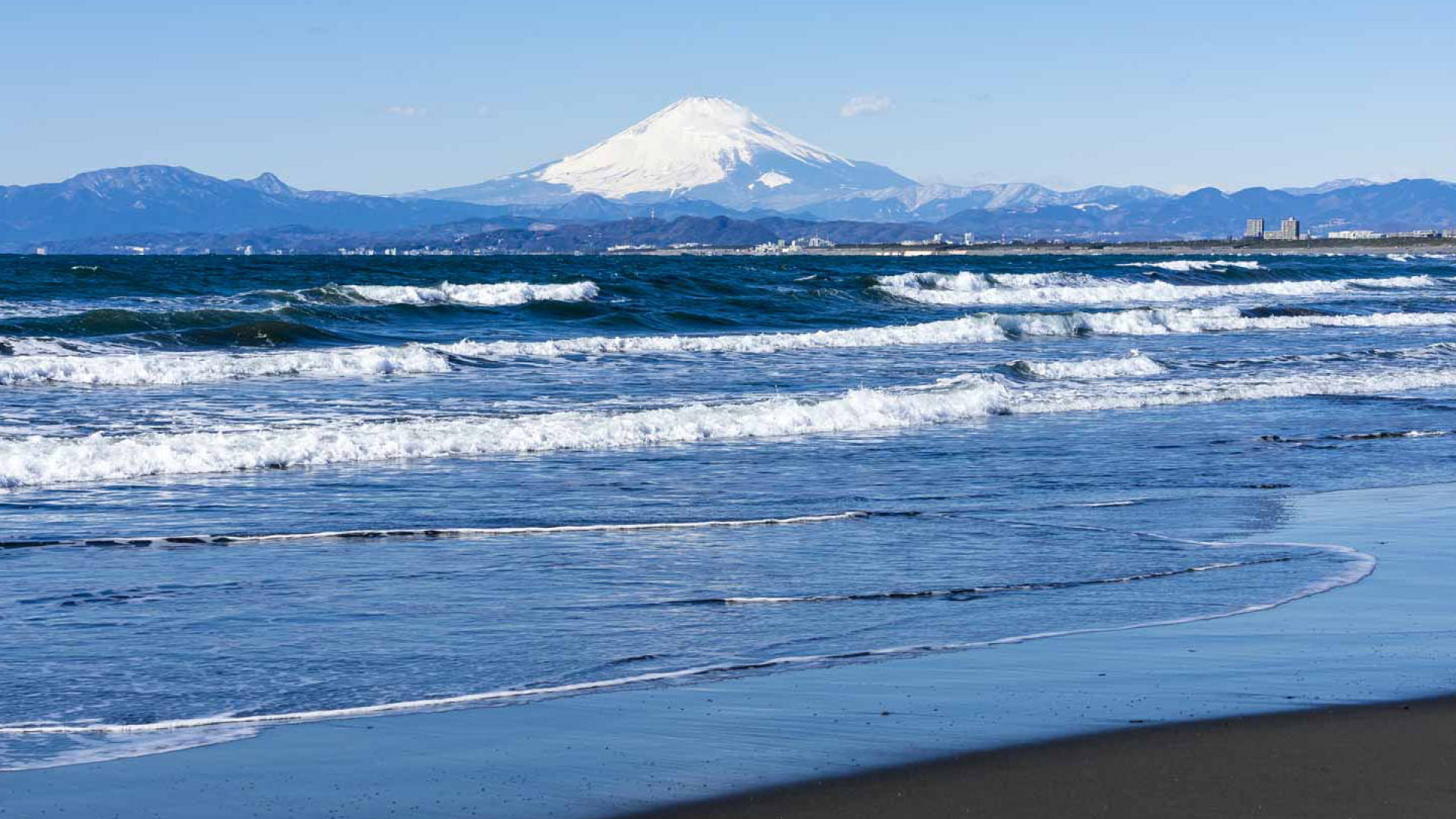
Spots where Mt. Fuji is visible across the sea are rare even in Japan. The Enoshima area, one of those rare spots, is known for its beautiful views of Mt. Fuji where it appears quite large, especially on sunny winter days. Recommended viewpoints include Enoshima, as well as points between Katase-Enoshima Station and Enoshima; for example, Enoshima Bentenbashi Bridge, Nishihama Beach, and Kugenuma Beach. The photo shows the scenery at Katase Beach (a short walk from Odakyu Line Katase-Enoshima Station (OE 16)).

Nature & Views Tokaido Koshu kaido KANAGAWA
Kanagawa Prefectural Center of Flowers and Greenery, Kana Garden (Vegetables and Flowers)

Kanagawa Prefectural Center of Flowers and Greenery, Kana Garden (Vegetables and Flowers)

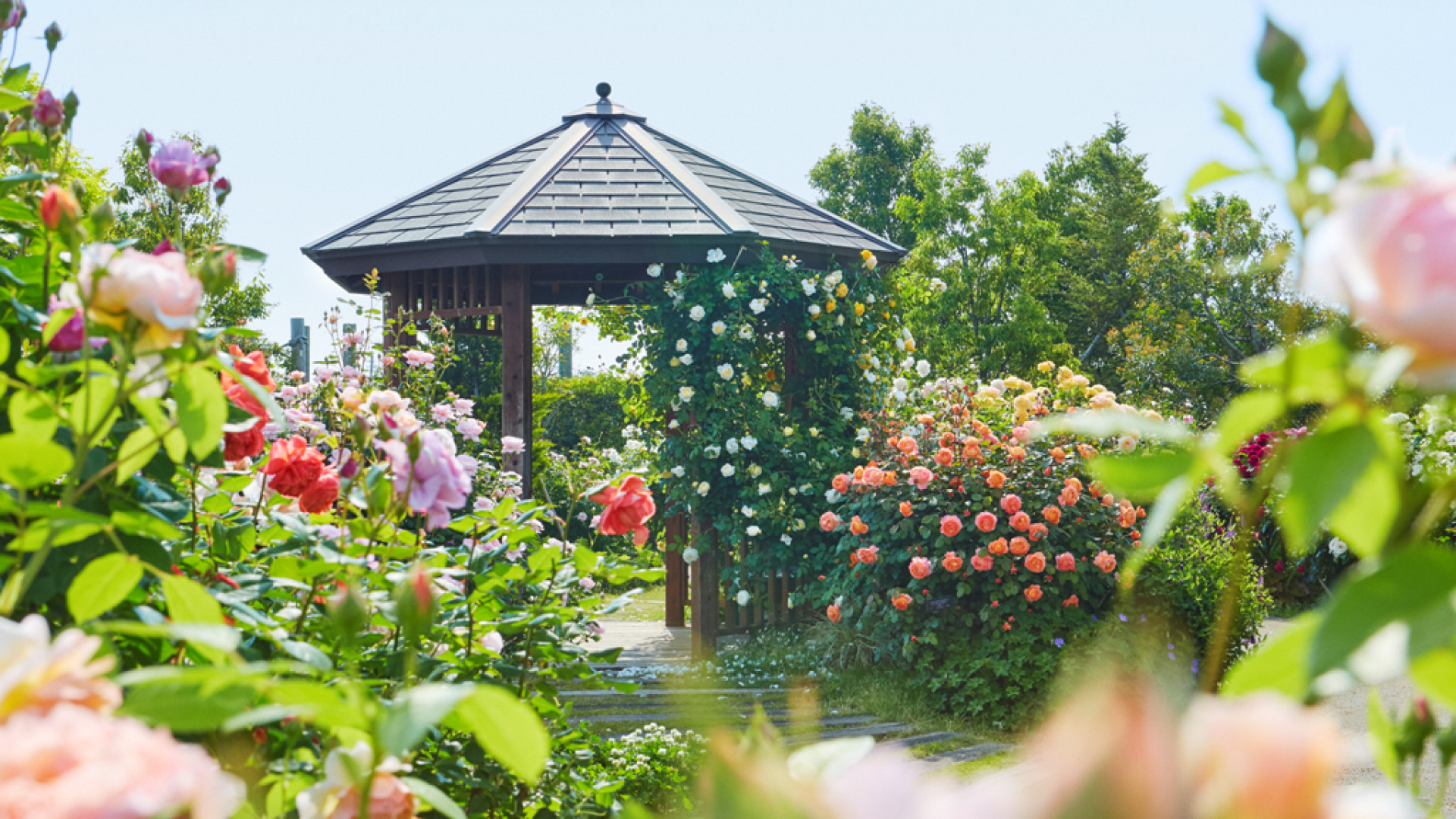
Kanagawa Prefectural Center of Flowers and Greenery, Kana Garden is a facility where you can enjoy the Flower Zone, an area filled with seasonal flowers, including a photogenic rose garden and a large panoramic flowerbed, as well as the Agri Zone, a rare feature for a botanical garden, where you can experience harvesting seasonal vegetables such as tomatoes and cucumbers, as well as rice planting and harvesting. Enjoy a picnic or play ball under the blue sky on the spacious lawn! If you're feeling peckish, dine at the Garden Restaurant or enjoy shopping in the facility. This is a place where everyone from children to adults can kick back and enjoy!

Nature & Views Tokaido Koshu kaido KANAGAWA
Kanagawa Prefectural Museum of Cultural History

Kanagawa Prefectural Museum of Cultural History

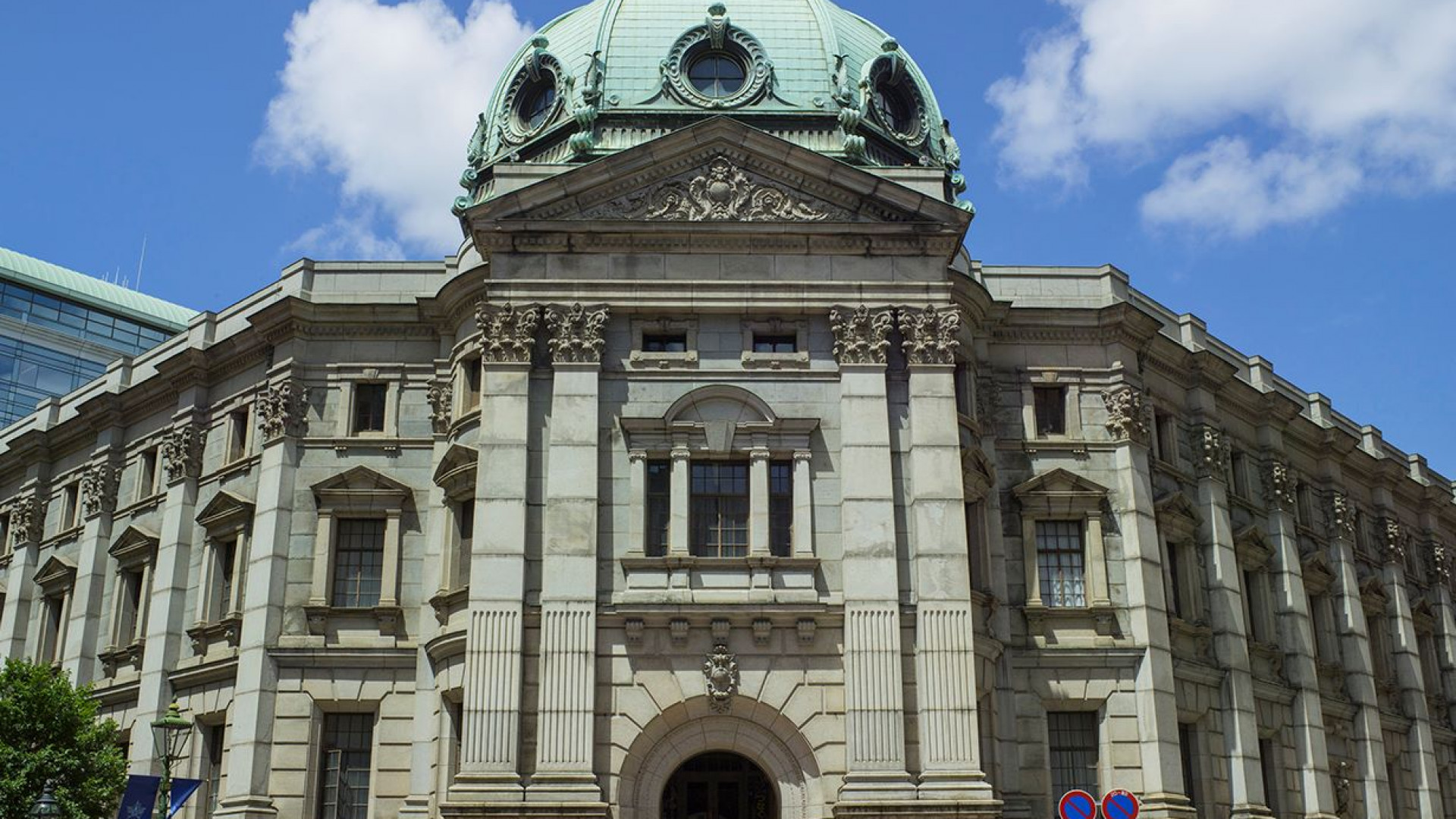
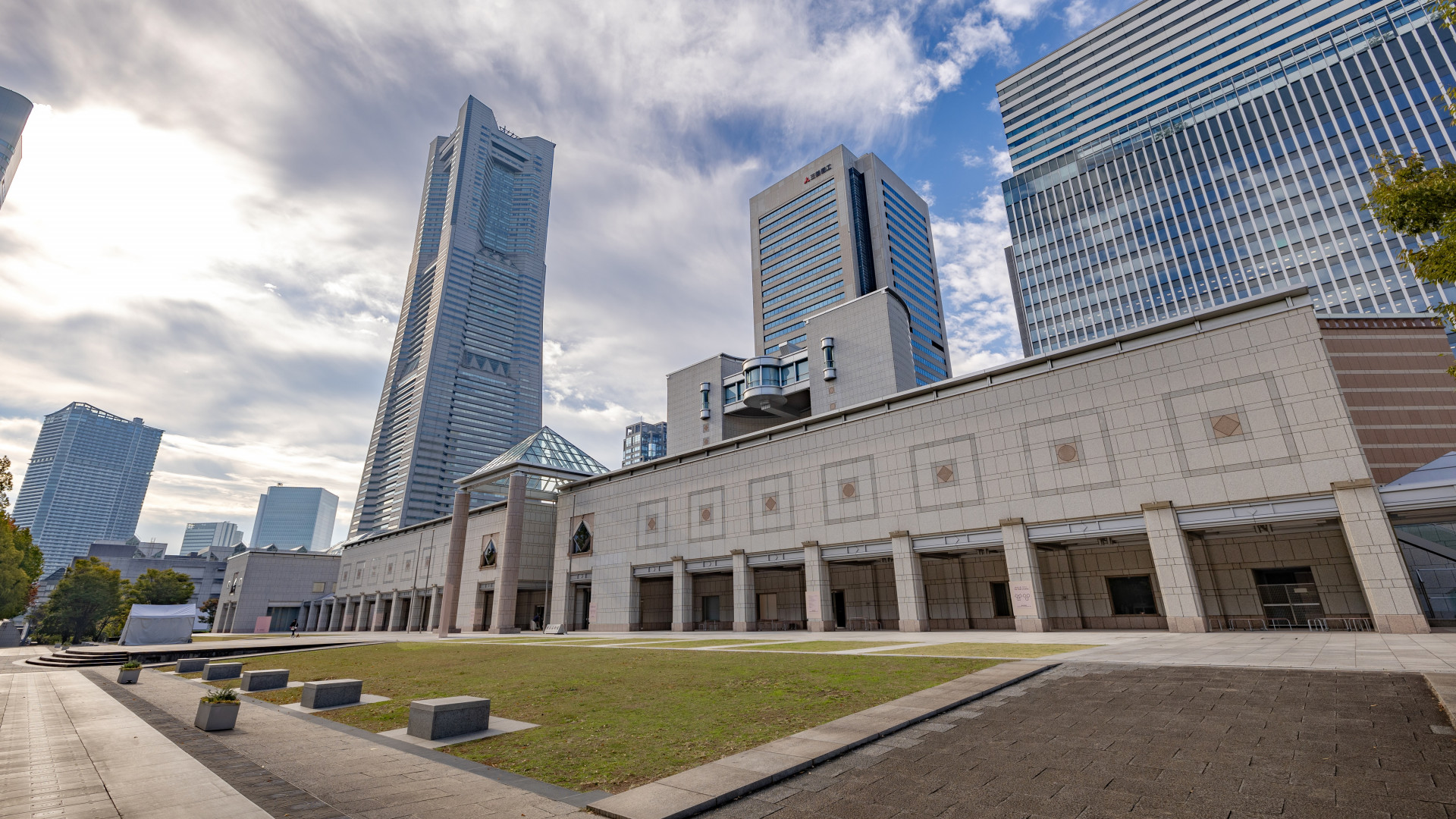
This place is temporarily closed. Please check the official website on reopening, operational information and more.This comprehensive themed permanent exhibit divides the history of Kanagawa into five eras. From ancient times and the Middle Ages to the Yokohama port opening and modernization, the exhibit looks at various historical perspectives under the theme of modern and traditional Kanagawa, taking into account people's lives and beliefs, political and economic changes, the influence of foreign cultures, etc. In addition, we regularly hold special exhibitions that are different from the permanent exhibits based on the research results of curators. Special exhibitions are held based on materials in the museum and collection exhibitions.

Culture & Arts Tokaido Koshu kaido KANAGAWA
KAMAKURABORI MUSEUM

KAMAKURABORI MUSEUM

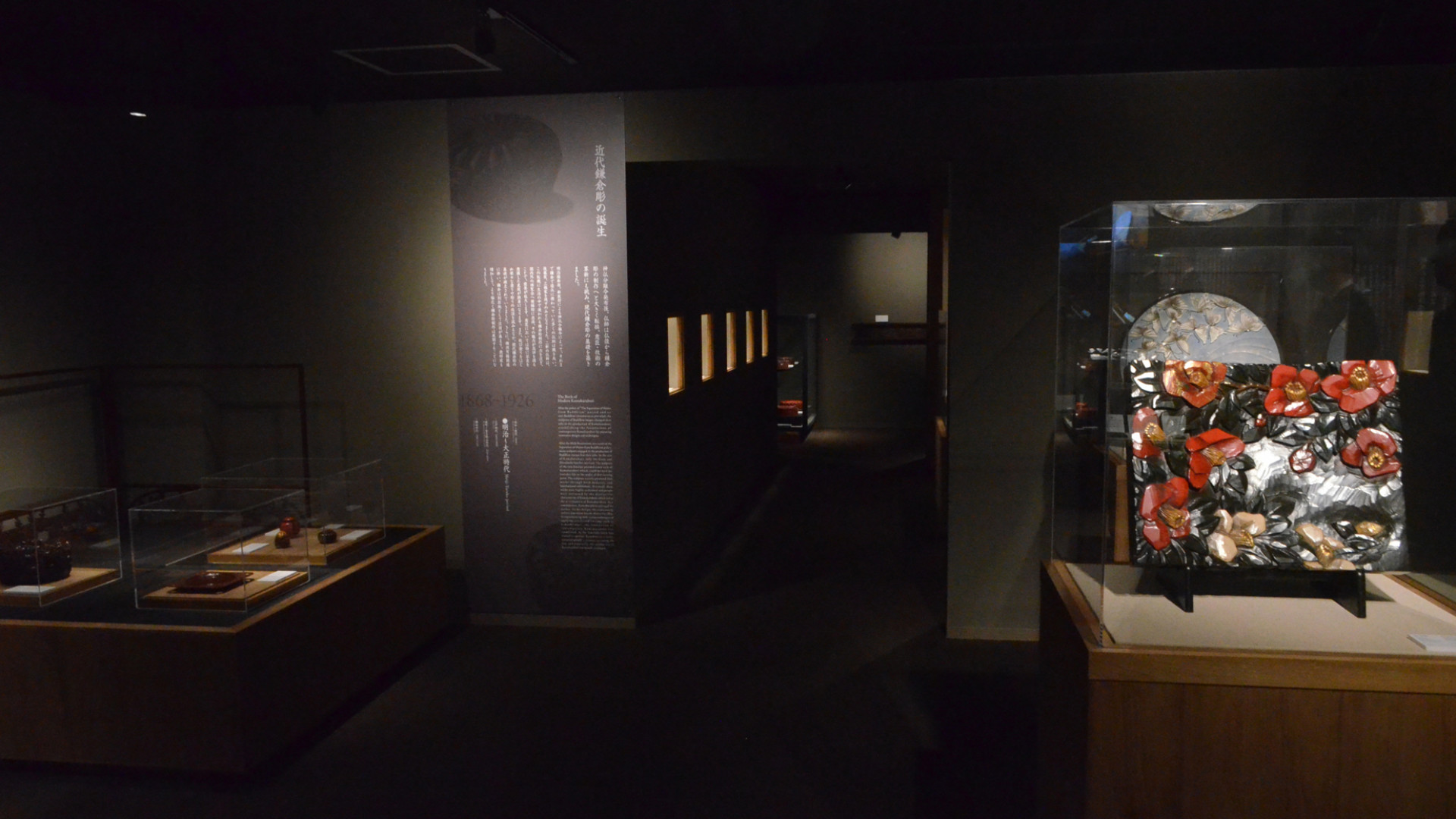
The Kamakurabori Museum, on the 3rd floor of the Kamakurabori Kaikan, is the only museum that introduces the history and works of Kamakurabori (a form of Japanese lacquerware). This museum is used by many people as a place for history and culture, experience, and exchange. About 50 works and materials of Kamakurabori, a traditional craft boasting a history of about 800 years, are on display in the permanent exhibition. Relax and enjoy masterpieces from the Muromachi period (1336-1573) to the present while learning about the production process and its history. In the two-hour hands-on class, you can experience Kamakurabori making under the careful guidance of a full-time instructor. It is a program that even beginners can easily enjoy.

Culture & Arts Koshu kaido Tokaido KANAGAWA
Hakone-jinja Shrine

Hakone-jinja Shrine

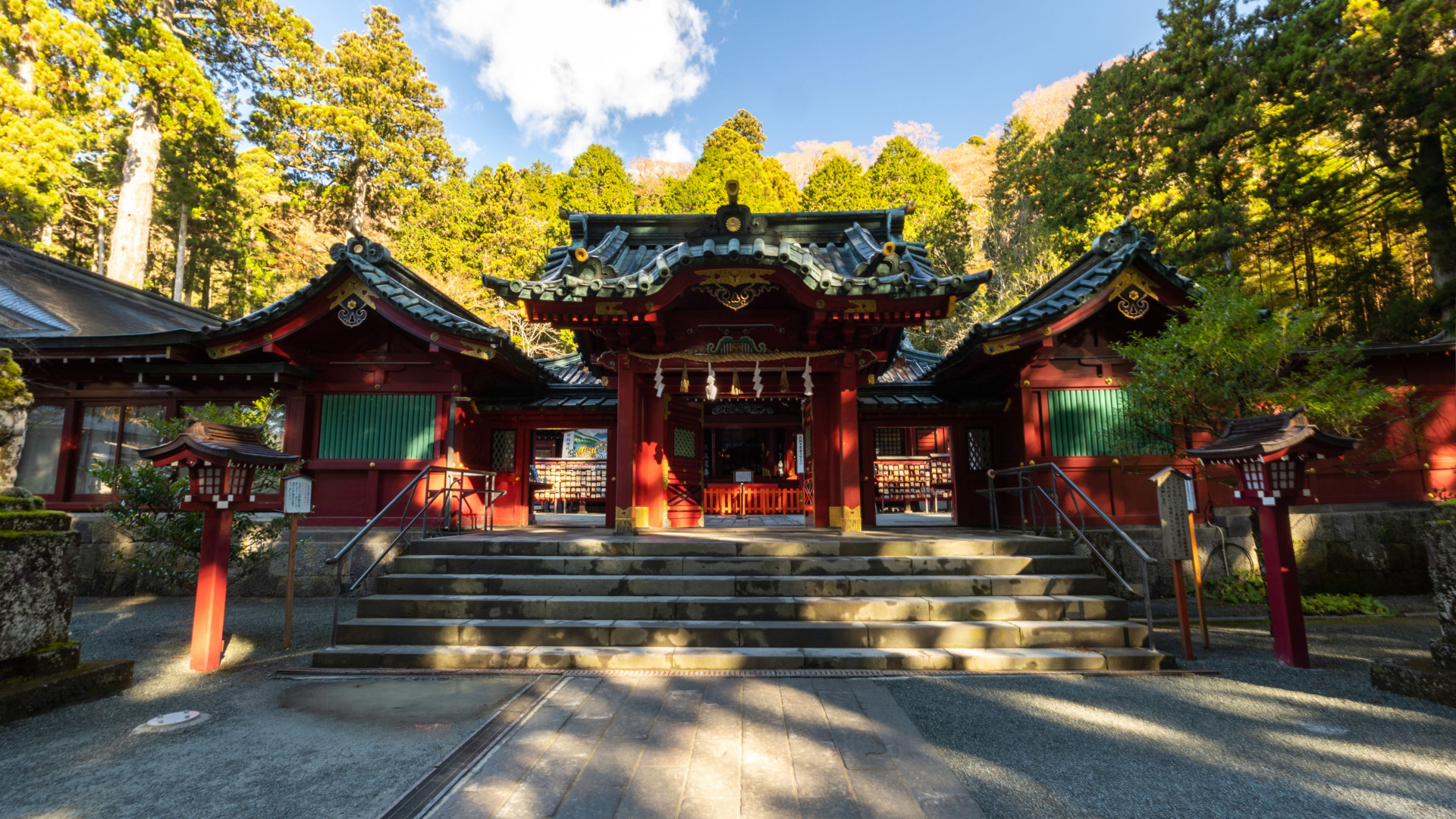
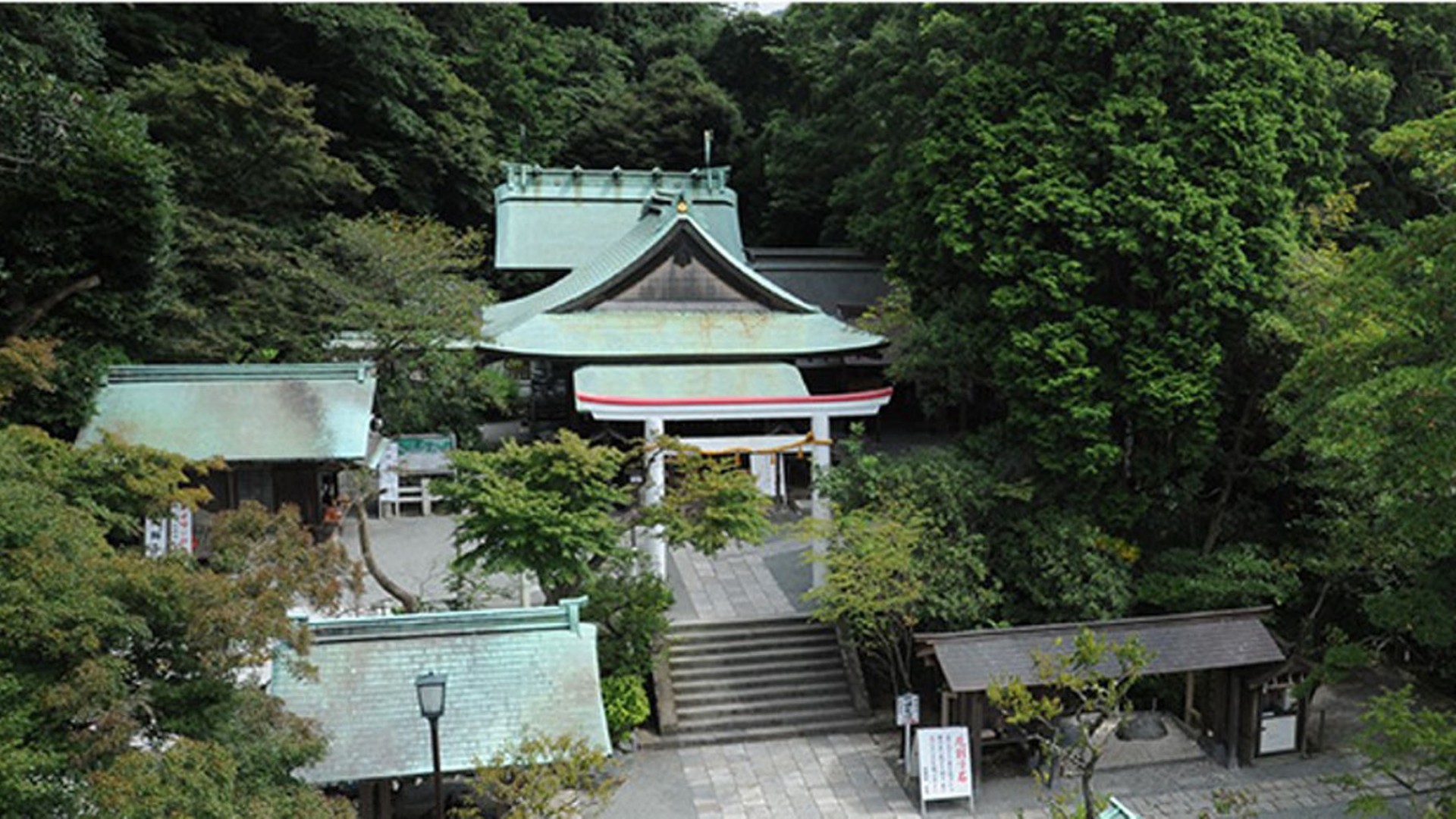
Hakone Shrine is an ancient shrine celebrating its 1266th anniversary. Founded in 757, the first year of the Tenpyo-Hoji Era, at the beginning of the Nara Period (710-794), when Mamaki Shonin, who was in ascetic training on Mount Hakone, was entrusted by the Great God of Hakone to the shrine at its current location by Lake Ashi. During the Kamakura period, Minamoto no Yoritomo deeply worshipped Hakone Shrine, giving birth to the custom of nishomode (pilgrimage to two shrines). Since then, the shrine has flourished as a place of reverence for warriors such as the regent Hojo and the warlord Tokugawa Ieyasu, as well as a sacred place for Shugen (Japanese mountain asceticism). In modern times, with the construction of the Hakone Road, Hakone became a sacred place of worship for the common people, and belief in Mount Hakone as a deity highly virtuous for protecting against bad luck, fulfilling one's desire, and ensuring traffic safety became even more popular. The approach from the Heiwa-no-torii (peaceful gateway) by Lake Ashinoko to the main shrine is flanked by rows of cedar trees more than 600 years old, giving the shrine a majestic appearance, behind the vermilion-lacquered Gongen-zukuri main shrine building is a pure forest of himeshara, a natural treasure of Kanagawa Prefecture, and the Gongen Mitarashi pond and Lake Ashi below reflect the vermilion Peace Gate and the sacred Mount Fuji, surrounding the shrine with beautiful nature. Many visitors from around the world come to pay their respects at the Kuzuryu Shrine (Shingu and Hongu), which is a shrine revered not only for its good fortune and prosperity, but also for its protection of money, prosperity in business, and match-making, particularly during the Tsukinamisai held at the main shrine on the 13th of each month. [Divine virtues] Good luck repelling of bad luck, fulfillment of one’s desires (protection against bad luck), traffic safety, match-making, family safety, and business prosperity On July 31st, the shrine organizes the Ashinoko Kosui Matsuri Festival to celebrate a legendary dragon. Monks sail the lake on pirate ships offering red rice to the depths below. Floating lanterns illuminate the lake waters while fireworks light the skies above.Lake Ashinoko Summer Festival Week: Hakone Summer Festival offers a variety of events such as the biggest annual festival of Hakone Shrine with Shinto celebrations and rituals, fireworks, and more. Many fireworks will be launched at a total of six fireworks festivals, adding color to the summer Hakone sky.


Temples & Shrines Tokaido Koshu kaido KANAGAWA
Tea Room Minami Yonban Classic (British embassy villa memorial park)

Tea Room Minami Yonban Classic (British embassy villa memorial park)

"South No. 4 Classic" café is located on the second floor of the former British Embassy Villa in the British Embassy Villa Memorial Park. From its spacious veranda, you can enjoy a panoramic view of Lake Chuzenji while savoring scones and tea sets supervised by the British Embassy Tokyo's chef. Limited-time and quantity events are held monthly.   〈Menu〉 British Cultural Experience Mini Afternoon Tea A set featuring British Embassy Tokyo's original scones, sandwiches, and tea. Plain and nut (walnut and almond) scones are served with generous portions of locally crafted jam from Tochigi Prefecture and clotted cream. Enjoy this one-plate set of sandwiches and seasonal fruits with premium British tea.   〈About the British Embassy Villa Memorial Park〉 Originally built in 1896 as the private villa of British diplomat Ernest Satow (1843-1929), this facility has been restored after serving as the British Embassy villa for many years. The facility features exhibits about its history as an international summer resort and British culture of the time. From the second-floor veranda,visitors can enjoy the "picture-perfect scenery" of Lake Chuzenji that Satow loved.

Nikko kaido Oshu kaido TOCHIGI
Shinrinno Bokujo

Shinrinno Bokujo

This ranch is located in Toyoharaotsu, Nasu Town. Their cow’s milk comes from jersey cows, rare in Japan, and the milk is pasteurized after being squeezed and processed in a way that keeps the fat globules from shrinking and preserves the natural non-homogenized taste. They sell milk, ice cream, “squeezable yogurt” in a tube, and other processed goods, and the cafe offers drinks and sweets made with the milk they produce and lunch sets that use locally grown vegetables and other options."

Nikko kaido Oshu kaido TOCHIGI
Italian Embassy Villa Memorial Park

Italian Embassy Villa Memorial Park

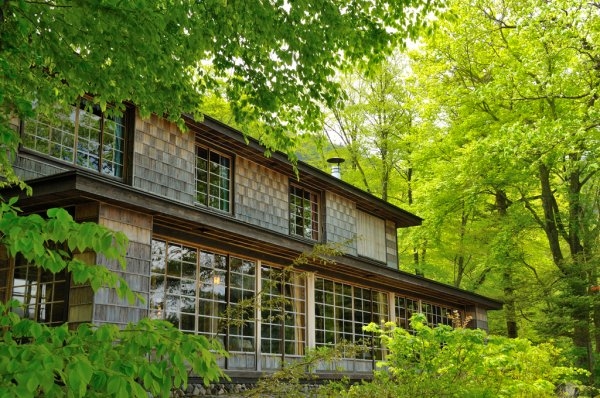
From the mid Meiji to the early Showa periods, the area around Lake Chuzenji was home to foreign embassies and villas and flourished as summer resorts. The villa was built as a summer house for the Italian ambassador in 1928 and used by successive ambassadors until 1997. Along with the main building reconstructed with the original floor, fittings and furniture, the cottage is now open to the public as a history museum of the local international summer resorts. In addition to the buildings, the park pleases the eye with a lovely view of Lake Chuzenji.   The villa was designed by Czech architect Antonin Raymond (1888-1976). Raymond moved to the United States when he was 22 years old where he took up architecture. His first visit to Japan was during the New Year’s period in 1919-20 to work on the project of the Imperial Hotel with his mentor Frank Lloyd Wright. Raymond was advised by local craftsmen on traditional architectural materials. He made a good use of the local Nikko cedar on the walls and his chequered design creates a beautifully modern exterior to the two-storey wooden villa. The whole ceiling of the ground floor was made with cedar bark by wickerwork, a popular technique in the traditional Japanese Sukiya style of architecture. The space of the living room and study is skilfully divided by wickerwork patterns.

Nikko kaido Oshu kaido TOCHIGI
Hokoku-ji Temple

Hokoku-ji Temple

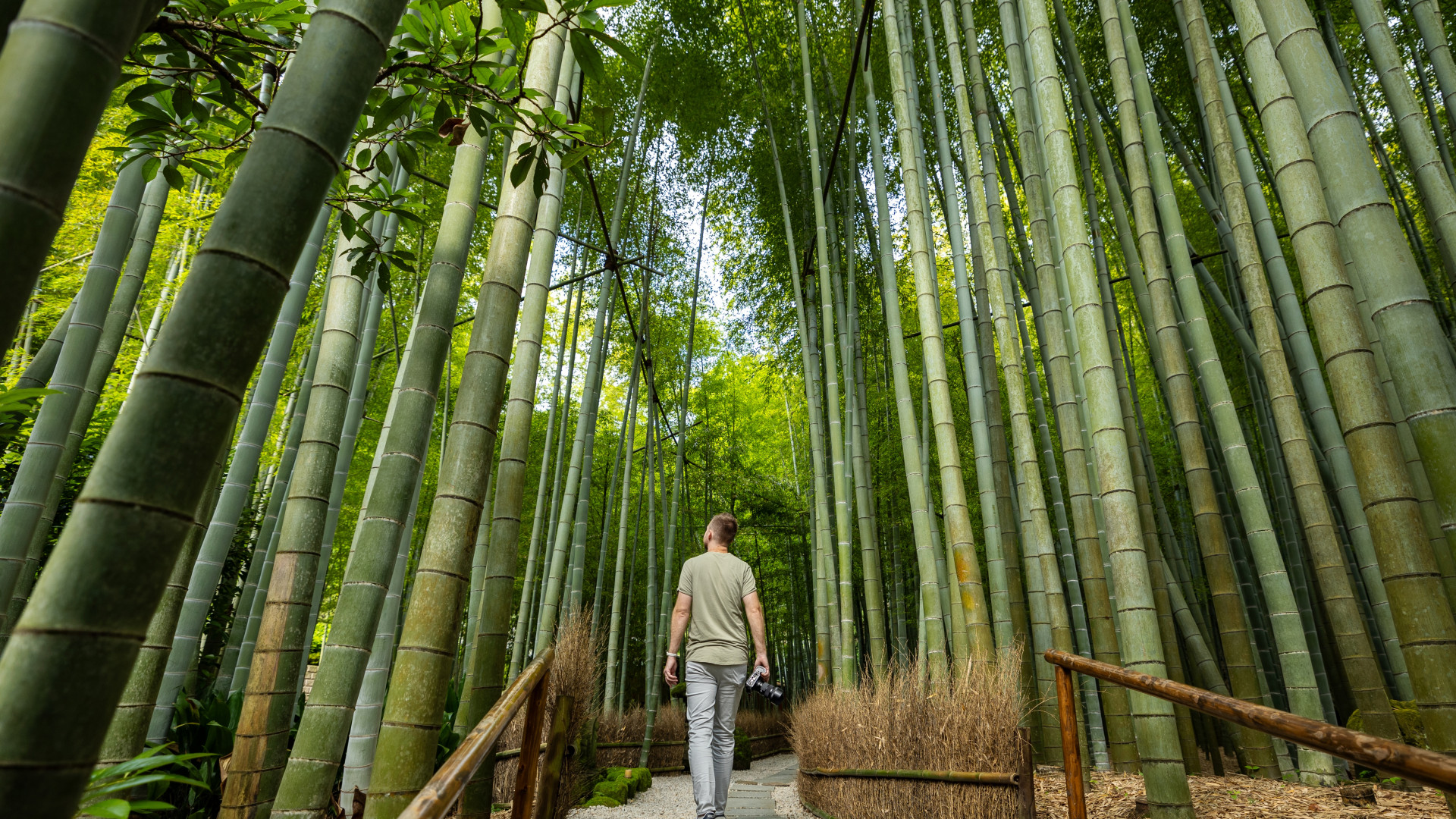
This ancient temple in Kamakura is known for the 1,000 moso bamboo trees on its grounds. Even in the present day, the solemn atmosphere of the temple conveys the tragedy of the Ashikaga clan. It also features a beautiful bamboo grove and garden. The “Sunday Zazen-kai” (Zen meditation), which has a reputation for being strict, is held every Sunday morning at 7:30 a.m. and is open to everyone. Please wear comfortable clothes to participate.This is probably the most impressive bamboo grove you will ever see. Be sure to get tickets for the temple's tranquil teahouse experience before entering.A temple in Kamakura with a beautiful garden and bamboo grove. A Sunday Zen meditation session is held at 7:30 in the morning every Sunday and is open to everyone. The session is reputed to be very strict, and be sure to wear comfortable clothing if you would like to participate.

Temples & Shrines Tokaido Koshu kaido KANAGAWA
Yoshiike Ryokan (Japanese-style inn)

Yoshiike Ryokan (Japanese-style inn)

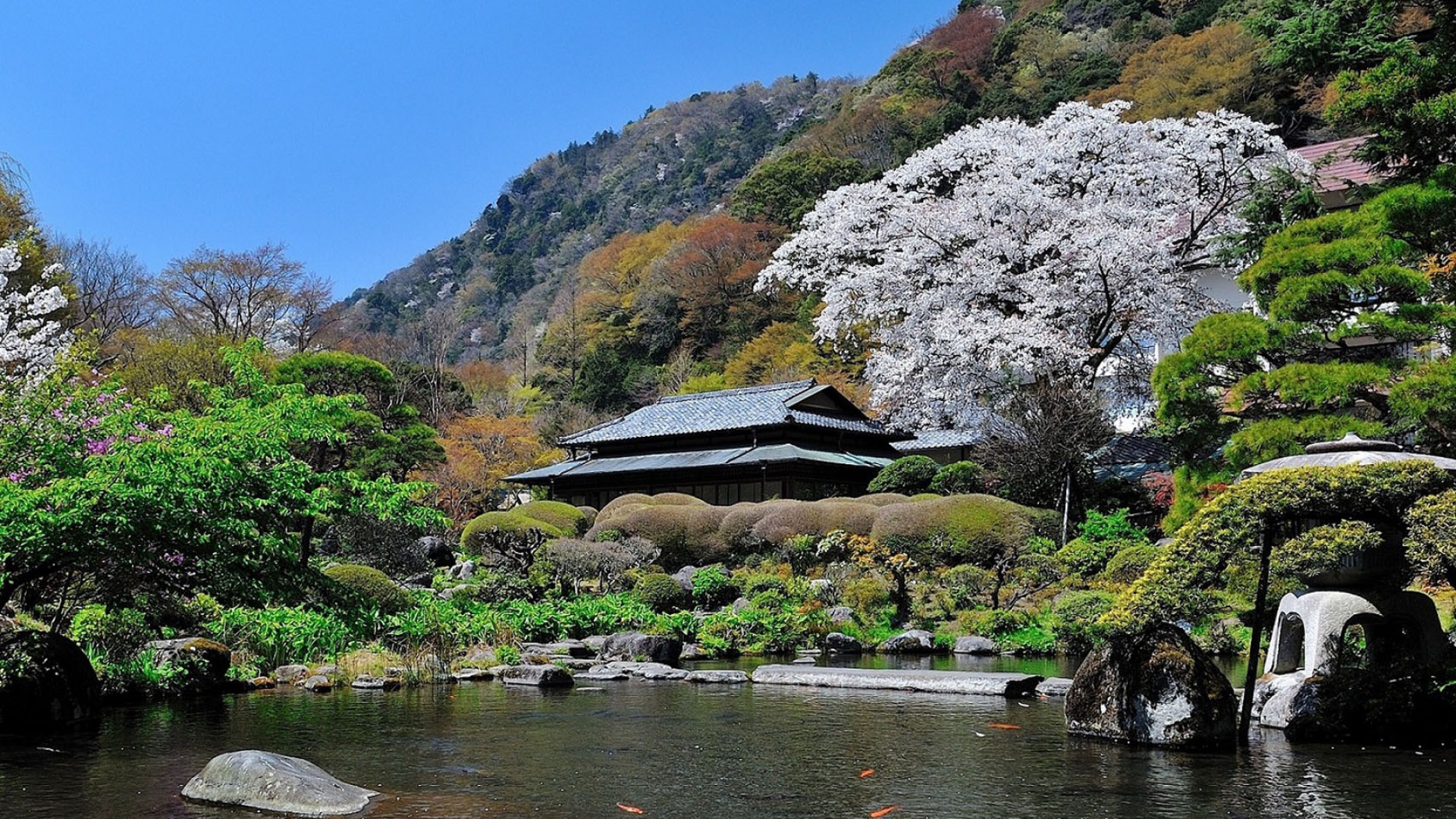
Yoshiike is proud of its hot springs, boasting 6 in-house sources and an abundant flow of hot water of up to 720 liters per minute. The elaborately designed large public bath, the garden-like open-air bath, and the relaxing private bath are all filled with 100% private hot spring water. On the ryokan's premises, there is a 10,000 tsubo (about 355,800 square feet) pond garden, "Sangetsu-en," a cherry blossom light-up event, "Light Garden," as well as firefly and autumn leaf seasonal events. We highly recommend taking a stroll in the garden at night!*For non-overnight guests, facilities are available from 1pm.

Onsen & Stay Tokaido Koshu kaido KANAGAWA
Meiji-No-Yakata

Meiji-No-Yakata

Meiji-No-Yakata is a restaurant remodeled from a villa built by an American merchant during the Meiji period (1868-1912). Japan at that time was just beginning to be introduced to Western culture. At the restaurant, you will see the fusion of Japanese and Western culture. The stone wall technique, used in construction of Japanese castles, was used to build the villa, and its interior was adorned with Western decor. Today, these features make the restaurant building very tasteful. Signature dishes are hamburger steak, omelet and rice (“omurice”), and hashed beef and rice (“hayashi rice”), which are all popular home-cooked dishes in Japan. The chef turns these dishes into masterpieces that you can experience only at Meiji-No-Yakata. Other strongly recommended dishes are multi-course meals featuring choice “Tochigi” steak using locally produced Tochigi Wagyu. Enjoy a relaxing dining experience in a classic atmosphere at Meiji-No-Yakata, a building selected as a cultural property, that transcends time and space.

Oshu kaido Nikko kaido TOCHIGI