
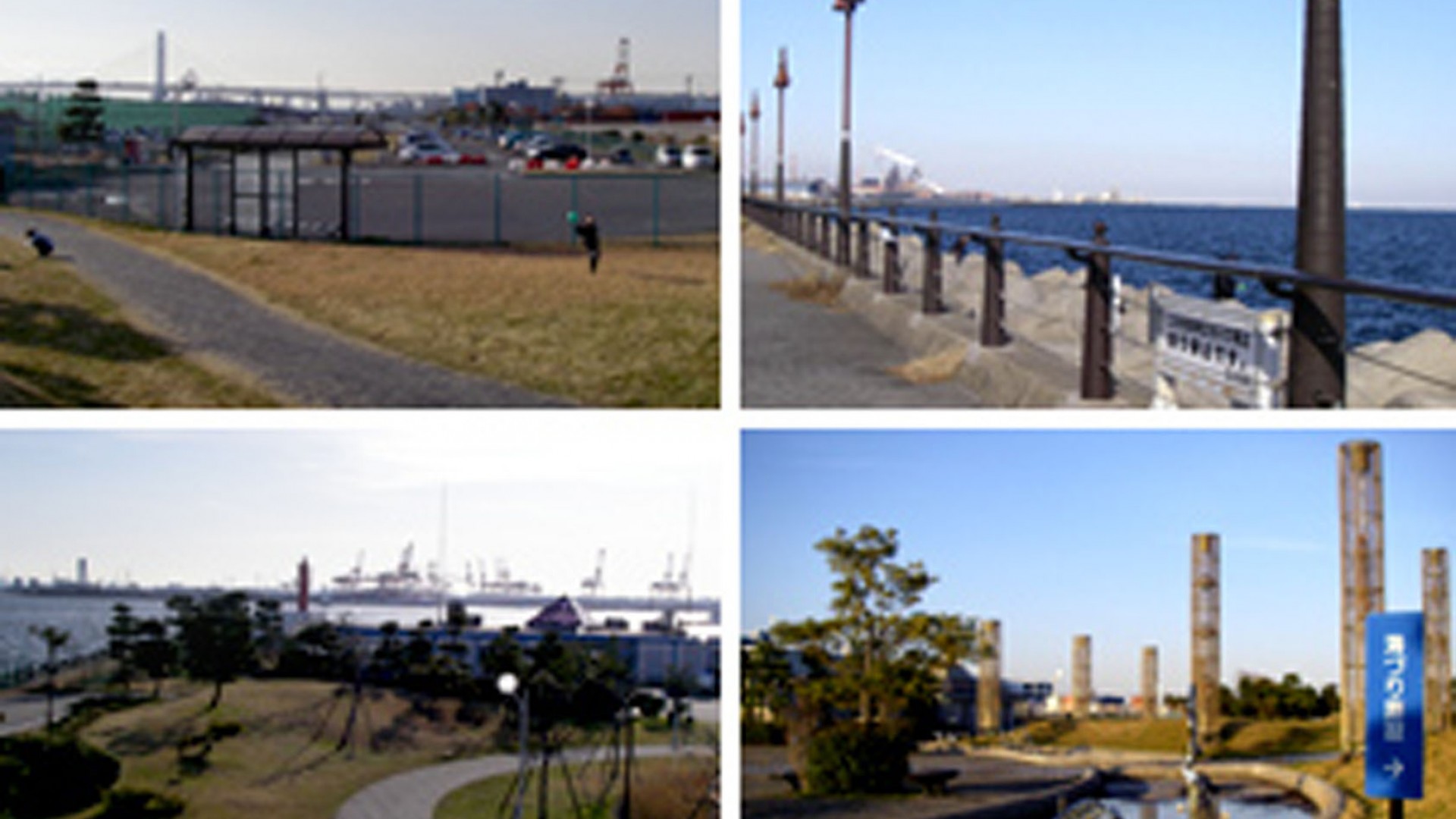
Daikoku Sea Fishing Facility
The Daikoku Sea Fishing Facility is a sea fishing park located in Yokohama city. From the park, you can overlook the Tokyo Bay.
Total: 1715 items
The Daikoku Sea Fishing Facility is a sea fishing park located in Yokohama city. From the park, you can overlook the Tokyo Bay.
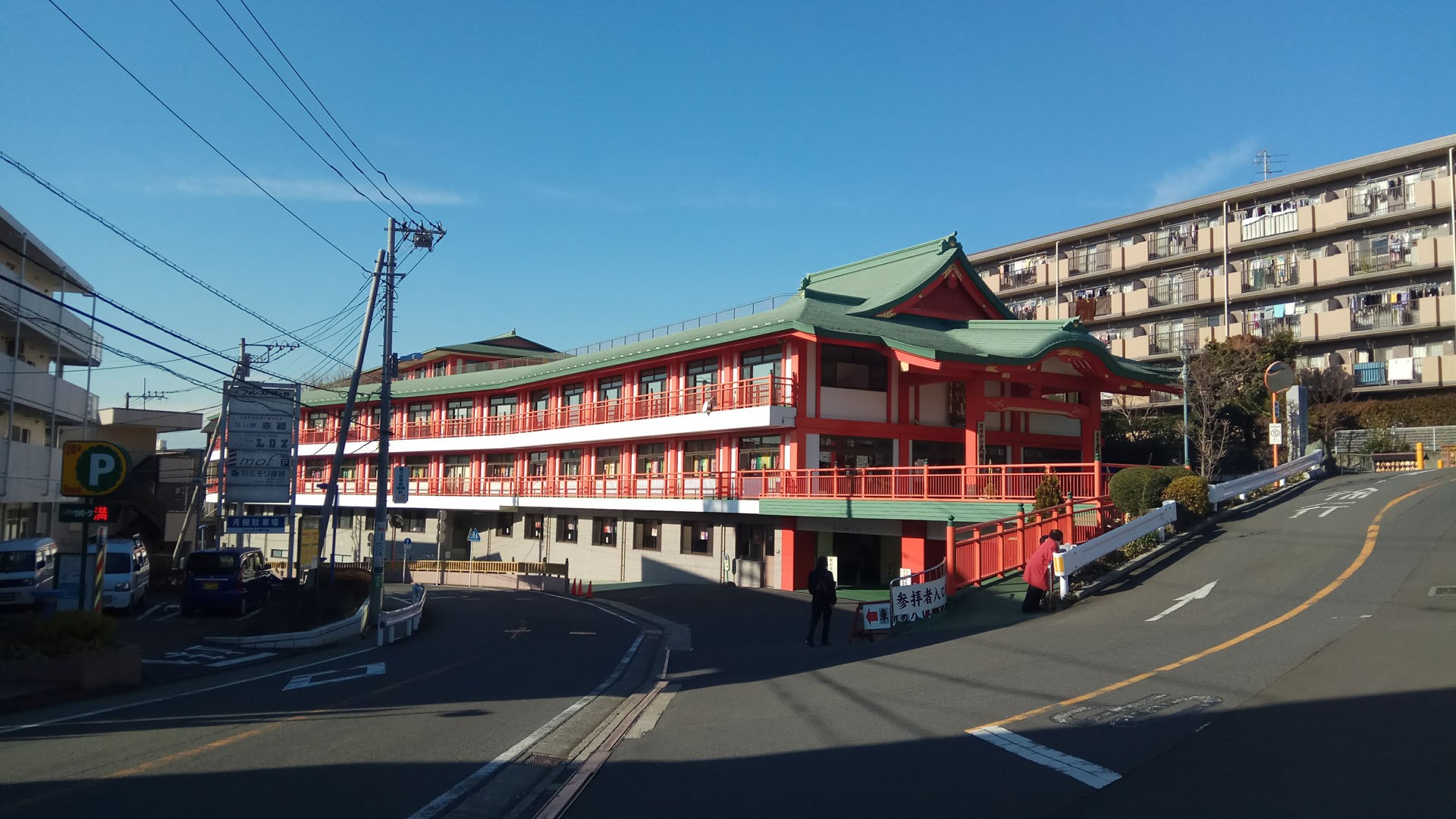
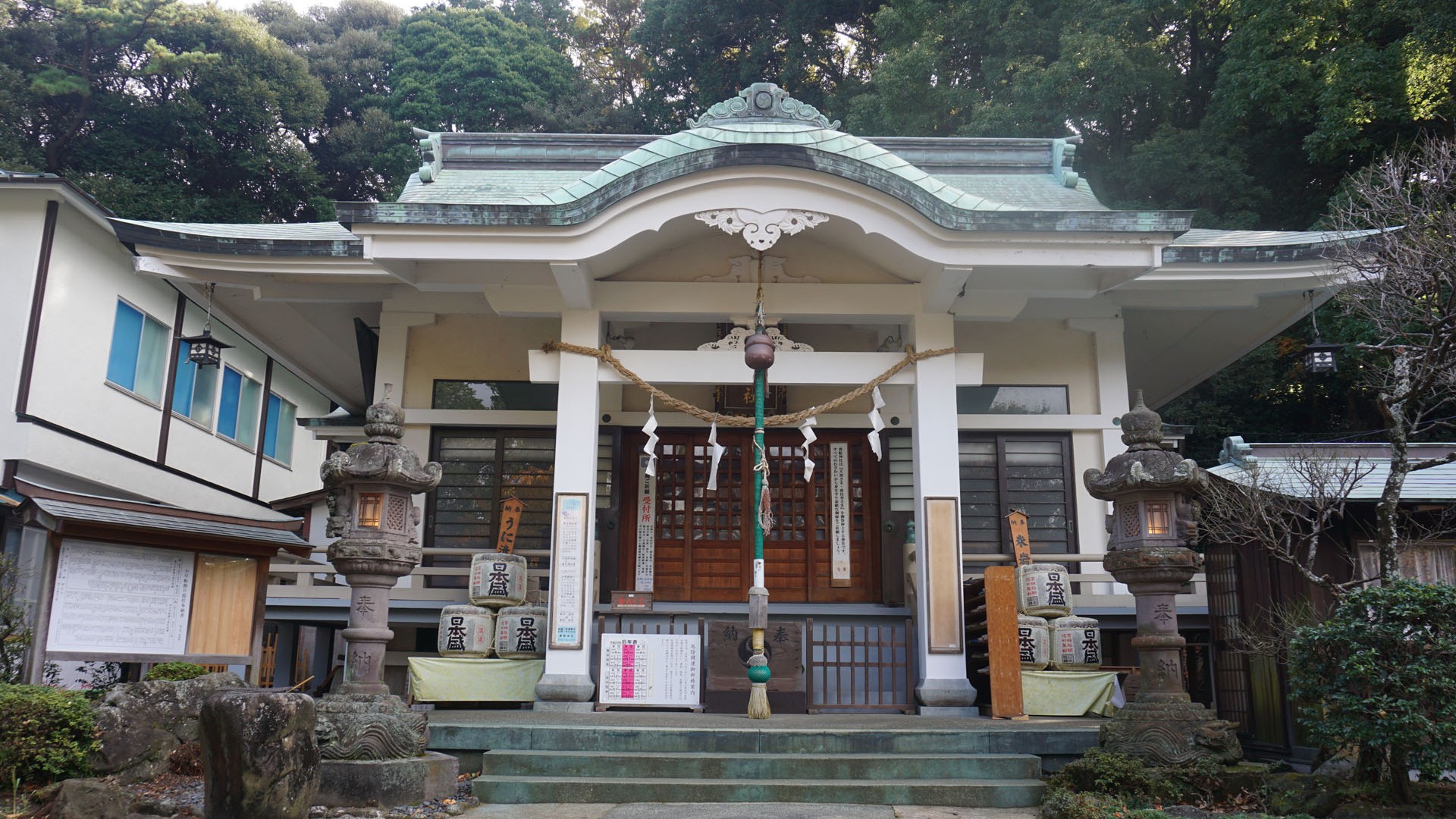
During the outbreak of an epidemic in Ebara-gun, Musashi Province, in the Genroku era (1688-1704), Yuten Shonin (a holy priest), who was on pilgrimage, taught the local people to revere Acala, a fierce Buddhist deity. Once they began to worship Acala the plague disappeared. Migawari Fudoson Temple began when one of its halls was built to enshrine Acala in order to give thanks for such a miracle. Nowadays, worshippers visit all year round in order to pray for traffic safety and to ward off evil. Visitors can also pray at the temple for family safety, business prosperity, academic success, and general good luck. The main temple is in Kawasaki City in Kanagawa Prefecture, with branches in Atami City, Shizuoka Prefecture, Yokohama City, Kanagawa Prefecture, and Suginami City, Tokyo.
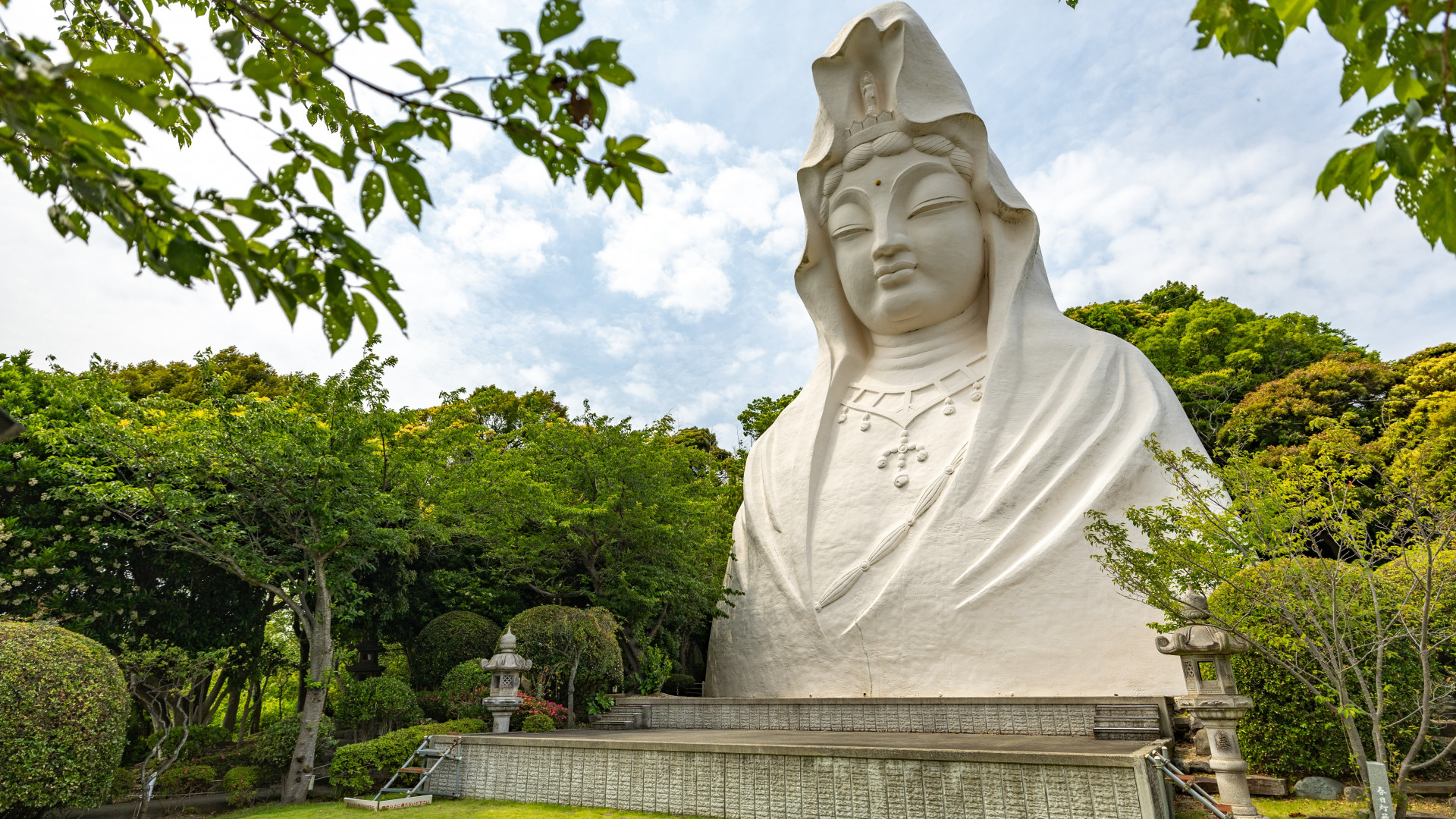
The Åfuna Kannon in the west of Åfuna Station in Kamakura City is an eye-catching huge white statue of Kannon. Although there were instances where the construction of this statue had to be stopped due to WWII, it was completed in 1960 (Showa 35) and is now a symbol of Kamakura City Åfuna Ward, gently protecting the many visitors who come to pray.This modern temple is home to the Ofuna Kannon, a 25-meter statue of the Buddhist goddess of mercy, watching serenely over visitors. At the Yume Kannon Festival held in autumn each year, you can watch performances of music and dance from around Asia.
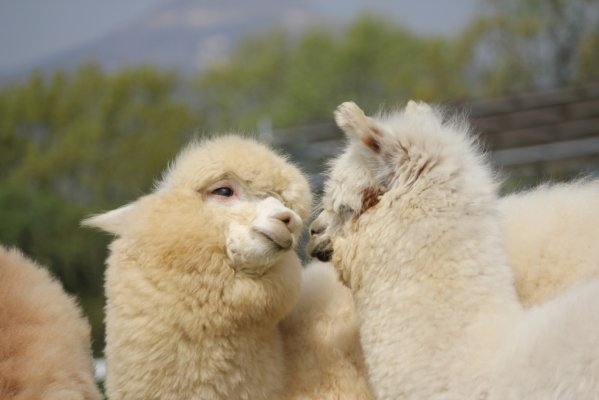
The first and largest alpaca farm in Japan.This alpaca farm is located along Prefectural Route 305 in Oshima, Nasu Town. About 400 alpacas are being raised on the expansive grounds of the ranch. Throughout the four seasons, you can enjoy watching the alpacas amidst the natural scenery of Mt. Nasudake. Fluffy four-legged friends are waiting for your visit, you can feed them, take a stroll with them, and take many unique photographs together with them. Enjoy watching and petting lovely wonder alpacas!"
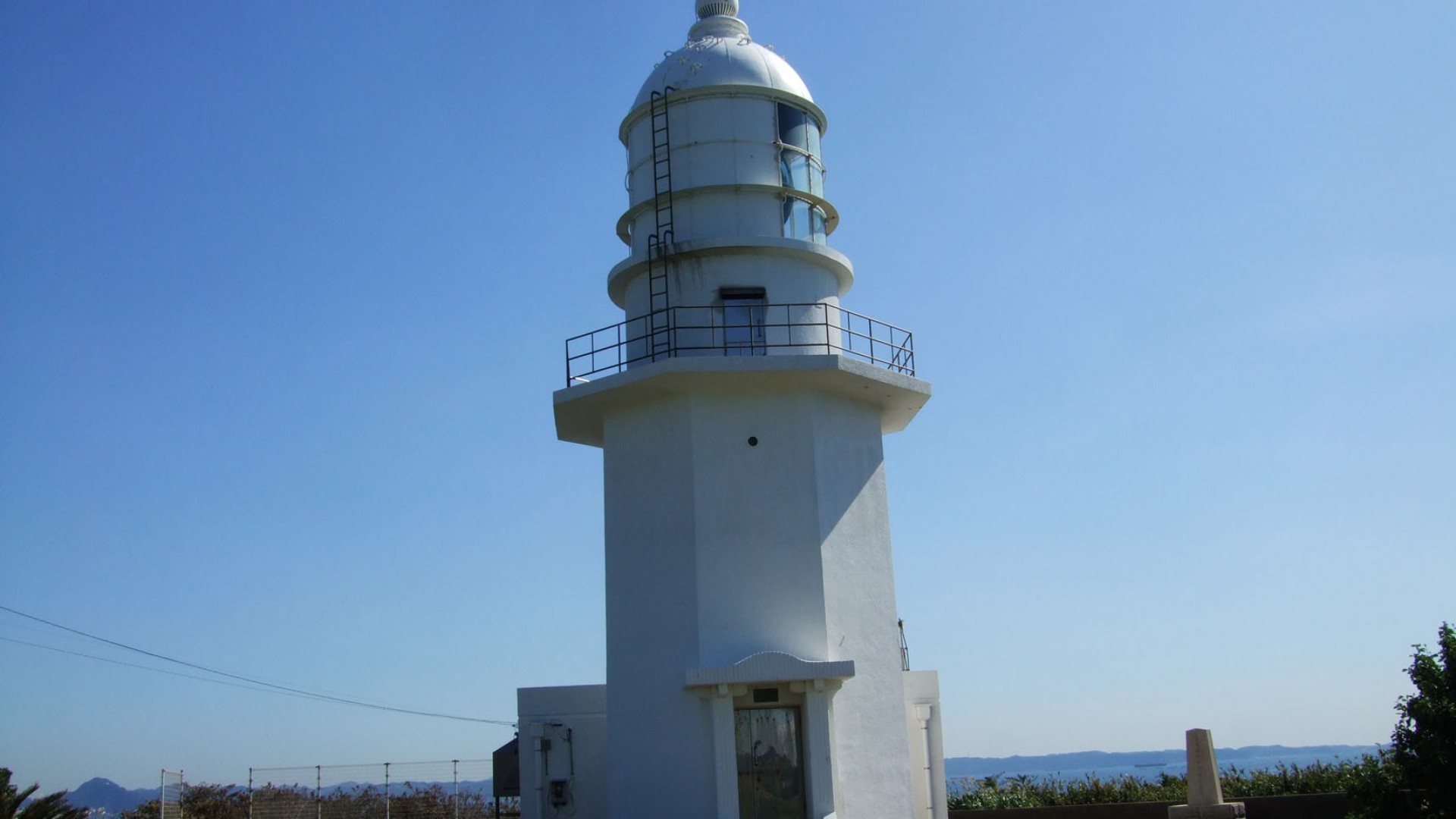
The Tsurugizaki Lighthouse was built on Tsurugizaki Cape in 1866 and rebuilt after the Great Kanto Earthquake. When you walk down the sidewalk from the lighthouse, there is a beautiful reef zone/area and around the area you can see sea creatures. It has been selected as one of Kanagawa's 50 scenic spots.
Okuninushi, the deity of Kibune Shrine, is a god who bestows the “divine virtue of knots,” which is indispensable in our lives. Since ancient times, he has been known as the god of good fortune, and, as seen in the myth of the white hare of Inaba, he is believed to have paved the way for the beginning of medicine and medical science. He is always pouring out boundless love so that people can live happy lives. The Kibune Shrine Festival is held for two days in July every year. It is famous for its magnificent boat festival and has been designated as Japan's important folk cultural property.
The Kamakura Agricultural Co-op Market, commonly known as Rembai, is a farmers' market where local produce is sold. Twenty-one local farmers are divided into four groups, taking turns every four days to sell fresh seasonal produce. The market closes once all items are sold out.
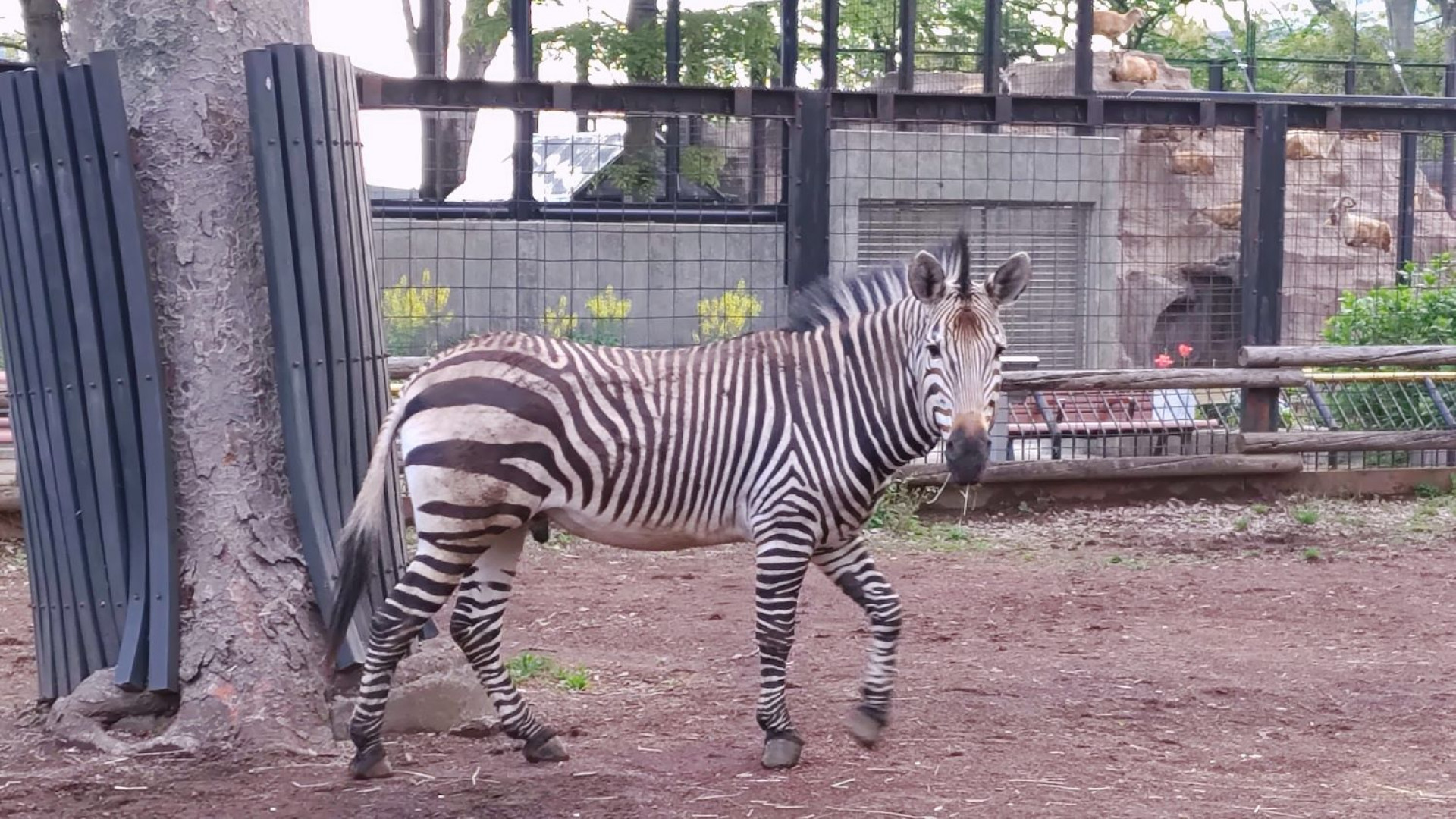
Atop a small hill, this Kawasaki City-operated zoo is free to enter and open year-round. Visitors can observe roughly 50 species of animals up close, including red pandas, lemurs, and even animals rarely see in Japan, such as Hartmann's mountain zebras and the large-horned markhor! Aquatic creatures are also a big hit, like Humboldt penguins and Chilean flamingos. Inside the zoo there are open spaces and playground equipment, making it the perfect spot to relax and spend time with young children.
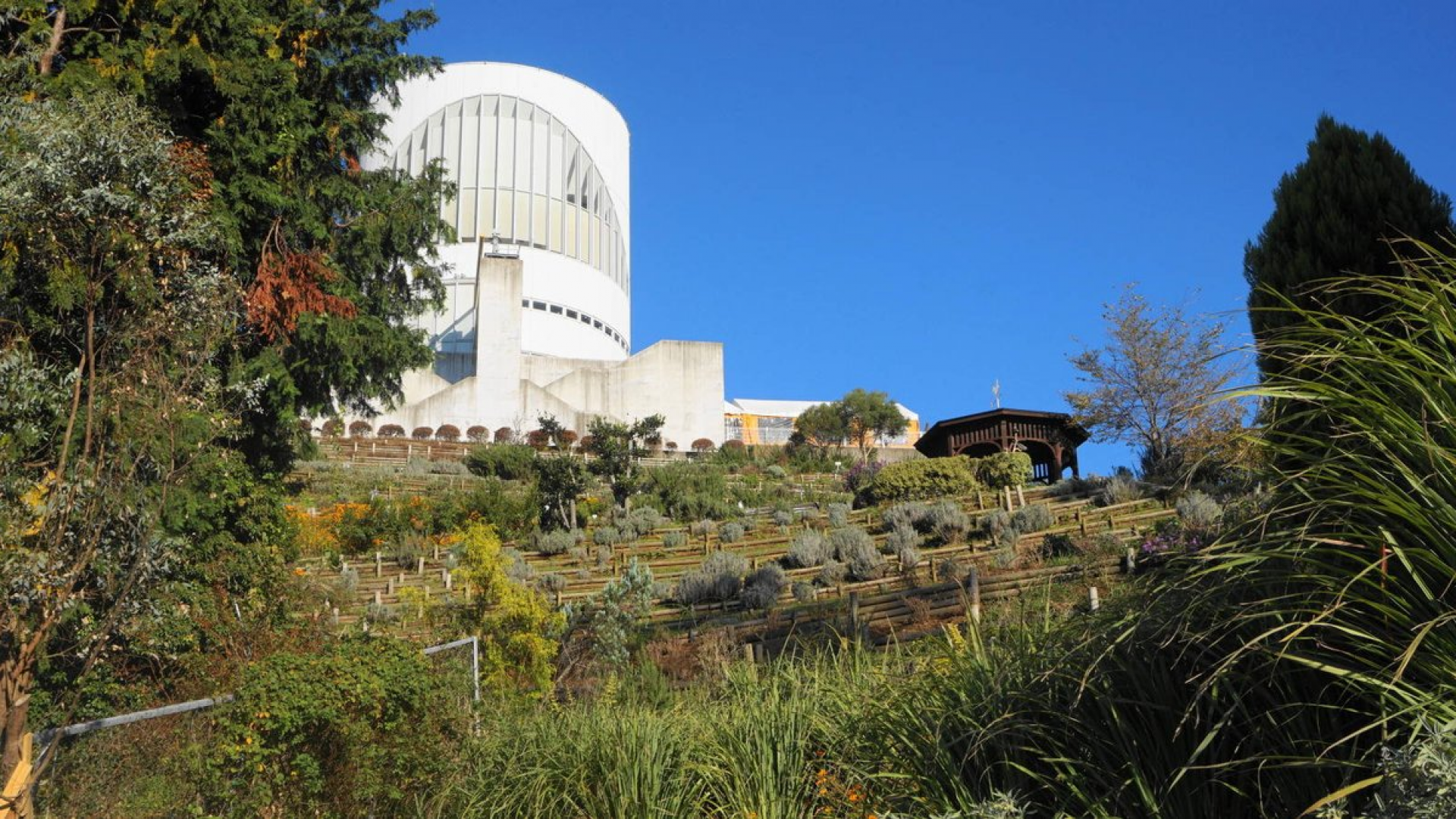
From the southern slope of this expansive herb garden you can look out over Sagami Bay and Ashikaga Plain. Take in panoramic views and see seasonal herbs close up while strolling along the park's paths. There is also the restaurant, shops and activity center to check out.
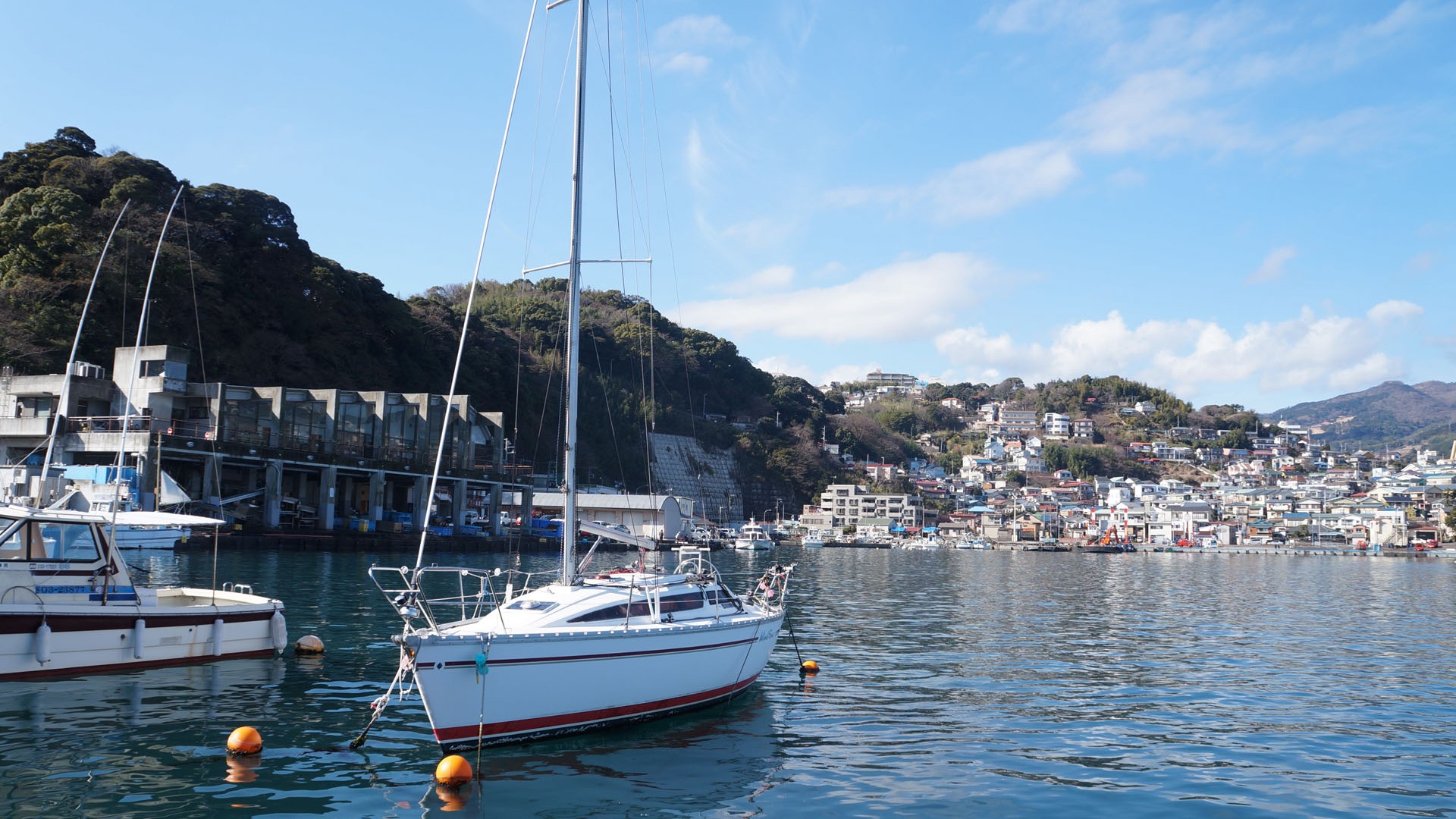
This port is a base for the local industries in Manazuru, fishing boats, cargo ships carrying stone materials, and so on. Besides that, there is a fish market nearby where the catch of the day is sold. The Kaijo Togyo (shrine procession in the sea) of the Kibune Festival, an important intangible folk cultural property of Japan, is also held here at the Manazuru Port.There is a fish market nearby that sells the fresh catch of the day. Sales end as soon as the fish is sold out, so going early in the morning is recommended.
Every room is an ocean-view room and relatively spacious compared to typical same class accommodations. There is also a meeting room and a party room for large groups.
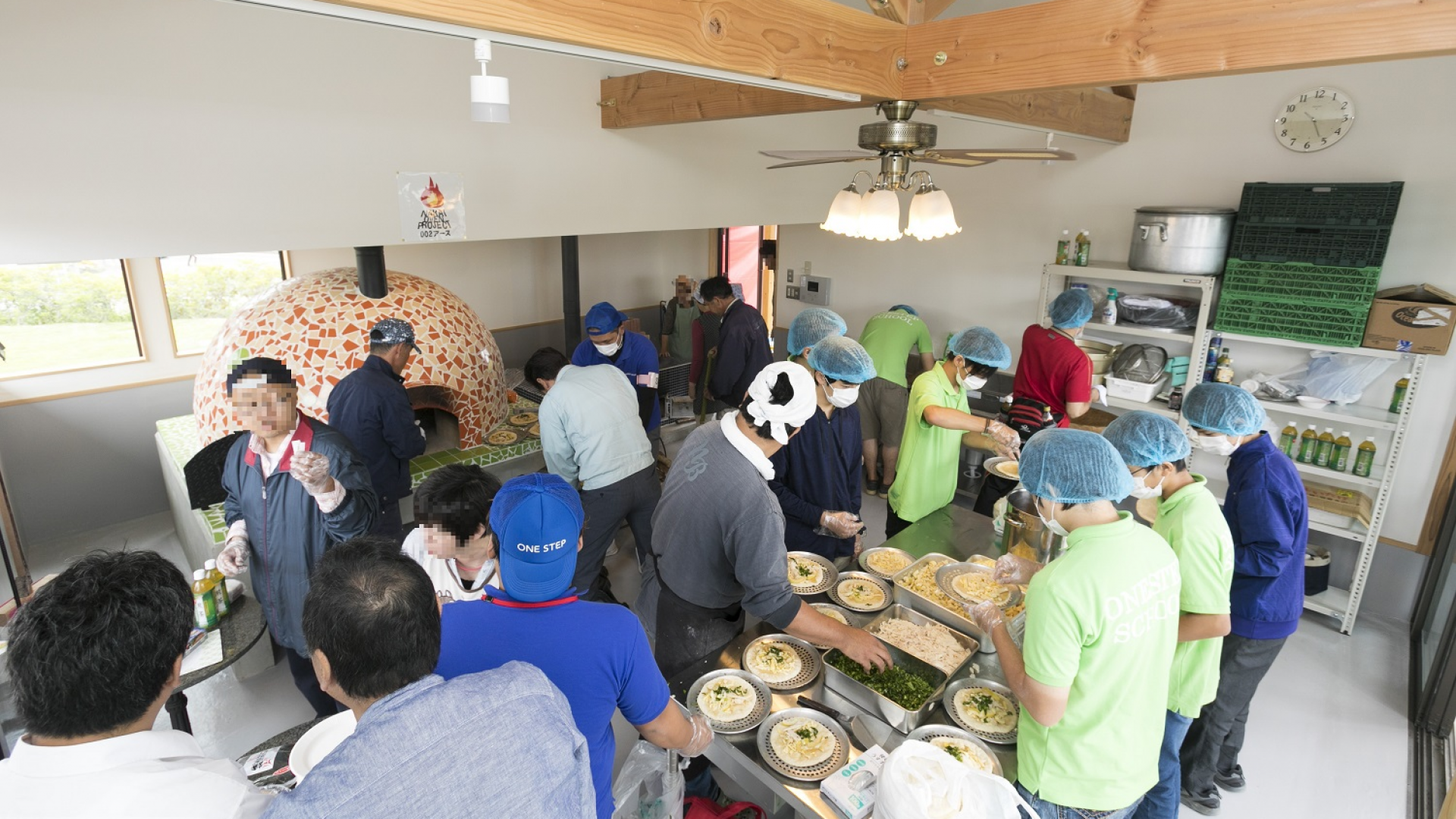
At Nakai Satomachi CAFÉ, you can relax while gazing at Mt. Fuji. Brand specialties are also on sale here. Next to the café, a giant pizza oven measuring approximately 2 meters across, and a kitchen range have been installed, and there is a Satomachi Kitchen where people can try their hand at making pizza.
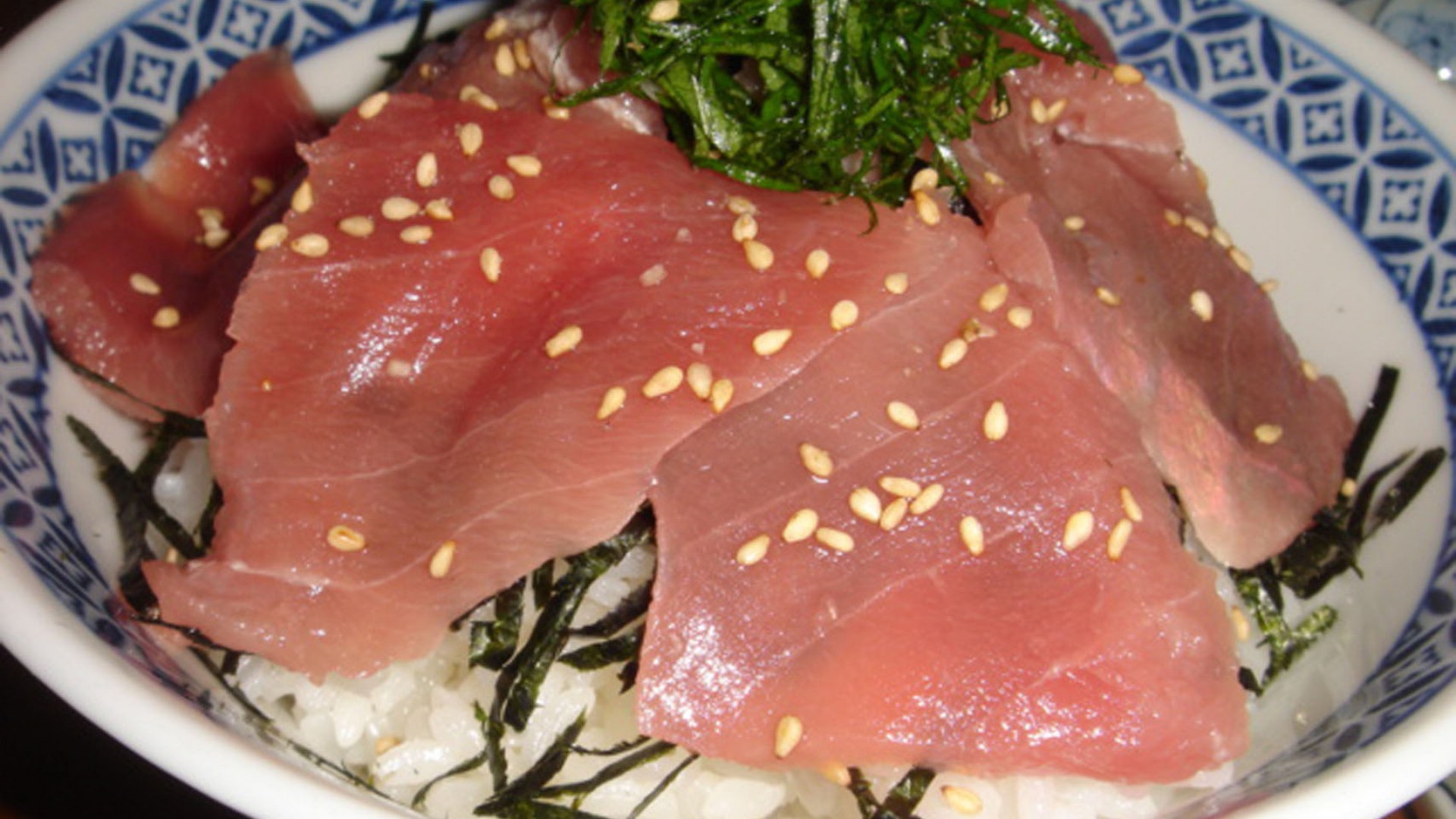
Kanagawa Fishery Cooperative Association’s Misaki Processing Plant is located at Misaki Harbor, a harbor famous for its tuna, and they are one of the world’s largest tuna processing plants. A store is set up right on the plant grounds, where you can buy tuna and marine produce from the Miura Peninsula.
Enjoy a video and light display projected on the ground at the Shinko Chuo Hiroba, along with a special program that integrates the surrounding buildings in a light show.
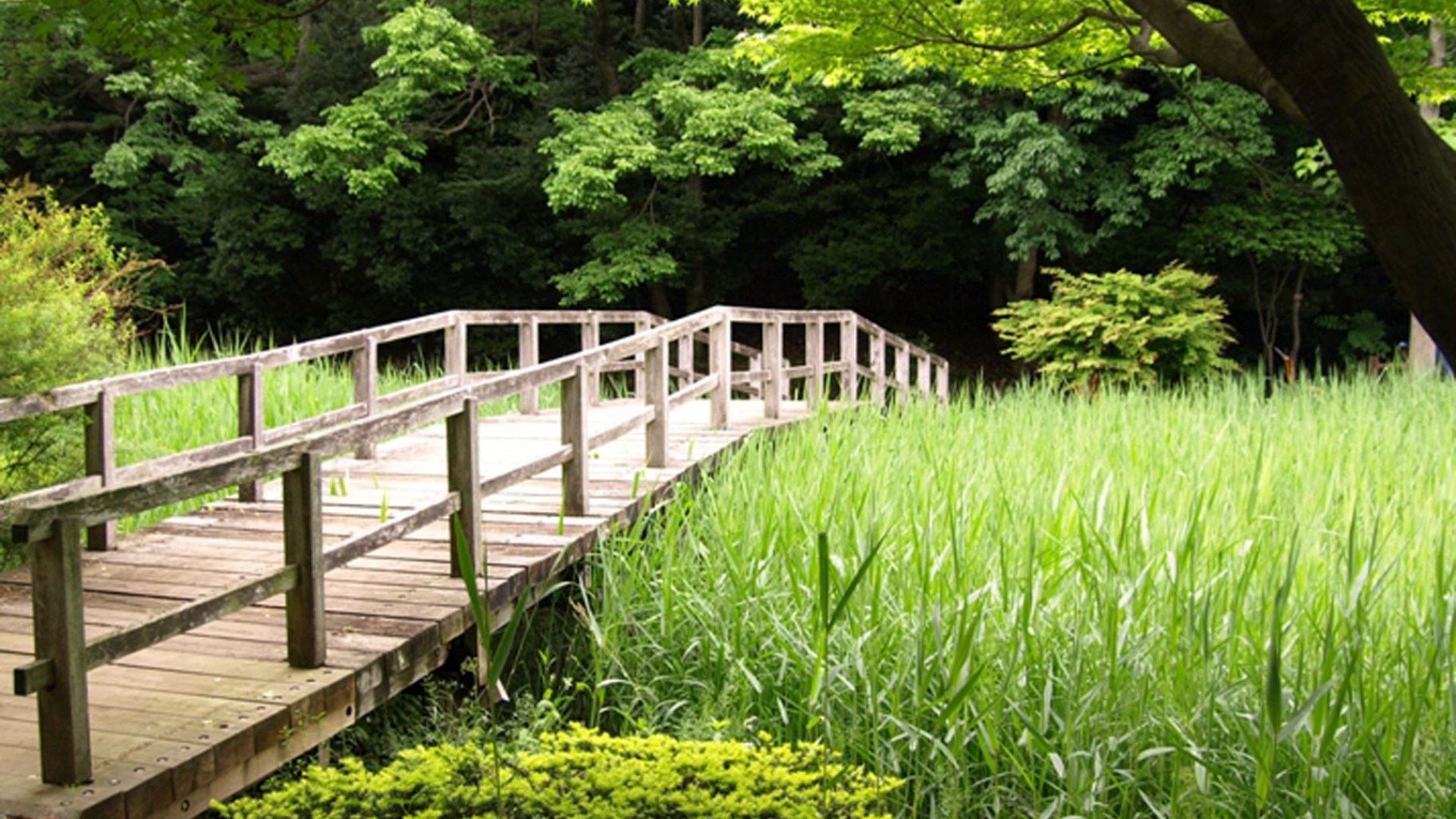
Nestled within the Sagami Yokoyama/Sagami River Suburban Greenbelt Special Preservation Area and the Greater Tokyo Suburban Greenbelt Preservation area, this scenic park boasts spectaclar natural scenery. It serves as a green space for conservation and a place of relaxation for local citizens. In an effort to preserve the natural environment of the Yokohama Hills and the source of the Michihoshi River as an urban green space, it serves as a place for interaction with nature where water and greenery meet. Visitors can observe wild birds and plants up close, deepening their understanding of nature. The park is also utilized as a venue for environmental education and outdoor learning.
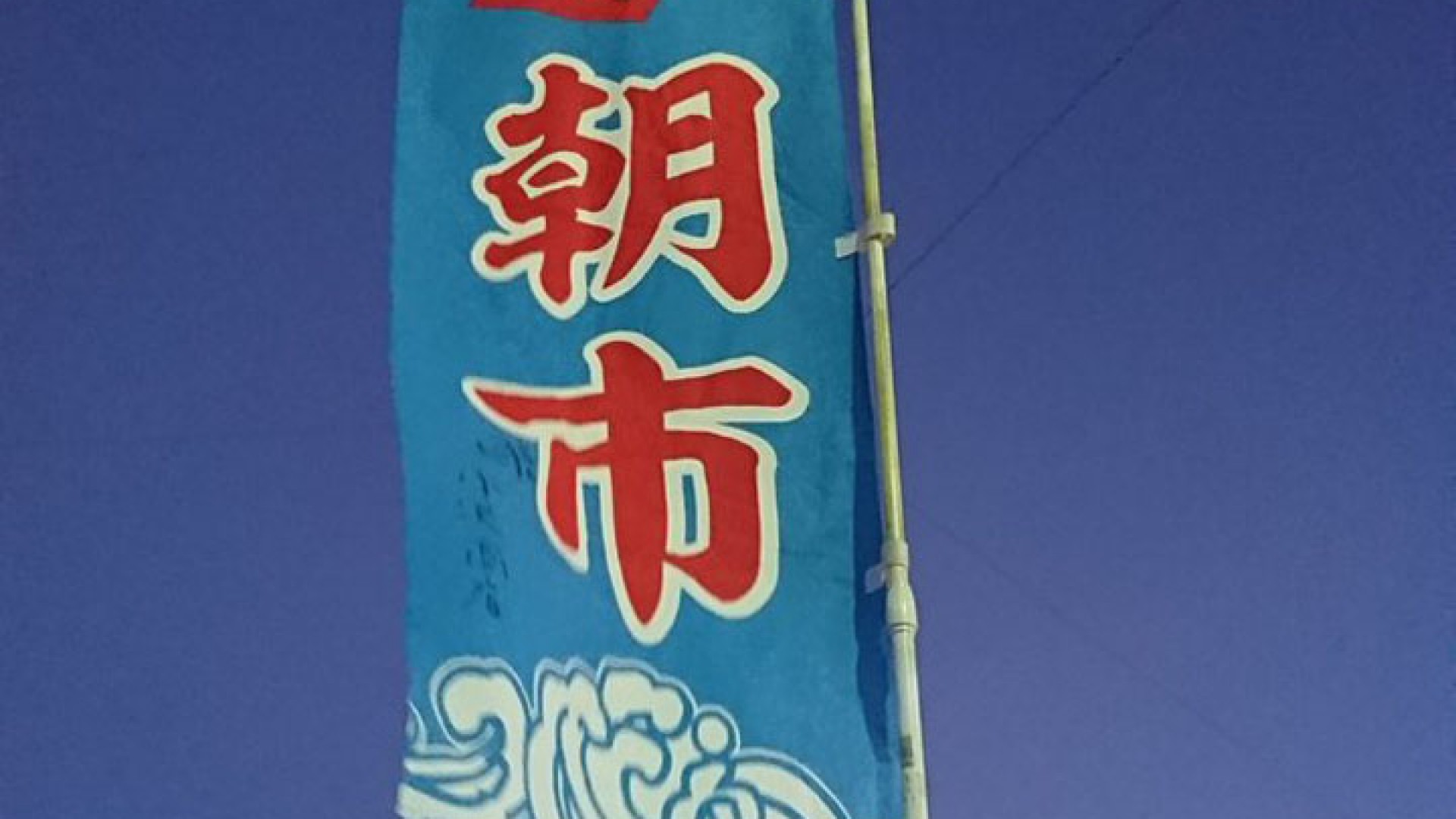
At the morning market held in the morning every Sunday, you can find a variety of vegetables and seafood that has been harvested at Miura Peninsula.
An Italian restaurant using a historical cultural property that is over 100 years old. In the spacious dining room overlooking Sagami Bay, we offer a locally produced and consumed menu featuring fresh vegetables from contract farmers, fresh fish from Sagami Bay, and Kanagawa Prefecture brand meat. Enjoy authentic Neapolitan pizza baked in a wood-fired oven.
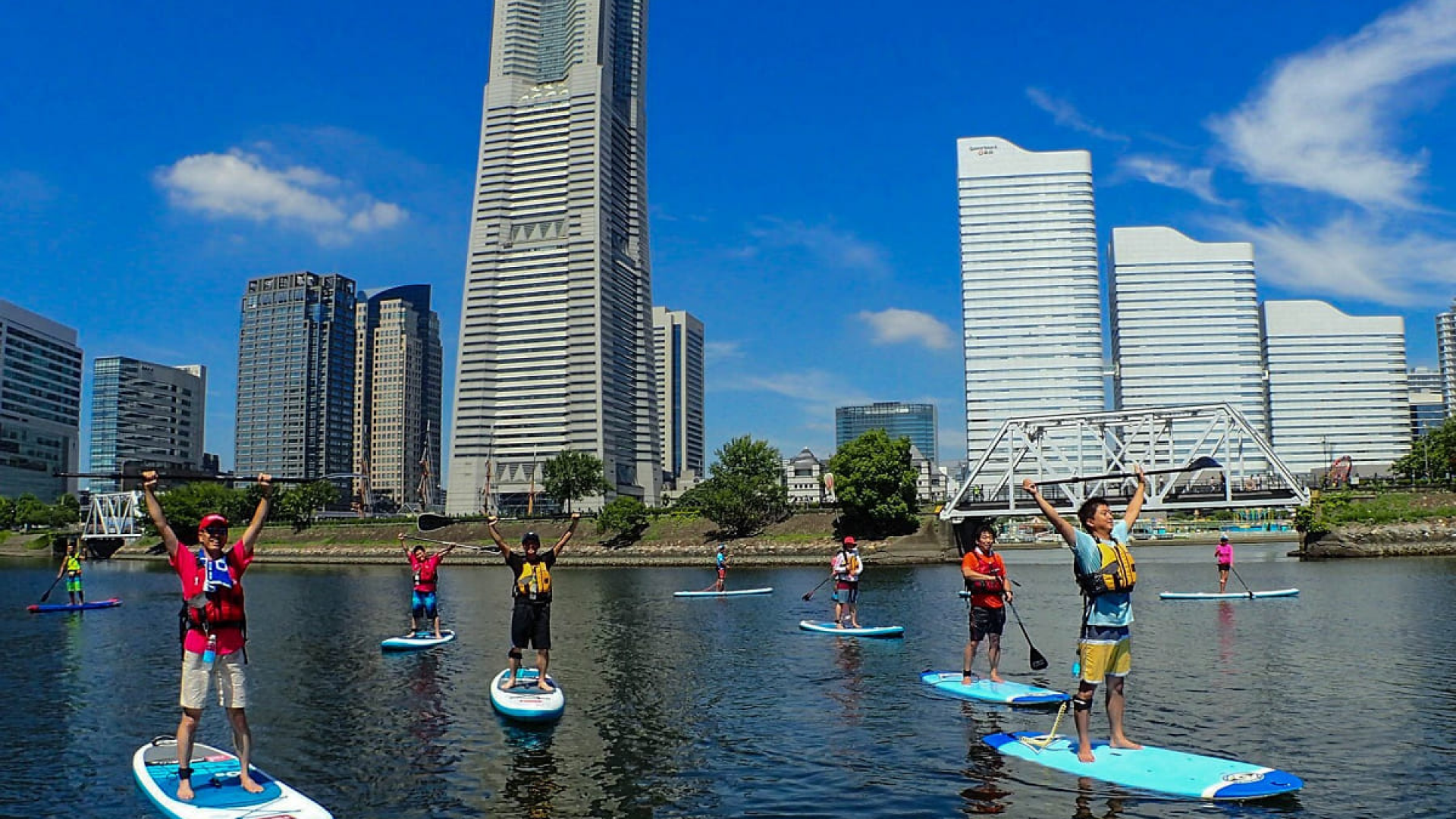
At YOKOHAMA SUP CLUB you can try SUP (stand-up paddleboarding) around the Yokohama/Hinodecho area. The instructors will carefully teach you how to stand up paddleboard, and you can try the activity where there are no waves so it is suitable for beginners. The club also holds a variety of events throughout the year, giving you multiple ways to enjoy paddleboarding.