Greater Tokyo

See & Do

reset
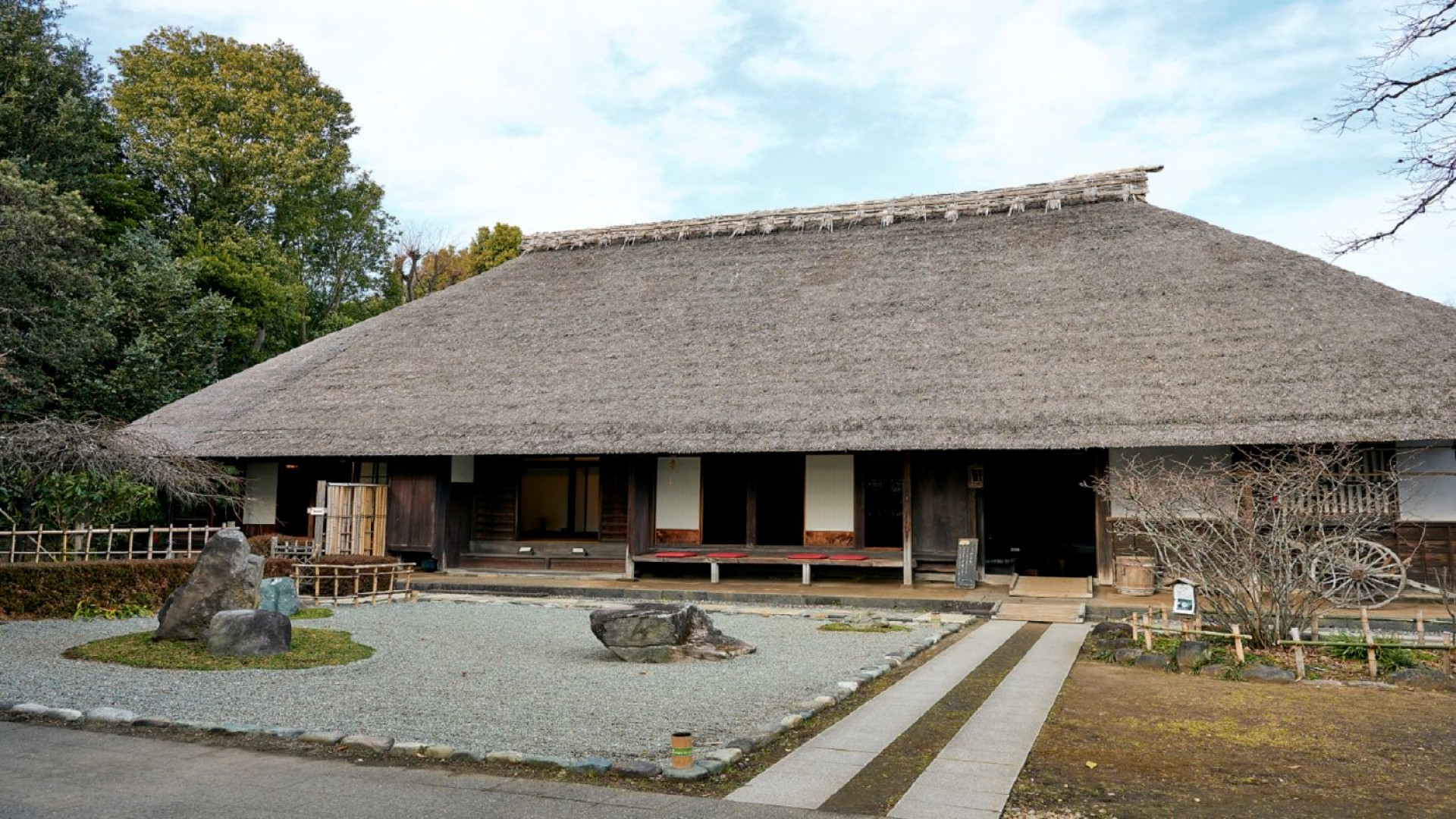
Ashigari-go Seto Residence

Ashigari-go Seto Residence

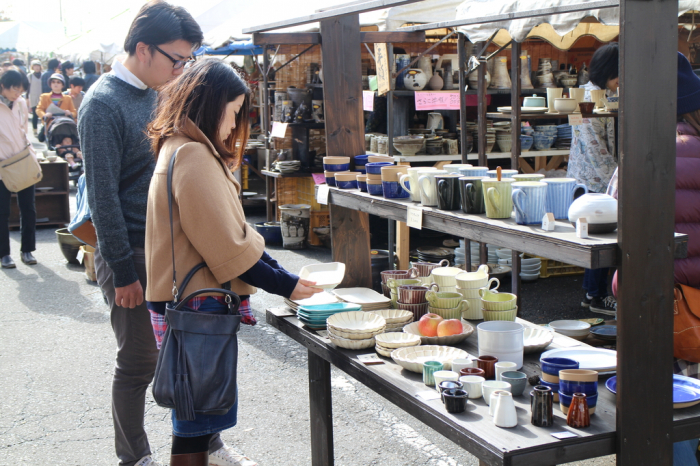
Located in Kanaijima, in the northern part of Kaisei Town, this old private house has a history spanning over 300 years. It was built by the Seto family, a family who served as the head of Kanaijima for generations during the Edo period. You can experience using a kamado (a traditional Japanese stove) and hearth here. We also have a fermentation-themed cafe, a shop selling local vegetables, and a shop selling ice cream made with local specialties.

Culture & Arts Tokaido Koshu kaido KANAGAWA
Togakuin Temple (Azalea Temple)

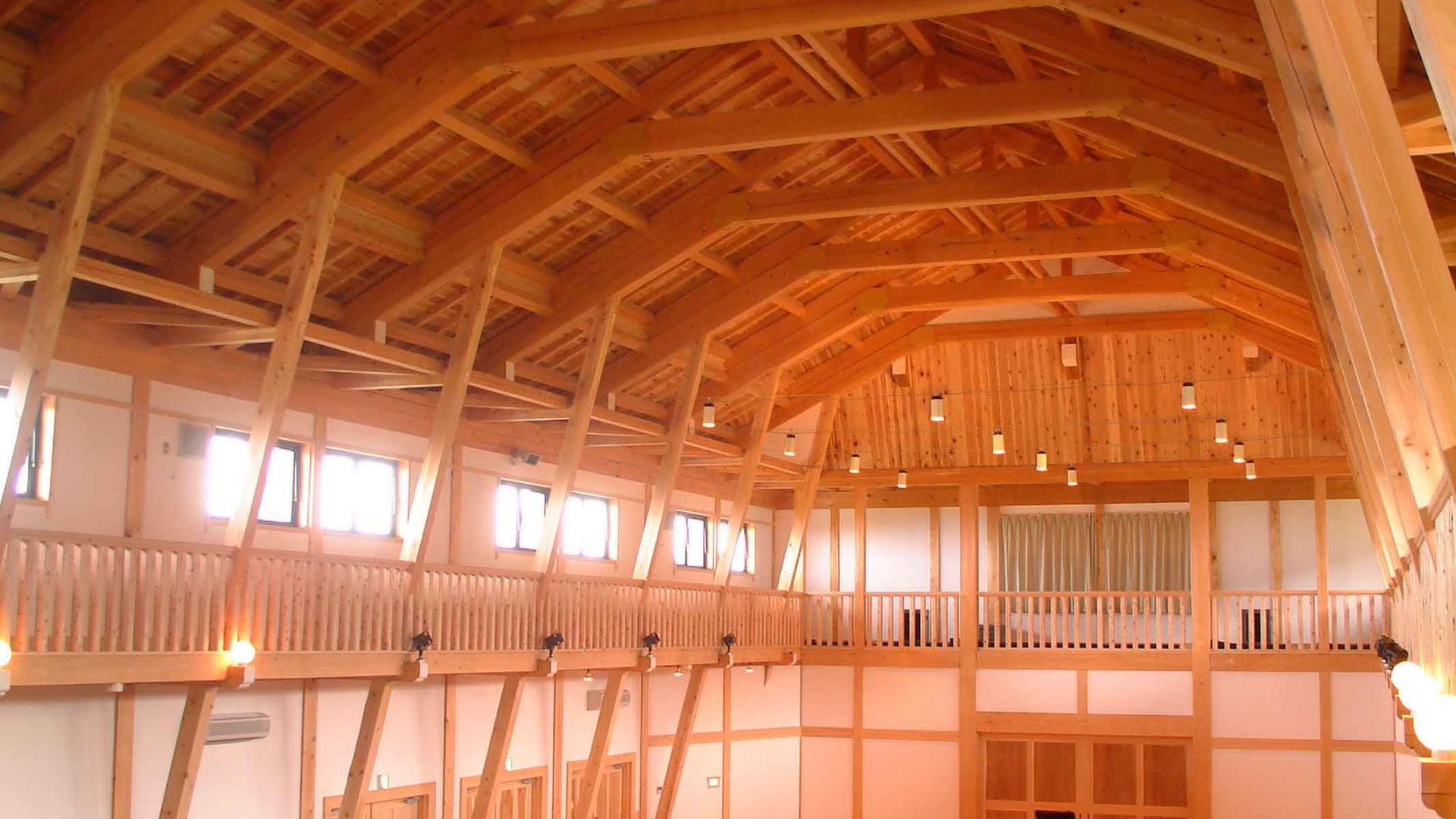
Togakuin Temple (Azalea Temple)

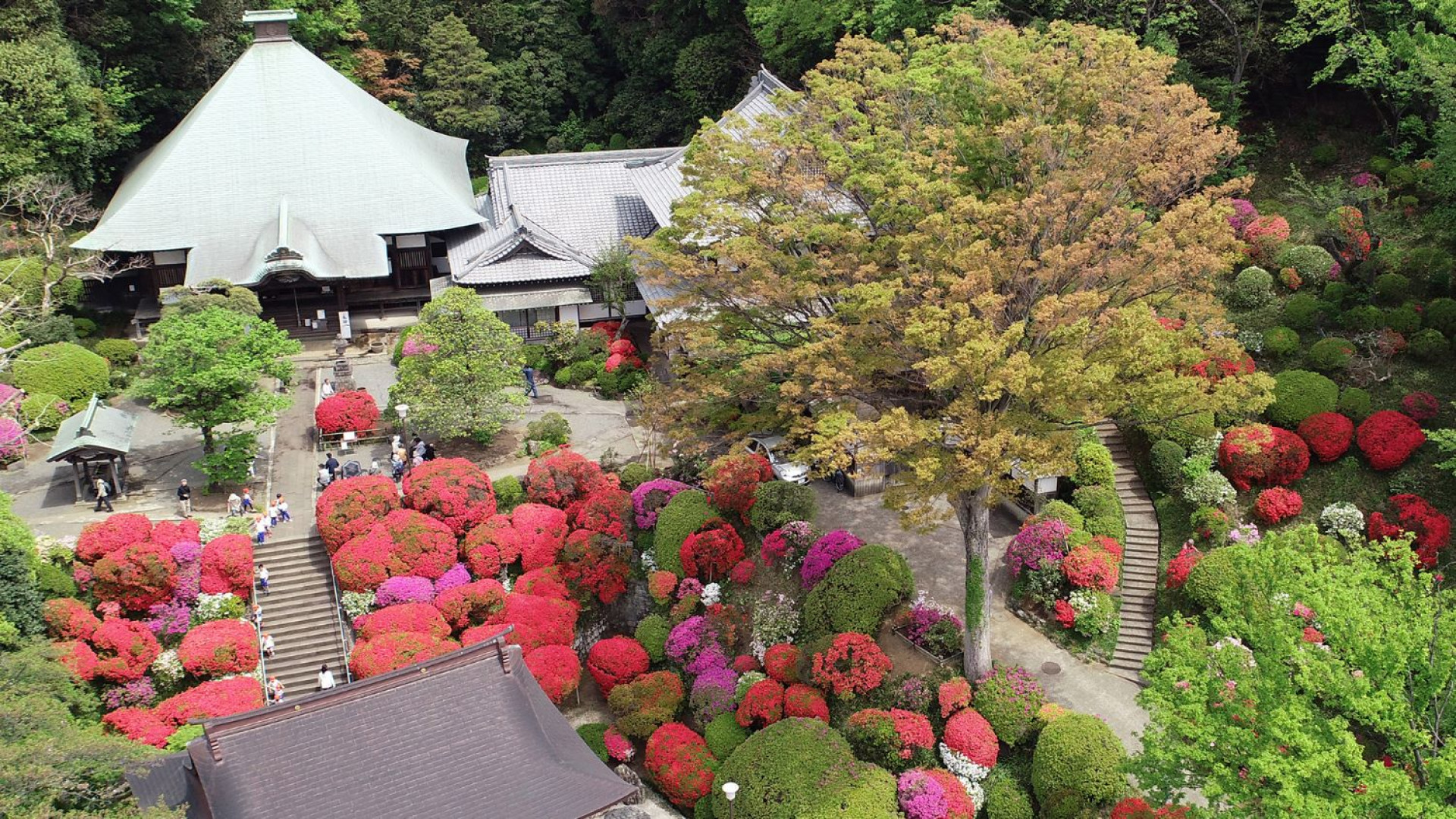
Shiboku-san Togakuin Temple is a temple of the Tendai sect of Buddhism, and there are few records of its history. Passing through the Niomon Gate, visitors will enter a manicured azalea garden and continue along the approach to the main hall, which was rebuilt during the Ansei Era. Various events such as Zen meditation sessions, sutra reading sessions, and numerous other workshops are held here. The events are also posted on YouTube and other social networking sites.

Temples & Shrines Tokaido Koshu kaido KANAGAWA
Shomyoji Temple

Shomyoji Temple

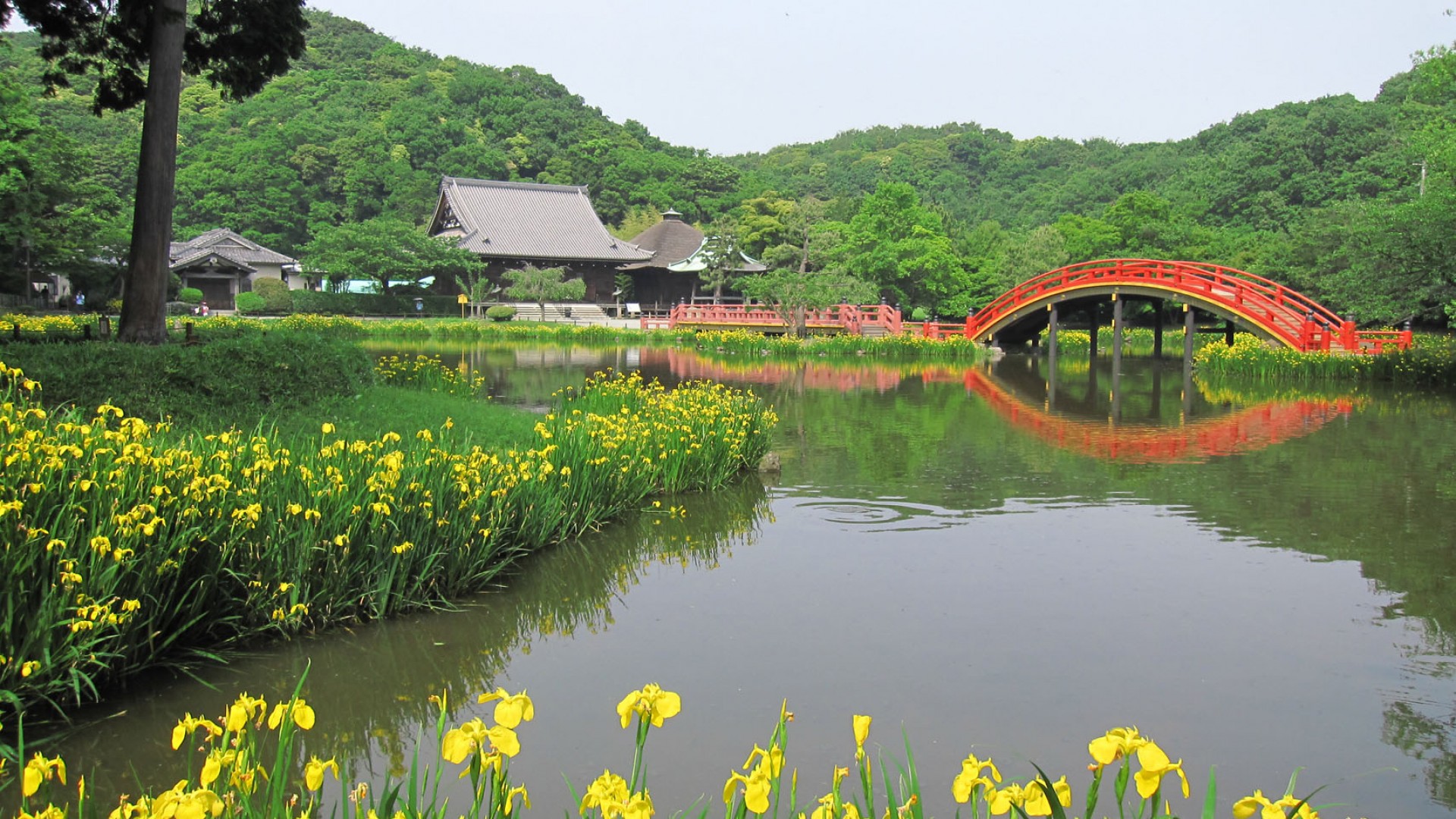
Thirty mins by car from the center of Kamakura City. Hojo Kanezawa’s family constructed in the Kamakura Period by Sanetoki Hojo. The Jodoshiki Teien Garden centred around the Ajiike Pond in front of the main building is a sight to behold. The garden, with its crimson arched and flat bridges, is beautiful.Visitors can enjoy seasonal scenery such as cherry blossom in spring, yellow irises at the beginning of summer and the changing colours of the leaves in autumn. In addition, there is the adjoining Kanagawa Prefectural Kanazawa-Bunko Museum which exhibits national treasures such as Shomyoji Temple sacred teachings and Kanazawa-Bunko documents.Noh theatre is performed at night by a fire each year at the beginning of May.

Temples & Shrines Tokaido Koshu kaido KANAGAWA
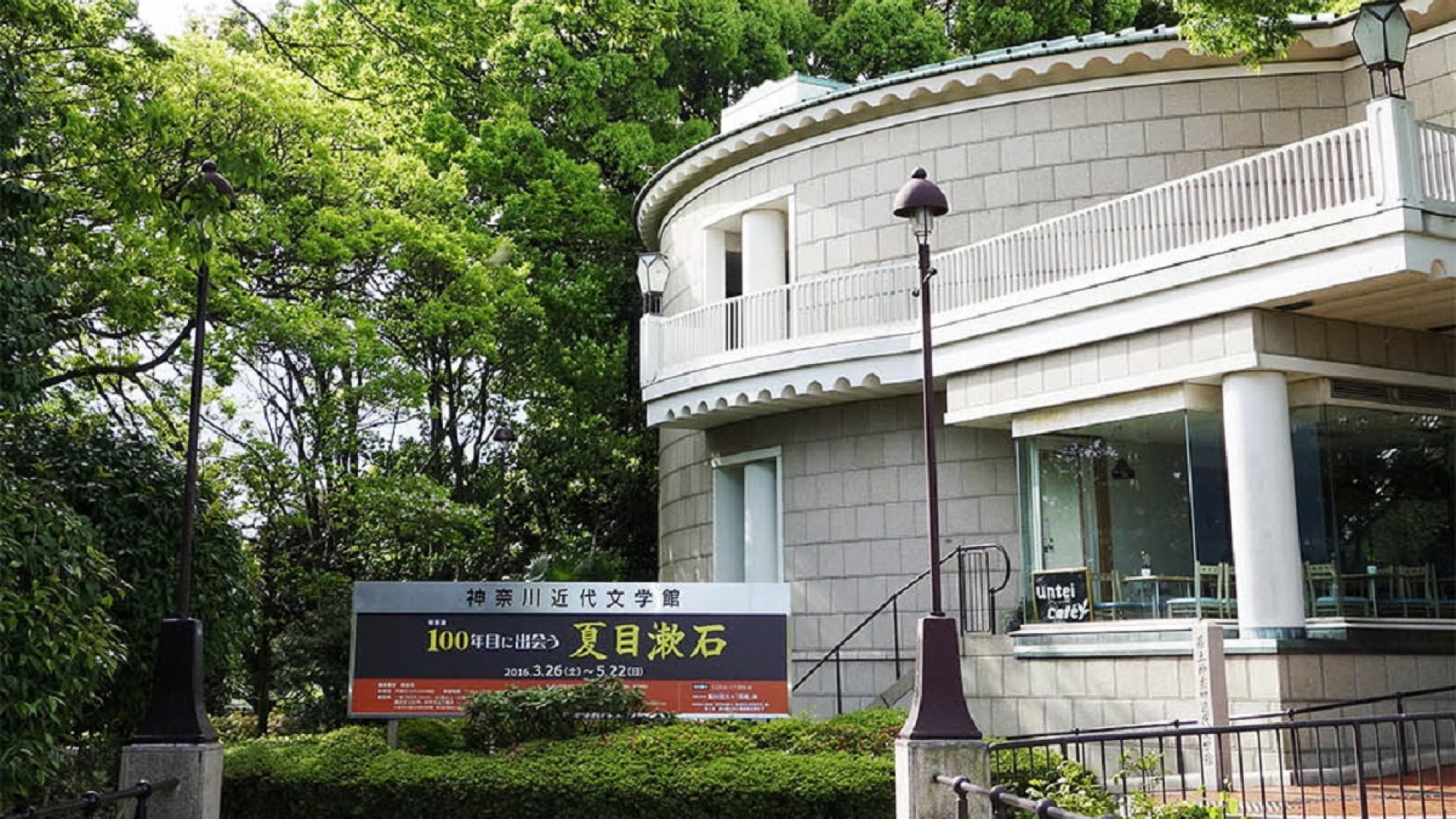
Kanagawa Museum of Modern Literature

Kanagawa Museum of Modern Literature

Please visit the facility's website for the latest information.This museum has information of Kanagawa related and/or born writers and literature. It is used both as a library of Japanese modern literature and event site. They have more than 1.2 million collections. Some of them are entitled famous writers' names, such as Yasushi Inoue library, Shohei Ooka library and Soseki Natsume special collection. They usually exhibit Kanagawa literature. The museum also displays personal exhibitions of Sosuke Natsume, Ryunosuke Akutagawa and other Kanagawa related writers.

Culture & Arts Tokaido Koshu kaido KANAGAWA
Nature Observation Facility Kuzuha House

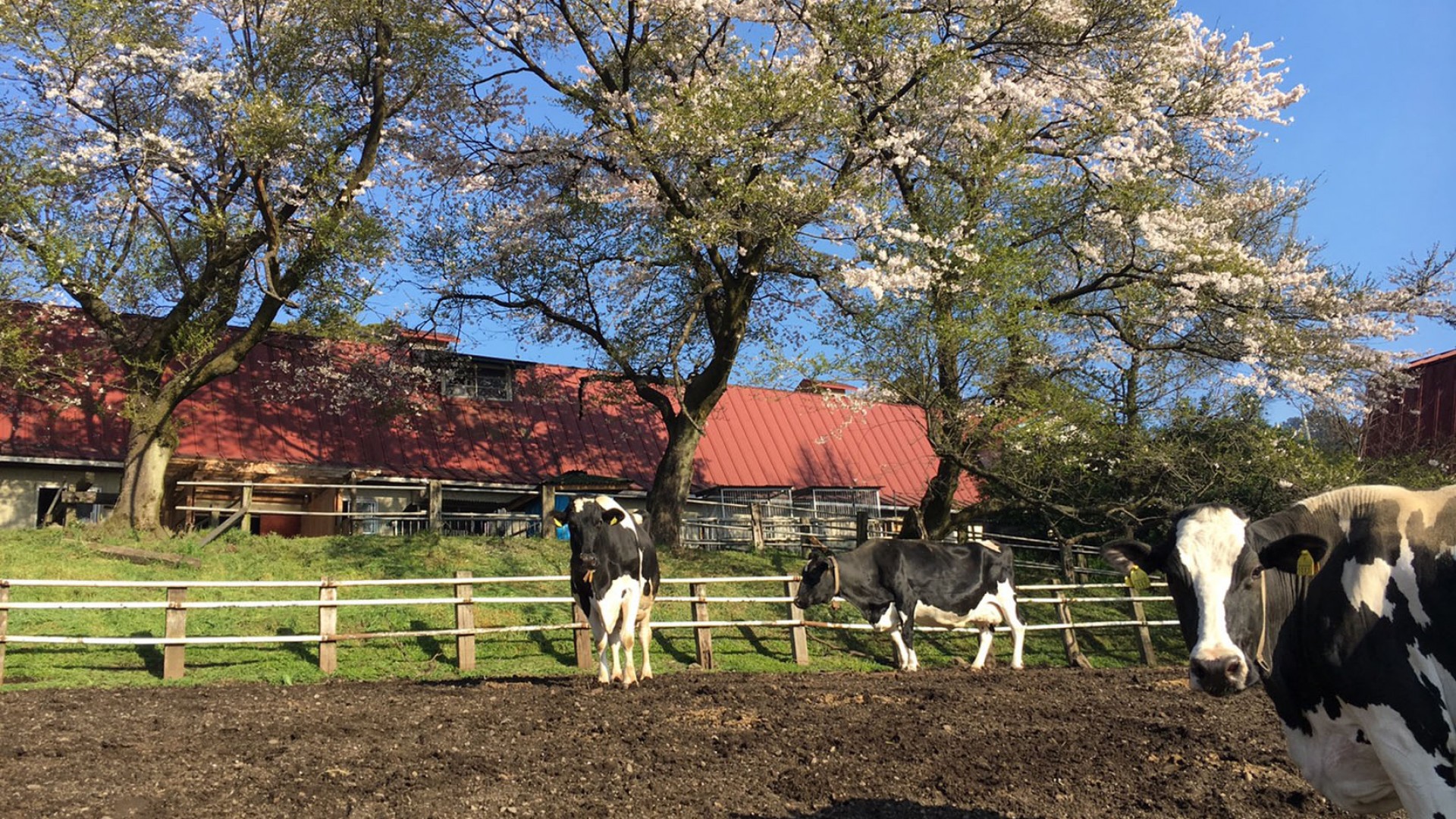
Nature Observation Facility Kuzuha House

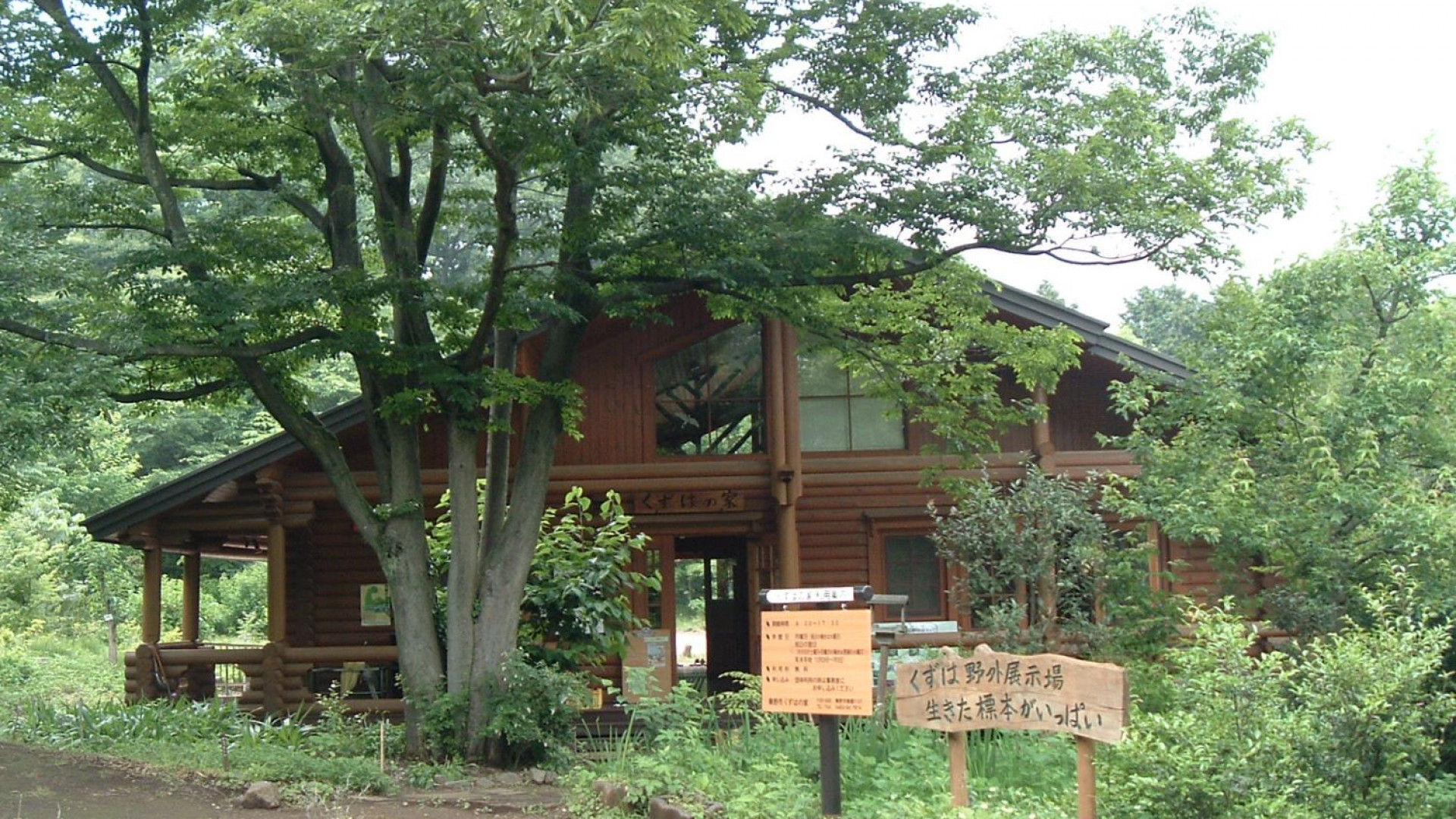
The Kuzuha Green Space, which consists of the Kuzuha River, which runs almost in the centre of the Hadano Basin, and a canyon surrounded by abundant greenery, was designated as" Kanagawa's National Trust No. 1 Green Space" in 1987. "Kuzuha no Ie", which is a base for nature observation, was opened in 1998, and visitors can get close to nature and also holds nature observation meetings, seasonal gatherings and nature observation instructor training courses, and various other activities to encourage nature protection. In addition, we are engaged in work to pass on the conservation of the space to future generations through appropriate management such as nature surveys, tree pruning, and mowing.

Nature & Views Tokaido Koshu kaido KANAGAWA
Muneyoshi

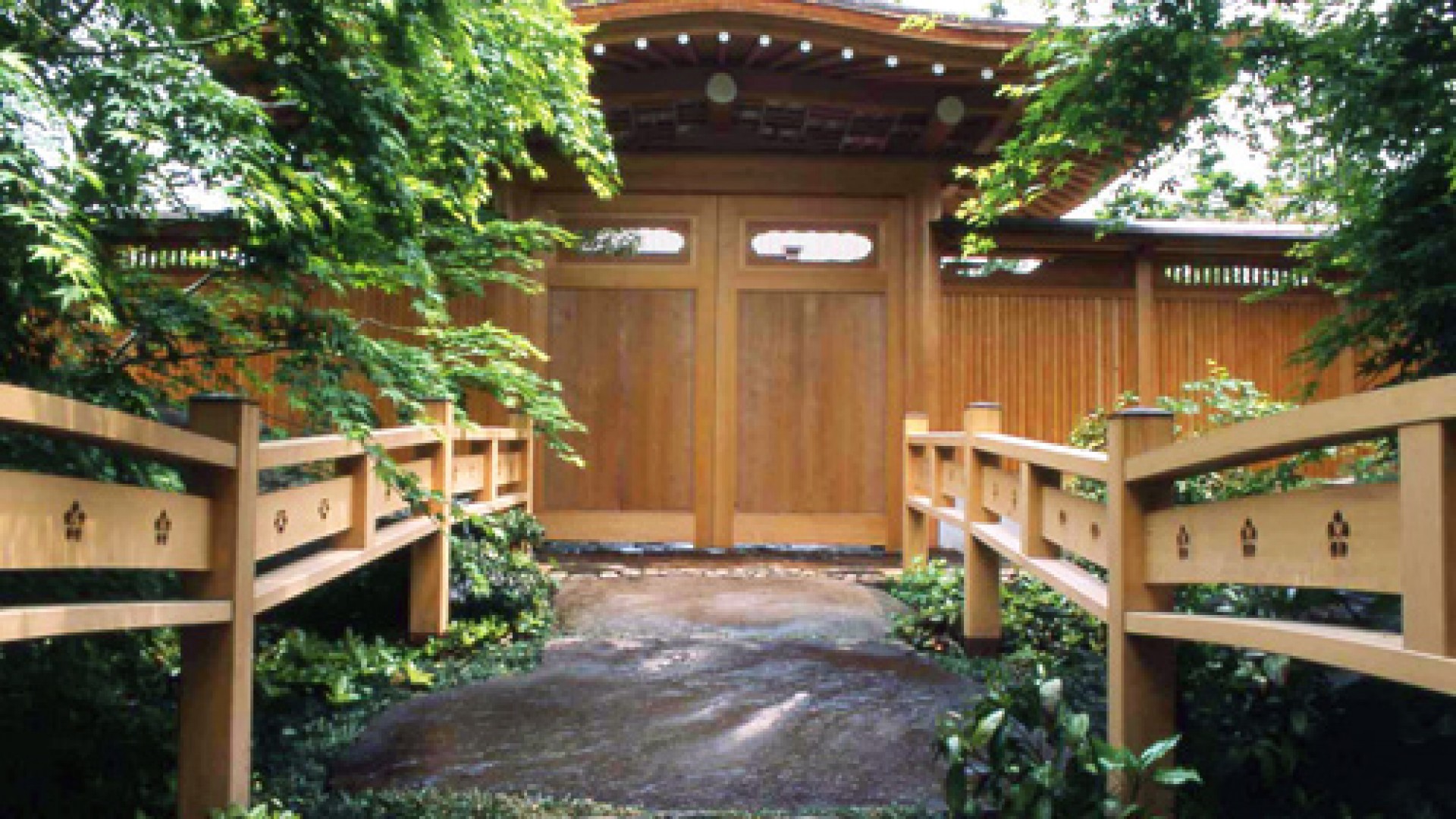
Muneyoshi

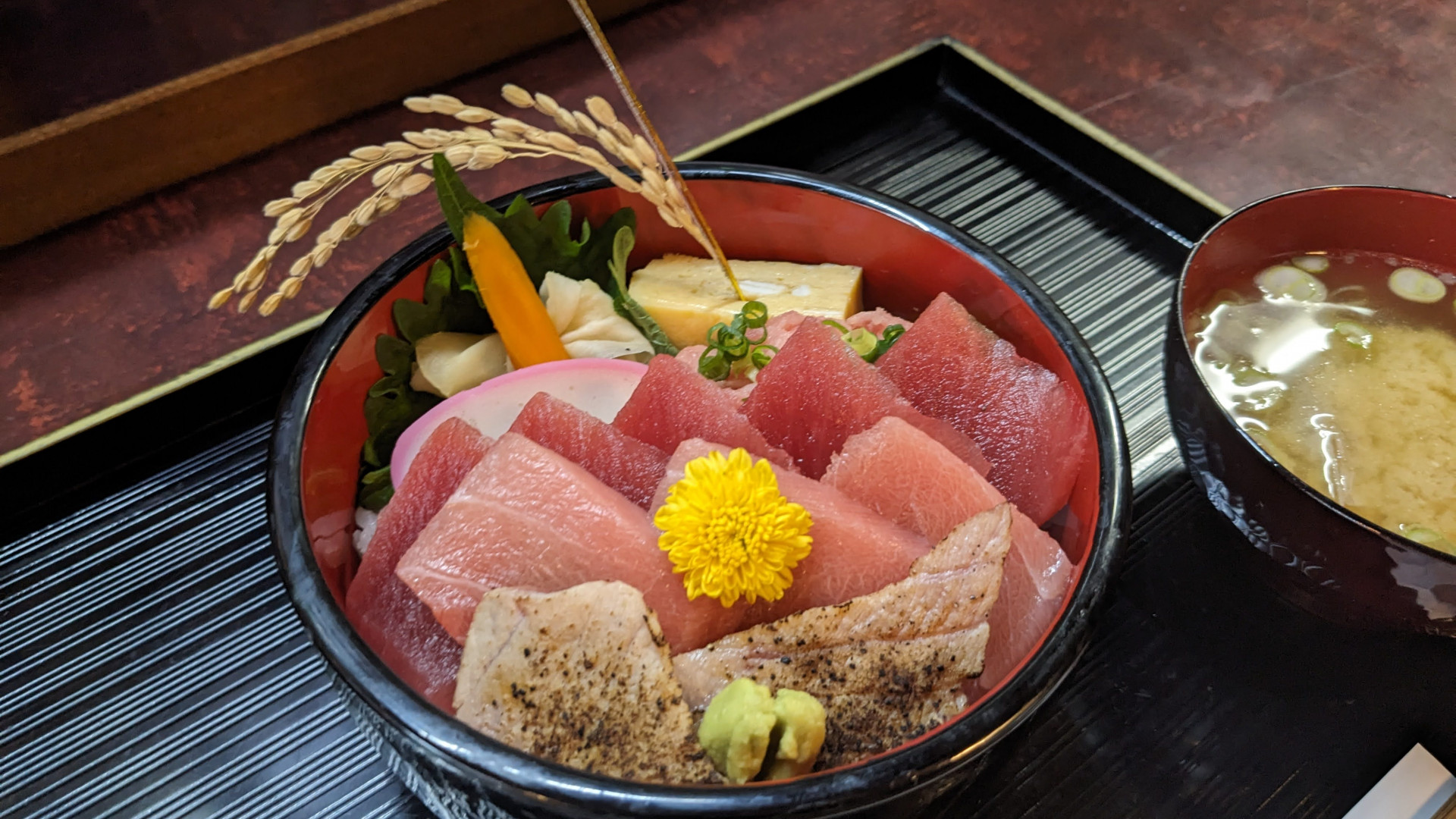
Located close to the tip of the Miura Peninsula, Muneyoshi is a restaurant that uses locally-sourced seafood, including luscious Misaki tuna, to craft its exquisite menu. Enjoy unparalleled freshness and choose your pick of sushi, sashimi, tempura, or a tuna course meal with an appetizer, tuna sashimi, a grilled fish burger, hot pot, and a seasonal dish. The relatively small establishment has 26 seats—six counter seats and two tatami rooms with eight seats each. Thanks to its local charm and delectable flavors, Muneyoshi is an authentic spot to savor Kanagawa’s fresh seafood.  If you have a Misaki Maguro Day Trip Ticket, you can exchange the pass for a course meal that includes a tuna rice bowl, simmered local seafood, tuna ice cream, and more!  

Eat & Drink Tokaido Koshu kaido KANAGAWA
Tea Room Minami Yonban Classic (British embassy villa memorial park)

Tea Room Minami Yonban Classic (British embassy villa memorial park)

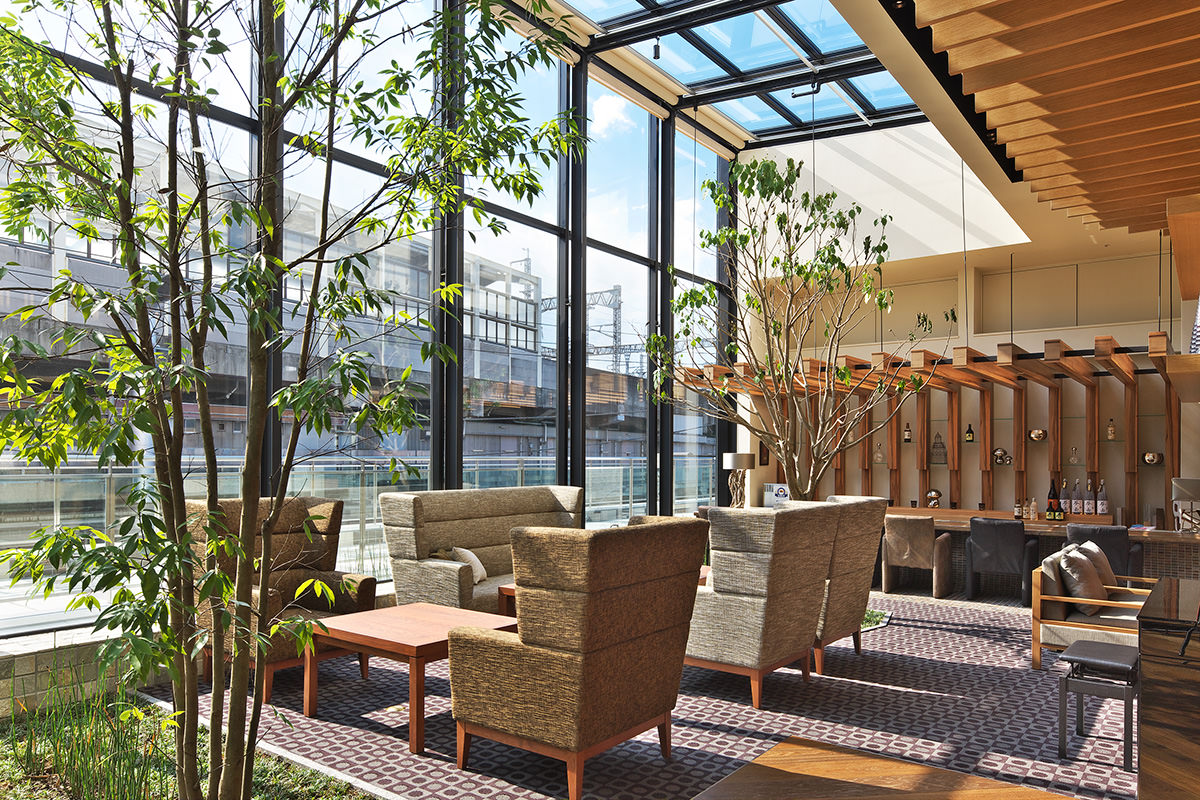
"South No. 4 Classic" café is located on the second floor of the former British Embassy Villa in the British Embassy Villa Memorial Park. From its spacious veranda, you can enjoy a panoramic view of Lake Chuzenji while savoring scones and tea sets supervised by the British Embassy Tokyo's chef. Limited-time and quantity events are held monthly.   〈Menu〉 British Cultural Experience Mini Afternoon Tea A set featuring British Embassy Tokyo's original scones, sandwiches, and tea. Plain and nut (walnut and almond) scones are served with generous portions of locally crafted jam from Tochigi Prefecture and clotted cream. Enjoy this one-plate set of sandwiches and seasonal fruits with premium British tea.   〈About the British Embassy Villa Memorial Park〉 Originally built in 1896 as the private villa of British diplomat Ernest Satow (1843-1929), this facility has been restored after serving as the British Embassy villa for many years. The facility features exhibits about its history as an international summer resort and British culture of the time. From the second-floor veranda,visitors can enjoy the "picture-perfect scenery" of Lake Chuzenji that Satow loved.

Nikko kaido Oshu kaido TOCHIGI
Italian Embassy Villa Memorial Park

Italian Embassy Villa Memorial Park

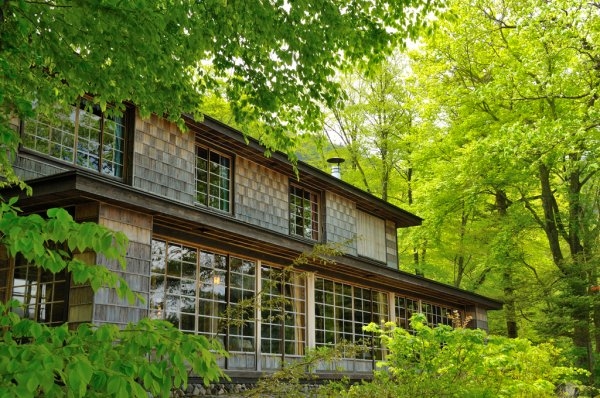
From the mid Meiji to the early Showa periods, the area around Lake Chuzenji was home to foreign embassies and villas and flourished as summer resorts. The villa was built as a summer house for the Italian ambassador in 1928 and used by successive ambassadors until 1997. Along with the main building reconstructed with the original floor, fittings and furniture, the cottage is now open to the public as a history museum of the local international summer resorts. In addition to the buildings, the park pleases the eye with a lovely view of Lake Chuzenji.   The villa was designed by Czech architect Antonin Raymond (1888-1976). Raymond moved to the United States when he was 22 years old where he took up architecture. His first visit to Japan was during the New Year’s period in 1919-20 to work on the project of the Imperial Hotel with his mentor Frank Lloyd Wright. Raymond was advised by local craftsmen on traditional architectural materials. He made a good use of the local Nikko cedar on the walls and his chequered design creates a beautifully modern exterior to the two-storey wooden villa. The whole ceiling of the ground floor was made with cedar bark by wickerwork, a popular technique in the traditional Japanese Sukiya style of architecture. The space of the living room and study is skilfully divided by wickerwork patterns.

Nikko kaido Oshu kaido TOCHIGI