Greater Tokyo

See & Do

reset
Yokohama Hoshi-no-naru-ki

Yokohama Hoshi-no-naru-ki

[Tradition × Innovation] Japanese cuisine originating in Yokohama. Enjoy the perfect Japanese cuisine of the best local Yokohama ingredients in the luxurious private space with a spectacular view and service. The blessings of nature and product of human endeavor are plentiful here. This space of refined aesthetic is decorated around the theme of [Rinpa / Sakura]. Enjoy the magnificent view of the contrasting ocean and city lights of the port city of Yokohama from 100 m above ground on the 28th floor of the Sky Building.

Eat & Drink Tokaido Koshu kaido KANAGAWA
Lake Ashi

Lake Ashi

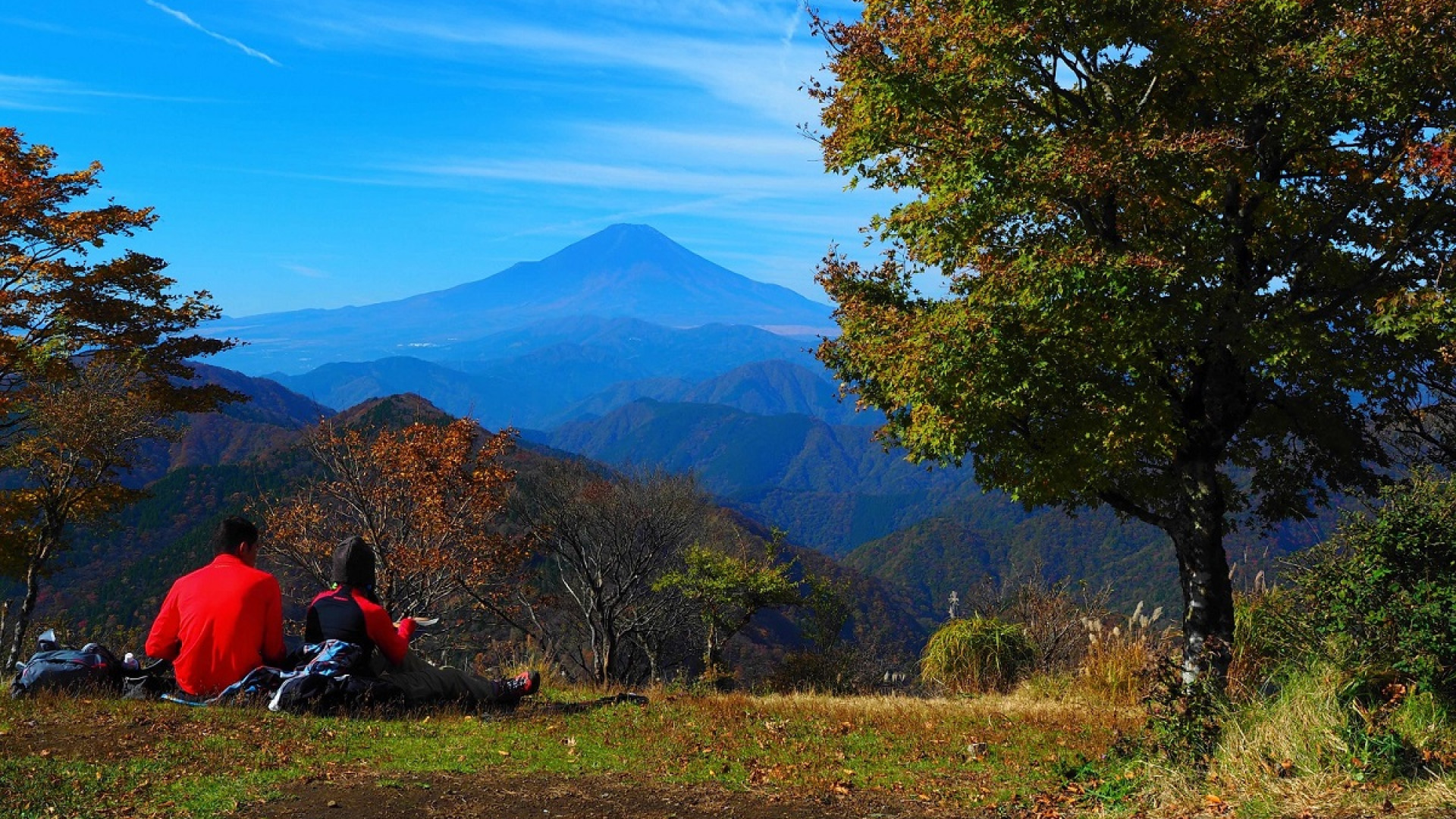
Lake Ashi, also known as Ashinoko, was created by a steam explosion of Mount Kamiyama about 3000 years ago. This caused a river to be dammed, which formed the lake. The majority of the lake’s water comes from a spring at the bottom of the lake. The area is often bustling with hikers along the shore, picnickers, and people fishing.The Hakone Sightseeing Cruise Pirate Ship is one of Ashinoko's most famous experiences. Pirate ships come in three different designs, but all cruises offer the same, smooth journeys across Ashinoko, promising a beautiful view of Mt. Fuji on clear days.Togendai Port is one of the three ports where the Hakone Sightseeing Cruise docks. It is also directly connected to the Hakone Ropeway.The Hakone Ropeway connects visitors from Togendai Port to the Owakudani observation platform, Hakone's most famous tourist spot. While the view of Mt. Fuji from the observatory is stunning on its own, the view from taking the ropeway alone will take your breath away.A 15-minute walk from Togendai pier, this small observation square is a lesser-known observatory that also provides beautiful views of Mt. Fuji and Ashinoko. If you feel like skipping Owakudani and taking a shortcut, this observatory is for you.Enjoy a magnificent view of Mt. Fuji, Lake Ashi, and the red torii gate, in the morning or evening at Motohakone Port. Depending on your luck, you can see the reflection of Mt. Fuji on the clear lake surface in the early morning if weather conditions permit.

Nature & Views Tokaido Koshu kaido KANAGAWA
Shunsai Seasonal Veggie Farm

Shunsai Seasonal Veggie Farm

This plantation, where you can harvest produce by hand, was opened to the public out of a desire to let others experience both joy of farming firsthand and the deliciousness of fresh vegetables. Fruits and vegetables grown with utmost care fill the plantation from end to end. By harvesting them yourself, you will experience a truly meaningful flavor when you eat them. The plantation also has a store where they sell produce.

Experience & Activities Tokaido Koshu kaido KANAGAWA
Migawari Fudoson Kawasaki Honzan

Migawari Fudoson Kawasaki Honzan

During the outbreak of an epidemic in Ebara-gun, Musashi Province, in the Genroku era (1688-1704), Yuten Shonin (a holy priest), who was on pilgrimage, taught the local people to revere Acala, a fierce Buddhist deity. Once they began to worship Acala the plague disappeared. Migawari Fudoson Temple began when one of its halls was built to enshrine Acala in order to give thanks for such a miracle. Nowadays, worshippers visit all year round in order to pray for traffic safety and to ward off evil. Visitors can also pray at the temple for family safety, business prosperity, academic success, and general good luck. The main temple is in Kawasaki City in Kanagawa Prefecture, with branches in Atami City, Shizuoka Prefecture, Yokohama City, Kanagawa Prefecture, and Suginami City, Tokyo.

Temples & Shrines Tokaido Koshu kaido KANAGAWA
Yama-no-hotel

Yama-no-hotel

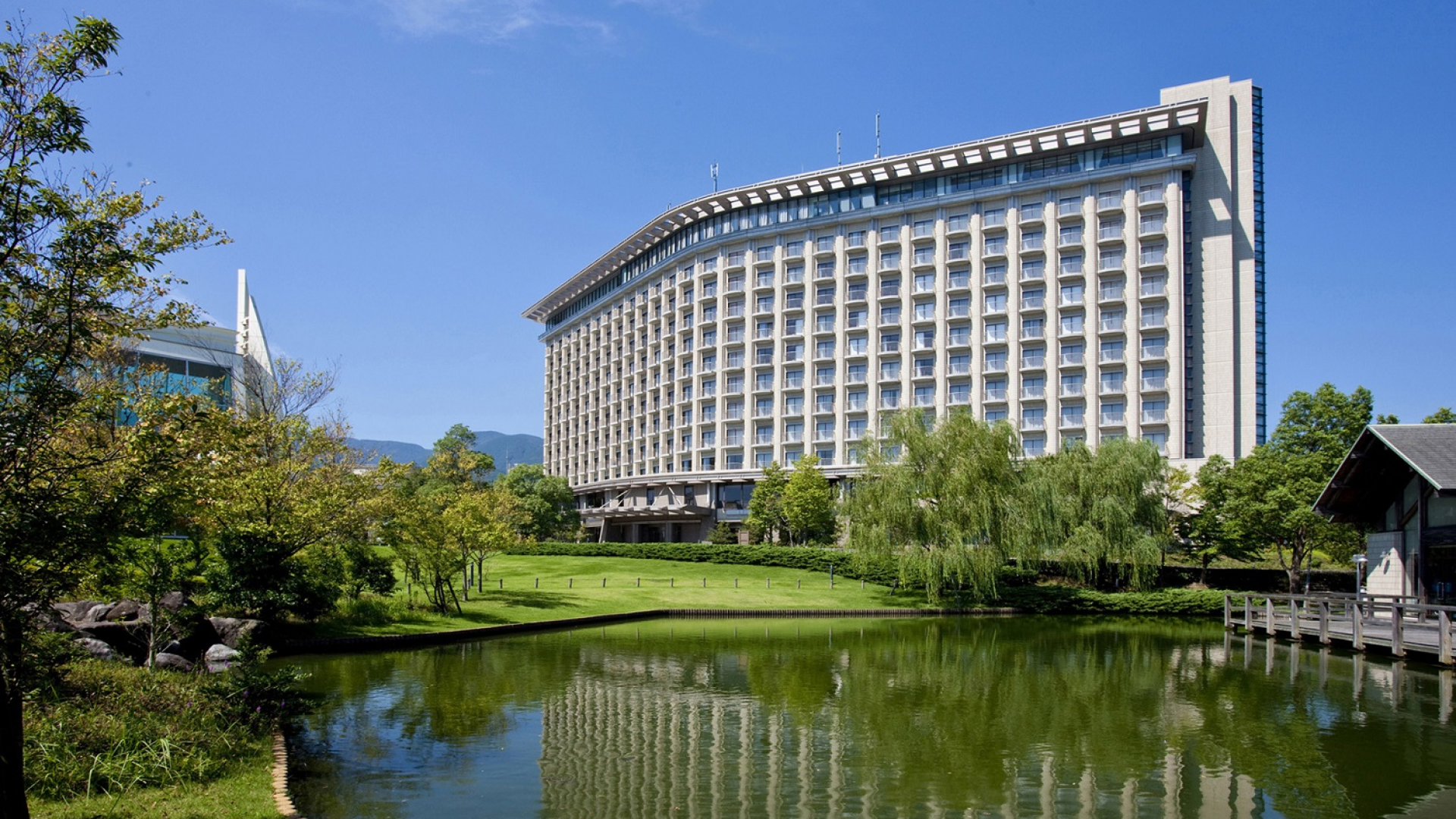
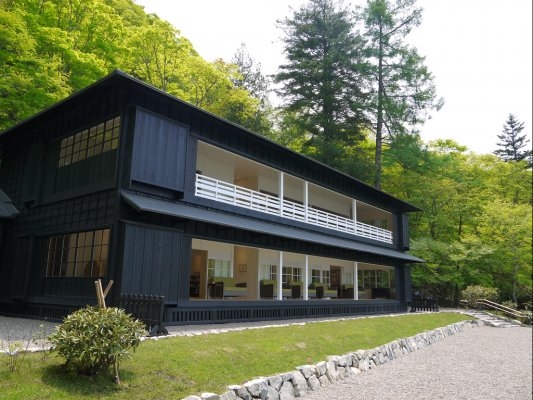
The Odakyu Hotel de Yama, located on the shores of Lake Ashi in Hakone, is an authentic resort hotel in an unbeatable location, with Lake Ashi sparkling before your eyes and a magnificent view of Mount Fuji opposite the garden. Built on the site of the former villa of Baron Koyata Iwasaki, the hotel still retains strong traces of its former days and exudes a romantically classic atmosphere. The large garden boasts a vast area that was inherited from the former Iwasaki Residence, designed to make the most of the natural characteristics of the hillside so that the flowers and trees of the four seasons grow in harmony with the majestic form of Mt. Fuji, as well as the deep blue waters of Lake Ashi. Colorful azaleas and rhododendrons begin to bloom in May in the vast garden, creating a spectacular view against Mt. Fuji and Lake Ashi in the background. In 2022, the garden's azaleas were recognized as "National Collection No. 10" by the Japan Association of Botanical Gardens, and in 2023, the rhododendrons were recognized as "National Collection No. 15". 230 hydrangeas of 25 varieties bloom from mid to late June. The Rose Garden is at its best twice a year, in June and October, which fills the garden with a sweet fragrance of rose. We hope you enjoy this garden filled with flowers from season to season to your fullest desire!

Onsen & Stay Tokaido Koshu kaido KANAGAWA
Enoshima Escalator

Enoshima Escalator

Enoshima Escar are a set of three outdoor escalators, the first in Japan! While climbing Escar 1, you can experience the ocean-themed "Enoshima LUMINOUS WAY" projection videos (Escar escalators are only available for ascending. Please use the stairs when descending). The Escar escalators provide convenient access to the summit without having to make the trek up the long stairs, making it extremely convenient for sightseeing on Enoshima.

Experience & Activities Tokaido Koshu kaido KANAGAWA
Hakone-jinja Shrine

Hakone-jinja Shrine

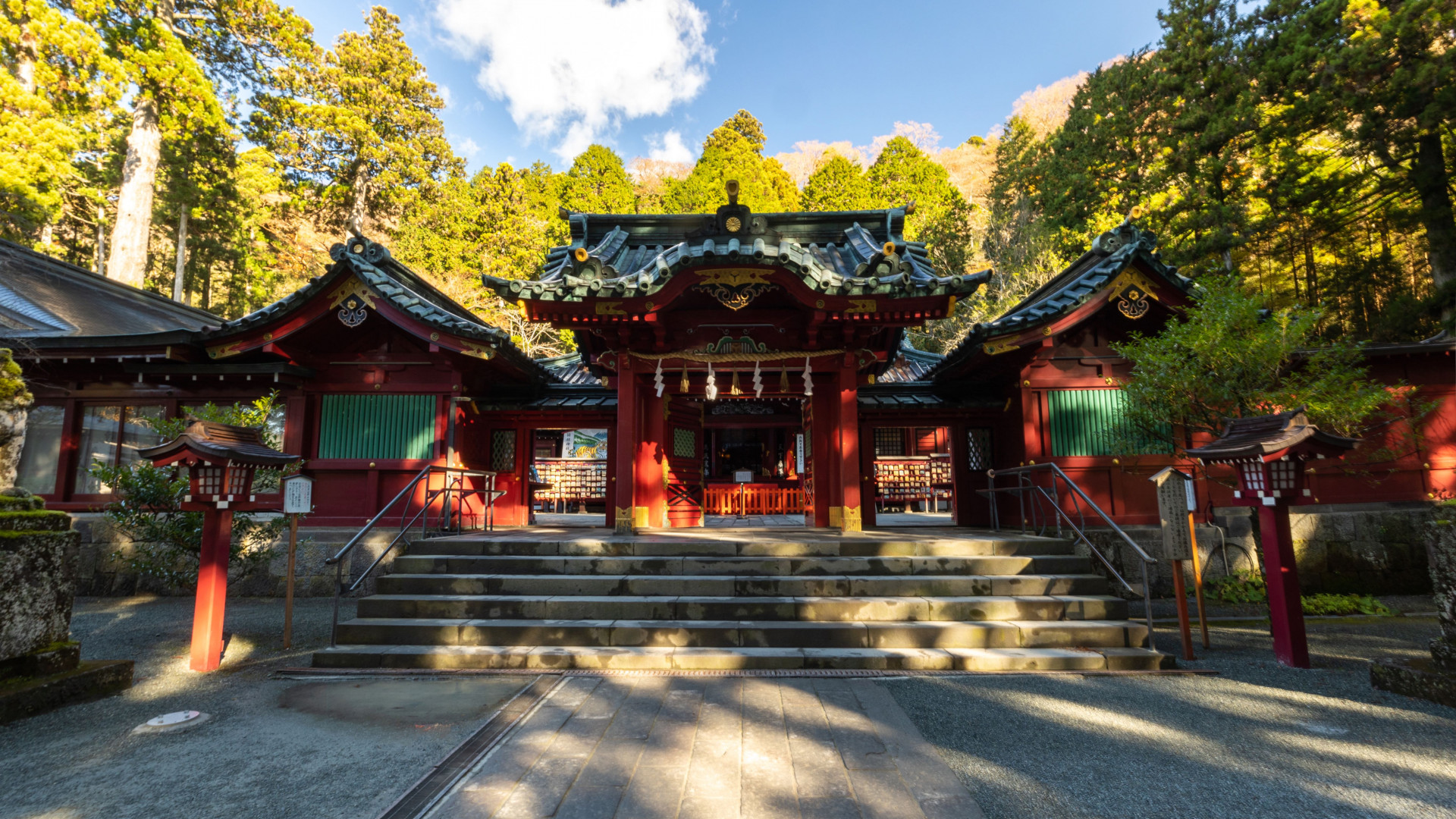
Hakone Shrine is an ancient shrine celebrating its 1266th anniversary. Founded in 757, the first year of the Tenpyo-Hoji Era, at the beginning of the Nara Period (710-794), when Mamaki Shonin, who was in ascetic training on Mount Hakone, was entrusted by the Great God of Hakone to the shrine at its current location by Lake Ashi. During the Kamakura period, Minamoto no Yoritomo deeply worshipped Hakone Shrine, giving birth to the custom of nishomode (pilgrimage to two shrines). Since then, the shrine has flourished as a place of reverence for warriors such as the regent Hojo and the warlord Tokugawa Ieyasu, as well as a sacred place for Shugen (Japanese mountain asceticism). In modern times, with the construction of the Hakone Road, Hakone became a sacred place of worship for the common people, and belief in Mount Hakone as a deity highly virtuous for protecting against bad luck, fulfilling one's desire, and ensuring traffic safety became even more popular. The approach from the Heiwa-no-torii (peaceful gateway) by Lake Ashinoko to the main shrine is flanked by rows of cedar trees more than 600 years old, giving the shrine a majestic appearance, behind the vermilion-lacquered Gongen-zukuri main shrine building is a pure forest of himeshara, a natural treasure of Kanagawa Prefecture, and the Gongen Mitarashi pond and Lake Ashi below reflect the vermilion Peace Gate and the sacred Mount Fuji, surrounding the shrine with beautiful nature. Many visitors from around the world come to pay their respects at the Kuzuryu Shrine (Shingu and Hongu), which is a shrine revered not only for its good fortune and prosperity, but also for its protection of money, prosperity in business, and match-making, particularly during the Tsukinamisai held at the main shrine on the 13th of each month. [Divine virtues] Good luck repelling of bad luck, fulfillment of one’s desires (protection against bad luck), traffic safety, match-making, family safety, and business prosperity On July 31st, the shrine organizes the Ashinoko Kosui Matsuri Festival to celebrate a legendary dragon. Monks sail the lake on pirate ships offering red rice to the depths below. Floating lanterns illuminate the lake waters while fireworks light the skies above.Lake Ashinoko Summer Festival Week: Hakone Summer Festival offers a variety of events such as the biggest annual festival of Hakone Shrine with Shinto celebrations and rituals, fireworks, and more. Many fireworks will be launched at a total of six fireworks festivals, adding color to the summer Hakone sky.


Temples & Shrines Tokaido Koshu kaido KANAGAWA
Oiso no Sagicho

Oiso no Sagicho

This is a fire festival held during Little New Year (around January 14) that has continued since the Edo period. In summer, nine sites are set up on the beach, which is crowded with bathers, and fire is lit to pray for good health and family safety. The festival is designated as an Intangible Folk Cultural Property of Japan and attracts many people every year. It is said that if you eat dumplings cooked over the fire you will not catch a cold, and if you write your name on a piece of paper that you burned and it flies up high it will make your arms grow longer, and if you take a pine cinder and put it on your roof it will be a charm to ward off fire.

Culture & Arts Tokaido Koshu kaido KANAGAWA
Hase-dera Temple

Hase-dera Temple

Hasedera Temple is a famous historical temple that enshrines the statue of Hase Kannon as its principal deity. The main temple building houses the Kannon Museum, a garden, and offers visitors a chance to become familiar with the scenic beauty of Kamakura. The solemn "Kannon-do" and the temple grounds surrounded by beautiful trees and ponds, and lanterns distributed to visitors, encase the area in a beautiful lights that offers a sense of connection. A private tour of the temple grounds is also held by the priests of Hasedera Temple. In addition to the guided tours of the Keidai required sites, visitors will be show through the museum and also have the opportunity to visit Kannon in the main hall up close and personal.Originally established in 736 when the Kannon stature was said to have washed ashore, the most recent construction dates back to 1985.Enjoy a panoramic view overlooking Kamakura's coastal city while taking a leisurely break.Opened in 1980, the Kannon Musem exhibits the Kannon Bodhisattva, the principal mage of Hasedera Temple, as well as many other ancient artefacts.According to legend, the nine-meter wooden statue of the Kannon (goddess of mercy) you can see here was carved in 721 CE in Nara, then cast into the sea, washing up in 736. In June and July, colourful hydrangeas bloom around the temple.The precincts with the majestic Kannon-do hall and lovely trees and ponds are enveloped in a light that “connects,” like the lanterns given to those who visit.

Temples & Shrines Tokaido Koshu kaido KANAGAWA
Nagashima Nouen

Nagashima Nouen

We have been farming in Yokohama for over 500 years.After cultivating rice and vegetables, raising pigs and chickens, and growing flowers, we began producing “Ohisama Shiitake” in 2012 and “Ohisama Kikurage” in 2014. In addition to prioritizing safety and quality, we aim to share the deliciousness of food, as well as the enjoyment and importance of agriculture. To this end, we offer experiences such as mushroom picking, BBQ, and at-home shiitake growing kits.We are also committed to environmentally friendly, sustainable farming. Electricity generated by solar panels and other renewable energy sources is used in our mushroom cultivation. Spent mushroom beds are not discarded but returned to the fields as compost, creating a sustainable cycle for growing delicious vegetables.At the farm, you can also try experiences such as using a hand-pumped well and entering an air-raid shelter. At our farm stand, in addition to fresh shiitake and kikurage mushrooms, we offer a variety of processed products, including tsukudani, caramel popcorn, and potato chips made with dried shiitake powder, and pasta kits packaged in collaboration with welfare facilities.

Experience & Activities Tokaido Koshu kaido KANAGAWA