Greater Tokyo

See & Do

reset
En’no-ji Temple

En’no-ji Temple

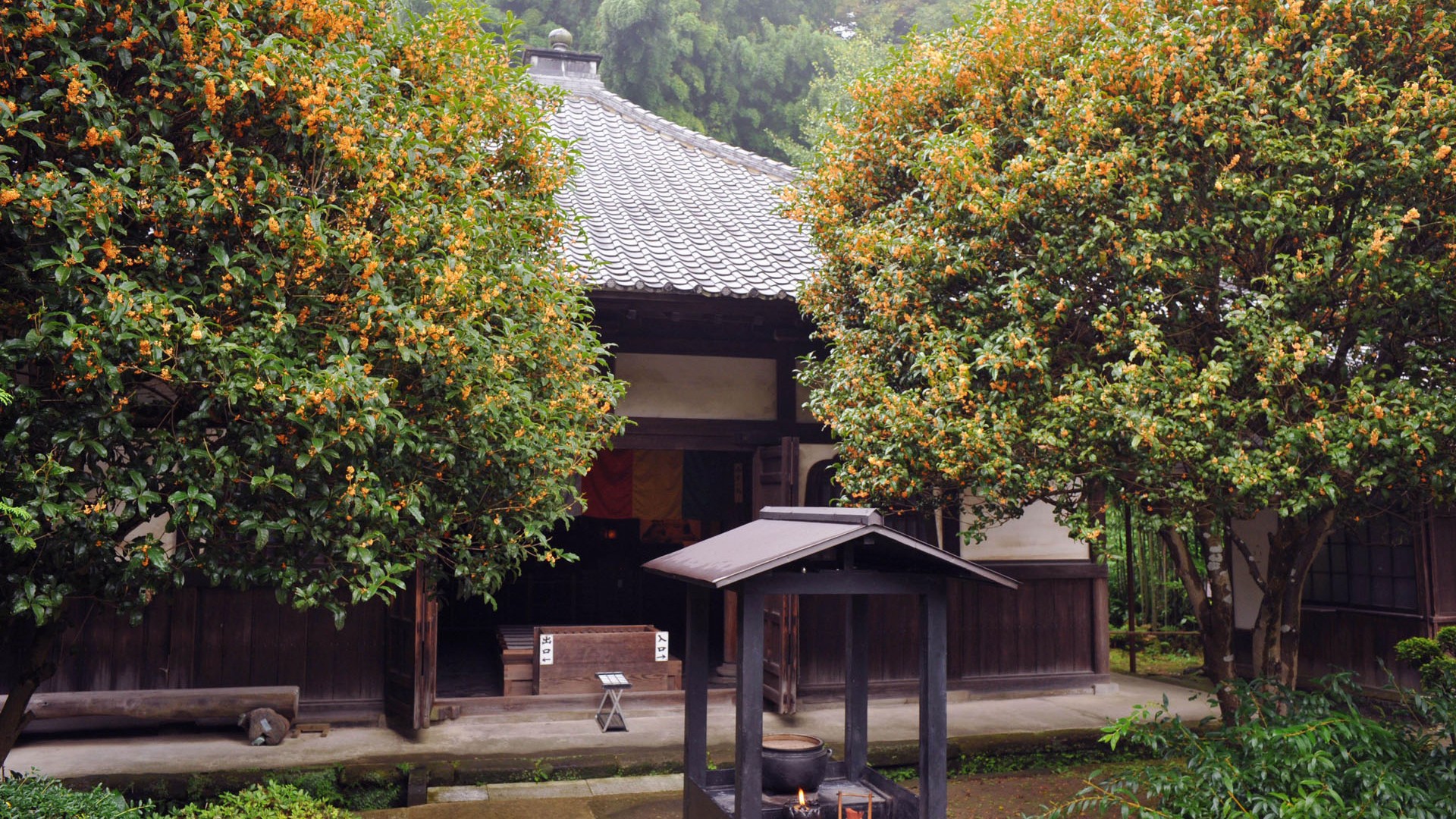
This statue of King Enma was carved in 1250 and was initially situated on a mountain in front of the Hase Kannon. After the fated downfall of the Kamakura Shogunate, Ashikaga Takauji moved it to the left, facing the sea at the Ichino-torii gate, to mourn the departed souls of Yuhigahama, the site of the decisive battle. The temple was again damaged by a major earthquake during the Genroku era (1688-1704), and was moved to its present location. The Ten Kings of Ennoji Temple, centering on King Yama, depict the judgment of those who were condemned to hell for their sins during their lifetime. The temple is still widely worshipped as a Jizo temple.

Temples & Shrines Tokaido Koshu kaido KANAGAWA
Hana to Utsuwa no Harmony

Hana to Utsuwa no Harmony

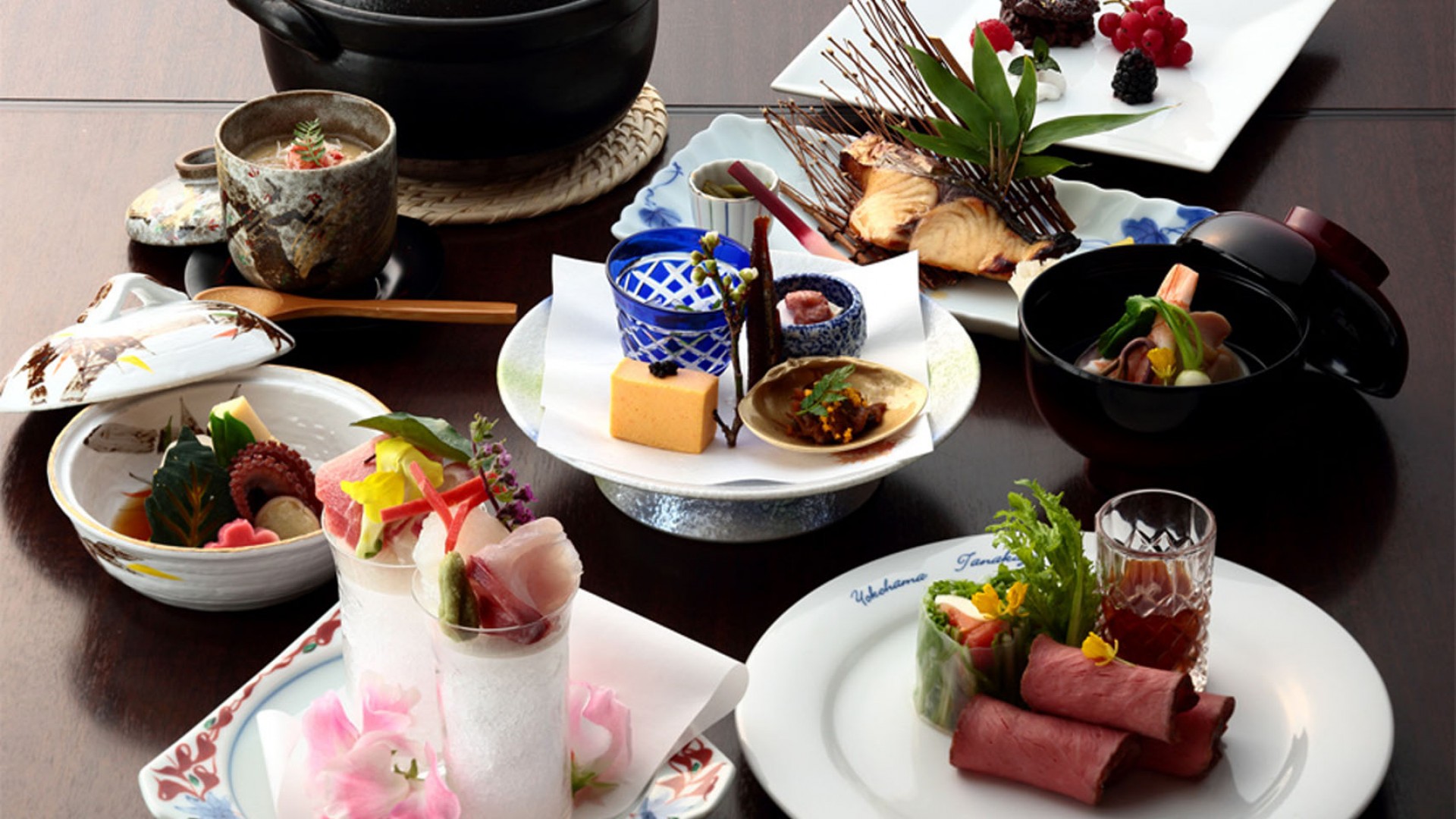
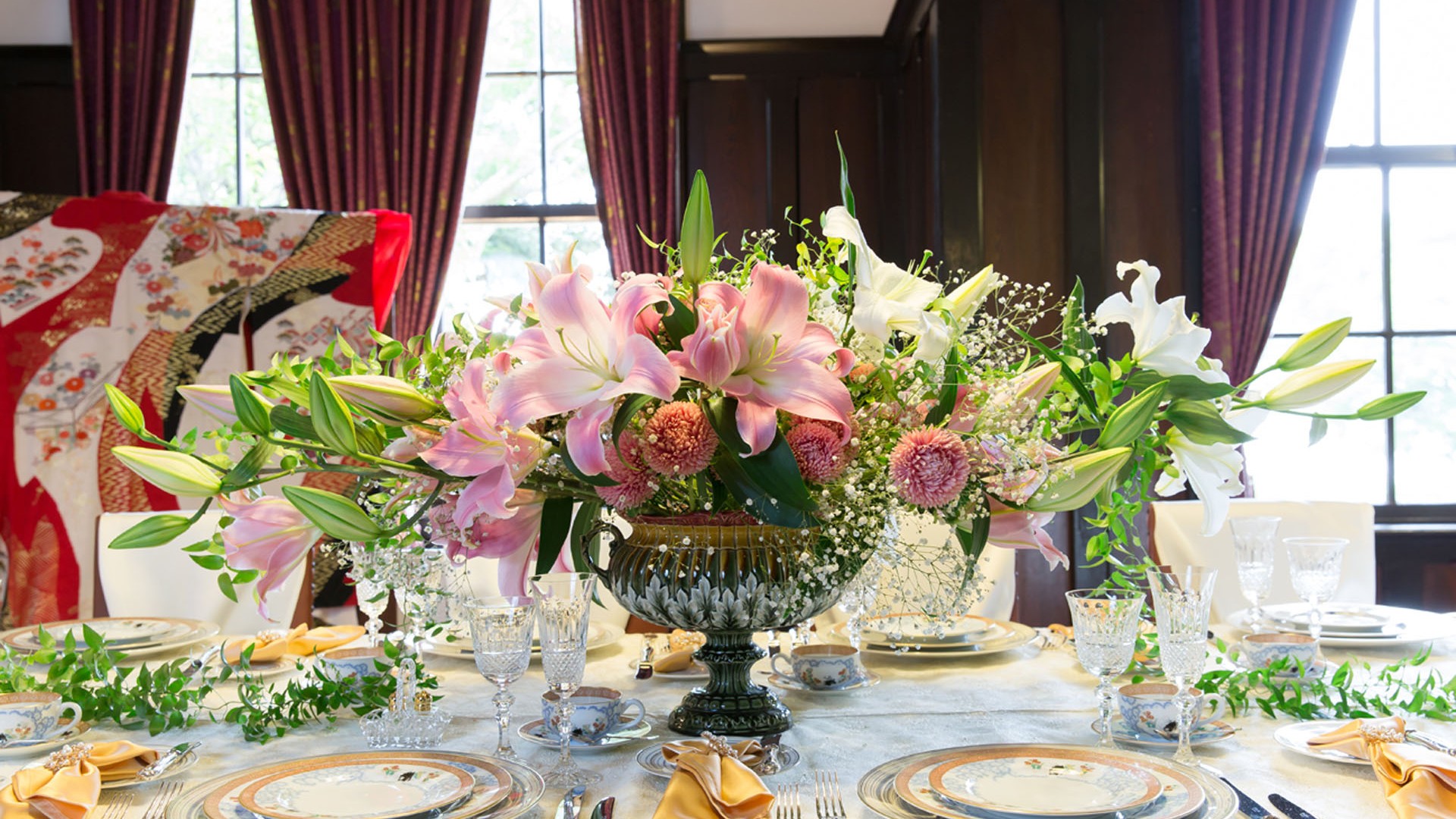
“Hana to Utsuwa no Harmony” is an early summer event that started in 2001. The event takes place at 7 Yamate Seiyoukans in Yokohama. The theme of 2017 was “Motenashino Hana Monogatari (hospitalities and stories of flowers) -- 7 Chapters --”. Seven coordinators arranged the flowers and tablewares of each Seiyoukans differently. (Theme is different each year)This event is not only about the decorations but paid workshops, such as flower arrangements. This 9-day event usually starts on the first Saturday of June and ends on the second Sunday of June.

Culture & Arts Tokaido Koshu kaido KANAGAWA
Yamashita Park

Yamashita Park

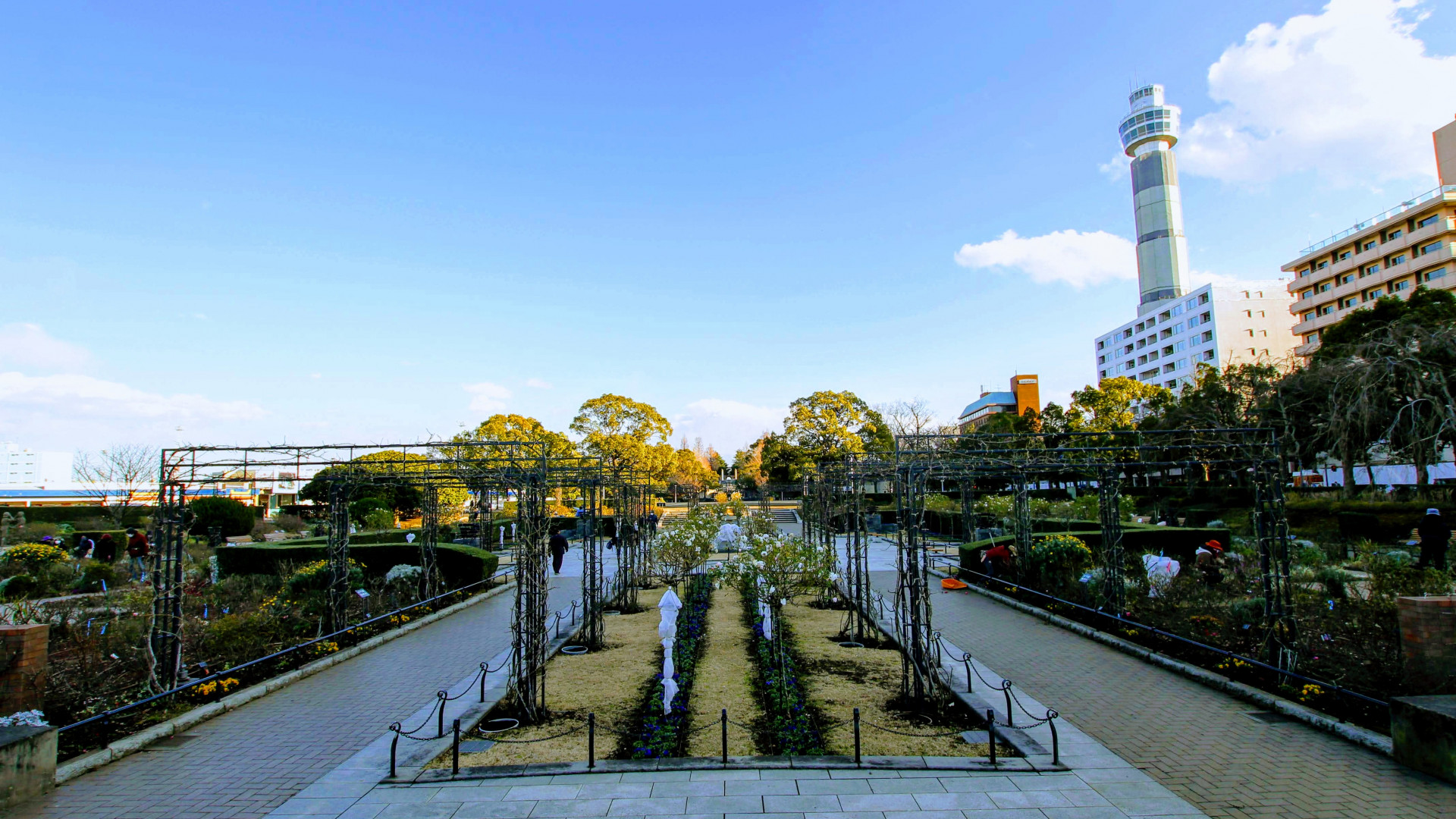
Yamashita Park is a seaside park that was opened in 1930 as a reconstruction project after the Great Kanto Earthquake, using rubble and other materials to reclaim the sea. There are many tourist attractions, such as the Red Brick Warehouse, Osanbashi Bridge, Chinatown, and the harbor sightseeing boat terminal in the vicinity. Inside the park itself is a statue of a girl wearing red shoes, inspired by Ujo Noguchi's nursery rhyme "Akai Kutsu" (Red Shoes), as well as the monuments of "the statue of the guardian god of water", donated by the city of San Diego, USA, the "seagull sailor monument" and the "Indian water tower". The luxury cruise ship "Hikawa Maru," which was called the "Queen of the North Pacific," is moored in the park, and visitors can not only enjoy an overview of the ship but can also tour the interior for a fee during the daytime. The park is also a famous spot for roses, a place to enjoy 1,900 roses of 160 varieties twice a year, both in spring and autumn. It is also a popular spot for sightseeing and date nights, attracting tourists and families during the day and couples at night throughout the year. The sunrise from the sea is the perfect cue for strolling, jogging, exercising, yoga, tai chi, and other activities. The morning view of Yamashita Park with Minato Mirai 21 in the background is one of Yokohama's most famous morning scenes.With the sun rising over the sea as your landscape, experience physical activities in Yamashita Park, which includes walking, jogging, exercising, yoga, Tai Chi, and more. A Yamashita Park morning with Minato Mirai 21 in the background is an iconic morning view of Yokohama.

Nature & Views Tokaido Koshu kaido KANAGAWA
Yokohama Noh Theater

Yokohama Noh Theater

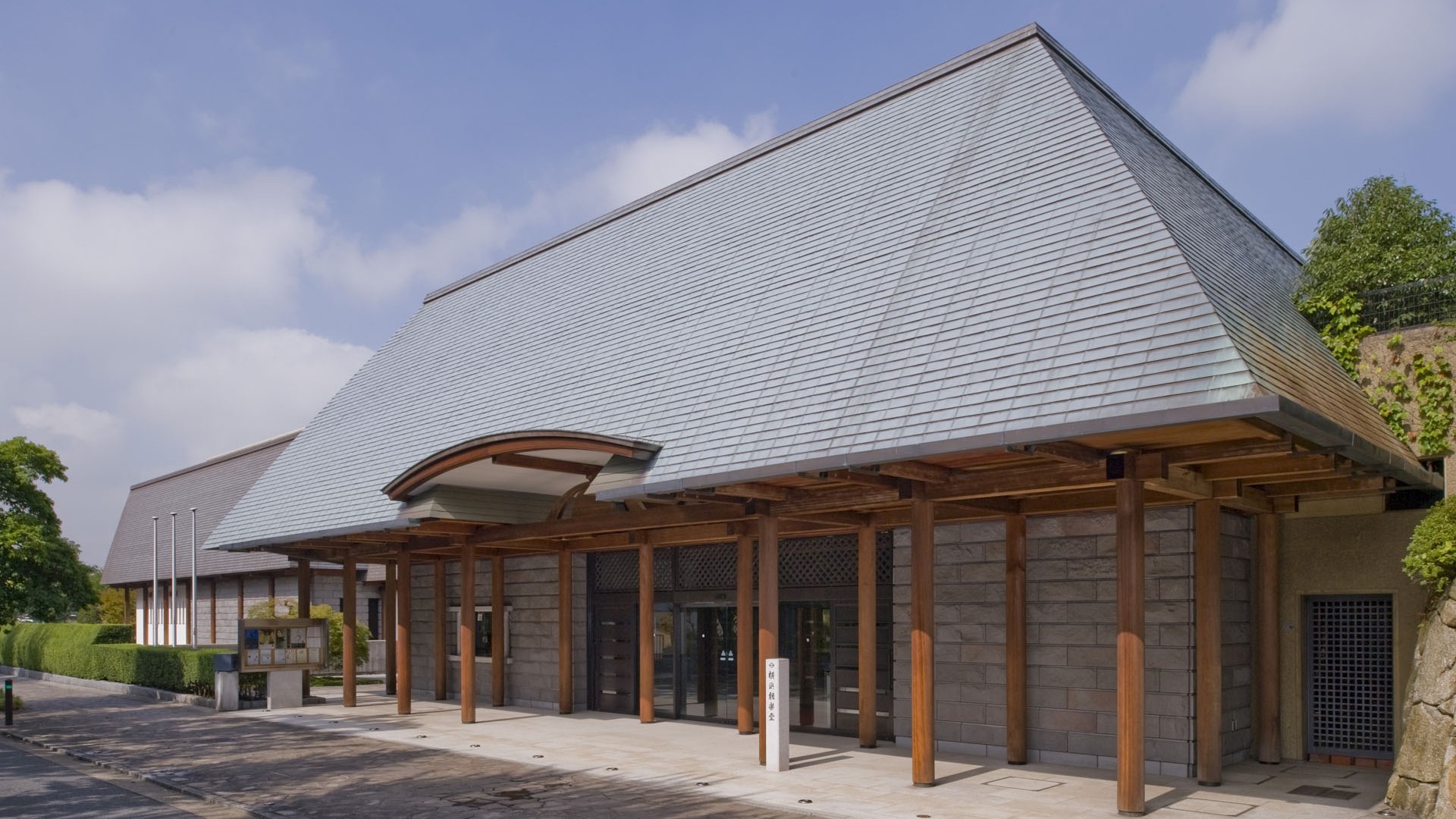
The Somei Noh Stage, the oldest Noh stage in the Kanto region, was built in 1873 by the Maeda family, the former lord of the Kaga Domain, and opened in 1996. Various events are held with explanations to help beginners understand and unique planned performances and workshops, earning the stage the slogan “a Noh theater with a low threshold.” Once a month, we hold tours (advance reservation required) where the staff guides visitors through exhibits related to the history of the Nohgaku and the Noh stage, as well as private dressing rooms not normally accessible to the public. ※ Closed from January 2024 to June 2026 due to renovation work.

Culture & Arts Tokaido Koshu kaido KANAGAWA
Kuramoto Kakou Izumibashi

Kuramoto Kakou Izumibashi

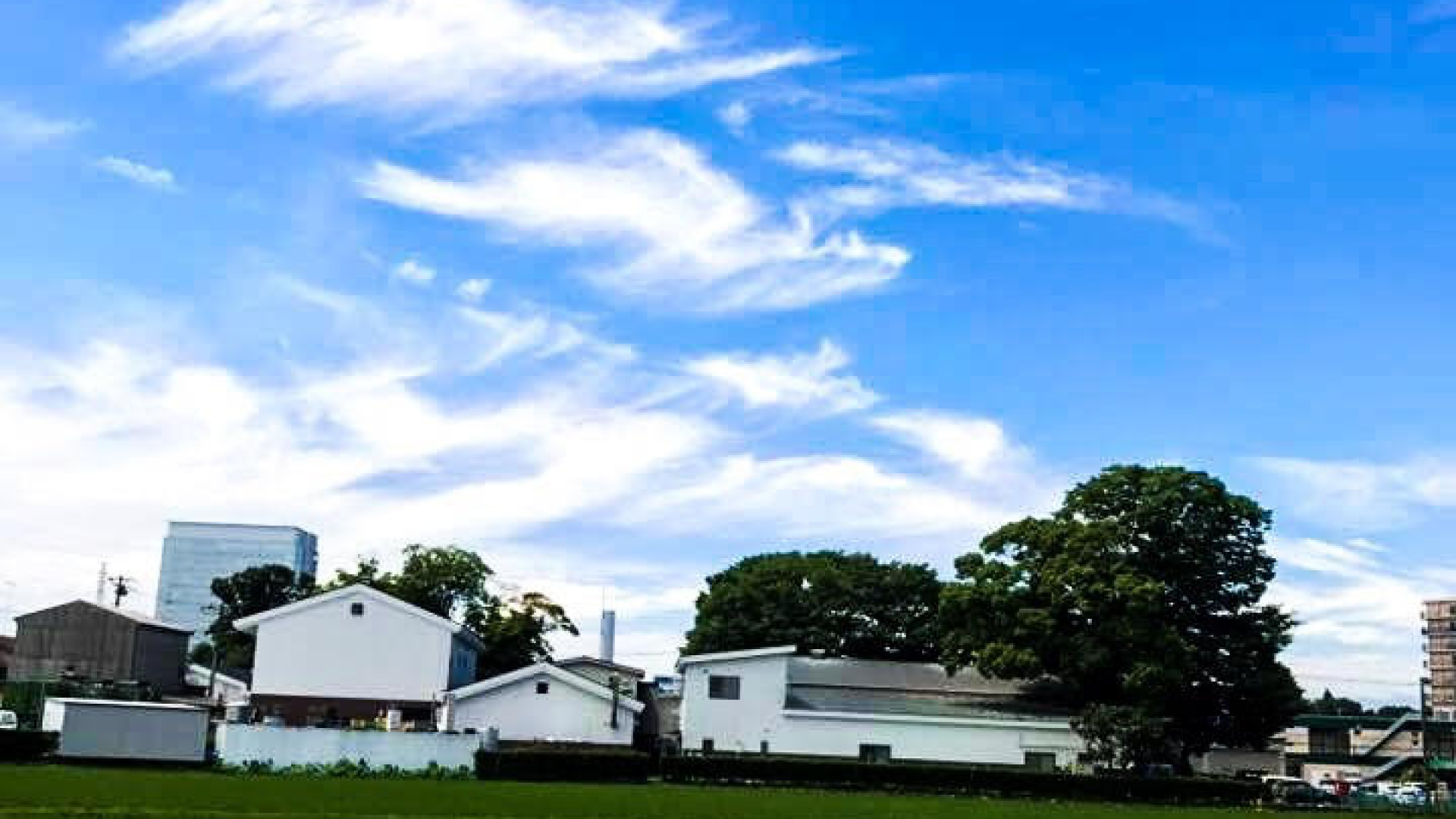
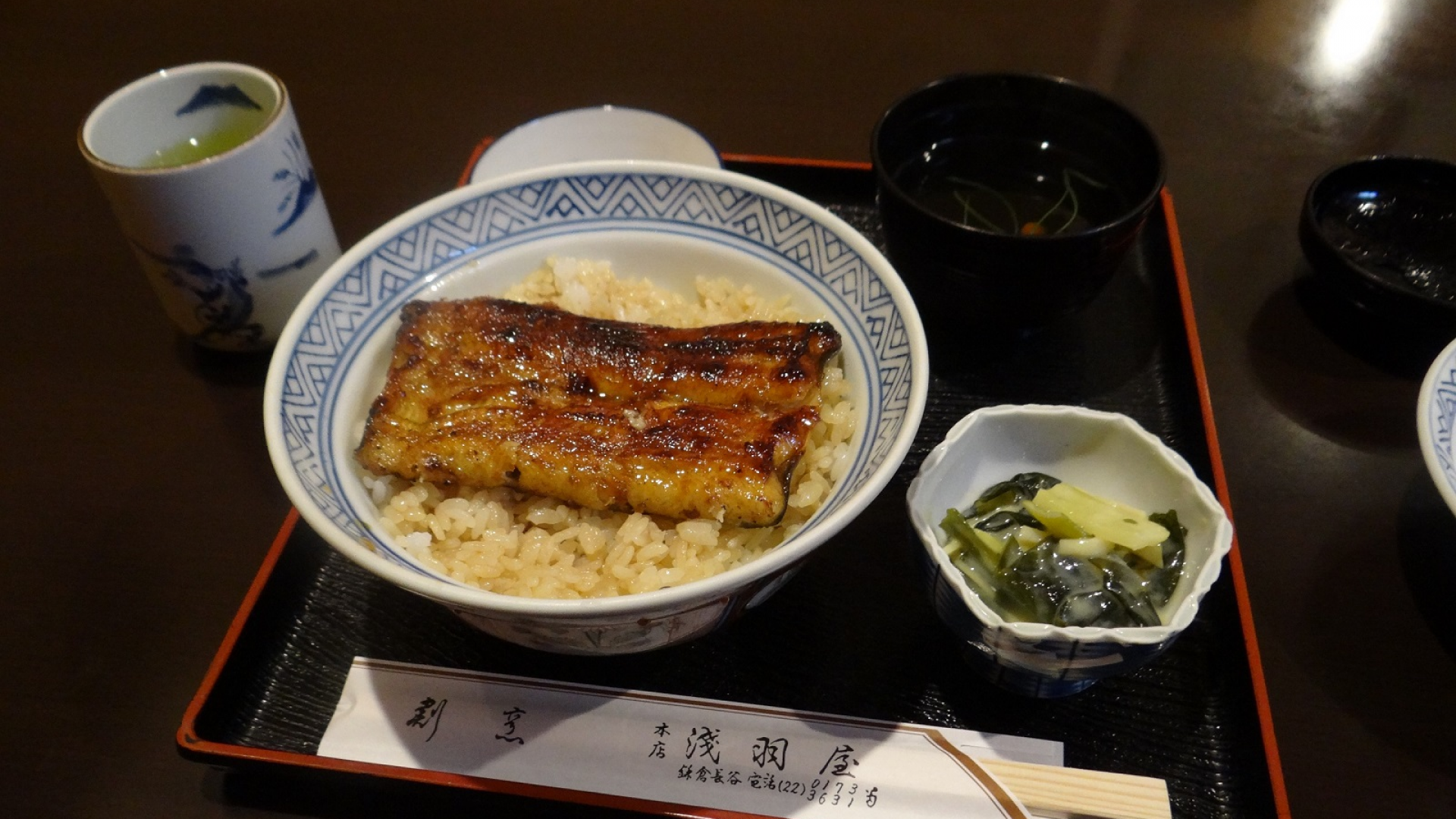
With the motto "Sake brewing starts with rice brewing", this restaurant is directly managed by Izumibashi, a cultivated brewery that directly handles rice as a raw material. You can enjoy meals made with local ingredients paired with sake from Izumibashi. The restaurant was started with the desire to be involved in the promotion of the local region by incorporating various local blessings.A restaurant where you can enjoy seasonal vegetables from local farmers, fresh seafood from Sagami Bay, and beef from local livestock farmers, along with Japanese sake.

Sake & Breweries Tokaido Koshu kaido KANAGAWA
Kamakura Ham Tomioka Co.

Kamakura Ham Tomioka Co.

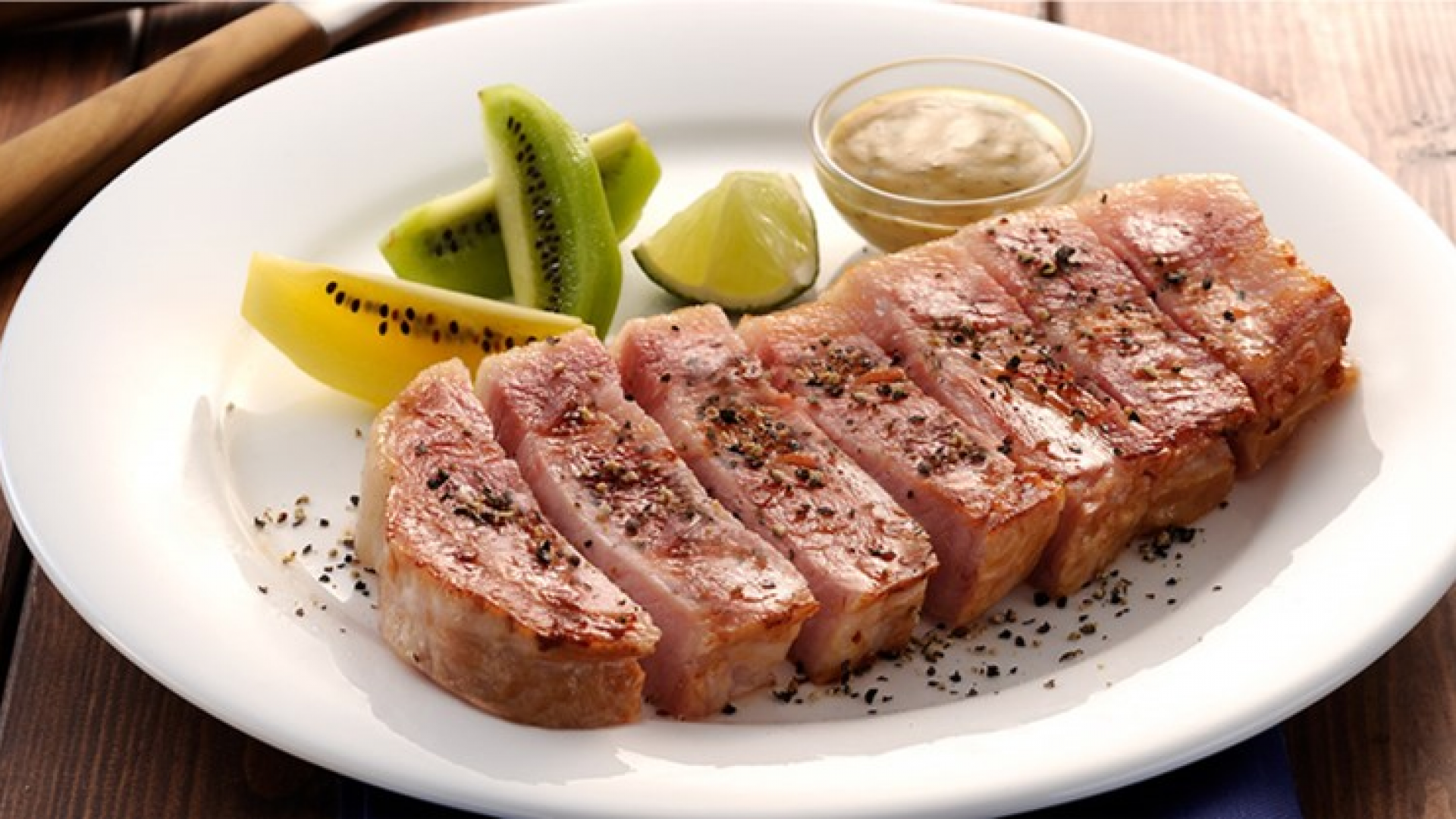
Since its founding in 1900, Kamakura Ham Tomioka Co. has continued to maintain its painstaking manufacturing techniques for over a century. Their headquarters factory has an archive where you can learn about the story and history behind the creation of the brand, and in the factory itself, you can view the treasured traditional manufacturing techniques they use. You can also experience those techniques with your own hands. There is also a shop where you can purchase souvenirs before you head home.

Shopping Tokaido Koshu kaido KANAGAWA
Manazuru Port

Manazuru Port

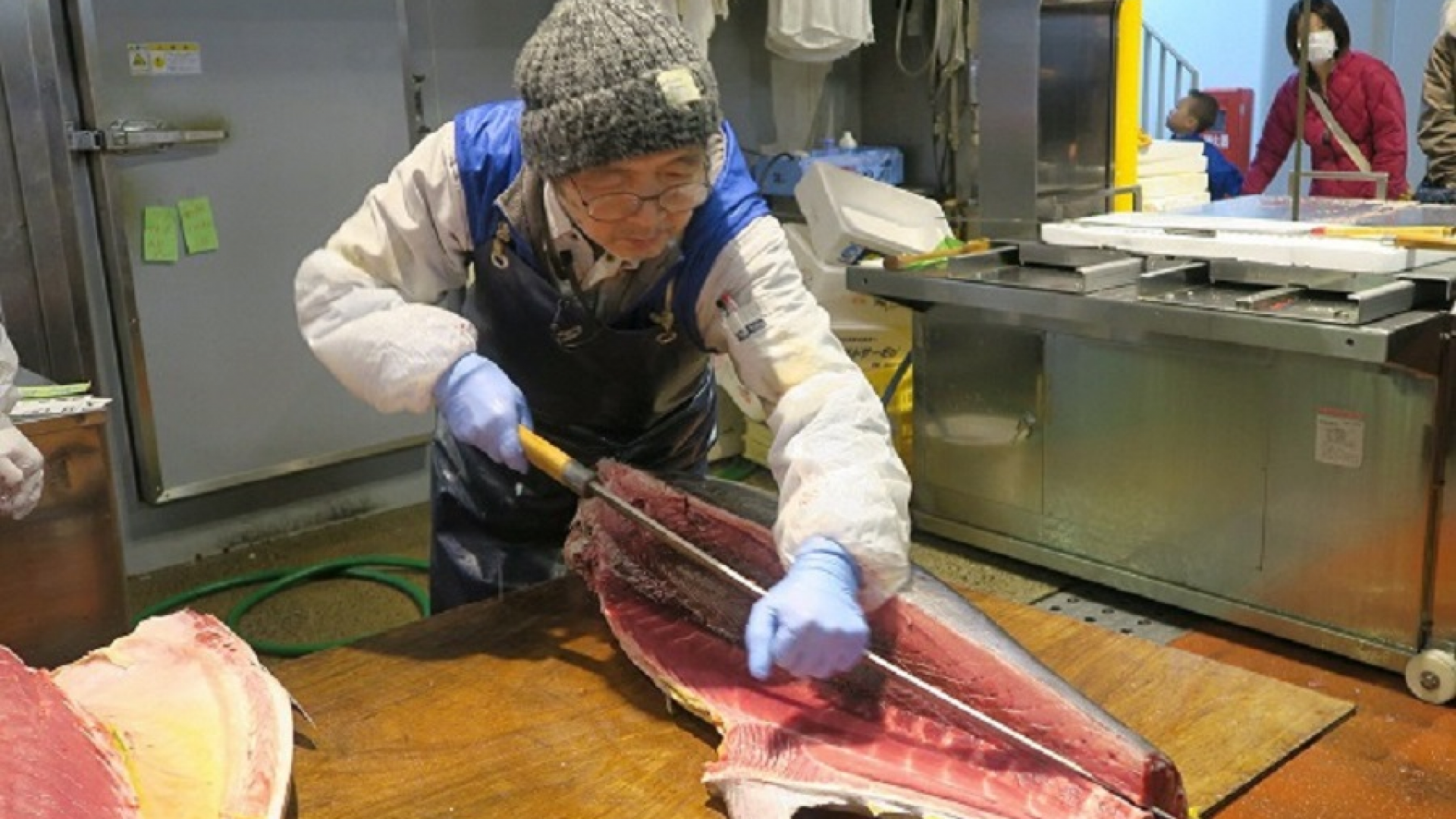
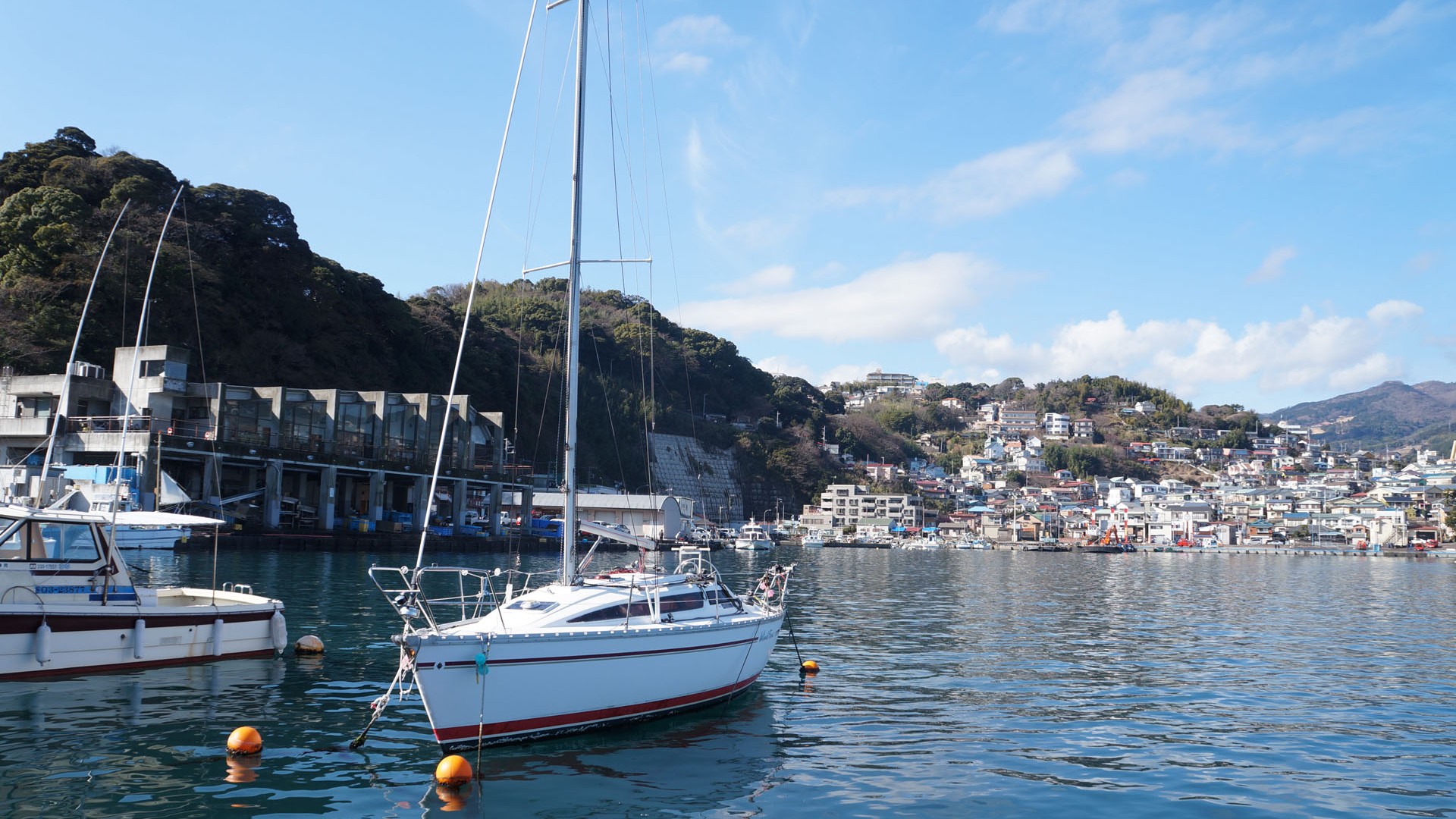
This port is a base for the local industries in Manazuru, fishing boats, cargo ships carrying stone materials, and so on. Besides that, there is a fish market nearby where the catch of the day is sold. The Kaijo Togyo (shrine procession in the sea) of the Kibune Festival, an important intangible folk cultural property of Japan, is also held here at the Manazuru Port.There is a fish market nearby that sells the fresh catch of the day. Sales end as soon as the fish is sold out, so going early in the morning is recommended.

Nature & Views Tokaido Koshu kaido KANAGAWA
International Stadium Yokohama (Nissan Stadium)

International Stadium Yokohama (Nissan Stadium)

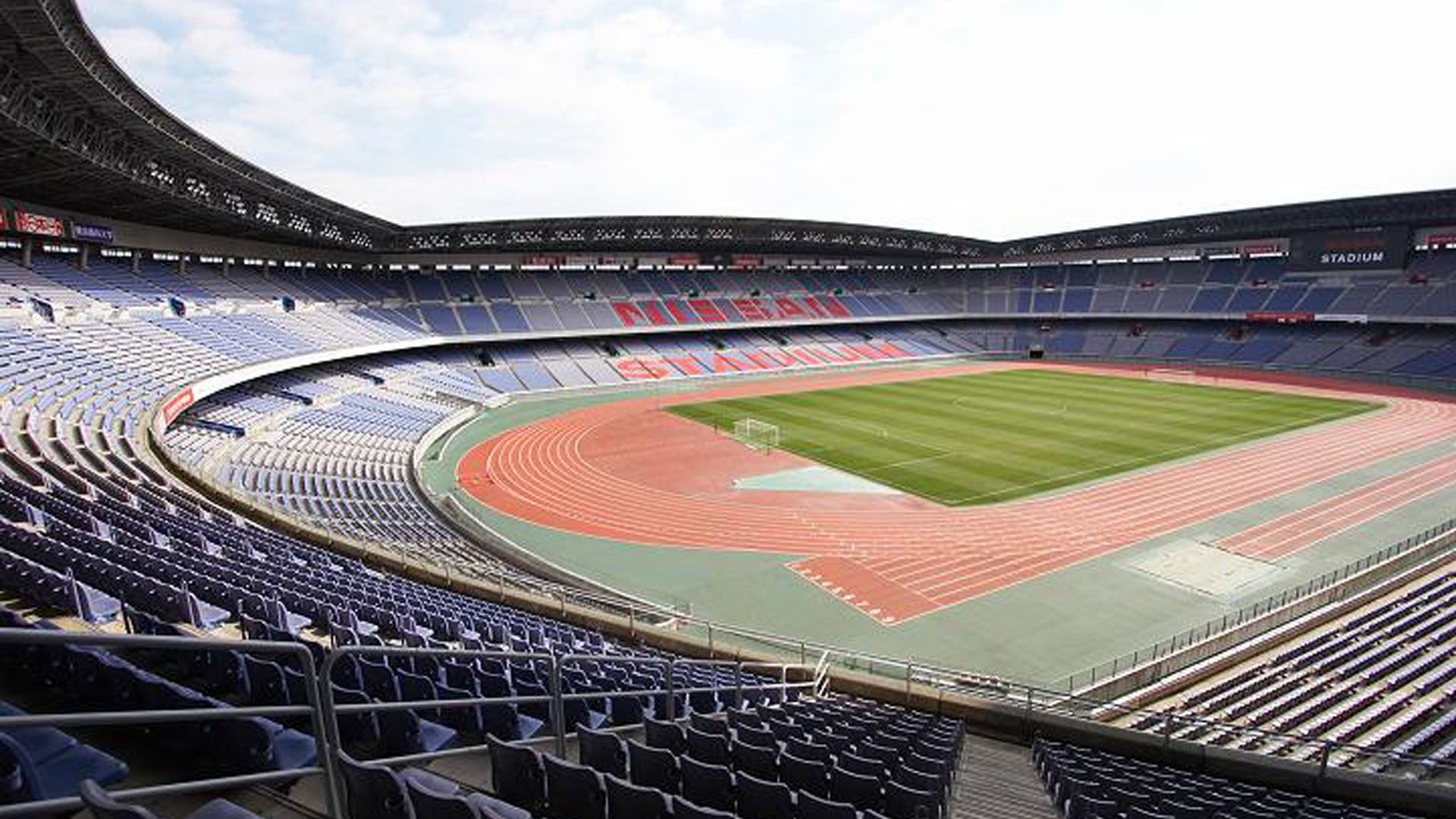
Nissan Stadium, Japan's largest stadium with a capacity of over 72,000, is located within Shin-Yokohama Park, Yokohama City's largest sports park. It serves as the home stadium for the J. League club Yokohama F. Marinos and the Japan Rugby League One team Yokohama Canon Eagles. In addition to hosting international soccer and rugby tournaments, it also stages events such as track and field competitions and concerts. It is also one of the three Final Stadiums (Final Stadiumx3) that hosted the finals of three major international tounaments: the 2002 FIFA World Cup™, Rugby World Cup 2019™, and the Tokyo 2020 Olympic Games men and women's soccer. On days without matches or events, visitors can enjoy stadium tours (check the official website for dates) that let fans experience what it's like to be a player. In addition, there are days when the athletics track, a certified Japan Association of Athletics Federations Class 1 Track and Field Stadium, is available for free use.Venue for the 2002 Soccer World Cup Final, Nissan Stadium is an impressive modern 72,000-seat arena. Enjoy the walk out onto the pitch as part of the stadium tour, catch a music or athletic event, or join the chanting crowds at a home game with local club Yokohama F Marinos.

Experience & Activities Koshu kaido Tokaido KANAGAWA
Hakone Museum Of Art

Hakone Museum Of Art

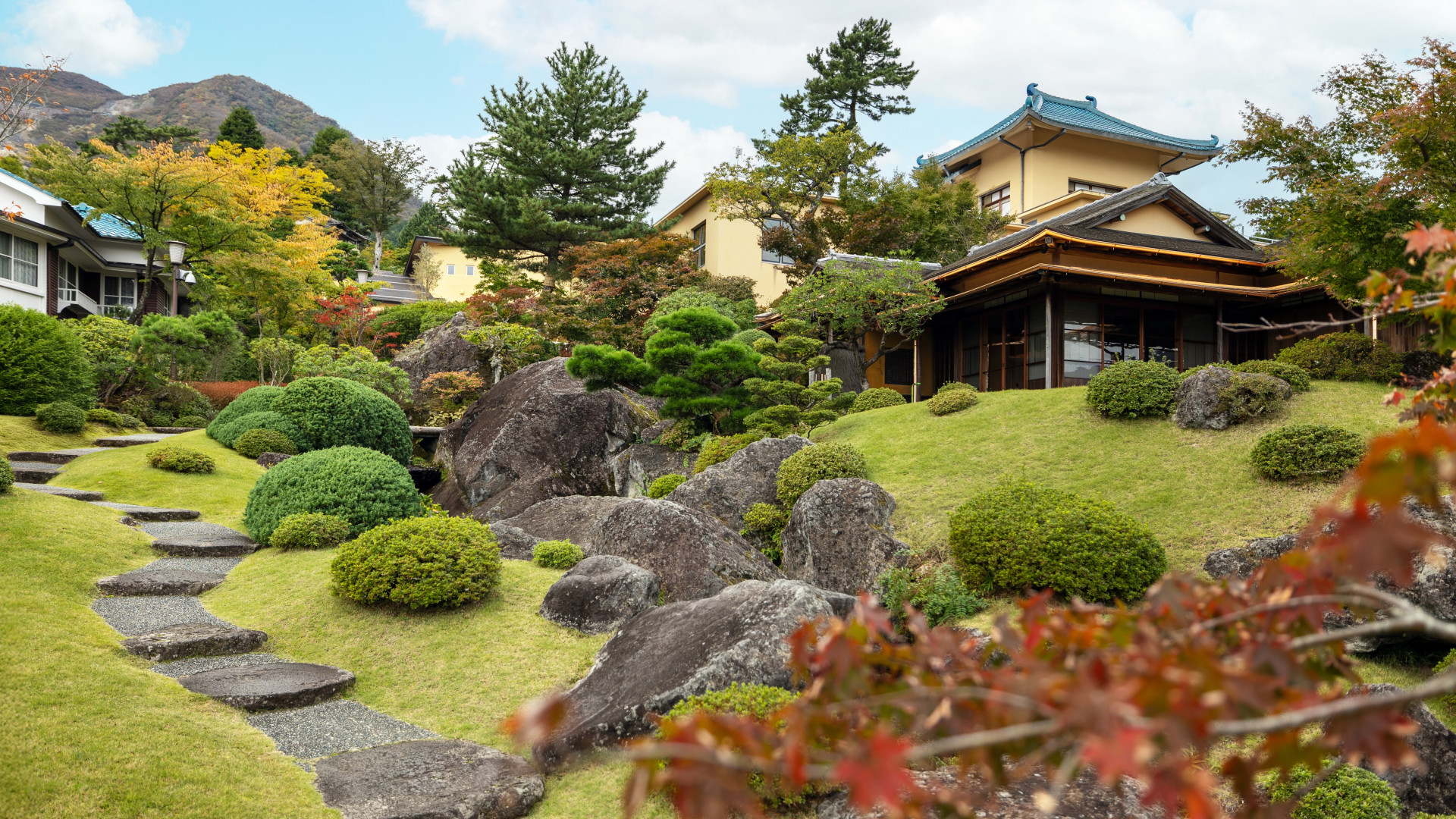
Hakone museum of art is the oldest museum in Hakone. The museum opened in Hakone-cho Gora in 1952. The museum displays Asian and Japanese ceramics that have been collected by the founder of the museum Mokichi Okada before his death. The exhibition mainly consists of “Japanese Yakimono (ceramics)”.Collections are: Mino wares such as Shino, Oribe, and Kiseto from Momoyama to Edo era, pots and jars of Six Old Kilns of Japan (Tokoname, Seto, Shigaraki, Tanba, Bizen, and Echizen) from Kamakura to Muromachi era, and earthenware and haniwa (a hollow clay) from Jomon era.There is Japanese garden with “Koke Niwa”, “Hagi no michi”, “Take Niwa”. There are over 130 kinds of mosses and 200 Japanese maples, which create beautiful scene in all four seasons. Any visitors are welcomed to view the garden.It is rare to see the place like Hakone museum since they have great ceramics and Japanese gardens at the same time. People who are interested in traditional culture of Japan must visit here.Admire this spacious garden known for its grassy area, large rocks and stream that cuts through the middle. Take in the panoramic view of Mt Myōjō and Mt Asama.Designed by Okada Mokichi and completed in 1952, explore collections of ancient Asian earthenware, porcelains and ceramics.The museum displays are interesting, but its beautiful Japanese garden and wonderful moss garden are what most people come to see!

Culture & Arts Tokaido Koshu kaido KANAGAWA
Kamakura Samurai Experience Center

Kamakura Samurai Experience Center

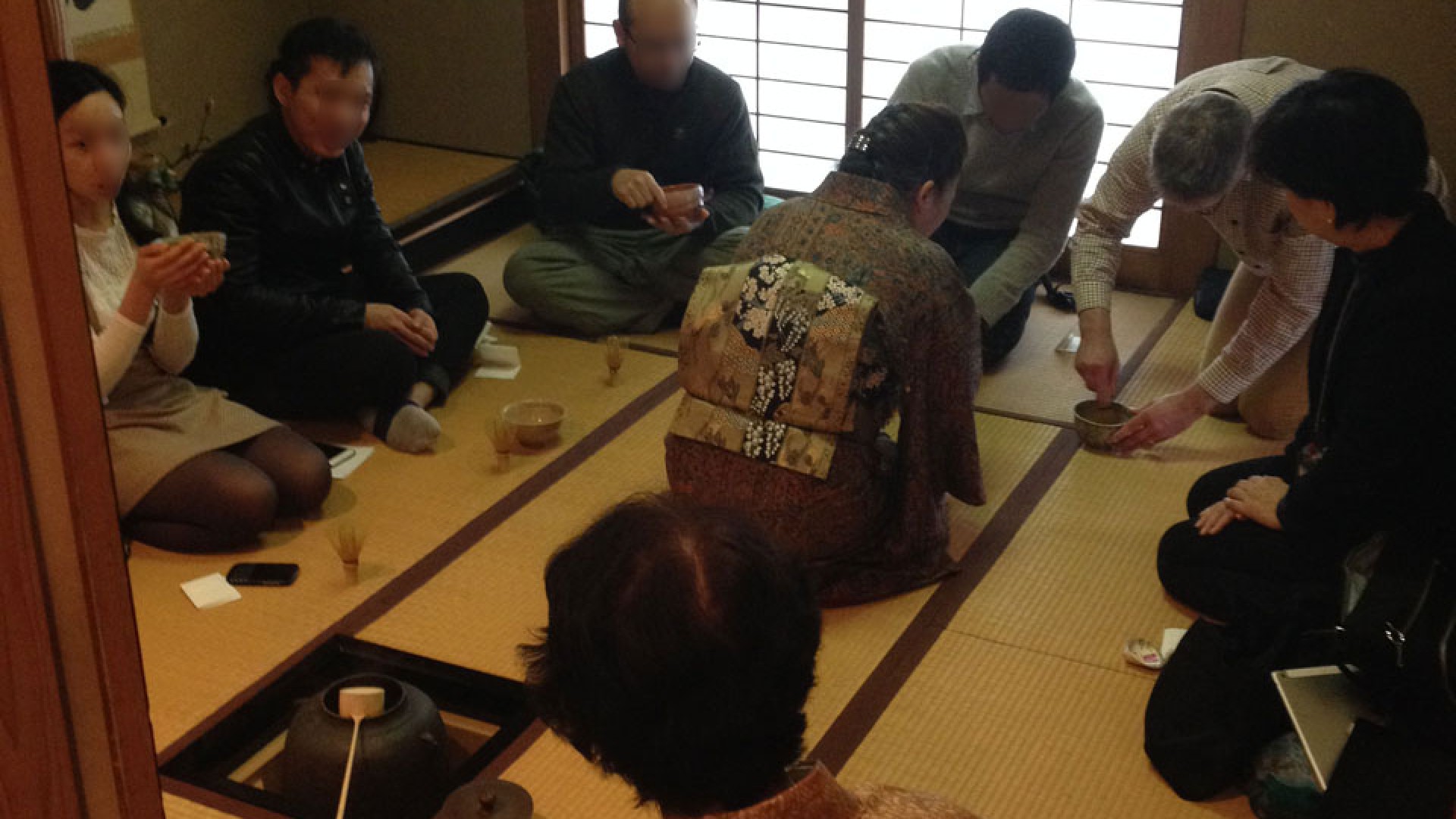
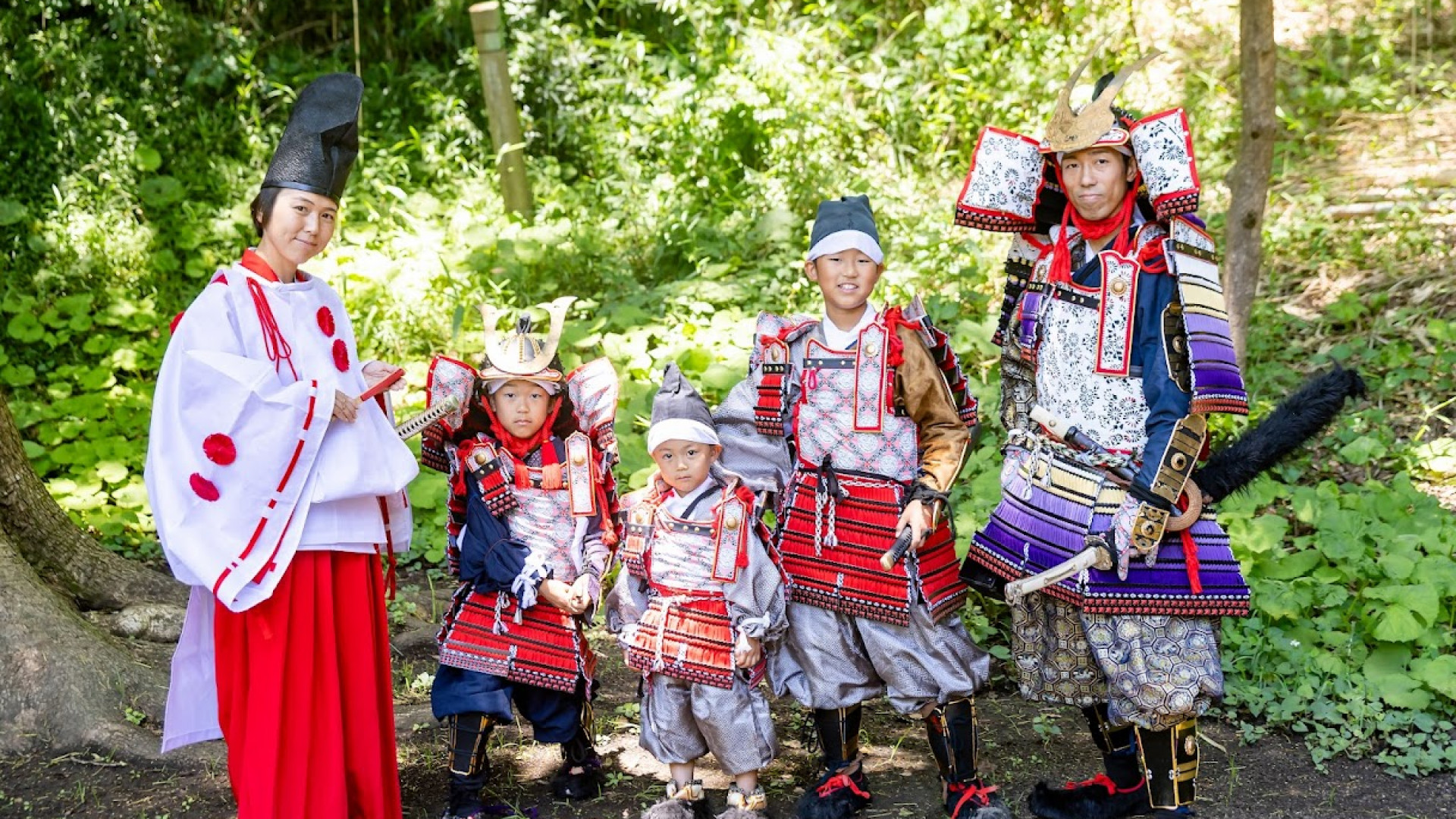
At the Kamakura Samurai Experience Center, we offer a samurai experience service in Kamakura, the ancient capital of the samurai class. ・Experience the costumes of the Genpei War (Heian and Kamakura periods). ・Archery experience ・Bow and arrow making experience (crafts for children) ・Armor making experience (crafting a piece of armor) ・Yabusame (horseback archery) experience (dates and locations fixed) ・Samurai meal experience And more!

Experience & Activities Tokaido Koshu kaido KANAGAWA