Greater Tokyo

See & Do

reset
Yokohama Chinatown

Yokohama Chinatown

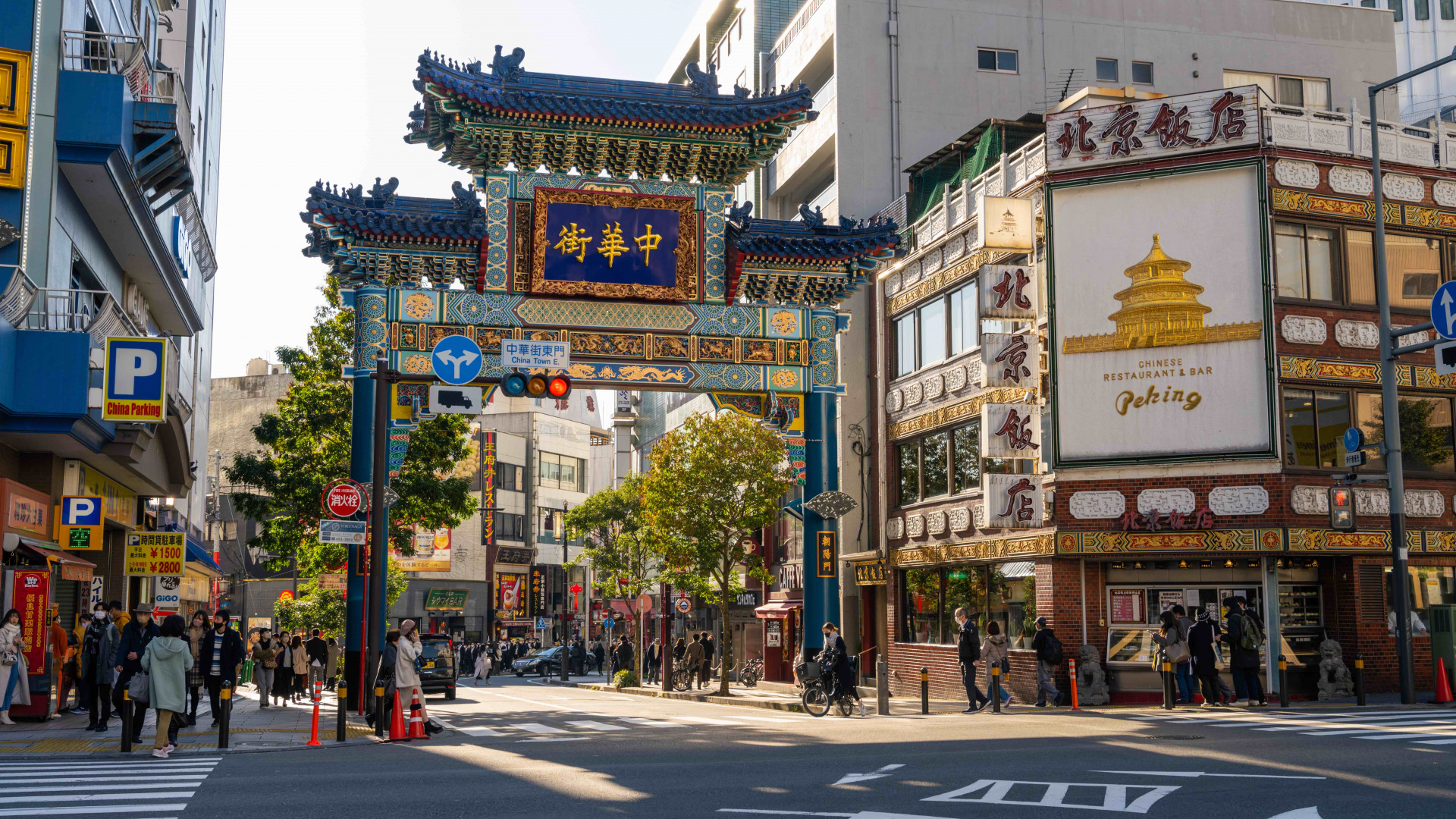
The Yokohama Chinatown is a Chinatown located in Yamashita-cho, Naka-ku, Yokohama. Along with Kobe Nankinmachi Chinatown and Nagasaki Shinchi Chinatown, it is known as one of the three major Chinatowns. Its scale is overwhelming, making it the largest Chinatown in Japan and East Asia with more than 600 stores lined up in an area of about 500m squared. There are alleys with place names such as Shanghai Road, Zhongshan Road, and Fujian Road intersect, as well as many signs with Chinese characters. Cantonese, Beijing, Shanghai, and Sichuan cuisine, steamed buns, gyoza dumplings, dim sum, and many other delicious Chinese dishes fill the streets. The many gate structures, the Guantei Temple, the Mazu Temple, the glamorous shops, and the liveliness of Chinese spoken in the alleys will invigorate you.In Yokohama's downtown heart, bustling Chinatown is home to over 500 shops and restaurants. Buy some souvenirs, grab a steamed bun from a food stand, or feast on a ten-course banquet, then visit one of the two colourful temples. The annual Chinese New Year celebrations are a riot of noise and energy, with lion dancers bursting into restaurants to perform for startled diners.Bars in Japan originated from Yokohama Chinatown and neighboring areas. There are many long-established bars that offer a laid-back and leisurely time for adults.Start your Chinatown exploration with a variety of breakfast items ranging from Chinese rice porridge to ramen, set dishes to dessert and soft drinks.
Eat & Drink Tokaido Koshu kaido KANAGAWA
Kamimizo Summer Festival

Kamimizo Summer Festival

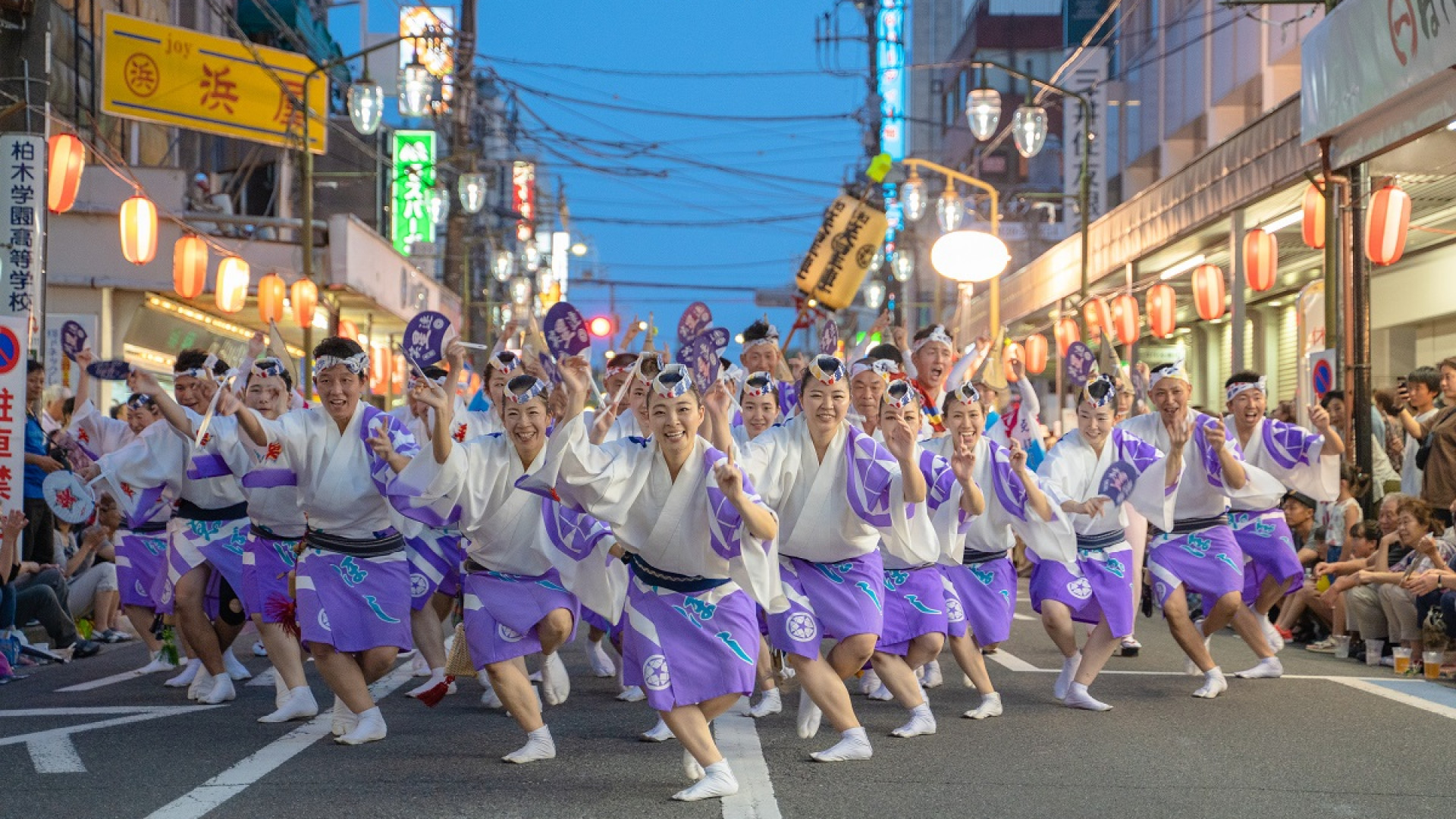
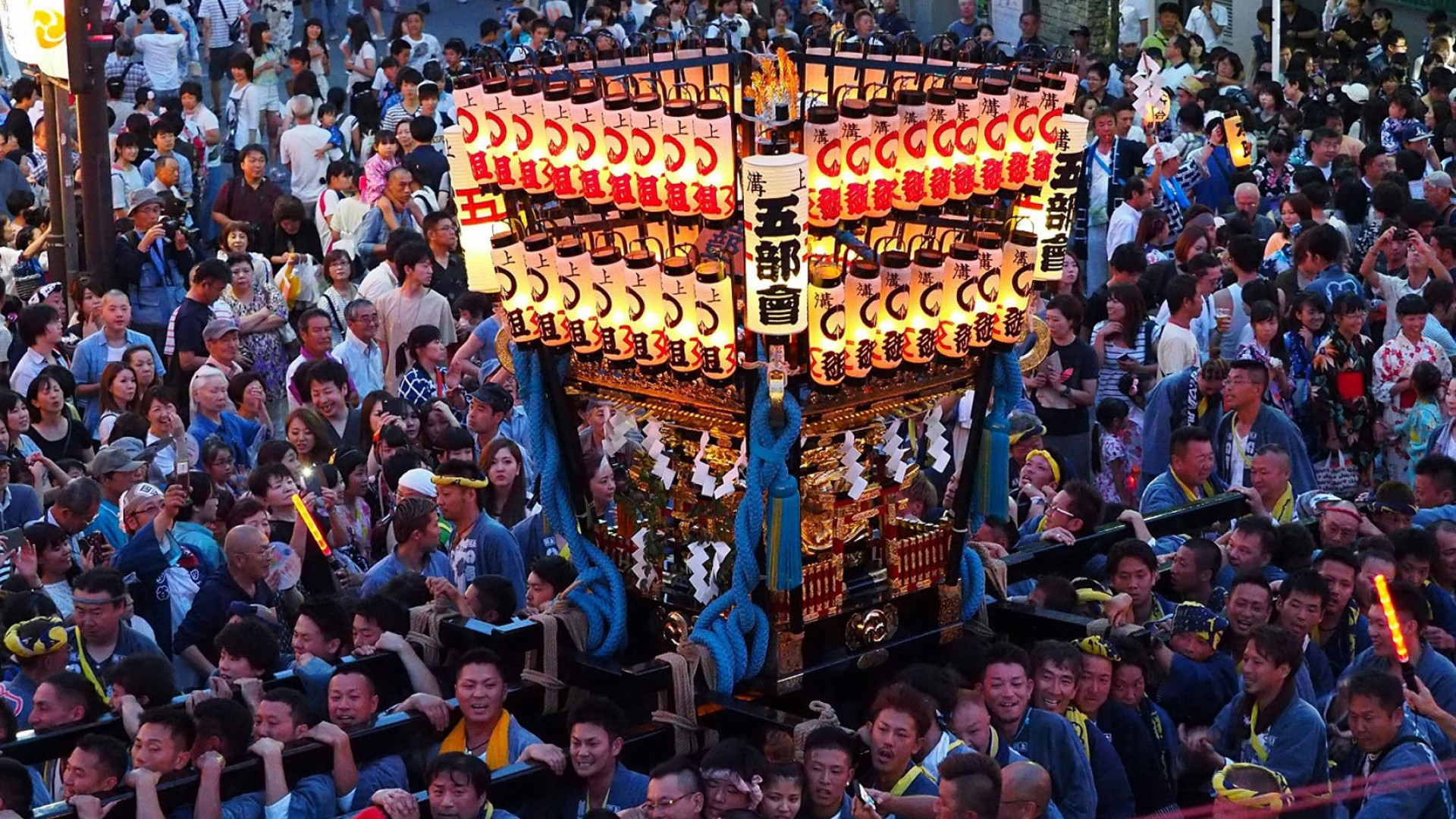
The Kamimizo Summer Festival has been held in Sagamihara since the end of the Edo period (1603-1868). The festival is said to be dedicated to Emperor Ushira, who prays for a good harvest and safety of the family, and is said to have been inspired by the Yasaka Shrine in Kyoto. On Sunday evenings, the local portable shrines (Mikoshi) and floats (Dashi) gather from each town and start a grand procession. Once the evening sun goes down, the lanterns of the portable shrines are lit, creating a fantastic spectacle that is not to be missed.

Culture & Arts Tokaido Koshu kaido KANAGAWA
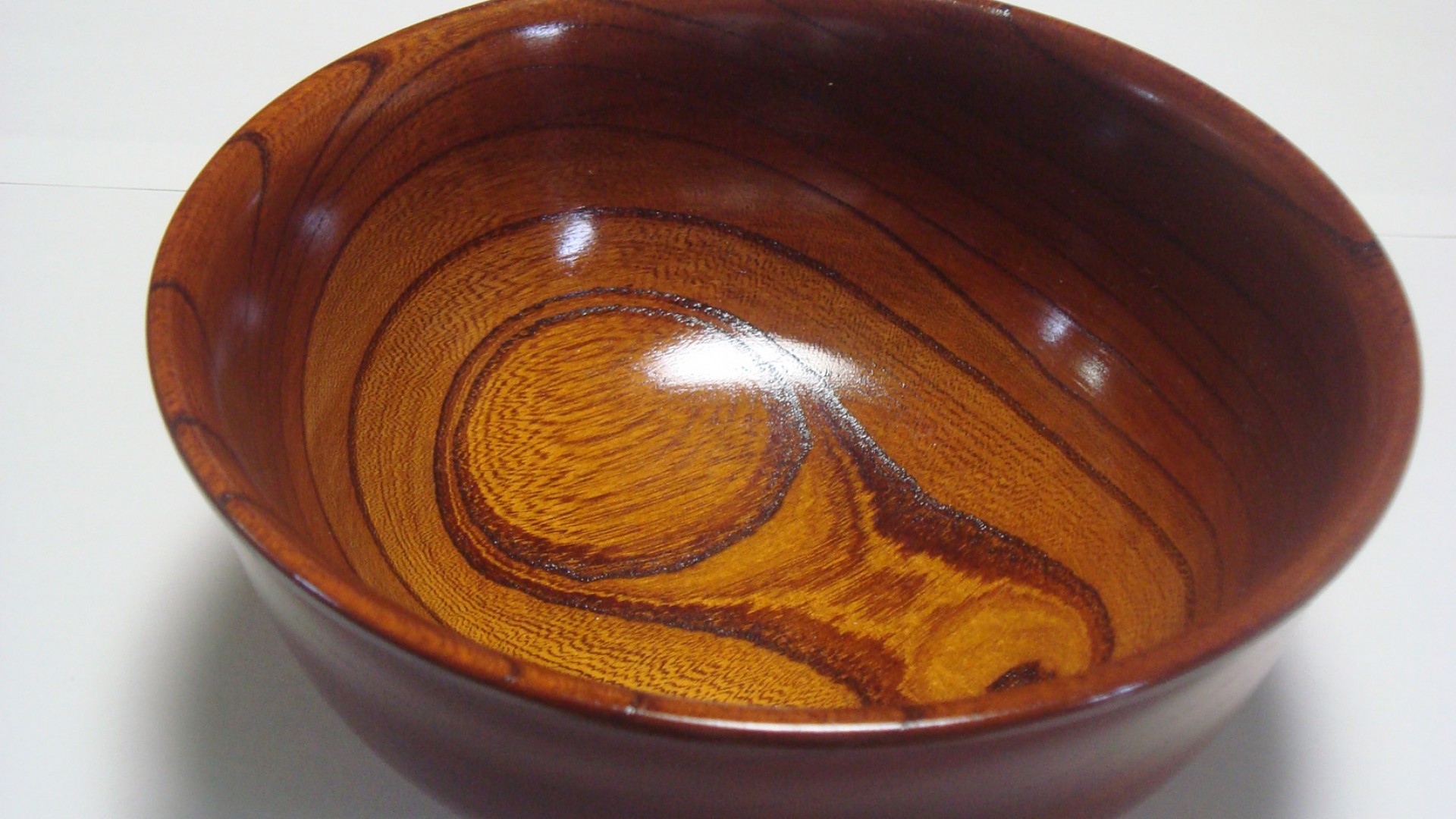
Okawa Mokkoujo (Japanese lacquer)

Okawa Mokkoujo (Japanese lacquer)

Odawara lacquerware is created using a technique passed down since the Muromachi period (1336-1573). The artist repeatedly rubs unrefined lacquer using a potter's wheel and combines the “kijironuri” and “irourushinuri” techniques, blending together to create handmade lacquerware which accentuates the beautiful wood grain of the natural materials. At Okawa Mokkoujo (wood turning and potter's workshop) we create various types of lacquerware, including trays and bowls, as well as polishing experiences for soup bowls, dish boxes, and balls. We also create one-of-a-kind patterns using water paper. Any items made can be taken home the same day and used at home. (Optional: apply lacquer to the item for a glossy finish. This takes around three weeks to complete and costs 1,500 yen, including shipping).

Experience & Activities Tokaido Koshu kaido KANAGAWA
Yokohama Royal Park Hotel

Yokohama Royal Park Hotel

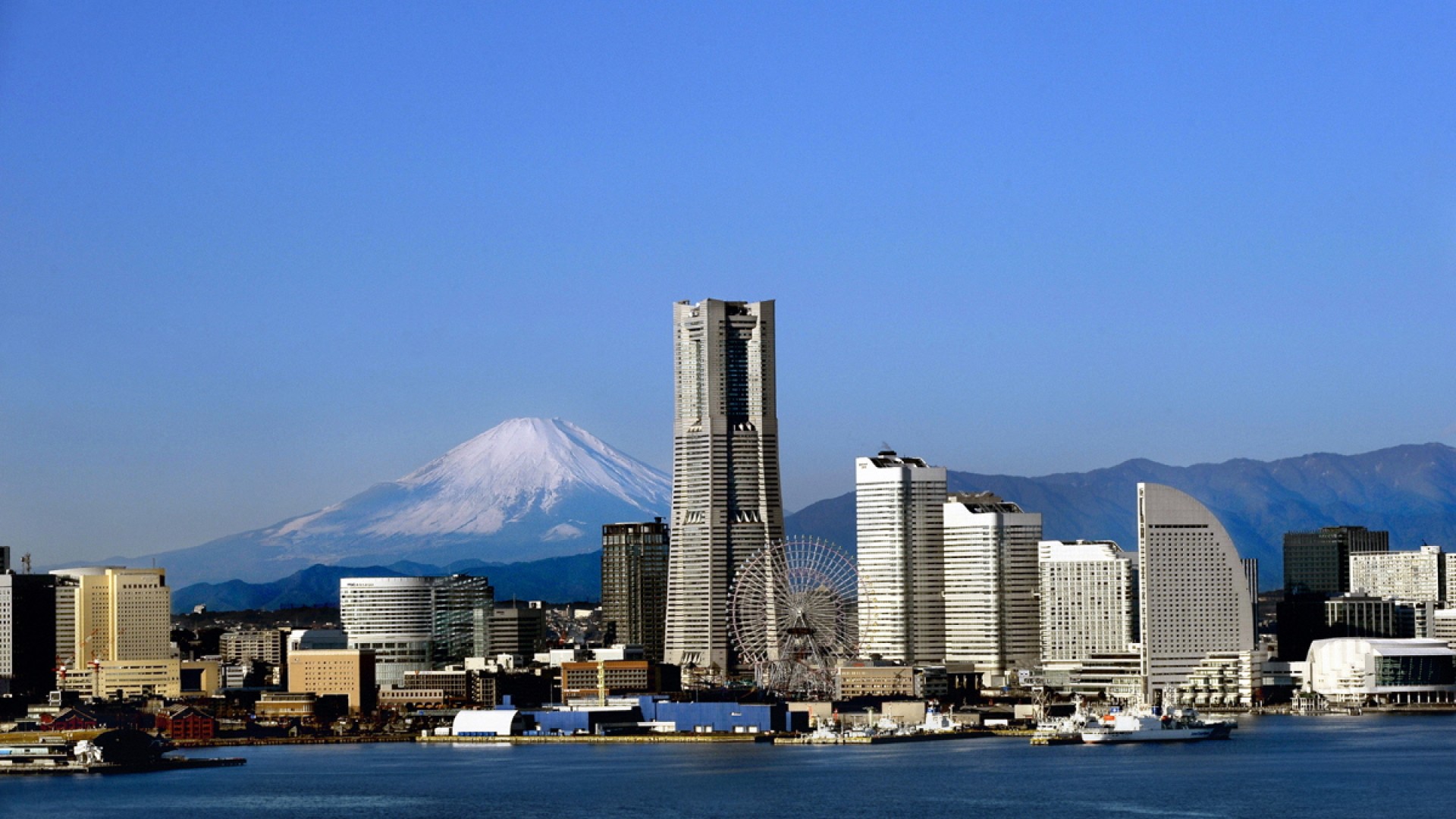
Our high-rise hotel is located in the Yokohama Landmark Tower, an iconic symbol of Yokohama Minato Mirai. The hotel itself consists of 70 floors above ground and 1 below. With every one of our 603 guest rooms located approximately 210 meters above ground level and above, guests can enjoy their own personal observatory-like view of the city. Facilities include the Sky Lounge on the top floor, a Japanese and Western-style restaurant on the 68th floor, and other dining offerings for any and all occasions. Equipped with 12 banquet halls of various sizes, including one of the largest in Yokohama City, and complete, comprehensive wellness facilities, our staff are looking forward to welcoming you with a heartfelt smile. Check-in at 3pm, Check-out at 11am *If the accommodation plan has a check-in or check-out time stipulation, that stipulation will take precedence.

Onsen & Stay Tokaido Koshu kaido KANAGAWA
Odawara Plum Blossom Festival

Odawara Plum Blossom Festival

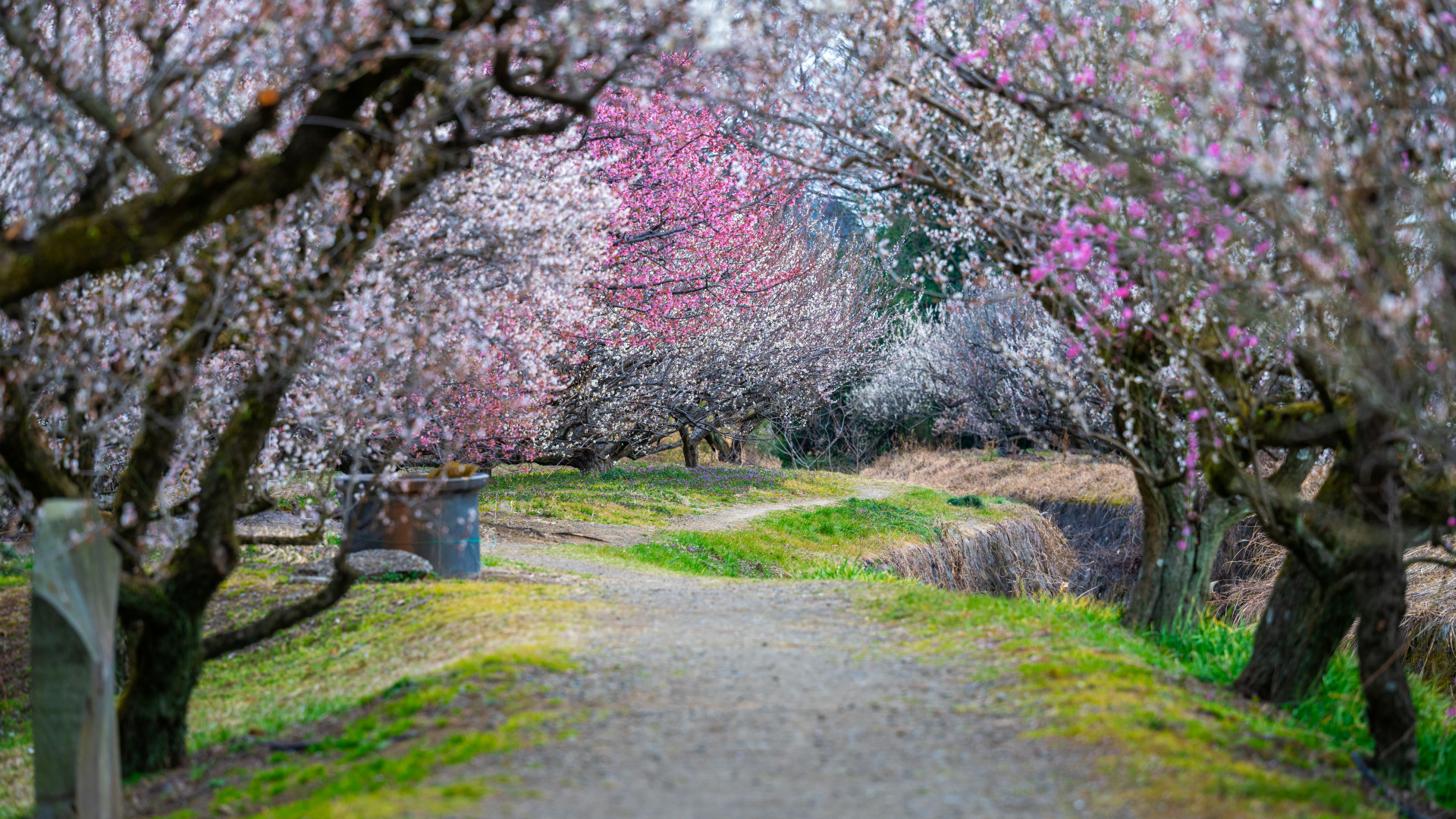
It is said that the ume (plum) groves were first planted by the Hojo clan during the Warring States period to provide food for the troops (some theories exist). Among the three plum groves: Bessho, Hara and Nakagawara, around 35,000 plum trees are in full bloom during the correct season and are framed by Mt. Fuji and Hakone. During the Ume Festival from early February to early March, events such as Odawara Chochin Odori, a local performing art, and lion dances are held. (Photo by photolibrary)

Culture & Arts Tokaido Koshu kaido KANAGAWA
SUP at Hayama Ocean Sports

SUP at Hayama Ocean Sports

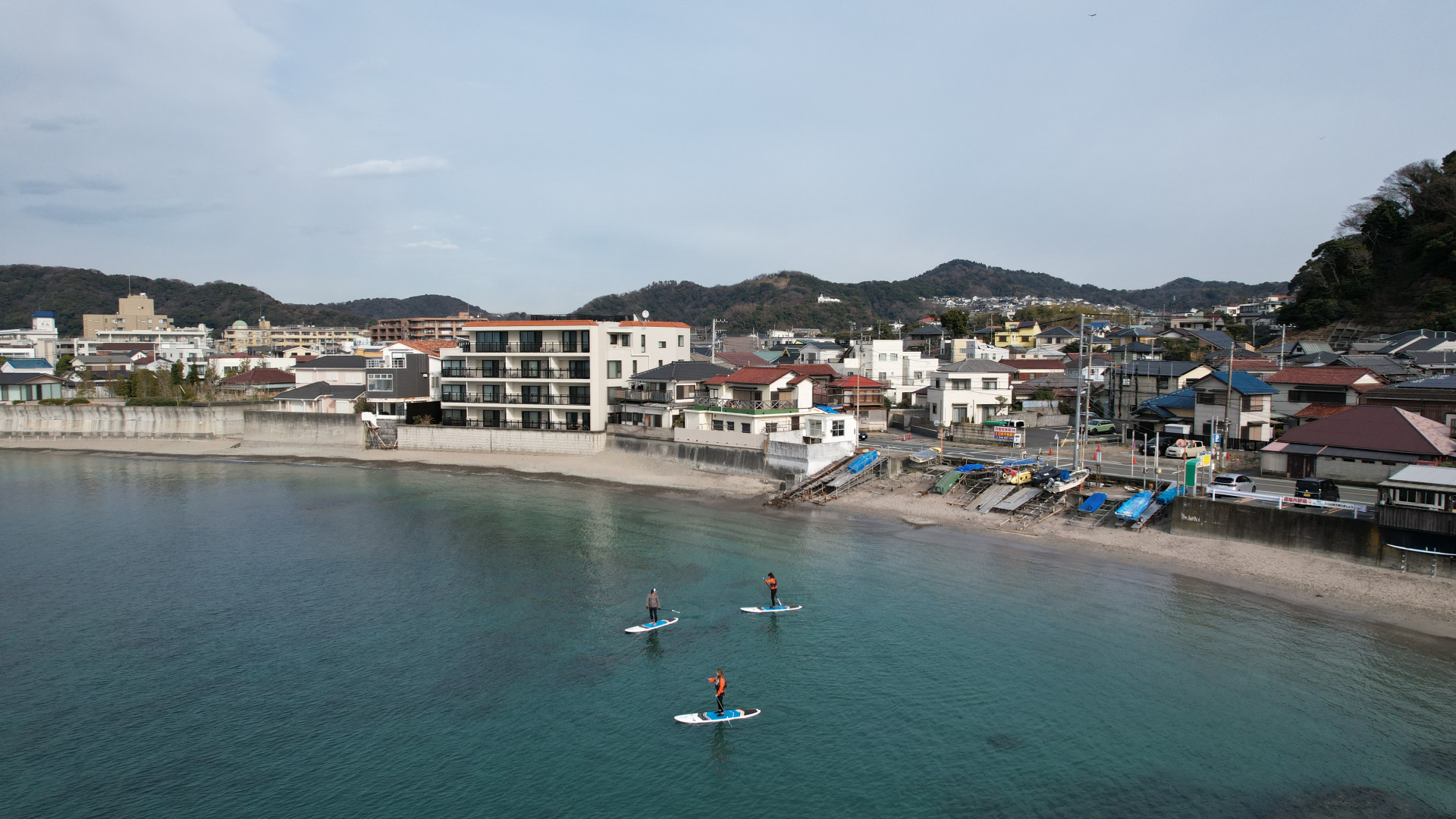
Located at Shinnase Beach in Hayama, Kanagawa, Hayama Ocean Sports offers year-round standup paddleboarding (SUP) lessons. But these aren’t just any ordinary SUP lessons. While paddling, students get to enjoy a picturesque view of Mount Fuji. The nearby Najima Island, a small island with a torii gate, can also be seen. The 2-hour classes are kept to a small number and are led by instructors with over 10 years of SUP-teaching experience. Instructors closely guide participants through the basics for about an hour and a half, before students are given free time to paddle on their own. Included in the package are required SUP equipment, a wet suit, as well as a life vest. Participants are also welcome to use the shower facilities inside the clubhouse after the session. If you’re looking to try your hand at a new water sport, try out a SUP lesson with Hayama Ocean Sports. And if you need a break, you could always take one on your board and appreciate Mount Fuji’s beautiful silhouette.

Experience & Activities Tokaido Koshu kaido KANAGAWA