

The Museum of Modern Art, Hayama
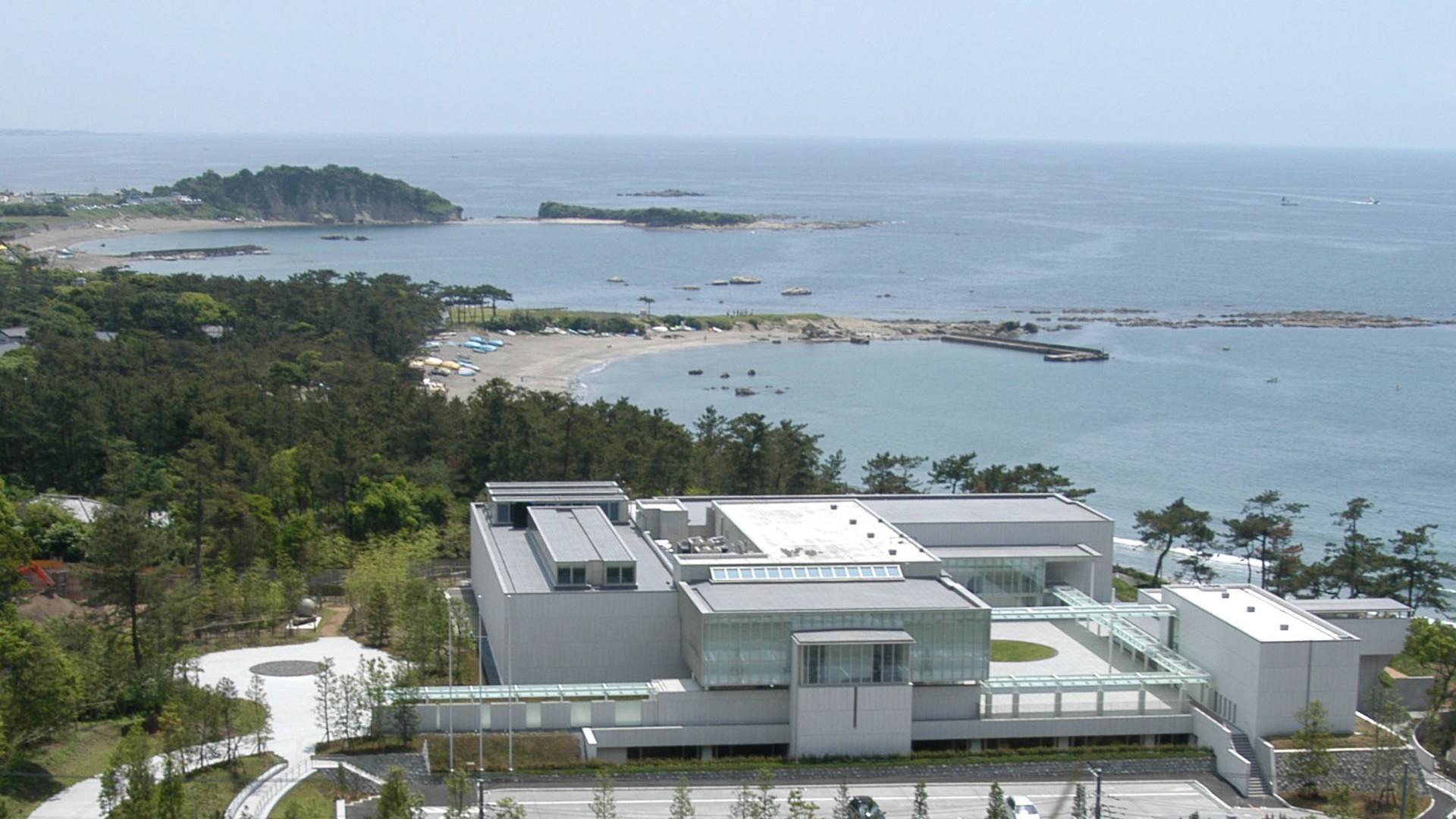
We hold exhibitions several times a year. There is a walking path where you can enjoy sculptures on the grounds, as well as a museum shop and a restaurant where you can enjoy the view of the Isshiki coast.
Total: 1715 items
We hold exhibitions several times a year. There is a walking path where you can enjoy sculptures on the grounds, as well as a museum shop and a restaurant where you can enjoy the view of the Isshiki coast.
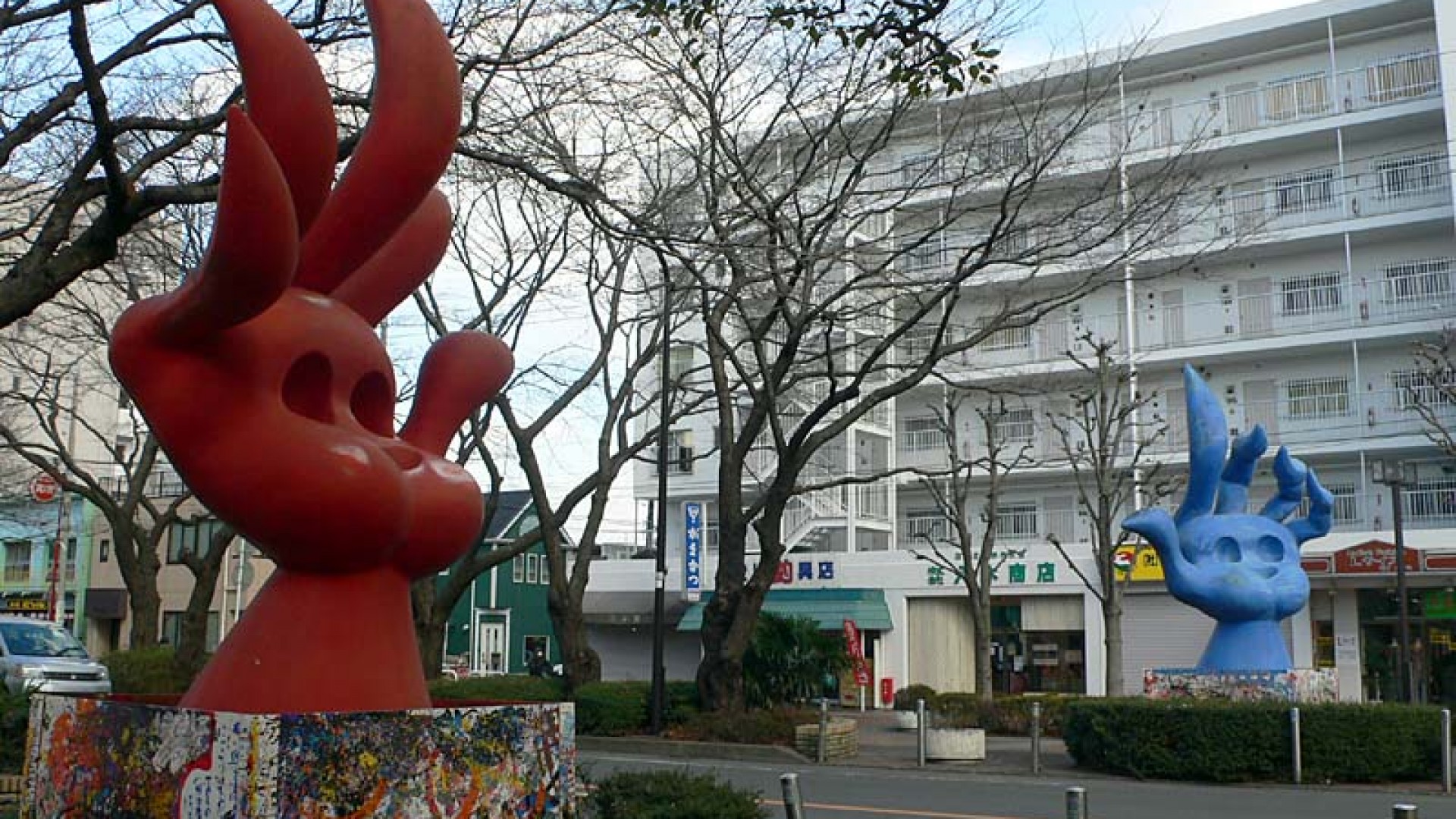
The Nishimon Shopping Street is located south of Sagamihara Station on the JR Yokohama Line and is home to Taro Okamoto's "Red Hand Blue Hand" sculptures.
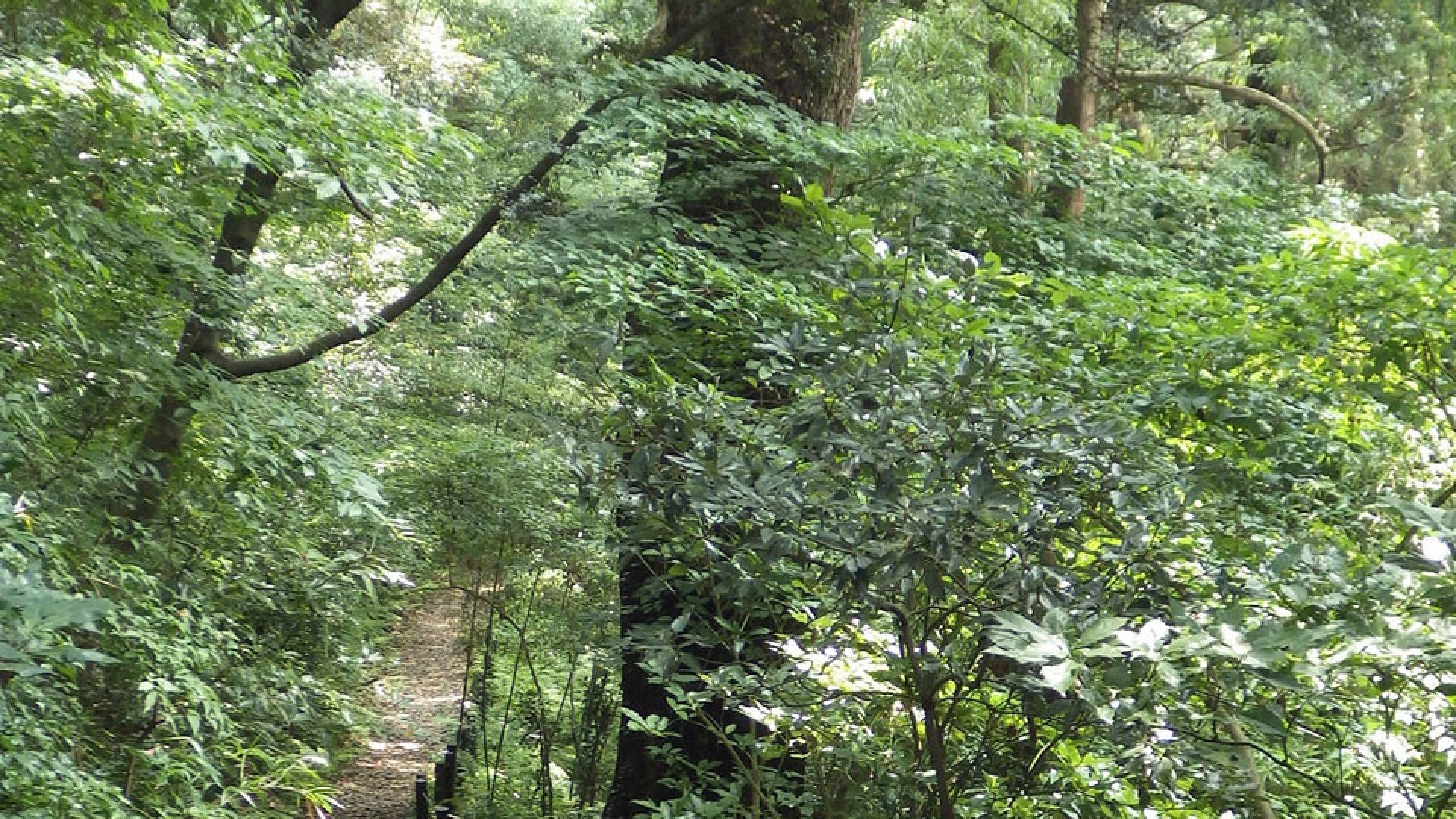
【Forest Promenade】This 300-meter-long promenade stretches out in the direction of the cape from the Nakagawa Museum of Art. Midway there is a hut for bird-watching. 【Forest Therapy Promenade】 As opposed to the Forest Promenade, this promenade stretches out towards the south and is 850 meters long. 【Banbaura Promenade】 This promenade is about 450 meters long and stretches from Kamegasaki to the Banbaura car park along the coastline.Going in the morning is recommended. As you stroll along this course, enjoy the crisp air and feel the sea breeze during any season.
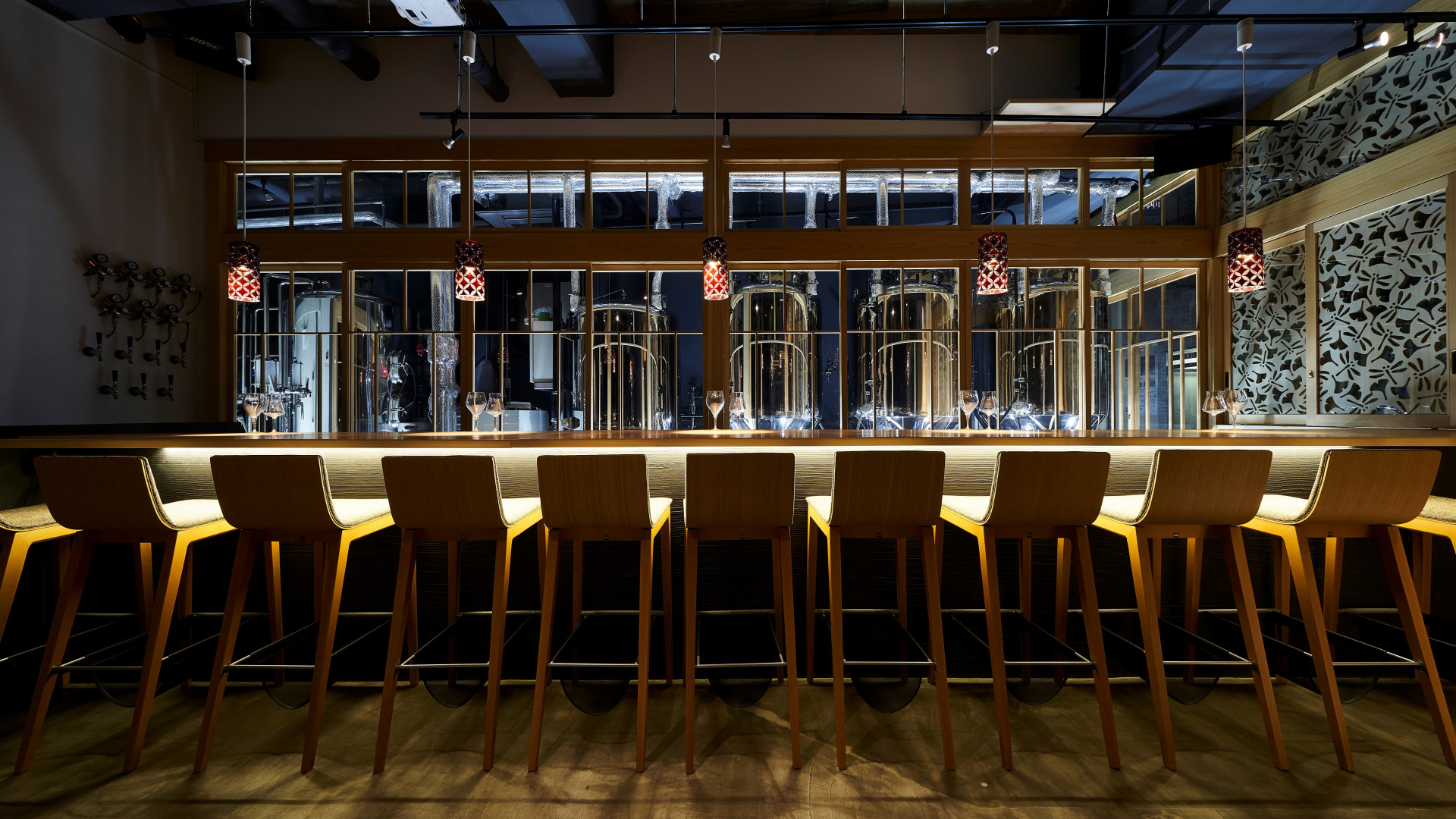
Only a 7-minute walk from Kawasaki Station on the Keihin Electric Express Railway line, this beer brewery and beer bar stands majestically on the former site of the Kawasaki-juku on the Tokaido road. This hideaway-like space for adults was selected for the Japan Space Design Award, and from the counter seats equipped with beautiful Edo Kiriko lighting you can enjoy 14 types of beer, from standard to seasonal, while overlooking fermentation tanks that resemble the night view of Kawasaki's factories.Located near Kawasaki Station, this brewery and beer bar is quietly nestled within the former site of Kawasaki-juku on the Tokaido road. Enjoy freshly brewed craft beer from the counter seats, beautifully lit with Edo Kiriko glass that was selected for the Japan Space Design Award, while gazing at beer fermentation tanks that resemble the night view of Kawasaki factories.
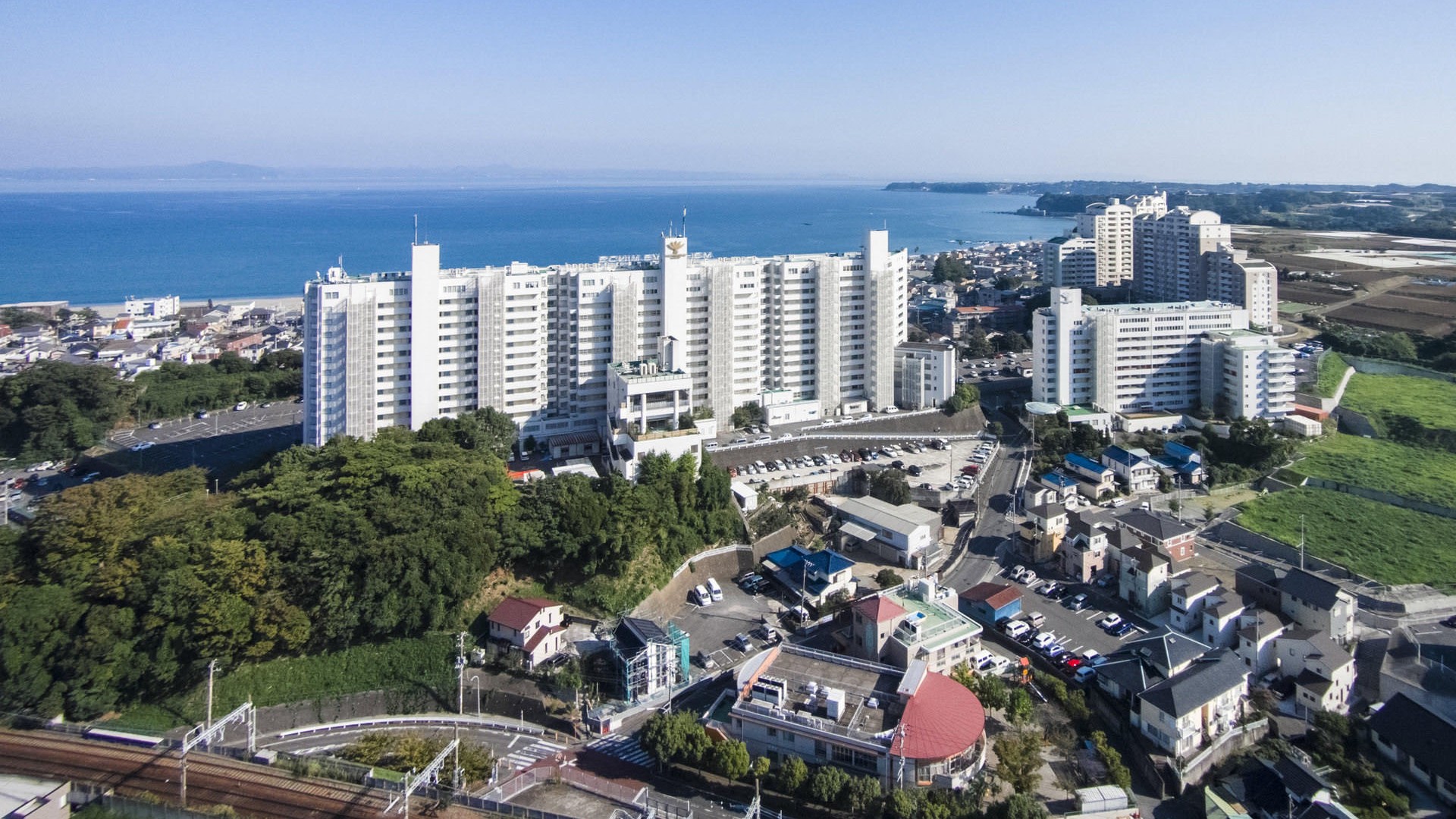
Mercure Hotel Yokosuka, a member of the Accor hotel group, is located in Bay Square Yokosuka, which includes the Yokosuka Art Theater. The building was designed by Kenzo Tange, one of Japan's leading architects, and stands out in the skyline above Yokosuka. The view from the 19th floor restaurant overlooking the ocean is extraordinary, and tourist attractions such as the Yokosuka Military Port Tour are within walking distance.
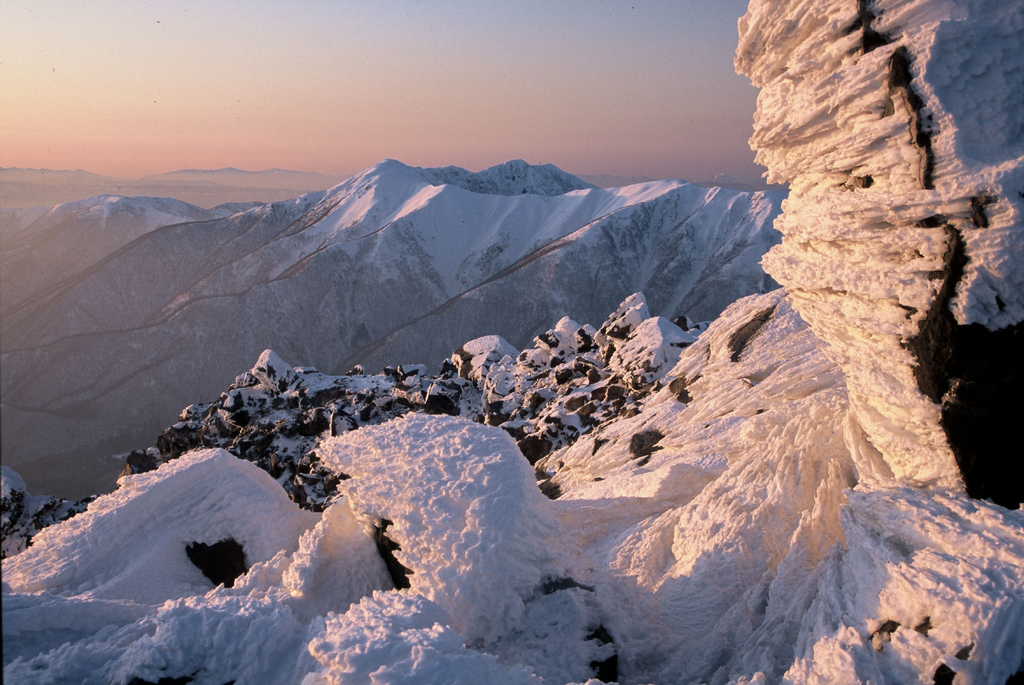
Mt. Chausu,located at the north end of Tochigi prefecture,is an active volcano and the main peak of the Nasu mountains. It stands 1,915 metres above sea level. Take the ropeway to the 9th station of Mt.Chausu for a spectacular view of fields of flowers and autumn leaves. If you are a big fan of trekking,try the routes from the top of the ropeway to the crater of Mt. Chausu. A wide range of walking trails are available suitable for beginners and families. The panoramic view of the Kanto Plain below from the top of Mt. Chausu is breathtaking.
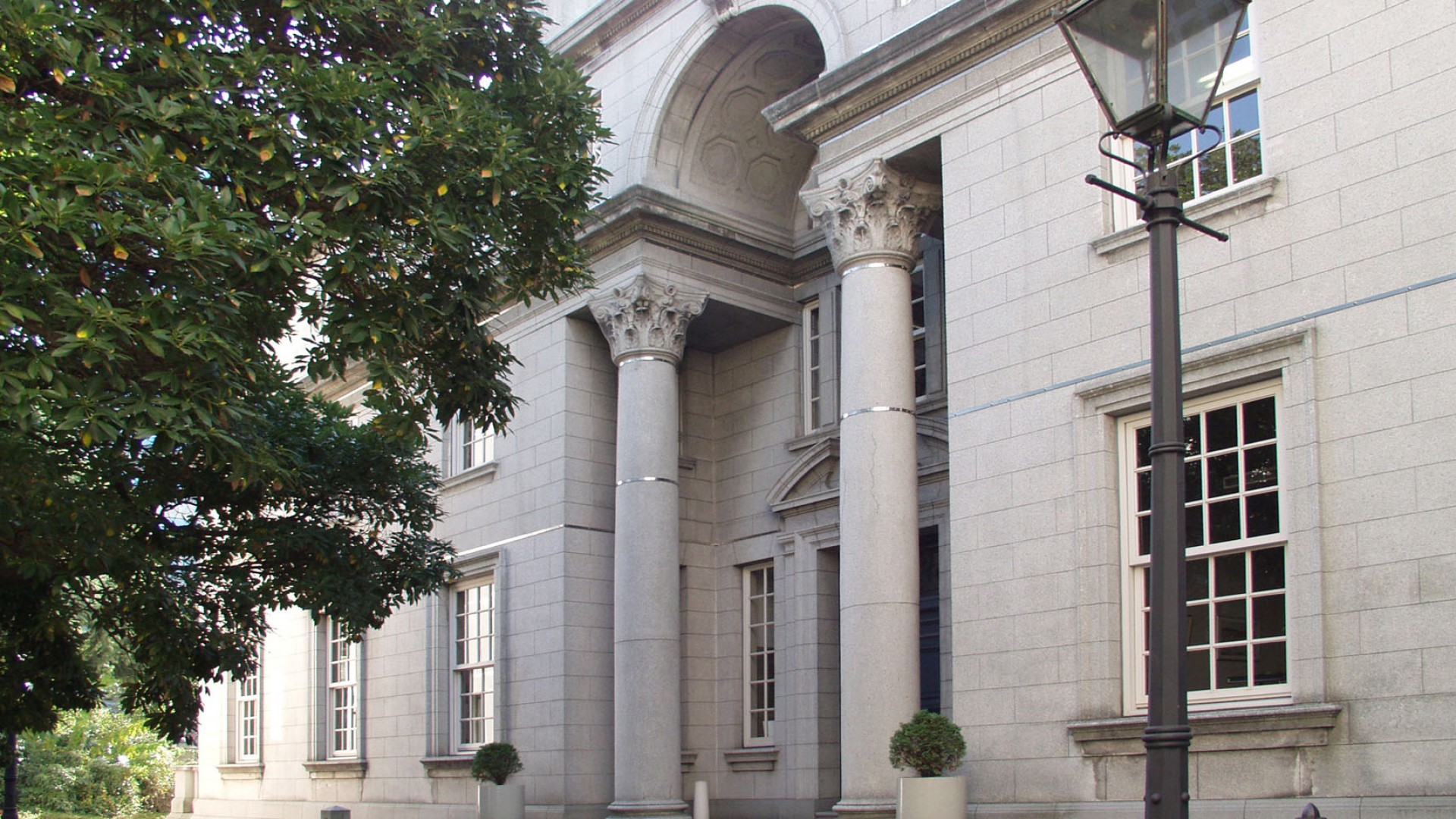
Displays materials on Yokohama history from the end of the Edo period/Opening up of the port period to the beginning of the Showa period. The building was formerly used as the British consulate until 1972. There is a historical camphor tree in the courtyard. *Includes a cafe.Learn the fascinating history of how a small fishing village became the second largest city in Japan. It starts with the landing of Commodore Perry and his black ships.
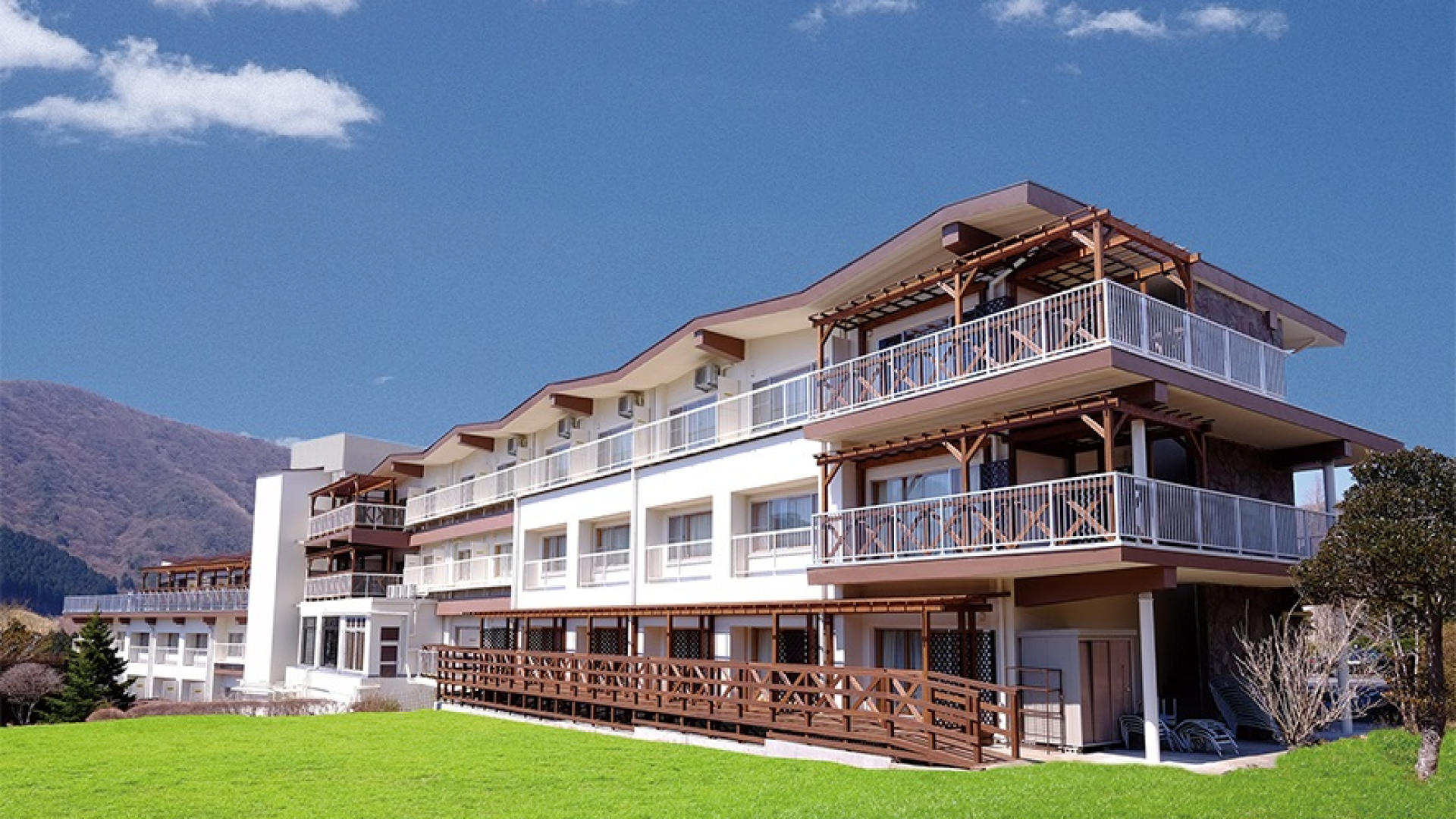
Hakonekogen Hotel has great spas. Its hot spring water contains a large amount of carbon (hydrogen carbonate ions and free oxygen). Because the iron ions subside into the water, the water has a brownish-red color.*Day trip to spa 12pm-4pm (Reception closes at 15:30)
Every room is an ocean-view room and relatively spacious compared to typical same class accommodations. There is also a meeting room and a party room for large groups.
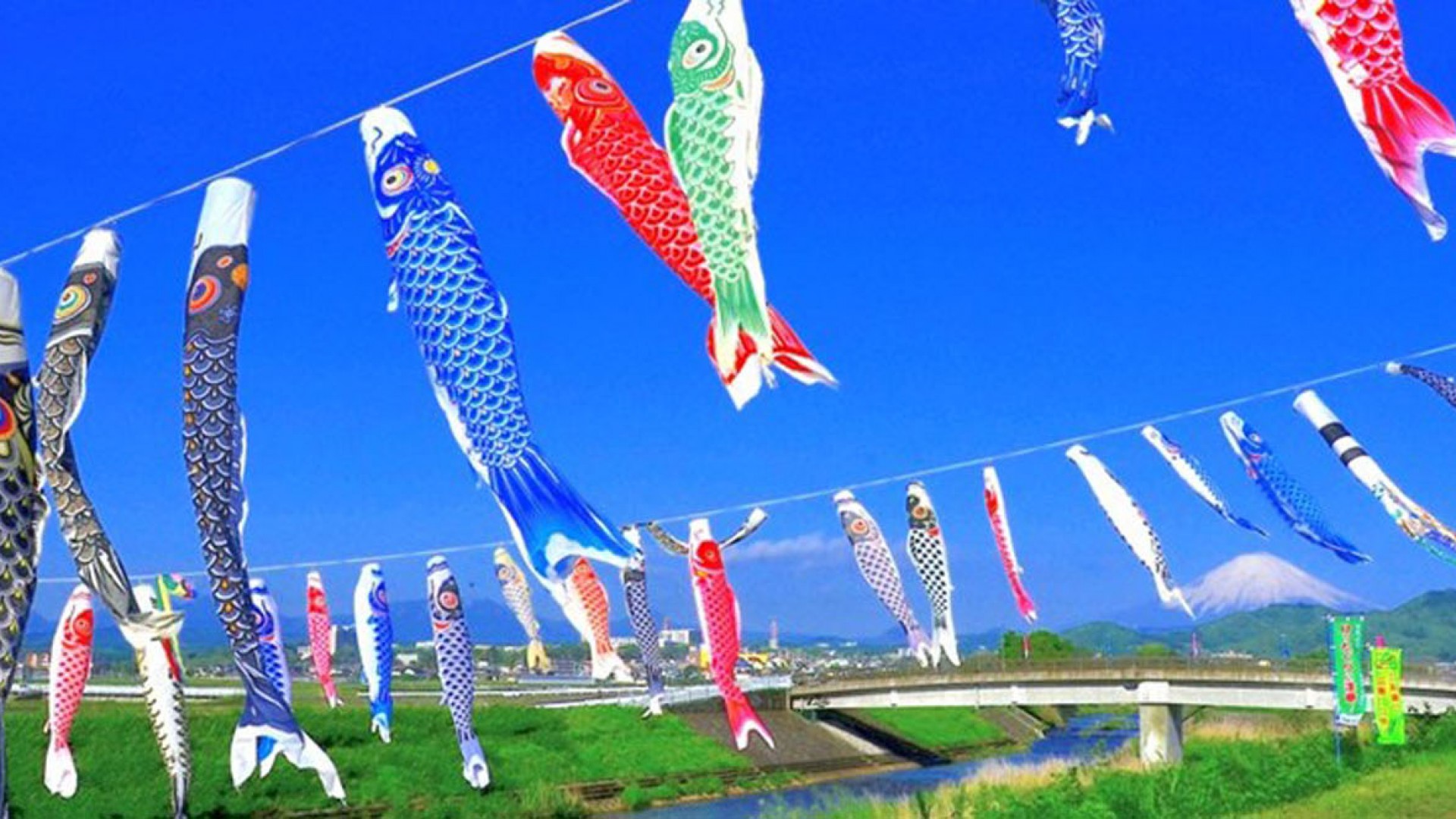
Around 300 Koinobori, carp-shaped wind socks, in different sizes, in the air above the Suzugawa River. There will be stalls and other entertainment that both kids and adults can enjoy.
Terugasaki Coast is designated as a natural monument of Kanagawa Prefecture as the "Aobato (white-bellied green pigeon) Group Flyover Site in Oiso Terugasaki”. When the Oiso Hills are covered in green, they can also be observed at Mount Koraizan and Shonandaira. Early in the morning around May to November, you can view the aobato that fly in from the mountains and forests to drink seawater. Drinking seawater is said to provide salt and minerals. It is worth seeing the aobato risking their lives to come and drink seawater while avoiding the waves crashing onto the reefs.From May to November, admire the green pigeons that fly in from the mountains and forests to drink seawater during the early morning. It is said that they drink seawater to replenish salt and minerals. Avoiding the waves breaking on the reefs, the green pigeons risk their lives to come here. It is well worth watching.
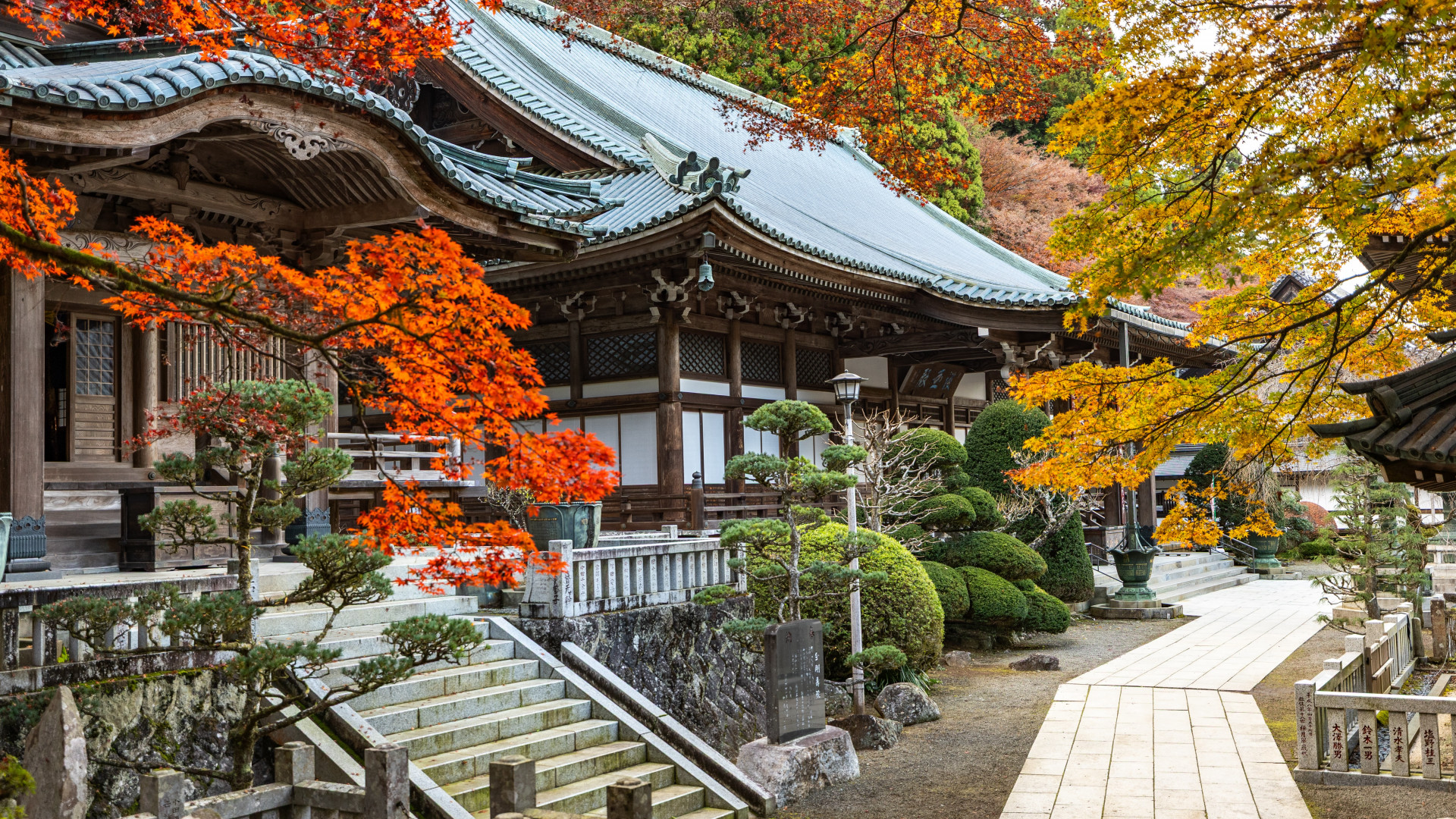
Founded in 1394 by Soto Zen monk Ryoan Emyo Zenji, this ancient temple is a Soto sect training center renowned as one of the sect's three major prayer temples. Its natural beauty changes with the seasons, with its autumn foliage illuminated at night for seasonal viewing. Prayer services, zazen meditation experiences, and shojin-ryori vegetarian cuisine are available (reservation required). Temple legends feature tengu (mountain bird-like goblins), and the main hall enshrines the world's largest iron geta (wooden clogs).A unique aspect of this temple is its larger than life geta. These wooden sandals are left out for the tengu, winged spirits, that guard the temple grounds. The shoes vary in size, and some are even as tall as humans. Be sure not to miss this popular photography spot!One of the most sacred places in the Kanto region. Zen meditation sessions are held every second and fourth Sunday and Buddhist statue carving lessons every second and fourth Saturday of the month. There are spiritual spot tours around the grounds and other events as well.
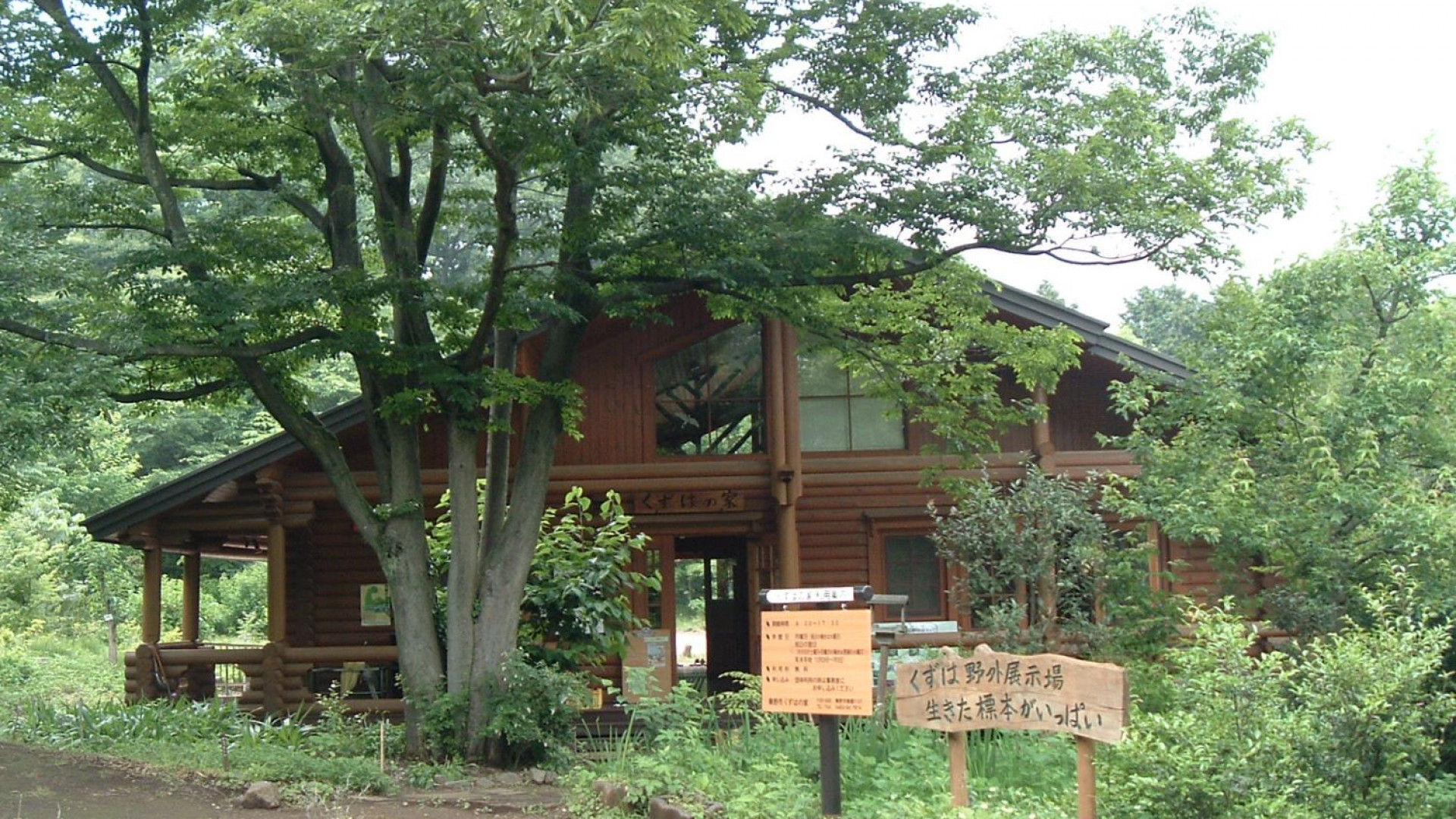
The Kuzuha Green Space, which consists of the Kuzuha River, which runs almost in the centre of the Hadano Basin, and a canyon surrounded by abundant greenery, was designated as" Kanagawa's National Trust No. 1 Green Space" in 1987. "Kuzuha no Ie", which is a base for nature observation, was opened in 1998, and visitors can get close to nature and also holds nature observation meetings, seasonal gatherings and nature observation instructor training courses, and various other activities to encourage nature protection. In addition, we are engaged in work to pass on the conservation of the space to future generations through appropriate management such as nature surveys, tree pruning, and mowing.
Unlike modern flood control methods that build high, sturdy levees, these double levees make good use of nature and allow water to flow outward from them. It is said that this was invented by Shingen Takeda, also known as Shingen Tsutsumi, a general in the Warring States period.
It started as a cemetery for sailors of Commodore Perry's squadron. Now, more than 5,000 foreigners from about 40 countries are buried here. The tombs of some famous contributors to the modernization of Japan are here. It is also an important cemetery from a historical point of view.
A compact city hotel directly connected to the east exit of Odawara Station, located in the Minaka Odawara complex. Natural hot spring water is sourced from Hakone-Yumoto. This hotel offers great convenience as a base for sightseeing in Hakone and Atami.
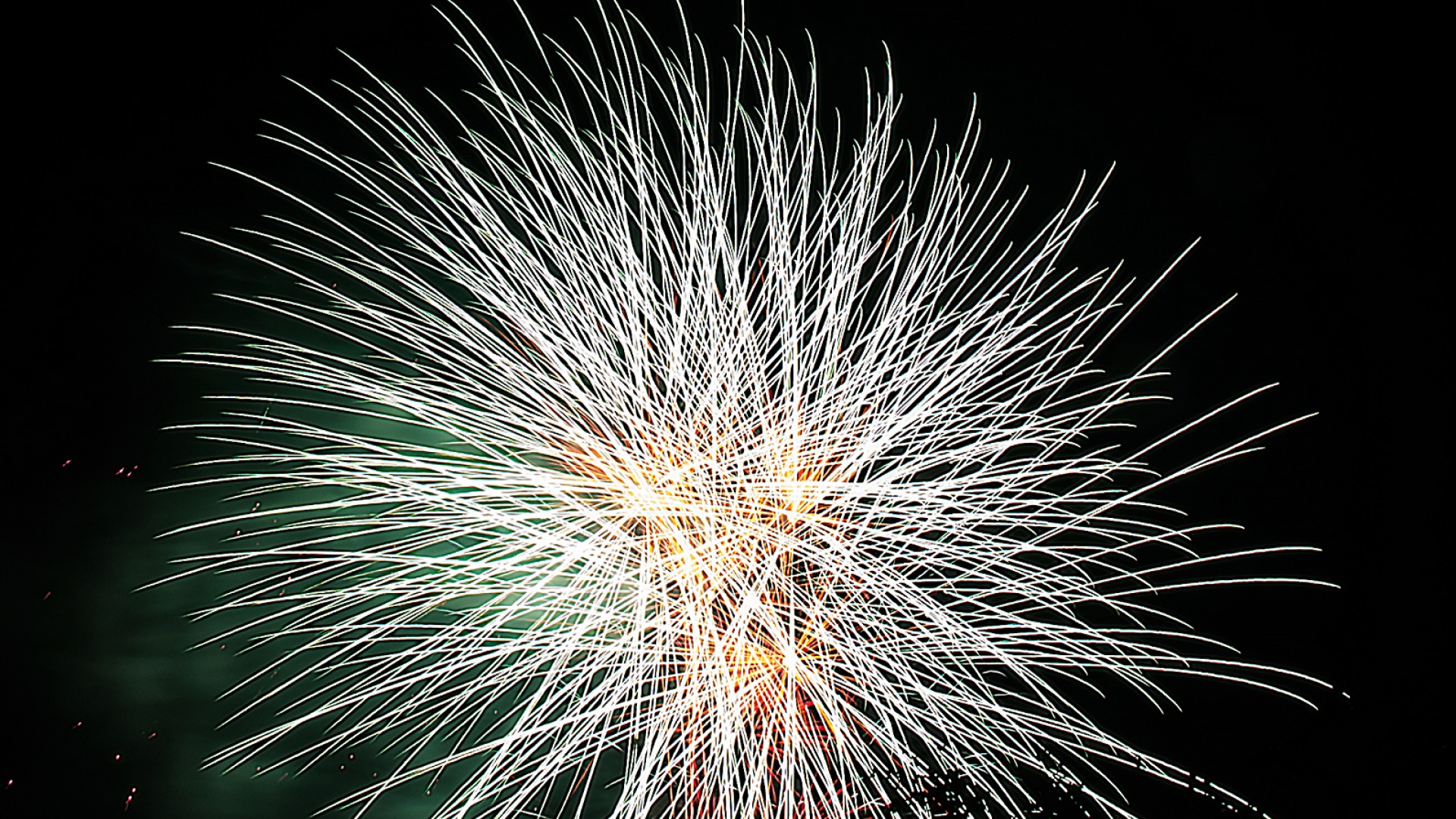
This fireworks display is held at Miyagase Lake, located amid rich natural surroundings. The inspiration for this event was to create a way for residents who moved to Miyagase and those who remained in Miyagase to get together and remember their hometowns following the construction of the Miyagase Dam. On the day of the festival, approximately 2,000 fireworks are shot off.The Miyagase Furusato Fireworks Festival is a great opportunity to enjoy the loud sounds echoing off the mountains and the vivid contrast between the fireworks and the night sky, which is unique to Miyagase's rich natural environment. *Please check the official website for the latest information.
This statue of King Enma was carved in 1250 and was initially situated on a mountain in front of the Hase Kannon. After the fated downfall of the Kamakura Shogunate, Ashikaga Takauji moved it to the left, facing the sea at the Ichino-torii gate, to mourn the departed souls of Yuhigahama, the site of the decisive battle. The temple was again damaged by a major earthquake during the Genroku era (1688-1704), and was moved to its present location. The Ten Kings of Ennoji Temple, centering on King Yama, depict the judgment of those who were condemned to hell for their sins during their lifetime. The temple is still widely worshipped as a Jizo temple.