
Greater Tokyo

See & Do

reset
Kamakura Nohbutai

Kamakura Nohbutai

It was established in 1970 near the Great Buddha in Kamakura, an ancient city in Kanagawa Prefecture, aiming to promote and popularize traditional Japanese "Noh" theater (UNESCO World Intangible Cultural Heritage). The stage can also be rented in addition to the regular performances called "Noh wo Shirukai®.” It features a Noh theater museum with the stage, Noh masks, and costumes exhibited. A Japanese-style cafe was also opened in 2022.

Culture & Arts Tokaido Koshu kaido KANAGAWA
Ofuna Kannon Temple

Ofuna Kannon Temple

The Ōfuna Kannon in the west of Ōfuna Station in Kamakura City is an eye-catching huge white statue of Kannon. Although there were instances where the construction of this statue had to be stopped due to WWII, it was completed in 1960 (Showa 35) and is now a symbol of Kamakura City Ōfuna Ward, gently protecting the many visitors who come to pray.This modern temple is home to the Ofuna Kannon, a 25-meter statue of the Buddhist goddess of mercy, watching serenely over visitors. At the Yume Kannon Festival held in autumn each year, you can watch performances of music and dance from around Asia.

Temples & Shrines Tokaido Koshu kaido KANAGAWA
Uzuma River Andon (Lantern) Festival

Uzuma River Andon (Lantern) Festival

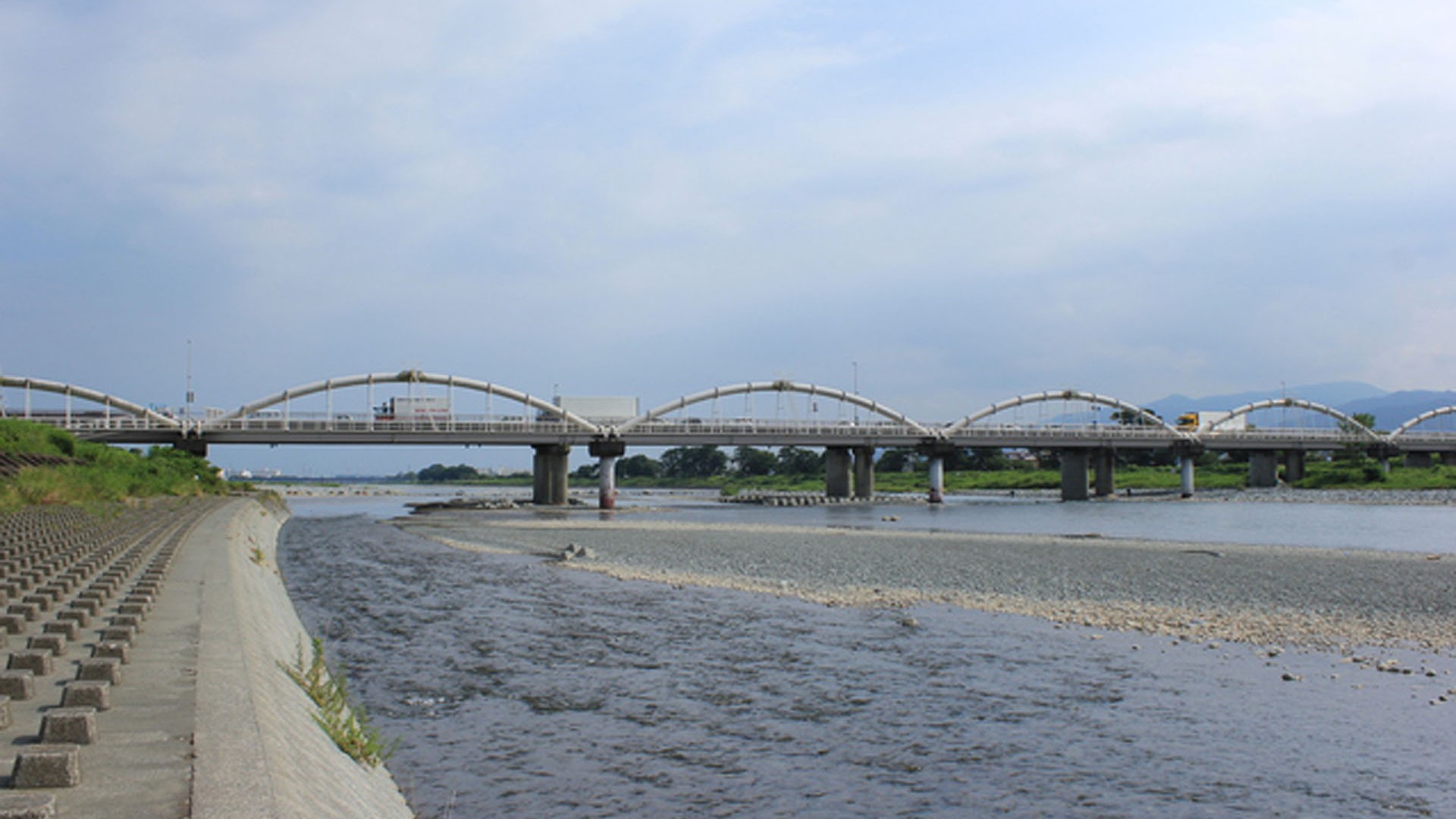
The Uzuma River Andon (Lantern) Festival is being held July 1 - September 30 every year. Festival goers enjoy 135 historic Edo-style paper lanterns displayed along the Uzuma River, from the Kaiun to Korai bridges and around Uzuma Park. Each unique lantern is intricately and handsomely decorated with paper-cut designs of floats and traditional warehouses. Lighting time is 7:00 pm to 10:00 pm daily, adding an exotic and nostalgic atmosphere to the town post-sunset. On the first Sunday of August, the Hyaku Hatto Nagashi Festival is also held."

Nikko kaido Oshu kaido TOCHIGI
Soshu Manazuru Kibune Shrine

Soshu Manazuru Kibune Shrine

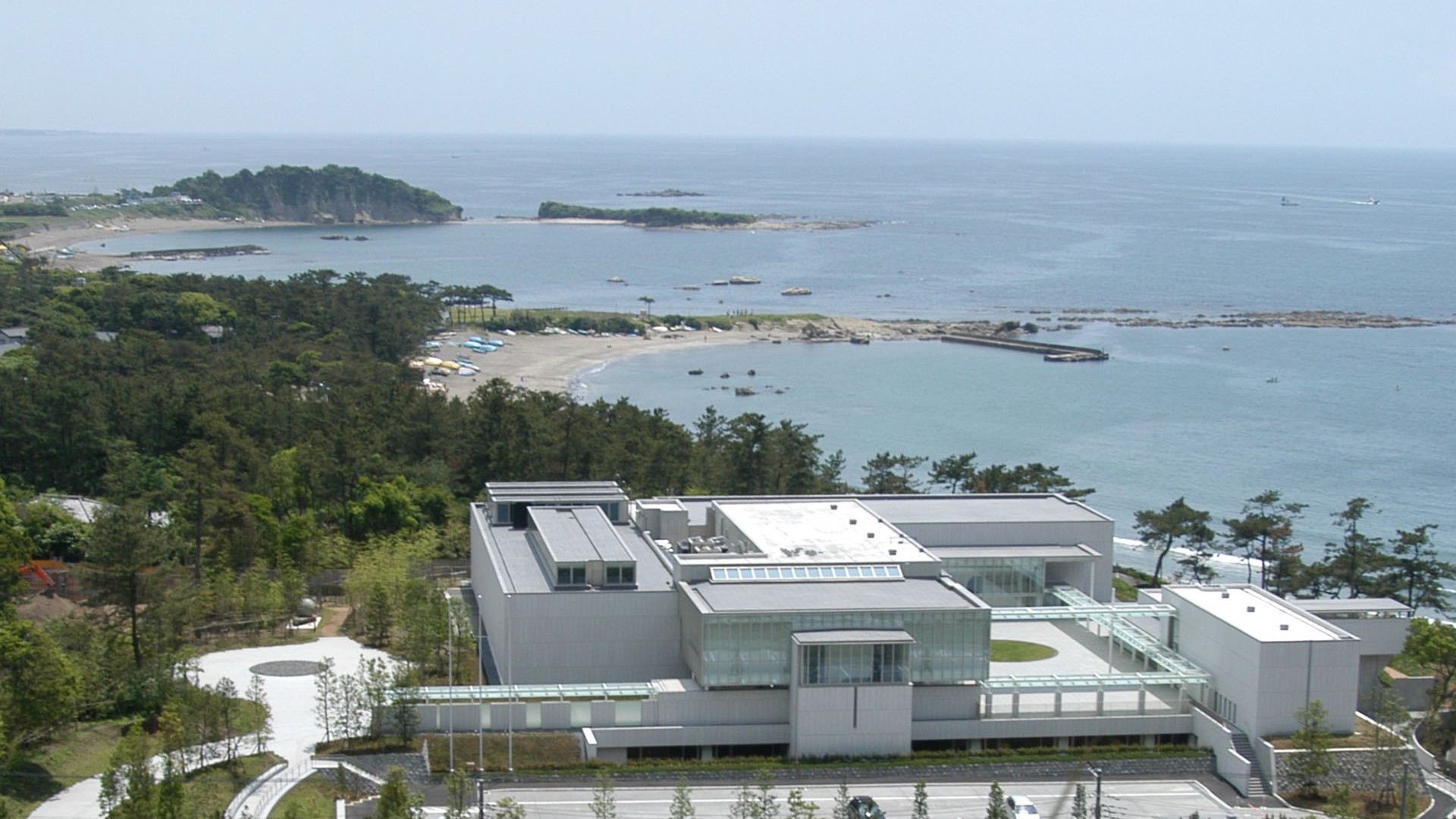
Okuninushi, the deity of Kibune Shrine, is a god who bestows the “divine virtue of knots,” which is indispensable in our lives. Since ancient times, he has been known as the god of good fortune, and, as seen in the myth of the white hare of Inaba, he is believed to have paved the way for the beginning of medicine and medical science. He is always pouring out boundless love so that people can live happy lives. The Kibune Shrine Festival is held for two days in July every year. It is famous for its magnificent boat festival and has been designated as Japan's important folk cultural property.

Temples & Shrines Koshu kaido Tokaido KANAGAWA
Mitsuzawa Park

Mitsuzawa Park

Opened to the public in 1949, this sports park has been the site for national sporting events and the Tokyo Olympics. Along with Nippatsu Mitsuzawa Stadium, where J.League and Rugby Top League matches are held, and the JAAF (Japan Association of Athletics Federations) certified class 2 track stadium, this park has a wide variety of sports facilities including tennis court, horse riding area, Hiranuma Memorial Gymnasium, Kanagawa prefecture sports center.

Experience & Activities Tokaido Koshu kaido KANAGAWA
Ryuhoji (Wooden Senju-kannon)

Ryuhoji (Wooden Senju-kannon)

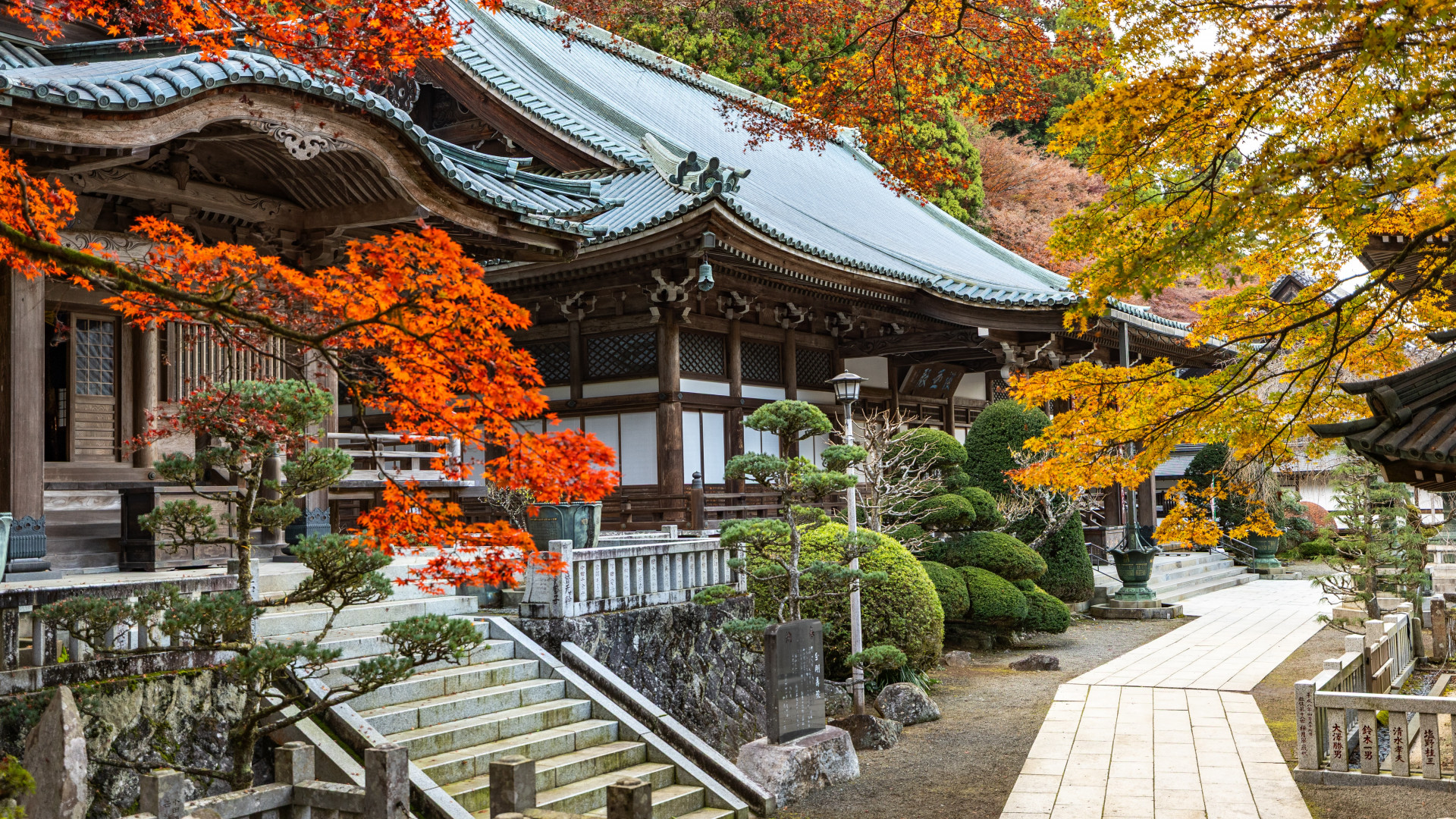
It was founded in the early Muromachi period as a branch temple of Kencho-ji Temple in Kamakura, inheriting the remains of Kannondo and Kiyomizu-dera. The Kannondo, the Nio-mon Gate, the Nio Guardians and the ema plates are tangible cultural properties designated by Ebina City. Since it is on a hill, it has a nice view, you can have a nice view of Oyama if the weather is sunny. There are various plants in the precincts, which you can enjoy all year.

Temples & Shrines Tokaido Koshu kaido KANAGAWA