

Greater Tokyo

See & Do

reset
Daiyūzan Saijo-ji Temple

Daiyūzan Saijo-ji Temple

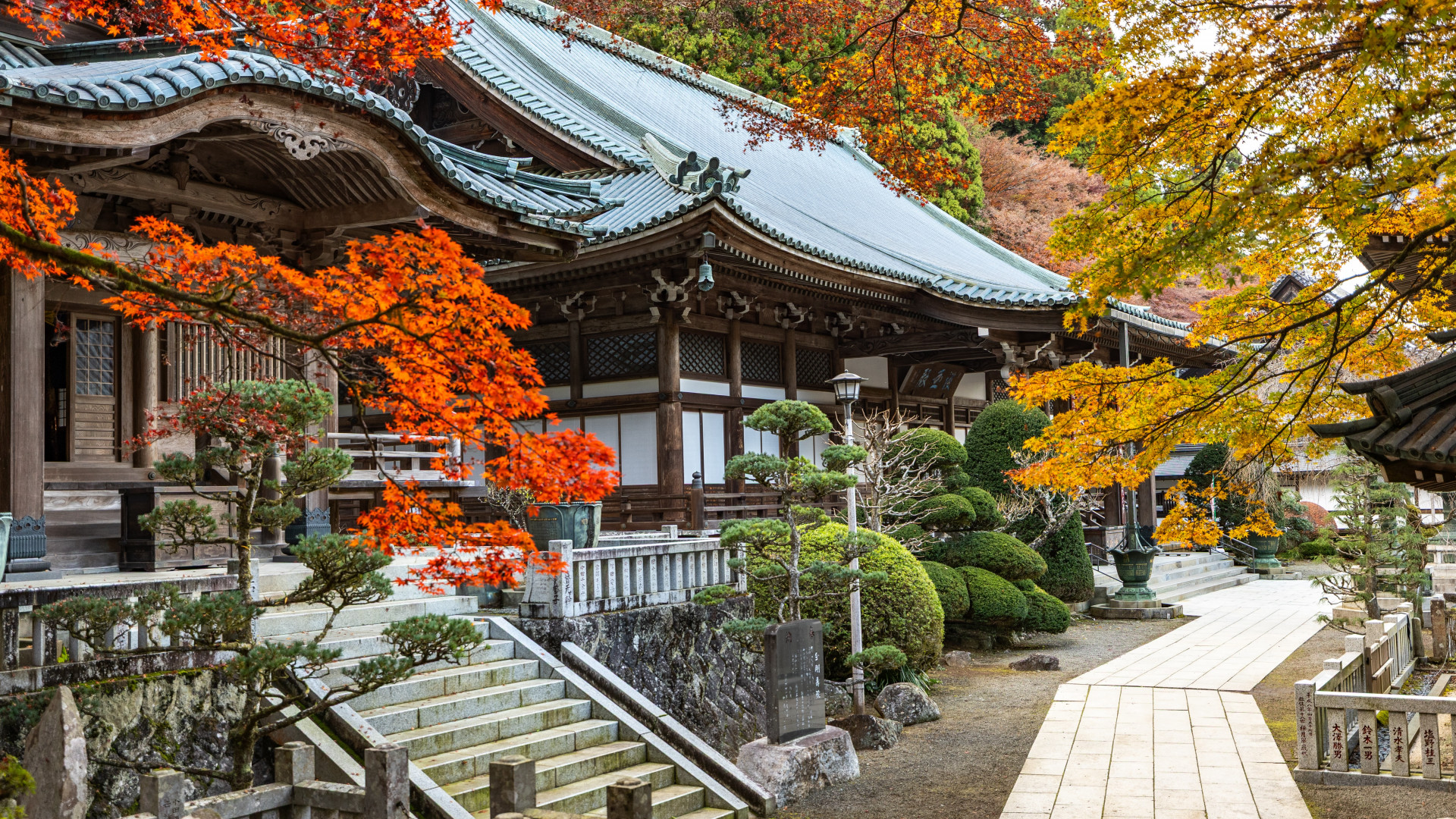
Founded in 1394 by Soto Zen monk Ryoan Emyo Zenji, this ancient temple is a Soto sect training center renowned as one of the sect's three major prayer temples. Its natural beauty changes with the seasons, with its autumn foliage illuminated at night for seasonal viewing. Prayer services, zazen meditation experiences, and shojin-ryori vegetarian cuisine are available (reservation required). Temple legends feature tengu (mountain bird-like goblins), and the main hall enshrines the world's largest iron geta (wooden clogs).A unique aspect of this temple is its larger than life geta. These wooden sandals are left out for the tengu, winged spirits, that guard the temple grounds. The shoes vary in size, and some are even as tall as humans. Be sure not to miss this popular photography spot!One of the most sacred places in the Kanto region. Zen meditation sessions are held every second and fourth Sunday and Buddhist statue carving lessons every second and fourth Saturday of the month. There are spiritual spot tours around the grounds and other events as well.

Temples & Shrines Tokaido Koshu kaido KANAGAWA
Kamakura Nohbutai

Kamakura Nohbutai

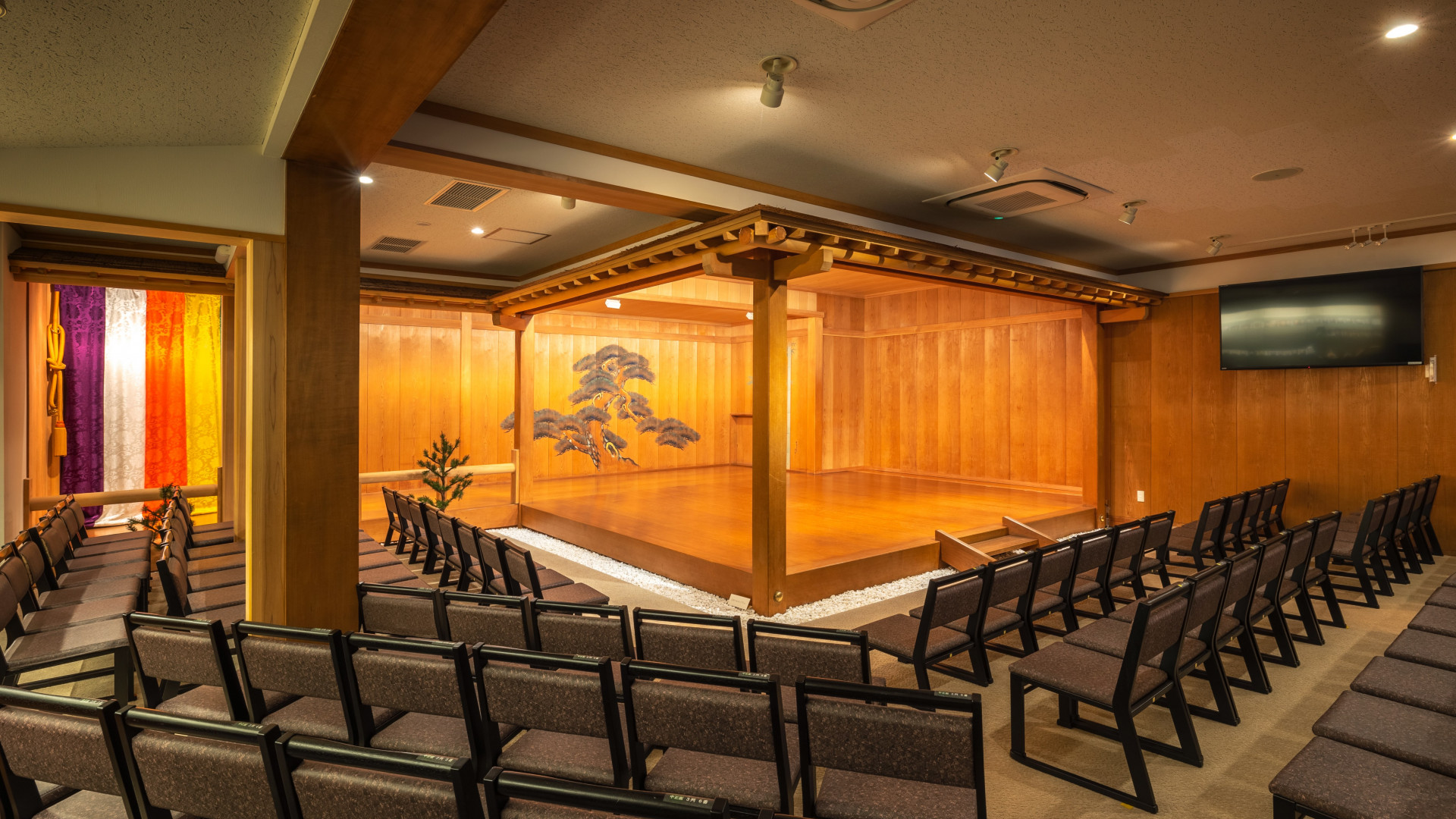
It was established in 1970 near the Great Buddha in Kamakura, an ancient city in Kanagawa Prefecture, aiming to promote and popularize traditional Japanese "Noh" theater (UNESCO World Intangible Cultural Heritage). The stage can also be rented in addition to the regular performances called "Noh wo Shirukai®.” It features a Noh theater museum with the stage, Noh masks, and costumes exhibited. A Japanese-style cafe was also opened in 2022.

Culture & Arts Koshu kaido Tokaido KANAGAWA
Mt. Kongo Fire-walking Sadhana

Mt. Kongo Fire-walking Sadhana

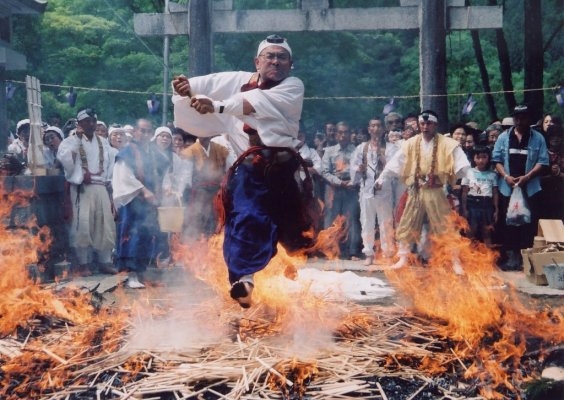
At Mt. Kongo Zuihoji Temple in Furumine, the "Fire-Walking Sadhana Festival" is held on the last Sunday on May, for burning away afflictions, warding off bad luck, and praying for family safety. The ceremony begins with the sound of a shugenja (mountain ascetic) blowing a trumpet shell, followed by the performance of the axe, bow, and sword, and then the flames of the goma are extinguished.   While sutra chanting echoes, shugenjas and participants walk barefoot on the path, praying for protection from bad luck, safety in the home, and the fulfillment of various wishes.   After the ceremony, shugenjas would share tributes (like deserts, sake) with people, which means sharing happiness with each others.  

Nikko kaido Oshu kaido TOCHIGI
Komadome Falls

Komadome Falls

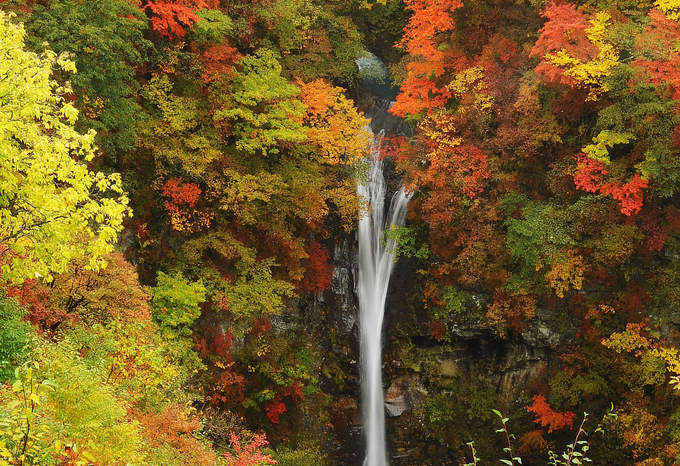
Considered Nasu's foremost waterfall, Komadome Falls is three meters wide and falls approximately twenty meters from a cliff on the Yosasa River. Once, it was a waterfall that can only be seen after the leaves have fallen, but along with the establishment of Nasu Heisei no Mori Forest in 2011, as well as a falls observatory, it became possible to catch a glimpse of Komagome Falls throught the seasons (closed during winter). The observation deck allows you to see a full view of the waterfall from above, which is surrounded by emerald green trees in the early summer and a rainbow of colorful leaves in the fall. Around the end of October, when the autumn leaves are at their peak, the contrast of red and yellow in the valleys together with the clear blue of the waterfalls is a spectacular sight for visitors."

Nikko kaido Oshu kaido TOCHIGI
The site of Ashikaga School

The site of Ashikaga School

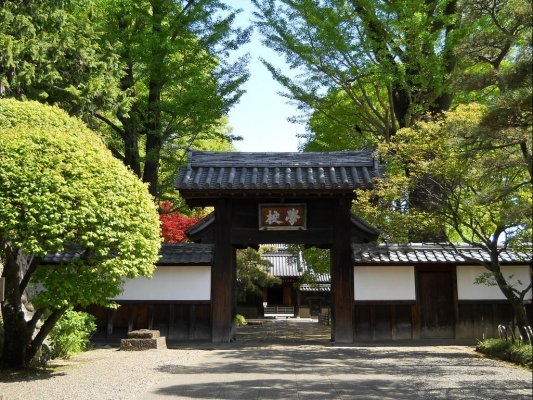
It is said that over 3,000 students studied at the school during the disturbances of the 10-year civil war (Onin War) starting in the 15th century.   When the Catholic missionary Francis Xavier came to the country in 1549, he described it as “Japan’s largest and most famous school” in his correspondence. Ashikaga thus became widely known overseas as well.   Today buildings have been restored,and visitors can view classrooms in their original historic form and join a program reading The Analects of Confucius on Sundays.

Nikko kaido Oshu kaido TOCHIGI
Nakazawa Sake Brewery

Nakazawa Sake Brewery

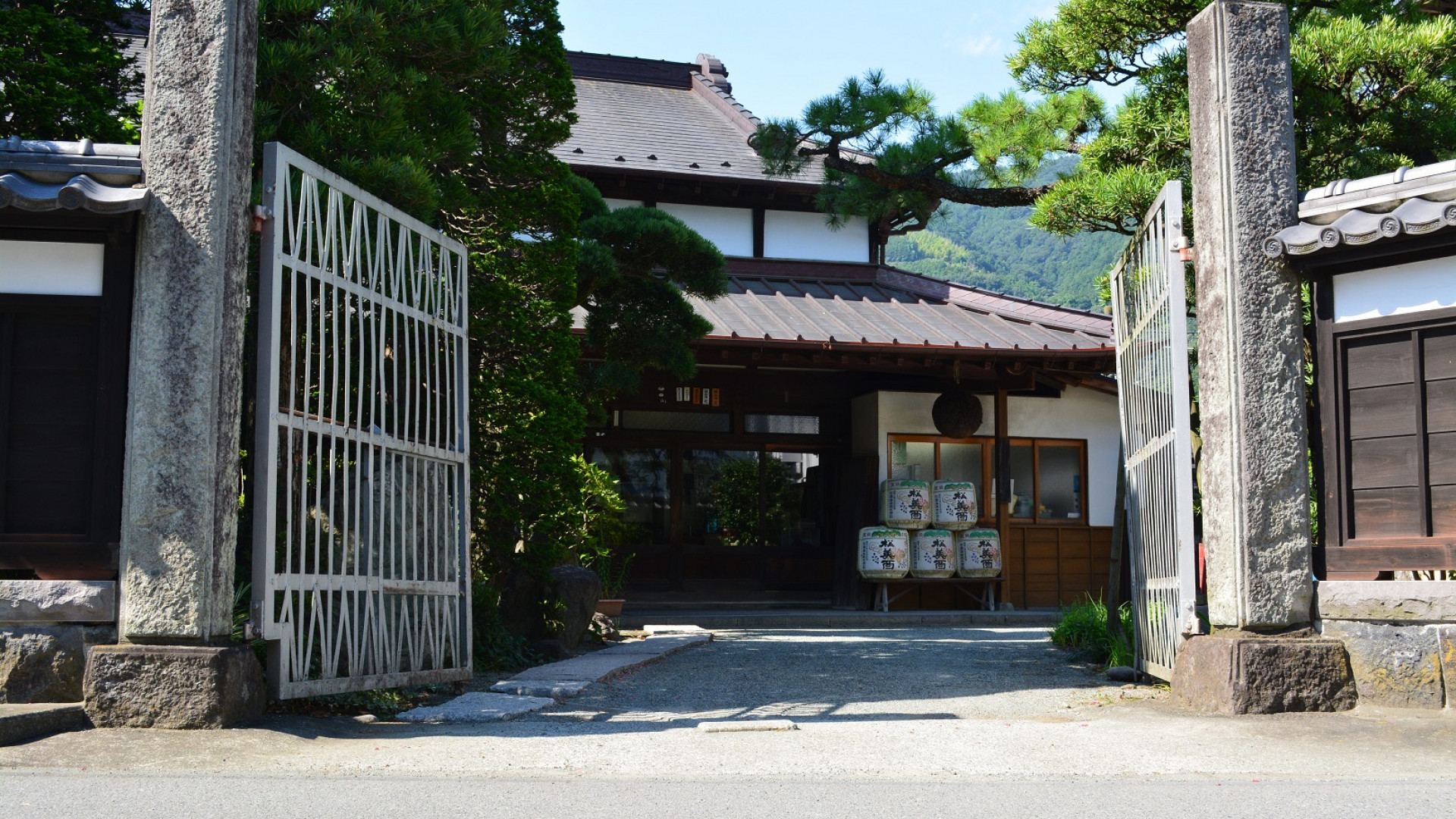
It is a sake brewery located in Matsuda-cho, Ashigarakami-gun, Kanagawa Prefecture. It is a long-established sake brewery founded in 1825 which focuses on Japanese sake under the brand name "Matsumidori". Using water from the Tanzawa mountain range, the sake is soft on the palate and has a gentle taste. Off-season (May-October) sake brewery tours are available; please make a reservation through the Sake Brewery Tours page on the website.A long-established sake brewery dating back to 1825. Using subsoil water from the Tanzawa Mountains, the sake has a silky texture and mild flavor. Brewery tours are available even during the off-season (May to October).

Sake & Breweries Tokaido Koshu kaido KANAGAWA
Mandarado Yagura Caves

Mandarado Yagura Caves

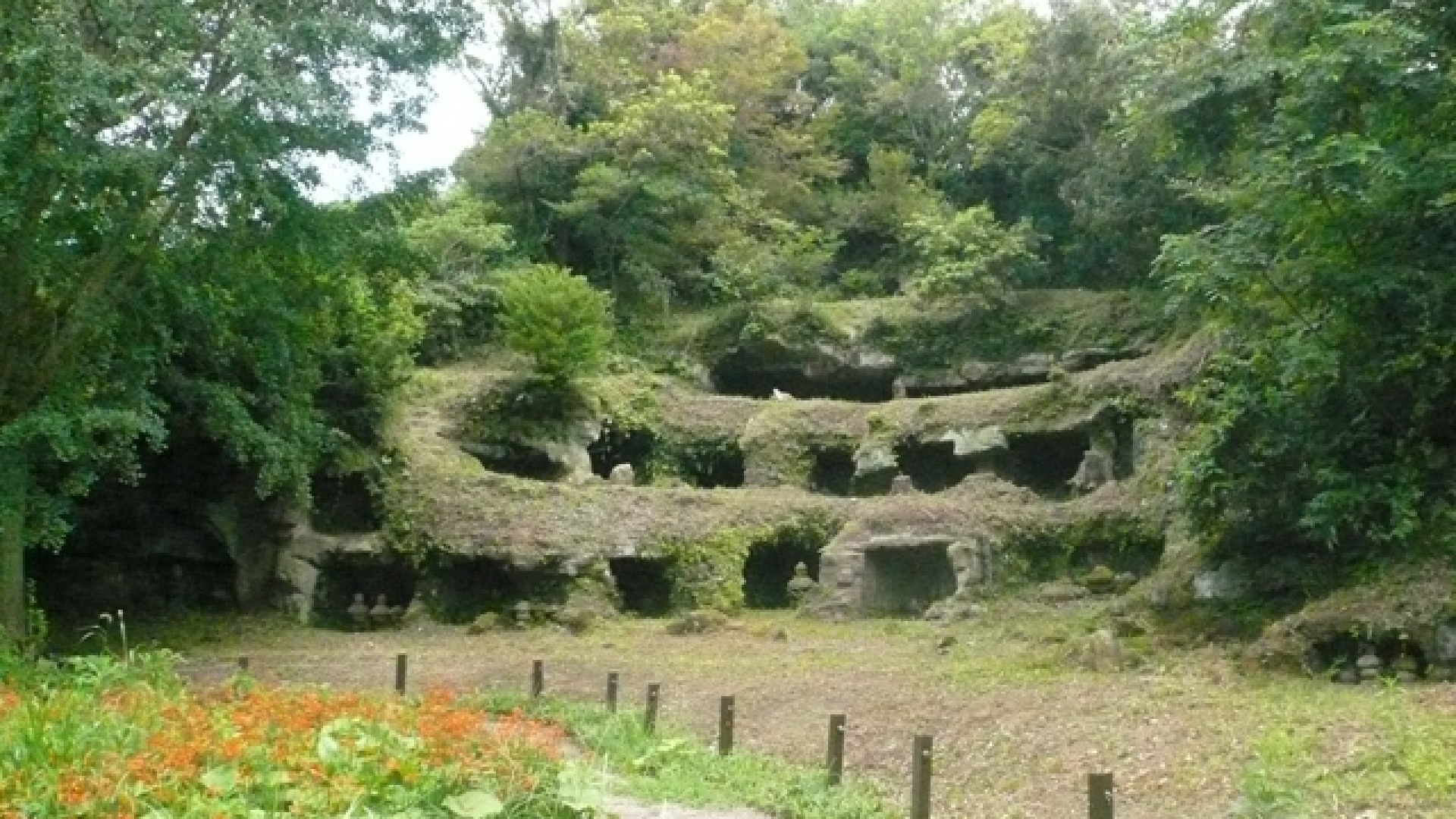
Yagura are square, horizontal caves dug into rock cliffs where tombstones housing bones of the deceased were erected for memorial services. They are unique structures built primarily in Kamakura and its surrounding areas from the late Kamakura period (1185-1333) to the early Muromachi period (1336-1573). The Mandarado Yagura Caves can be found on the historic Nagao Kishidori Pass, and boasts of one of the largest known clusters, comprising over 150 confirmed caves. Few other locations within Kamakura City offer such a concentrated view of well-preserved yagura. Enjoy the unique, spectacular view of the rows of caves spanning multiple layers.

Culture & Arts Tokaido Koshu kaido KANAGAWA
Harukimichi and Shiawasemichi

Harukimichi and Shiawasemichi

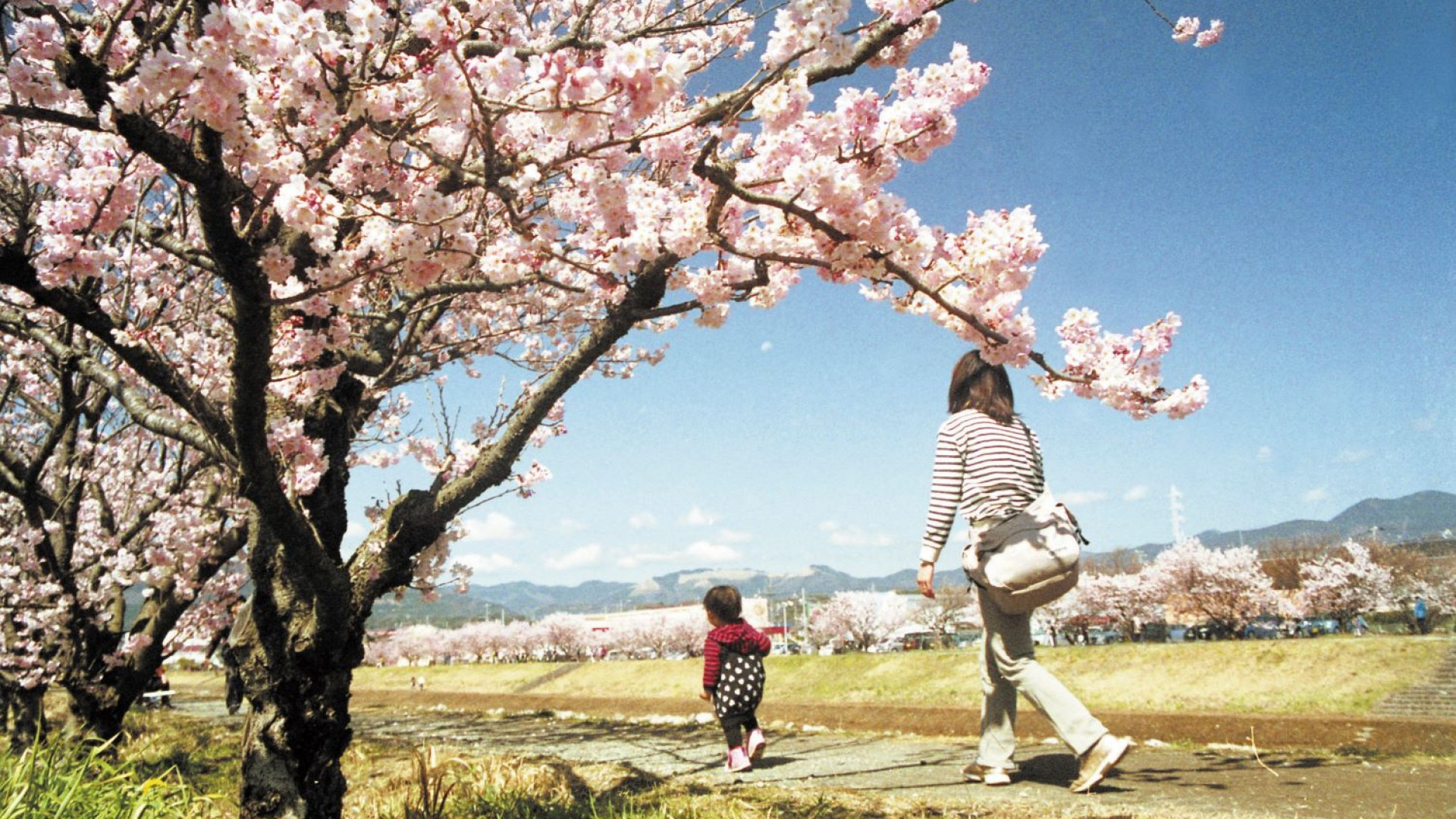
In 2026, there will be a tour bus that operates between Minamiashigara's popular cherry blossom spots, including Haruki Path and Happiness Road (Harukimichi and Shiawasemichi). The bus will operate on March 14 (Sat), 15 (Sun), 20 (Fri), 21 (Sat), and 22 (Sun), 2026.Harukimichi Happy Sakura Festival is a spring festival that takes place on the riverside walk along the Kari River in Minami Ashigara City. When spring comes, the 171 or so cherry trees on the riverbank bloom in unison. Visitors can enjoy strolling along the riverside walk admiring the wonderful view of cherry trees, field mustard flowers and the blue sky with the magnificent Mt. Fuji in the background. There are food stalls lined up along the riverside walk and visitors can enjoy shopping for local farm products and more. Many people also enjoy the bustling fleamarket.

Nature & Views Tokaido Koshu kaido KANAGAWA
Kita-kamakura Takaranoniwa

Kita-kamakura Takaranoniwa

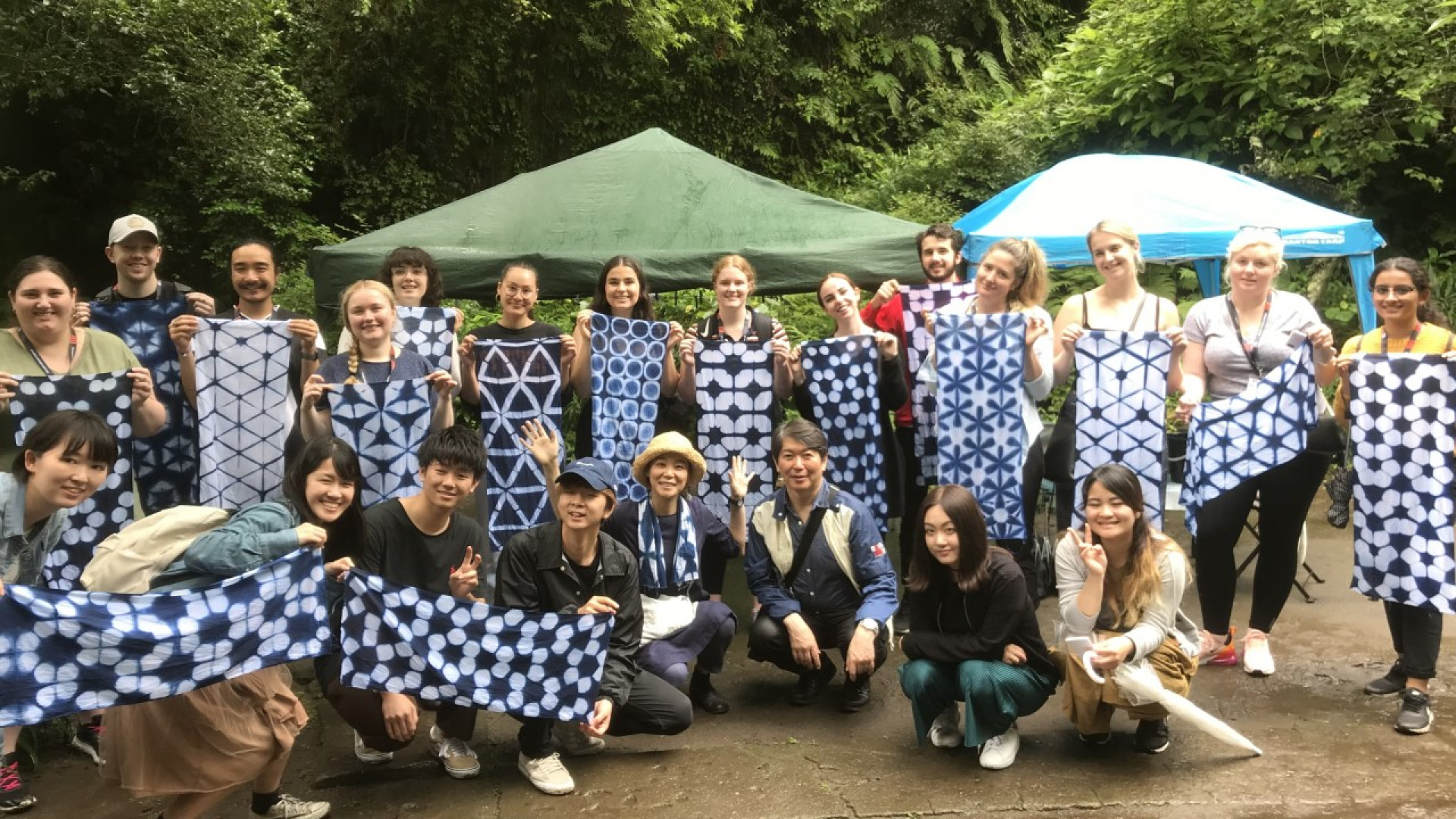
Roughly a 10 minute walk from Kita-Kamakura Station, this 85-year-old traditional Japanese house is surrounded by a spacious garden and lush greenery and offers reservation-based workshops, such as pottery experiences, cooking classes, dyeing workshops, and yoga. Pottery experiences are held daily. Experience fees are as follows: Leaf plate making: 3,400 yen, bowl making: 5,000 yen and up (shipping seperate). Private rentals are available depending on group size. Lunch boxes or meals can be provided alongside workshops. The attached gallery is open Fridays, Saturdays, and Sundays, as well as holidays, from 11AM to 4PM (no reservation required). You can also enjoy drinks in the garden on sunny days. Check the website calendar for events, such as the monthly Handmade Market and Weekend Cafe.

Experience & Activities Tokaido Koshu kaido KANAGAWA
Kamimizo Summer Festival

Kamimizo Summer Festival

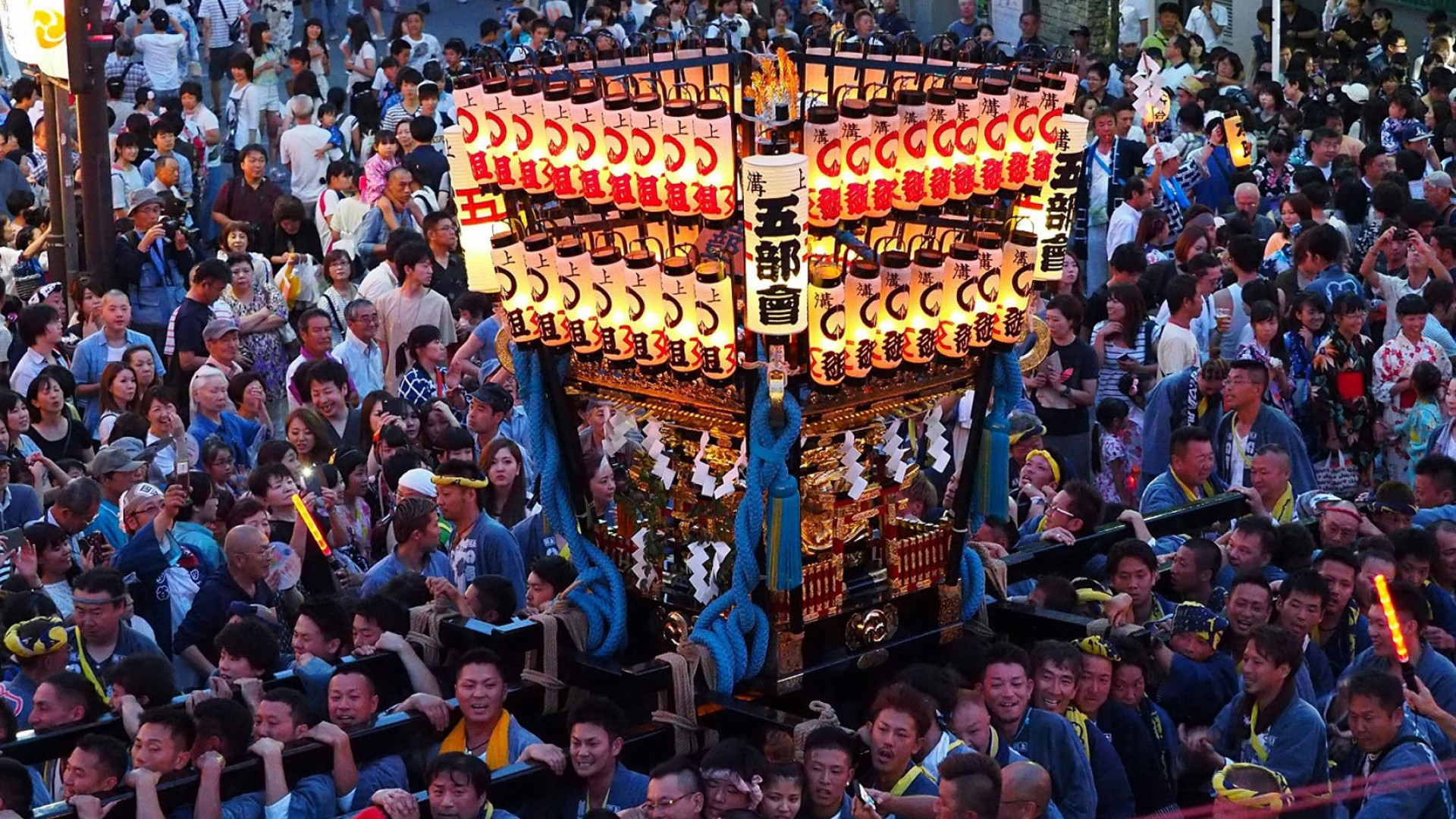
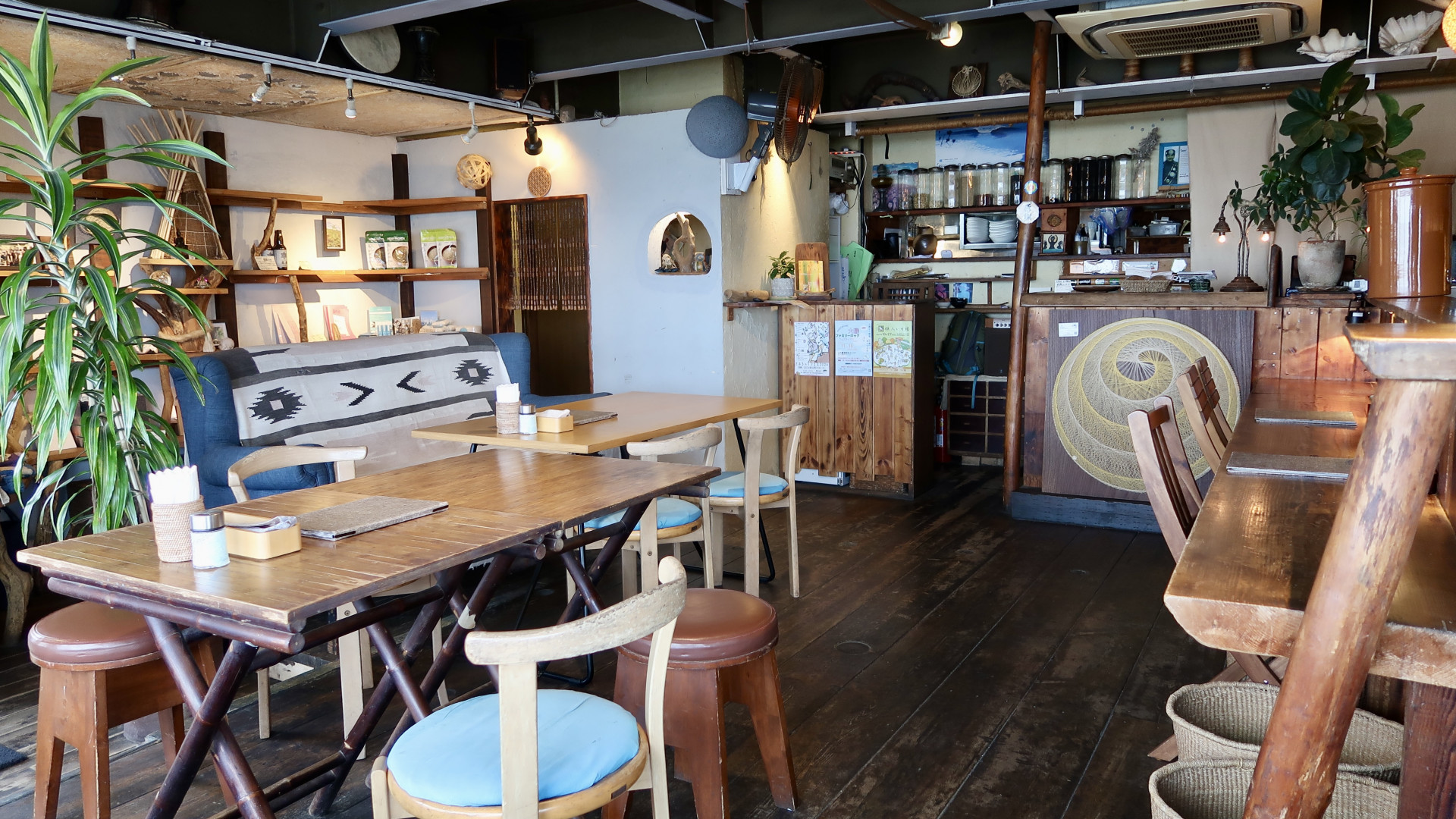
The Kamimizo Summer Festival has been held in Sagamihara since the end of the Edo period (1603-1868). The festival is said to be dedicated to Emperor Ushira, who prays for a good harvest and safety of the family, and is said to have been inspired by the Yasaka Shrine in Kyoto. On Sunday evenings, the local portable shrines (Mikoshi) and floats (Dashi) gather from each town and start a grand procession. Once the evening sun goes down, the lanterns of the portable shrines are lit, creating a fantastic spectacle that is not to be missed.

Culture & Arts Tokaido Koshu kaido KANAGAWA
Osanbashi Pier

Osanbashi Pier

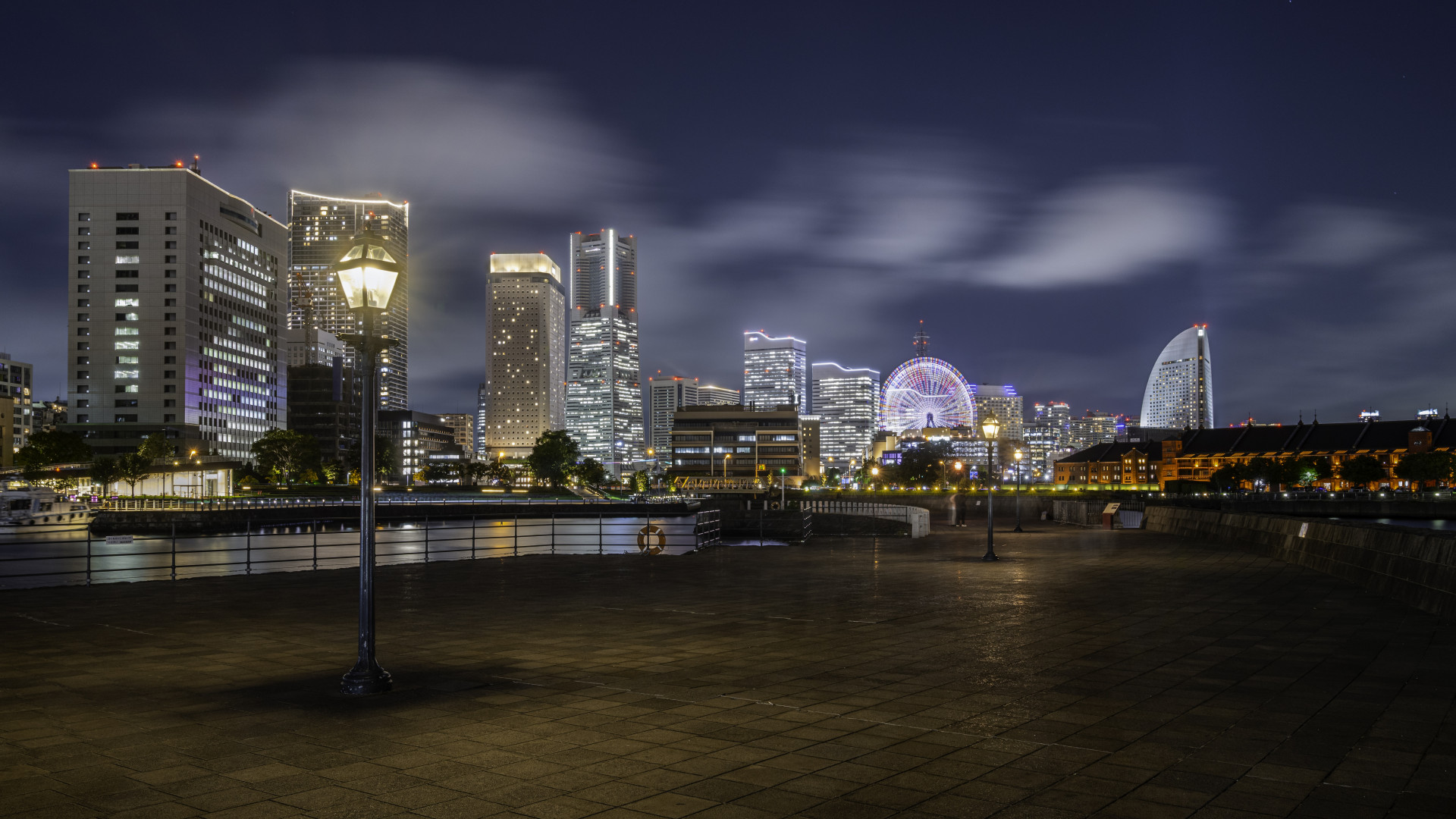
The Osanbashi Yokohama International Passenger Terminal is a major port where foreign cruise ships dock during international cruises. With a maximum height of 70m and width of 15m, the steel construction was designed by Alejandro Zaera Polo and Farshid Moussavi (a UK-based architect). The rooftop plaza provides beautiful scenery of Yamashita Park, the Yokohama Red Brick Warehouse district, and the landscape of Minato Yokohama.Standing at 296.3 metres tall, the Yokohama Landmark Tower houses an observatory that offers a 360-degree view of the city, a five-star hotel and 48 floors worth of shops, restaurants, and offices.Purposefully shaped like a sleek, sailing yacht, the InterContinental Yokohama Grand Hotel is an iconic structure in Yokohama's Bay Area.The NYK Hikawa Maru is a cargo-passenger liner turned museum ship. Built in Japan before World War II, the ship is extremely well preserved and offers a unique perspective into the cruise ships of history.Located near Yokohama Chinatown, the Yokohama Marine Tower is a perfect post-meal spot to take in 360-degree views of the city.Osambashi Hall is found on the first floor of Osanbashi Pier. It is a 2,000-square meter hall that can house up to 1,100 people. It is commonly used for large meetings and exhibitions.Cosmo World is a theme park located along the Yokohama Bay area. It is home to the Cosmo Clock 21, one of the tallest Ferris wheels in the world.The Yokohama Red Brick Warehouse houses a multitude of unique shops based on Yokohama's charms. It also opens an illuminated skating rink in winter.It is dusk and you are standing on top of the Osanbashi Pier when the lights of Yokohama come on. No matter which direction you stand there is a spectacular view.

Nature & Views Koshu kaido Tokaido KANAGAWA