

Greater Tokyo

See & Do

reset
Shika no Yu

Shika no Yu

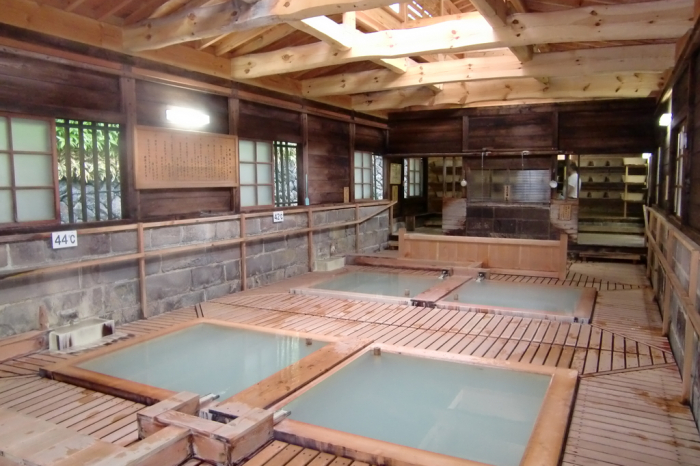
This hot spring facility is located in Yumoto, Nasu Town. It is said to have opened approximately 1,300 years ago. The origin of the discovery of this hot spring is said to be that a county official was hunting in the mountains and chased a deer that he missed shooting, and the deer healed its wounded body with the hot spring. It is considered the oldest hot spring in Tochigi Prefecture, and many of the surrounding hot-spring hotels use it as their spring water source. The baths are divided into six temperature levels ranging from 41–48 degrees Celsius (there is no 48-degree women’s bath). It is said that by following the bathing protocol, such as pouring water over yourself before entering the bath, you can increase the hot spring’s effects.
Nikko kaido Oshu kaido TOCHIGI
Stone Museum in Ashino, Nasu

Stone Museum in Ashino, Nasu

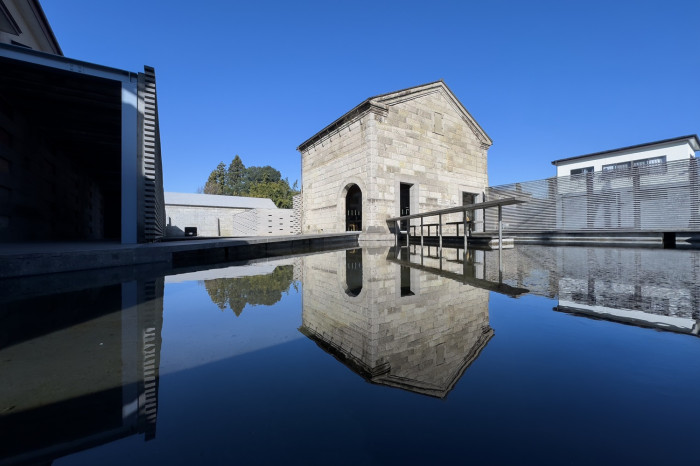
This modern art museum was created by transforming an old rice stone warehouse, redesigned by internationally acclaimed architect Kengo Kuma. The building itself is a beautiful space composed of stone, water, and light, making it not only a cultural site but also a popular photo spot. In winter, as the daylight fades, the lights from each building—divided by a flowing waterway—create a magical and dreamy atmosphere, offering a breathtaking seasonal view. Kengo Kuma (born 1954) is one of Japan’s most celebrated architects, known for projects such as the Nezu Museum in Aoyama, Tokyo, and GINZA KABUKIZA. More recently, he gained worldwide recognition for designing the new National Stadium in Tokyo. His architectural style, which features natural materials and lattice designs, is highly praised both in Japan and abroad. After a renewal in November 2024, the museum reopened with several new features. A café now adjoins the entrance, offering drinks brewed by a professional barista using an espresso machine. The revamped “Stone Lounge” invites visitors to relax while enjoying furniture designed by Kengo Kuma. The roof of the main gallery—the largest of the museum’s three historical stone warehouses—has also been renovated using Ashino stone, the same material as the building’s exterior. The entrance area is freely accessible without an admission ticket, allowing guests to enjoy shopping or a casual drink even without entering the exhibition area.

Nikko kaido Oshu kaido TOCHIGI
UWASAWA’S BREAKFAST

UWASAWA’S BREAKFAST

Simple yet exquisite deliciousness. At this veteran Nikko store specializing in miso and tamarizuke pickles (vegetables soaked in a miso by-product), you can discover the flavor of a traditional Japanese breakfast. Inkyo Uwasawa is a restaurant serving traditional Japanese breakfast made with tamarizuke pickles provided by the proprietress of Uwasawa Metaro Store. In a traditional house built over 150 years ago, diners are served a simple breakfast of rice with a plate of tamarizuke pickles and a bowl of miso soup, simple accompaniments which really bring out the delicious flavor of the rice. Enjoy a moment of relaxation as you savor the food, which is rich without being lavish. Uwasawa Umetaro Store was established roughly 400 years ago as a warehouse management firm for nengu (literally "annual tribute," a tax on the annual harvest originally paid in rice) for the Nikko Shinryo region. It later became a miso store, and then a pickles store. Savor the flavor passed on through the generations. *For cancelations, except in circumstances deemed unavoidable by our company, such as closure due to typhoon, heavy rain, heavy snow, or earthquake, or when public transportation to the store is unavailable due to suspension of services, a cancelation fee of 100% shall apply from one week before the date. We appreciate your understanding.

Nikko kaido Oshu kaido TOCHIGI
Ninoya (in Shonan Ninomiya Town Tourist Association, local products and souvenir store)

Ninoya (in Shonan Ninomiya Town Tourist Association, local products and souvenir store)

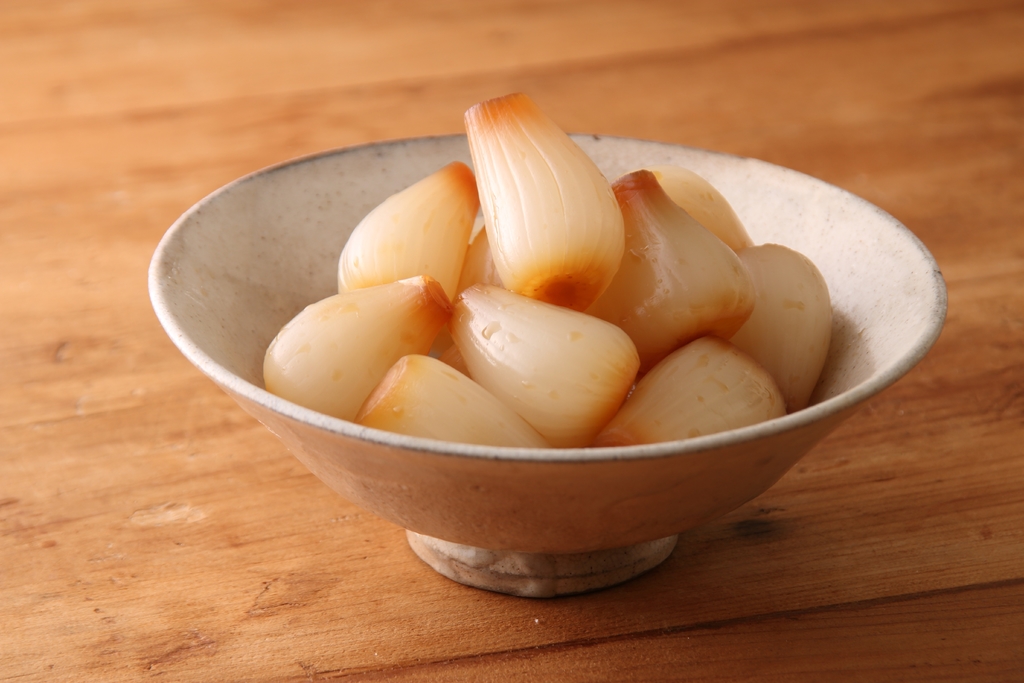
At Ninomiya (a shop inside the Ninomiya Town Tourism Association) we have local products and foods made from olives, peanuts, onions, and shiitake mushrooms, which are specialities of Ninomiya Town. We also offer small souvenirs for visitors and local people, and we have tourist posters and postcards, Azumayama badges, original products from the Tourism Association, and goods from the town's official characters Nino and Miya.

Shopping Tokaido Koshu kaido KANAGAWA
Sano City Tourist Product Center

Sano City Tourist Product Center

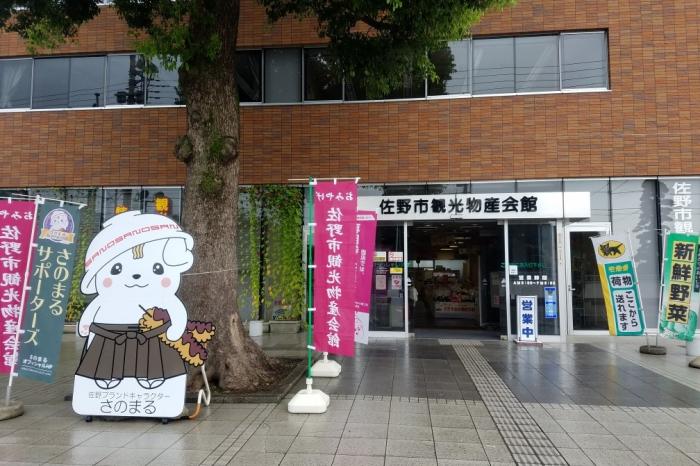
Sano, within a day’s reach from TokyoSano City is located in southwestern Tochigi Prefecture, about 70 kilometers from Tokyo. With its abundant produce and clean environment, it makes a lasting first impression on visitors. The city is also home to many historical sites, telling the long history of Sano’s development. When speaking of Sano’s cuisine, many immediately think of the rich soy-sauce-based Sano ramen. Made with clear water and carefully crafted wheat, this local specialty has become synonymous with the city’s gourmet culture. After enjoying Sano’s culinary delights, be sure to stop by the Sano City Tourist Product Center to take home a taste of Sano! Tourist product center – A comprehensive sightseeing hubInside the Sano City Tourist Product Center, you’ll find more than 800 varieties of souvenirs and specialty products, along with fresh vegetables sold directly from local farms. There is also a wealth of sightseeing information available, making it a convenient starting point for your Sano exploration.    

Nikko kaido Oshu kaido TOCHIGI
Nasu Yuzen Shrine

Nasu Yuzen Shrine

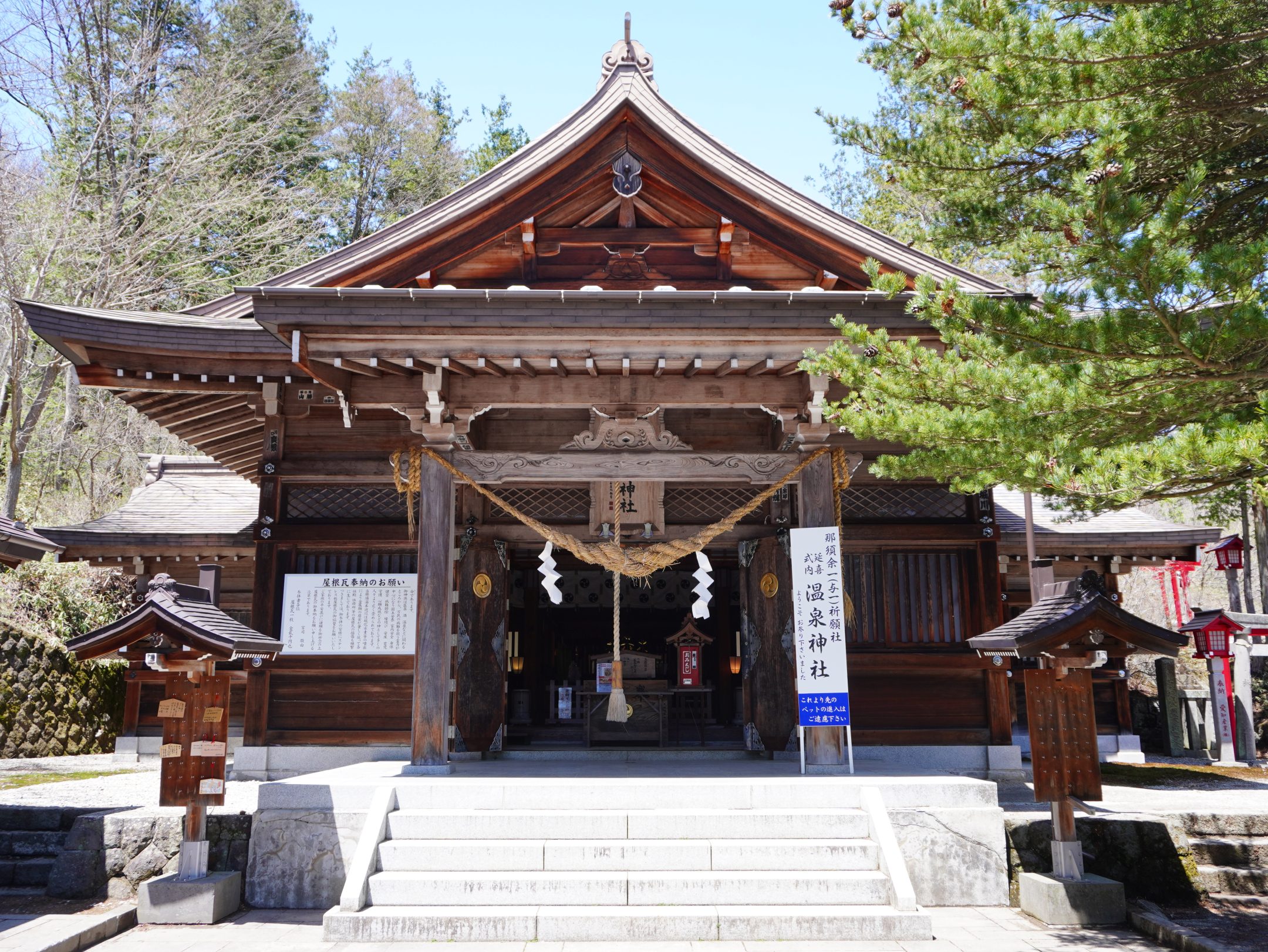
History of Nasu Yuzen Shrine It is said that a hunter named Kano found onsen here when he was trying to hunt a white deer. He built this shrine for thanksgiving. According to an article written in Nara period (A.D 710~794), we can confirm that the shrine already existed during that time.   During the Genpei War in 12th century, an archer called Nasu Yoichi came here to pray for victory over Taira family’s army. He shot down a fan by one arrow that enemy put on the front of their boat when he stood on the ground. It made him became legend and the shrine became very famous for blessing Yoichi. Yoichi donated his bow and arrow to the shrine, which became shrine’s tressure later.   Shrine’s famous festival The most important event of the shrine is the “Dai Festival”, which is held on October 8 and 9 every year. They dedicate onsen to the God, and perform a traditional dance called “Urayasu Dance”.   Then on October 9, people perform another traditional dance called “Ozawa’s Lion Dance,” which is designated as the “Intangible Cultural Property of Nasu Machi” to pray for prosperity.   There is also a famous festival be held on the last weekend of May, the “Nasu Seshosseki Gojinka Festival”. The highlight of the festival is a parade from Yuzen Shrine to Sesshoseki by participants attired in white clothing with torches.

Nikko kaido Oshu kaido TOCHIGI
Jewels of Shonan

Jewels of Shonan

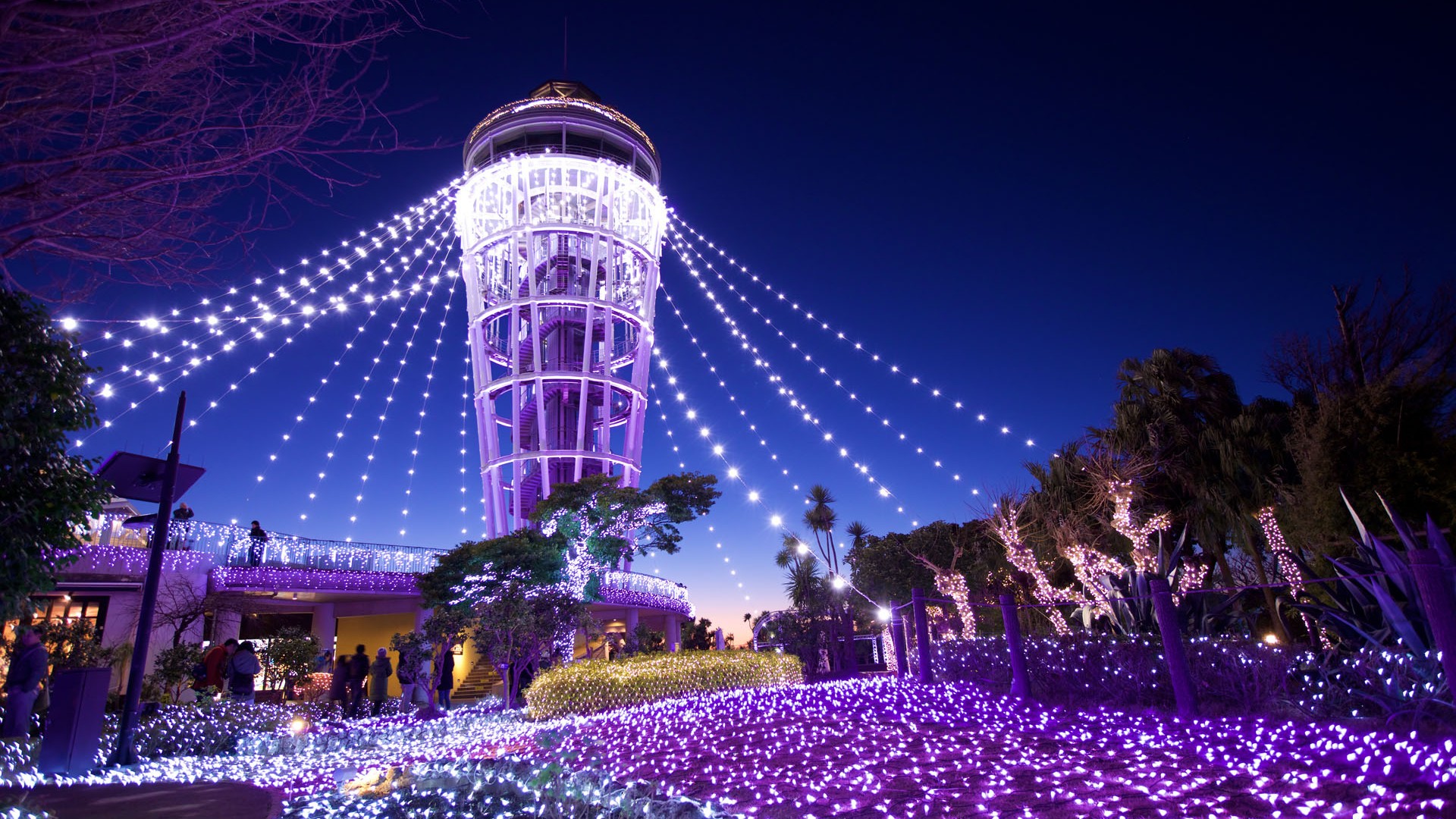
This is a light-up illumination event held from the last weekend of November to the end of February of the new year at Enoshima Samuel Cocking Garden and other locations on Enoshima Island. It is one of the three major illumination events in the Kanto region, and has been recognized as a heritage site of illuminated night scenery.All of Enoshima is the stage. The creative production places highly in many rankings of decorative lighting displays.

Culture & Arts Tokaido Koshu kaido KANAGAWA
Kamakura Ham Tomioka Co.

Kamakura Ham Tomioka Co.

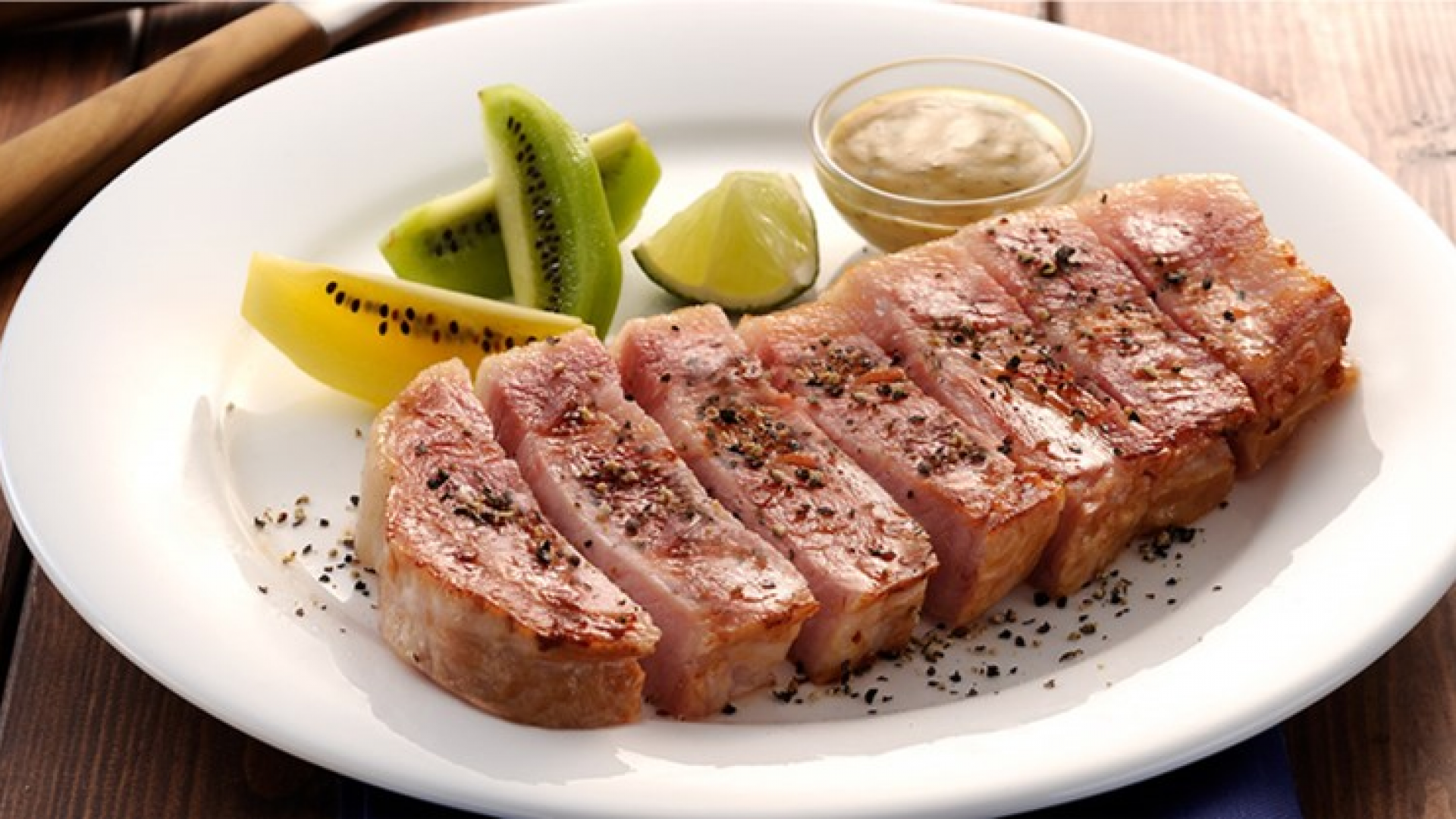
Since its founding in 1900, Kamakura Ham Tomioka Co. has continued to maintain its painstaking manufacturing techniques for over a century. Their headquarters factory has an archive where you can learn about the story and history behind the creation of the brand, and in the factory itself, you can view the treasured traditional manufacturing techniques they use. You can also experience those techniques with your own hands. There is also a shop where you can purchase souvenirs before you head home.

Shopping Koshu kaido Tokaido KANAGAWA
Cherry blossom trees of Mt. Kamakura(cherry blossoms)

Cherry blossom trees of Mt. Kamakura(cherry blossoms)

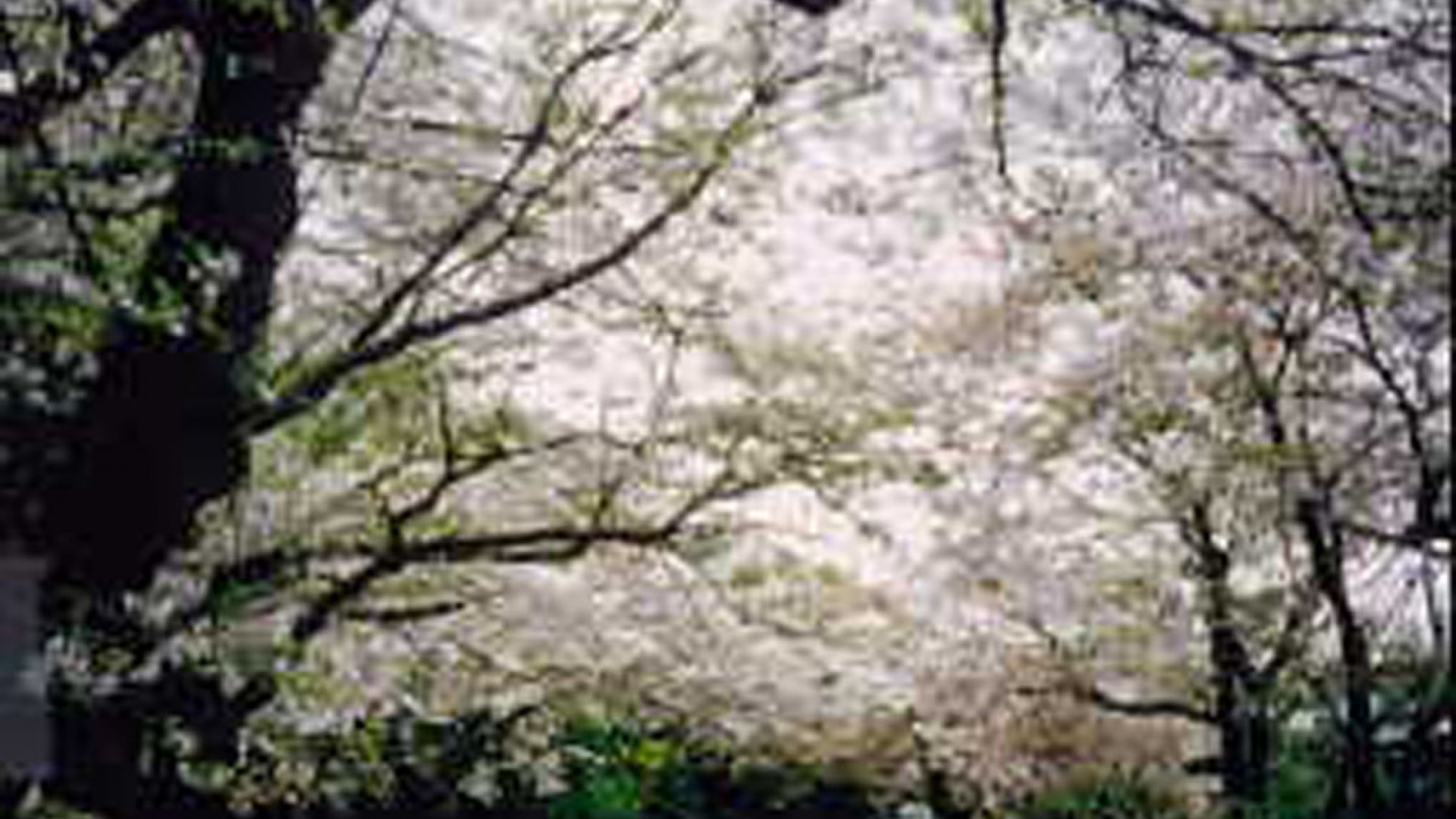
The Mount Kamakura Residential area was developed as a high class suburban area during the early Showa period, making a name out of Kamakura across the nation. While preserving the mountain range as much as possible, this residential area was built in the middle of greenery, with Japan’s first road for vehicles linking the area to Ofuna Station. Along the road, there are many sakura trees planted from a long time ago, making the area one of Kamakura’s famous sakura spots.

Nature & Views Tokaido Koshu kaido KANAGAWA
Terugasaki Coast

Terugasaki Coast

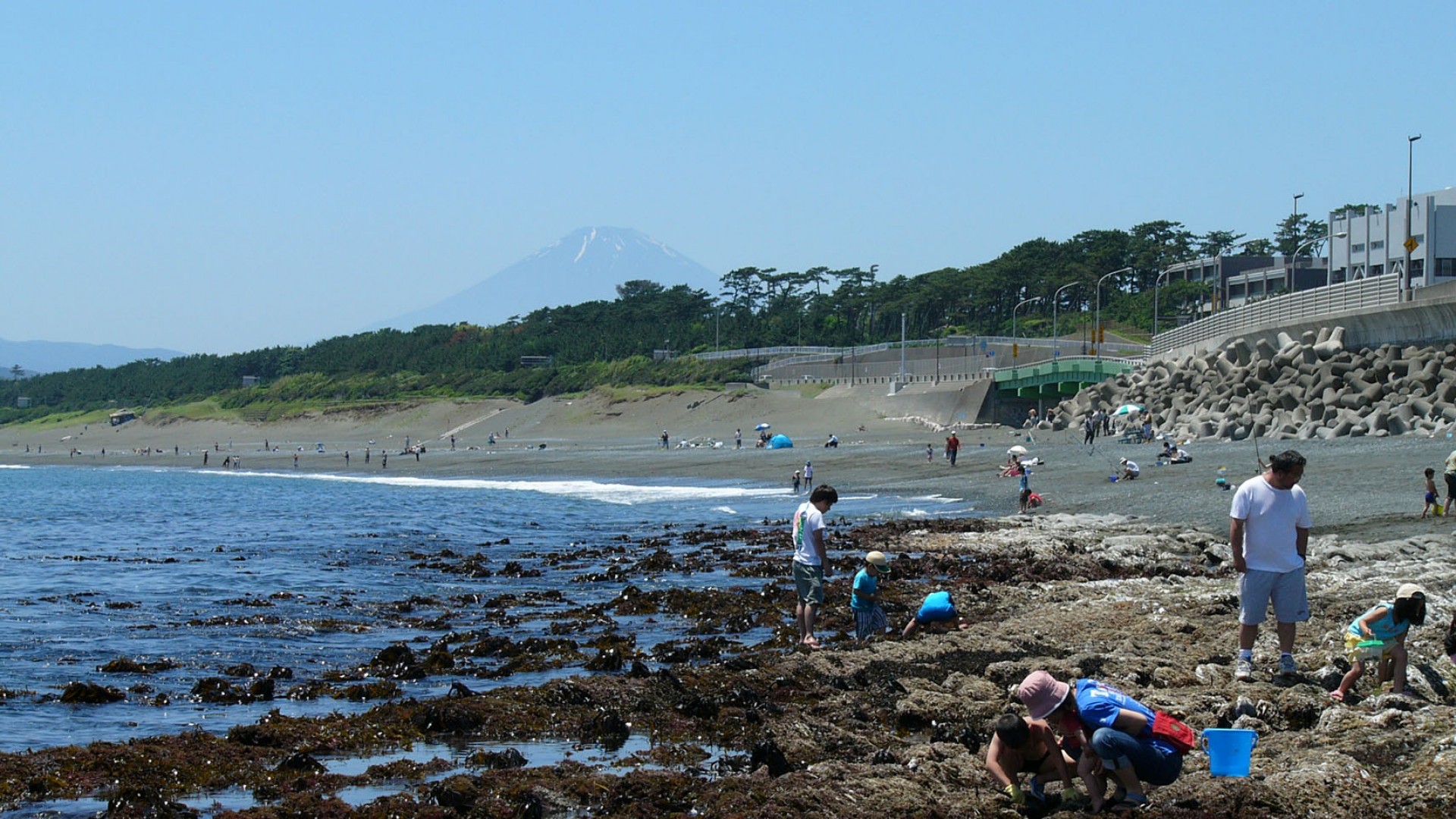
Terugasaki Coast is designated as a natural monument of Kanagawa Prefecture as the "Aobato (white-bellied green pigeon) Group Flyover Site in Oiso Terugasaki”. When the Oiso Hills are covered in green, they can also be observed at Mount Koraizan and Shonandaira. Early in the morning around May to November, you can view the aobato that fly in from the mountains and forests to drink seawater. Drinking seawater is said to provide salt and minerals. It is worth seeing the aobato risking their lives to come and drink seawater while avoiding the waves crashing onto the reefs.From May to November, admire the green pigeons that fly in from the mountains and forests to drink seawater during the early morning. It is said that they drink seawater to replenish salt and minerals. Avoiding the waves breaking on the reefs, the green pigeons risk their lives to come here. It is well worth watching.

Nature & Views Tokaido Koshu kaido KANAGAWA