Greater Tokyo

See & Do

reset
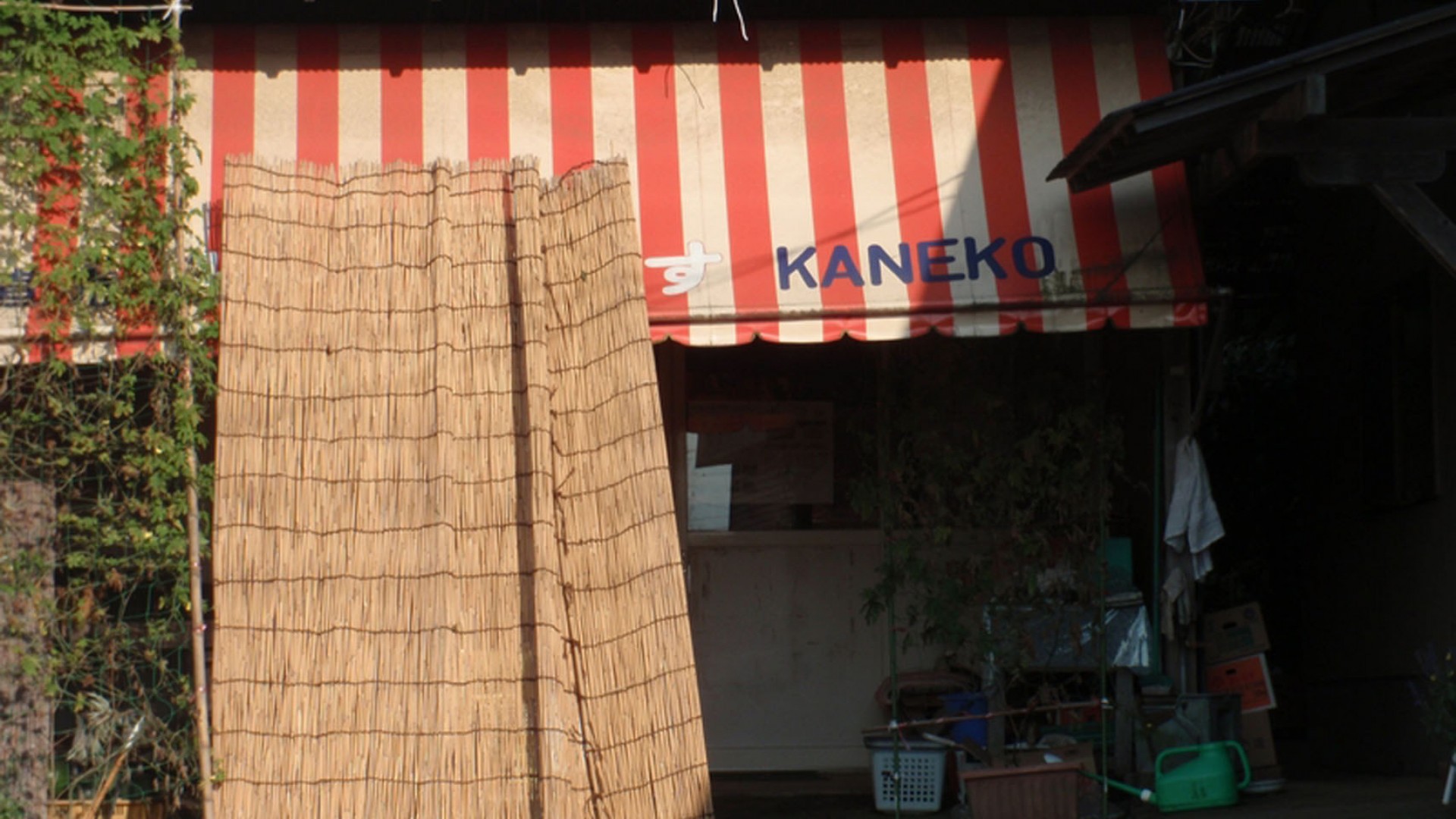
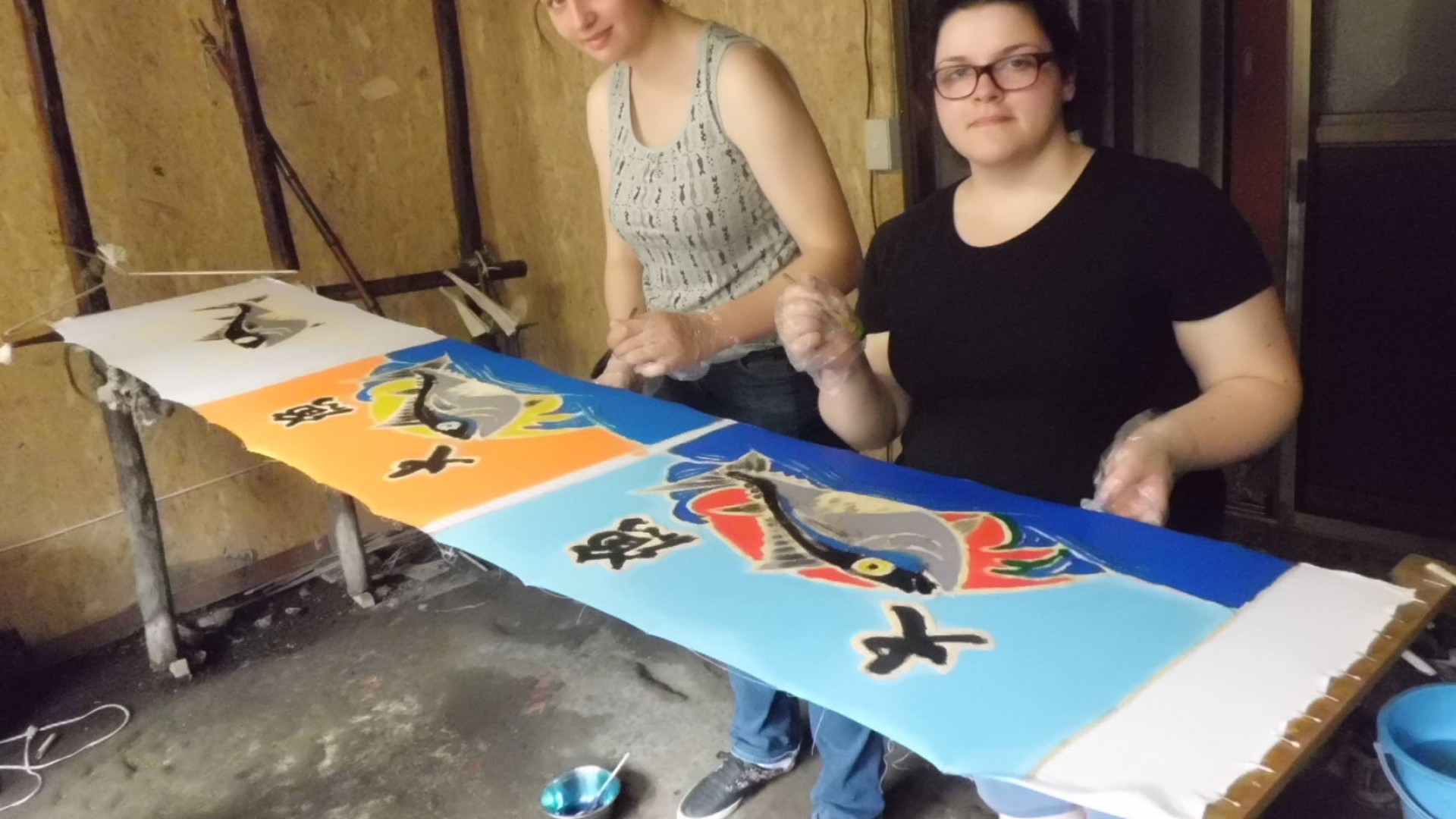
Mitomi Dye Shop (Experience dyeing carp flags and mini carp flags)

Mitomi Dye Shop (Experience dyeing carp flags and mini carp flags)

A long standing dye shop established in 1833, where craftsmen of the Edo Bakufu worked. The Tairyo-bata of Misaki is one of the Top 100 Picks of Kanagawa’s Local Specialties. Each and every one of the flags are handmade with traditional techniques passed down from the Edo Period and is used not only to celebrate a new ship, but other happy events such as marriage, childbirth, children’s festivals, and one’s 60th birthday. How about making your very own?

Experience & Activities Tokaido Koshu kaido KANAGAWA
Taya Cave, Josenji Temple

Taya Cave, Josenji Temple

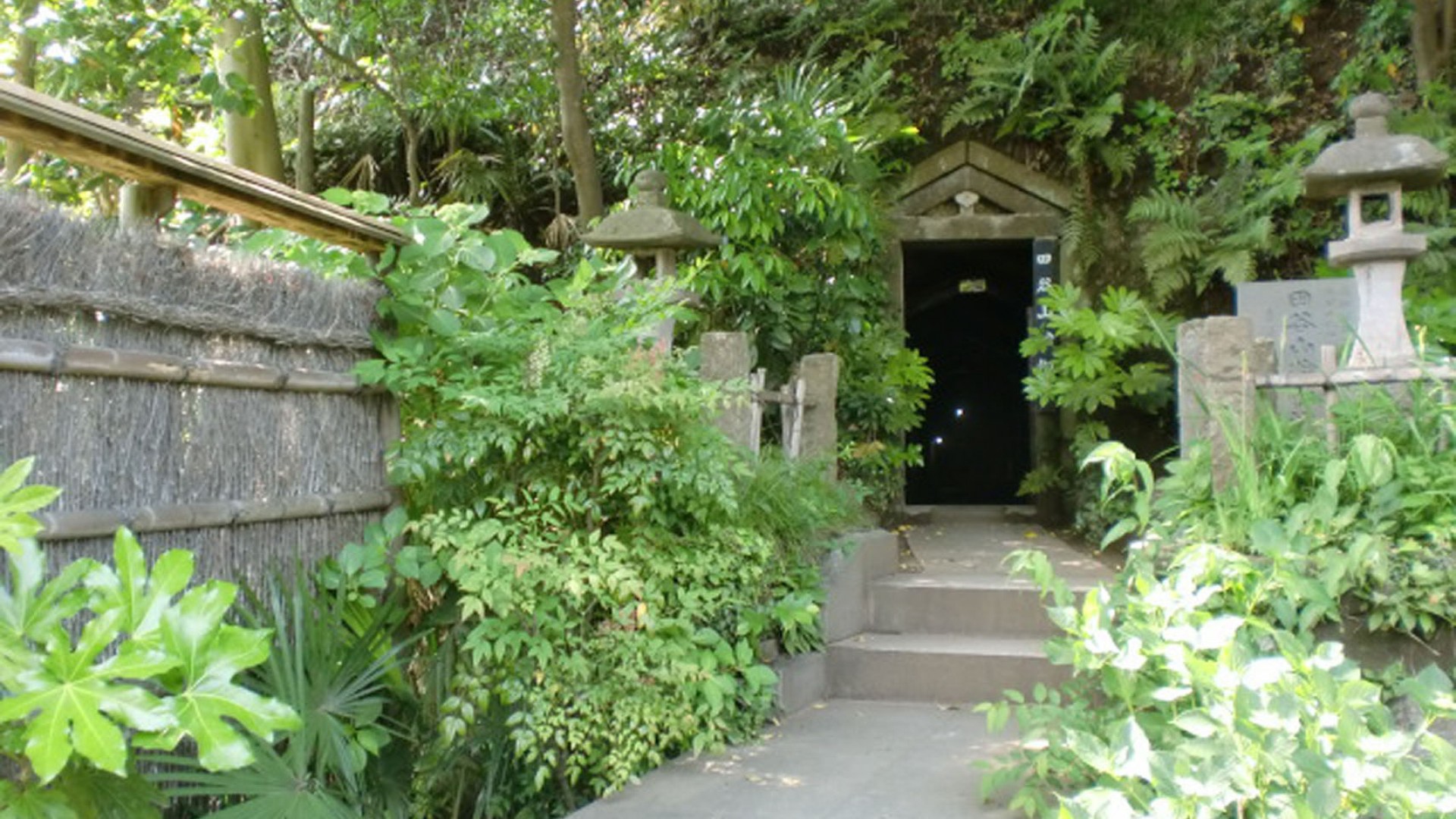
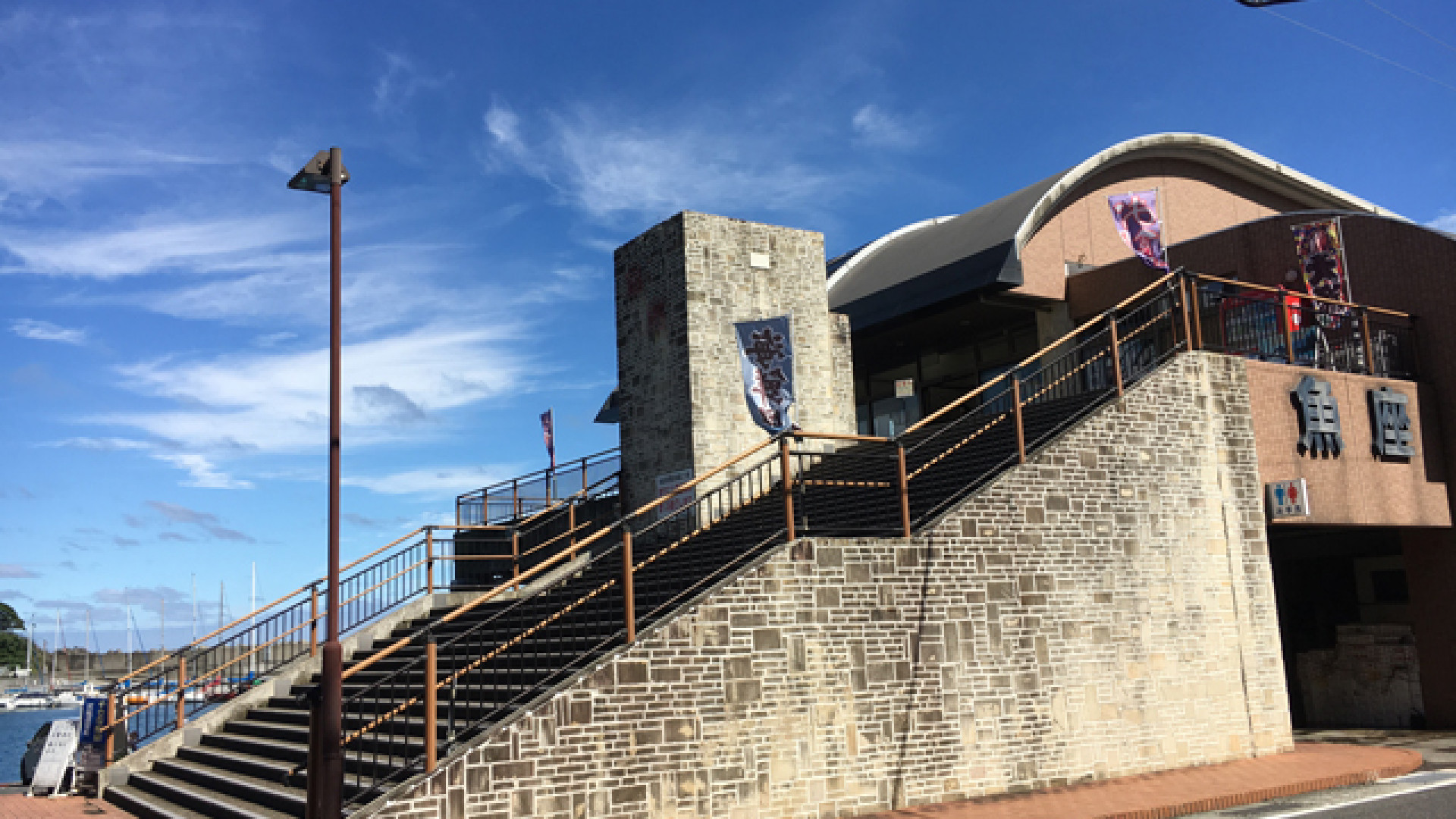
Taya-no-dokutsu (Taya Caves), located within the precincts of Josen-ji Temple on Mount Taya in the Daikaku-ji School of Shingon Buddhism, is officially called Yugado, a man-made cave dug by Buddhist ascetic monks for pilgrimages to sacred sites in Shikoku, Saigoku, Bando, and Chichibu. Josenji Temple was built in the first year of the natural calendar (1532) by high monk Takatsugu, a pupil of the highest ranking priest, Kaigen, a monk of Soshoin, a 25-bo temple in Tsurugaoka. But the cave in Taya is said to have been opened even earlier, in the Kamakura period, as a place for practicing esoteric Shingon Buddhism. Since then, from time to time the cave has been expanded and now measures 570m in actual size. The cave has three levels, upper, middle, and lower, with 17 large and small spaces connected by passageways, with walls and ceilings carved with mandalas, eighteen arhats, and Buddhist stories by Doshin Karukaya.Experience a historic Buddhist meditation cave with many beautiful wall carvings and murals. Explore the cave with a candle in hand, while entering different chambers including the meditation hall for a true spiritual experience.

Temples & Shrines Tokaido Koshu kaido KANAGAWA
Kiyoken Yokohama Factoy

Kiyoken Yokohama Factoy

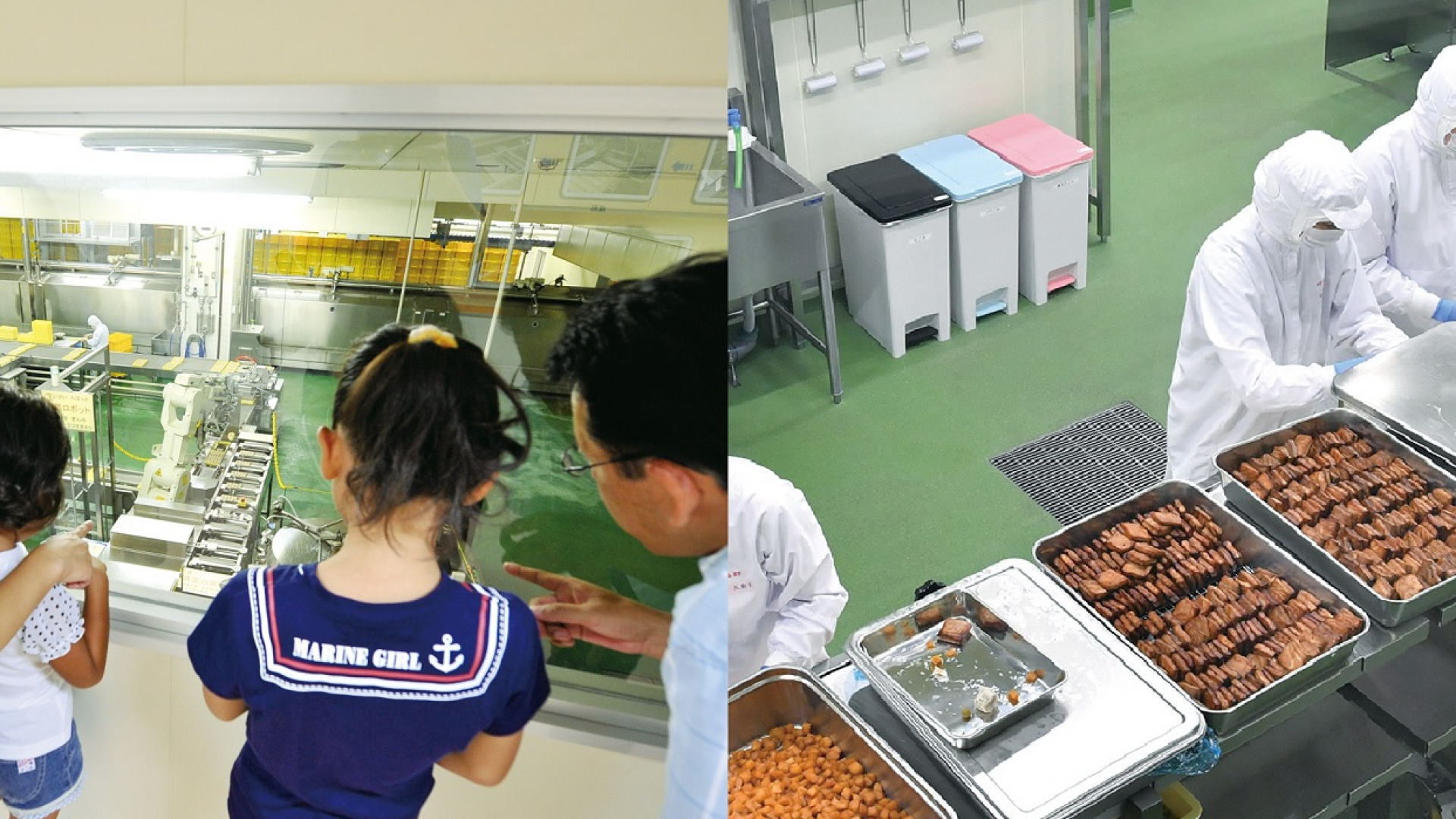
The shumai dumplings from Kiyoken are known as a famous food of Yokohama. At the Yokohama factory, you are able to tour their shumai and o-bento lunchbox production lines. The tour takes approximately 90 minutes. On this tour, you can learn about the history of the popular Ekiben lunch boxes and learn the secret to producing the delicious shumai o-bento lunch boxes. Through the glass, you can witness the important manufacturing process. Why not enjoy something that can only be enjoyed at this particular place? There is also a mini-museum shop in the factory where you can eat freshly cooked shumai and buy souvenirs.

Experience & Activities Tokaido Koshu kaido KANAGAWA
Nantaisan Tohai Kosha Taisai (Mt. Nantai Climbing Festival)

Nantaisan Tohai Kosha Taisai (Mt. Nantai Climbing Festival)

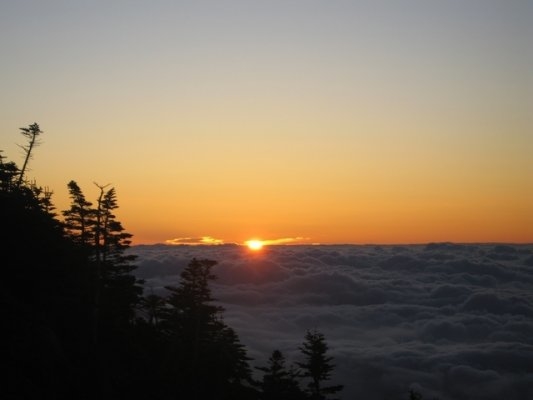
Climbing Mt. Nantai, a Sacred Site in Nikko The Tohai Kosha Taisai is the largest festival of Futarasan Jinja Shrine Chugushi, and has been held continuously for over 1,200 years since the late Nara period. Deeply rooted in the worship of Mt. Nantai, the festival takes place annually from July 31 to August 7. During this period, many visitors climb Mt. Nantai to pay their respects. In addition, pilgrims can climb Mt. Nantai at night during the festival. This allows climbers to reach the summit and witness the sunrise. At the shrine office, participants can receive items such as amulets, climbing certificates, sacred water, and coffee. Every year, around 2,000 climbers gather at night for this event. Before dawn, they set out, reaching the summit at around 4:40 a.m. to witness the rising sun. The sight of the glowing sun emerging from behind the sea of clouds is a truly awe-inspiring spectacle. The festival continues with rituals and ceremonies at the mountaintop.

Nikko kaido Oshu kaido TOCHIGI
Nishinasuno Country Club

Nishinasuno Country Club

Nishinasuno Country Club is an 18-hole golf course designed by the globally renowned golf course architect, Robert Von Hagge, which effectively incorporates the beautiful landscape of Nishinasuno as its background. The course is like a piece of art created as if drawing a picture or writing a smooth melody on the 1.78 million square meters of land that spreads at the foot of the Nasu Mountain Range. If you always wanted to hit an iron shot on a bentgrass fairway and scrape off of a chunk of turf, this is the right course for you. With bentgrass, which is the highest-end grass, holes here are as beautiful as green carpets. Beginners can play comfortably here, but for championship-level players, the course requires higher-level golf techniques.

Nikko kaido Oshu kaido TOCHIGI
Cave Brewery (Shimazaki Brewery)

Cave Brewery (Shimazaki Brewery)

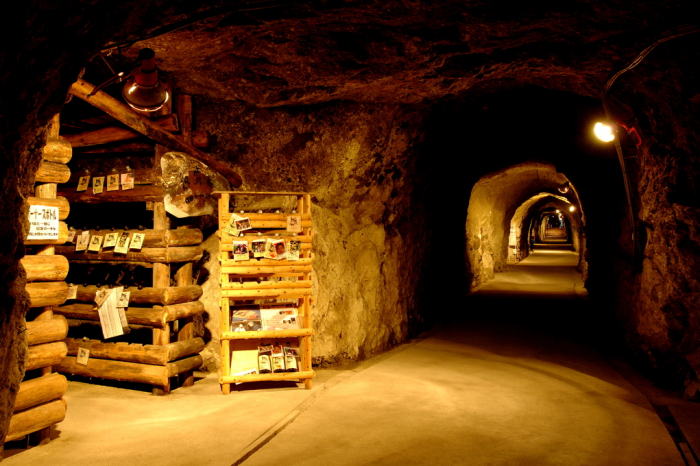
History of "Shimazaki Brewery" The Shimazaki Brewery's history began in Kaei 2 (1849), and have continued to brew sake for more than 170 years. Using of the highest-grade raw rice, natural spring water from the Nasu Mountains, which have made Shimazaki Sake one of Tochigi Prefecture's best-known sake brewing brands.   History of Cave Brewery The Cave Brewery was originally a cave dug for the establishment of an underground chariot factory at the end of World War II, but the war ended before production could begin. After decades of inactivity, the cave became a natural cellar for Shimazaki Brewery to mature sake.   Features of Cave Brewery As the cave is completely protected from the sun, the temperature inside is maintained at around 50°F all year round, so it is advisable to bring a thin jacket to keep warm even in summer.   Inside the cave, you can see a whole row of matured sake that extends deep into the cave. Those are purchased by the consumer, stored by the brewery, and then handed back to the consumer after 5~20 years to commemorate important moments such as the coming-of-age ceremony, the birthday of family, or housewarming, and it is very popular. Sake that has been matured for half a year is also sold as a New Year's gift.     ◇Opening Days: Weekend, Holiday, Japanese Golden Week, the Bon Festival  

Nikko kaido Oshu kaido TOCHIGI