
Mashiko Café Stroll
Mashiko is dotted with a number of relaxing cafés serving treats and drinks in Mashiko-ware. Many of these cafés are off the beaten path, so they often go unnoticed by those who haven’t done their research.
Total: 1715 items
Mashiko is dotted with a number of relaxing cafés serving treats and drinks in Mashiko-ware. Many of these cafés are off the beaten path, so they often go unnoticed by those who haven’t done their research.
The "Mashiko Gion Festival" held at Kashima-jinja Shrine every July 23, 24, and 25. Kicking off the first night of the festival, an impressive rain of sparks falls from tezutsu fireworks shot up to 8 meters into the night sky from a combination of large and small cylindrical tubes. The handheld fireworks(Tezutsu Hanabi) are said to have originated in Toyohashi city. Tokugawa Ieyasu, who became the first Shogun of the Edo Period, brought that technology to his home in Mikawa province (current Aichi Prefecture). At the time gunpowder was strictly forbidden throughout Japan, but the villagers of this region were allowed to use Tezutsu Hanabi as a part of Shinto rituals offering to the gods in exchange for rich harvests, good health, family fortune and prosperity, and good luck in battle.
The Pottery Fair have been held twice a year since 1966.Once in the spring during Japan’s Golden Week Holiday, and once in the fall around November 3rd. There are about 50 shops and as many as 550 tents set up selling pottery. There is a great variety of pottery sold from traditional Mashiko pottery, such as vases and pots to articles for daily use like cups and plates. The Pottery Fair provides a great chance to enjoy talking with young artists and local potters in the shops and tents. Besides pottery, freshly-harvested vegetables grown in Mashiko and some other speciality items from the region are big attractions of the fair. Every year about 600,000 people come to enjoy the fair.
Made in the motif of the UK's Cotswolds aristocracy manor house, this small museum shaped like a castle was painstakingly constructed using only the finest materials. The exhibits include antique stained glass from the 1800s. Particularly popular are, the stained glass produced by the glass studio artist Tiffany, and the glass that is inspired by the Biblical wall decorations of St. Raphael Chapel. Inside the building antique pipe organ music is played live for your enjoyment during the stained glass viewing, every day. Additionally the St. Gabriel Chapel has a concert weekly (on weekends) with a variety of musical instruments, so weekend visits are recommended. This building also has a café where you can enjoy a meal and traditional British tea."
The Tochigi Prefectural Nikko Natural History Museum, adjacent to the Oku-Nikko Information Center, provides up-to-date nature information, tourist information for Oku-Nikko, and various other guidance. The museum offers multilingual support in English, Chinese, Korean, and Thai. A highlight is the "Nature Exhibition Room," where visitors can feel immersed themselves in the breathtaking natural beauty of Oku-Nikko through state-of-the-art digital displays. Enjoy the breathtaking view of Oku Nikko's natural landscape on our large screens, featuring flowing waters and wetlands, and the creatures that inhabit them. In the forest diorama, you can experience a virtual nature observation using AR content on tablets, exploring various animal field signs and their ecology. Our humanities exhibit introduces the spiritual significance of Oku-Nikko and its history as a popular international summer resort since the early Showa period. Additionally, we offer a range of nature experience activities such as bicycle rentals and guided nature tours.
The Yayoi Festival is a traditional event in Nikko that marks the arrival of spring. Held annually from April 13 to April 17, this historic festival has been a part of Nikko’s cultural heritage for centuries. The festival is believed to have originated during the Jingokeiun era (767–770) as a grand ritual to celebrate the changing seasons. It was originally held in the third month of the lunar calendar, which is called "Yayoi" in Japan, meaning a time when nature flourishes. After the adoption of the Gregorian calendar in 1873, the festival continued in its current form, maintaining its deep-rooted traditions. Festival Highlights The festival officially begins on April 13 with a procession of beautifully decorated mikoshi (portable shrines) from the Honsha, Takiou, and Hongu Shrines. However, the most spectacular part of the event takes place on the final day, April 17. During the five-day celebration, various rituals are performed to honor the deities, but the most anticipated events are the Grand Festival (April 16) and the Procession of Floats (April 17). On these two days, eleven different neighborhoods from eastern and western Nikko bring out their elaborately adorned azalea floats and lively traditional musical bands, parading through the streets of the city. The highlight occurs when all the floats gather within the shrine grounds. Following an ancient custom, representatives from each town exchange greetings and name cards before the floats, accompanied by traditional hayashi (festival music), circle the shrine. On April 17, the festival reaches its climax when representatives from Ishiya-machi, the town responsible for that year’s festival, lead the crowd with spirited chants as they push the massive floats up the stone steps of the shrine’s sando (approach path) in a dramatic display of strength and unity. A Festival Steeped in Tradition The Yayoi Festival strictly follows ancient traditions, with every step of the ritual conducted as it has been for generations. Locals believe that any deviation from the traditional methods could bring misfortune, adding to the festival’s reputation as a “troublesome” or “chaotic” festival. Because of this, some people even refer to it as the “GOTA Festival”, where "GOTA" symbolizes trouble or disputes. This nickname has also led to the festival being called the “Quarrel Festival”, highlighting the passionate dedication and fiery energy of its participants. Steeped in history and rich cultural significance, the Yayoi Festival is a must-see event for anyone visiting Nikko in spring. It offers a rare opportunity to witness Japan’s traditional rituals, dynamic parades, and the deep community spirit that has kept this festival alive for over a millennium.
"South No. 4 Classic" café is located on the second floor of the former British Embassy Villa in the British Embassy Villa Memorial Park. From its spacious veranda, you can enjoy a panoramic view of Lake Chuzenji while savoring scones and tea sets supervised by the British Embassy Tokyo's chef. Limited-time and quantity events are held monthly. 〈Menu〉 British Cultural Experience Mini Afternoon Tea A set featuring British Embassy Tokyo's original scones, sandwiches, and tea. Plain and nut (walnut and almond) scones are served with generous portions of locally crafted jam from Tochigi Prefecture and clotted cream. Enjoy this one-plate set of sandwiches and seasonal fruits with premium British tea. 〈About the British Embassy Villa Memorial Park〉 Originally built in 1896 as the private villa of British diplomat Ernest Satow (1843-1929), this facility has been restored after serving as the British Embassy villa for many years. The facility features exhibits about its history as an international summer resort and British culture of the time. From the second-floor veranda,visitors can enjoy the "picture-perfect scenery" of Lake Chuzenji that Satow loved.
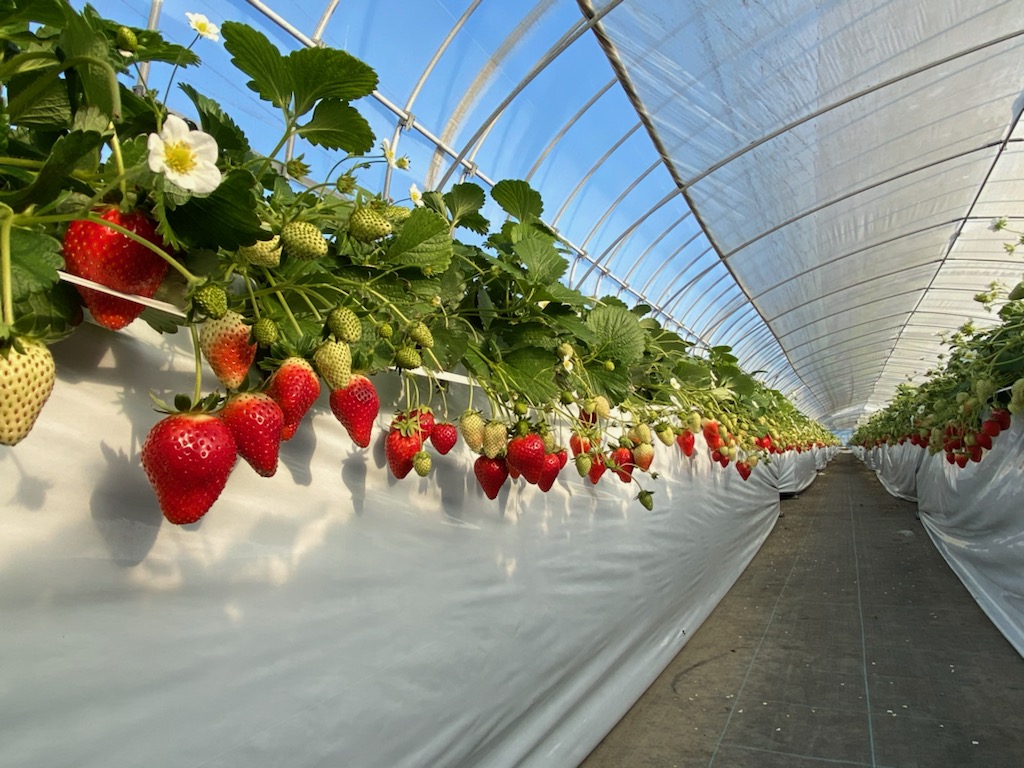
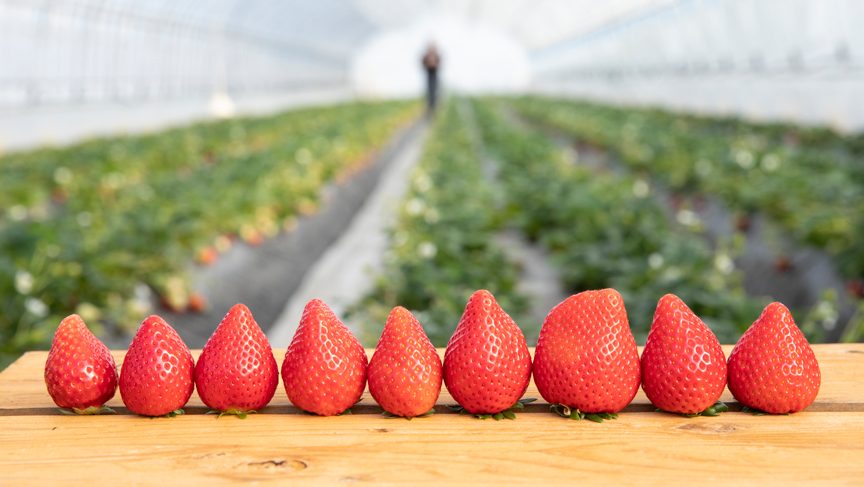
Sano Agritourism Farm ‘Agritown’ is a complex that houses a farm offering a harvest experience, farmer’s market, flower shop, and gelateria. You can enjoy a farm experience throughout the year including strawberry, blueberry, and peach picking, as well as harvesting of potatoes, peanuts, and edamame. For strawberry picking, you will choose one favorite breed to pick from three: the new breed Tochi-Aika, always popular Tochiotome, and the three-star breed Skyberry. Since the farm grows strawberries on raised beds, there is no need to crouch to pick them, making the farm popular among people in a wheelchair or pushing a stroller. The farmer’s market also has a section devoted to strawberry products including a wide variety of jams and confectionery.
The “Autumn Mashiko Pottery Fair” is held on early November every year. This fair started from 1966, there are about 50 shops and as many as 550 tents set up selling pottery. The Pottery Fairs provide a great chance to enjoy talking with young artists and local potters in the shops and tents. Every year about 600,000 people come to enjoy the fair.
The Utsunomiya Light Rail (LRT) officially opened on August 26, 2023. From JR Utsunomiya Station to Haga-Takanezawa Industrial Areas, this railway connecting important spots in the eastern of the city. The tram has became an indispensable transportation for Utsunomiya’s sightseeing. LRT’s born The Utsunomiya LRT is the first time in Japan constructed as a new railway line without expanding or improving the existing railway line since 1948. The LRT is currently running the HU300 model, which is a next-generation tram made by Japan’s advanced technology. There are now 19 stations on the line. Rides and Tickets LRT accepts IC cards and cash. You can use such as Suica, PASMO and ICOCA cards here. To ride with IC card, just touch your card at the green sensor near the door when you get on the tram, and touch the yellow sensor when you get off. If you ride with cash, you need to take a ticket at the platform before you boarding the tram, and you only can get off through the front door. Put the ticket and cash into cash box before getting off. The cash box can exchange for coins, but only accept 1,000 yen bill. Depending on the distance, tickets for adults range from 150 to 400 yen, and 80 to 200 yen for child.
Sitting at an elevation of 1560 meters, Sakurazutsumi Park features Someiyoshino no Seiki cherry trees which blossom in spring. It’s a scenic viewpoint that even overlooks distant Nikko and the Nasu volcanic belt.
Ashikaga Flower Park is the only place in Japan chosen as one of ten “Dream Destinations” for global travel by the American news site, CNN. The park holds an illumination event in wintertime. Amazingly, for seven years in a row the park has garnered first place in the illumination category for Japan's "Illumination Award” selected by certified professionals knowledgeable about night tourism throughout Japan. This illumination event was also recognized as a Night View Heritage of Japan in 2011 and one of the three major illumination events in Kanto in 2012. This illumination event is very popular every year.
Higeta Indigo Dyeing Workshop, established during the Kansei era (1789–1801), is a fabric-dyeing and weaving workshop. It is a rare workshop in Tochigi that inherited traditional indigo dyeing. It still uses the dyeing area created at the time of its establishment to dye the fabric in the traditional manner. Inside the 200-year-old building with a thatched roof, 72 earthenware indigo vats are neatly arranged. The building and the vat area are Tochigi Prefecture’s tangible cultural assets, and visitors can freely visit and see them. Indigo is a plant dye that has long colored ethnic costumes. Long ago in Japan, 80% of commoners’ cloths were dyed with indigo. The indigo color produced by the traditional Japanese indigo dyeing and plant dyeing methods is called Japan Blue and, together with the dyeing methods, is highly recognized around the world. The workshop engages not only in dyeing but also cotton cultivation, yarn-making, yarn dyeing, and handweaving in order to preserve the cotton tradition essential to the indigo dyeing culture. The workshop sells indigo-dyed cotton fabric, coasters, and tablecloths. Please come and see the traditional techniques and the beauty of indigo.
Sano yakuyoke-daishi is the popular name of this Tendai Buddhist temple in Sano City, Tochigi Prefecture. The name was made famous via TV commercials. A protective statue of the priest Ryogen is installed, so the temple has become associated with warding off misfortune. It’s one of the three main Tendai temples of the Kanto region for improving your luck, so every New Year’s Day people pour in for Hatsumode, the first prayers of the New Year."
The Miya Cycle Station is a cycling terminal under the management of the city of Utsunomiya. The terminal offers rental cycles including hybrid bikes, road bikes and Mini Velo (small wheeled) bikes as well as information for tourists. The facilities include free toilets in the rest area and shower rooms and lockers (subject to reasonable charges). The terminal also holds a variety of events for cyclists such as seminars on sports cycling.
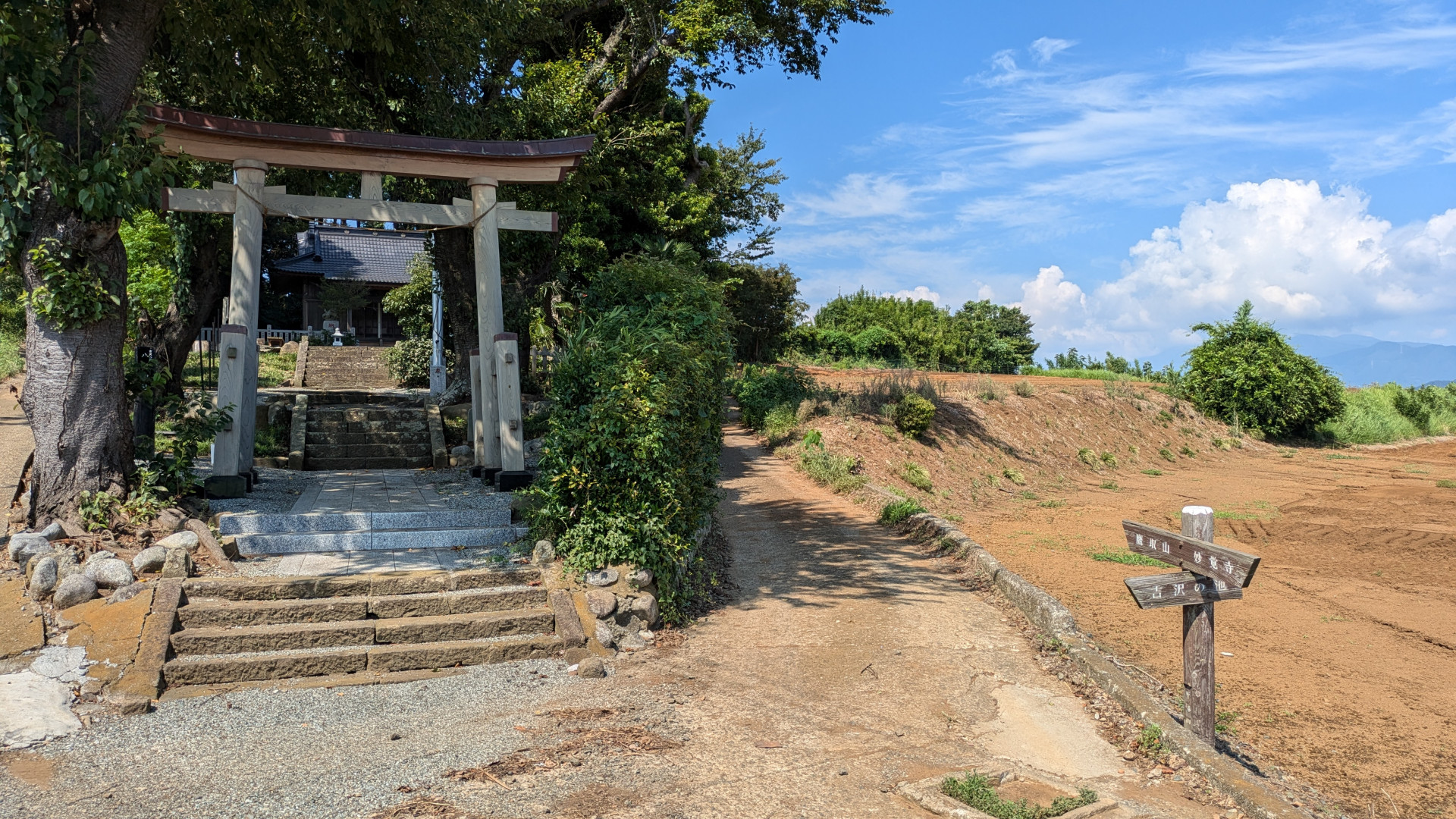
Founded in 845, Kashima Jinja Shrine in Mashiko Town has long been a spiritual center of worship. The enshrined deity is Takemikazuchi-no-kami, the god of war in Japanese mythology, symbolizing victory and courage. Students, athletes, and business leaders from across Japan visit the shrine to pray for success, with the phrase "victory is certain" closely tied to its faith. The current main hall was rebuilt in 1927, and the grounds are surrounded by ancient trees that create a solemn atmosphere. Every summer, the shrine hosts a grand annual festival, which includes one of the Three Great Rare Festivals of Eastern Japan, the Mikeshaku Choudai-shiki. In this ritual, young men from the district of Mashiko Town whose turn it is for that year must join together to drink 6.5 liters of heated sake, praying for peace, health, and good fortune.
Okashitsukasa Beniya Miyake, a traditional Japanese confectionery store, is popular for its cute and beautiful sweets. Their jouyo nerikiri (a type of Japanese confectionery), made with carefully selected ingredients and crafted by skilled artisans, is incredibly popular for its elegant flavor and charming appearance.As it often sells out quickly, we recommend visiting the store early. Please try these confections that the artisans have put their heart and soul into creating.
Each year from around late September through until middle-October, cosmos flowers bloom in a space of 5 hectares at the Nabatame Cosmos Field in Mashiko Town. The cosmos here come in a variety of colors including orange, pink, purple, and white. And you can pick some flowers from the fields and take them home too.