Greater Tokyo

See & Do

reset
Mt. Berry Oku-Nikko

Mt. Berry Oku-Nikko

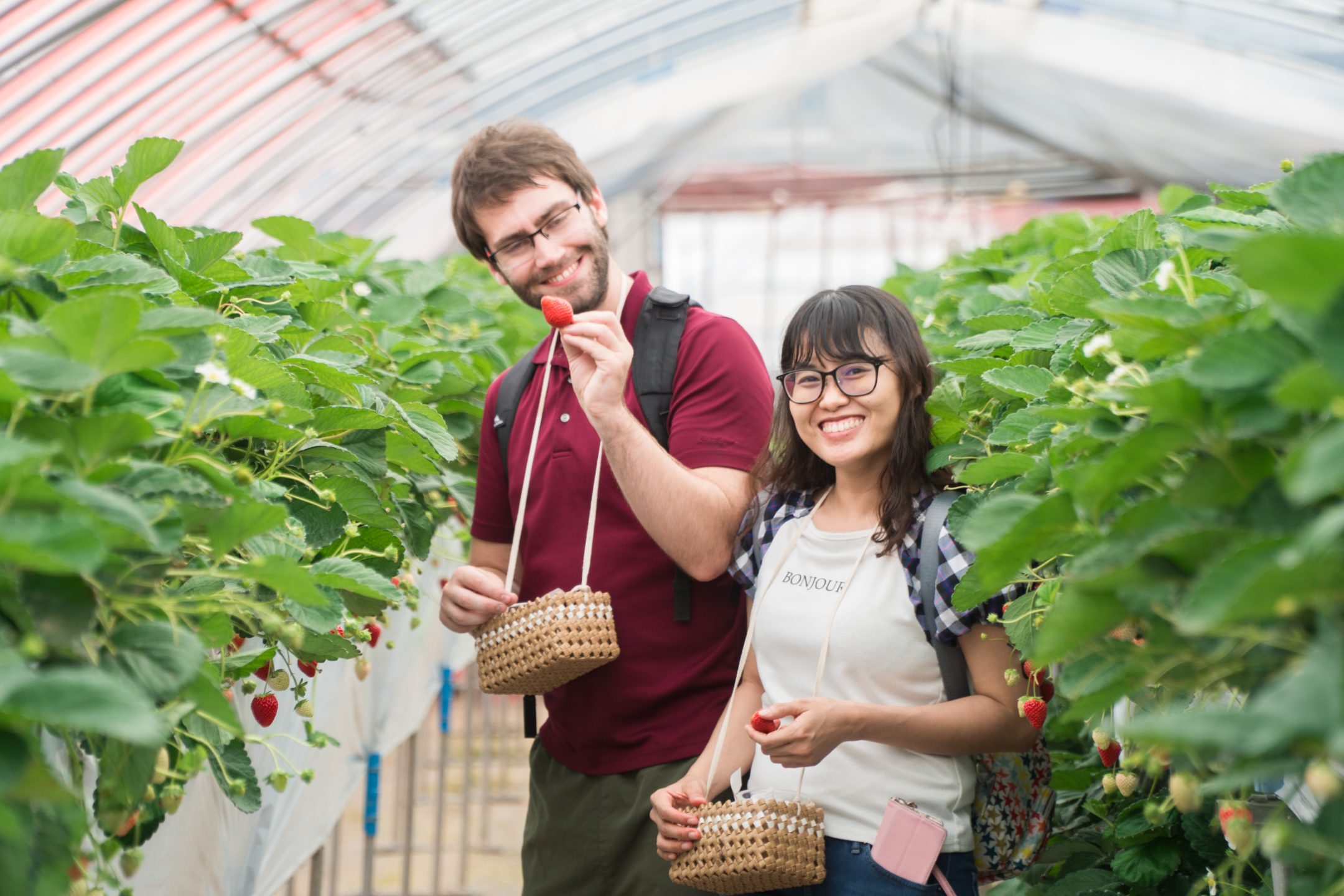
Having a cool average temperature from summer to fall, Oku-nikko and Senjogahara have the perfect environment for growing sweet and tasty strawberries. Mt. Berry Oku-Nikko grows special strawberries using the blessing of grand nature, taking advantage of the climate, water, and soil, and carefully selected fertilizers. From July to October, they open their field for ‘Tenku no Kogen Ichigo’ picking. It’s an all-you-can-eat (although depending on the harvest situation) strawberry picking program featuring three breeds of strawberries: Natsuotome, the breed cultivated only in Tochigi Prefecture, Yotsuboshi, and Pechika Honoka, which made its debut in 2024. Taste the difference among Natsuotome having a good balance of sweetness and acidity, Yotsuboshi with strong sweetness and aroma, and Pechika Honoka boasting its top-class sweetness among all summer-fall strawberries. Since you need a reservation and they accept only a small number of people at a time, you can enjoy picking strawberries in a relaxed atmosphere.

Nikko kaido Oshu kaido TOCHIGI
Rock Bath of Kinugawa Park

Rock Bath of Kinugawa Park

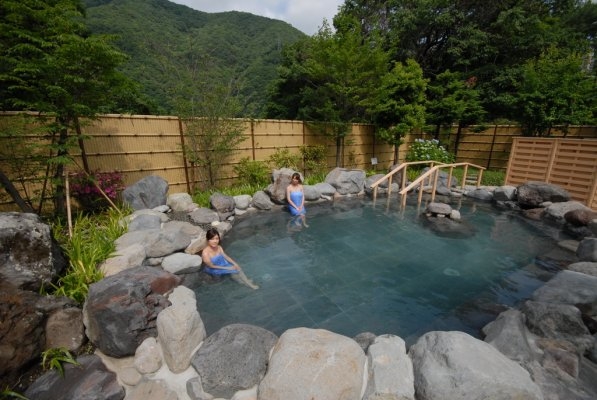
This is a day trip onsen facility in Kinugawa Park that holding by Nikko City.It is said that the water from here is good for skin and has a beautifying effect.   Both men's and women's baths have open-air baths and indoor baths. The open-air baths are made of rocks, and the source water is abundant, so you can enjoy the seasonal flowers and plants, as well as the chirping of insects and birds, while enjoying the baths.   The view around the onsen is very beautiful, which makes visitors feel relax here. In April, the park's weeping cherry trees are in full bloom, that you should't miss.

Oshu kaido Nikko kaido TOCHIGI
Gyoushintei Buddhist cuisine

Gyoushintei Buddhist cuisine

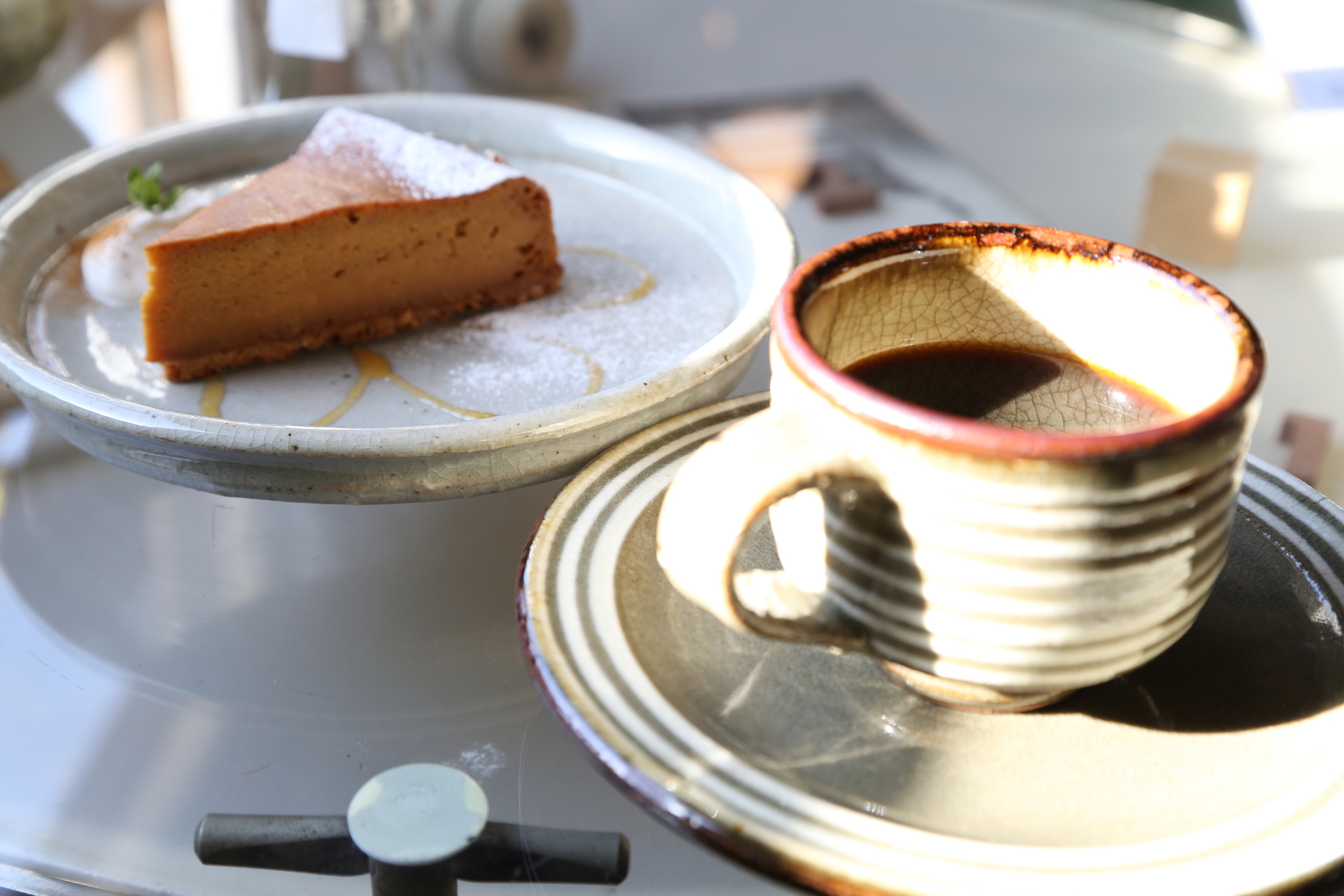
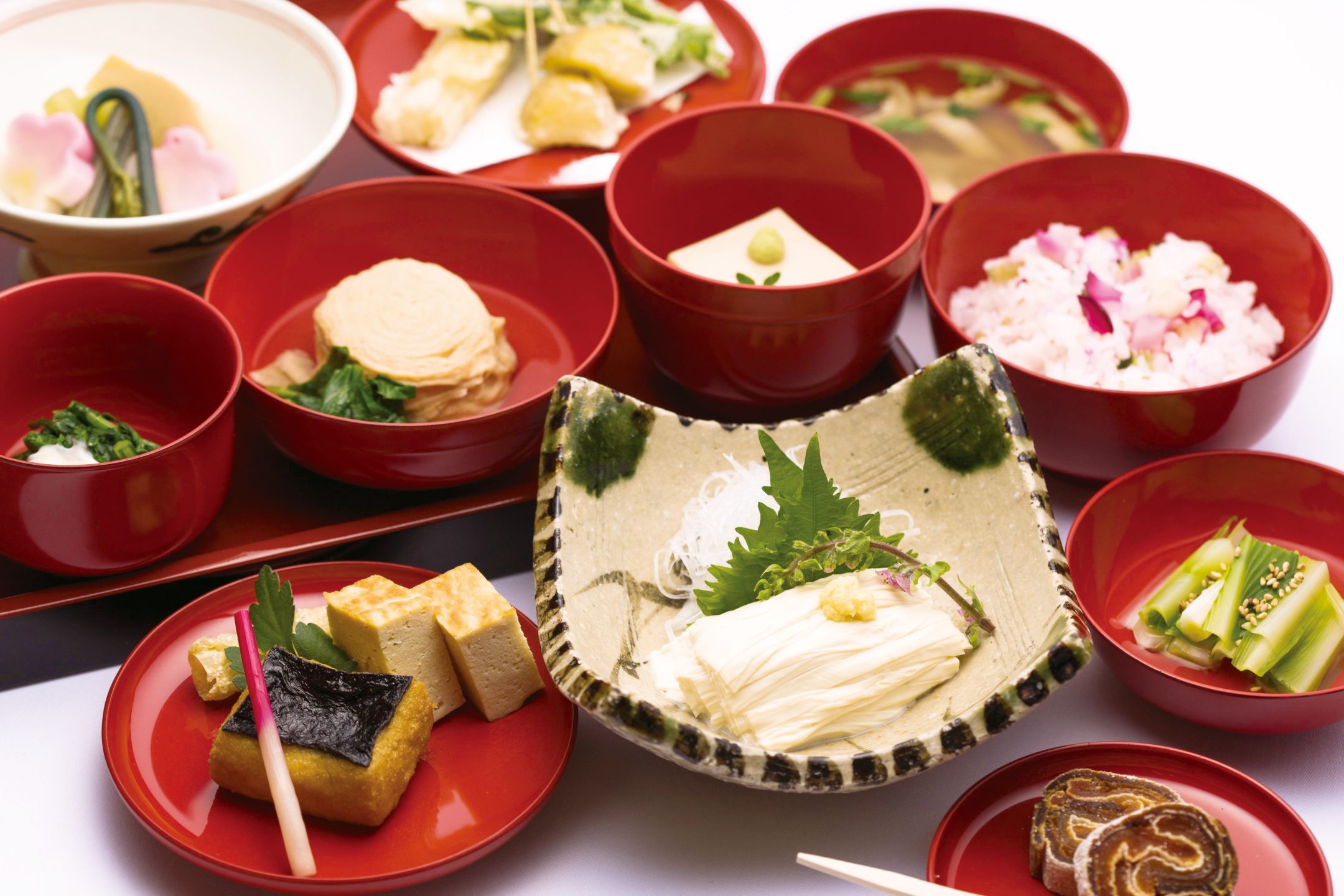
Named after Nikko’s former Gyoushintei Monastery, this restaurant is the gateway to Nikko city's over 1,200 years historical specialization in Buddhist cuisine. Its uniquely-flavored traditional Gozen-ryori is prepared in the Shinjo Shinryu style, which only uses vegetables, grains, and soybean-based products like yuba and tofu, making it completely vegetarian. And since they always use what’s in season, the ingredients change from month to month, providing a rare opportunity to enjoy seasonal, traditional vegetarian cuisine.

Nikko kaido Oshu kaido TOCHIGI
Tachiki Kannon,Nikkosan Chuzenji Temple

Tachiki Kannon,Nikkosan Chuzenji Temple

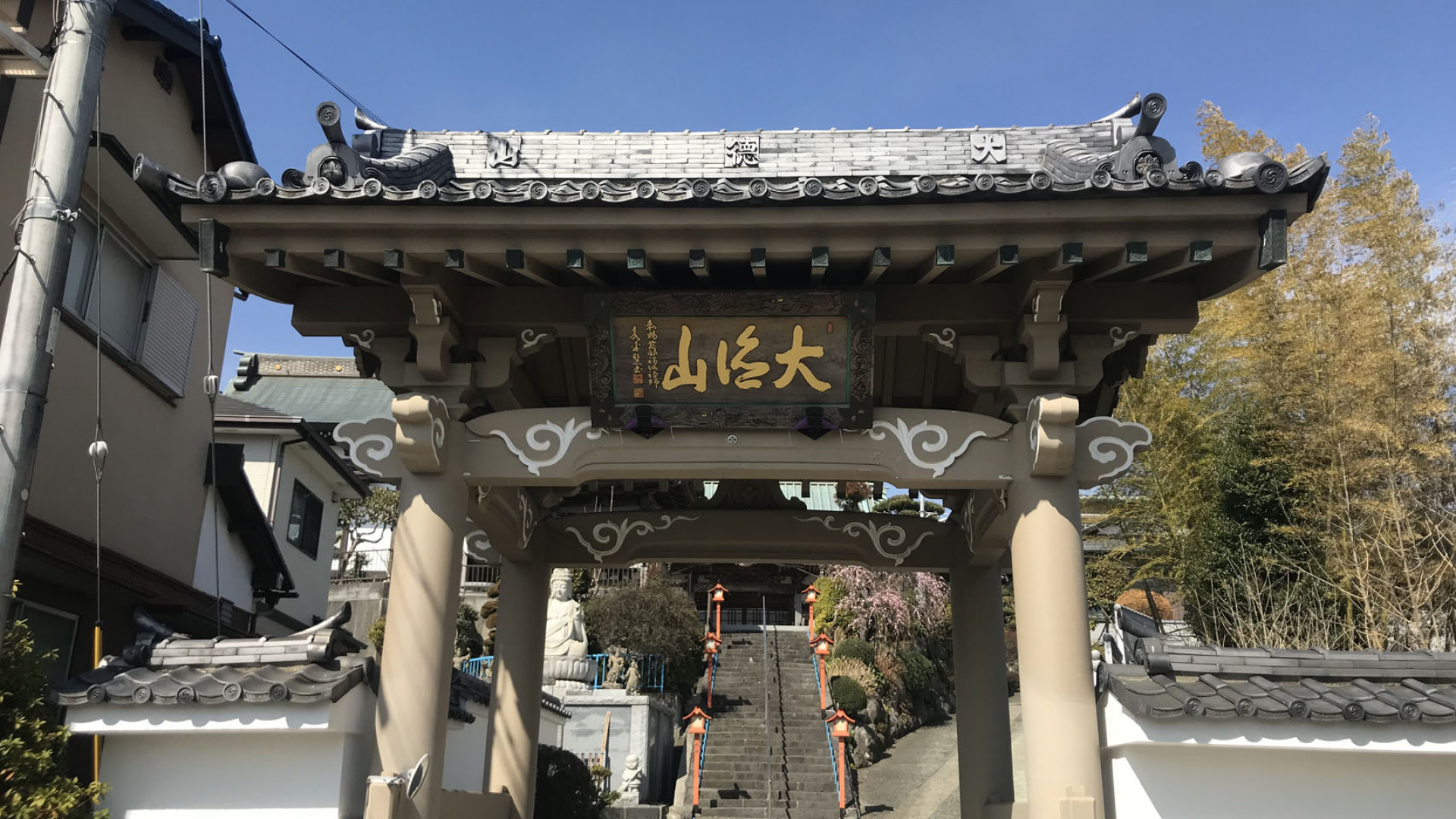
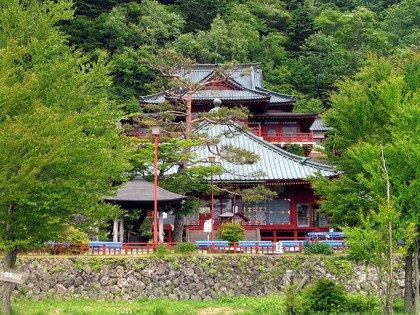
This branch temple of Nikkosan Rinnoji Temple was founded in 784 by Shodo, the first head priest of Nikko. The wooden statue for which it’s named—which represents Kannon, the thousand-armed goddess of mercy—is said to have been carved by Shodo himself. The temple is also home to several historically significant Buddha statues. It is also the 18th stop on the 33 Kannon Temple Bando Pilgrimage route, so many pilgrims visit to see it."

Nikko kaido Oshu kaido TOCHIGI
Nogi-machi Brick Kiln

Nogi-machi Brick Kiln

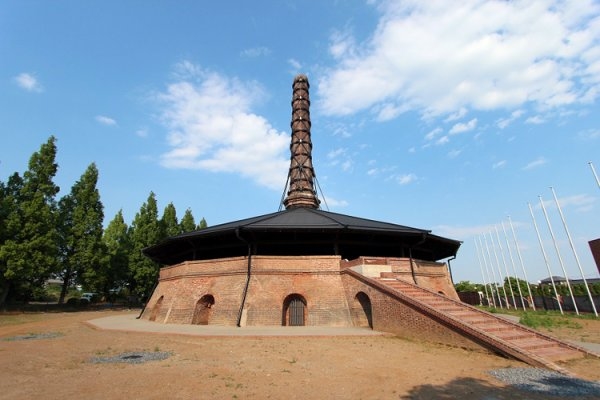
Made in 1890, the Nogi-machi Brick Kiln is a Hoffmann kiln that belonged to the former Shimotsuke brick manufacturer and was a major contributor to Nogi’s industrialisation. This is the only perfectly original Hoffmann kiln in Japan and is designated as an Important Cultural Property. It is in the shape of a hexadecagon (a 16-sided polygon) and is 34 metres in height and 100 metres in circumference. The kiln baked up to 408,000 bricks per year during the 80 years between 1890 and 1971. The conservation and repair work on the kiln was completed in September 2015 and the kiln was open to the public on 10 May 2016. The Nogi Koryu Centre (known as the “Nogi Hoffmann Kan”) was built and opened to the public at the same time. The centre offers activities and workshops as well as original goods and light meals. Come and experience the culture of the Meiji period!

Nikko kaido Oshu kaido TOCHIGI