Greater Tokyo

See & Do

reset
Yakumo Shrine

Yakumo Shrine

Founded in 1192, Yakumo Shrine is affectionately called “Yakumo-sama” by local residents, reflecting its deep ties with the community. The shrine is dedicated to Susanoo-no-Mikoto, and visitors pray here for physical health, recovery from illness, safe travels, and protection from misfortune. Worshippers even come from afar to pay their respects. In addition to Susanoo-no-Mikoto, the shrine also enshrines Daikoreishin (Hosokawa Okimoto, the founder of the Mogi branch of the Hosokawa clan) as an associated deity. Within the shrine office and the Shushuden Hall (a resting place for parishioners), visitors can see displays of historical materials, including the armor helmet once bestowed upon the Hosokawa clan by Oda Nobunaga. Yakumo Shrine is also known as the guardian shrine of traffic safety and is closely associated with “TWIN RING MOTEGI.” During major motor races, both staff and drivers come to pray here for victory and safety.

Oshu kaido Nikko kaido TOCHIGI
Oku-Nikko Nature Guide Tour (Oku-Nikko Guest House JUN)

Oku-Nikko Nature Guide Tour (Oku-Nikko Guest House JUN)

The Oku-Nikko region is home to a compact collection of various environments, including waterfalls, lakes, rivers, marshes, wetlands, forests, and high mountains. The elevation ranges from approximately 1,200 meters near Lake Chuzenji to over 2,000 meters at Mount Nantai and Mount Nikko Shirane. As a result, you can enjoy a variety of plants, animals, and wild birds throughout the seasons on numerous hiking trails. Why not join a guide and explore the diverse landscapes of Oku-Nikko?

Nikko kaido Oshu kaido TOCHIGI
NIKKO KANAYA HOTEL

NIKKO KANAYA HOTEL

Opened in 1873, this is Japan's oldest resort hotel and has been visited by many famous people, including Albert Einstein, Charles Lindbergh, and Helen Keller. While the exterior is Western-style, the interior incorporates Japanese furnishings and architectural styles throughout, creating a mysteriously nostalgic and gentle atmosphere. The unique guest rooms, which have been used by many famous people, create an extraordinary moment as if you have traveled back in time. The restaurant also serves lunch and dinner, and serves dishes that combine tradition and innovation. The hotel is just a 5-minute walk from the World Heritage Site, “Shrines and Temples of Nikko”, including Nikko Toshogu Shrine, making it an ideal hotel for early morning sightseeing to avoid the crowds.

Nikko kaido Oshu kaido TOCHIGI
MATSUKAWAYA NASU KOGEN HOTEL

MATSUKAWAYA NASU KOGEN HOTEL

Located on a hilltop in Nasu Onsen, Matsukawaya Nasu Kogen Hotel offers stunning panoramic views of the majestic Nasu natural landscape and the pleasure of bathing in 100% natural hot spring water.   The hot springs are sourced from two different springs: "Shika no Yu," which has a history of over 1,380 years since its discovery, and "Oku no Sawa Gensen," a mild acidic hot spring that is gentle on the skin. There are also private baths made with local stone materials, allowing you to enjoy the hot springs in a private space.   Enjoy the changing scenery throughout the seasons: fresh green leaves in spring and summer, vibrant autumn foliage, and snow-covered landscapes in winter.   【About the Hot Spring】 Water color: ・Shika-no-Yu Gensen : Milky white ・Oku-no-Sawa Gensen : Clear Spring quality: ・Shika-no-Yu Gensen : Simple acidic sulfur hot spring ・Oku-no-Sawa Gensen : Simple sulfur hot spring Therapeutic effects: Neuralgia, rheumatism, gastrointestinal diseases, gynecological diseases, dermatological diseases, fatigue recovery, etc.

Nikko kaido Oshu kaido TOCHIGI
Machi-no-Eki Shin-Kanuma Juku

Machi-no-Eki Shin-Kanuma Juku

Machi no Eki Shin-Kanuma Juku is the central hub for tourism and local exchange in Kanuma City.The main building offers information on Kanuma's unique foods like "Kanuma Soba" and "Kanuma Konnyaku," as well as seasonal tourist information. The local products centerl gathers agricultural and specialty products from Kanuma City. There are also restaurants using carefully selected local ingredients. Why not visit our key station to learn more about Kanuma City?

Nikko kaido Oshu kaido TOCHIGI
ZEN RESORT NIKKO

ZEN RESORT NIKKO

Located in the Okunikko area, Zen Resort Nikko is an outdoor activity-oriented commercial complex where you can enjoy dining at a restaurant and glamping. The restaurant serves beef hamburger steaks with a wonderful umami taste and texture achieved only because they are made of 100% Wagyu beef. You can also savor a dish featuring Itadakimasu, a brand of freshwater rainbow trout developed in Nikko. The dinner (reservation required) is prix fixe, so you can choose dishes of your preference for each course. Enjoy alcohol beverages and food in the slow flow of time. In addition to accommodation facilities for glamping and camping, Zen Resort Nikko offers a rich lineup of seasonal activities such as SUP for summer and snow activities in winter.

Nikko kaido Oshu kaido TOCHIGI
Meiji-No-Yakata

Meiji-No-Yakata

Meiji-No-Yakata is a restaurant remodeled from a villa built by an American merchant during the Meiji period (1868-1912). Japan at that time was just beginning to be introduced to Western culture. At the restaurant, you will see the fusion of Japanese and Western culture. The stone wall technique, used in construction of Japanese castles, was used to build the villa, and its interior was adorned with Western decor. Today, these features make the restaurant building very tasteful. Signature dishes are hamburger steak, omelet and rice (“omurice”), and hashed beef and rice (“hayashi rice”), which are all popular home-cooked dishes in Japan. The chef turns these dishes into masterpieces that you can experience only at Meiji-No-Yakata. Other strongly recommended dishes are multi-course meals featuring choice “Tochigi” steak using locally produced Tochigi Wagyu. Enjoy a relaxing dining experience in a classic atmosphere at Meiji-No-Yakata, a building selected as a cultural property, that transcends time and space.

Nikko kaido Oshu kaido TOCHIGI
Royal Meadow Golf Club

Royal Meadow Golf Club

Royal Meadow Golf Club is a very strategic course with beautiful views designed under supervision of the professional golfer, Ryo Ishikawa. The Royal Meadow Cup for 2024 JLPGA STEP UP TOUR took place here. Following the basic golf course design, you can see where your first shot goes from the tee, and you can see the green from where you make your second shot. It is a highly strategic course having multiple tees to match each player’s skill level. At the same time, the course is designed to be flat with each hole's elevation being 10 meters or less. You will be challenged by tricky water hazards and sand bunkers. Royal Meadow Golf Club has accommodations that are very popular among visitors from far. Please stay the night before playing and wake up to a relaxing morning.

Nikko kaido Oshu kaido TOCHIGI
GOOD NEWS

GOOD NEWS

GOOD NEWS in the town of Nasu is a commercial building complex that connects farming, social services, and tourism to help create a sustainable town. The land is divided into GOOD NEWS NEIGHBORS and GOOD NEWS DAIRY. GOOD NEWS NEIGHBORS is a shopping area where shops working on environmental issues are gathered. There are nine shops in total including an outdoor gear shop for enjoying nature and a roastery café that composts waste coffee grains. GOOD NEWS DAIRY, as a communicator of the attractiveness of Nasu where dairy farming is active, sells soft ice cream from a ranch where the forest is effectively used in dairy farming, and offers products from a cheese factory working on upcycling of waste whey.

Nikko kaido Oshu kaido TOCHIGI
N’s YARD

N’s YARD

N's YARD is a private modern art space displaying the works of modern artists and was created with the intention of making a space available for visitors to casually see the works of the artist and sculptor, Yoshitomo Nara. The museum has a café and a museum shop, too. Five exhibition rooms showcase not only Nara’s works including paintings, drawings, and 3D art pieces, but also Nara’s collections of other artists’ works, records, and dolls. Exhibitions are planned and designed by Nara. Besides the exhibition rooms, there is also a café, which offers light meals, drinks, and desserts, made with carefully selected ingredients, and a museum shop that sells items produced exclusively for this museum. Photo: Mie Morimoto ※The images may differ from the current facility appearance.

Nikko kaido Oshu kaido TOCHIGI
Nakamura Hachimangu Shrine Grand Festival

Nakamura Hachimangu Shrine Grand Festival

Hachimangu Shrine and the Samurai's Origin Nakamura Hachimangu Shrine is one of the eight shrines enshrining the god Hachiman in the Northern Kanto region. It is said that the Hachiman is is the guardian deity of the Minamoto clan warriors, so a legendary samurai called Minamoto no Yoshiie, the common ancestor of the shoguns of Minamoto no Yoritomo and Ashikaga Takauji, came here to pray for his victory.   After the establishment of the Kamakura Shogunate by Yoritomo, he attacked the Fujiwara clan of Oshu, which was then in northeastern Japan. Nakamura Munemura, the lord of the Nakamura County, fallowed Yoritomo's army, was rewarded to be the lord of the Date County of Oshu. Munemura has been seen as the ancestor of Date Masamune. The birth of Yabusame ceremony In 1736, Date Yoshimura, the 5th Daimyo of  Sendai Domain, just ended his "Sankin-kotai (alternate attendance)" and prepared to go back to his domin. Before he arrived in Sendai, Yoshimura came here and donated his horse to the god. In order to commemorate this event, the Yabusame Ceremony is held every year at the Annual Grand Festival.   Archers dress in samurai's hunting attire and ride on horseback, then shot at the target on the left on their horses. The whole ceremony is accompained by the thumping sound of taiko, which makes the ceremony very energetic.

Nikko kaido Oshu kaido TOCHIGI
Oyama Gion Festival

Oyama Gion Festival

It is said that Suga Shrine was built by a legendary samurai Fujiwara no Hidesato in A.D. 940, and moved to its present location during 1159~1160. The whole shrine is filled with a solemn and serene atmosphere.   In A.D. 1600, before the Battle of Sekigahara, Tokugawa Ieyasu held the famous “Oyama Council” at Suga Shrine and prayed for the victory of the battle. After his victory and the establishment of the Edo Shogunate, Suga Shrine was greatly honored by the Shogunate. In 1658, staff members who had participated in the construction of Nikko Toshogu Shrine, created a miniature version of the Akamikoshi in Toshogu Shrine, which became the pressure of Suga Shrine.   The most important festival of Suga Shrine is "Oyama Gion Festival", on July 14 to 21 every year, 25 mikoshi including one massive one that weighs in at 2 tons are carried through the city.   According to “Shimotsuke Province Choreography(下野国誌)” written in Edo period, Suga Shrine’s “Gion Festival” is the “best Gion Festival in Shimotsuke Province.”   "

Nikko kaido Oshu kaido TOCHIGI
Shibazakura Festival

Shibazakura Festival

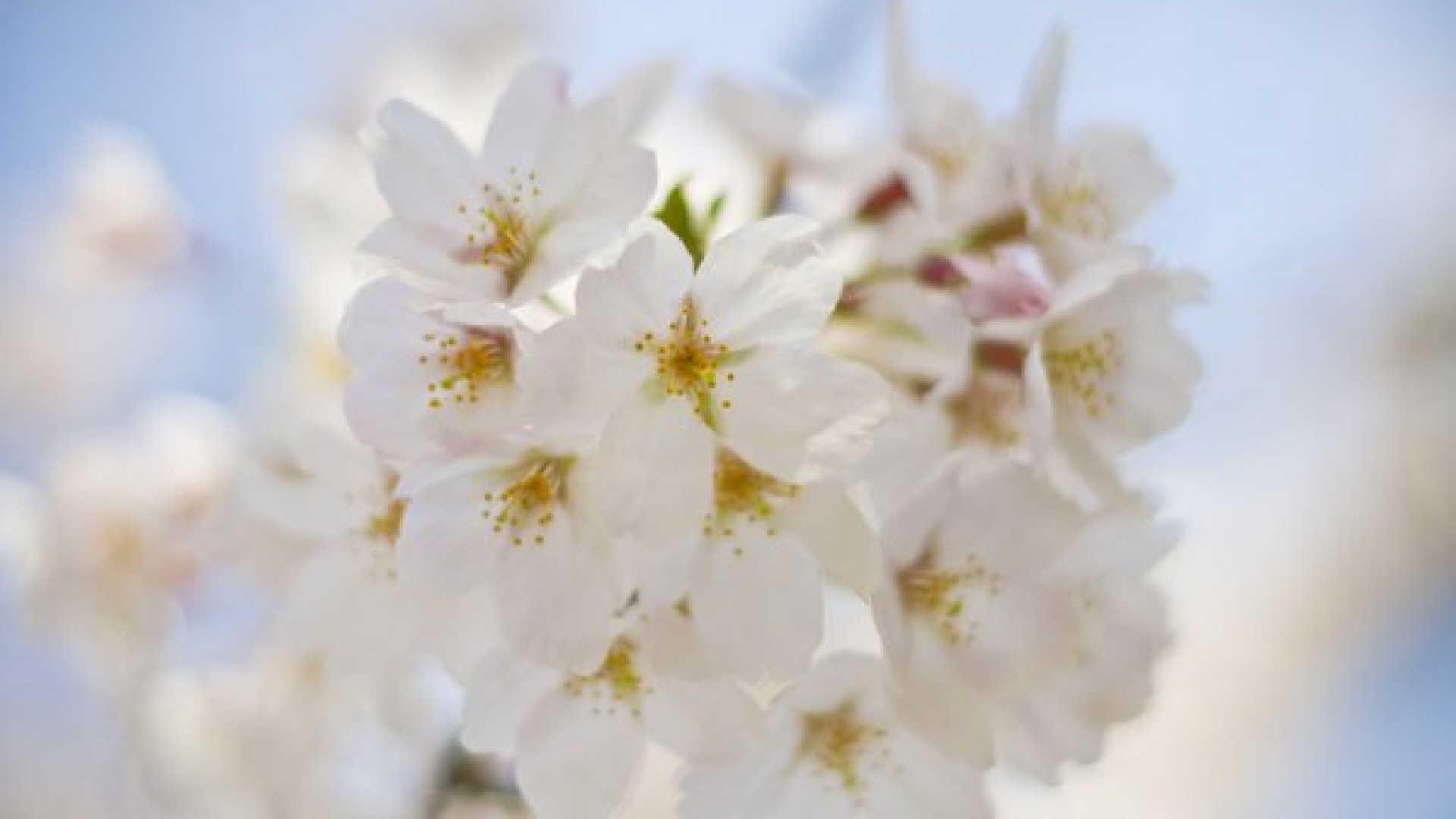
The Shibazakura Festival is held every year at Ichikai Town Shibazakura Park in April and May.   About 280,000 plants in magenta, pink, purple and white are planted over 18,000 square meters in Shibazakura park. The flower carpet is patterned after the Kokaigawa river, which starts near the town.   During the festival, a soba restaurant(Hana) in the park, you can enjoy authentic hand-made soba. Additionally, also sells agricultural products and shibazakura seedlings.

Nikko kaido Oshu kaido TOCHIGI
Shirasagi Shrine

Shirasagi Shrine

The Shirasagi Shrine enshrines Yamato Takeru, the son of the Emperor Keiko the 12th emperor of Japan who was enshrined in 783.During those ancient days, Yamato Takeru carried the sword Kusanagi and travelled throughout Japan, leading the country to peace. Legend says that as a result, his soul turned into a swan and he continues to protect peace still.The shrine is also home to Japan's largest votive picture at a width of 8m and a height of 4m, which is known a votive picture which grants wishes and bestows happiness."

Nikko kaido Oshu kaido TOCHIGI