
Greater Tokyo

See & Do

reset
Sano City Tourist Product Center

Sano City Tourist Product Center

Sano, within a day’s reach from TokyoSano City is located in southwestern Tochigi Prefecture, about 70 kilometers from Tokyo. With its abundant produce and clean environment, it makes a lasting first impression on visitors. The city is also home to many historical sites, telling the long history of Sano’s development. When speaking of Sano’s cuisine, many immediately think of the rich soy-sauce-based Sano ramen. Made with clear water and carefully crafted wheat, this local specialty has become synonymous with the city’s gourmet culture. After enjoying Sano’s culinary delights, be sure to stop by the Sano City Tourist Product Center to take home a taste of Sano! Tourist product center – A comprehensive sightseeing hubInside the Sano City Tourist Product Center, you’ll find more than 800 varieties of souvenirs and specialty products, along with fresh vegetables sold directly from local farms. There is also a wealth of sightseeing information available, making it a convenient starting point for your Sano exploration.    

Nikko kaido Oshu kaido TOCHIGI
Shiroyama Park in Motegi

Shiroyama Park in Motegi

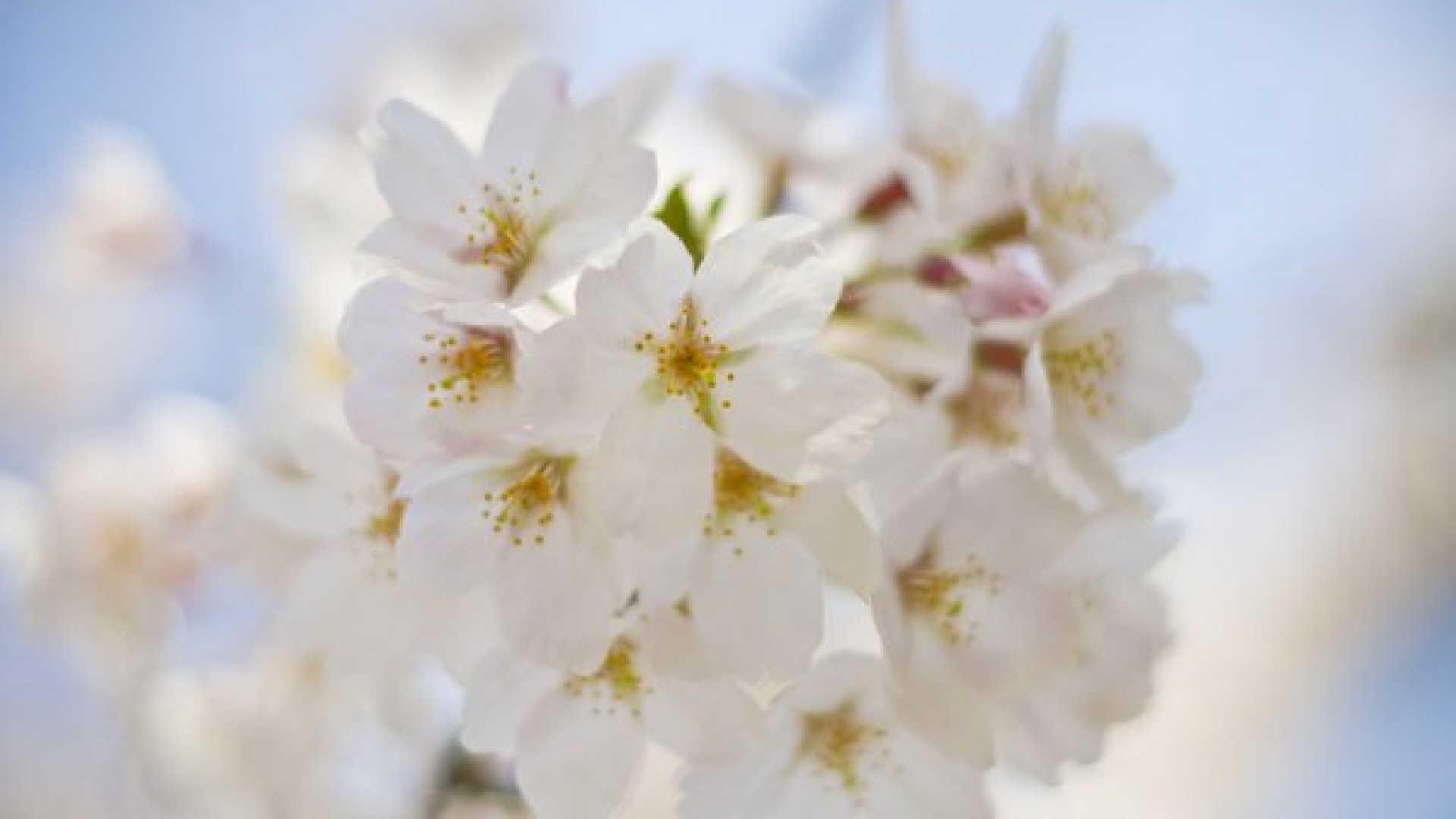
This is the site of Motegi Castle during the Kamakura Period, and today it is a park that is the symbol of Motegi Town. From the small hill overlooking the center of town, you can see Sakasa River and the steam locomotives running behind the smoke. In spring, various types of cherry blossoms bloom one after another, allowing you to enjoy flower viewing for about a month. In autumn (mid-September to early October), the entire southern slope of Shiroyama Park is dyed bright red with approximately 550,000 red spider lilies, a delight to visitors. It is rare to see a cluster of red spider lilies growing on a slope, and many photographers gather here as they can take photos from a different angle than on the flat land.

Nikko kaido Oshu kaido TOCHIGI
Daigomado, Hall for the Goma Fire Ritual (Nikko-zan Rinno-ji Temple)

Daigomado, Hall for the Goma Fire Ritual (Nikko-zan Rinno-ji Temple)

This dedicated hall for prayer was constructed in 1998 to fulfill the wishes of many worshippers, making it the foremost Goma prayer hall in Nikko. In this esoteric Buddhist ritual, your prayers are conveyed to the Buddha through sacred fire. Goma prayers are performed daily and are open to all. They offer various benefits such as domestic tranquility, physical health, and prosperity in business. In the inner sanctuary of the Great Goma Hall, the principal image is the "Five Great Kings", surrounded by 30 statues of Buddhas and ancestral masters, including the "Seven Lucky Gods" and the "Twelve Heavenly Generals." Additionally, on the ceiling, you can find a magnificent painting of a "Great Ascending Dragon" that took two and a half years to complete. Why not make a wish and participate in this sacred ritual as a memorable part of your journey?

Nikko kaido Oshu kaido TOCHIGI
Chuzenji Temple “Meditation bead making experience”

Chuzenji Temple “Meditation bead making experience”

Chuzenji Temple was established by Shodo Shonin in Nikko-zan in 784. Enshrining Nikko’s oldest Buddha statue, which is six-meters tall and was carved in a standing Japanese judas tree, the temple is a prayer temple (where visitors pray to the Buddha). Juzu, or prayer beads on a string, is one of the ritual items that people use to count how many times they have read a sutra or recited Buddha’s name. According to Siddhartha Gautama, praying to the Buddha repeatedly will remove earthly desires from people and make them happy. Those who visit to pay respect to the temple can join the prayer beads craft workshop. They can choose beads of their taste, made of natural stone and/or natural wood, with a wish in their minds to create a bracelet-shaped juzu. Their juzu becomes nenju when monks offer a prayer at the gomadan (fire ritual platform), and they can take it home as a wearable lucky charm.

Nikko kaido Oshu kaido TOCHIGI
Oyama Gion Festival

Oyama Gion Festival

It is said that Suga Shrine was built by a legendary samurai Fujiwara no Hidesato in A.D. 940, and moved to its present location during 1159~1160. The whole shrine is filled with a solemn and serene atmosphere.   In A.D. 1600, before the Battle of Sekigahara, Tokugawa Ieyasu held the famous “Oyama Council” at Suga Shrine and prayed for the victory of the battle. After his victory and the establishment of the Edo Shogunate, Suga Shrine was greatly honored by the Shogunate. In 1658, staff members who had participated in the construction of Nikko Toshogu Shrine, created a miniature version of the Akamikoshi in Toshogu Shrine, which became the pressure of Suga Shrine.   The most important festival of Suga Shrine is "Oyama Gion Festival", on July 14 to 21 every year, 25 mikoshi including one massive one that weighs in at 2 tons are carried through the city.   According to “Shimotsuke Province Choreography(下野国誌)” written in Edo period, Suga Shrine’s “Gion Festival” is the “best Gion Festival in Shimotsuke Province.”   "

Nikko kaido Oshu kaido TOCHIGI
Kawamura Castle Historical Park

Kawamura Castle Historical Park

Kawamura castle was in the limelight starting from the Chusei period through the Sengoku period as the residence of the Kawamura family. Starting in 1989, Kawamura castle ruins were subjected to research and development as a historical park for 6 years, and in May 1994 the "Kawamura Castle Ruins Historical Park" was born. In 1996 it became a the first mountain-castle in the prefecture to be designated as a historic site by the prefecture.

Nature & Views Tokaido Koshu kaido KANAGAWA
Furukawa Ashio History Museum

Furukawa Ashio History Museum

Overview of the Furukawa Ashio History Museum Ashio Copper Mine is one of the most important copper-producing sites in Japanese history. Discovered during the Sengoku period (1550), it was later mined under the direct control of the Edo shogunate. It once served as an essential source of material for Kan’ei Tsūhō, the currency of the time. As output later declined, the mine was taken over by the Furukawa family during the Meiji period. Due to advances in technology, new ore veins were found, and under the then national policy of enriching the country and strengthening the military, the mine prospered, making the Furukawa family magnates of the mining industry.   The Furukawa Ashio History Museum tells the stirring story of that industrial dawn. In addition to models of the Ashio Mining Office and stories of successive managers, it also exhibits the various tools used by miners in those days, recounting the history of the Ashio area.

Nikko kaido Oshu kaido TOCHIGI
Chuzenji Temple “16-Character SHAKYO or SHABUTSU (Copying Buddha’s picture) Experience”

Chuzenji Temple “16-Character SHAKYO or SHABUTSU (Copying Buddha’s picture) Experience”

Commonly, shakyo and shabutsu involve copying of the whole sutra or the whole image of the Buddha, but at Chuzenji Temple, we have prepared sheets of a sutra and an image that you can finish tracing within 15 to 20 minutes. In 16-character shakyo, you will trace a part of the Kannon Gyo sutra, written in light gray, with a brush pen. In shabutsu, you will trace the central area of the image of the Buddha, drawn in light gray, with a brush pen. In both practices, you will receive blessings by having your mind connected with the Buddha, feel relaxed both mentally and physically, and have the time to familiarize yourself with the Buddha and reflect on yourself. Time thus spent will be a priceless experience for you. After shakyo and shabutsu, you will be given a special red stamp as proof of paying respect to the temple and submitting the sutra/image. ※You can borrow a brush pen from the temple.

Nikko kaido Oshu kaido TOCHIGI
STEAK HOUSE JYURAKU

STEAK HOUSE JYURAKU

Steak House Jyuraku serves Tochigi Wagyu. Tochigi Wagyu is a Japanese Black breed carefully raised in the grand nature of Tochigi. It is brand beef that has received the Award of Excellence many times at the national Wagyu fair in Japan. The steak house purchases Tochigi Wagyu directly from its producers and thus has full confidence in the meat quality. You will never forget the fine and delicate meat texture and its aromatic fat once you try it. Jyuraku’s recommendation is A5 Tochigi Wagyu steak. The Sirloin has beautiful marbling, a rich taste, and a texture that melts in your month. The Fillet is red meat that is very tender and moist. Please come and try the Wagyu steak that Jyuraku proudly presents.

Nikko kaido Oshu kaido TOCHIGI
Italian Restaurant ”Gioia Mia” (Shiobara-Sekiya)

Italian Restaurant ”Gioia Mia” (Shiobara-Sekiya)

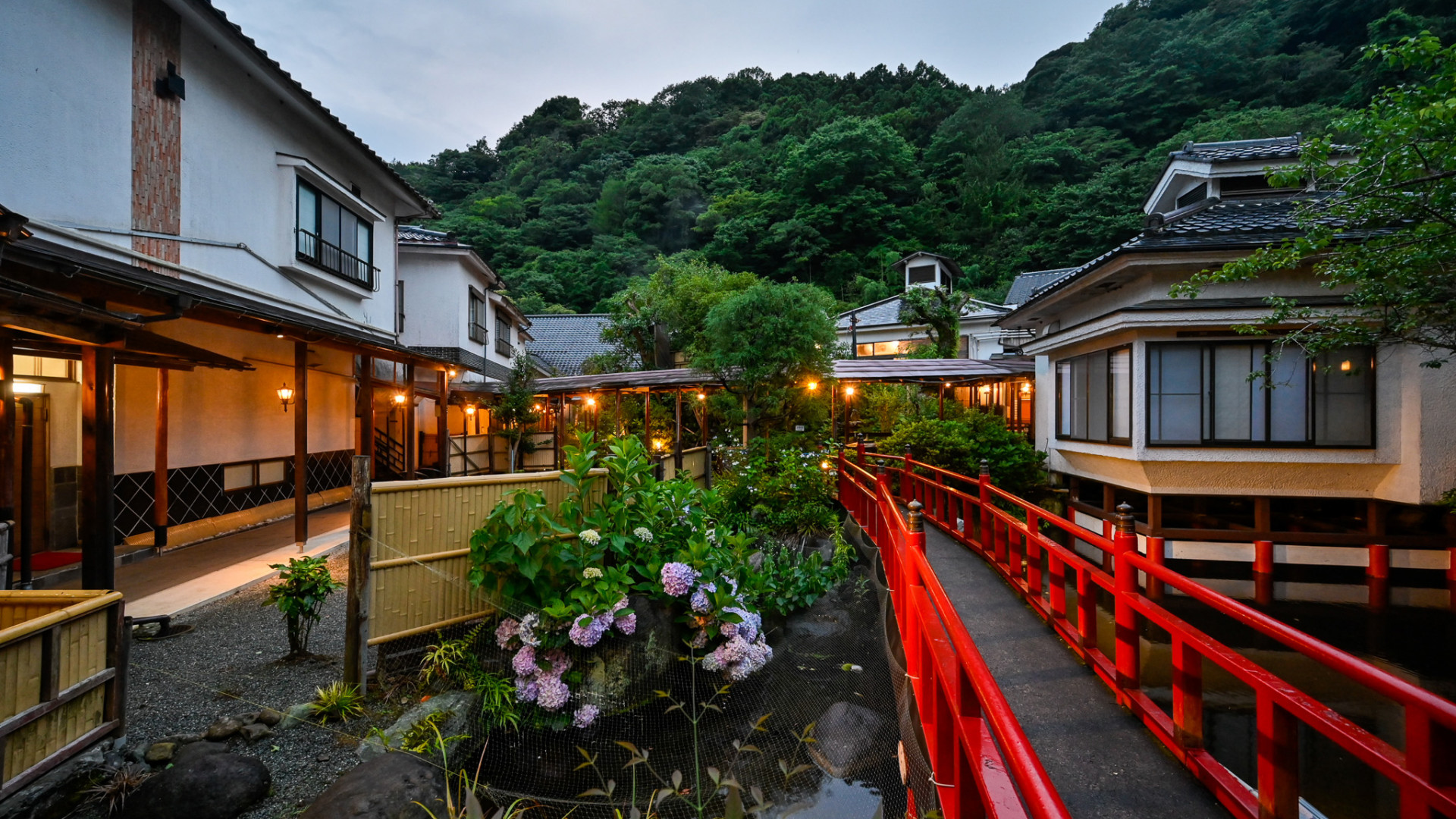
Gioia Mia is an Italian restaurant based in Nasu that prepares all dishes with hand-picked ingredients. The menu features dishes including appetizers, pasta soup, crispy crust (Roman style) pizza baked in a wood-fired oven, bread, meat dishes, fish dishes, and desserts. All dishes are completely handmade so that guests can enjoy the flavor of the ingredients. Come and enjoy the taste of Gioia Mia in items like seasonal dishes and those using locally produced milk and cheese.

Nikko kaido Oshu kaido TOCHIGI
Grill&Steak Myogetsubo

Grill&Steak Myogetsubo

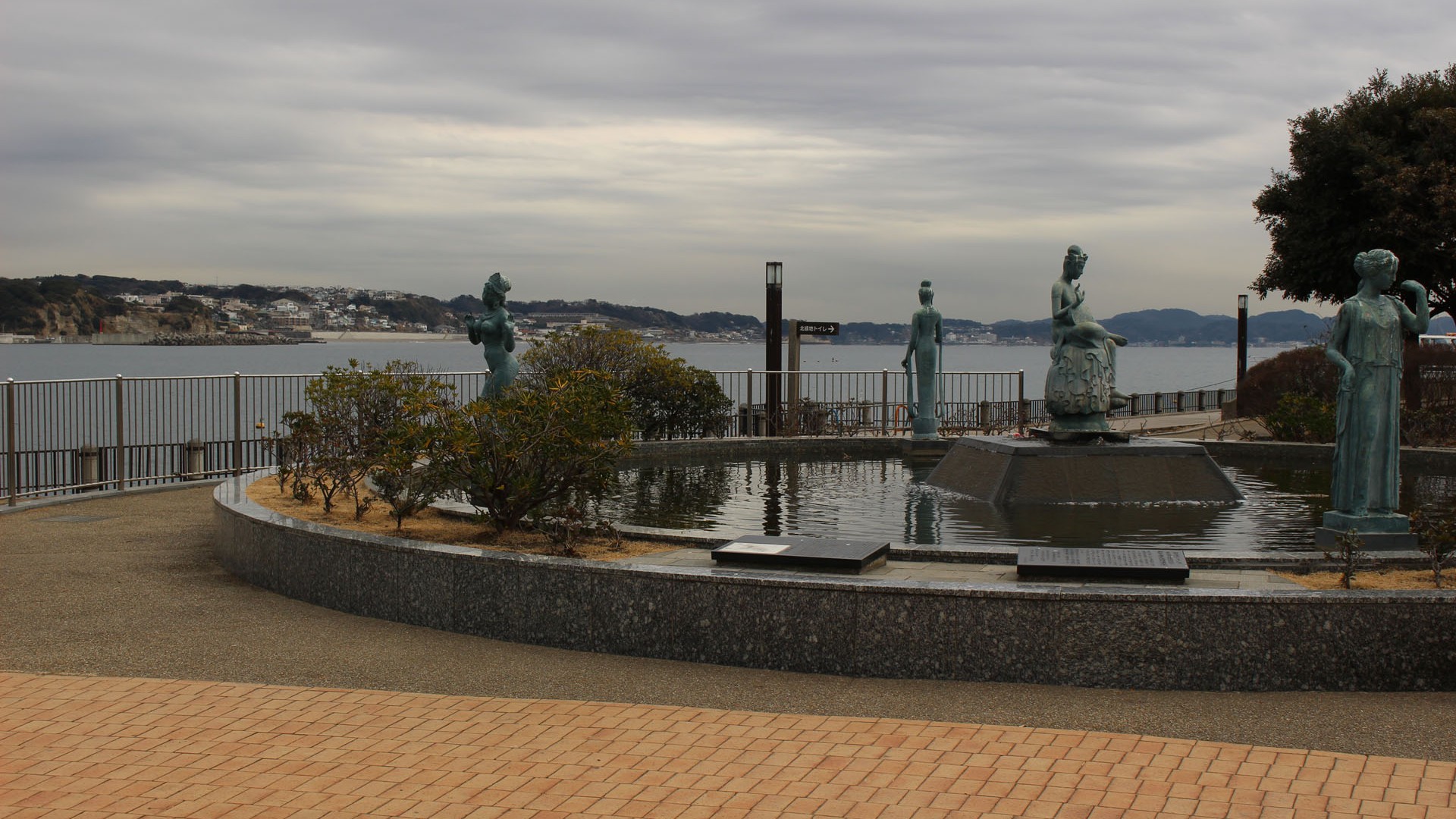
Myogetsubo is a grill & steak restaurant. Its building has been renovated from a former lodging house of Nikkozan Rinno-ji Temple, a temple with over 1,250 years of history. Our recommended dish is the authentic Tochigi Wagyu steak. Tochigi Wagyu is one of the top beef brands in Japan. It is a Japanese Black breed rated A4 or higher and is produced in Tochigi Prefecture with a natural environment ideal for cattle raising. Having received the Award of Excellence at the national fair for two consecutive years, Tochigi Wagyu is one of the most recognized wagyu brands in Japan. In an exquisite environment surrounded by world heritage sites, please come and try Tochigi Wagyu and indulge yourself in the slow flow of time while thinking of the distant past.

Nikko kaido Oshu kaido TOCHIGI
Michi-no-Eki(Roadside Rest Stops) Nasu Kogen Yuai no Mori

Michi-no-Eki(Roadside Rest Stops) Nasu Kogen Yuai no Mori

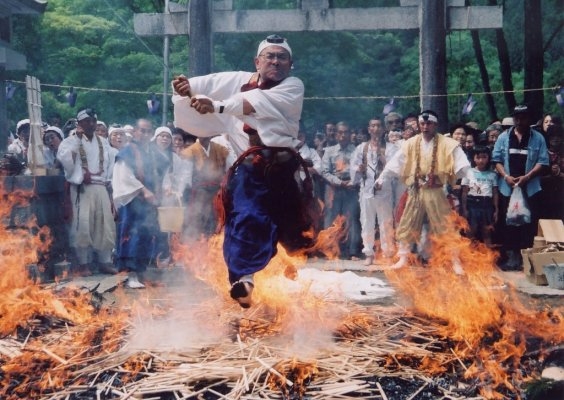
Michi-no-Eki(Roadside Rest Stops) Nasu Kogen Yuai no Mori is located at the foot of Nasu Onsen-kyo. It features a wide variety of facilities including a tourist information centre called “Kanko Koryu Centre”,“Nasutoran”a restaurant,retail shop, and handicrafts gallery among other facilities. . Visitors can purchase fresh local vegetables at the shop called “Freainosato Chokubaijo” and local products at the Furusato Bussan Centre. The roadside station also offers hands-on classes,demonstrations and sales of local arts and crafts. The information centre is located at the foot of Mount Nasu and there are many attractions in the neighbourhood including leisure facilities and museums.

Nikko kaido Oshu kaido TOCHIGI
Pottery Making Experience (Mashiko)

Pottery Making Experience (Mashiko)

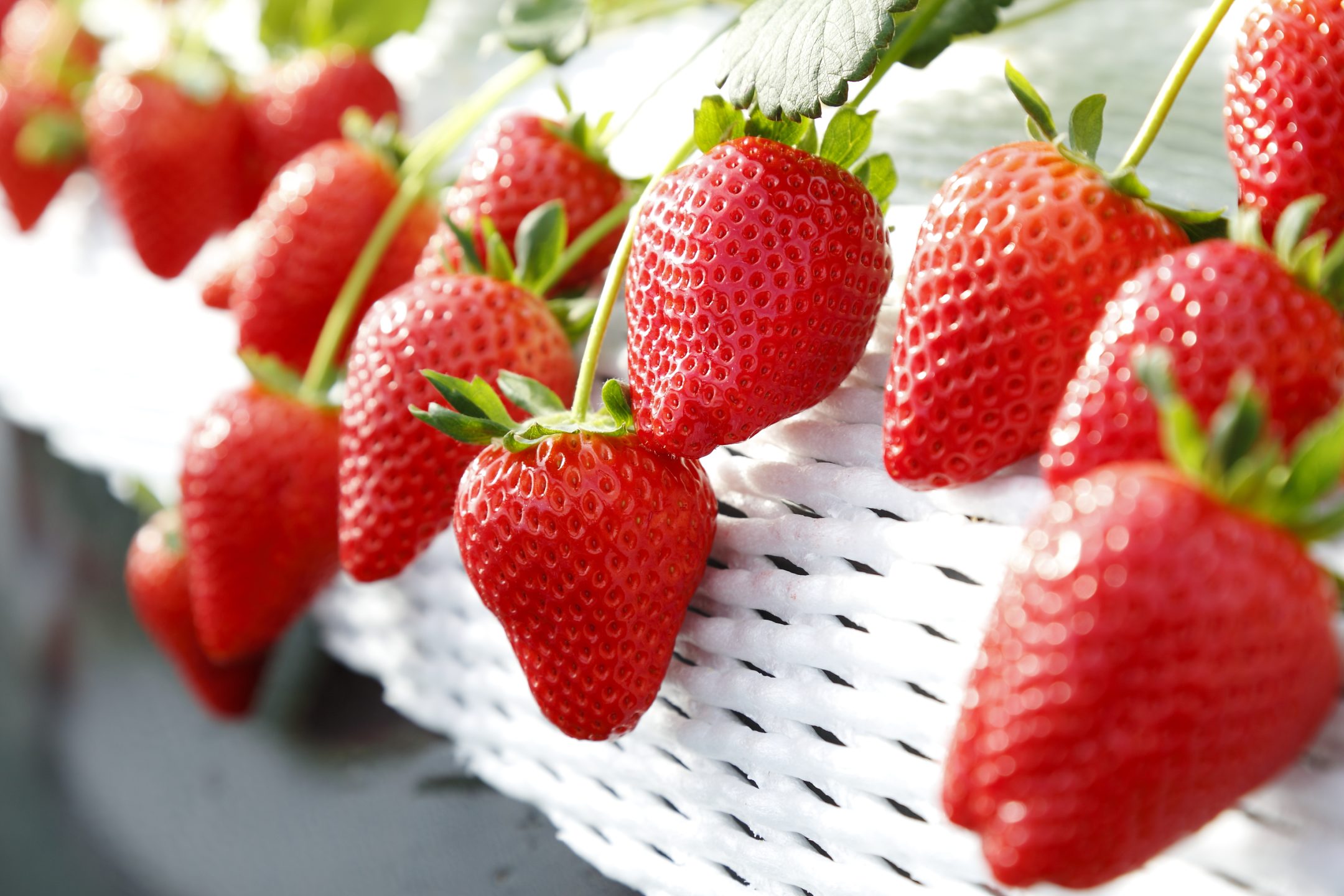
Developed since the19th century for its fine quality and proximity to the big market Tokyo, Masiko-yaki pottery has long been liked for its daily use items such as pots, water jars and teapots. There are nearly 260 kilns, 50 shops and potters of youth and experience who create works of great variety. Pottery markets held in spring and autumn attract hundreds of thousands of Mashiko-yaki lovers. Even beginners can join workshops to learn how to decorate, hand-form or use a potter’s wheel, and enjoy authentic ceramic art.

Nikko kaido Oshu kaido TOCHIGI