
Greater Tokyo

See & Do

reset
Oyama 2,000 Cherry Blossoms Festival

Oyama 2,000 Cherry Blossoms Festival

You can not only see the famous cherry trees "Someiyoshino", but also a special cherry variety "Omoigawa" trees at Oyama City. Omoigawa blooms about one week after Someiyoshino. It means we can enjoy cherry blooming for about a month at Oyama.   Many events and light up held on every cherry bloom spots in Oyama during the cherry blooming. ◆Night cherry blooming spots ①Shiroyama Park(1-1 Shiroyama-cho, Oyama City) ②Mamada Hachiman Park(2330 Mamada, Oyama City) ③Sakura Avenue nearby Toyohogawa River(nearby Kami-ishitsuka, Oyama City) ④Omoigawa Onsen(1475 Kizawa, Oyama City)

Nikko kaido Oshu kaido TOCHIGI
Nakamura Hachimangu Shrine Grand Festival

Nakamura Hachimangu Shrine Grand Festival

Hachimangu Shrine and the Samurai's Origin Nakamura Hachimangu Shrine is one of the eight shrines enshrining the god Hachiman in the Northern Kanto region. It is said that the Hachiman is is the guardian deity of the Minamoto clan warriors, so a legendary samurai called Minamoto no Yoshiie, the common ancestor of the shoguns of Minamoto no Yoritomo and Ashikaga Takauji, came here to pray for his victory.   After the establishment of the Kamakura Shogunate by Yoritomo, he attacked the Fujiwara clan of Oshu, which was then in northeastern Japan. Nakamura Munemura, the lord of the Nakamura County, fallowed Yoritomo's army, was rewarded to be the lord of the Date County of Oshu. Munemura has been seen as the ancestor of Date Masamune. The birth of Yabusame ceremony In 1736, Date Yoshimura, the 5th Daimyo of  Sendai Domain, just ended his "Sankin-kotai (alternate attendance)" and prepared to go back to his domin. Before he arrived in Sendai, Yoshimura came here and donated his horse to the god. In order to commemorate this event, the Yabusame Ceremony is held every year at the Annual Grand Festival.   Archers dress in samurai's hunting attire and ride on horseback, then shot at the target on the left on their horses. The whole ceremony is accompained by the thumping sound of taiko, which makes the ceremony very energetic.

Nikko kaido Oshu kaido TOCHIGI
Furusato Miya Festival

Furusato Miya Festival

"Furusato Miya Festival," the biggest summer festival of Utsunomiya City, holds on the first weekend on August every year. It began on 1976 to celebrate 80th anniversary of Utsunomiya City, and became a symbol of the city.   Under the theme of " Meet and Connect," a variety of events will color the summer in Utsunomiya, including dances, Japanese drums, Ohayashi performances, Miyakko parade by children, and Mikoshi (portable shrine) performances, all centering on the main street of Utsunomiya.

Oshu kaido Nikko kaido TOCHIGI
Mt. Kongo Fire-walking Sadhana

Mt. Kongo Fire-walking Sadhana

At Mt. Kongo Zuihoji Temple in Furumine, the "Fire-Walking Sadhana Festival" is held on the last Sunday on May, for burning away afflictions, warding off bad luck, and praying for family safety. The ceremony begins with the sound of a shugenja (mountain ascetic) blowing a trumpet shell, followed by the performance of the axe, bow, and sword, and then the flames of the goma are extinguished.   While sutra chanting echoes, shugenjas and participants walk barefoot on the path, praying for protection from bad luck, safety in the home, and the fulfillment of various wishes.   After the ceremony, shugenjas would share tributes (like deserts, sake) with people, which means sharing happiness with each others.  

Nikko kaido Oshu kaido TOCHIGI
Musha Festival

Musha Festival

On January 4 each year, the Musha Festival, an annual Shinto ritual in which arrows are shot toward Mount Akagi, is held at Futarasan Shrine's Chugu Shrine on the shore of Lake Chuzenji. It is based on a legend of Gods warfare, and is a tradition that has continued since the Muromachi period.   In the legend of the Gods battle, the deity of Mount Nantai in Nikko changed himself into a "giant snake," and the deity of Mount Akagi in Gunma changed into a "giant centipede" and fought over at Senjogahara. It is said that the deity of Mount Nantai won the warfare.   In accordance with the legend, the Guji (head of priests) stands on the Kamishimbashi and releases the first arrow, with a shout of "Ya" as a cold wind blows, followed by the priests and archers dressed in kariginu, who shoot arrows one after another in the direction of Mount Akagi in this heroic ritual.

Nikko kaido Oshu kaido TOCHIGI
Shinonome Flower Festival

Shinonome Flower Festival

"Shinonome Flower Festival" is held at Shinonome Park from late March to early April. The sight of approximately 250 cherry trees lined up along both banks of the Kurokawa River all blooming at once is spectacular.   From the Shinonome Sakura Bridge, which is located in the park and connects the east and west banks of the Kurokawa River, visitors can enjoy a magnificent view of Mt. Nantai and blooming cherry trees. the Shinonome Sakuradai on both banks of the Kurokawa River is one of the 100 most scenic spots in Tochigi.   The nearby roadside rest stops, the Mibu Exchange Center "Miraikan", the Mibu Toy Museum, and the Toy Town Bandai Museum, also hold a variety of events in conjunction with the Shinonome Flower Festival.  

Nikko kaido Oshu kaido TOCHIGI
Yasaka Festival (Tenno Festival)

Yasaka Festival (Tenno Festival)

The Yasaka Festival, or more commonly as the Tenno Festival, is a festival held at Okoto Shrine where people go to pray for good health and to prevent the spread of illnesses during the summer.   Participants in the festival carry and parade a portable shrine called the “Great Tenno-sama,” which weighs approximately 1 ton.   Highlights of the festival include over ten stunning floats and mikoshi parading through the town, streets lined with stalls selling delicious food and unique crafts, and a grand gathering on the second night of the festival after 8PM. Here, all the mikoshi and floats come together for a spectacular display of traditional music and energetic performances.

Nikko kaido Oshu kaido TOCHIGI
Setsubun Armor Year-cross in Ashikaga

Setsubun Armor Year-cross in Ashikaga

What is Setsubun Armor Year-cross? Every year’s February 3 is “Setsubun” festival in Japan, symbolling the end of the winter. On this day, Ashikaga City holds “Armor Year-cross” event, over 200 people would dress as samurai to join the event. The parade walk to Bannaji Temple from Orihime Community Center. People celebrate their victory when they arrived at Bannaji Temple, and pray for city’s prosperity. History of Setsubun Armor Year-cross Back to the Kamakura period about 750 years ago, a powerful samurai called Ashikaga Yasuuji led 500 samurai to assemble at Bannaji Temple, the residence of Ashikaga Family, in order to honor their family. 120 years later, his descendant, Ashikaga Takauji, became the Shougun of Japan and created the Muromachi period. This event was closed in the late Edo and Meiji eras, but in 1915 (Taisho 4) it was restarted by a group of fiber workers. Ashikaga City has samurai armor and kimonos for visitors to try on.

Nikko kaido Oshu kaido TOCHIGI
Kanahan Ryokan and Tochigi-Edo Cuisine

Kanahan Ryokan and Tochigi-Edo Cuisine

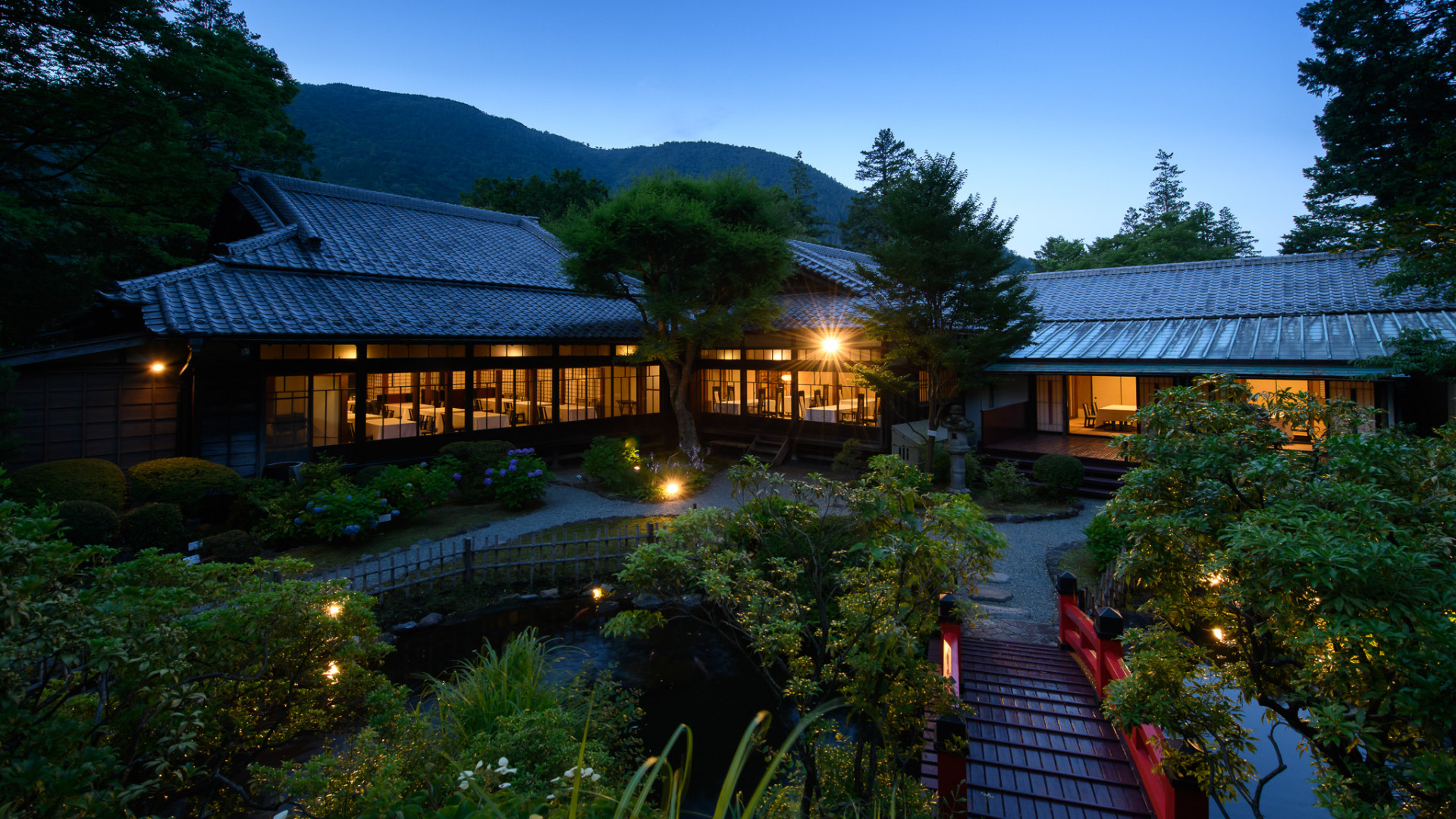
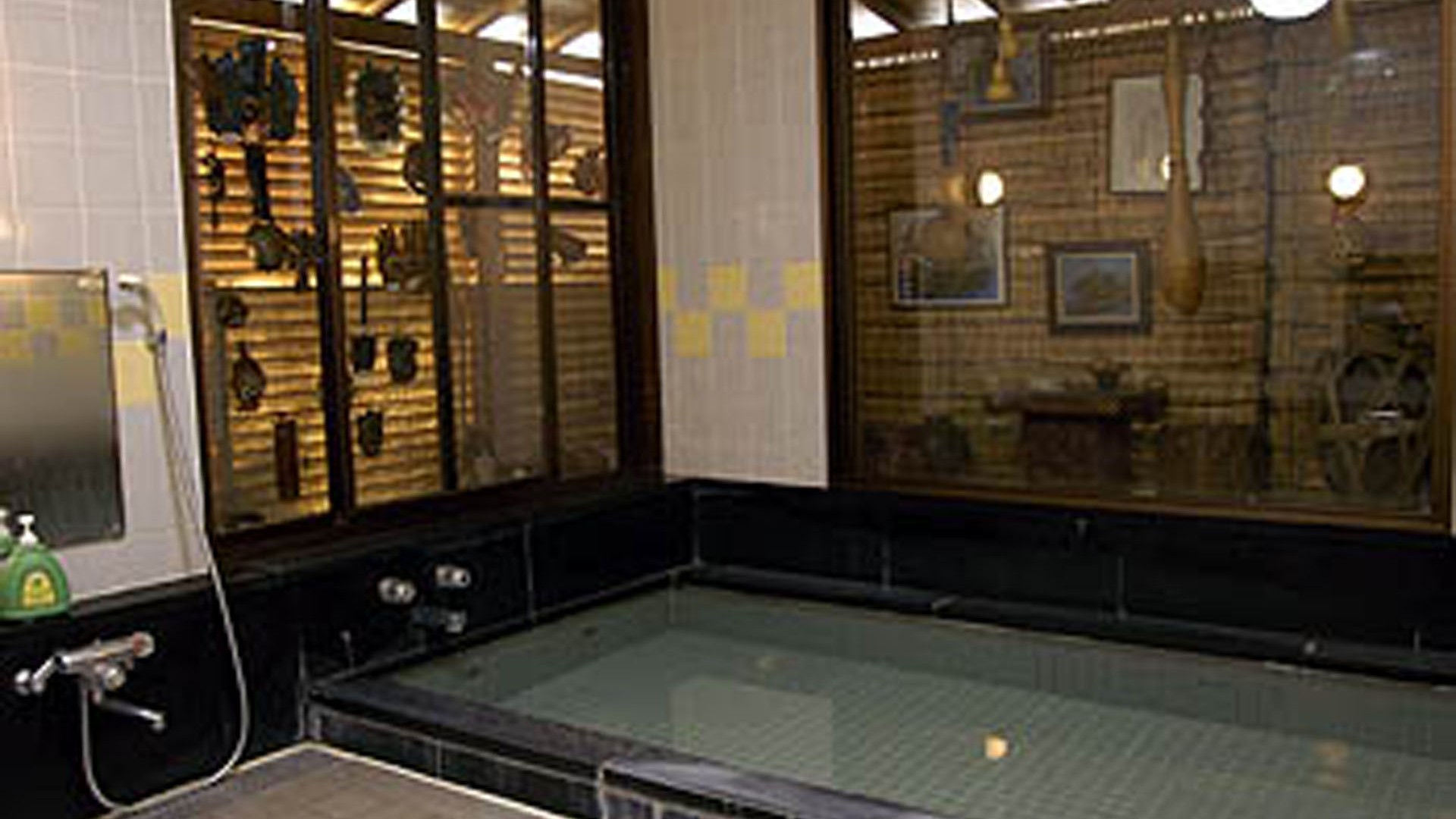
Kanahan Ryokan, located in the heart of Tochigi City, opened during the An'ei era (1772–1781). Currently, the oldest building in this inn is the one built in 1918 to accommodate officers when they came to Tochigi for large-scale army training at Tochigi Junior High School (currently Tochigi Senior High School). Kan'in-no-miya family (a branch of the Imperial Family) later stayed in this building, too. There are traditional Japanese storehouses and architecture here and there throughout the inn, allowing visitors to have a relaxing stay in the nostalgic atmosphere. The inn has guestrooms for small groups like couples, as well as rooms in an annex perfect for accommodating large groups for a long stay. Experience the atmosphere of the Edo period through the old townscape and Tochi-Edo cuisine. Tochi-Edo cuisine consists of original dishes inspired by local meals and dishes from the Edo period reproduced using copies of recipes. Culinary creativity brings out the flavor of each ingredient to give a delightful surprise to those who are accustomed to the modern taste.

Nikko kaido Oshu kaido TOCHIGI
Okashi-no-Shiro Nasu Heartland

Okashi-no-Shiro Nasu Heartland

Tochigi is Japan’s largest producer of strawberries. The prefecture has the perfect environment for fresh and sweet strawberries, blessed with abundant sunshine, clear spring water, fertile land and an inland climate with a large difference between high and low temperatures. Strawberry picking is a popular leisure in strawberry farms across the prefecture. Starting with “Tochiotome”, the nation’s superstar brand of strawberry, come and sample some of the many varieties available, some of which are only grown in the prefecture. “Skyberry”, the brand-new premium variety created as a successor of “Tochiotome”, is increasingly popular. The perfect flavours and amazingly large-fruit are utterly delicious!

Nikko kaido Oshu kaido TOCHIGI
Roadside Station Domannaka Tanuma

Roadside Station Domannaka Tanuma

“Domannaka” means “the center,” and the name Domannaka Tanuma comes from the fact that it is located roughly at the center of Japan. In the farmer’s market, fresh vegetables from local producers fill the shelf every morning. You can buy vegetables that are fresh, safe, and reliable. The rice shop offers carefully selected rice such as Koshihikari. There are also an authentic Chinese restaurant and a self-service Japanese and Western food restaurant. The self-service restaurant has a rich lineup of menu items including Sano Ramen noodles and deep-fried potatoes, which are both local foods of Sano City, and Yamizo soba made with water from the Yamizo Mountains in Tochigi Prefecture. Both restaurants are spacious and have over 100 seats so that you can relax and enjoy your meal. There are also shops offering a wide variety of sweets: a gelato stand offering products made with the blessings of nature, a pancake café featuring original pancakes, and a fruit sandwich stand. You can also buy custard pudding to take home with you. On the premises, there is a foot bath filled with onsen water that leaves your skin silky smooth and massage chairs that make you feel you are receiving a massage in zero gravity.

Nikko kaido Oshu kaido TOCHIGI
Shirasagi Shrine

Shirasagi Shrine

The Shirasagi Shrine enshrines Yamato Takeru, the son of the Emperor Keiko the 12th emperor of Japan who was enshrined in 783.During those ancient days, Yamato Takeru carried the sword Kusanagi and travelled throughout Japan, leading the country to peace. Legend says that as a result, his soul turned into a swan and he continues to protect peace still.The shrine is also home to Japan's largest votive picture at a width of 8m and a height of 4m, which is known a votive picture which grants wishes and bestows happiness."

Nikko kaido Oshu kaido TOCHIGI