
Greater Tokyo

See & Do

reset
CLOVER STEAK HOUSE

CLOVER STEAK HOUSE

Clover Steak House is a restaurant offering dishes prepared with hand-picked ingredients. Standing on a hill, it also boasts a splendid view. Clover Steak House was started in 1990 by four people who believe in the power of delicious meals to make everyone happy. Using French culinary techniques as the base, dishes that customers find truly delicious are prepared through creative ideas and ingredients. The restaurant has a cooking competition which all members enter, and the winner’s meal is featured in the monthly lunch menu.

Nikko kaido Oshu kaido TOCHIGI
Hotel Hana-an

Hotel Hana-an

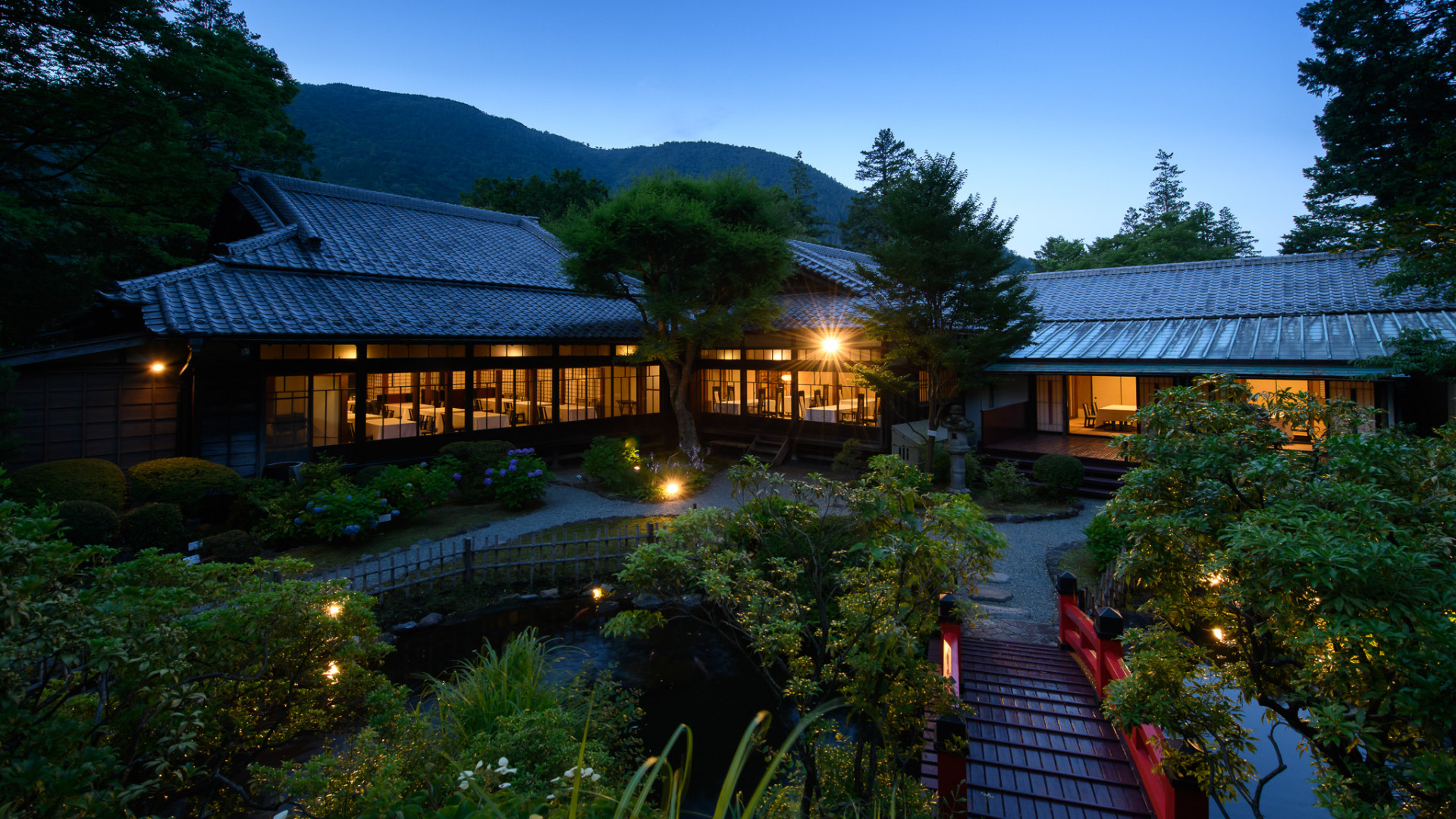
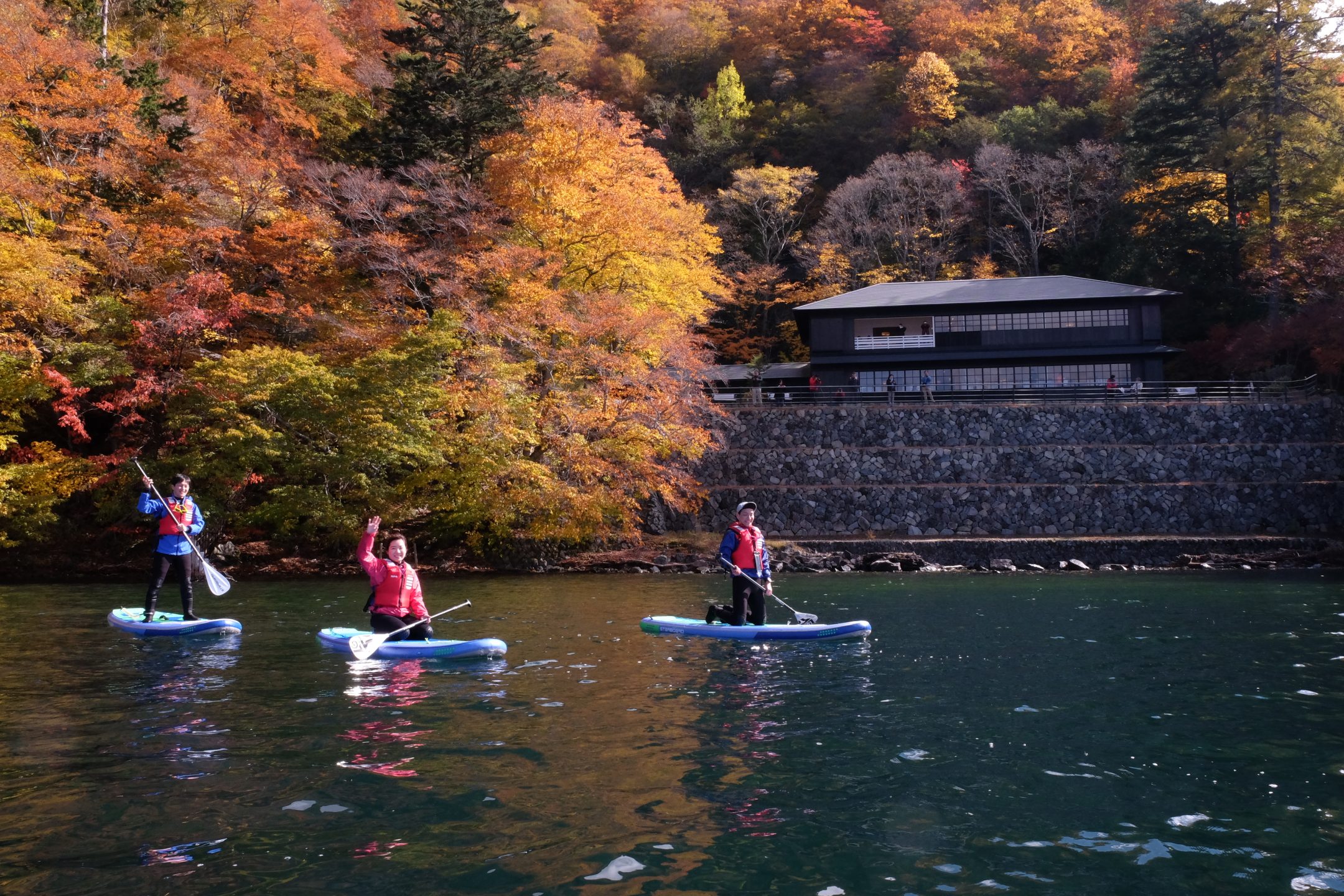
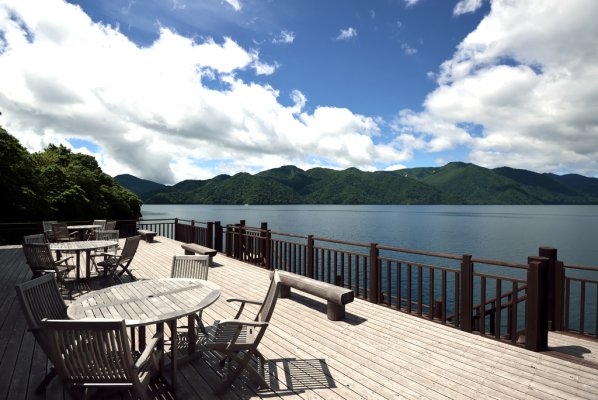
Located at the entrance to Lake Chuzenji in Nikko, Hotel Hana-an offers a serene retreat surrounded by breathtaking natural beauty. Lake Chuzenji, revered as a sacred place and beloved as a summer resort, transforms with the changing seasons. Designed with the concepts of "deep rest" and "quality time," our hotel provides a space where you can leisurely immerse yourself in the rich nature of Nikko. All rooms offer stunning seasonal views, while our cuisine features the freshest seasonal ingredients, and our hot springs boast different types of mineral-rich waters. Experience a truly relaxing stay that engages all your senses. In our rooms with private onsen, you can enjoy a relaxing soak in the comfort of your own space.   【About the Onsen】 Water color: 【Nikko Wanoshiro Onsen】 Clear 【Okunikko Yumoto Onsen】 Milky white Quality: 【Nikko Wanoshiro Onsen】 Simple alkaline spring 【Okunikko Yumoto Onsen】Sulfur spring Therapeutic effects: 【Nikko Wanoshiro Onsen】 Neuralgia, muscle pain, joint pain, health promotion, sprains, strains, chronic digestive diseases, etc. 【Okunikko Yumoto Onsen】 Low back pain, stiff shoulders, muscle pain, neuralgia, skin diseases, diabetes, gynecological diseases, hypertension, fatigue recovery, etc.

Nikko kaido Oshu kaido TOCHIGI
Nasu Onsen Sanraku

Nasu Onsen Sanraku

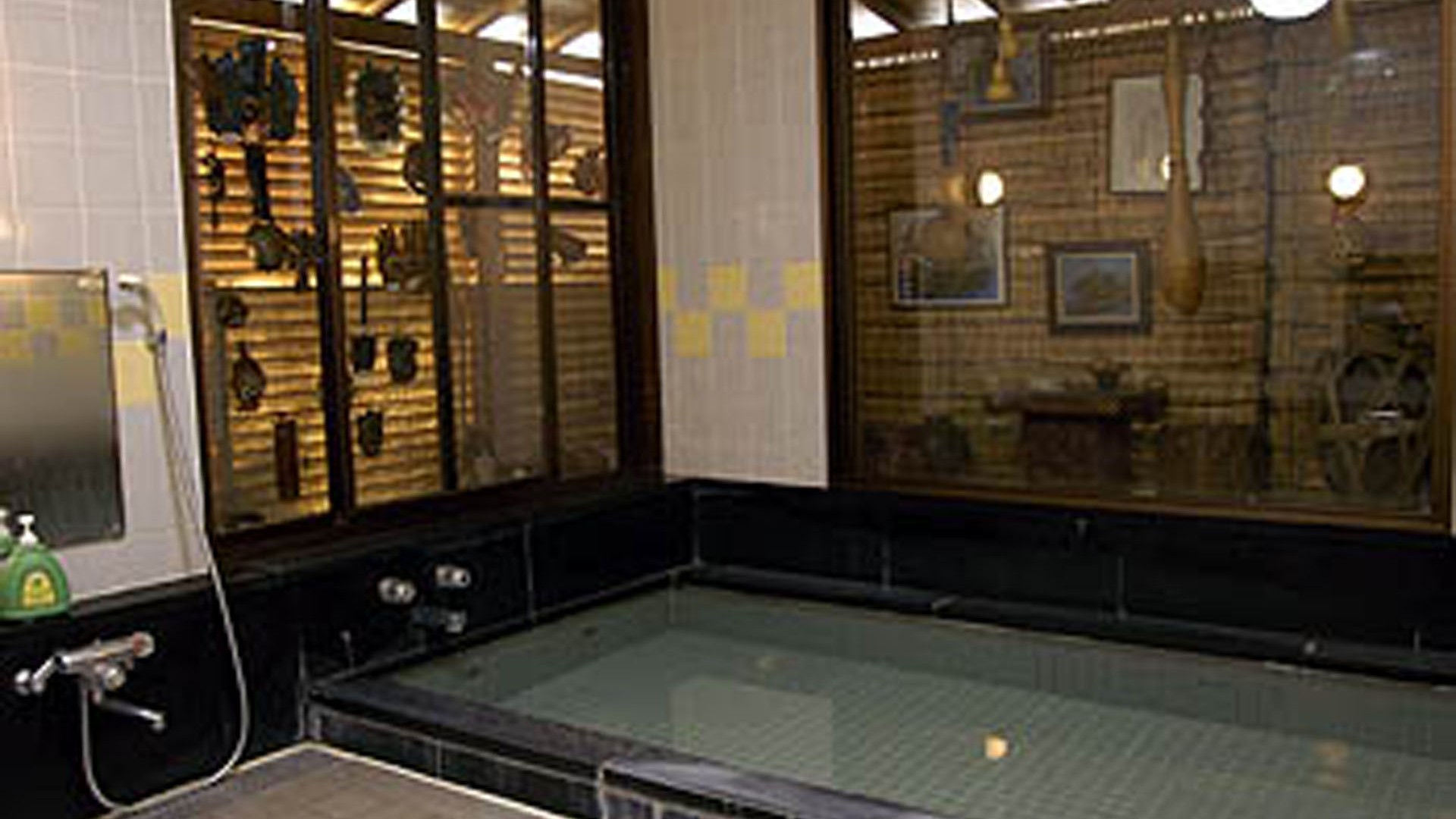
Sanraku, standing in serenity on the famous summer retreat, Nasu Highlands, is a long-established ryokan inn with a history of over 100 years. Its open-air baths feature the natural hot spring water flowing directly from the inn’s on-premise spring that produces as much as 800 liters per minute. This pure onsen water reaches the tubs without treatments such as heating, circulation, or filtering. Sanraku also has guest rooms with an open-air bath for you to enjoy a soak in privacy. For dinner, you will be treated to a multi-course kaiseki meal prepared with hand-picked seasonal ingredients. It features dishes that reproduce the four seasons of Japan and the earth's blessing. Guest rooms are furnished in Japanese style with a fusion of elegance and sophistication, and precious wood fills the room with a noble smell. You can also enjoy high-quality amenities with Japanese charm throughout the facility. 【About the hot spring】 Water color: clear Spring water type: simple spring water Efficacy: alleviates joint pain, sore muscles, sensitivity to cold, fatigue, sleeplessness, etc.

Nikko kaido Oshu kaido TOCHIGI
Cave Brewery (Shimazaki Brewery)

Cave Brewery (Shimazaki Brewery)

History of "Shimazaki Brewery" The Shimazaki Brewery's history began in Kaei 2 (1849), and have continued to brew sake for more than 170 years. Using of the highest-grade raw rice, natural spring water from the Nasu Mountains, which have made Shimazaki Sake one of Tochigi Prefecture's best-known sake brewing brands.   History of Cave Brewery The Cave Brewery was originally a cave dug for the establishment of an underground chariot factory at the end of World War II, but the war ended before production could begin. After decades of inactivity, the cave became a natural cellar for Shimazaki Brewery to mature sake.   Features of Cave Brewery As the cave is completely protected from the sun, the temperature inside is maintained at around 50°F all year round, so it is advisable to bring a thin jacket to keep warm even in summer.   Inside the cave, you can see a whole row of matured sake that extends deep into the cave. Those are purchased by the consumer, stored by the brewery, and then handed back to the consumer after 5~20 years to commemorate important moments such as the coming-of-age ceremony, the birthday of family, or housewarming, and it is very popular. Sake that has been matured for half a year is also sold as a New Year's gift.     ◇Opening Days: Weekend, Holiday, Japanese Golden Week, the Bon Festival  

Nikko kaido Oshu kaido TOCHIGI
MURASAKIZUKA GOLF CLUB

MURASAKIZUKA GOLF CLUB

Murasakizuka Golf Club, designed by John Benzel and Bob Wolf (USA), features technically challenging authentic courses on a vast hilly area of 1.16 million square meters. The contrast in landscape produced by ponds and waterfalls allocated in various parts on the courses is quite popular. The golf club has three courses – Ujiie, Katsuragi, and Saotome – totaling 27 holes (par 108) and 10,396 yards in yardage. The courses are on gentle slopes with an elevation of 10 meters. There are also accommodation sites on the premises, and you can choose your favorite stay style from a hotel, villa, and glamping. The villa comes with a private hot spring bath for you to spend a relaxed time alone with your family and friends.

Nikko kaido Oshu kaido TOCHIGI
Chuzenji Temple “16-Character SHAKYO or SHABUTSU (Copying Buddha’s picture) Experience”

Chuzenji Temple “16-Character SHAKYO or SHABUTSU (Copying Buddha’s picture) Experience”

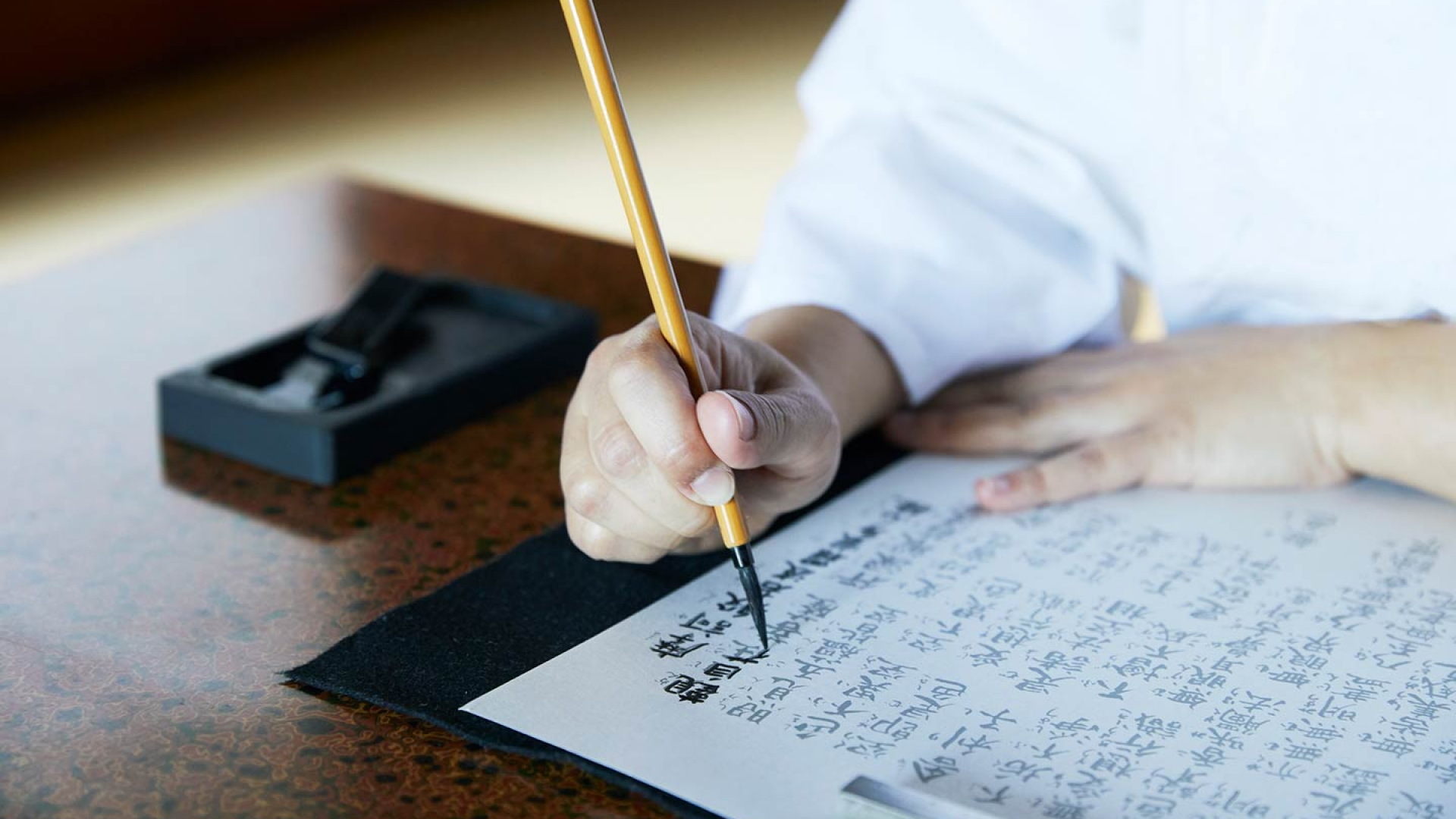
Commonly, shakyo and shabutsu involve copying of the whole sutra or the whole image of the Buddha, but at Chuzenji Temple, we have prepared sheets of a sutra and an image that you can finish tracing within 15 to 20 minutes. In 16-character shakyo, you will trace a part of the Kannon Gyo sutra, written in light gray, with a brush pen. In shabutsu, you will trace the central area of the image of the Buddha, drawn in light gray, with a brush pen. In both practices, you will receive blessings by having your mind connected with the Buddha, feel relaxed both mentally and physically, and have the time to familiarize yourself with the Buddha and reflect on yourself. Time thus spent will be a priceless experience for you. After shakyo and shabutsu, you will be given a special red stamp as proof of paying respect to the temple and submitting the sutra/image. ※You can borrow a brush pen from the temple.

Nikko kaido Oshu kaido TOCHIGI
NASU COUNTRY CLUB

NASU COUNTRY CLUB

Nasu Country Club opened in 1966. It is characterized by undulating greens that require strategic play. The course includes a wide variety of features including moderate ups and downs, dogleg holes, and uphill holes. These features make the course perfect for you to have fun casually with your friends. The fairways are wide, and the course maintenance quality has a high reputation. The wood-framed restaurant hall with a fireplace creates a cozy atmosphere where you can spend time feeling nice and warm. The menu changes each season, and there are also dishes offered only in a specific season. You can look forward to a wide variety of food here. The golf course facilities include a glamping site where you can enjoy the magnificent nature of Nasu. Through the large window of a dome tent, you can see the fresh green of spring or autumn leaves. At night, you can see the starry sky and beautiful landscape. Sign up for both golfing and glamping to indulge yourself in a slow and relaxing time! The country club also has a lodge where visitors can stay at a reasonable price (20 rooms).

Nikko kaido Oshu kaido TOCHIGI
Nikko Takaiya

Nikko Takaiya

Nikko Takaiya, the Japanese restaurant, opened in 1805. At the request of shrines and temples in Nikko (Nikko Toshogu, Nikko Futarasan-jinja, and Nikkozan Rinno-ji), we have been preparing dishes for their festivals for over 200 years. Today, the Nikko specialty ‘yuba’ dishes are quite popular among tourists. Our guests include the Imperial Family, cultural figures, and generations of local customers. Lately, international guests also enjoy the traditional Japanese cuisine and atmosphere at our restaurant, and we are very thankful for their patronage.

Nikko kaido Oshu kaido TOCHIGI
Grill&Steak Myogetsubo

Grill&Steak Myogetsubo

Myogetsubo is a grill & steak restaurant. Its building has been renovated from a former lodging house of Nikkozan Rinno-ji Temple, a temple with over 1,250 years of history. Our recommended dish is the authentic Tochigi Wagyu steak. Tochigi Wagyu is one of the top beef brands in Japan. It is a Japanese Black breed rated A4 or higher and is produced in Tochigi Prefecture with a natural environment ideal for cattle raising. Having received the Award of Excellence at the national fair for two consecutive years, Tochigi Wagyu is one of the most recognized wagyu brands in Japan. In an exquisite environment surrounded by world heritage sites, please come and try Tochigi Wagyu and indulge yourself in the slow flow of time while thinking of the distant past.

Nikko kaido Oshu kaido TOCHIGI
N’s YARD

N’s YARD

N's YARD is a private modern art space displaying the works of modern artists and was created with the intention of making a space available for visitors to casually see the works of the artist and sculptor, Yoshitomo Nara. The museum has a café and a museum shop, too. Five exhibition rooms showcase not only Nara’s works including paintings, drawings, and 3D art pieces, but also Nara’s collections of other artists’ works, records, and dolls. Exhibitions are planned and designed by Nara. Besides the exhibition rooms, there is also a café, which offers light meals, drinks, and desserts, made with carefully selected ingredients, and a museum shop that sells items produced exclusively for this museum. Photo: Mie Morimoto ※The images may differ from the current facility appearance.

Nikko kaido Oshu kaido TOCHIGI
Oyama 2,000 Cherry Blossoms Festival

Oyama 2,000 Cherry Blossoms Festival

You can not only see the famous cherry trees "Someiyoshino", but also a special cherry variety "Omoigawa" trees at Oyama City. Omoigawa blooms about one week after Someiyoshino. It means we can enjoy cherry blooming for about a month at Oyama.   Many events and light up held on every cherry bloom spots in Oyama during the cherry blooming. ◆Night cherry blooming spots ①Shiroyama Park(1-1 Shiroyama-cho, Oyama City) ②Mamada Hachiman Park(2330 Mamada, Oyama City) ③Sakura Avenue nearby Toyohogawa River(nearby Kami-ishitsuka, Oyama City) ④Omoigawa Onsen(1475 Kizawa, Oyama City)

Oshu kaido Nikko kaido TOCHIGI
Furusato Miya Festival

Furusato Miya Festival

"Furusato Miya Festival," the biggest summer festival of Utsunomiya City, holds on the first weekend on August every year. It began on 1976 to celebrate 80th anniversary of Utsunomiya City, and became a symbol of the city.   Under the theme of " Meet and Connect," a variety of events will color the summer in Utsunomiya, including dances, Japanese drums, Ohayashi performances, Miyakko parade by children, and Mikoshi (portable shrine) performances, all centering on the main street of Utsunomiya.

Nikko kaido Oshu kaido TOCHIGI
Mt. Kongo Fire-walking Sadhana

Mt. Kongo Fire-walking Sadhana

At Mt. Kongo Zuihoji Temple in Furumine, the "Fire-Walking Sadhana Festival" is held on the last Sunday on May, for burning away afflictions, warding off bad luck, and praying for family safety. The ceremony begins with the sound of a shugenja (mountain ascetic) blowing a trumpet shell, followed by the performance of the axe, bow, and sword, and then the flames of the goma are extinguished.   While sutra chanting echoes, shugenjas and participants walk barefoot on the path, praying for protection from bad luck, safety in the home, and the fulfillment of various wishes.   After the ceremony, shugenjas would share tributes (like deserts, sake) with people, which means sharing happiness with each others.  

Nikko kaido Oshu kaido TOCHIGI
Musha Festival

Musha Festival

On January 4 each year, the Musha Festival, an annual Shinto ritual in which arrows are shot toward Mount Akagi, is held at Futarasan Shrine's Chugu Shrine on the shore of Lake Chuzenji. It is based on a legend of Gods warfare, and is a tradition that has continued since the Muromachi period.   In the legend of the Gods battle, the deity of Mount Nantai in Nikko changed himself into a "giant snake," and the deity of Mount Akagi in Gunma changed into a "giant centipede" and fought over at Senjogahara. It is said that the deity of Mount Nantai won the warfare.   In accordance with the legend, the Guji (head of priests) stands on the Kamishimbashi and releases the first arrow, with a shout of "Ya" as a cold wind blows, followed by the priests and archers dressed in kariginu, who shoot arrows one after another in the direction of Mount Akagi in this heroic ritual.

Nikko kaido Oshu kaido TOCHIGI
Shinonome Flower Festival

Shinonome Flower Festival

"Shinonome Flower Festival" is held at Shinonome Park from late March to early April. The sight of approximately 250 cherry trees lined up along both banks of the Kurokawa River all blooming at once is spectacular.   From the Shinonome Sakura Bridge, which is located in the park and connects the east and west banks of the Kurokawa River, visitors can enjoy a magnificent view of Mt. Nantai and blooming cherry trees. the Shinonome Sakuradai on both banks of the Kurokawa River is one of the 100 most scenic spots in Tochigi.   The nearby roadside rest stops, the Mibu Exchange Center "Miraikan", the Mibu Toy Museum, and the Toy Town Bandai Museum, also hold a variety of events in conjunction with the Shinonome Flower Festival.  

Nikko kaido Oshu kaido TOCHIGI
Yasaka Festival (Tenno Festival)

Yasaka Festival (Tenno Festival)

The Yasaka Festival, or more commonly as the Tenno Festival, is a festival held at Okoto Shrine where people go to pray for good health and to prevent the spread of illnesses during the summer.   Participants in the festival carry and parade a portable shrine called the “Great Tenno-sama,” which weighs approximately 1 ton.   Highlights of the festival include over ten stunning floats and mikoshi parading through the town, streets lined with stalls selling delicious food and unique crafts, and a grand gathering on the second night of the festival after 8PM. Here, all the mikoshi and floats come together for a spectacular display of traditional music and energetic performances.

Nikko kaido Oshu kaido TOCHIGI
Setsubun Armor Year-cross in Ashikaga

Setsubun Armor Year-cross in Ashikaga

What is Setsubun Armor Year-cross? Every year’s February 3 is “Setsubun” festival in Japan, symbolling the end of the winter. On this day, Ashikaga City holds “Armor Year-cross” event, over 200 people would dress as samurai to join the event. The parade walk to Bannaji Temple from Orihime Community Center. People celebrate their victory when they arrived at Bannaji Temple, and pray for city’s prosperity. History of Setsubun Armor Year-cross Back to the Kamakura period about 750 years ago, a powerful samurai called Ashikaga Yasuuji led 500 samurai to assemble at Bannaji Temple, the residence of Ashikaga Family, in order to honor their family. 120 years later, his descendant, Ashikaga Takauji, became the Shougun of Japan and created the Muromachi period. This event was closed in the late Edo and Meiji eras, but in 1915 (Taisho 4) it was restarted by a group of fiber workers. Ashikaga City has samurai armor and kimonos for visitors to try on.

Nikko kaido Oshu kaido TOCHIGI
Kanahan Ryokan and Tochigi-Edo Cuisine

Kanahan Ryokan and Tochigi-Edo Cuisine

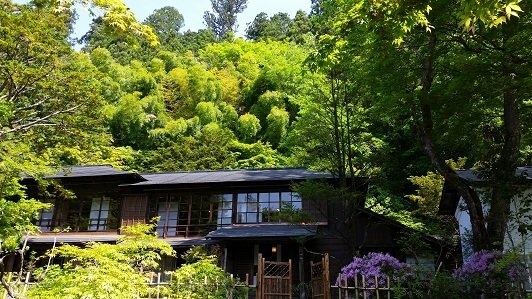
Kanahan Ryokan, located in the heart of Tochigi City, opened during the An'ei era (1772–1781). Currently, the oldest building in this inn is the one built in 1918 to accommodate officers when they came to Tochigi for large-scale army training at Tochigi Junior High School (currently Tochigi Senior High School). Kan'in-no-miya family (a branch of the Imperial Family) later stayed in this building, too. There are traditional Japanese storehouses and architecture here and there throughout the inn, allowing visitors to have a relaxing stay in the nostalgic atmosphere. The inn has guestrooms for small groups like couples, as well as rooms in an annex perfect for accommodating large groups for a long stay. Experience the atmosphere of the Edo period through the old townscape and Tochi-Edo cuisine. Tochi-Edo cuisine consists of original dishes inspired by local meals and dishes from the Edo period reproduced using copies of recipes. Culinary creativity brings out the flavor of each ingredient to give a delightful surprise to those who are accustomed to the modern taste.

Oshu kaido Nikko kaido TOCHIGI