
Greater Tokyo

See & Do

reset
KANAYA KASHI HONPO

KANAYA KASHI HONPO

Kanaya Kashi Honpo is a gift shop and café operated by a long-established Japanese hotel. The product lineup includes cookies, based on an original recipe that combines Japanese and Western flavors, and baked confectionery such as pies. The signature Biscuit Series (Cookies) has three variations: Cheese Biscuits (Pastel), Sansho Pepper Biscuits (Loire), and Maple Caramel Biscuits. All of them are carefully made at a factory directly managed by the Kanaya Resorts group. The shop has a modern Japanese style café with the interior design emphasizing wood grains. During the lunch hours, you can casually enjoy the taste of hotel restaurants. Japanese-Style Beef Stew over Rice is a carefully crafted dish using miso and soy sauce produced in Tochigi and is the traditional menu item of the long-established Japanese-style hotel, Kinugawa Kanaya Hotel. Roast Beef Plate is a dish that generously uses sirloin beef, the signature ingredient used at Kinugawa Onsen Hotel. Kanaya Kashi Honpo is the perfect place for taking a break or buying souvenirs during a trip.

Nikko kaido Oshu kaido TOCHIGI
Itamuro Dam Lake Canoe Experience Tour

Itamuro Dam Lake Canoe Experience Tour

Nature Planet's leisurely paddling style is the perfect way to refresh yourself after a long day.   Enjoy the time flowing slowly while freeing yourself from the stresses of everyday life.   This is a canoe touring for beginners that allows you to enjoy nature in each of the four seasons.   The canoes used for the tour are highly stable recreational kayaks (double-sided paddling type), and single boats (for one person) and tandem boats (for two or three people) are available.   The field is a dam lake with no current, so even first-time canoeists can participate safely.   Need to make a reservation ■Eligibility: Healthy people between 3 and 70 years old. ■Number of applicants: 2~30 people. ■What to bring and wear: ①Wear clothes that are easy to move in and can get wet (preferably synthetic fibers). Underwear that can get wet is also recommended. ②Shoes that can get wet (sneakers or sports sandals with a fixed heel) ※Sneakers or sports sandals with a fixed heel are not acceptable. ③Towel and change of clothes. ④Other things that are good to have: Drink (plastic bottle or something with a lid that can be closed), hat, rain wear (top and bottom separates), eyeglass band (eyeglass wearers should wear eyeglass bands), sunscreen  

Nikko kaido Oshu kaido TOCHIGI
Shinonome Flower Festival

Shinonome Flower Festival

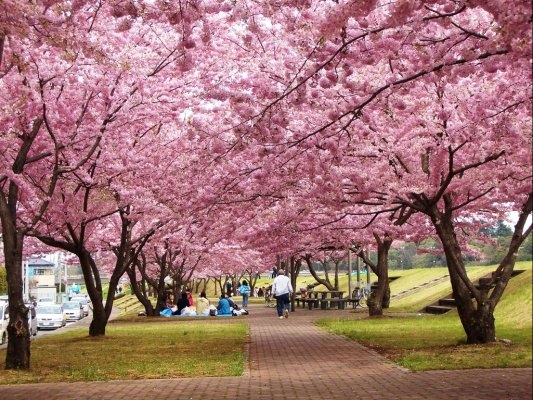
"Shinonome Flower Festival" is held at Shinonome Park from late March to early April. The sight of approximately 250 cherry trees lined up along both banks of the Kurokawa River all blooming at once is spectacular.   From the Shinonome Sakura Bridge, which is located in the park and connects the east and west banks of the Kurokawa River, visitors can enjoy a magnificent view of Mt. Nantai and blooming cherry trees. the Shinonome Sakuradai on both banks of the Kurokawa River is one of the 100 most scenic spots in Tochigi.   The nearby roadside rest stops, the Mibu Exchange Center "Miraikan", the Mibu Toy Museum, and the Toy Town Bandai Museum, also hold a variety of events in conjunction with the Shinonome Flower Festival.  

Oshu kaido Nikko kaido TOCHIGI
Iizukatei

Iizukatei

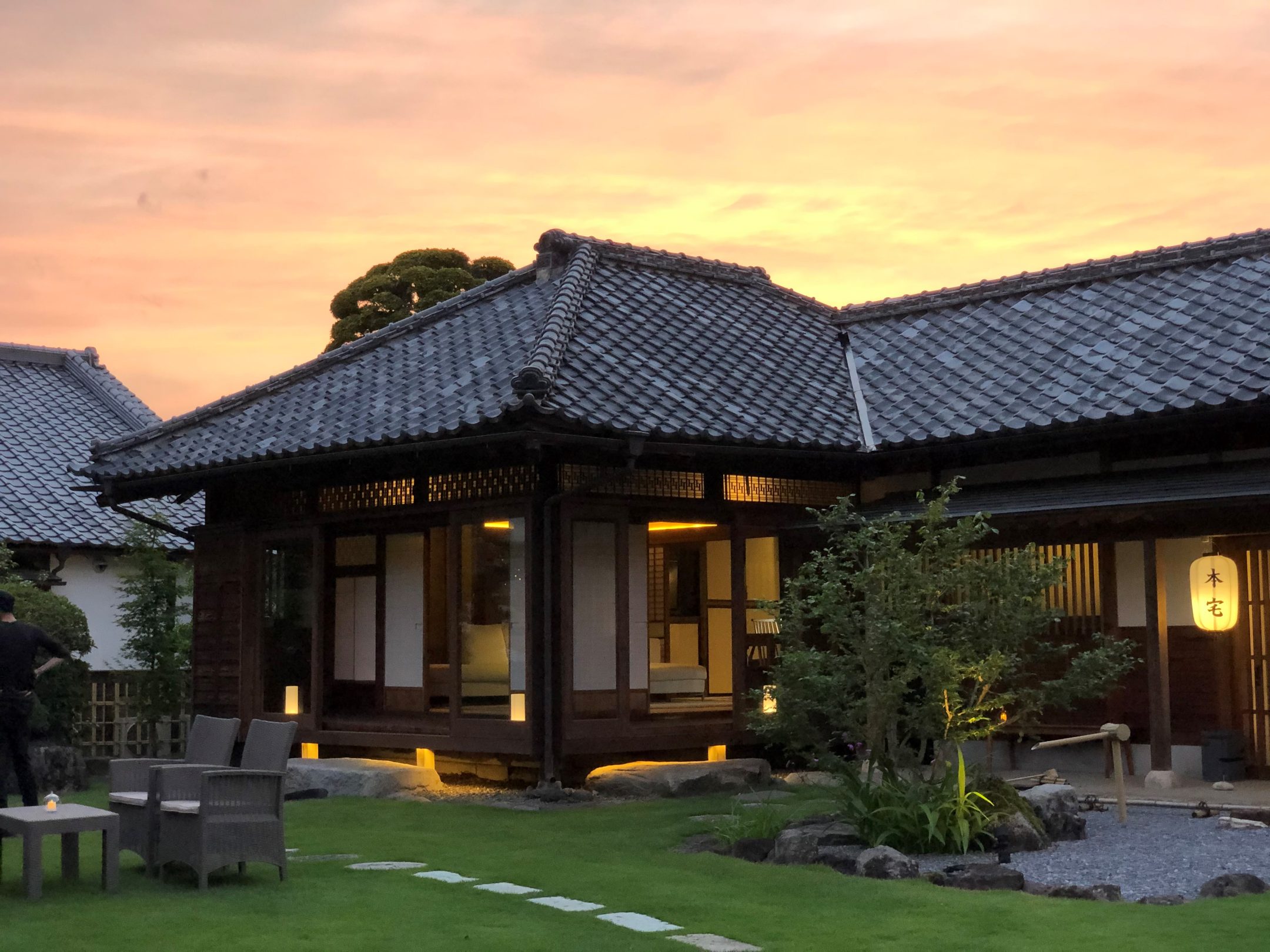
Iizukatei, the hotel renovated from a Registered Tangible Cultural Property of Japan, operates based on the notion that Iizukatei, a building having over 100 years of history renovated into a high quality accommodation using the latest technology and stylish equipment, together with restaurants and shops in town, make up the whole hotel stay experience. Guests are invited to try a new type of hotel stay in which they are immersed in the genuine Japanese lifestyle through interactions with town residents. Iizukatei has Hontaku (main building) and Shintaku (new buildings) and two Kura storehouses. Most of these buildings maintain what they were like at the time they were built. While equipped with items guaranteeing a pleasurable stay such as comfortable beds and a sofa as well as a modern kitchen, the accommodation still features both the new and old, allowing guests to experience the lifestyle of older times. During the stay, guests can customize their stay style by for example having meals delivered from a restaurant in town or visiting a farmer’s house to savor local food. The hotel also offers many activities including sweetfish fishing, pottery workshops, and biking.

Nikko kaido Oshu kaido TOCHIGI
TOWA PURE COTTAGES

TOWA PURE COTTAGES

If you’re staying overnight in Nasu Highland (Tochigi Prefecture), stay at Nasu Highland TOWA PURE COTTAGES. Everything including fun, relaxation, and food is found amid the great outdoors of Nasu Highland at this cottage-style hotel where you can relax to your heart’s content. Each cottage has a fireplace made in Northern Europe and a rich variation of living rooms offering a comfortable setting with a spacious feel that promises an all-out resort lifestyle. Pet-friendly guest rooms allow you to sleep with your pets so you can spend the entire restful time with your furry friend. After experiencing the magnificent nature of Nasu, you can choose from a Western-style, Japanese-style, or barbecue dinner meticulously prepared with local ingredients by the chef. In addition, the large bath and open-air bath with natural, free-flowing hot spring water will gently envelop you in soft hot water for a full-body experience that soothes and promotes beautiful skin. As the official cottages for the neighboring Nasu Highland Park, there are a variety of perks, including being able to enjoy Nasu Forest Sky Athletic NOZARU, one of Japan’s largest adventure courses, as well as a dog run, tennis, karaoke, and glamping. The swaying of the trees and tranquil experience unique to a resort provide the ultimate in relaxation that can’t be experienced in the metropolis. Glamping is also available The word ‘glamping’ is a combination of the words ‘glamorous’ and ‘camping.’ The setting lets you fully enjoy the great outdoors even if you are new to outdoor activities such as camping. Not only is there a bed and sofa inside the tent, but a refrigerator, electric power, and other furnishings necessary for a comfortable experience are also included. Meals can be eaten at the hotel restaurant. Guests can choose from Japanese-style meals, Western-style meals, or a barbecue. The barbecue can be eaten out on the terrace, so you can enjoy the delicious food in comfort while immersed in the nature of Nasu. Don’t miss viewing the thrilling starry sky and fireflies in summer, experiences you could never have in the big city. Glamping can provide a unique hands-on experience that ordinary camping can’t, such as spending precious time with a special someone and creating family memories to look back on.

Nikko kaido Oshu kaido TOCHIGI
Yoshi-yaki (Reed Burning) in Watarase Yusuichi

Yoshi-yaki (Reed Burning) in Watarase Yusuichi

Watarase Yusuichi (Watarase Wetlands) is one of the biggest wetland in Japan and has protected the lives and properties of urban areas from floods. It is also the treasure house for many species of animals and plants including endangered flora and fauna species and was registered to the Ramsar Convention Wetlands. Yoshi-yaki is done every year to get rid of the worms in Yoshi and to prevent the bush fires from spreading to nearby houses as well as to protect the invaluable wetland environment. The smoke, dust and ashes from Yoshi-yaki may be wide-spread due to the wind or up-current of the air and may blow onto surrounding properties. Please watch out for laundry hung outdoors and be aware when opening or closing windows."

Nikko kaido Oshu kaido TOCHIGI
Koundo Main Store

Koundo Main Store

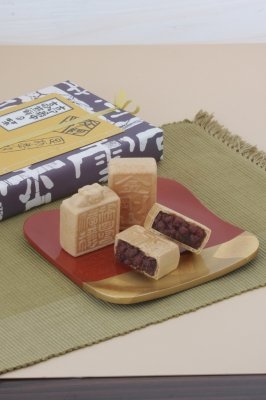
Although officially founded in 1868, the name of this venerable confectionary shop can be found in documents from the late Edo period. Its most famous offering is its Koin Monaka. These monaka (bean jam-filled wafer cakes) feature a motif inspired by the ancient official seals (Koin) of the Ashikaga Clan. Other popular items include its Koin Senbei (rice crackers), Takauji Senbei and Takauji (Dorayaki, bean jam filled pancake) , the latter of which was inspired by the character of the Ashikaga Takauji, the first Ashikaga shogun. Another popular item is their Monaka Gokko, which allows you to enjoy the classic flavor of monaka in a casual "make it yourself" style."

Nikko kaido Oshu kaido TOCHIGI
Kanuma City Kaboku Center

Kanuma City Kaboku Center

This large gardening shop complex is located on 400,000 meters of hilly land known by locals as "Moroyama." Its shop offers flowering plants, as well as garden trees, and landscaping and gardening supplies, with a particular focus on satsuki azalea. Some of its many facilities include a plum grove, the Wild Bird Forest, a tourist strawberry farm, and a hilltop barbequing space. It is a great place to enjoy spending a day surrounded by flowers and trees."

Nikko kaido Oshu kaido TOCHIGI
Suga Shrine

Suga Shrine

Birth of Suga Shrine Suga Shrine was built by a legendary samurai Fujiwara no Hidesato, who prayed to Susanoo-no-Mikoto for victory over his enemies. To thank God for their bless, he brought the God from Gion Shrine (Yasaka Shrine) to Oyama and built the shrine.   The site of the legendary “Oyama Council”, witnessed the birth of the Tokugawa hegemony. It is said that before the Battle of Sekigahara in A.D 1600, Tokugawa Ieyasu held the famous “Oyama Council” at Suga Shrine and prayed for the victory of the battle.   After Ieyasu’s victory and the establishment of the Edo Shogunate, Suga Shrine was greatly honored by the Shogunate. In 1658, staff members who had participated in the construction of Nikko Toshogu Shrine, created a miniature version of the Akamikoshi in Toshogu Shrine, which became the pressure of Suga Shrine.   Today Suga Shrine’s Akamikoshi has been designated as a “Cultural Property by Tochigi Prefecture”.   Enjoy the Gion Festival in Tochigi! As a famous Gion Shrine, Suga Shrine is also called “Gozu Tenno Shrine”. Suga Shrine holds “Gion Festival” on July 14 to 21 every year, 25 mikoshi including one massive one that weighs in at 2 tons are carried through the city in “Mikoshi Wataru” on July 20.   According to “Shimotsuke Province Choreography(下野国誌)” written in Edo period, Suga Shrine’s “Gion Festival” is the “best Gion Festival in Shimotsuke Province.”

Oshu kaido Nikko kaido TOCHIGI