
Greater Tokyo

See & Do

reset
Shimotsuke Fudoki-no-Oka Museum

Shimotsuke Fudoki-no-Oka Museum

This museum displays artefacts excavated from the adjoining sites such as the National Historic Site-designated Shimotsuke Kokubun-ji Temple Remains and Amadera Ruins, and the Tochigi Prefecture Historic Site-designated Maruzuka Kofun and Atagozuka Kofun. The artefacts on display range from the Kofun period to the Nara period. Many ancient burial mounds, temple and provincial office ruins, and other sites connected to the prefecture's history and culture can be found in the area around the museum. The museum presents the history of Shimotsuke City from a variety of viewpoints, including government administration and the lives of everyday people in the distant past, the relationship between the region and more central areas of Japan, and the development of civil engineering and construction technologies."

Nikko kaido Oshu kaido TOCHIGI
Izurusan Manganji Temple

Izurusan Manganji Temple

Izurusan Manganji Temple was founded in the year 767, approximately 1200 years ago.  This Shingon Buddhist Sect Chizan School Temple in Tochigi City is dedicated to the Thousand-Hand Kanzeon Bodhisattva. It is known as being a powerful spiritual location surrounded by forests and water with perpetual services offered for the deceased, zen meditation, and waterfall meditation. Nestled in nature with towering trees and fresh crisp air, the main temple, Omido, was built in 1368 and was reconstructed in 1764 after the great fire of 1740. The main temple hall has been designated a Prefectural Cultural Property whereas the Deva gate has been designated a City Cultural Property and the Izuru limestone caverns have been designated as City Natural Monument."

Nikko kaido Oshu kaido TOCHIGI
Gohanshiki

Gohanshiki

*Gohanshiki has been cancelled in 2020. This traditional ceremony is still observed only at Nikkosan Rinnoji Temple. In this ceremony, people are forced to eat a large amount of rice. Cooked rice are offered on a large plate and every grain are urged to eat. The big bowl contains 5.4 litres of rice. No one actually eats the rice, but it is said that those who participate in the ceremony will have a family fortune and a healthy life. This sacred rice dedication ceremony is part of Nikko's ancient mountain Buddhism. By doing that, it is believed that the blessing of Buddha will immediately eradicate the Seven Major Misfortunes such as fire, floods, devils, etc., and the people will receive the Seven Major Fortunes. It is said that even feudal lords such as the Tokugawa Shogun Families and other famous feudal lords across Japan joined this ceremony in the Edo period."

Nikko kaido Oshu kaido TOCHIGI
Nikko Botanical Garden

Nikko Botanical Garden

Nikko Botanical Garden is an institute for research and education of Graduate School of Science, University of Tokyo. The main activities of the Botanical Garden have centered on enriching the collections of temperate and alpine plants of Japan and adjacent regions for the purpose of botanical research and education. A total of 2,200 species (130 species of pteridophytes, 70 species of gymnosperms, and 2,000 species of angiosperms) are planted in the garden. Visitors can enjoy the garden's cherry blossoms in spring and the fall foliage in the fall."

Nikko kaido Oshu kaido TOCHIGI
Soun Museum

Soun Museum

This art museum stands at the southern edge of Ashikaga Park. The museum displays the artwork as well as the personal effects of Tazaki Soun, a Southern School painter who was active in Ashikaga from the end of the Edo period through the Meiji period. Known as a late Edo period loyalist painter, Soun studied under artists such as Kanai Ushu and his works have been highly praised outside Japan. Soun was also chosen to be the first Imperial Household Artist, once the highest honor for an artist in Japan, and the museum stores, conserves, and presents his artwork and personal effects. A thatched roof residence believed to have been the home of Soun stands in the museum's garden."

Nikko kaido Oshu kaido TOCHIGI
Ashikaga Machinaka Yuugakukan

Ashikaga Machinaka Yuugakukan

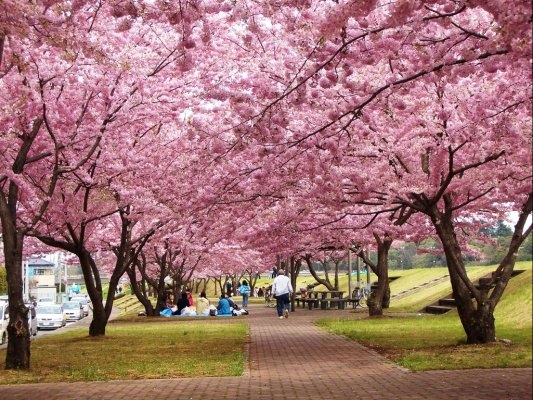
Ashikaga Machinaka Yuugakukan was opened in March 2003 as a facility to familiarize, enjoy, and learn about the history, culture, and nature of Ashikaga. Remodeled in 2016, the facility has a rest area and conference rooms, and provides tourist information. There are take-out shops for drinks, soups and lunch that can be enjoyed inside the building.On the second floor, visitors can try on traditional clothing made of Ashikaga Meisen silk."

Nikko kaido Oshu kaido TOCHIGI
UWASAWA’S BREAKFAST

UWASAWA’S BREAKFAST

Simple yet exquisite deliciousness. At this veteran Nikko store specializing in miso and tamarizuke pickles (vegetables soaked in a miso by-product), you can discover the flavor of a traditional Japanese breakfast. Inkyo Uwasawa is a restaurant serving traditional Japanese breakfast made with tamarizuke pickles provided by the proprietress of Uwasawa Metaro Store. In a traditional house built over 150 years ago, diners are served a simple breakfast of rice with a plate of tamarizuke pickles and a bowl of miso soup, simple accompaniments which really bring out the delicious flavor of the rice. Enjoy a moment of relaxation as you savor the food, which is rich without being lavish. Uwasawa Umetaro Store was established roughly 400 years ago as a warehouse management firm for nengu (literally "annual tribute," a tax on the annual harvest originally paid in rice) for the Nikko Shinryo region. It later became a miso store, and then a pickles store. Savor the flavor passed on through the generations. *For cancelations, except in circumstances deemed unavoidable by our company, such as closure due to typhoon, heavy rain, heavy snow, or earthquake, or when public transportation to the store is unavailable due to suspension of services, a cancelation fee of 100% shall apply from one week before the date. We appreciate your understanding.

Nikko kaido Oshu kaido TOCHIGI
Soba Making Experience at Nikko no sho

Soba Making Experience at Nikko no sho

In Nikko city, there are lots of handmade soba (buckwheat noodles) shops. (there are over 100 soba shops) It is said that the number of shops rate per the population is No.1 in Japan. Also the production of buckwheat is No.1 in Tochigi prefecture. Additionally Nikko city is rich in fresh ground water for soba which originates from the mountain of Nikko. Of course, soba masters have special skills to make it. That’s why the city of Nikko is called “the city of soba”. We look forward to meet you. [Notes] *Reservation required (by Phone, Fax) *Japanese language only. If you need English assistance, please come with an interpreter.

Oshu kaido Nikko kaido TOCHIGI
Tochigi Local Sake Tasting in Kinugawa Onsen

Tochigi Local Sake Tasting in Kinugawa Onsen

With the Nikko Mountain Range, the Nasu Mountain Range, and Mount Yamizo, Tochigi is a mountainous prefecture with many sources of fresh water. Pure water is said to be the "life of sake making," and many delicious sakes are created here.   We would love for visitors to Kinugawa Onsen to sample our excellent local sake. That's why, on weekends during the spring, Kinugawa and Kawaji Onsen Tourist Information Center will be holding a sake tasting event.   Please feel free to drop by for a quick drink after arriving in Kinugawa Onsen or while you wait for your train home. Don't miss this opportunity to savor local sake made with the utmost care by master brewers.   *Event period, time, and contents are subject to change without notice.

Nikko kaido Oshu kaido TOCHIGI
Isoyama Benzaiten Shrine, Izuruhara Benten Pond (Isoyama Park)

Isoyama Benzaiten Shrine, Izuruhara Benten Pond (Isoyama Park)

Izuruhara Benten Pond, the source of the Izuru River, is designated a Prefectural Natural Treasure and was selected as one of the nation’s clearest water sources by the Ministry of Environment. Take a look down into the transparent water and you will find Koi fish with sparkling scales swimming gracefully over swaying water plants. Samples of the pristine water are available to take home from the neighbouring Ichinokan hotel. Be sure to take a close look at the main building of Isoyama Benzaiten Shrine. Reconstructed in the Kamakura period (1185-1333), this cultural property is constructed without nails and displays the beauty of traditional Japanese architectural methods. Isoyama Benzaiten (nicknamed Fuzai) is a goddess of music, arts and knowledge and is one of seven lucky Sano gods built here in 948. The Benzaiten Shrine was moved here at the request of “Suisha-ko”, a group of devout local worshippers.

Nikko kaido Oshu kaido TOCHIGI
Yamaage Festival(Yamaage Matsuri)

Yamaage Festival(Yamaage Matsuri)

The Yamaage Festival is one of Japan's most unique festivals,a dazzling outdoor kabuki dance performance that has been carried on is the Karasuyama area since olden times.The festival was first held about 460 years ago by the ruler of Karasuyama Castle,Lord Suketane Nasu,to pray for peace over the land and dispel the plague that had been threatening his domain. The yama or "mountain" in the festival's name refers to the backdrops used in the performances.Handmade washi paper,a apecialty of the region,is pasted onto a bamboo frame and painted to look like mountains and waterfalls.Some of these "mountains" even reach 10 meters in height.Not only the dynamic kabuki and dances performed in front of these backdrops,but also the coordination and teamwork of the young male performers that form the heart of the festival are a sight to behold.In addition,it was enrolled in the UNESCO Intangible Cultural Heritage in December,2016.

Oshu kaido Nikko kaido TOCHIGI