
Greater Tokyo

See & Do

reset
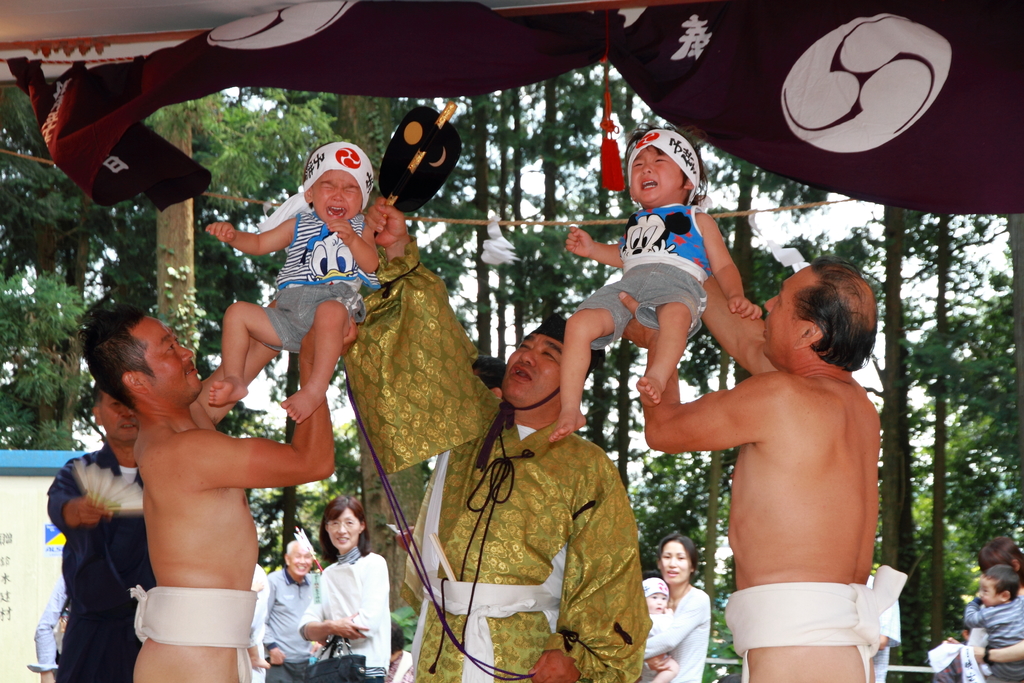
Mock Sumo Festival of Ikiko Shrine

Mock Sumo Festival of Ikiko Shrine

Enjoy a mock Sumo festival of Ikiko Shrine. Nakizumo, crying baby Sumo, is Japan's traditional event to pray for health and growth of the baby. In this style of Sumo wrestling, two children from one to two years of age are carried respectively by two local parishioners dressed as Sumo wrestlers to battle each other with shouts of "Yoisho, Yoisho," with the winner being the who cries first. It is held at Ikiko Shrine every September.

Nikko kaido Oshu kaido TOCHIGI
Kitsuregawa Onsen

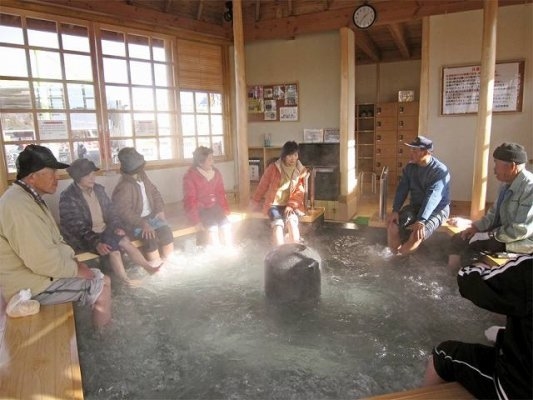
Kitsuregawa Onsen

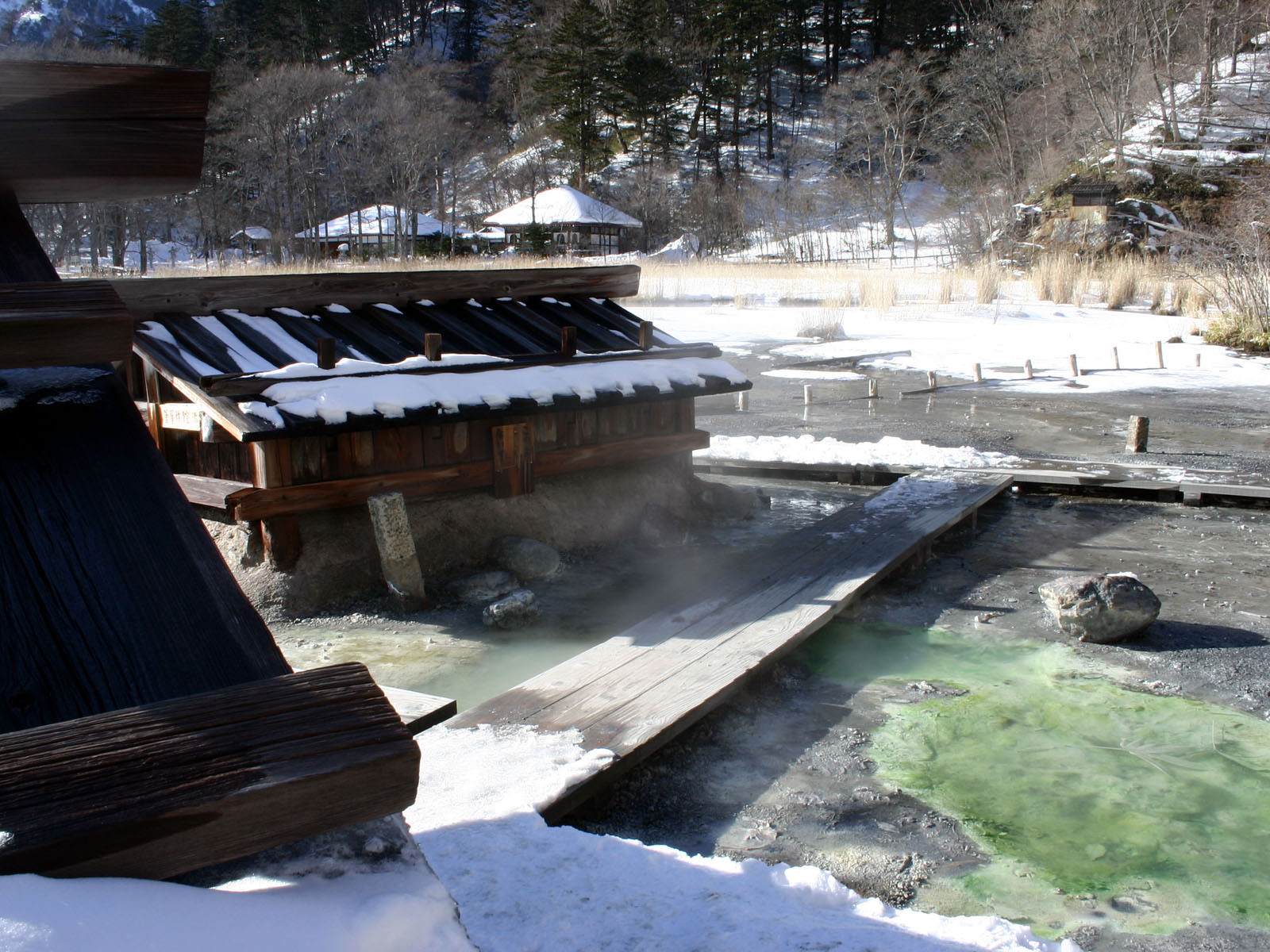
Kitsuregawa is a historic castle town and prospered as a post station on the Edo road. The Onsen is located along the rivers running through the town. The light-brown, salty, slightly alkaline water is one of the best in quality containing the three key elements of hot spring water: sulphur, salt and iron. Accessible in about 30 minutes from Utsunomiya, the prefectural capital, this is a popular Onsen for a day visit. You can also stop by the nation’s first roadside station with Onsen facilities inside.

Nikko kaido Oshu kaido TOCHIGI
The Kurobane Hydrangea Flower Festival

The Kurobane Hydrangea Flower Festival

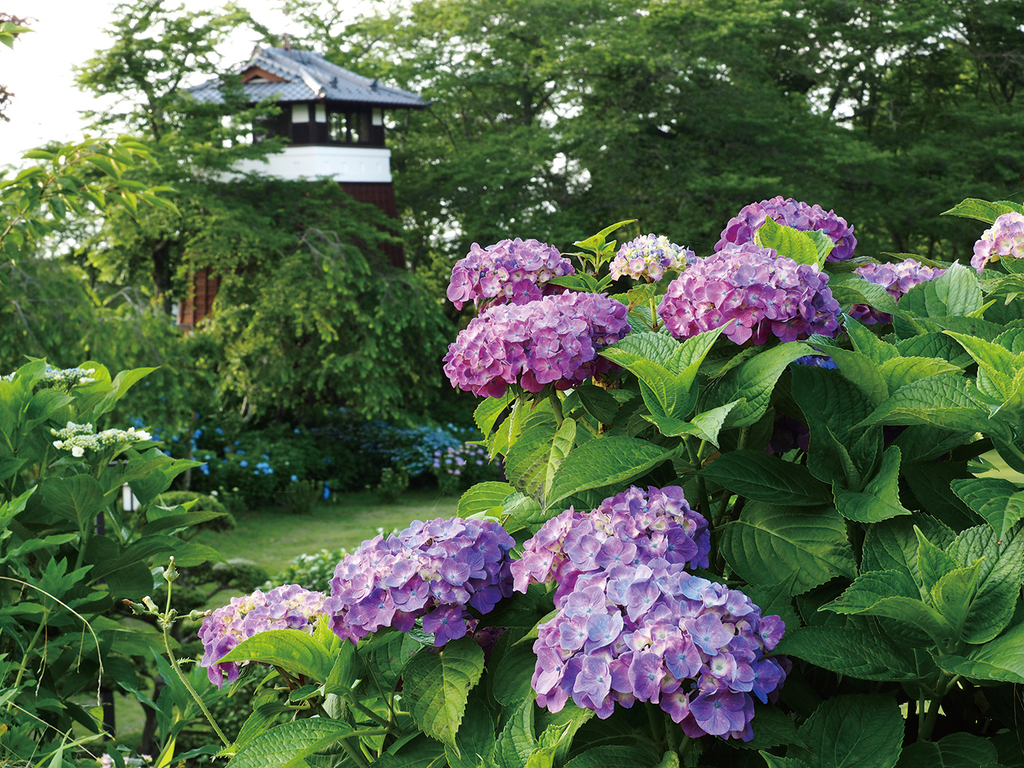
Kurobane Castle Ruins Park is known and loved for its flowers; the Kurobane Hydrangea Flower Festival is held here when the roughly 6,000 hydrangeas in the area come into bloom.   From inside the park, visitors can admire the flowers that line the old moat from the bridge. During the festival, various events including a haiku contest and photography contest are held, and stalls are set up. In the evening (from 7:00 pm to 9:00 pm), the hydrangeas are lit up so that visitors can admire them even at night-time.

Oshu kaido Nikko kaido TOCHIGI
Utsunomiya Gyoza Festival

Utsunomiya Gyoza Festival

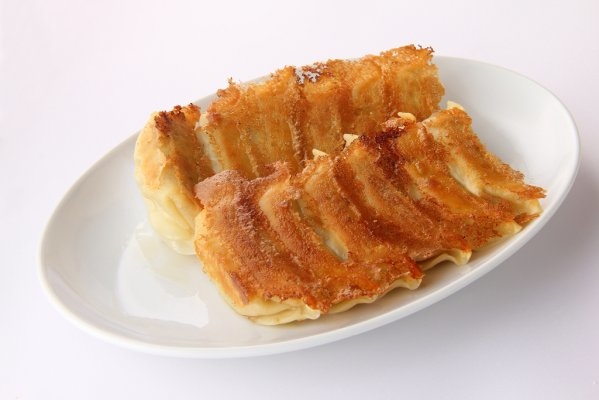
  Utsunomiya is famous throughout Japan for its gyoza, and so it’s only fitting that an annual festival to the fried dumplings would be held in the city. The Utsunomiya Gyoza Festival has been held at the beginning of November since 1999, with members of the Utsunomiya Gyoza Committee setting up stalls to sell their famous dumplings.   Visitors will be able to enjoy the subtle differences of dozens of dumplings as well as fill empty stomachs at a low cost: A three to five piece portion of gyōza, whether fried, boiled or steamed, will cost just 200 yen.   During the two days of festivities, visitors can also watch music bands and comedians at Miyajazz Inn, or see other live concerts at nearby venues.

Nikko kaido Oshu kaido TOCHIGI
Yuki Tsumugi Kimono Dressing at the Oyama Honba Yuki Tsumugi Craft Museum

Yuki Tsumugi Kimono Dressing at the Oyama Honba Yuki Tsumugi Craft Museum

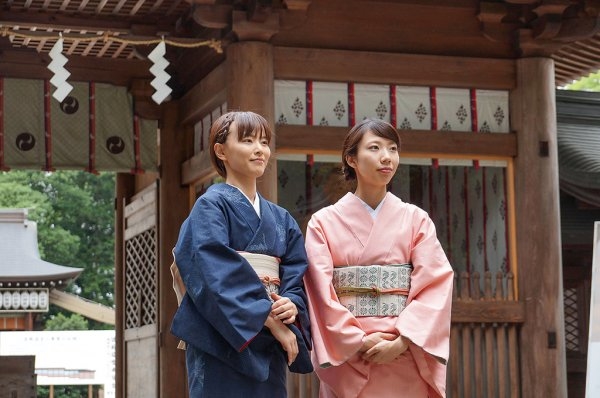
The Oyama Honba Yuki Tsumugi Craft Museum offers visitors the experience of wearing an elegant kimono made from the fine silk textile “Yuki Tsumugi”. The process of refining the traditional Yuki Tsumugi silk is inscribed on UNESCO’s Representative List of the Intangible Cultural Heritage of Humanity. In order to allow people to fully appreciate the comfort of their garments the museum provides all-day kimono rental including kimono and obi with dressing assistance included free. Come and experience the light and warm texture of genuine Yuki Tsumugi!

Nikko kaido Oshu kaido TOCHIGI
Mibu-machi Toy Museum

Mibu-machi Toy Museum

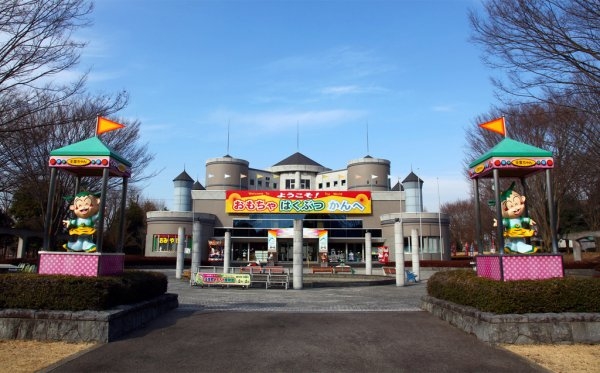
The Mibu-machi Toy Museum provides displays of model trains on an elaborate landscape diorama along with a model train driving experience. 18 world heritage sites including temples and shrines of Nikko are placed on the N-gauge (25m2) diorama. The driver’s seat on the HO-gauge (37m2) provides excellent views, and is equipped with a sound system to give visitors a realistic railway experience.   The museum has an interactive app-based game, which you can unlock fun quizzes and characters on your device. Collect answers and points within the specified time limit to break the hidden seal in the castle! The app is the perfect way for the whole family to play and learn about the museum.

Nikko kaido Oshu kaido TOCHIGI
Yumoto Onsen

Yumoto Onsen

A peaceful Onsen town on the northern shore of Lake Yunoko, situated in the heart of Nikko National Park. It is said that the Buddhist monk Shodo Shonin, who first built a temple in Nikko about 1200 years ago to introduce Buddhism to the area discovered the Onsen. The milky-white sulphur-infused water is said to help with neuralgia and rheumatism. You can try it out in the foot bath known as “Anyo-no-yu” available free of charge in the town.(Closed for winter)   Taking in the tranquil landscape of the lake and mountains beyond clouds of steam, the Onsen provides a relaxing soak in the midst of some great nature.

Nikko kaido Oshu kaido TOCHIGI
Nasu Kogen Rindo Lake Family Ranch

Nasu Kogen Rindo Lake Family Ranch

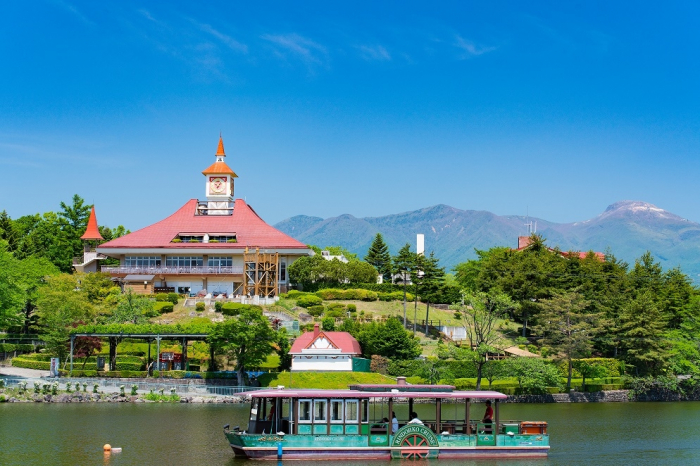
A leisure facility covers 300,000 square metres surrounded by abundant nature around a lake. The interactive farm especially delight children through the experiences such as feeding lovely animals, riding horses and milking cows by hands. Other popular attractions are pleasure boats viewing Nasu mountain ranges and park itself from the lake, the Swiss railway running alongside the lake and the nation’s longest “Zip Line” where you zip along a wire over the lake. Refresh yourself with ice creams and daily products made with Jersey milk for a break!

Nikko kaido Oshu kaido TOCHIGI
Ashikaga Lamp Story

Ashikaga Lamp Story

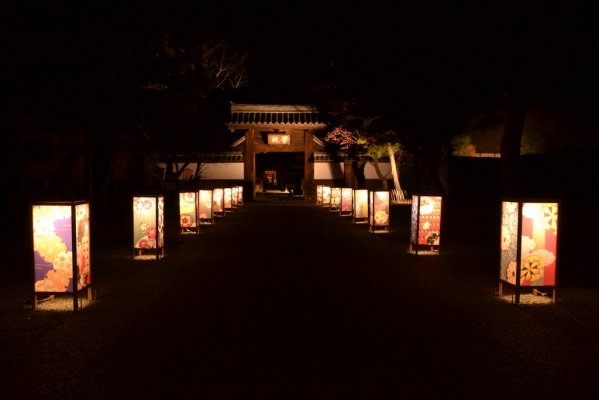
Ashikaga City, the "Small Kyoto" of Tochigi Pref., tinted with fantasy colors   Most famous spots like Bannaji Temple, Ashikaga School and Ashikaga Orihime Shrine would set up lamps, making visitors feel like they are in a dreamy and mysterious world.   The site of Ashikaga School, the oldest school of Japan, would display Flower Hand Water and Wagasa (Traditional umbrella) Light Show produced by Ashikaga Flower Park, and dreamy bamboo lanterns will be displayed in the bamboo forest on the campus.   In the National Treasure “Bannaji Temple”, the lanterns are placed on the bell tower, the main hall, and the 550-year-old ginkgo tree, so that you can enjoy the lanterns while experiencing the historical atmosphere of the temple.   Ashikaga Orihime Shrine, known as a “Sacred Place for Lovers”, would display 90 Ashikaga Meisen lamps on their staircase. The gorgeous Meissen motifs are illuminated by the colorful lights.

Nikko kaido Oshu kaido TOCHIGI
Nikko Senhime Monogatari

Nikko Senhime Monogatari

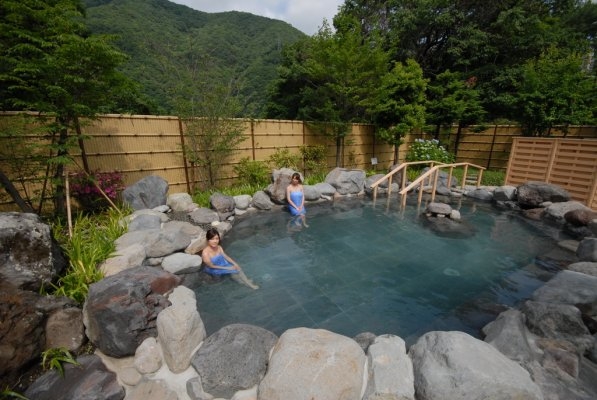
At Nikko Senhime Monogatari, you can enjoy the view of Nikko’s nature from the guest rooms. The view is spectacular: mountains turn light green in spring, cool breezes sweep across the river in summer, an explosion of yellow and red creates a beautiful mountain view in fall, and the view of the mountains and river as if covered by a snow-white wedding dress brings you peace of mind in winter. Guest rooms are designed with a taste of traditional Japanese beauty. There are Japanese-style twin rooms with a bath that is half open-air and half indoor, from which you can enjoy a view that changes with the season. (Baths in guest rooms are not hot spring baths). The communal baths use Nikko hot spring water from this area. Nikko hot spring water is clear, alkaline, and gentle on the skin, alleviates stiff shoulders and nerve pain, and beautifies skin. It is the perfect hot spring to heal the body after a day of enjoying walking around Nikko. 【About the hot spring】 Water color: clear Spring water type: simple alkaline spring water Efficacy: alleviates stiff shoulders, nerve pain, sprains, sore muscles, sleeplessness, etc.

Nikko kaido Oshu kaido TOCHIGI
Setsubun Armor Year-cross in Ashikaga

Setsubun Armor Year-cross in Ashikaga

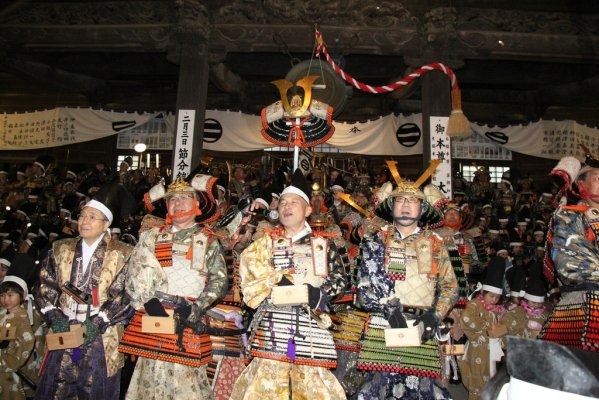
What is Setsubun Armor Year-cross? Every year’s February 3 is “Setsubun” festival in Japan, symbolling the end of the winter. On this day, Ashikaga City holds “Armor Year-cross” event, over 200 people would dress as samurai to join the event. The parade walk to Bannaji Temple from Orihime Community Center. People celebrate their victory when they arrived at Bannaji Temple, and pray for city’s prosperity. History of Setsubun Armor Year-cross Back to the Kamakura period about 750 years ago, a powerful samurai called Ashikaga Yasuuji led 500 samurai to assemble at Bannaji Temple, the residence of Ashikaga Family, in order to honor their family. 120 years later, his descendant, Ashikaga Takauji, became the Shougun of Japan and created the Muromachi period. This event was closed in the late Edo and Meiji eras, but in 1915 (Taisho 4) it was restarted by a group of fiber workers. Ashikaga City has samurai armor and kimonos for visitors to try on.

Oshu kaido Nikko kaido TOCHIGI
Daichuji Temple

Daichuji Temple

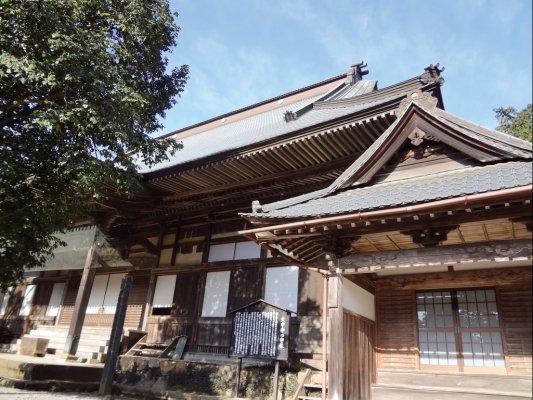
Daichuji Temple is a temple which is famous as the place where Uesugi Kenshin and Hojyo Ujiyasu made peace in 1568. This famous Buddhist temple's main gate is a rare example of ancient temple architecture. The grounds also include seven legendary "wonders": A hearth kept constantly lit to ward away a ghost; a set of stairs whose use is prohibited because they are said to bring bad luck; the "rootless" wisteria which grew from a cane; a well which is said to make the sound of horse hooves and neighing; a haunted toilet; a mountain to the east of the temple from which the sound of a wooden clapper can be heard by the head priest when danger threatens the temple; and a room where it is said that if you sleep in it, you will awaken lying in the opposite direction you fell asleep in. The history of the temple goes far beyond this however as it was originally built more than 800 years ago. The temple had the confidence of Tokugawa Ieyasu during the Edo period, and until the end of the Edo period was in a position of command as first among 3 leading temple at the head of the Soto sect. The temple is also home to a 200m path to the temple which is lined with hydrangeas and is spoken of in the Seven Wonders of the World and is also one of the "Tochigi Top 100 Scenic Places"."

Nikko kaido Oshu kaido TOCHIGI
Subanazaka Park (Ikoikan, Fireflies)

Subanazaka Park (Ikoikan, Fireflies)

This restaurant is located inside Subanazaka Park, a nature park on the Subanazaka Hill. Situated near the central starting point for the park's hiking courses, here customers can enjoy handmade soba noodles made with an abundance of local buckwheat flour. The restaurant's traditional flavors, prepared by local housewives, are perfect for enjoying after a nature hike. The restaurant's manju steamed buns, which are made by hand starting from the filling, are also highly acclaimed. The surrounding area is a famous destination for viewing Genji fireflies, and when the fireflies appear in June, a variety of locally-operated food stalls also open up nearby. "

Nikko kaido Oshu kaido TOCHIGI
Gohanshiki

Gohanshiki

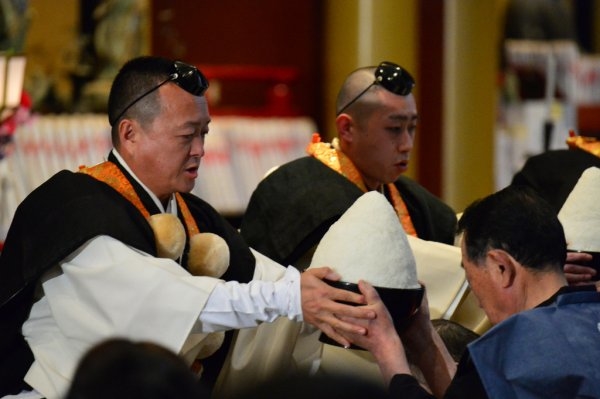
*Gohanshiki has been cancelled in 2020. This traditional ceremony is still observed only at Nikkosan Rinnoji Temple. In this ceremony, people are forced to eat a large amount of rice. Cooked rice are offered on a large plate and every grain are urged to eat. The big bowl contains 5.4 litres of rice. No one actually eats the rice, but it is said that those who participate in the ceremony will have a family fortune and a healthy life. This sacred rice dedication ceremony is part of Nikko's ancient mountain Buddhism. By doing that, it is believed that the blessing of Buddha will immediately eradicate the Seven Major Misfortunes such as fire, floods, devils, etc., and the people will receive the Seven Major Fortunes. It is said that even feudal lords such as the Tokugawa Shogun Families and other famous feudal lords across Japan joined this ceremony in the Edo period."

Oshu kaido Nikko kaido TOCHIGI