
Greater Tokyo

See & Do

reset
Jorakuji Temple (Rokujison)

Jorakuji Temple (Rokujison)

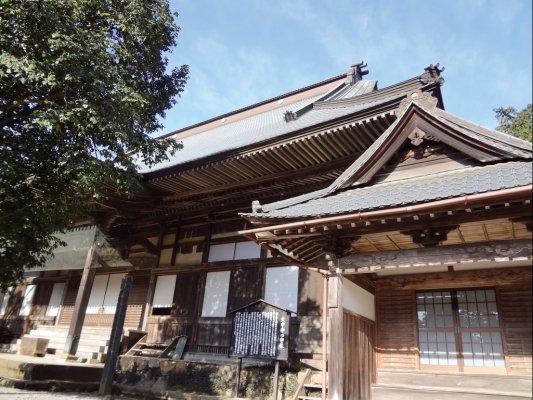
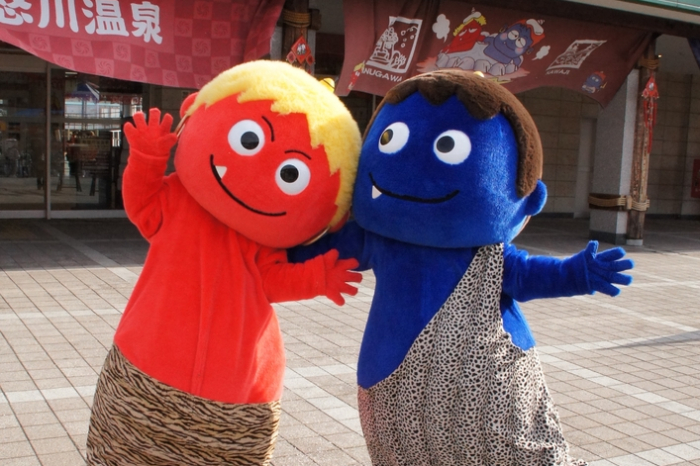
Jorakuji Temple was founded in the first year of Kenkyū (1190) as the family temple of the famed physician Nakano Tomoyuki. When Nakano Tomoyuki investigated the illness of his daughter, it marked the first time acupuncture therapy was introduced to Japan. Later, he was summoned to the imperial court to treat Emperor Go-Toba’s illness and was given the title “Rokujihōgen.” As his medical skills became widely known throughout the country, it is said that even the Thunder God himself once visited the temple for acupuncture treatment, making Jorakuji especially famous as a temple connected to the deity. Because of this tradition, the temple grounds are affectionately called “Rokujison-sama.” It is also known for the beautiful red spider lilies that bloom in abundance around the precincts. Every year on February 11, a grand festival is held, attracting many worshippers and visitors, creating a lively atmosphere.

Oshu kaido Nikko kaido TOCHIGI
Oyama Honba Yuki Tsumugi Craft Museum

Oyama Honba Yuki Tsumugi Craft Museum

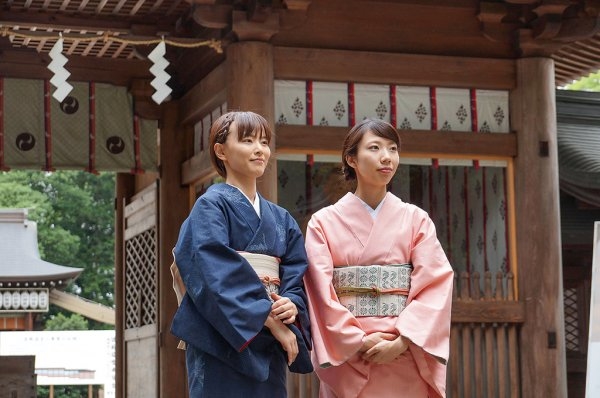
What is Yuki Tsumugi?Yuki Tsumugi is a traditional silk fabric originating from Oyama City in Tochigi Prefecture and Yuki City in Ibaraki Prefecture, with a history dating back to the Nara period. Once valued for its durability, it is now prized as a top-class handwoven silk for its light yet strong texture. Oyama Honba Yuki Tsumugi Craft MuseumHonba Yuki Tsumugi is entirely handcrafted and was inscribed on UNESCO’s Representative List of the Intangible Cultural Heritage of Humanity in 2010. The Oyama Honba Yuki Tsumugi Craft Museum is dedicated to promoting this traditional art and offers the following experiences: Craftsman Demonstrations: Watch up close as artisans spin silk threads and weave on looms. Hands-on Weaving Experience: Try your hand at weaving under staff guidance (advance reservation recommended). Kimono Experience: Select your favorite Yuki Tsumugi kimono pattern and stroll through the streets of Oyama (some accessories require an additional fee). Closed on Mondays and during the New Year holidays. Some activities require ID and advance booking.

Nikko kaido Oshu kaido TOCHIGI
Tsuki noco

Tsuki noco

Located in a satoyama (woodland village) near the Naka River, Tsuki noco is a country guesthouse that runs a bakery selling wild yeast bread. The accommodation is a Japanese style house built over 120 years ago. For dinner, they serve original food menu prepared mainly with grains and seasonal vegetables. For breakfast, you will enjoy their wild yeast bread. They can modify meals into curry over rice or vegetable croquettes for children and also can prepare vegan meals. Aside from the bakery and farm stay, they also run Satoyama Gohan no Gakko, a school for learning about nature, with the ambition to acquire, with all participants, the knowledge and techniques to grow food and preserve the satoyama environment for future generations. (※Farm stay is offered from April to November and the bakery is open from December to March)

Nikko kaido Oshu kaido TOCHIGI
Oku-Nikko E-Bike Trip (Nikko Natural Science Museum)

Oku-Nikko E-Bike Trip (Nikko Natural Science Museum)

Nikko Natural Science Museum offers self-guided cycling tours that allow you to fully immerse yourself in the natural beauty of Oku-Nikko. Riding an electric assist bicycle (e-bike) and using an exclusively designed navigation device, you can explore pre-planned routes for each tour. While there are no guides, you can enjoy cycling privately with your family or friends. This option is recommended for those who prefer to explore freely, including stops for dining and shopping.   We offer a variety of routes including cafe hopping, exploring the history of Nikko, cycling on quiet paved forest roads closed to general traffic, and even hiking. Our e-bikes make hill climbing effortless. If you're visiting Oku-Nikko, be sure to join us! *Please note that departure and arrival points vary depending on the tour. Tours depart from both "Nikko Natural Science Museum" and "Akanuma Nature Information Center", so please be sure to check your designated meeting point.

Nikko kaido Oshu kaido TOCHIGI
MURASAKIZUKA GOLF CLUB

MURASAKIZUKA GOLF CLUB

Murasakizuka Golf Club, designed by John Benzel and Bob Wolf (USA), features technically challenging authentic courses on a vast hilly area of 1.16 million square meters. The contrast in landscape produced by ponds and waterfalls allocated in various parts on the courses is quite popular. The golf club has three courses – Ujiie, Katsuragi, and Saotome – totaling 27 holes (par 108) and 10,396 yards in yardage. The courses are on gentle slopes with an elevation of 10 meters. There are also accommodation sites on the premises, and you can choose your favorite stay style from a hotel, villa, and glamping. The villa comes with a private hot spring bath for you to spend a relaxed time alone with your family and friends.

Nikko kaido Oshu kaido TOCHIGI
CHUZENJI KANAYA HOTEL

CHUZENJI KANAYA HOTEL

This log cabin-style hotel stands amidst the Mizunara oak trees on the shores of Lake Chuzenji. All rooms have a balcony or wooden deck, allowing you to enjoy the natural surroundings of Lake Chuzenji while feeling the seasons. In the dining room, you can enjoy French cuisine made with locally sourced ingredients, all while gazing at the Mizunara trees. The hot spring is also surrounded by beautiful nature in every season, and is a proud open-air bath called "Sora-buro." You can enjoy a fantastic atmosphere as you gaze upon the morning sun filtering through the trees and the star-filled sky at night. This is a hotel where you can luxuriously enjoy the charm of the natural surroundings of Nikko National Park. [About the hot spring] Water color: Milky white Spring quality: Sulfur spring Effective: Neuralgia, muscle pain, joint pain, bruises, chronic digestive diseases, poor circulation, fatigue recovery, etc.

Nikko kaido Oshu kaido TOCHIGI
Kanehon Quarry

Kanehon Quarry

It is an operating open surface quarry of Oya stone. Next to the quarry are a stone processing plant, a stone waste dump and the mountain owner’s residence and office. You can see a flow of stone-quarrying here and make homemade pizzas in Oya stone, wood-fired pizza ovens. You can also take home a bag of Oya stone in an original KANEHON bag. Plus, there is an exclusive offer of Oya stone outlet items and Isseki series by Oya stone craftsman “Takumi” for tour guests only."

Nikko kaido Oshu kaido TOCHIGI
Koundo Main Store

Koundo Main Store

Although officially founded in 1868, the name of this venerable confectionary shop can be found in documents from the late Edo period. Its most famous offering is its Koin Monaka. These monaka (bean jam-filled wafer cakes) feature a motif inspired by the ancient official seals (Koin) of the Ashikaga Clan. Other popular items include its Koin Senbei (rice crackers), Takauji Senbei and Takauji (Dorayaki, bean jam filled pancake) , the latter of which was inspired by the character of the Ashikaga Takauji, the first Ashikaga shogun. Another popular item is their Monaka Gokko, which allows you to enjoy the classic flavor of monaka in a casual "make it yourself" style."

Nikko kaido Oshu kaido TOCHIGI
Ooyaji Temple(Ooya Kannon)

Ooyaji Temple(Ooya Kannon)

The beginning of Ooyaji Temple Nearby the Utsunomiya City, the Ooyaji Temple has been built surrounded by a cavern. Within the temple are 10 stone carvings of buddha carved directly into the cavern wall including Japan’s oldest statue of the goddess Kannon (the Oya thousand-armed Kannon).   It is said that long time ago, a venomous snake was living in the Oya area and every creatures were killed by its poison. In A.D. 810, a famous monk Kukai Daishi heard this story and stayed at this area for a few days. When he left, he told people that the snake would never come back again. People found that there was a Senju Kannon (also known as Ooya Kannon) carved into the cavern, and built this temple for thanking Kukai Daishi.   Symbol of Japan's Silk Road, the Ooya Kannon In recent study, scholars had found some similarities between Ooya Kannon and the Buddhas of Bamiyan. It is believed to be Japan’s Silk Road heritage carved by Afghan monks.   When you visit, please join your hands in prayer for world peace and happiness for people while reflecting on Kannon’s great heart.

Nikko kaido Oshu kaido TOCHIGI
Nasu Orgel Museum

Nasu Orgel Museum

This music box museum is located in Nasu County, Tochigi Prefecture. Its permanent exhibit features 100 items including antique music boxes, mechanical musical instruments, and other items, most of which are from the collection of music box collector Kiyoshi Sato. The museum mainly exhibits antique music boxes made in the 19th and 20th centuries in Europe and the Americas. Visitors can enjoy explanations and music box performances by the staff for 20 minutes every hour. Visitors to the museum, which is visited by many tourists, can also enjoy activities such as making their own music box."

Nikko kaido Oshu kaido TOCHIGI
Moka Momen Kaikan

Moka Momen Kaikan

Moka Momen is a traditional fabric made in Moka City, which is so smooth to the skin that it resembles silk. It reached the height of its popularity during the late Edo period, but the work to create it, from cultivating cotton to spinning, dyeing, and weaving fabric, has been inherited by the Moka Momen Kaikan where even today it is all performed by hand just as it was long ago. In addition to fabric for kimonos, items perfect for everyday use are also produced.

Nikko kaido Oshu kaido TOCHIGI
Gozeniwa Stone

Gozeniwa Stone

A place steeped in Tokugawa Mitsukuni’s legend, worship traditions, and famous autumn foliage Located in Nakagawa Town, the Gozeniwa Stone is a designated natural monument of Tochigi Prefecture. It is said to have been visited by Tokugawa Mitsukuni (Mito Komon), giving the stone its name. Standing 30 meters high and 70 meters wide, this massive boulder resembles a seated Kannon statue, earning it the name “Great Kannon Rock.” Since ancient times, it has been revered as a place of worship for safe childbirth and family well-being. The area surrounding Gozeniwa Stone is home to a clear mountain stream, selected as one of the “Heisei 100 Best Waters.” With refreshing scenery that changes across the four seasons, nearby Mt. Nasu and the riverbanks of Shikanoyu provide relaxing walking trails. In autumn, from late October to mid-November, the area transforms into one of the region’s most popular spots for vibrant autumn leaves. The harmony of the red foliage, pristine stream, and majestic rock creates a tranquil yet impressive sight, making it one of the highlights of Nakagawa Town’s natural beauty.

Nikko kaido Oshu kaido TOCHIGI
Coffee House “yukon”(CHUZENJI KANAYA HOTEL)

Coffee House “yukon”(CHUZENJI KANAYA HOTEL)

Coffee House yukon is located about 4 minutes walk from Chuzenji Kanaya Hotel. It is a store directly managed by Chuzenji Kanaya Hotel, and it is attractive for its location overlooking Lake Chuzenji. You can enjoy dishes such as the Kanaya Hotel Hundred Year Rice Curry, recreated from the hotel's Taisho era recipe. It's recommended for lunch and tea time. Takeout menu is also available, perfect for accompanying your exploration of Oku-Nikko.

Nikko kaido Oshu kaido TOCHIGI
NIKKO PUDDING TEI/ Nikko Main Branch

NIKKO PUDDING TEI/ Nikko Main Branch

NIKKKO PUDDING TEI is a custard pudding specialty shop in a cute and retro-taste building decorated in the Taisho Roman style (a vintage style inspired by the Taisho period). They prepare products inside the shop using milk produced in Tochigi Prefecture and other ingredients produced in Nikko such as the premium egg brand Nikko Goyouran. They offer a wide variety of custard desserts including ‘Nikko pudding’ with a silky smooth, creamy texture, ‘Otome-pudding’ using strawberries harvested in Tochigi Prefecture, and ‘Pudding with ice cream,’ which is a custard pudding topped with a tower of vanilla soft serve ice cream. There are also seasonal products such as ‘Chestnut pudding’ and ‘Cherry blossom pudding.’ Please visit the shop and enjoy the delicious puddings!

Nikko kaido Oshu kaido TOCHIGI
NASU FARM VILLAGE

NASU FARM VILLAGE

At Nasu Farm Village, you can spend some relaxing time with horses. It offers programs such as the Horse Trekking Program that even beginners can enjoy and the Horse Therapy Program to befriend a horse. Children and people who are still not quite ready to ride a horse can join this program with peace of mind. The restaurant offers the chef’s special lunch boxes featuring seasonal vegetables harvested on the farm. *Guidance for horseback riding is provided in Japanese. For safety reasons, you may only ride a horse if you understand Japanese or if you have an interpreter to explain the instructions for you.

Oshu kaido Nikko kaido TOCHIGI
Dining Room “Mizunara” (Chuzenji Kanaya Hotel)

Dining Room “Mizunara” (Chuzenji Kanaya Hotel)

The dining room Mizunara at Chuzenji Kanaya Hotel features large windows overlooking the lake. Wooden pillars and the floor give the dining room a warm tone. Beyond the mizunara oak trees outside, there is Lake Chuzenji. In all seasons, guests can enjoy food cooked with fresh ingredients produced in Tochigi with a view of the nature and wild birds of Okunikko. The restaurant offers a range of dishes that enable local production and local consumption, including Hyakunen Curry Rice prepared based on the 100-year-old recipe of the signature dish of our sister hotel Nikko Kanaya Hotel, Special Tochigi Lunch using locally produced Premium Yashio Trout and locally produced wagyu beef, and Nasunogahara Wagyu Beef Steak Lunch. Have a wonderful time at this open restaurant that feels like a resort.

Nikko kaido Oshu kaido TOCHIGI