Greater Tokyo

See & Do

reset
Kubo Memorial Tourism and Cultural Exchange Center

Kubo Memorial Tourism and Cultural Exchange Center

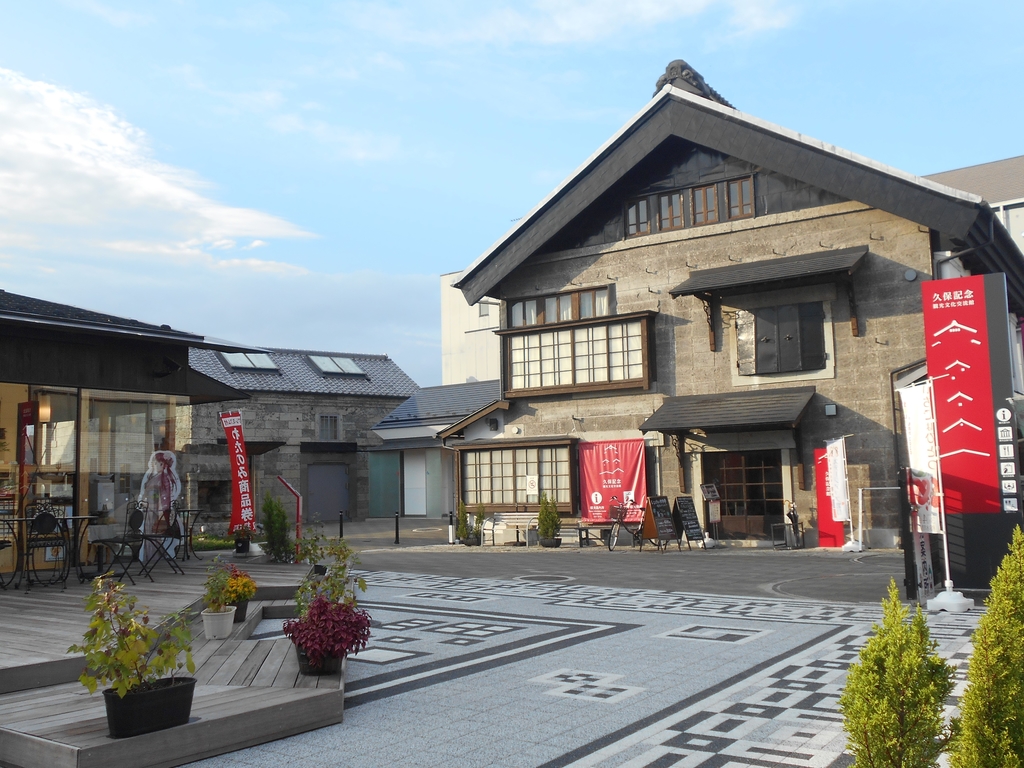
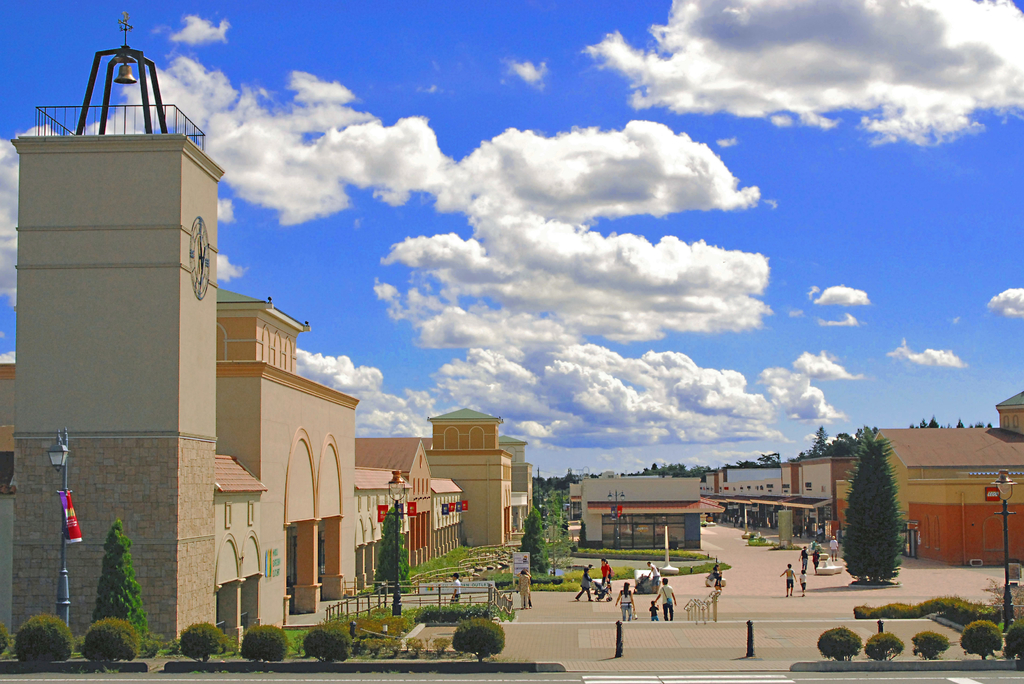
The residence of Sadajiro Kubo, an art critic connected with Moka City, has been given new form as a tourism center. There are a total of five buildings here, which include a Tourism Product Promotion Center and an Italian restaurant, in addition to historical buildings consisting of an Art Exhibition Hall built in 1923, a Tourism Town Development Center built in 1879, and the Kubo Memorial Hall built in 1907.

Nikko kaido Oshu kaido TOCHIGI
Shiobara Coffee

Shiobara Coffee

Shiobara Coffee is a shop with a café operated by Cheese Garden, a Western confectionery brand that sells products using cheese. The shop interior is designed with Japanese décor to create a serene and tranquil atmosphere. The café menu features Cheese Garden’s standard products and apple pie available only at our café. You have to be there to taste our famous apple pie made with a generous amount of large cuts of apple compote. The café has a rich lineup on the food menu too including Shiobara Onion Curry Rice and seasonal pasta dishes. There is also coffee-flavored soft ice cream and a range of drinks. Please drop by and enjoy.

Nikko kaido Oshu kaido TOCHIGI
Kawaji Onsen Yakushi no Yu

Kawaji Onsen Yakushi no Yu

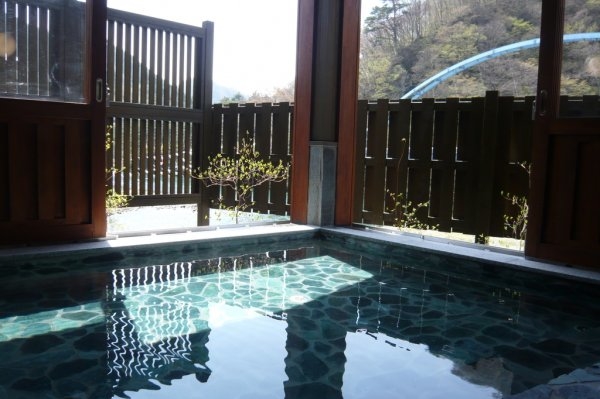
This day spa is located in Kawaji Onsen District in Nikko City, Tochigi Prefecture. Its simple weakly alkaline hot springs have earned it the nickname Bihada no Yu for supposedly giving people beautiful skin. It is also said to help with conditions such as nerve and joint pain. The facility features indoor baths and mixed gender open-air baths. The spa, which offers great views of the scenery of the Ojika River, is patronized mostly by locals but also by many tourists."

Nikko kaido Oshu kaido TOCHIGI
Okada Memorial Museum

Okada Memorial Museum

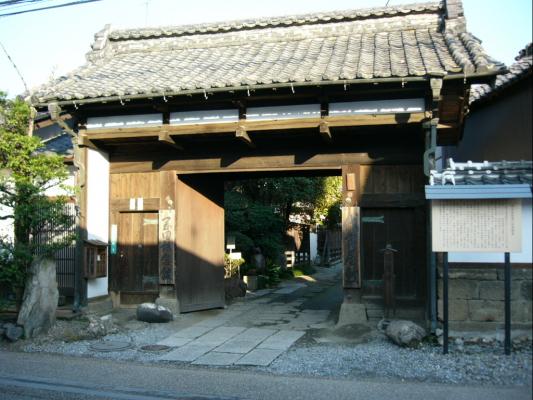
This memorial museum celebrates the Okada family, a family whose history dates back over 550 years and which was once one of the leading families of Tochigi City. The museum's expansive grounds sprawl across some 13,000 square meters, inside, the museum displays treasures passed down through the generations in the Okada family. Said to have moved to the area from distant Sanjo in Kyoto, in the Edo period the family is said to have provided leadership in creating the foundations of daily life and to have contributed to the building of a stable community. Later, the Tokugawa clan gave the area the title of Kauemon Shinden Village, which then became Kauemon Shinden Town (now Kauemon-cho)."

Nikko kaido Oshu kaido TOCHIGI
Nasu World Monkey Park

Nasu World Monkey Park

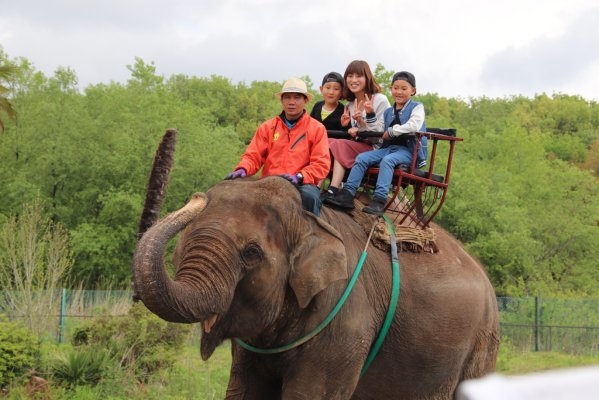
Nasu World Monkey Park is a monkey theme park with over 60 different types of rare monkeys from around the world. The plaza where guests can hold and take photos with the cute and rare monkeys is extremely popular. In addition to a petting area, there’s a “monkey theater” with variety shows featuring monkeys. And an “elephant forest” where visitors can ride elephants, along with many other experiences. You’ll also find restaurants that provide various Asian cuisine and shops that sell monkey-themed goods."

Nikko kaido Oshu kaido TOCHIGI
Izurusan Manganji Temple

Izurusan Manganji Temple

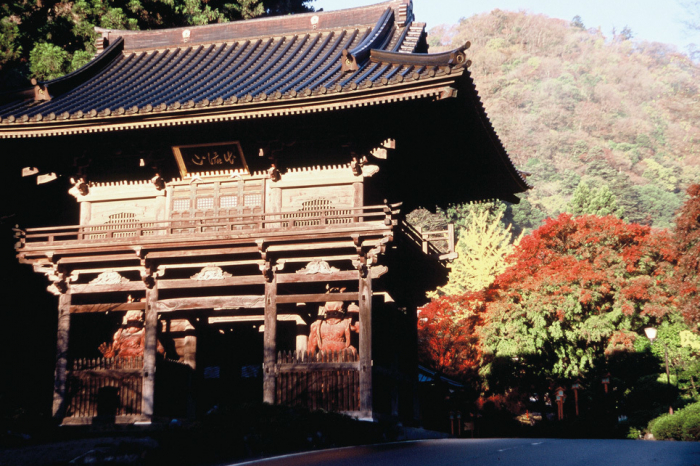
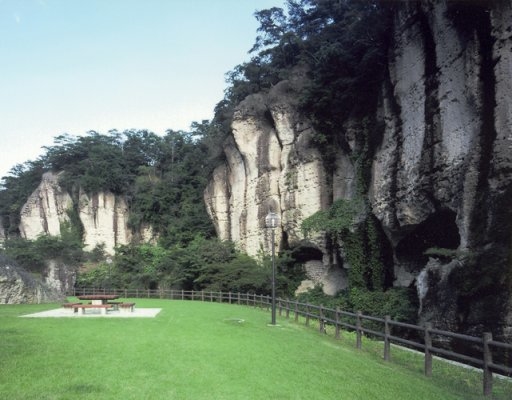
Izurusan Manganji Temple was founded in the year 767, approximately 1200 years ago.  This Shingon Buddhist Sect Chizan School Temple in Tochigi City is dedicated to the Thousand-Hand Kanzeon Bodhisattva. It is known as being a powerful spiritual location surrounded by forests and water with perpetual services offered for the deceased, zen meditation, and waterfall meditation. Nestled in nature with towering trees and fresh crisp air, the main temple, Omido, was built in 1368 and was reconstructed in 1764 after the great fire of 1740. The main temple hall has been designated a Prefectural Cultural Property whereas the Deva gate has been designated a City Cultural Property and the Izuru limestone caverns have been designated as City Natural Monument."

Nikko kaido Oshu kaido TOCHIGI
Meisui-no-Sato Nikko Okaki (rice cracker) Factory

Meisui-no-Sato Nikko Okaki (rice cracker) Factory

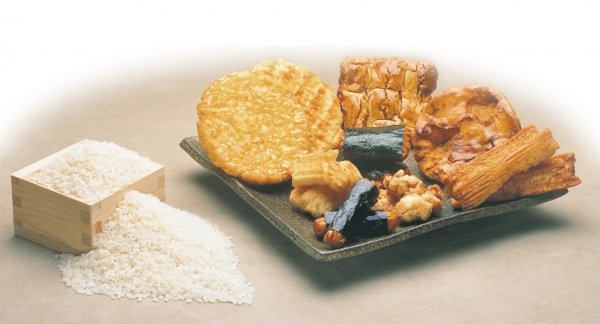
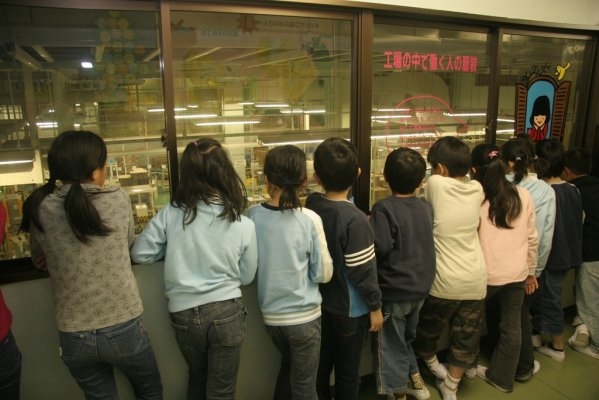
The Meisui-no-Sato Nikko Okaki Factory produces rice crackers utilising Nikko’s clear spring water and domestically grown rice. Choose savoury delights for yourself or the perfect gifts for your loved ones from over 50 varieties of products available at the on-site shop. Sample the range of flavours on offer based on the special family-secret recipes and traditional handcraft skills. Some products are only available at the factory shop such as the freshly fried “Age-mochi Okaki” rice crackers. Try your hand at baking rice crackers or making your own hand-illustrated rice crackers, a memorable travel experience! Enjoy complimentary tea, coffee and soft drinks at the lounge. You can also place an order online or by phone or fax.

Nikko kaido Oshu kaido TOCHIGI
Okabe Memorial Hall Kinrinso

Okabe Memorial Hall Kinrinso

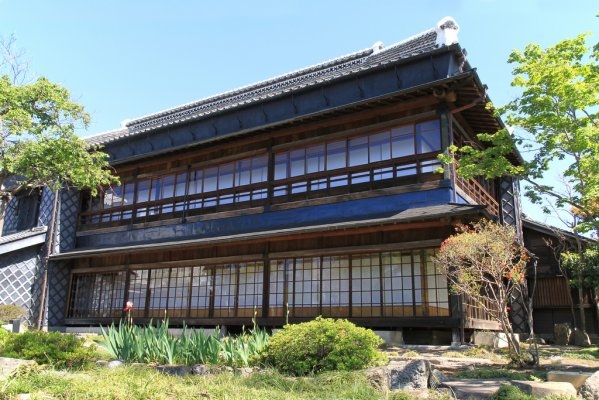
Okabe Memorial Museum "Kinrinso" has a circular Japanese garden and is surrounded by a stone wall made of local Isoyama stone (no longer produced).   The building was constructed in the middle of the Meiji period by Kyushiro Okabe, who collected building materials over a period of many years and trained carpenters and joiners in Tokyo for three years. The two-story wooden structure is a fireproof storehouse.   The interior is characterized by the use of ebony, ebony, and ironwood for all the alcove sections. Many of the paintings, calligraphies, and antiques in the interior are by authors closely associated with the region.   It was used as a villa of the Okabe family until 1952, as a venue for entertaining related parties and for displaying draperies. After that, it was used as a kappo restaurant "Kinrinso" until June 1988. In August of the same year, the city rented the building and decided to preserve it as the Okabe Memorial Museum "Kinrinso" in order to pass it on to future generations as a historical and cultural heritage of 100 years of Moka City's modern era.   It was designated as Tochigi Prefecture Tangible Cultural Property (building) on January 14, 2000, and together with the buildings of the Bussan Kaikan and Cotton Studio (now Cotton Hall), was donated to Moka City by the Okabe family in January 2001.  

Nikko kaido Oshu kaido TOCHIGI
Utsunomiya Joshi Park

Utsunomiya Joshi Park

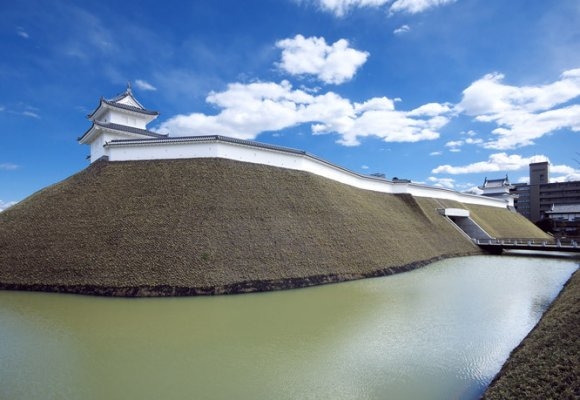
The History of Utsunomiya Castle Utsunomiya Castle is believed to have been originally built by the legendary Japanese warrior Fujiwara no Hidesato. During the medieval period, it served as the stronghold of the Utsunomiya clan for generations. After the Utsunomiya clan was stripped of its land by Toyotomi Hideyoshi, Utsunomiya Castle became the residence of fudai daimyō (samurai families who had pledged loyalty to the Tokugawa clan before the Battle of Sekigahara) during the Edo period. The castle also played an important role as a key stopover point for Tokugawa shoguns traveling to Nikkō Tōshō-gū to pay their respects. In 1868, the castle was engulfed in the flames of war during the Boshin War, a conflict between the new Meiji government forces and the remnants of the Tokugawa shogunate. Most of the original structures were destroyed in the battle. Today, the castle ruins have been transformed into a historical park, with efforts focused on reconstructing parts of the Edo-period (1600–1867) main keep (Honmaru) to preserve its legacy. Utsunomiya’s Earliest and Most Famous Cherry Blossom Viewing Spot From March to April, Utsunomiya Castle Ruins Park is adorned with beautiful cherry blossoms. The season begins in mid-to-late March with the early-blooming Kawazu-zakura, followed by Somei Yoshino, Shidare-zakura, and finally culminating in the Oyama-zakura in mid-April. For a full month, visitors can immerse themselves in a breathtaking sea of pink petals. During cherry blossom season, the park hosts the Utsunomiya Sakura Festival, featuring stage performances, local street food stalls, and festive activities in addition to stunning cherry blossoms. This makes it one of Utsunomiya’s most renowned hanami (cherry blossom viewing) spots.

Nikko kaido Oshu kaido TOCHIGI
Michi-no-Eki Yunishigawa

Michi-no-Eki Yunishigawa

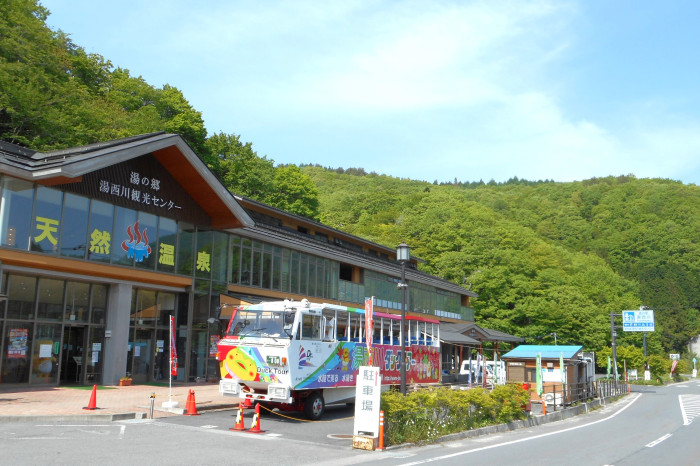
Michi-no-Eki Yunishigawa is a roadside station located in the north of Nikko, about 300 metres from the former Aizu-nishi highway (Route 121). It offers natural hot springs and a stone sauna, and local delicacies such as smoked salamander, strawberry buns and Bandai-mochi rice cake (not available in winter). The cafeteria serves uniquely dam-shaped rice and curry as well as locally produced soba noodles. Look out for Kurippa here, a local mascot based on a folk tale of the mythological creature Kappa. Accommodation can be arranged at the information desk. The car park has rapid charging points for electric vehicles. Located 600 metres above sea level, the location offers fine views of the natural surroundings. Enjoy the seasonal beauty of verdant greens, autumn leaves and snowy winter scenes.

Nikko kaido Oshu kaido TOCHIGI