Greater Tokyo

See & Do

reset
Otaki Kasen Yuhodo Path

Otaki Kasen Yuhodo Path

The Ohtaki Kasen Yuhodo is a strolling path that runs for approximately 1 kilometer from the Kinuiwabashi bridge at the upper reaches of the Kinugawa River down to the Kamitakikasen Park. Enjoy a leisurely stroll along the riverbank as you listen to the gentle babbling of the Kinugawa River. The Otaki Park is located along the route, and on a clear day you can see all the way to Mt. Keichozan. A free parking lot is located at the foot of the Kinuiwabashi Bridge, allowing you to easily take a refreshing stroll in nature amidst beautiful surroundings."

Nikko kaido Oshu kaido TOCHIGI
Nasu no Uchibento (Nasuben)

Nasu no Uchibento (Nasuben)

Nasuben is a locally produced and locally consumed lunch set that condenses the good tastes of Nasu Kogen. In reference to the legend of the nine-tailed fox, a well-known story in Nasu, the lunch comprises nine ingredients served in nine separate dishes on a tray specially made from Nasu cedar. Featuring different cuisine at every store. In 2014 “Nasuben” won the grand prize for local production and consumption of Tochigi Prefecture. You can try the famous lunch plate for 1500 Yen at Nasu."

Nikko kaido Oshu kaido TOCHIGI
Mamada Hachimangu Shrine

Mamada Hachimangu Shrine

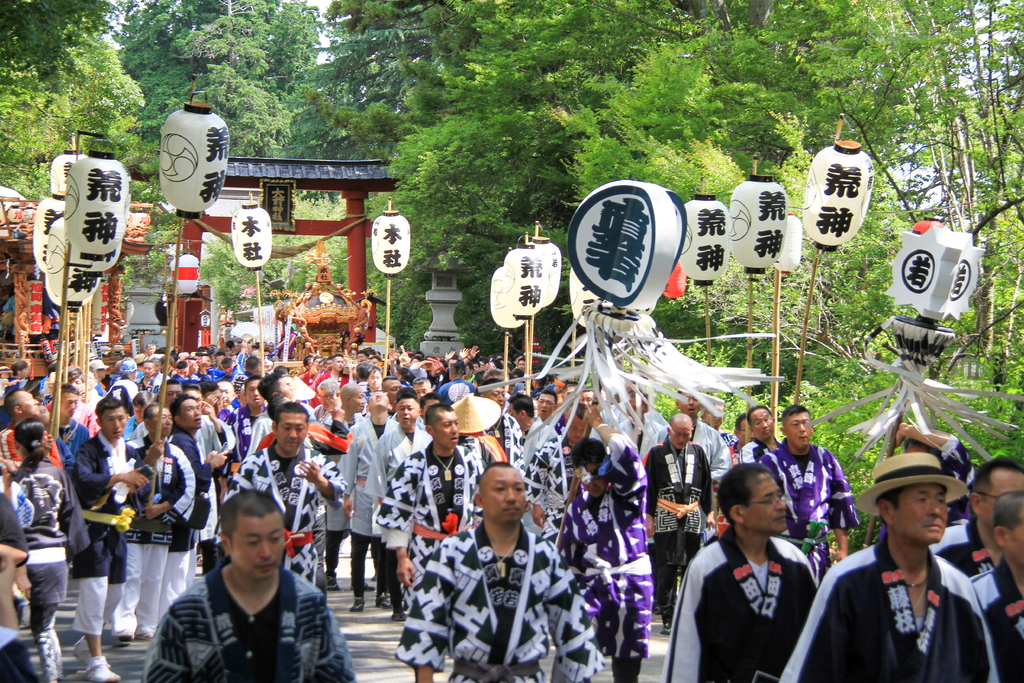
Mamada Hachimangu Shrine is said to have been founded as far back as nearly 1200 years ago during the years of the Tenpyo Era.On Children's Day on May 5 every year, the "Jya Matsuri" (Snake Festival), which is a Tochigi Prefecture Intangible Folk Cultural Asset, is held and enjoyed by a great many people. In the spring cherry trees blossom and ceremonial sumo matches are held in September, as well as a variety of other events making the shrine very popular. The shrine's dohyo was also the filming location for “Thermae Romae II”."

Nikko kaido Oshu kaido TOCHIGI
Daichuji Temple

Daichuji Temple

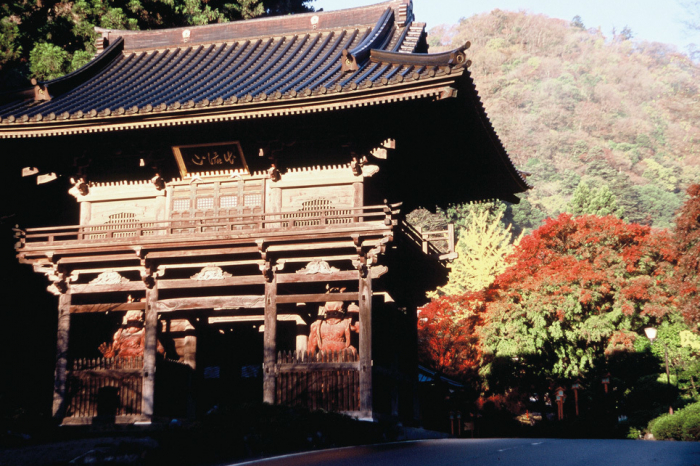
Daichuji Temple is a temple which is famous as the place where Uesugi Kenshin and Hojyo Ujiyasu made peace in 1568. This famous Buddhist temple's main gate is a rare example of ancient temple architecture. The grounds also include seven legendary "wonders": A hearth kept constantly lit to ward away a ghost; a set of stairs whose use is prohibited because they are said to bring bad luck; the "rootless" wisteria which grew from a cane; a well which is said to make the sound of horse hooves and neighing; a haunted toilet; a mountain to the east of the temple from which the sound of a wooden clapper can be heard by the head priest when danger threatens the temple; and a room where it is said that if you sleep in it, you will awaken lying in the opposite direction you fell asleep in. The history of the temple goes far beyond this however as it was originally built more than 800 years ago. The temple had the confidence of Tokugawa Ieyasu during the Edo period, and until the end of the Edo period was in a position of command as first among 3 leading temple at the head of the Soto sect. The temple is also home to a 200m path to the temple which is lined with hydrangeas and is spoken of in the Seven Wonders of the World and is also one of the "Tochigi Top 100 Scenic Places"."

Nikko kaido Oshu kaido TOCHIGI
Hachimanyama Park

Hachimanyama Park

This park located in the center of Utsunomiya City. It numerous attractions include Utsunomiya Tower, which offers a sweeping view of the city, Adventure U playground, which features a large playground and go-kart track, a zoo, and more. Some 800 cherry blossoms trees and 700 azalea bushes have been planted in the park, making it a well-known destination for flower viewing. During the flower-viewing season, the park is illuminated with paper lanterns, Utsunomiya Tower is lit up, and vendors set up festival stalls in the park."

Nikko kaido Oshu kaido TOCHIGI
Boken Katsudo Center

Boken Katsudo Center

The Utsunomiya City Adventure Activity Center is a hands-on learning facility for children with little opportunity to come in contact with nature to develop creativity, teamwork and independence by learning about nature. The center has a full range of facilities including a spacious arena, an observation deck looking out on Mt. Nantai and the Nikko Mountains, wall climbing and an adventure area with a rope swing, a wooden bridge, a cave and more."

Nikko kaido Oshu kaido TOCHIGI
Auto Camp Nakagawa Station

Auto Camp Nakagawa Station

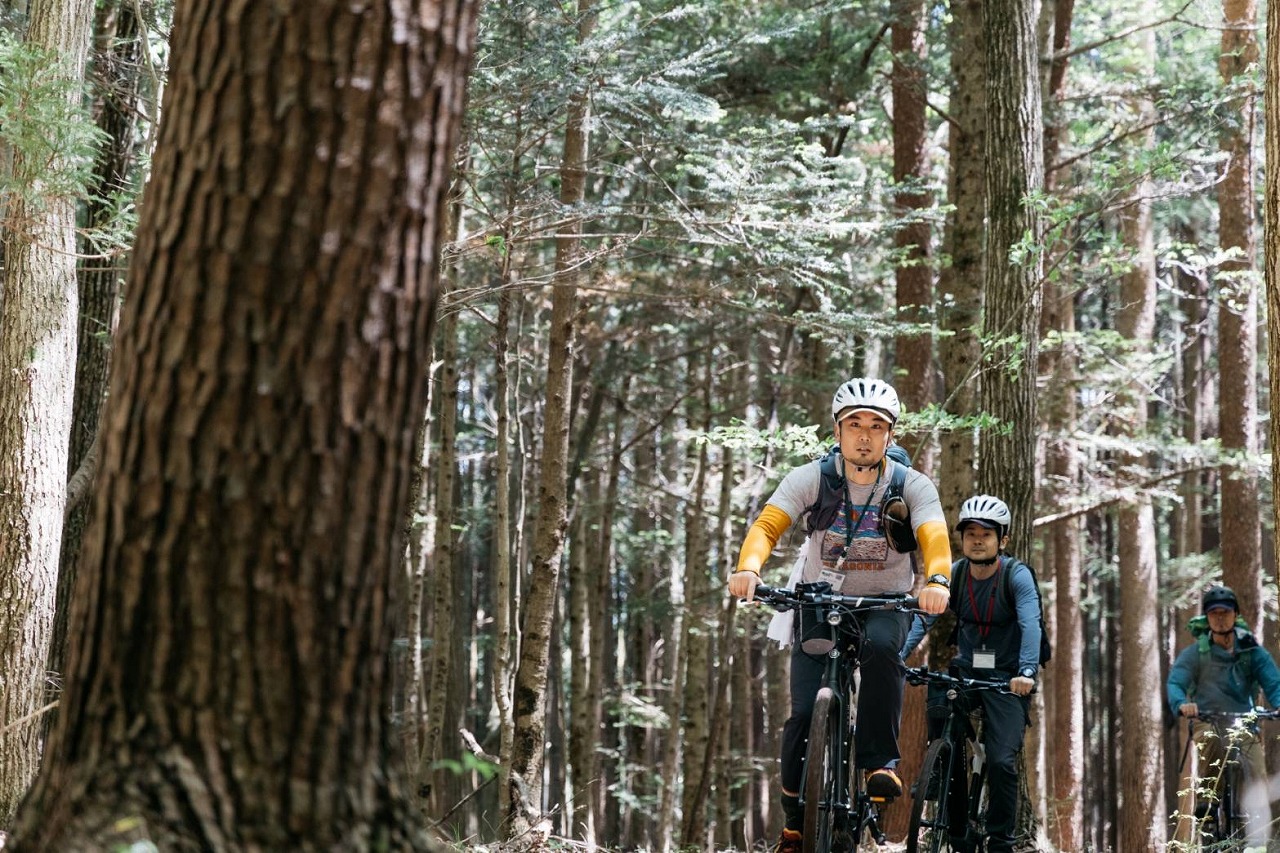
Auto-Camp Nakagawa Station is a drive-up camp ground where you can see the blue waters of the Naka River, the Kanto region's greatest, flowing right before your eyes. It's a great location to watch the river's flow reverse and is also an optimal base camp for mountain biking, hiking and river recreation such as canoeing and kayaking.There canoe and kayak rides and rentals, as well as a school where you can challenge yourself at a pace that suits you. In addition to camping in tents, campers can also stay in air-conditioned bungalows and lodges with AC power (outlets are for charging cell phones only) or in teepee tents (Native American tents) equipped with sunken fireplaces."

Nikko kaido Oshu kaido TOCHIGI
Itamuro Kenko no Yu Green Green

Itamuro Kenko no Yu Green Green

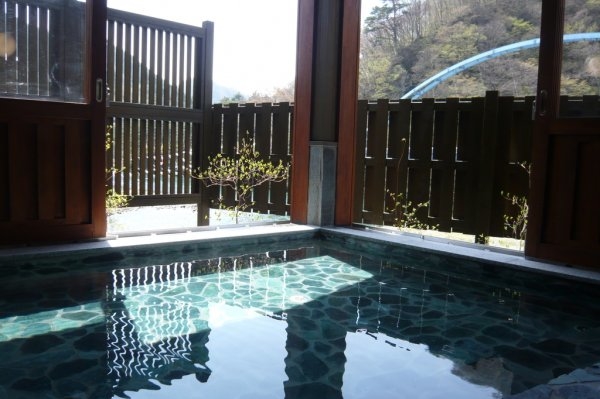
This day spa is located in Nasushiobara City. Its indoor baths leverage the vast amounts of hot spring water on hand while its open-air baths featuring transparent and colorless alkaline simple hot spring water are said to help with conditions such as nerve pain and muscle soreness. The Ami no Yu open-air baths, one of the spa's most notable features, allow bathers to soak in water deeper than their waists while holding on to ropes suspended from the rafters. The spa's different baths rotate between the two genders on a weekly basis."

Nikko kaido Oshu kaido TOCHIGI