
Greater Tokyo

See & Do

reset
Mahoroba no Yu Yushinkan

Mahoroba no Yu Yushinkan

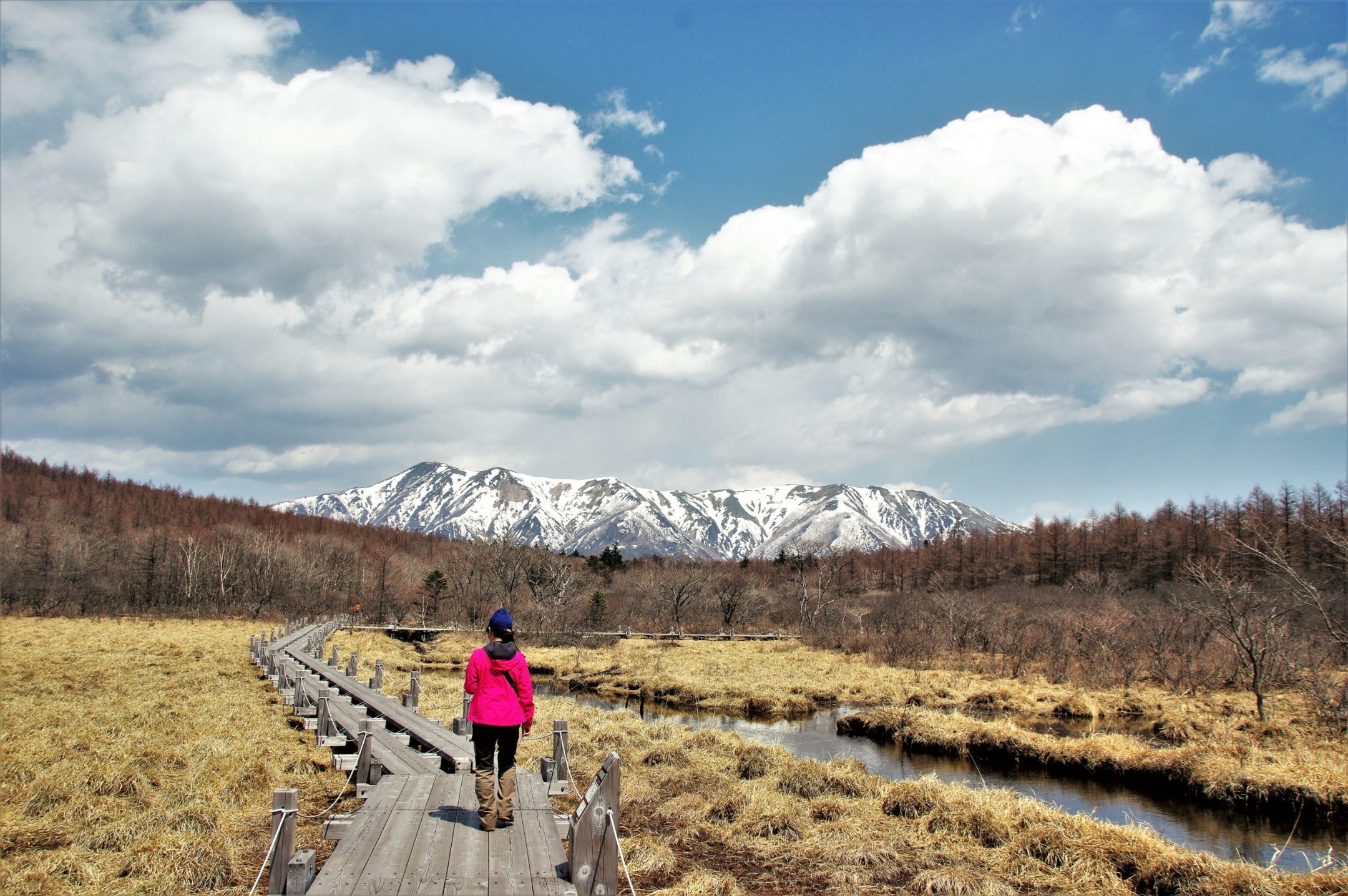
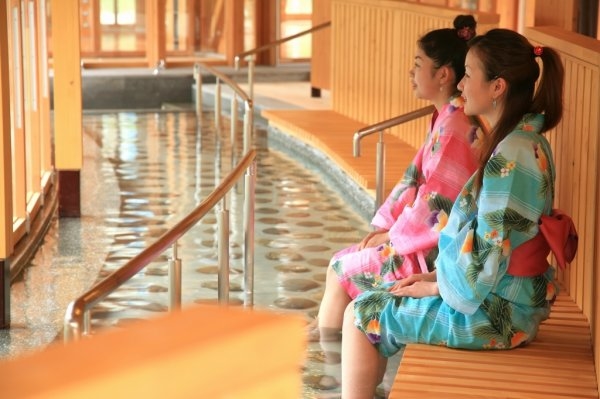
This day-trip hot spring is in Nasu County, Tochigi Prefecture. Along with an expansive indoor bath there's an open-air bath to enjoy while looking at the Nasu Mountain Range and listening to the Nakagawa River. The spring is a sodium - sulfate chloride spring and it is known to help with strokes. In addition to baths, Yushinkan has a large banquet hall and smaller halls, a relaxation corner, restaurant, snack corner and more.Do make sure to stop by for a visit."

Nikko kaido Oshu kaido TOCHIGI
Okada Memorial Museum

Okada Memorial Museum

This memorial museum celebrates the Okada family, a family whose history dates back over 550 years and which was once one of the leading families of Tochigi City. The museum's expansive grounds sprawl across some 13,000 square meters, inside, the museum displays treasures passed down through the generations in the Okada family. Said to have moved to the area from distant Sanjo in Kyoto, in the Edo period the family is said to have provided leadership in creating the foundations of daily life and to have contributed to the building of a stable community. Later, the Tokugawa clan gave the area the title of Kauemon Shinden Village, which then became Kauemon Shinden Town (now Kauemon-cho)."

Nikko kaido Oshu kaido TOCHIGI
Sanbonmatsu Chaya

Sanbonmatsu Chaya

For over 100 years since its foundation, Sanbonmatsu Chaya has been a rest area for people who travel to, from, and through Oku-nikko. Please drop by for a rest during your trip. The restaurant serves homemade dishes using a lot of local ingredients, and the souvenir shop has a line up of items that you can buy only at Sanbonmatsu Chaya! They also offer a dessert making workshop (from around August through October): You will first harvest strawberries at Mt. Berry Okunikko in Senjogahara and then make sweets at Sanbonmatsu Chaya. You can make a reservation a week before, but they recommend you do so as early as possible. If there is a vacancy, you can even reserve your spot on the same day. Please enjoy making a dessert you like!

Nikko kaido Oshu kaido TOCHIGI
Yugyo willow Tree

Yugyo willow Tree

A huge willow tree standing amidst a tranquil, rural landscape. The renowned poet Saigyo spied willow while on a journey and wrote a haiku about standing in its shade on the side of the road amidst the pure waters flowing through the surrounding rice paddies. Later, the playwright Kanze Nobumitsu wrote a play based on this poem, making the willow famous. The famed poet Basho also wrote about this willow in his “Narrow Road to the Interior,” described its moving beauty. Monuments inscribed with poems by Saigyo, Basho, and Buson have been placed next to the tree."

Nikko kaido Oshu kaido TOCHIGI
Tochigi Central Park

Tochigi Central Park

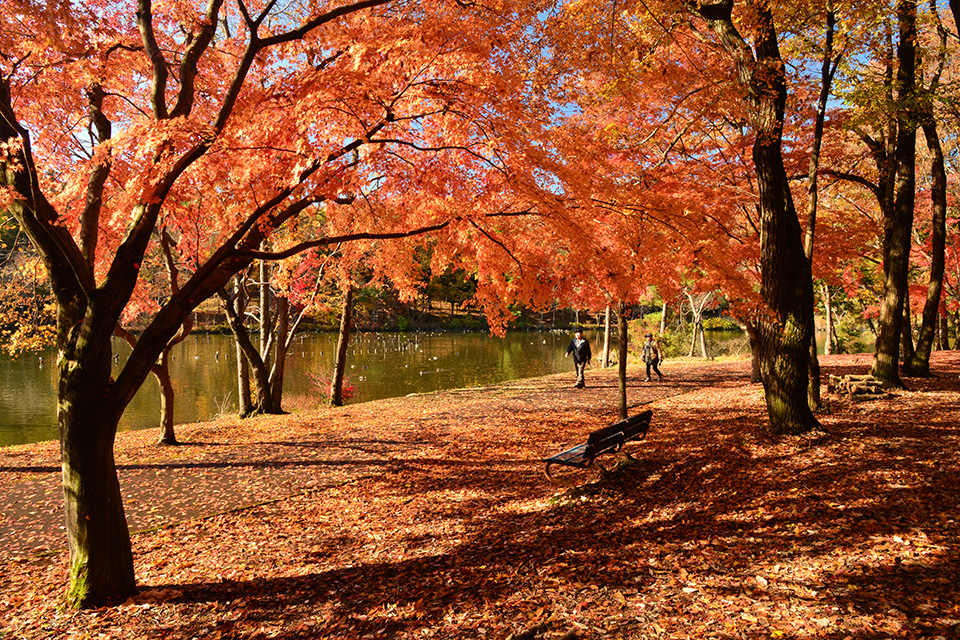
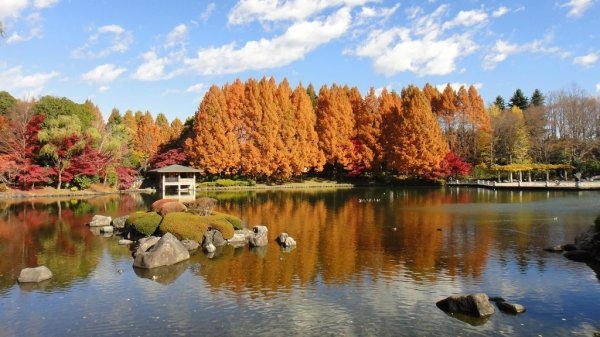
This park in Mutsumi-cho, Utsunomiya City has a theme of "Water, Greenery, and Culture." It's arranged like a strolling garden and has a Western style sunken garden centered on a pond, as well as a Japanese garden. Their Green Consultation Center holds horticultural exhibits and other events. The Tochigi Prefectural Museum is also on the grounds. Astroll through Central Park in Utsunomiya reveals the beauty of each season. For example, in March and April camellias and tulips bloom; in June, find roses, hydrangea and wisteria; April to mid-June brings peonies; November, deciduous trees light up the park with red, yellow and orange."

Nikko kaido Oshu kaido TOCHIGI
Kinu-Tateiwa Otsuribashi (Suspension Bridge)

Kinu-Tateiwa Otsuribashi (Suspension Bridge)

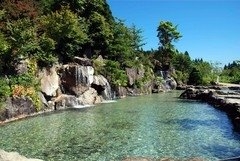
This is a 140-meter-long pedestrian suspension bridge which connects the Kinugawa hot spring resort to the Place of Scenic Beauty, “Tateiwa” (lit. Shield Rock). Below the bridge which has a height of about 40 meters, you can see the Kinugawa River, and you can enjoy the mountains which are dyed crimson and yellow during the season of autumn colors. Standing near to the suspension bridge, “Tateiwa” as its name suggests resembles the shape of a shield. It is also known as the “marriage bridge” as it connects the two, both the manly “Tateiwa” which rises up opposite the bridge and the feminine Kinugawa River which leisurely flows past."

Nikko kaido Oshu kaido TOCHIGI
Ooyaji Temple(Ooya Kannon)

Ooyaji Temple(Ooya Kannon)

The beginning of Ooyaji Temple Nearby the Utsunomiya City, the Ooyaji Temple has been built surrounded by a cavern. Within the temple are 10 stone carvings of buddha carved directly into the cavern wall including Japan’s oldest statue of the goddess Kannon (the Oya thousand-armed Kannon).   It is said that long time ago, a venomous snake was living in the Oya area and every creatures were killed by its poison. In A.D. 810, a famous monk Kukai Daishi heard this story and stayed at this area for a few days. When he left, he told people that the snake would never come back again. People found that there was a Senju Kannon (also known as Ooya Kannon) carved into the cavern, and built this temple for thanking Kukai Daishi.   Symbol of Japan's Silk Road, the Ooya Kannon In recent study, scholars had found some similarities between Ooya Kannon and the Buddhas of Bamiyan. It is believed to be Japan’s Silk Road heritage carved by Afghan monks.   When you visit, please join your hands in prayer for world peace and happiness for people while reflecting on Kannon’s great heart.

Nikko kaido Oshu kaido TOCHIGI