
Greater Tokyo

See & Do

reset
Moka Igashira Onsen Ichigo-no-Yu

Moka Igashira Onsen Ichigo-no-Yu

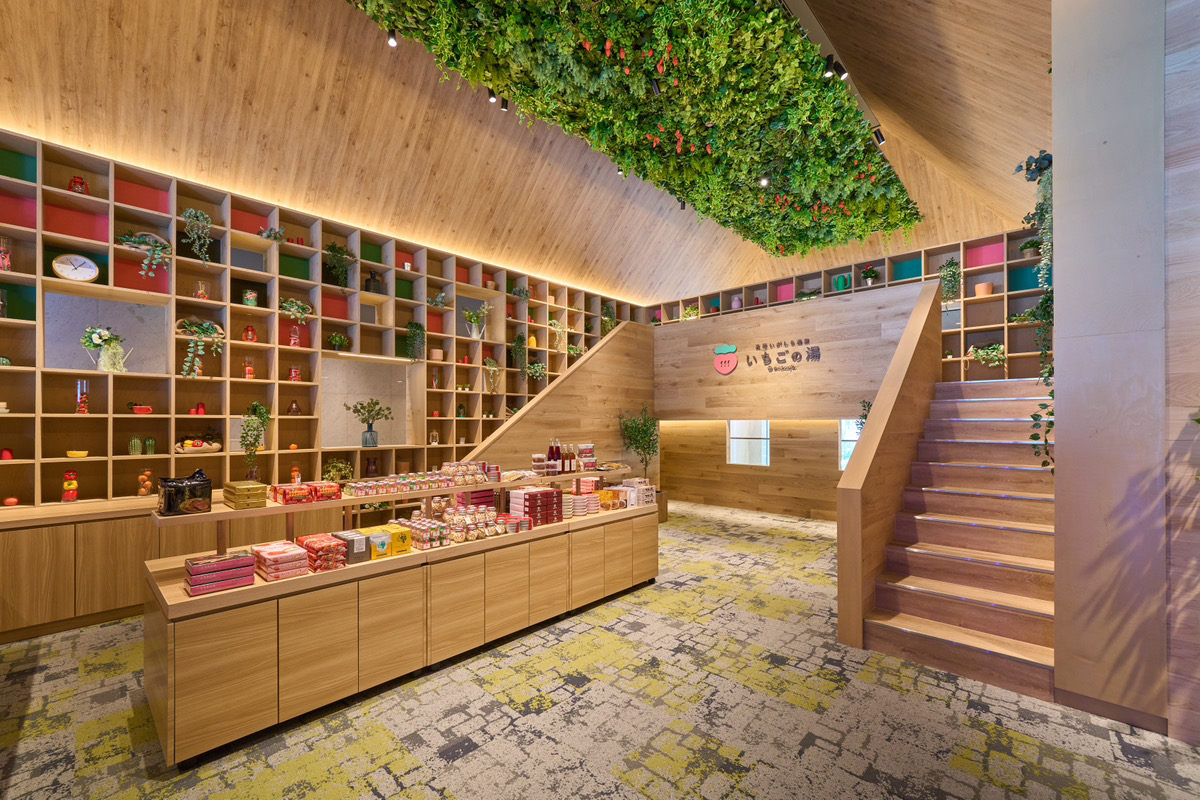
On March 27, 2025, Moka Igashira Onsen reopened after a full renovation under the popular nationwide hot spring brand “Ofuro Café,” rebranding itself as “Moka Igashira Onsen Ofuro Café Ichigo-no-Yu.” This new onsen facility is set to become a top destination for hot spring lovers in the Northern Kanto region. With warm Scandinavian-style wooden interiors, the facility offers both modern design and outstanding comfort. Visitors can relax in the hot springs and also enjoy a wide variety of unique services. The on-site restaurant serves mouthwatering dishes that are sure to leave you wanting more. For your next hot spring getaway in Japan, consider a visit to Moka City and experience this newly reimagined onsen retreat.

Nikko kaido Oshu kaido TOCHIGI
Steam Locomotive Taiju

Steam Locomotive Taiju

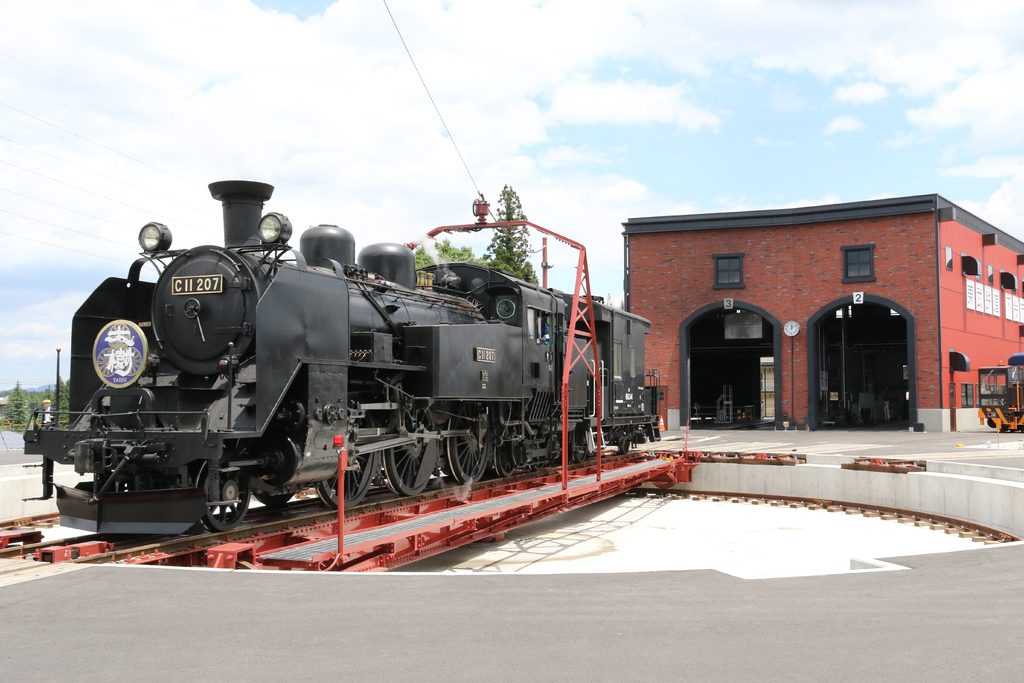
This steam locomotive, called “Taiju”, has been operating since August 2017. “Taiju” is also known as the other name of the Tokugawa Shogun, who is enshrined at Nikko Toshogu Shrine. Tobu Railway, with its network from the Asakusa area in Tokyo to this Kinugawa Onsen area, was once called one of the biggest “kingdoms of steam locomotives”, as it used to operate as many as 85 steam locomotives mainly for forwarding freight. How about enjoying a ride on Taiju on the way to your sightseeing destination? All seats on the Taiju are reserved and can be purchased at Tobu Tourist Information Center Asakusa on the first floor of Asakusa Station, website,or Tobu Railway Line Stations. Shimoimaichi Station and Kinugawa Onsen Station are equipped with railway turntables where you can enjoy watching a dynamic steam locomotive in front of you!

Nikko kaido Oshu kaido TOCHIGI
Tochigi Float Festival(Tochigi Autumn Festival)

Tochigi Float Festival(Tochigi Autumn Festival)

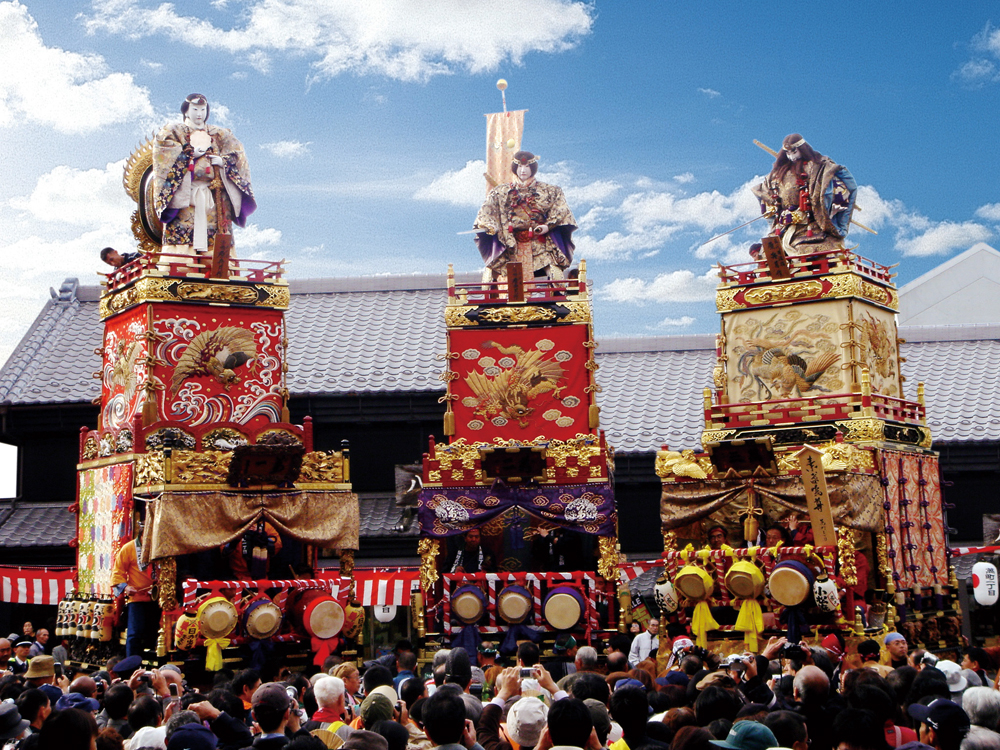
An autumn festival in Tochigi city held biennially. Lavishly decorated in detailed carvings, festive floats carrying figurines of deities and historical heroes are paraded through the streets.   For the many tourists coming from outside the region, special rail services from Tokyo are operated on the day of the festival. You can also visit an exhibition about the festival at the “Dashi Kaikan” (float museum) at any time of the year.

Nikko kaido Oshu kaido TOCHIGI
KINUGAWA KANAYA HOTEL

KINUGAWA KANAYA HOTEL

Kinugawa Kanaya Hotel is John Kanaya’s beloved villa in the valley. This hotel embodies the style and atmosphere he sought: the spirit of hospitality and aesthetically refined dandyism. At the hotel, you can enjoy a modern, refined, and comfortable space that adds color to your everyday life, as well as the hospitality of the hotel staff. This is a place where you can spend time just for you and your someone special while enjoying the natural beauty created by the stream of the Kinu River and the untouched valley. Some guestrooms include a hot spring tub. If you plan to try a Japanese hot spring for the first time, these rooms may make you feel more comfortable. 【About the hot spring】 Water color: clear Spring water type: simple alkaline spring water Efficacy: alleviates nerve pains, sprains, sore muscles, sleeplessness, etc. Note: Kinugawa hot spring has a long history; it was discovered over 300 years ago, and only high-ranking people such as daimyo and monks could bathe here back then.

Oshu kaido Nikko kaido TOCHIGI
Yaitashi Shironoyu Yasuraginosato

Yaitashi Shironoyu Yasuraginosato

This day-trip hot spring facility is located at the foot of Kawasaki Castle Ruins. Abundant hot water gushes from the spring, and guests can unwind in the spacious open-air and public baths. At the regular open-air bath, guests can also enjoy various seasonal bath variations, including the "iris leaves bath", "apple bath", and "lemon bath". There is a campsite and a mountain bike track on the premises, and fat bikes (bicyles with thick tires for mountain trails) are also available for rental. After an active day, visitors can relax in the hot spring.

Nikko kaido Oshu kaido TOCHIGI
Shirasagi Shrine

Shirasagi Shrine

The Shirasagi Shrine enshrines Yamato Takeru, the son of the Emperor Keiko the 12th emperor of Japan who was enshrined in 783.During those ancient days, Yamato Takeru carried the sword Kusanagi and travelled throughout Japan, leading the country to peace. Legend says that as a result, his soul turned into a swan and he continues to protect peace still.The shrine is also home to Japan's largest votive picture at a width of 8m and a height of 4m, which is known a votive picture which grants wishes and bestows happiness."

Nikko kaido Oshu kaido TOCHIGI
Shimotsuke Fudoki-no-Oka Museum

Shimotsuke Fudoki-no-Oka Museum

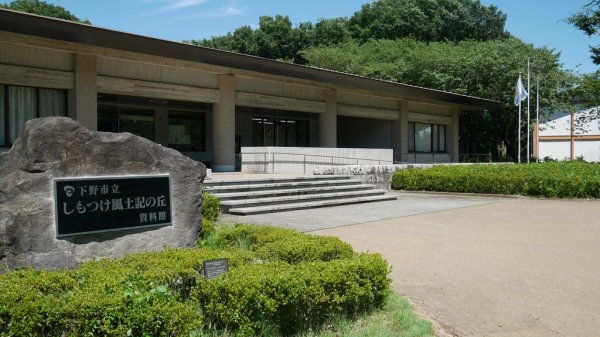
This museum displays artefacts excavated from the adjoining sites such as the National Historic Site-designated Shimotsuke Kokubun-ji Temple Remains and Amadera Ruins, and the Tochigi Prefecture Historic Site-designated Maruzuka Kofun and Atagozuka Kofun. The artefacts on display range from the Kofun period to the Nara period. Many ancient burial mounds, temple and provincial office ruins, and other sites connected to the prefecture's history and culture can be found in the area around the museum. The museum presents the history of Shimotsuke City from a variety of viewpoints, including government administration and the lives of everyday people in the distant past, the relationship between the region and more central areas of Japan, and the development of civil engineering and construction technologies."

Nikko kaido Oshu kaido TOCHIGI
Kirifuri Falls

Kirifuri Falls

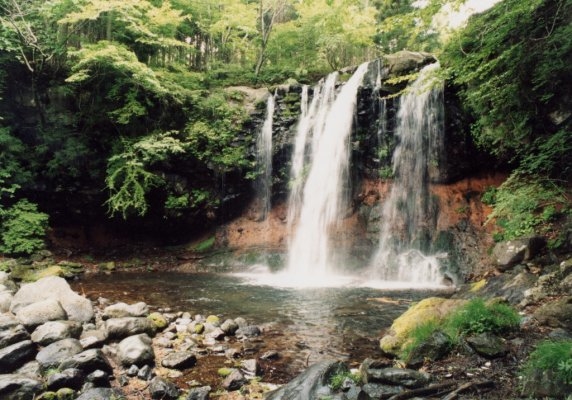
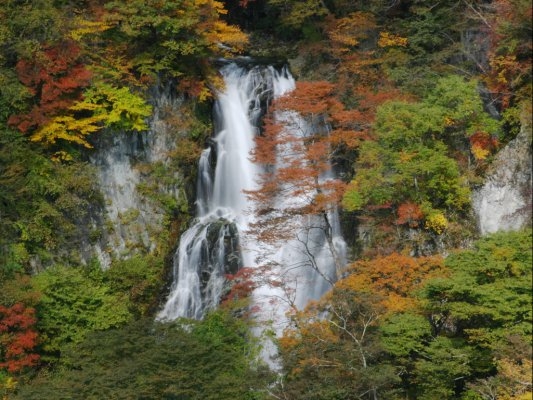
Kirifuri Waterfall is an impressive, two-tiered waterfall located below the Kirifuri Highlands. The upper being 25 meters, and the lower being 26 meters with a total length of 75 meters. The waterfall is split into two upper and lower stages, it is called Kirifuri because of the fact that when the lower stage hits the rocks the water scatters into fog (the characters in the waterfall's name "kiri" means "fog" in Japanese and "furi" means to fall. ) The surrounding nature blends together with the scenery gracefully, and this magnificent view was captured by Katsushika Hokusai in a representative Edo-era ukiyo-e (wood block print). Upstream of Kirifuri Falls, there is a little-known spot known as "Kirifuri Kakure Santaki" or The Three Hidden Waterfalls of Kirifuri. It is about 10 meters high, but there is the powerful "Choji no Taki", and “Tamasudare no Taki”."

Nikko kaido Oshu kaido TOCHIGI
Nakagawa-machi Bato Hiroshige Museum of Art (Batoh)

Nakagawa-machi Bato Hiroshige Museum of Art (Batoh)

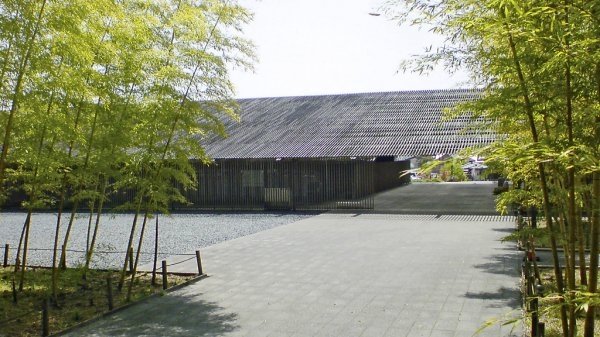
A museum dedicated to the works of Hiroshige Utagawa, an Ukiyo-e artist of the Edo period. You can get a glimpse of Japanese culture of the 19th century through his original drawings and Hanga (woodblock prints). The entire museum is made of local cedar and washi (handcrafted paper) designed by the global architect, Kengo Kuma, with a concept of “the traditional and serene appearance that expresses the artistry and tradition of Hiroshige”. Many visitors also come here to study design.

Nikko kaido Oshu kaido TOCHIGI