Greater Tokyo

See & Do

reset
Mt. Kongo Fire-walking Sadhana

Mt. Kongo Fire-walking Sadhana

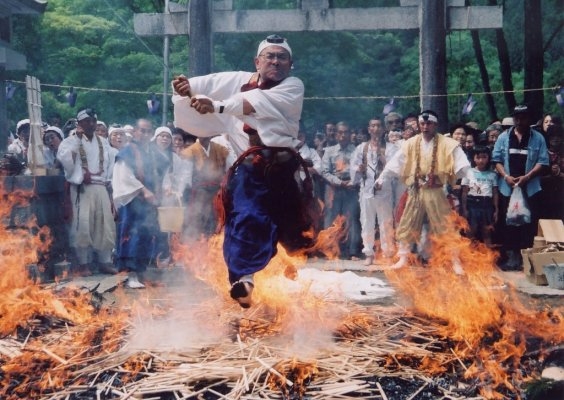
At Mt. Kongo Zuihoji Temple in Furumine, the "Fire-Walking Sadhana Festival" is held on the last Sunday on May, for burning away afflictions, warding off bad luck, and praying for family safety. The ceremony begins with the sound of a shugenja (mountain ascetic) blowing a trumpet shell, followed by the performance of the axe, bow, and sword, and then the flames of the goma are extinguished.   While sutra chanting echoes, shugenjas and participants walk barefoot on the path, praying for protection from bad luck, safety in the home, and the fulfillment of various wishes.   After the ceremony, shugenjas would share tributes (like deserts, sake) with people, which means sharing happiness with each others.  

Nikko kaido Oshu kaido TOCHIGI
Isoyama Shrine Hydrangea Festival

Isoyama Shrine Hydrangea Festival

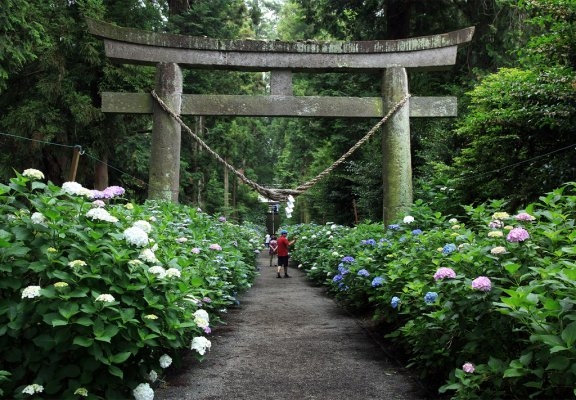
Isoyama Shrine in Kanuma City is a historic shrine that received a Goshuin (red seal) from the Tokugawa Shogunate, and is now known as one of the best known hydrangea viewing spots in the northern Kanto region.   The shrine is also known as one of the best places for viewing hydrangeas in the northern Kanto region. The 2,500 hydrangeas of 28 varieties planted along the approach to the shrine and around the shrine pavilions are in full bloom, creating a wonderful contrast with the green of the cedar trees. During the festival, from 6:00 p.m. to 8:00 p.m., lanterns are lit, and the hydrangeas reflected in the pale light create an ethereal atmosphere.   A "Chinoawa" or "ring of thatch," which is said to bring good health to those who pass through it, will also be set up.

Oshu kaido Nikko kaido TOCHIGI
Moka Summer Festival “Kojin Festival”

Moka Summer Festival “Kojin Festival”

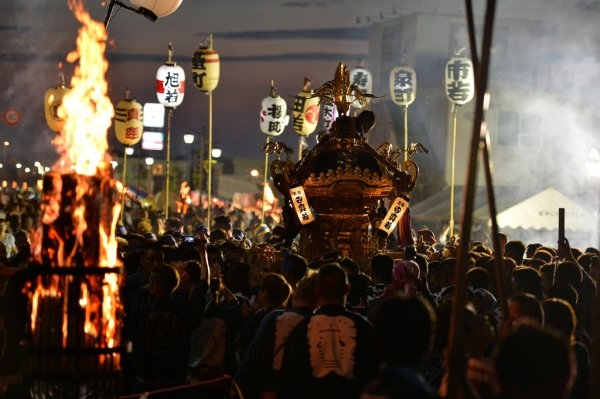
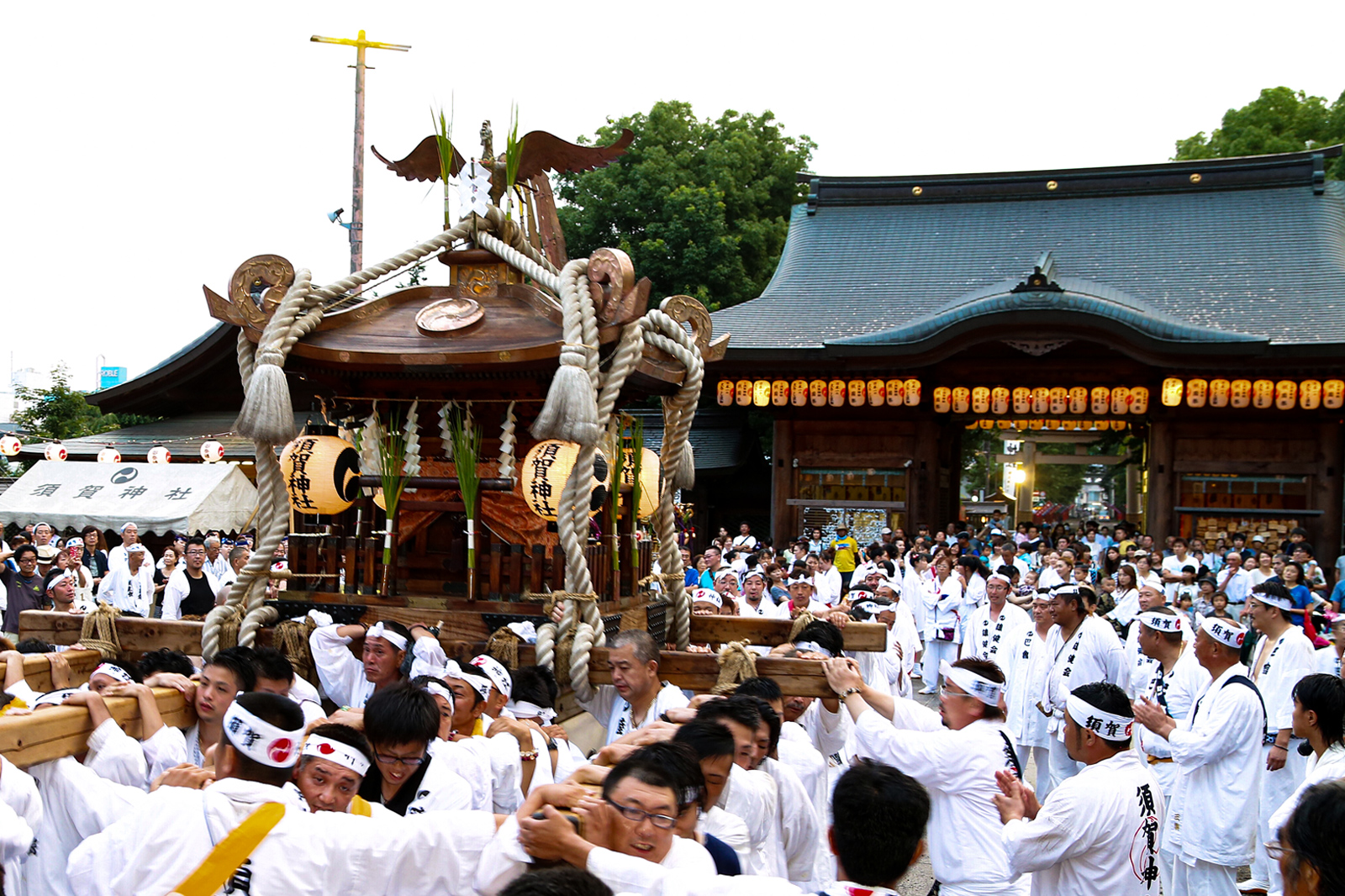
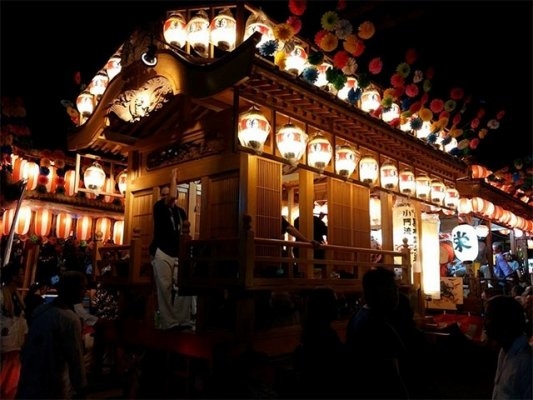
The "Moka Summer Festival," the largest event in Moka City, will be held for three days on late July. More than 20 portable shrines and floats gather together at the festival square, where you can feel the enthusiasm of the festival goers.   On the first day of the festival, "Degyo-matsuri," or the "departure from the shrine," is held at Omae Shrine.Many festival-goers participate in the Degyo-matsuri to pray for the safety of the procession of portable shrines and stalls, a good harvest, the eradication of disease, and the development of industry. After the Degyo-Dashi, "Machiawase" is held, in which the portable shrines are carried across each town council, and the head mikoshi parades through the city.   On the second day, "Festival Plaza" will be held and the city center will become a pedestrian zone. approximately 20,000 fireworks will color the night sky, and "Mikoshi Kawatogo (carried mikoshi to cross the river)" would be held on Gogyo River.

Nikko kaido Oshu kaido TOCHIGI
Moka Lantern Festival

Moka Lantern Festival

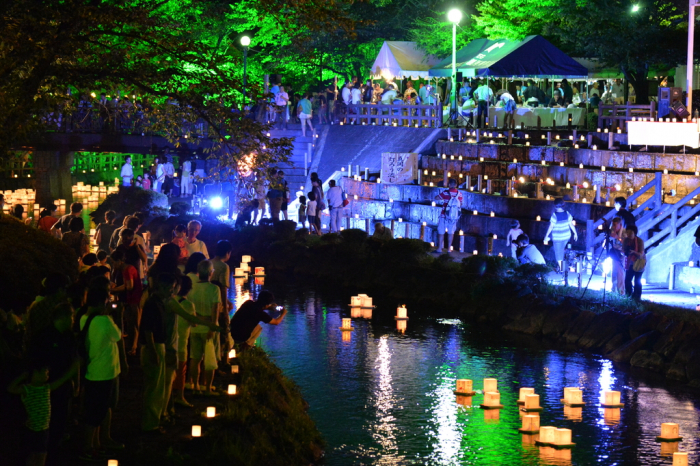
The Moka Lantern Festival is held every year on August 15 at Gyokuya River Waterfront Park. The trees in the park are lit up, creating a fantastic atmosphere. On the stage, a concert will be held to bring back memories of the past. 3,500 lanterns floating on the surface of the river like scattered jewels will give you a sense of peace. We suggest that buy your lantern before the event begins. (Â¥600/a lantern) In addition, local restaurants will set up booths at the plaza, where you are welcome to enjoy food and drink as well as lantern viewing. Traffic Control 17:30~21:30 Parking Area Moka City Hall, Ashikaga Bank, Joyo Bank and Four Season Seifu, please check more informations on website.

Nikko kaido Oshu kaido TOCHIGI
Musha Festival

Musha Festival

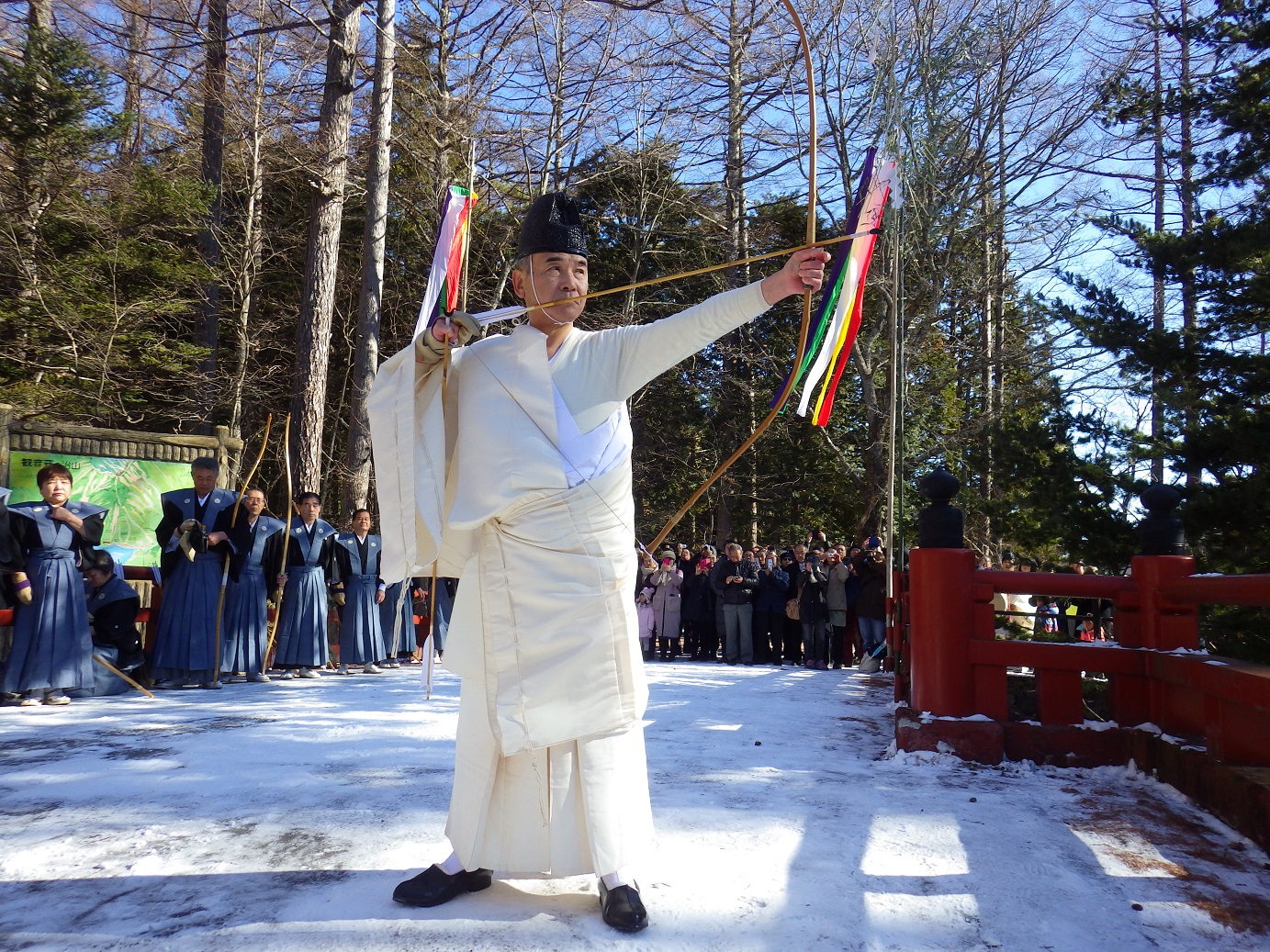
On January 4 each year, the Musha Festival, an annual Shinto ritual in which arrows are shot toward Mount Akagi, is held at Futarasan Shrine's Chugu Shrine on the shore of Lake Chuzenji. It is based on a legend of Gods warfare, and is a tradition that has continued since the Muromachi period.   In the legend of the Gods battle, the deity of Mount Nantai in Nikko changed himself into a "giant snake," and the deity of Mount Akagi in Gunma changed into a "giant centipede" and fought over at Senjogahara. It is said that the deity of Mount Nantai won the warfare.   In accordance with the legend, the Guji (head of priests) stands on the Kamishimbashi and releases the first arrow, with a shout of "Ya" as a cold wind blows, followed by the priests and archers dressed in kariginu, who shoot arrows one after another in the direction of Mount Akagi in this heroic ritual.

Nikko kaido Oshu kaido TOCHIGI
Rinnoji Temple’s Gohan-shiki (rice-forcing) Festival

Rinnoji Temple’s Gohan-shiki (rice-forcing) Festival

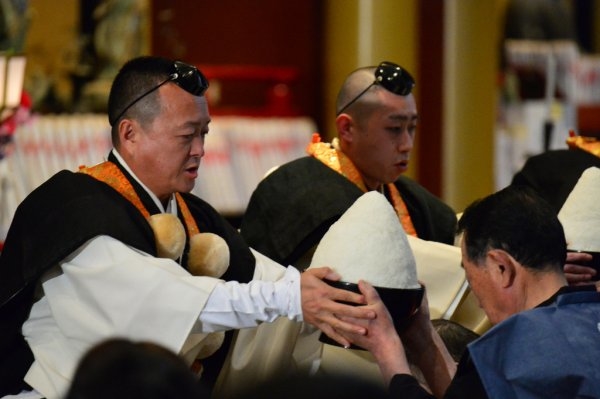
A Dramatic Ceremony Draws Laughter and Gasps The Gohan-shiki is a unique ceremony that has been handed down only in Nikko area. Nikko was opened as a sacred mountain for the syncretization of Shintoism and Buddhism, and mountain asceticism by mountain ascetics flourished, with the ascetics bringing back offerings made to the main deity in the mountain and sharing them with people in the village.   The entire ceremony consists of approximately three parts: the "Santen Gogyo Ku" and "Saito Daima Gomaku," the "Gohan Gonyo Ceremony," and the "Garamaki".   After the "Santen Gogyo Ku" and "Saito Daima Gomaku,"the hall becomes bright, the recipients line up on the platform, and the "ceremony of receiving rice with strength" begins. The ceremony proceeds in the following order: "Gojinshu (sacred wine)," "Prayer," "Gohan (rice)," "Naseen (rice dishes)," "Kinko (food)," and "Koyo (offering). One of the most spectacular parts of the ceremony is when a monk dressed in a mountain priest costume presents three heaping piles of rice to a kamishimo-dressed recipient, who is told to "eat 75 bowls of rice without leaving any leftovers". The comical sight of the recipient being forced to eat the rice and having it placed on his head is sure to draw laughter from the audience.   After successfully completing this ceremony, the recipients will conclude the ceremony by sowing the blessings they have received in the ceremony to the general public, in accordance with the Buddhist teaching of "not keeping the blessings for oneself but sharing them with others.   In the Edo period, only feudal lords of 100,000 koku or more could serve as a recipient, and the Tokugawa shoguns and other famous feudal lords from all over the country were named as recipient as an "honor for my clan".

Nikko kaido Oshu kaido TOCHIGI
Shinonome Flower Festival

Shinonome Flower Festival

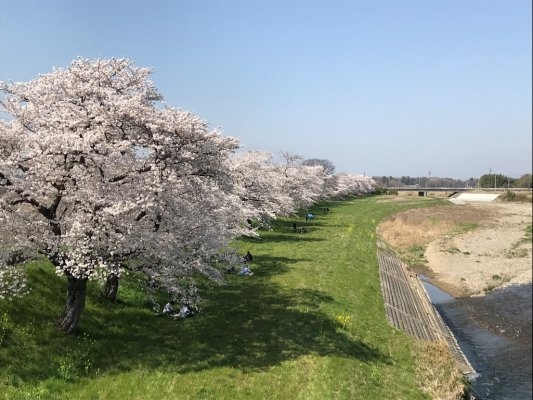
"Shinonome Flower Festival" is held at Shinonome Park from late March to early April. The sight of approximately 250 cherry trees lined up along both banks of the Kurokawa River all blooming at once is spectacular.   From the Shinonome Sakura Bridge, which is located in the park and connects the east and west banks of the Kurokawa River, visitors can enjoy a magnificent view of Mt. Nantai and blooming cherry trees. the Shinonome Sakuradai on both banks of the Kurokawa River is one of the 100 most scenic spots in Tochigi.   The nearby roadside rest stops, the Mibu Exchange Center "Miraikan", the Mibu Toy Museum, and the Toy Town Bandai Museum, also hold a variety of events in conjunction with the Shinonome Flower Festival.  

Nikko kaido Oshu kaido TOCHIGI
Oyama Gion Festival

Oyama Gion Festival

It is said that Suga Shrine was built by a legendary samurai Fujiwara no Hidesato in A.D. 940, and moved to its present location during 1159~1160. The whole shrine is filled with a solemn and serene atmosphere.   In A.D. 1600, before the Battle of Sekigahara, Tokugawa Ieyasu held the famous “Oyama Council” at Suga Shrine and prayed for the victory of the battle. After his victory and the establishment of the Edo Shogunate, Suga Shrine was greatly honored by the Shogunate. In 1658, staff members who had participated in the construction of Nikko Toshogu Shrine, created a miniature version of the Akamikoshi in Toshogu Shrine, which became the pressure of Suga Shrine.   The most important festival of Suga Shrine is "Oyama Gion Festival", on July 14 to 21 every year, 25 mikoshi including one massive one that weighs in at 2 tons are carried through the city.   According to “Shimotsuke Province Choreography(下野国誌)” written in Edo period, Suga Shrine’s “Gion Festival” is the “best Gion Festival in Shimotsuke Province.”   "

Nikko kaido Oshu kaido TOCHIGI
Nasu Yuzen Shrine

Nasu Yuzen Shrine

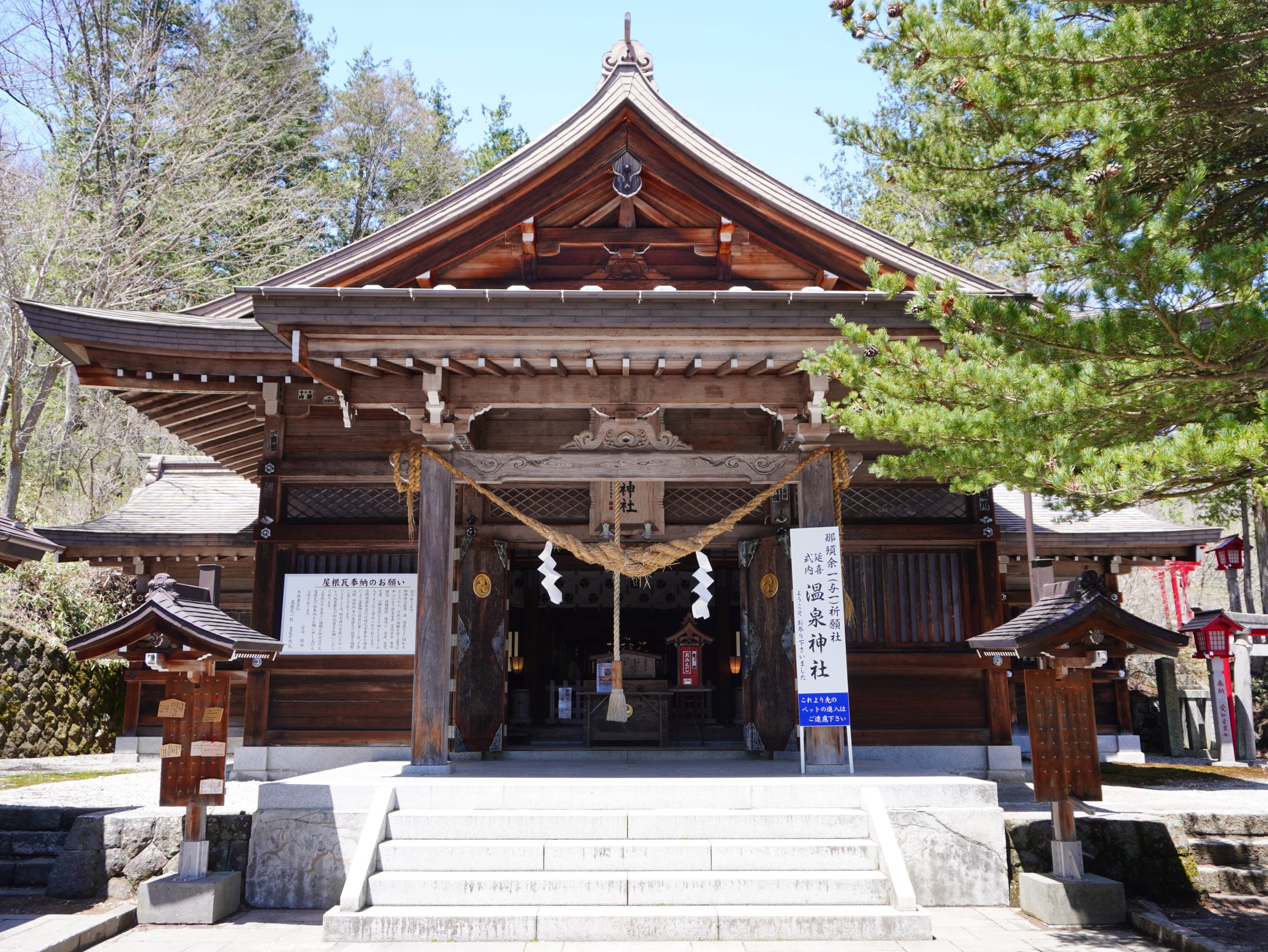
History of Nasu Yuzen Shrine It is said that a hunter named Kano found onsen here when he was trying to hunt a white deer. He built this shrine for thanksgiving. According to an article written in Nara period (A.D 710~794), we can confirm that the shrine already existed during that time.   During the Genpei War in 12th century, an archer called Nasu Yoichi came here to pray for victory over Taira family’s army. He shot down a fan by one arrow that enemy put on the front of their boat when he stood on the ground. It made him became legend and the shrine became very famous for blessing Yoichi. Yoichi donated his bow and arrow to the shrine, which became shrine’s tressure later.   Shrine’s famous festival The most important event of the shrine is the “Dai Festival”, which is held on October 8 and 9 every year. They dedicate onsen to the God, and perform a traditional dance called “Urayasu Dance”.   Then on October 9, people perform another traditional dance called “Ozawa’s Lion Dance,” which is designated as the “Intangible Cultural Property of Nasu Machi” to pray for prosperity.   There is also a famous festival be held on the last weekend of May, the “Nasu Seshosseki Gojinka Festival”. The highlight of the festival is a parade from Yuzen Shrine to Sesshoseki by participants attired in white clothing with torches.

Oshu kaido Nikko kaido TOCHIGI
Mobility Resort Motegi Firework Festival

Mobility Resort Motegi Firework Festival

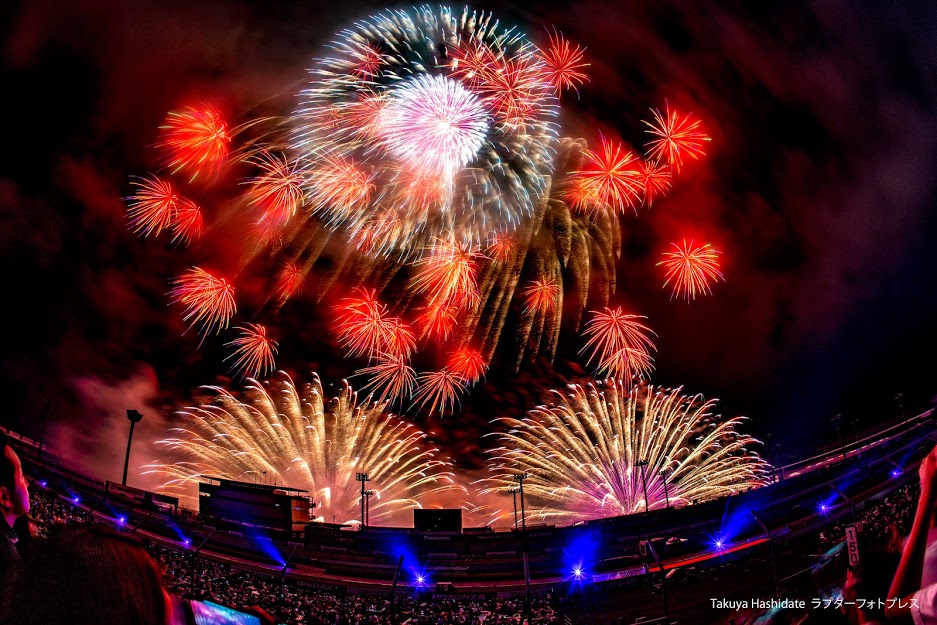
Motorsports theme park “Mobility Resort Motegi” holds the “Mobility Resort Motegi Fireworks Festival” every summer and winter. The fireworks will be accompanied by music, and visitors can enjoy the vibrant fireworks from a close distance, immersing themselves in a feast for both the eyes and the ears. Mobility Resort Motegi has a variety of amusement facilities, restaurants, and other facilities that can keep you played all day long. Please refer to the official website for more information on ticket sales for the fireworks festival.

Nikko kaido Oshu kaido TOCHIGI
Mashiko Gion Festival

Mashiko Gion Festival

Mashiko Gion Festival began in 1705, when an epidemic of infectious diseases killed many people and pests infested crops, people pray to Tenno for illnesses and harvest. Five towns take turns organizing the festival. The organizer sets up a mikoya and carries the mikoshi out of the shrine for the first day and last day of the festival. On the second day of the festival, a traditional event call “Sake Topping Festival(Omiki Cho-dai Shiki)” is held on organizer’s town. Male worshippers in formal kimonos drink hot sake under the scorching heat to pray for a good harvest and health. After the organizer side finished their drinks, 10 men from next organize town also need to challenge it. This festival is one of the “Top 3 Strange Festivals of Kanto Area”. Also, on the first night of the festival, people will set off Tezutsu-hanabi with majestic yells is breathtaking.

Nikko kaido Oshu kaido TOCHIGI
Yasaka Festival (Tenno Festival)

Yasaka Festival (Tenno Festival)

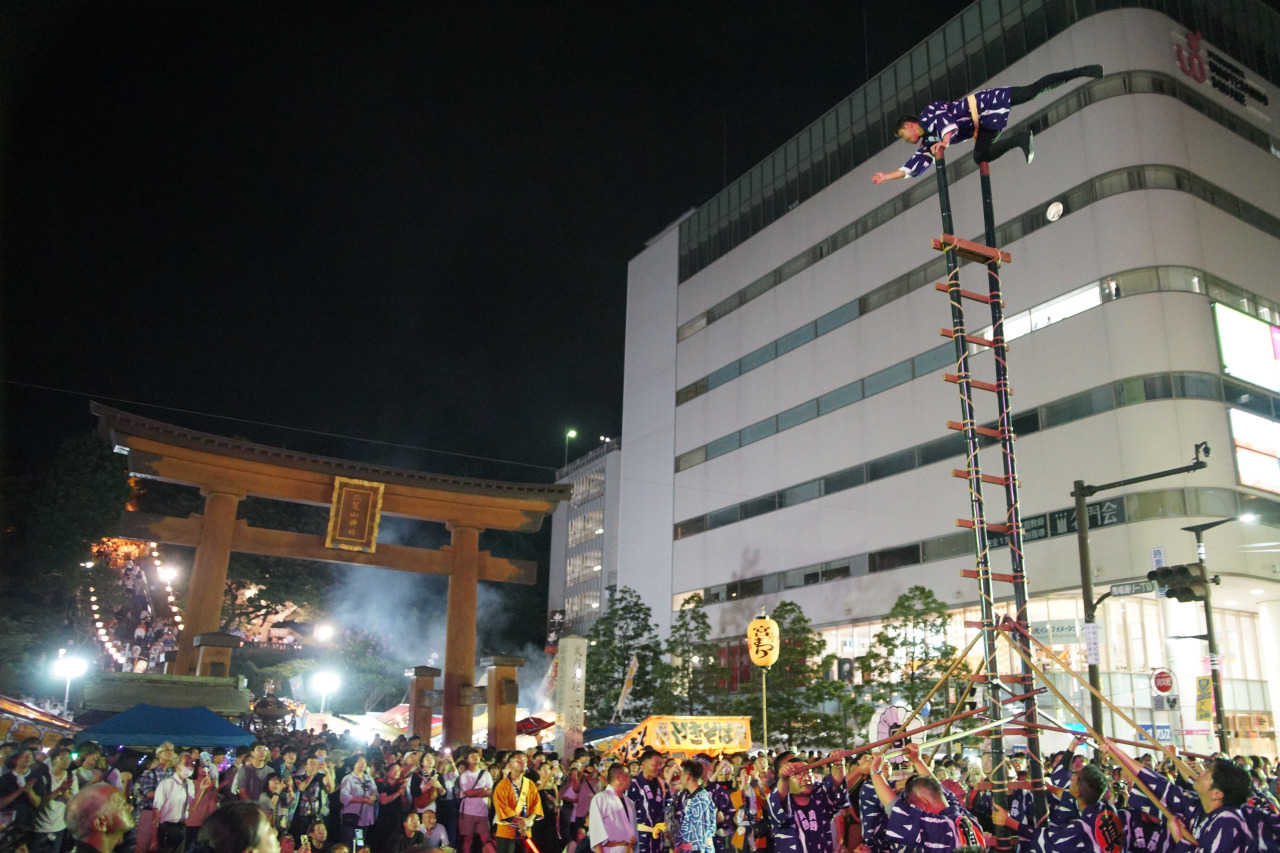
The Yasaka Festival, or more commonly as the Tenno Festival, is a festival held at Okoto Shrine where people go to pray for good health and to prevent the spread of illnesses during the summer.   Participants in the festival carry and parade a portable shrine called the “Great Tenno-sama,” which weighs approximately 1 ton.   Highlights of the festival include over ten stunning floats and mikoshi parading through the town, streets lined with stalls selling delicious food and unique crafts, and a grand gathering on the second night of the festival after 8PM. Here, all the mikoshi and floats come together for a spectacular display of traditional music and energetic performances.

Nikko kaido Oshu kaido TOCHIGI
Setsubun Armor Year-cross in Ashikaga

Setsubun Armor Year-cross in Ashikaga

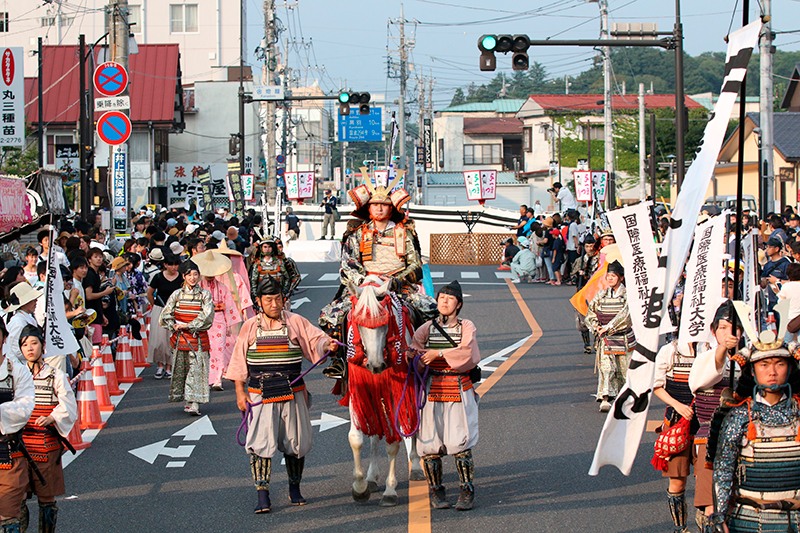
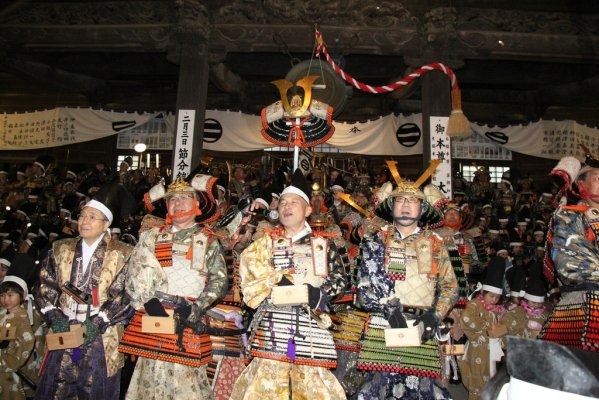
What is Setsubun Armor Year-cross? Every year’s February 3 is “Setsubun” festival in Japan, symbolling the end of the winter. On this day, Ashikaga City holds “Armor Year-cross” event, over 200 people would dress as samurai to join the event. The parade walk to Bannaji Temple from Orihime Community Center. People celebrate their victory when they arrived at Bannaji Temple, and pray for city’s prosperity. History of Setsubun Armor Year-cross Back to the Kamakura period about 750 years ago, a powerful samurai called Ashikaga Yasuuji led 500 samurai to assemble at Bannaji Temple, the residence of Ashikaga Family, in order to honor their family. 120 years later, his descendant, Ashikaga Takauji, became the Shougun of Japan and created the Muromachi period. This event was closed in the late Edo and Meiji eras, but in 1915 (Taisho 4) it was restarted by a group of fiber workers. Ashikaga City has samurai armor and kimonos for visitors to try on.

Nikko kaido Oshu kaido TOCHIGI
The Great Wisteria Festival of Ashikaga Flower Park

The Great Wisteria Festival of Ashikaga Flower Park

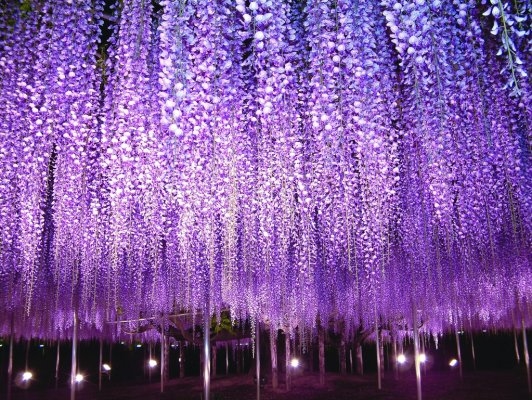
Ashikaga Flower Park was the only spot in Japan that had been selected as “top 10 world Dream destinations” by CNN. The garden holds “The Great Wisteria Festival” from late April to mid-May every year. You can see the Great wisteria over 160 years old which spreads over a 600-tatami trellis area, as well as the 80m-long white wisteria tunnel, the Laburnum tunnel and more than 350 other wisteria trees in full bloom. Various colors of wisteria bloom in order, from pale pink, purple, white, to yellow, which allows you to enjoy all of the wisteria for about one full month. You also can enjoy wisteria in night because the garden would be lighted up during the festival. In 2018, the JR Railway opened JR Ashikaga Flower Park Station, which make visitors to come here easily.

Nikko kaido Oshu kaido TOCHIGI
Utsunomiya Light Rail

Utsunomiya Light Rail

The Utsunomiya Light Rail (LRT) officially opened on August 26, 2023. From JR Utsunomiya Station to Haga-Takanezawa Industrial Areas, this railway connecting important spots in the eastern of the city. The tram has became an indispensable transportation for Utsunomiya’s sightseeing.   LRT’s born The Utsunomiya LRT is the first time in Japan constructed as a new railway line without expanding or improving the existing railway line since 1948.   The LRT is currently running the HU300 model, which is a next-generation tram made by Japan’s advanced technology. There are now 19 stations on the line.   Rides and Tickets LRT accepts IC cards and cash. You can use such as Suica, PASMO and ICOCA cards here. To ride with IC card, just touch your card at the green sensor near the door when you get on the tram, and touch the yellow sensor when you get off.   If you ride with cash, you need to take a ticket at the platform before you boarding the tram, and you only can get off through the front door. Put the ticket and cash into cash box before getting off. The cash box can exchange for coins, but only accept 1,000 yen bill.   Depending on the distance, tickets for adults range from 150 to 400 yen, and 80 to 200 yen for child.

Nikko kaido Oshu kaido TOCHIGI