
Greater Tokyo

See & Do

reset
shiobara viva

shiobara viva

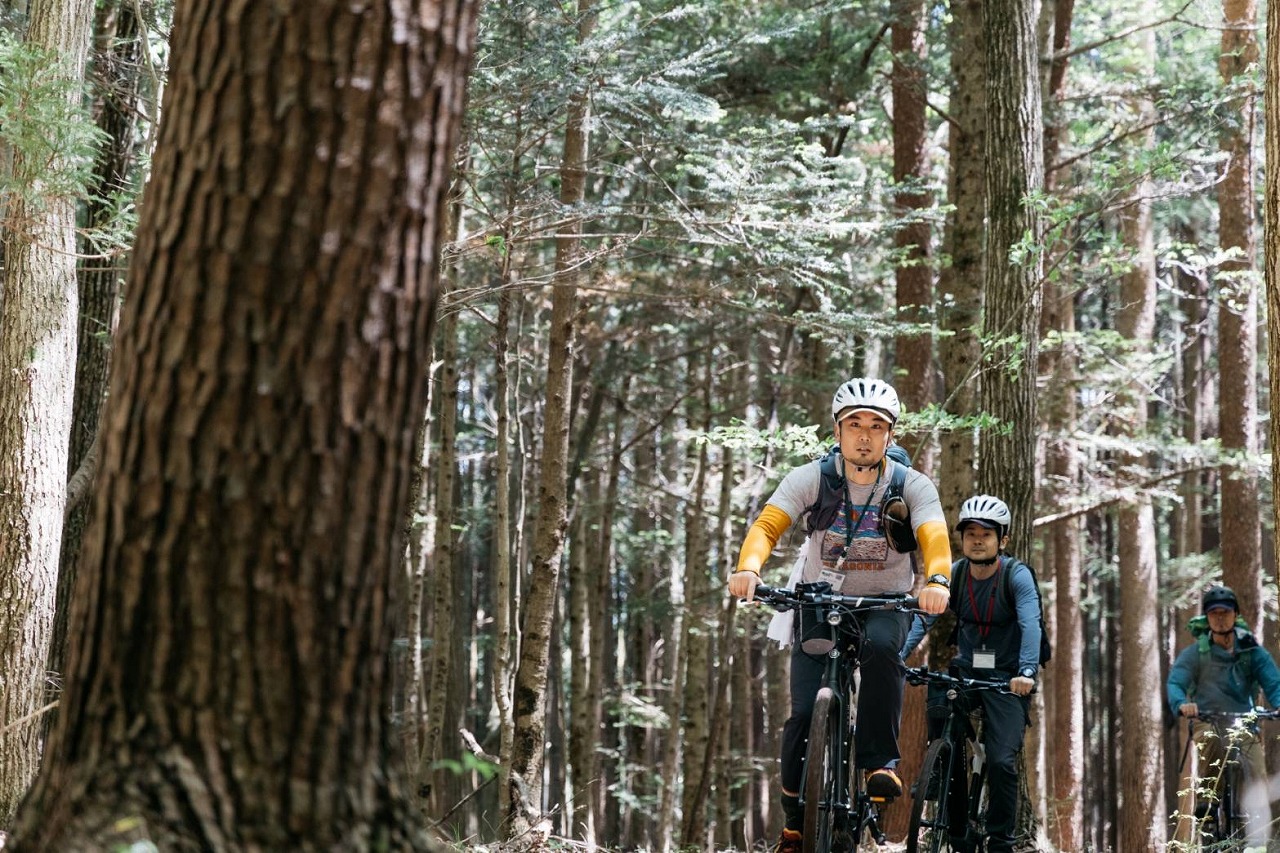
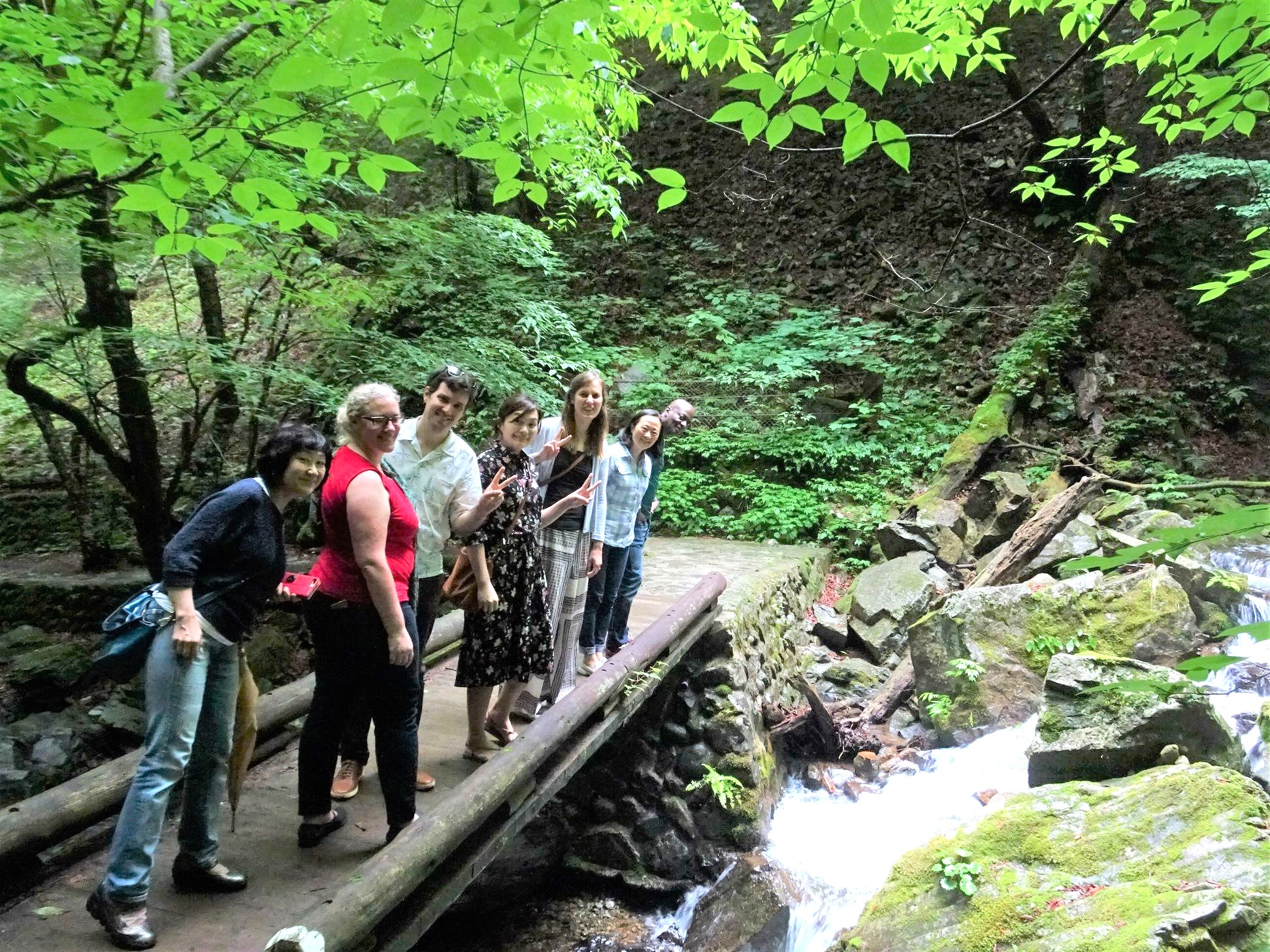
Your Guide, Ann who has traveled to 30 countries,leads a "Satoyama Experience of Healing and Smiles." Tour the mountains, rivers, waterfalls, hot springs, and literary sites of Nasushiobara, experiencing the region's unique stories and natural beauty. Small group sizes ensure beginners and families can participate comfortably.Themes change seasonally, offering farming, Satoyama lunches, snack making, hot springs, and cultural experiences, allowing everyone to enjoy "time connecting people and nature."

Oshu kaido Nikko kaido TOCHIGI
Motegi Showa Museum

Motegi Showa Museum

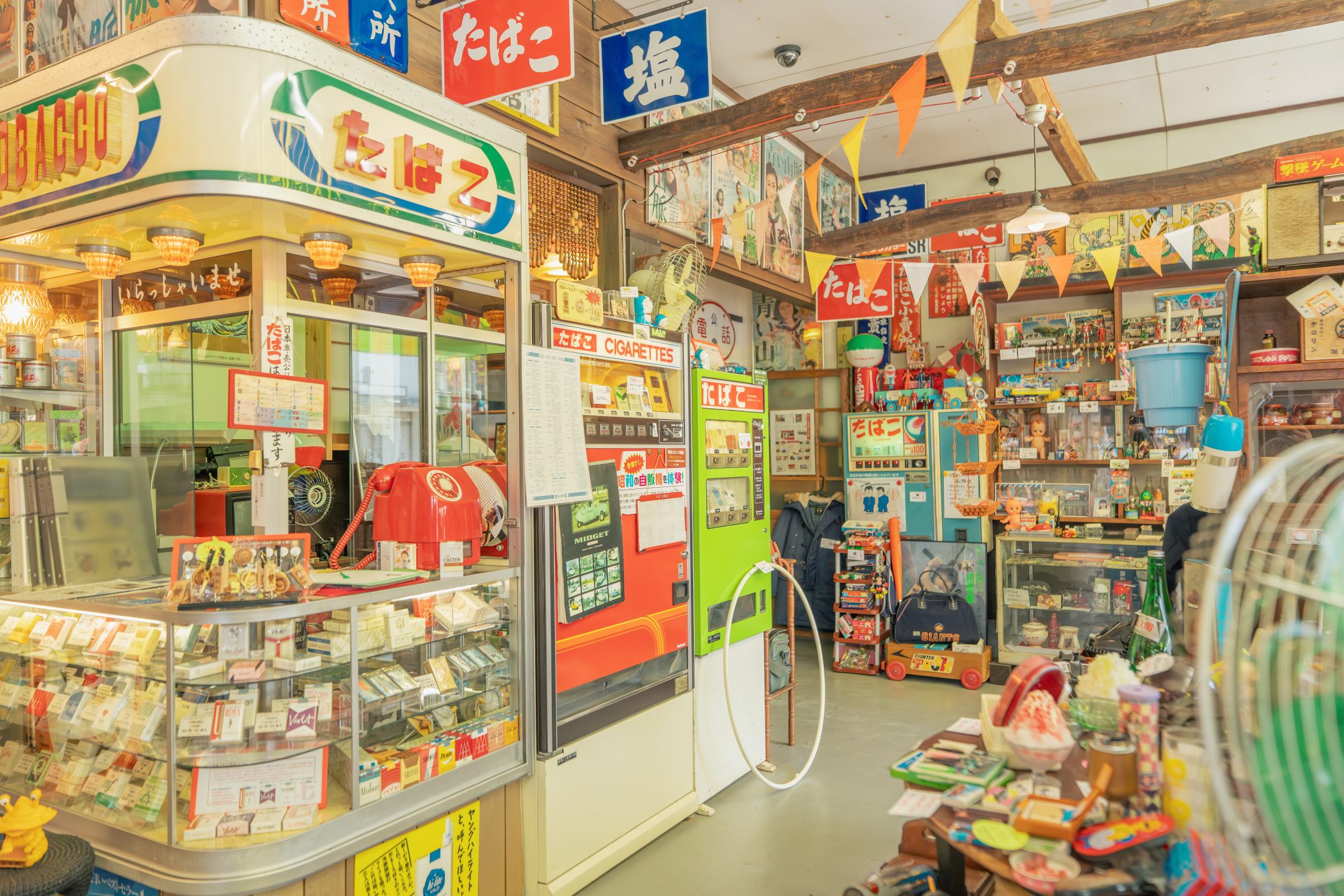
This is a mini theme park with a ""Showa Retro"" theme. Inside, you'll find thousands of retro items densely displayed, including classic enamel signs, old cigarette vending machines, and everyday household goods from the Showa era. The moment you step inside, you'll feel as if you've been transported back in time to the Showa era. Building No. 2 features exhibits of retro stationery and toys, and also has a shop selling dagashi. It's a place that transcends generations, offering a fun experience for young people who find the Showa style refreshingly new, and for older visitors who feel a deep sense of nostalgia. ※ ""Showa Retro"" is a term that refers to the culture, design, and atmosphere of Japan from the 1950s through the 1980s. It is characterized by a nostalgic and warm feeling. This aesthetic is popular across all generations, feeling new and fresh to younger people while evoking a sense of deep nostalgia for the older generation.

Nikko kaido Oshu kaido TOCHIGI
Nantaisan Tohai Kosha Taisai (Mt. Nantai Climbing Festival)

Nantaisan Tohai Kosha Taisai (Mt. Nantai Climbing Festival)

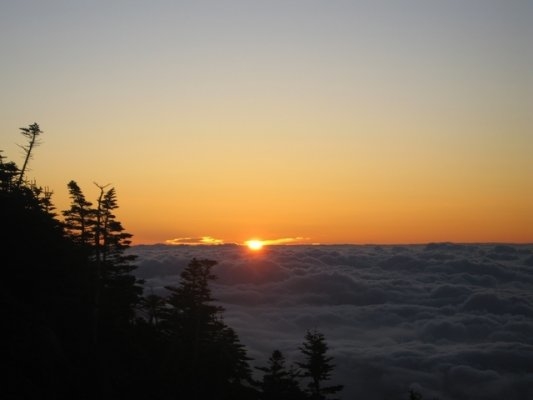
Climbing Mt. Nantai, a Sacred Site in Nikko The Tohai Kosha Taisai is the largest festival of Futarasan Jinja Shrine Chugushi, and has been held continuously for over 1,200 years since the late Nara period. Deeply rooted in the worship of Mt. Nantai, the festival takes place annually from July 31 to August 7. During this period, many visitors climb Mt. Nantai to pay their respects. In addition, pilgrims can climb Mt. Nantai at night during the festival. This allows climbers to reach the summit and witness the sunrise. At the shrine office, participants can receive items such as amulets, climbing certificates, sacred water, and coffee. Every year, around 2,000 climbers gather at night for this event. Before dawn, they set out, reaching the summit at around 4:40 a.m. to witness the rising sun. The sight of the glowing sun emerging from behind the sea of clouds is a truly awe-inspiring spectacle. The festival continues with rituals and ceremonies at the mountaintop.

Nikko kaido Oshu kaido TOCHIGI
Musasabi Bridge

Musasabi Bridge

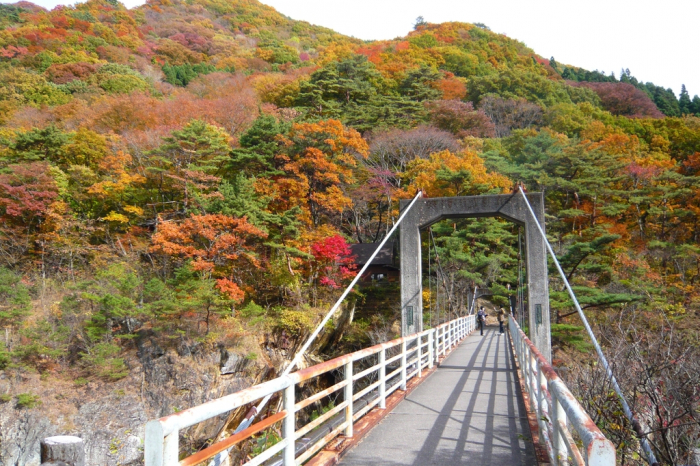
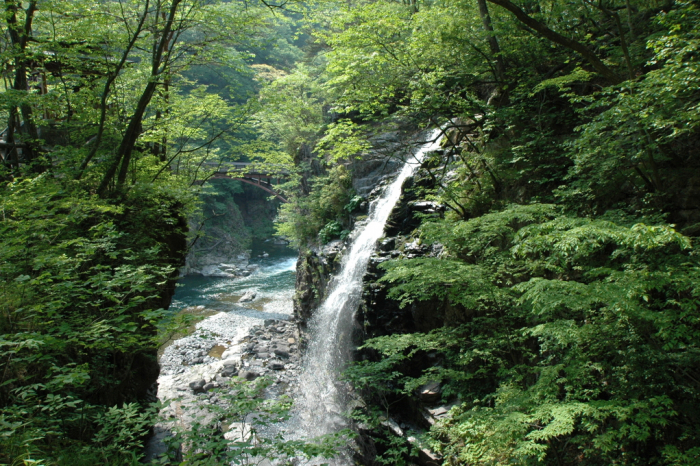
One of the most popular photo spots along the Ryuo Gorge hiking trail Musasabi Bridge is located along the mid-section of the Ryuo Gorge hiking trail in Nikko National Park, and is one of the suspension bridges connecting both sides of the gorge. The geology here belongs to “Hakuryu Gorge,” with the valley below the bridge formed of rhyolite. On both sides lies a well-preserved wetland ecosystem, where skunk cabbage blooms in spring, and in summer visitors can observe the rare forest green tree frog. Compared with Nijimi Bridge at the starting point, the area around Musasabi Bridge feels quieter and closer to nature. Standing on the bridge, away from the crowds, you can listen to the murmuring flow of the Kinugawa River and the rustling of leaves in the breeze—a perfect spot to calm your mind during the hike. Continuing upward from here, you can reach the Seiryu Gorge section, known for its unique rock formations, and enjoy many famous geological sights. It is a hiking journey that combines nature, geology, and tranquil moments.

Nikko kaido Oshu kaido TOCHIGI
Furukawa Ashio History Museum

Furukawa Ashio History Museum

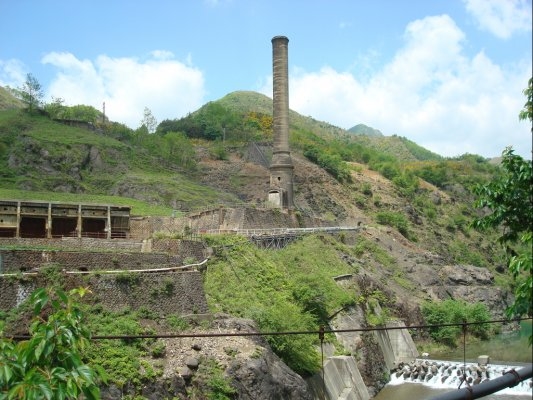
Overview of the Furukawa Ashio History Museum Ashio Copper Mine is one of the most important copper-producing sites in Japanese history. Discovered during the Sengoku period (1550), it was later mined under the direct control of the Edo shogunate. It once served as an essential source of material for Kan’ei Tsūhō, the currency of the time. As output later declined, the mine was taken over by the Furukawa family during the Meiji period. Due to advances in technology, new ore veins were found, and under the then national policy of enriching the country and strengthening the military, the mine prospered, making the Furukawa family magnates of the mining industry.   The Furukawa Ashio History Museum tells the stirring story of that industrial dawn. In addition to models of the Ashio Mining Office and stories of successive managers, it also exhibits the various tools used by miners in those days, recounting the history of the Ashio area.

Nikko kaido Oshu kaido TOCHIGI
Kashima Jinja Shrine

Kashima Jinja Shrine

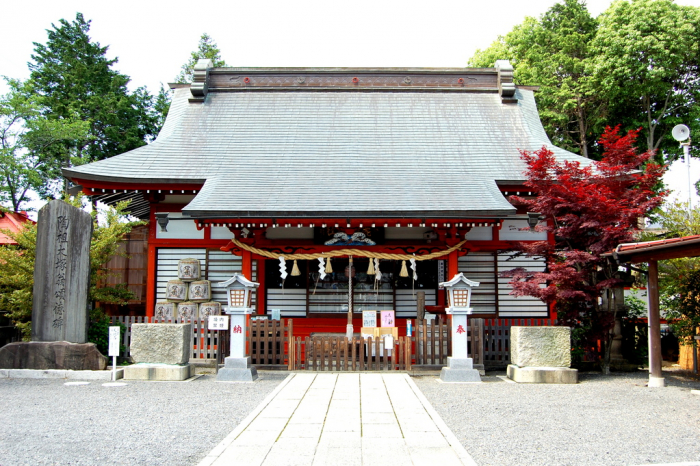
Founded in 845, Kashima Jinja Shrine in Mashiko Town has long been a spiritual center of worship. The enshrined deity is Takemikazuchi-no-kami, the god of war in Japanese mythology, symbolizing victory and courage. Students, athletes, and business leaders from across Japan visit the shrine to pray for success, with the phrase "victory is certain" closely tied to its faith. The current main hall was rebuilt in 1927, and the grounds are surrounded by ancient trees that create a solemn atmosphere. Every summer, the shrine hosts a grand annual festival, which includes one of the Three Great Rare Festivals of Eastern Japan, the Mikeshaku Choudai-shiki. In this ritual, young men from the district of Mashiko Town whose turn it is for that year must join together to drink 6.5 liters of heated sake, praying for peace, health, and good fortune.

Nikko kaido Oshu kaido TOCHIGI
Izuru Soba

Izuru Soba

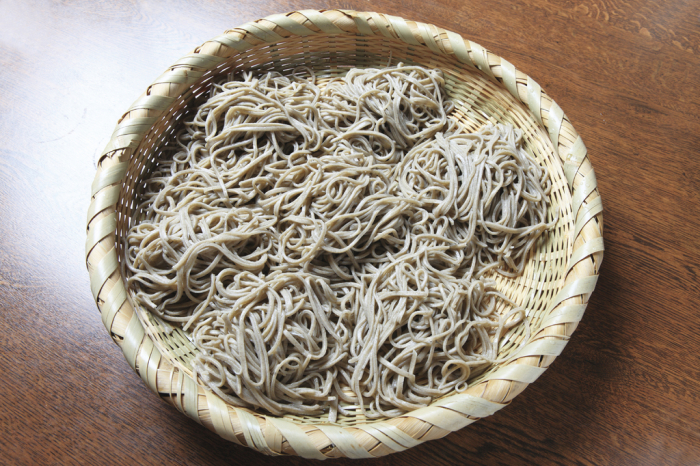
Hand-ground stone-milled soba noodles – savor the history and flavors of Manganji Temple Izuru Soba originates from Tochigi City’s historic “Izuru Manganji Temple.” In the past, soba was made by temple parishioners and locals as an offering, and it gradually became a well-known local delicacy. Along the Izuru Kaido Road, many soba shops and guesthouses line the route, allowing visitors to enjoy natural scenery while savoring freshly ground stone-milled soba noodles. The Izuru area also promotes “Tochigi Edo Cuisine,” offering not only traditional zaru soba but also unique creations such as white soba, soba flour sweets, and the specialty “Koedo Soba Kaiseki.” This is not only a culinary experience but also a cultural journey that blends history, faith, and gastronomy.

Oshu kaido Nikko kaido TOCHIGI
Akataki Falls

Akataki Falls

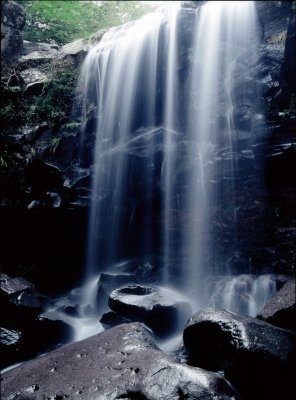
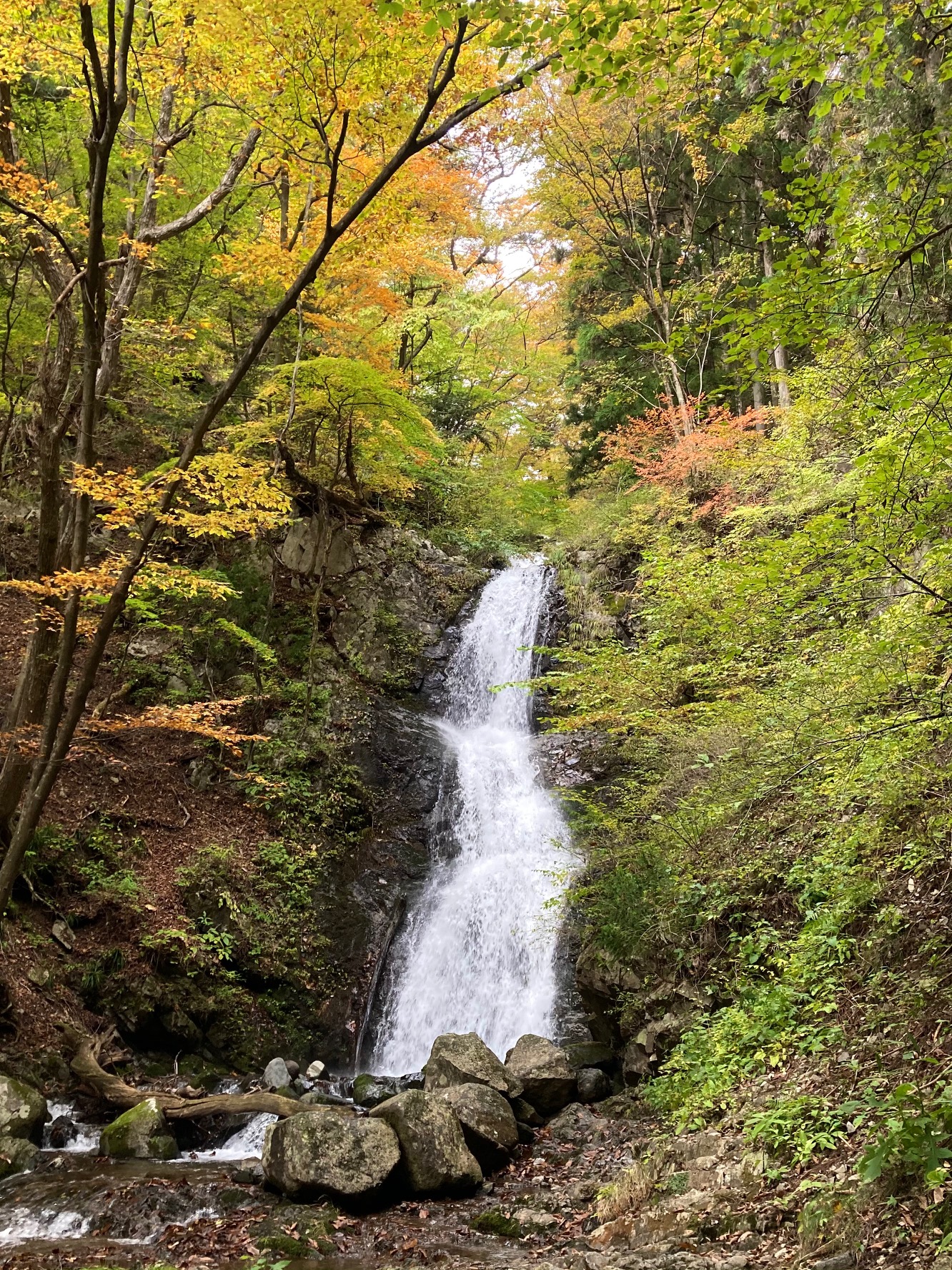
One of Yaita City’s Top 10 Waterside Scenic Spots — a quiet spot steeped in legend and devotion Located in the mountains of Yaita City, Akataki Falls is named for the reddish hue of the rock wall over which its waters cascade. The unusual landscape has long drawn attention. Since ancient times, this area has been considered a sacred site for ascetic waterfall training, giving the place a spiritual, shrine-like atmosphere. Akataki Falls is also listed among “Yaita City’s Top 10 Scenic Waterfalls.” Throughout the seasons, the emerald greenery, flowing water, and falling mist create picturesque, scroll-like scenery. This spot is also a hidden gem loved by photography enthusiasts and travelers seeking healing. It is said that Tetsuya Funamura, a composer born in the neighboring Shioya Town, often visited here during his childhood, leaving him with deep memories. On the way to the falls, visitors pass by a giant fir tree and a small shrine, making the trail itself a spiritual walking journey. Whether you come seeking the mystical power of the sacred site, or simply to enjoy the peaceful scenery, Akataki Falls is a memorable destination not to be missed.

Nikko kaido Oshu kaido TOCHIGI
Tochibiyori Store

Tochibiyori Store

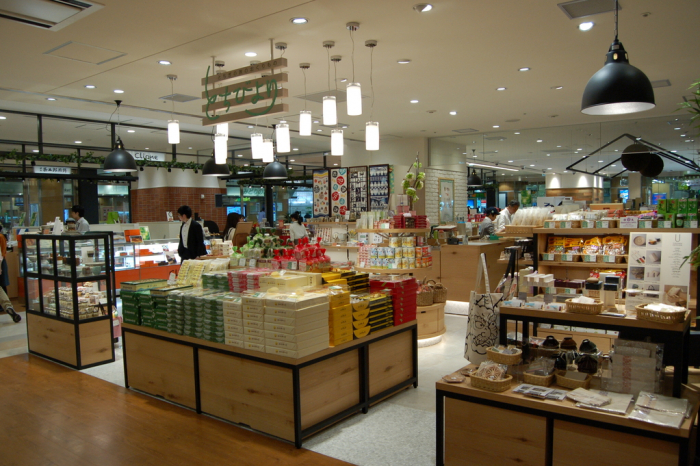
From Confections to Crafts, the Best Selection of Tochigi’s Local Goods All in One PlaceThe Tochibiyori Store is a local specialty shop directly managed by the Tochigi Prefecture Tourism and Local Products Association. It is located on the 2nd floor of the JR Utsunomiya Station building, PASEO, within Tochigi Grand Marché. Conveniently situated right by the station, it is the perfect place to pick up souvenirs and gifts before heading off. The store offers a wide range of Tochigi’s signature products, such as confectioneries made with fresh local fruits, including Tochigi strawberries, as well as yokan (sweet bean jelly), Nikko yuba (tofu skin), local sake, pickled vegetables, and more. Visitors can also find Mashiko ware pottery and other traditional crafts. Limited edition goods and popular local snacks are also available, making it easy to take home the “taste of Tochigi.”

Nikko kaido Oshu kaido TOCHIGI
Gozeniwa Stone

Gozeniwa Stone

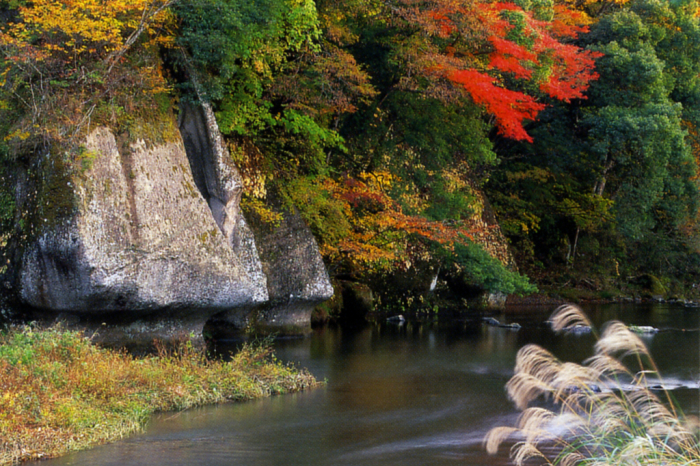
A place steeped in Tokugawa Mitsukuni’s legend, worship traditions, and famous autumn foliage Located in Nakagawa Town, the Gozeniwa Stone is a designated natural monument of Tochigi Prefecture. It is said to have been visited by Tokugawa Mitsukuni (Mito Komon), giving the stone its name. Standing 30 meters high and 70 meters wide, this massive boulder resembles a seated Kannon statue, earning it the name “Great Kannon Rock.” Since ancient times, it has been revered as a place of worship for safe childbirth and family well-being. The area surrounding Gozeniwa Stone is home to a clear mountain stream, selected as one of the “Heisei 100 Best Waters.” With refreshing scenery that changes across the four seasons, nearby Mt. Nasu and the riverbanks of Shikanoyu provide relaxing walking trails. In autumn, from late October to mid-November, the area transforms into one of the region’s most popular spots for vibrant autumn leaves. The harmony of the red foliage, pristine stream, and majestic rock creates a tranquil yet impressive sight, making it one of the highlights of Nakagawa Town’s natural beauty.

Nikko kaido Oshu kaido TOCHIGI
Tanaka Shozo’s Former House

Tanaka Shozo’s Former House

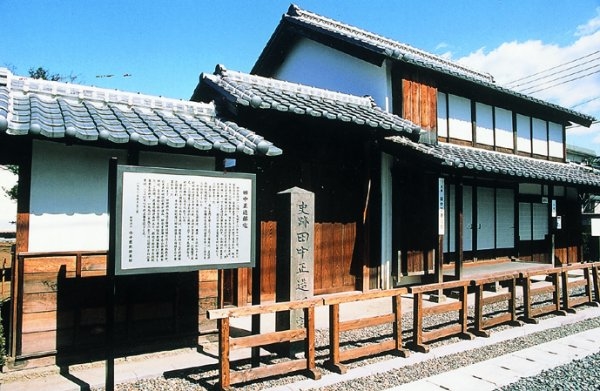
The birthplace of Japan’s modern social movements, preserving the legacy of Shozo TanakaLocated in Konaka-cho, Sano City, the "Tanaka Shozo's Former House" is a Tochigi Prefecture-designated historical site and the birthplace of Shozo Tanaka. He was a politician who dedicated his life to protecting the people from the Ashio Copper Mine Pollution Incident, advocating for environmental conservation and human rights. Known as one of Japan’s earliest social activists, he devoted himself to supporting the weak and voicing opposition to injustice. The house, built in the late 19th century, still retains its original thatched-roof style. It is open to the public as a memorial site. Inside, materials and exhibits related to the Ashio Copper Mine Pollution Incident are displayed, along with detailed explanations that help visitors learn about Tanaka’s life and activities. Shozo Tanaka donated all his property to his hometown before passing away, dedicating himself to agricultural education and revitalization, embodying the spirit of selfless devotion.

Nikko kaido Oshu kaido TOCHIGI
Jakko Falls

Jakko Falls

Tracing the spiritual site founded by Kobo Daishi — listen to the murmurs of flowing water in the quiet forest Jakko Falls is located in Nikko City’s Chugawa area. With a height of about 50 meters and a width of 6 meters, it cascades down in seven tiers. The surrounding forest is lush, and the mountain trail offers a deeply serene atmosphere, earning its reputation as a hidden scenic spot known only to locals. The site was once home to the ancient Jakko-ji Temple, said to have been founded by Kobo Daishi in 820 AD. During the Meiji era, due to the government’s separation of Buddhism and Shintoism, the temple was converted into Jakko Shrine, and religious legends are still passed down today. Along the trail to the waterfall lies the massive Ikeishi Stone, shrouded in dense forest, adding a mystical aura to the site. From Nikko Tamozawa Imperial Villa Memorial Park, it takes about a 20-minute walk to reach the falls, making it a perfect spot for hiking and enjoying seasonal scenery, especially during spring and autumn.

Nikko kaido Oshu kaido TOCHIGI
Tosho Onsen (Day-Use Hot Spring)

Tosho Onsen (Day-Use Hot Spring)

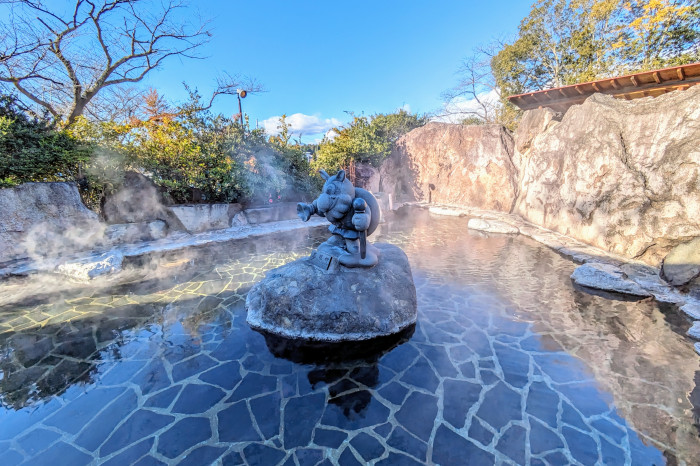
Tosho Onsen, located in Imaichi in Nikko City, is a popular day-use hot spring facility loved by both locals and visitors. The facility features an outdoor rotenburo designed like a Japanese garden, where you can enjoy a distant view of Mt. Nikko’s mountains. Indoor baths are equipped with handrails, ensuring a safe and relaxing soak for visitors of all ages. During the winter solstice, guests can experience a seasonal yuzu bath, said to promote circulation and keep the body warm. The spacious rest areas and on-site restaurant offer hearty local dishes such as charcoal-grilled chicken, making it an ideal spot to unwind both body and mind.

Nikko kaido Oshu kaido TOCHIGI
Nijimi Falls

Nijimi Falls

When sunlight hits the spray of the waterfall, a dreamy rainbow appears, making this a breathtaking highlight of your hike. Nijimi Falls is a symbolic scenic spot near Ryuokyo Gorge in Nikko. It is named after the rainbow often created by sunlight shining through the mist. The waterfall is about 20 meters high, and its powerful flow creates a misty spectacle. Visitors can enjoy close-up views of the waterfall from different angles along the well-maintained trail. This spot is an important stop along the Ryuokyo Gorge walking route. The trail is surrounded by lush nature, offering cool shade in summer, vibrant autumn leaves, and refreshing air all year round. It is recommended to wear sturdy walking shoes and take your time exploring. Particularly on sunny mornings, this is the best time to capture photos of the rainbow created in the mist.

Oshu kaido Nikko kaido TOCHIGI
Canyoning at Kinugawa River

Canyoning at Kinugawa River

Dive into Waterfalls and Pools – Experience the Wonders of Nature In the Kinugawa Onsen area, one of the most popular outdoor activities is canyoning, offered by the NAOC team. Equipped with professional gear, participants slide down natural waterslides, jump into pools, and climb through streams, immersing themselves in the untouched beauty of the Kinugawa Gorge. From splashing waterfalls to thrilling plunge pools, exciting challenges await at every turn, making it one of the most sought-after summer adventures. The activity lasts about three hours and includes free transportation, full equipment, and friendly guidance, making it suitable for families and beginners. Held annually from June to October, it’s an unforgettable way to challenge yourself and connect with nature during the summer season.

Nikko kaido Oshu kaido TOCHIGI