

Greater Tokyo

See & Do

reset
Uraga Community Center Branch (Folk Museum)

Uraga Community Center Branch (Folk Museum)

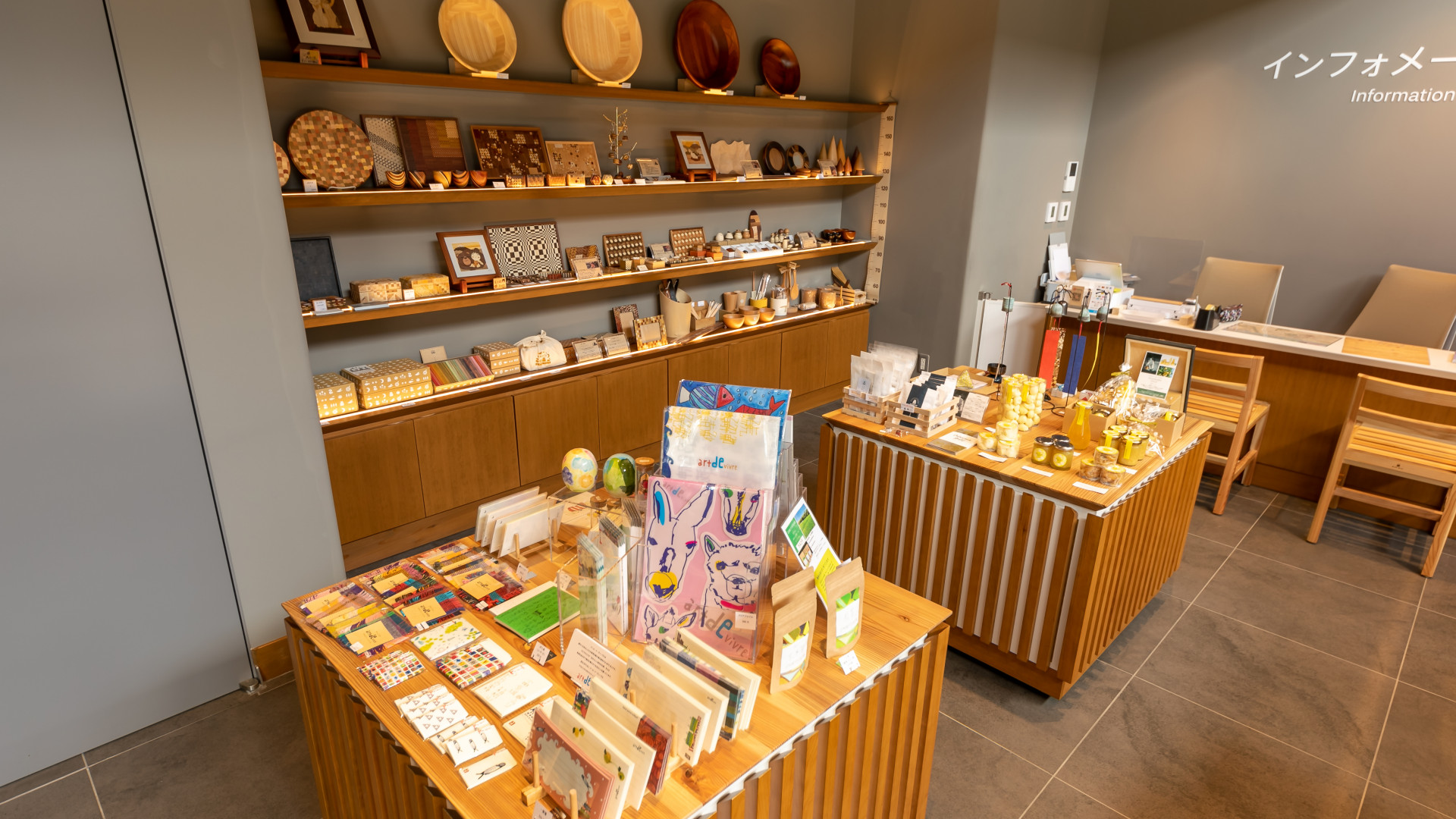
This facility provides a place and opportunity for local people and organizations where they can casually interact and discuss things. It also hosts a variety of events, such as lectures, hobby classes, practical workshops, and others to improve knowledge and education, health, social welfare as well as to promote lifestyle and culture. Local literature and documents of Uraga are displayed in the center as well.

Culture & Arts Koshu kaido Tokaido KANAGAWA
Yokohama Archives of History

Yokohama Archives of History

Displays materials on Yokohama history from the end of the Edo period/Opening up of the port period to the beginning of the Showa period. The building was formerly used as the British consulate until 1972. There is a historical camphor tree in the courtyard. *Includes a cafe.Learn the fascinating history of how a small fishing village became the second largest city in Japan. It starts with the landing of Commodore Perry and his black ships.

Culture & Arts Tokaido Koshu kaido KANAGAWA
Odawara Plum Blossom Festival

Odawara Plum Blossom Festival

It is said that the ume (plum) groves were first planted by the Hojo clan during the Warring States period to provide food for the troops (some theories exist). Among the three plum groves: Bessho, Hara and Nakagawara, around 35,000 plum trees are in full bloom during the correct season and are framed by Mt. Fuji and Hakone. During the Ume Festival from early February to early March, events such as Odawara Chochin Odori, a local performing art, and lion dances are held. (Photo by photolibrary)

Culture & Arts Tokaido Koshu kaido KANAGAWA
Yokohama Triennale (Triennial International Exhibition of Contemporary Art)

Yokohama Triennale (Triennial International Exhibition of Contemporary Art)

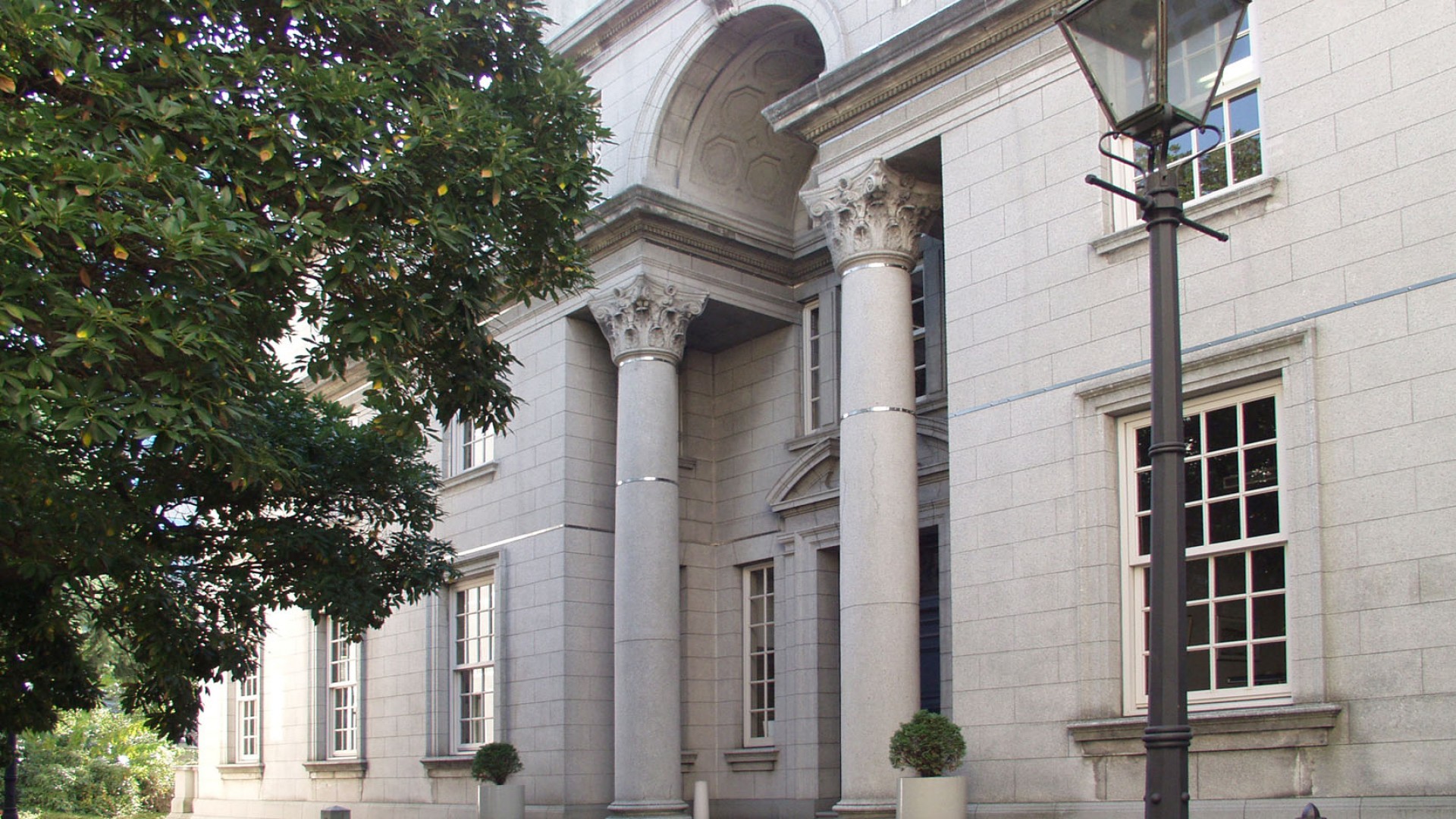
Important note: The last event was held in 2024, so the next one will not occur until 2027Held once every three years, this is Japan's leading international exhibition of contemporary art. It presents a wide range of the latest trends in Japan and abroad, from the works of internationally renowned artists to those of emerging artists.The appeal of this open art festival, which is held throughout the city of Yokohama, is that anyone can casually experience and enjoy art, even those who have few opportunities to come into contact with it. The entire city of Yokohama will be involved in the arts each time "From Yokohama to the World" is held. The 8th exhibition will be held from March 2024. Nick Cave The Rotating Forest, 2016 (re-created in 2020) ©Nick Cave Installation view of "Yokohama Triennale 2020" Photo by Keita Otsuka Photo courtesy of Yokohama Triennale Organizing CommitteeVenue: Yokohama Museum of Art, Former Daiichi Bank Yokohama Branch, BankART KAIKO

Culture & Arts Tokaido Koshu kaido KANAGAWA
Koidegawa Red Spider Lily Festival

Koidegawa Red Spider Lily Festival

Viewing Period: late September to early October (best time for viewing: when the equinox flowers blossom). In the Endo area of northern Fujisawa, equinox flowers grow in groups along a small river for around 3km in length. Enjoy the view of flowers surrounding you everywhere as you take a walk. On sunny days it is also an excellent spot for viewing Mount Fuji in the distance. ※Uchimodori Festival site (1,100m downstream from the Daikoku Bridge)

Culture & Arts Tokaido Koshu kaido KANAGAWA
Seven Lucky Gods Meguri

Seven Lucky Gods Meguri

Previously located in the south of Hadano City, Minami Hadano Village, is home to many historic temples and shrines, as well as many spring water spots. Please feel free to visit the nine temples and shrines, some of which include the Seven Gods of Good Fortune plus cranes and turtles, to gather good fortune and enjoy a relaxing time. A special red seal map is available at each spot and at the Hadano Station Tourist Information Center, and visitors who collect all the red seal stamps on the map will receive a prize for completing the tour.

Culture & Arts Tokaido Koshu kaido KANAGAWA
Yokohama Customs (The Queen’s Tower)

Yokohama Customs (The Queen’s Tower)

A landmark dome built in the style of an Islamic mosque. Fondly known as the "Queen", this tower stands at 51 meters tall, making it the tallest of Yokohama's three towers. The current building is the third version (having been destroyed and reconstructed twice), and was completed in 1934. The customs materials exhibition room on the first floor, "Queen's Square," is packed with information on the history and role of Yokohama Customs, genuine and counterfeit goods, the Washington Convention, and smuggling methods. Look for Custom-kun (the customs mascot) at the entrance!

Culture & Arts Tokaido Koshu kaido KANAGAWA
Scene of the Namamugi Incident and Monument

Scene of the Namamugi Incident and Monument

This is the scene of the Namamugi Incident in 1862, where British merchants were slashed when they interrupted the procession of Shimazu Hisamitsu, the feudal lord of Satsuma. As revenge, the British bombarded Kagoshima, resulting in the Anglo-Satsuma War. However, as a result of the war, ties between Satsuma and Britain were strengthened, encouraging modernization. These Anglo-Satsuma ties became the centre of the Meiji Restoration.

Culture & Arts Tokaido Koshu kaido KANAGAWA
Yudate Lion Dance Miyagino

Yudate Lion Dance Miyagino

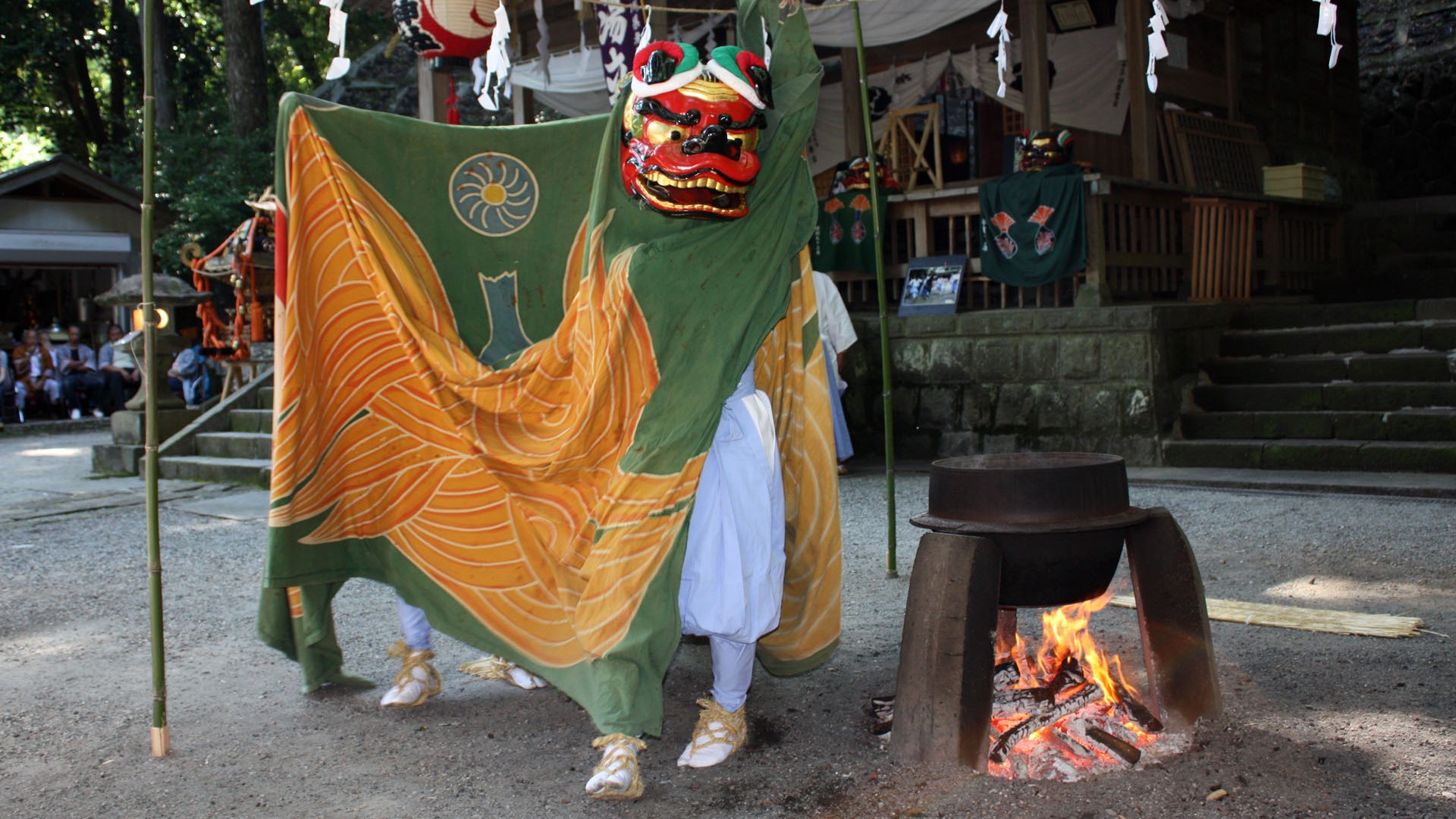
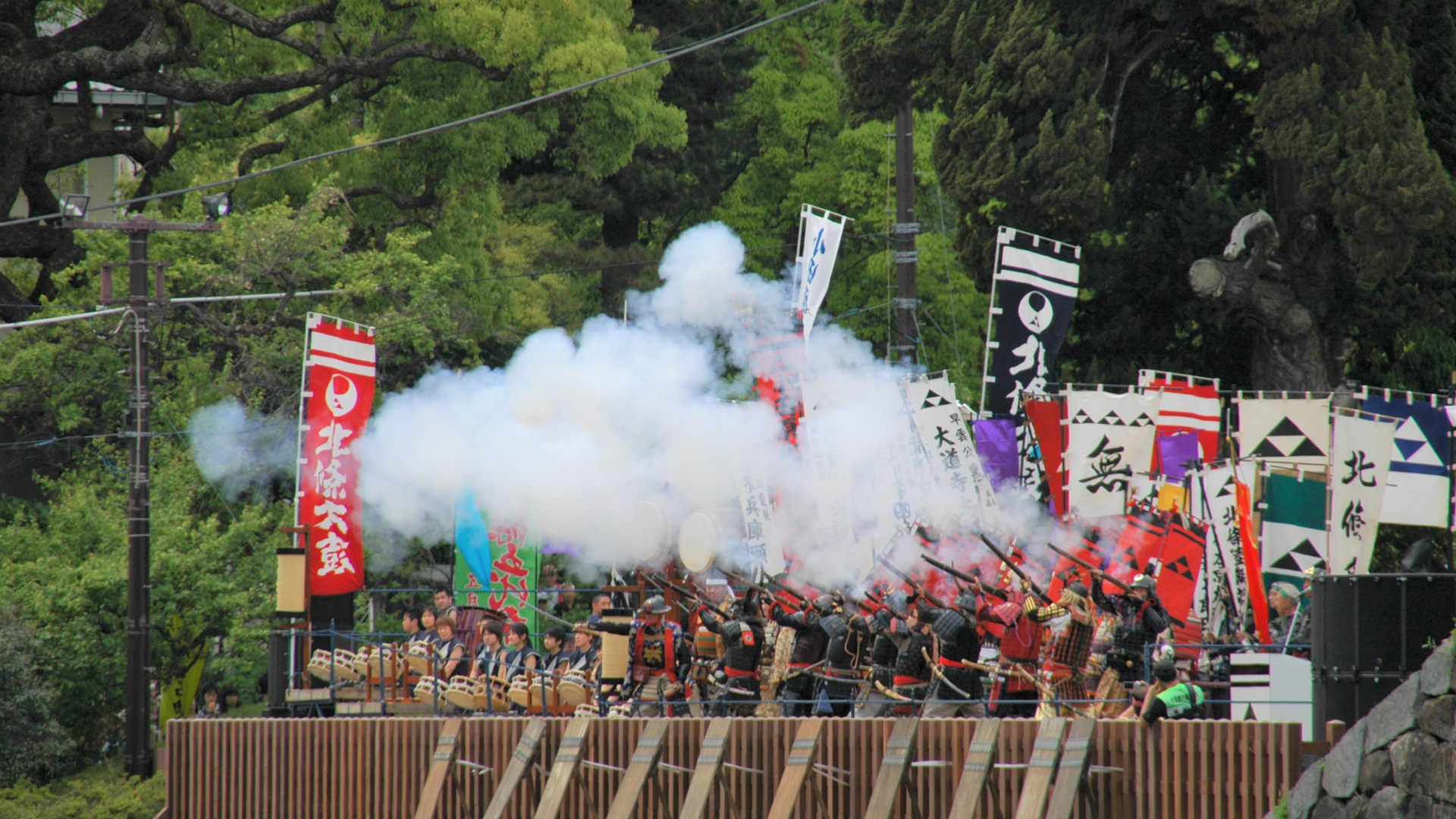
The tradition of Yudate-kagura has been passed on since 1776. Spiritual rituals with the use of boiling water are performed throughout the country, but it is rare to see the performance done by the Shishi, a lion dog deity, as can be seen at this traditional event. Praying for health, safety, and prosperity the Shishi stirs the boiling water with a Kumazasa branch, and flick water from the branch to purify the participating spectators. This traditional event is selected as a National Traditional and Cultural Heritage event, as well as being registered as a Kanagawa prefecture important cultural heritage event.

Culture & Arts Tokaido Koshu kaido KANAGAWA
Yudate Lion Dance (Sengokuhara)

Yudate Lion Dance (Sengokuhara)

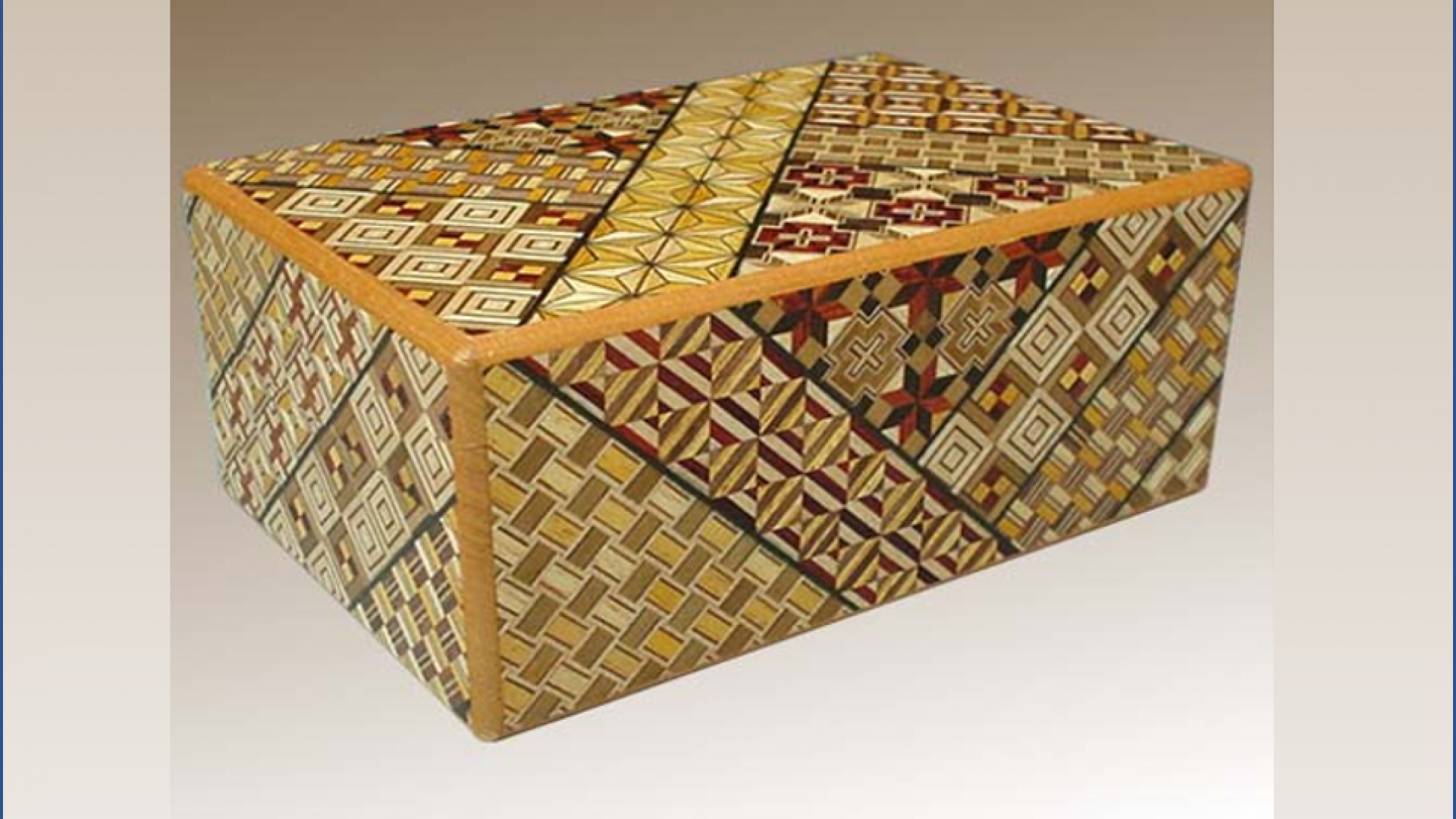
Yudate Kagura is a traditional event was handed down in 1776. While the Shinto ritual of yudate exists throughout Japan, it is not so common for it be carried out by a lion. Praying for sound health, peace and prosperity in the household, and bumper crops, the lion stirs boiling water with bamboo grass, and purifies the worshippers by sprinkling them with the water, warding off pestilence. While being selected as a national Intangible Folk Cultural Property, it is also designated as Yudate Shishimai, an Important Intangible Cultural Property of Kanagawa Prefecture.

Culture & Arts Tokaido Koshu kaido KANAGAWA
Ehrismann Residence

Ehrismann Residence

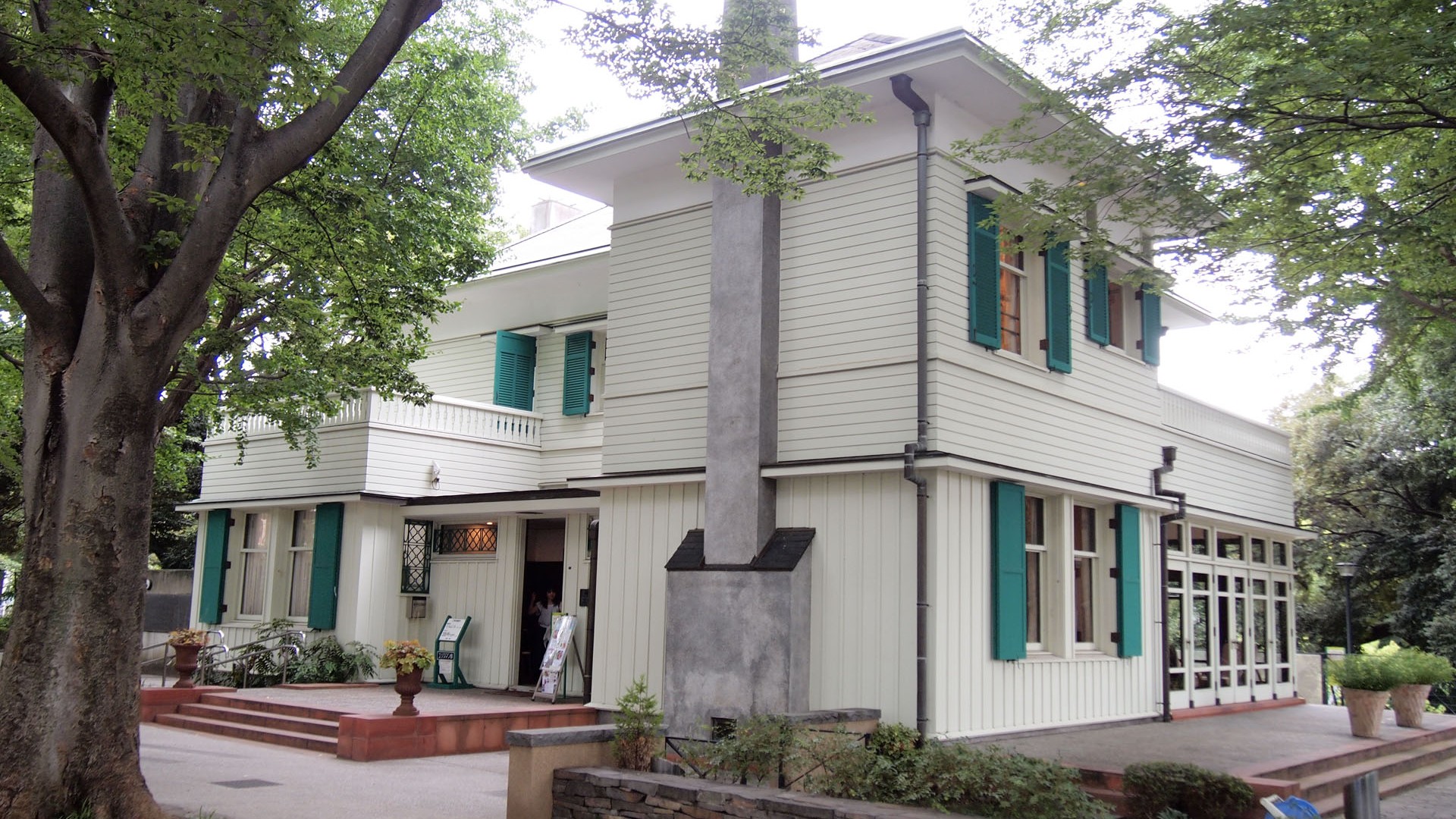
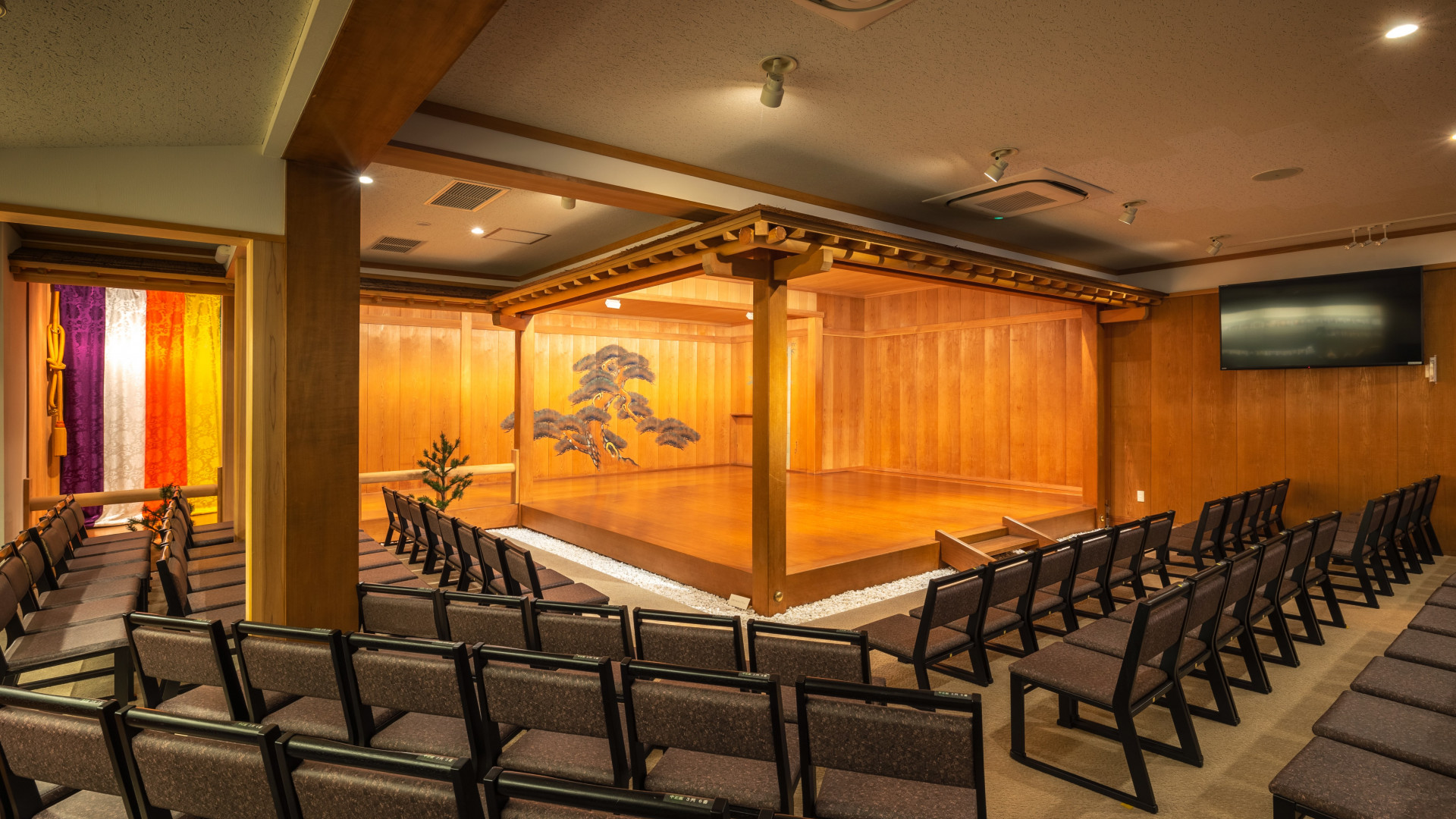
This was the private residence of silk trader Mr. Ellisman and was built in 1926 at 127 Yamate-cho and designed by A. Raymond, the "Father of Modern Japanese Architecture" who profoundly influenced Japan's architectural world. While possessing elements of a foreign-style mansion, it also shows the influence of Raymond's mentor, F. L. Wright, such as an emphasis on the horizontal lines of the eaves. It was relocated and restored to its current location in Motomachi Park in 1990. The first floor features a reception room with a fireplace, a combined living and dining room, and a sunroom overlooking the garden furnished with pieces designed by Raymond, while the second floor houses an exhibition on Western-style houses in Yamate. The basement is available for rental as a free-use space and includes a tea room utilizing the former kitchen area.One of eight restored Western Houses in the Yokohama, Yamate area, this is most beautiful in autumn and during the Christmas season. Take a break in its lovely little cafe.

Culture & Arts Tokaido Koshu kaido KANAGAWA