

Chigasaki Hamaori Festival
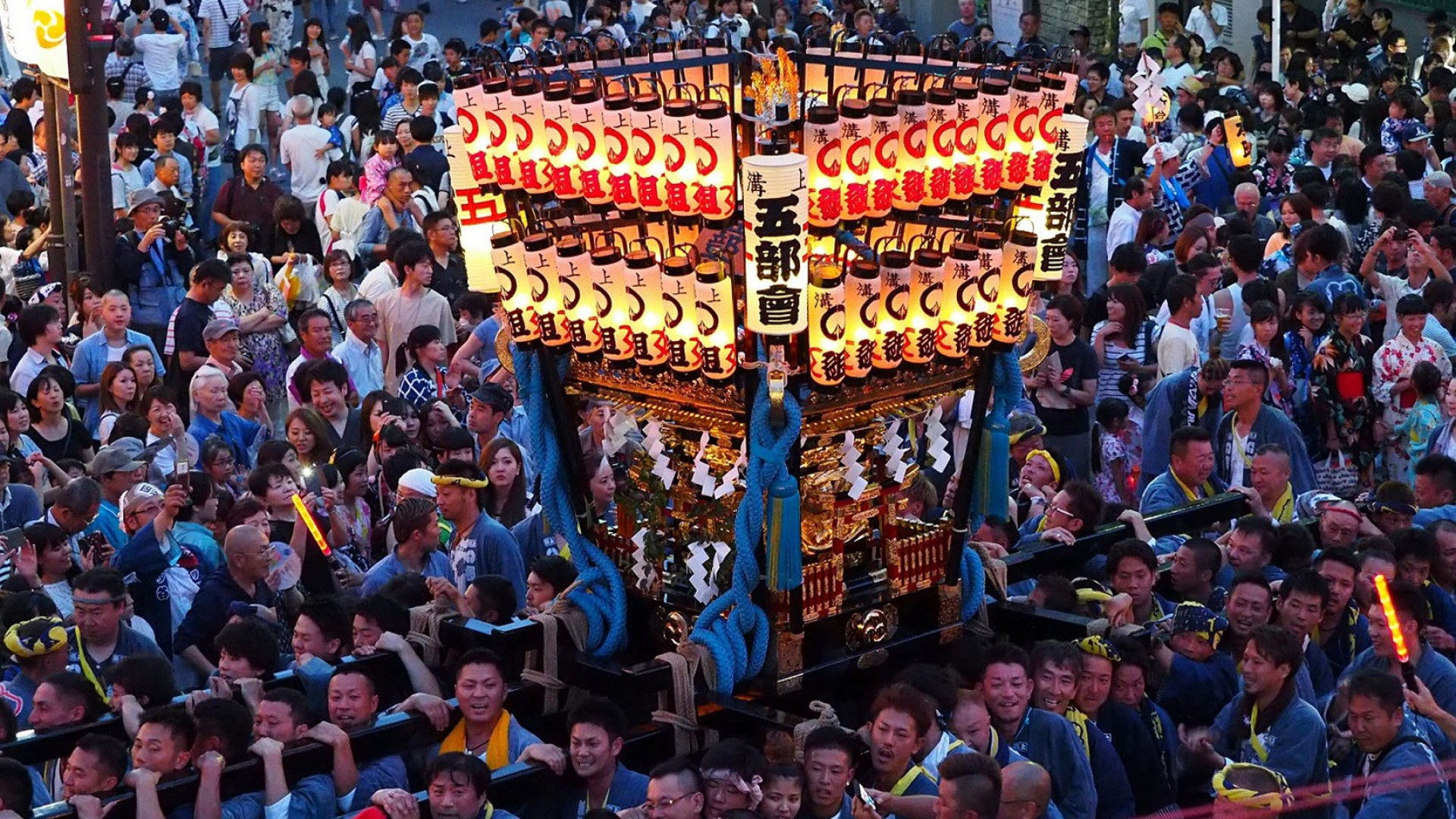
It is a historic festival that addresses the arrival of summer. Forty shrines in Chigasaki City and Samukawa come together for the festivalWe hope you will join us in enjoying the festival that begins at dawn.
Total: 308 items
It is a historic festival that addresses the arrival of summer. Forty shrines in Chigasaki City and Samukawa come together for the festivalWe hope you will join us in enjoying the festival that begins at dawn.
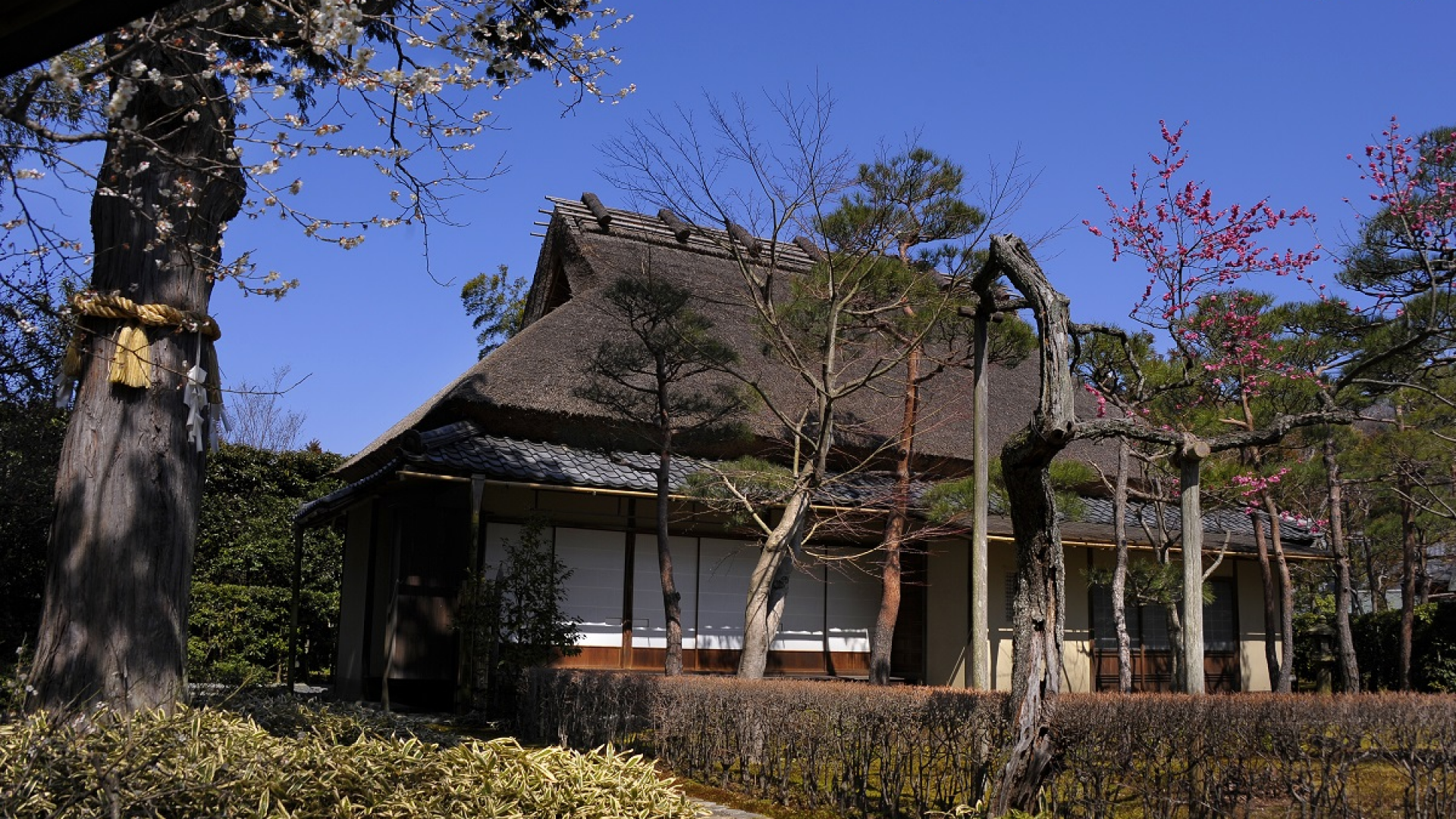
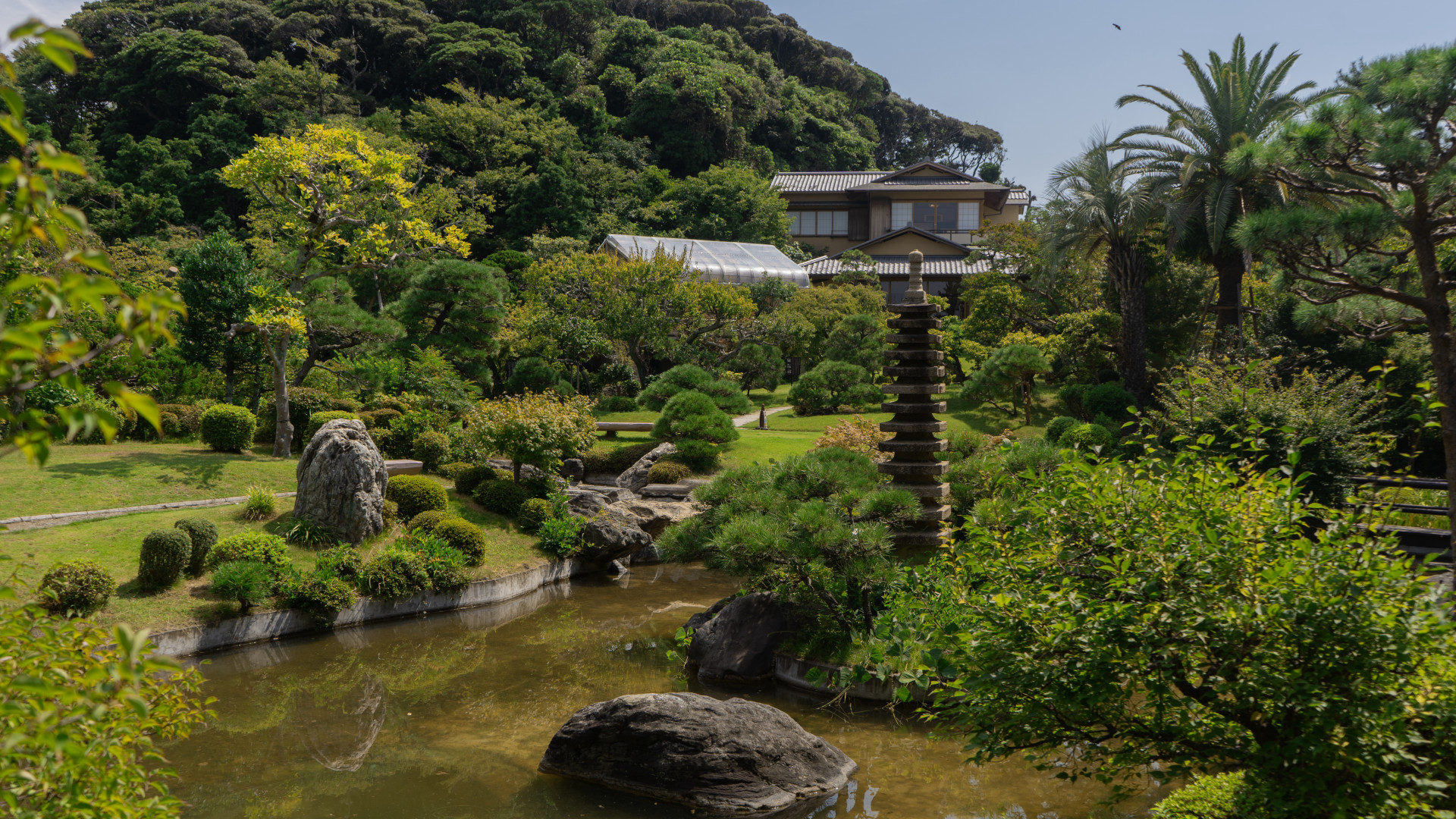
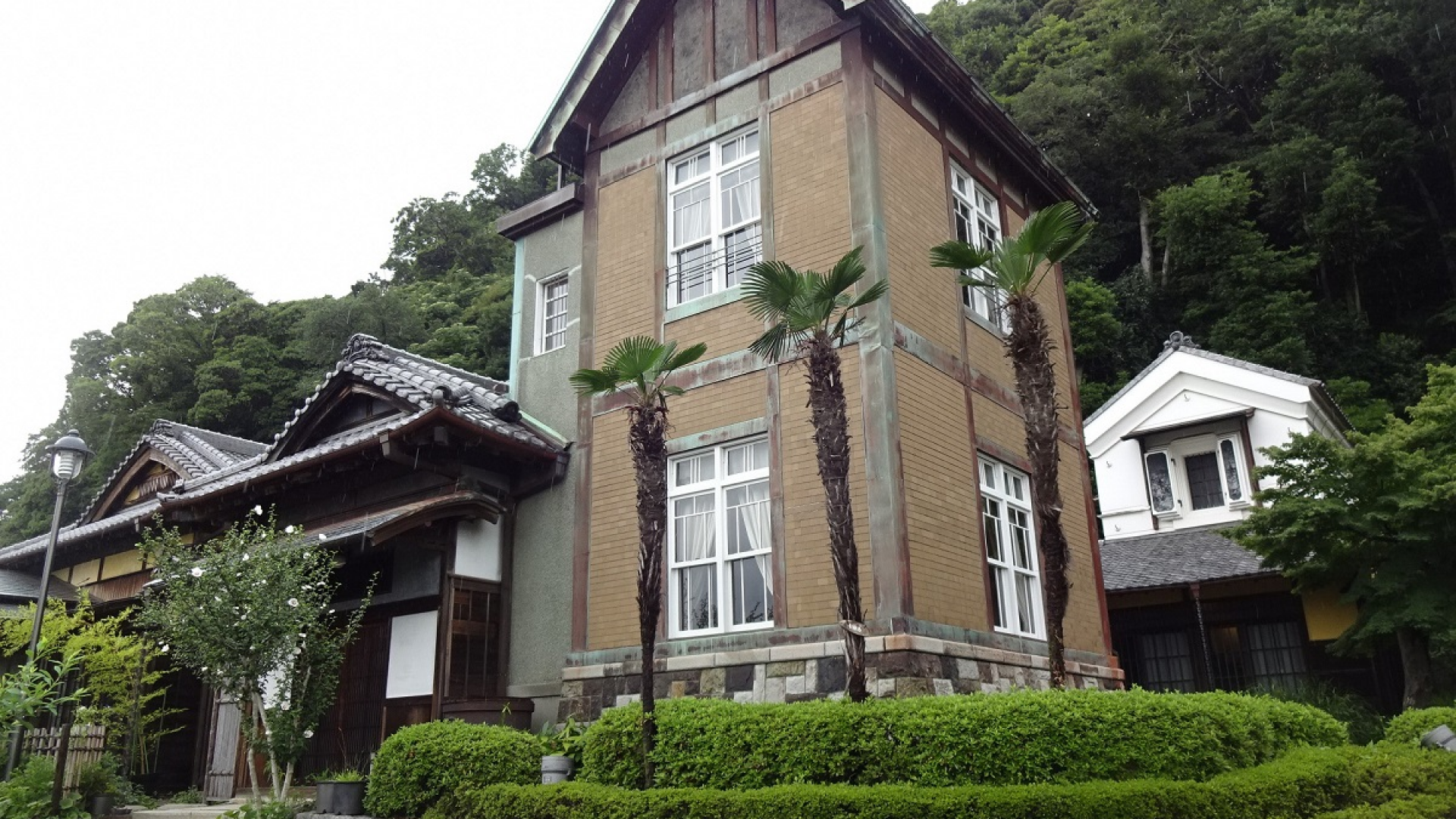
The former Hirobumi Ito Kanazawa Villa in Nojima Park is a building with a thatched roof built in 1898 by Hirobumi Ito, a man who served as the first Prime Minister of Japan. The villa features views of Hakkeijima and the sea.
MUZA Kawasaki Symphony Hall opened in 2004 as a symbol of "Kawasaki, the City of Music.” The hall is characterized by its vineyard-shaped seating surrounding the stage. Musicians and orchestras from Japan and abroad have praised its acoustics.
Enjoy a video and light display projected on the ground at the Shinko Chuo Hiroba, along with a special program that integrates the surrounding buildings in a light show.
This is the former residence of Shigeru Yoshida (1878-1967), who was the prime minister after the war. Originally, around 1884, his adoptive father Kenzo Yoshida bought the land and built the villa, but he took it over after his father's death. From around 1945, he made this his main resident and spent the rest of years here. This facility is a restoration of the former residence.
This was the private residence of silk trader Mr. Ellisman and was built in 1926 at 127 Yamate-cho and designed by A. Raymond, the "Father of Modern Japanese Architecture" who profoundly influenced Japan's architectural world. While possessing elements of a foreign-style mansion, it also shows the influence of Raymond's mentor, F. L. Wright, such as an emphasis on the horizontal lines of the eaves. It was relocated and restored to its current location in Motomachi Park in 1990. The first floor features a reception room with a fireplace, a combined living and dining room, and a sunroom overlooking the garden furnished with pieces designed by Raymond, while the second floor houses an exhibition on Western-style houses in Yamate. The basement is available for rental as a free-use space and includes a tea room utilizing the former kitchen area.One of eight restored Western Houses in the Yokohama, Yamate area, this is most beautiful in autumn and during the Christmas season. Take a break in its lovely little cafe.
It was built in the early Showa era and relocated and restored in 1991 to the Minoge district of Hadano City. In April 2020, it was registered as a national tangible cultural property as a relic related to leaf tobacco cultivation. It is an important building for learning about farmhouse architecture in the early Showa era. The structure is in an architectural style typical of tobacco farmers at the time, with four rooms in the shape of a square. Agricultural tools and daily necessities are also displayed on the dirt floor, making it a valuable learning facility. We also offer villager experiences, rice harvesting, moon-viewing parties, etc. There are also regular hikes around the area.
Kujientobunsui was registered tangible cultural property in 1998 (Heisei 10). It regulates the quantity of the water diversion utilizing principle of siphon. It is a great agricultural water supply facility built in 1941, using the leading edge of technology at the time. Photos Provided by photolibery
This festival is a reconstruction of the "male dragon and female dragon" rain-making event held in the Soogaya area of Kiyokawa Village during the Edo period. The highlight of the festival is the "Ascending Dragon Ritual," in which two 13-meter-long dragons made of straw and kaya are carried around by local people and ignited at night, to ascend to the heavens.
This cultural facility conveys the world of manga artist Fujiko F. Fujio, creator of many works including "Doraemon" and "Perman," and his messages are conveyed to all generations through his original drawings and other works.It is necessary to purchase entry tickets in advance from Lawson. Entry is hours happen 7 times a day, on the hour (10am, 11am, 12pm, 1pm, 2pm, 3pm, and 4pm). As long as you’re within the 60 minutes indicated on your entry ticket, you can enter the building any time.
As a center for connecting “people,” “city,” and “culture” through sports and entertainment, this facility was opened on July 24, 2020, complete with a martial arts hall that can accommodate roughly 500 people on the first floor, an arena that can accommodate nearly 3,000 people on the second floor, and a VIP lounge on the fourth floor. It is primarily used for martial arts events, basketball, futsal, gymnastics, table tennis, and professional wrestling. In addition to sports, this facility can also be used to host music events.
Please visit the facility's website for the latest information.Yomiuriland Jewellumination is an event held every winter in Yomiuri Land. World-famous lighting designers created these light displays based on the theme of jewels, using around 5.5 million LED bulbs of 8 different varieties and 30 colors. The garden is transformed into a glittering dream world and is packed with couples. Although it is great to simply walk through, we recommend looking down on the lights from the other attractions.
As well as cherishing the timbre of traditional Japanese wadaiko drums, Kosui performs original pieces created out of a desire to challenge new sounds. Performances can be arranged at the MICE venue.
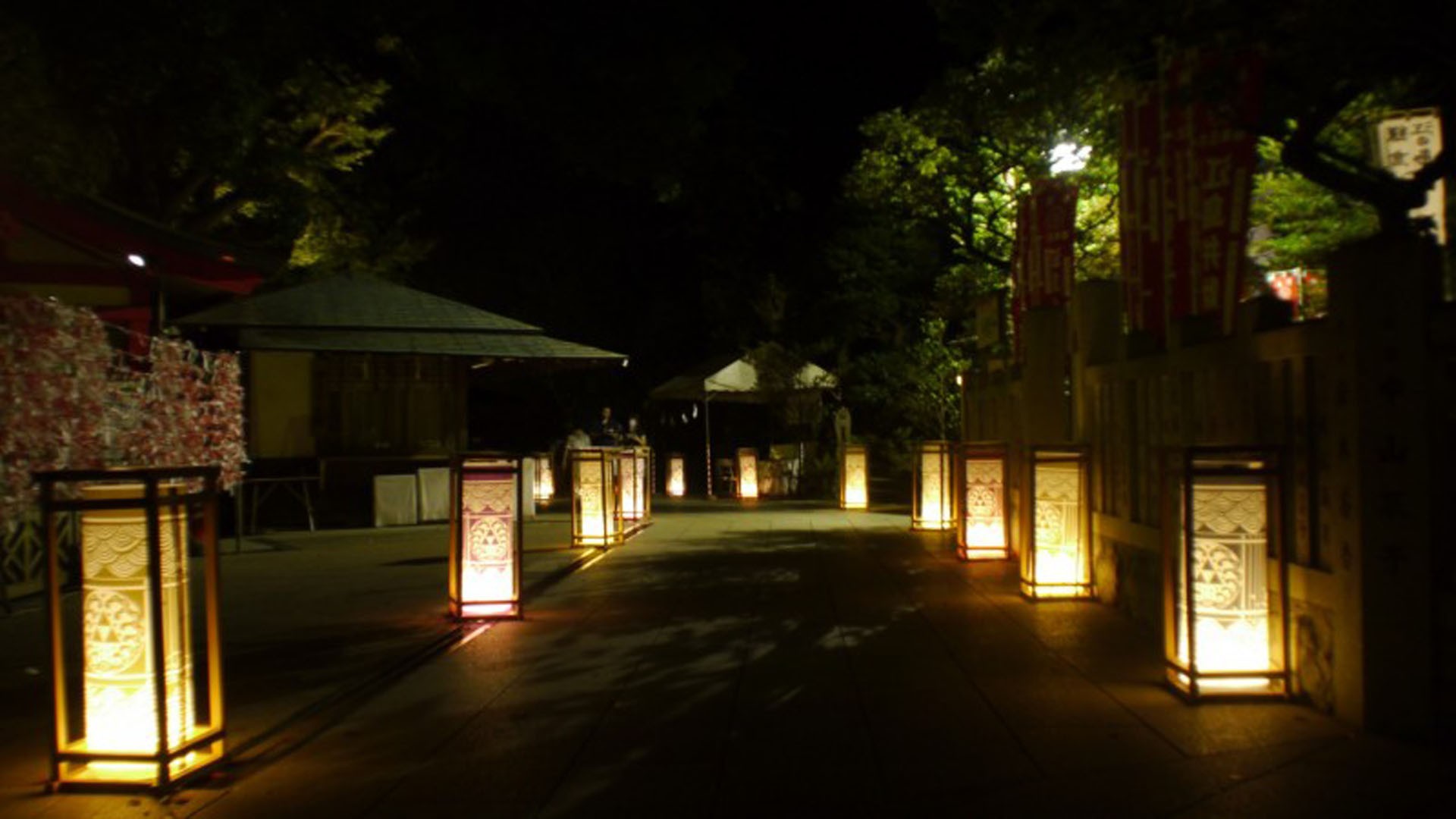
The Kamimizo Summer Festival has been held in Sagamihara since the end of the Edo period (1603-1868). The festival is said to be dedicated to Emperor Ushira, who prays for a good harvest and safety of the family, and is said to have been inspired by the Yasaka Shrine in Kyoto. On Sunday evenings, the local portable shrines (Mikoshi) and floats (Dashi) gather from each town and start a grand procession. Once the evening sun goes down, the lanterns of the portable shrines are lit, creating a fantastic spectacle that is not to be missed.
The Communication Hall of Space Science and Exploration building is a visitor facility operated by the JAXA Institute of Space and Astronautical Science (ISAS). Visitors can see exhibits up-close, including an authentic M-V rocket that completed ground combustion tests, test models of scientific satellites, and displays related to the asteroid explorer "Hayabusa2". Wall-mounted monitors display information alongside staff-guided tours. (Please see the website for start times.)
The Miura-Kaigan Noryo Festival Fireworks Display is a summer tradition held every year on the Miura Peninsula in early August. The venue, Miura Beach, is conveniently located just a 5-minute walk from Miurakaigan Station on the Keihin Kyuko Line. Visitors can sit on the vast sandy beach and look up at the fireworks in a relaxing and open setting. The underwater fireworks, nicknamed "underwater peacocks," are launched from a barge and are a spectacular sight sure to wow. The colorful lights brightly illuminate the surface of the sea.
Mitutoyo Measurement Museum is a unique museum specialising in precision measuring equipment that supported the development of the company. The history and evolution of such instruments are showcased in the Numata Memorial Hall and Measuring Equipment Hall. In the Numata Memorial Hall, you can see the history of the Mitutoyo corporation since its founding in 1934 and the evolution of measuring instruments. The Measuring Equipment Hall introduces the long transition of the world with a focus on measuring equipment. The collections in this museum have been certified as a "Modern Industrial Heritage Collection" by the Ministry of Economy, Trade and Industry.
The house that was created in the Edo period remains as it is and there are many materials such as agricultural tools that help us understand the life of the rural people back then. Free tours are available and various events are held such as the Bamboo Lantern Festival in September. It is the first cultural asset that was registered in Yokohama City.