Greater Tokyo

See & Do

reset
Okada Museum of Art

Okada Museum of Art

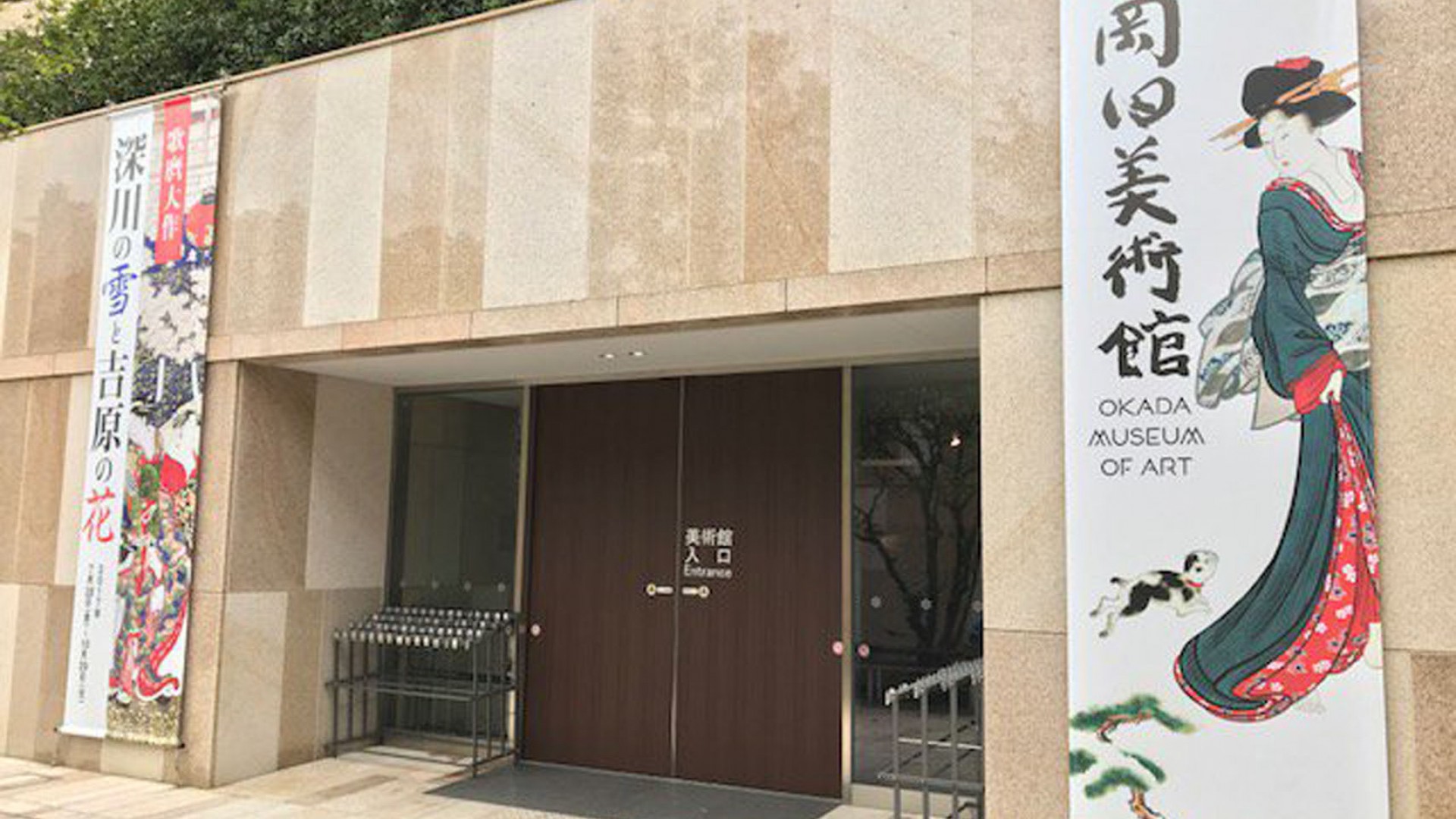
The museum was built on the former site (about 6,300㎡) of the Kaikatei Hotel, a hotel for Westerners of the Meiji period. The total floor space of the 5 story building is about 7,700㎡ and the exhibition area is about 5,000㎡. Ancient and modern art, centered around Japan, China, and Korea, that were collected by Kazuo Okada, honorary director, are on exhibition at the large venue.This 12m-high by 30m-wide mural adorns the museum facade. “Wind/Time” by Fukui Kotaro shows two guardian deities of Hakone soaring through the air in this decorative masterpiece reminiscent of the Rimpa school.Opposite the "Wind/Time" mural, sip while you dip in 100% natural hot spring water at this relaxing footbath cafe.After arriving at the museum, please try the footbath and enjoy a private tour of the back room of Kaikatei, where an overview of the museum and highlights of the special exhibition will be given. After the museum closes, experience a private gallery talk by the curator, followed by free time to view the exhibition on your own.Luxury in Kanagawa

Culture & Arts Tokaido Koshu kaido KANAGAWA
Kamakurabori Assembly Hall

Kamakurabori Assembly Hall

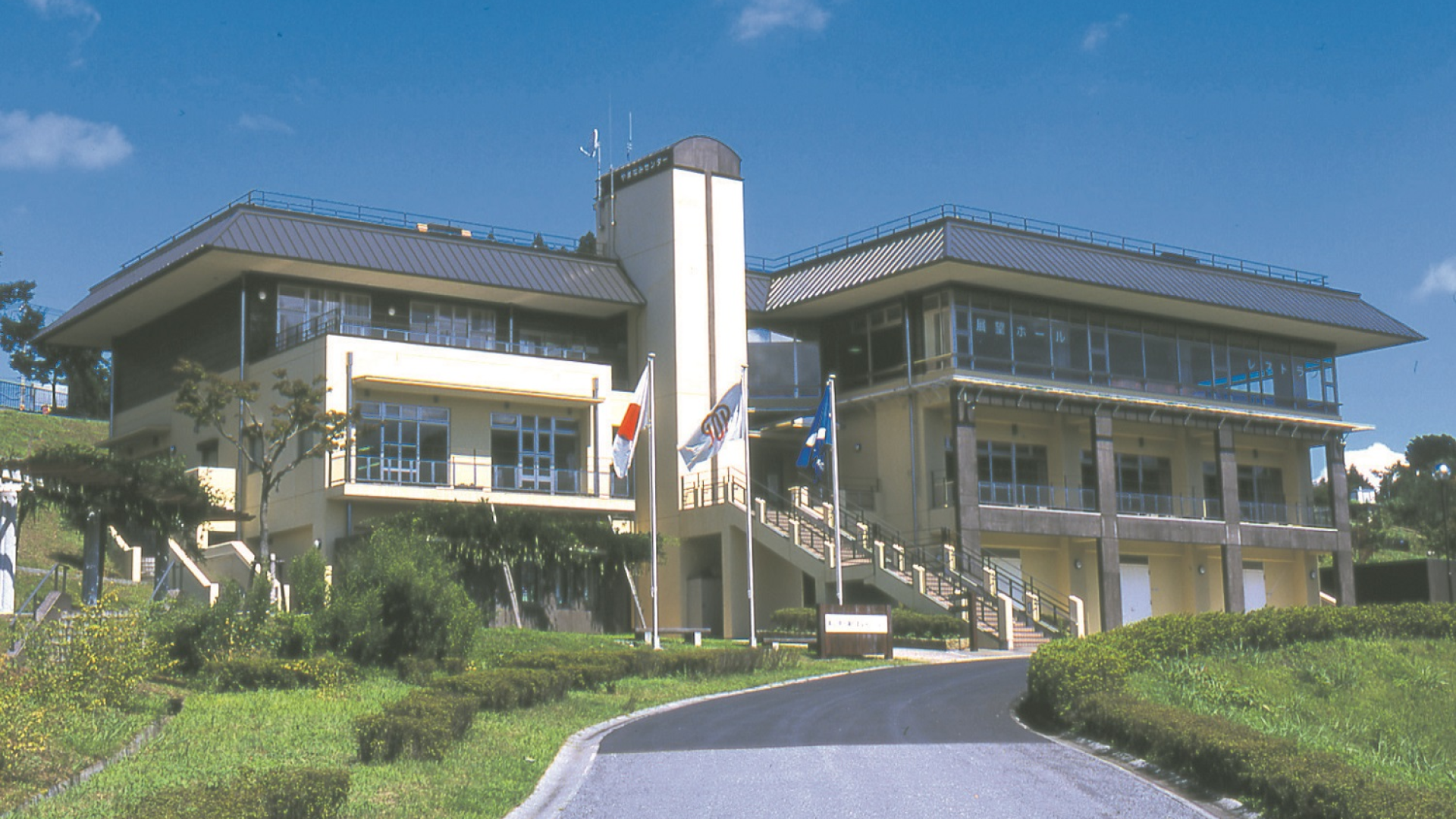
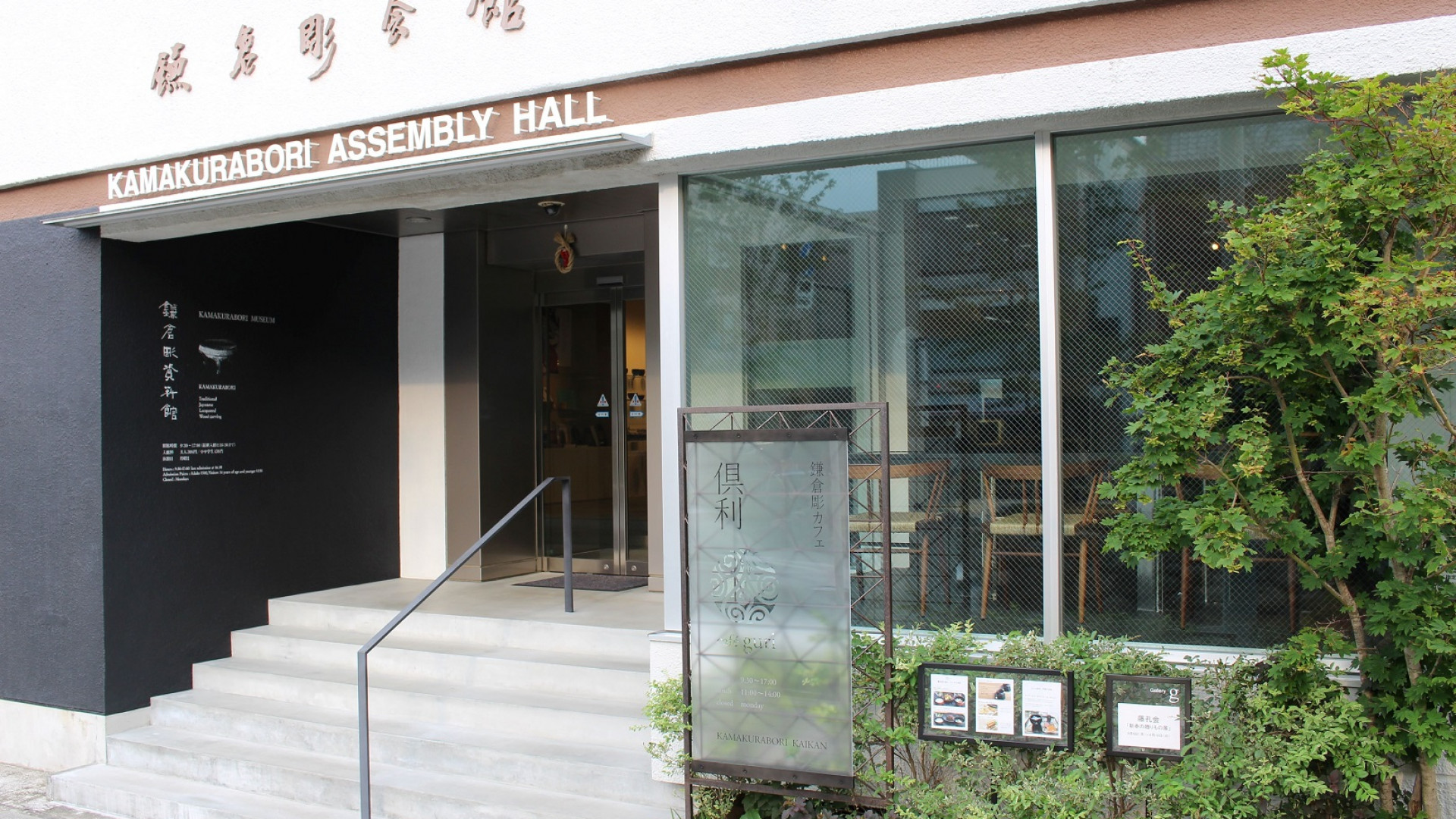
A cultural complex offering a place to experience history, culture, and exchange, with a café and store on the first floor and a gallery in the back, as well as a museum of Kamakura carvings on the third floor, and "Kamakura Sculpture Hall Cultural Workshops" on the second and fourth floors. In the Premium Workshop, visitors can experience making trays, plates, and other items under the direct guidance of Kamakura carving craftsmen to create one-of-a-kind works of art.

Culture & Arts Tokaido Koshu kaido KANAGAWA
Yokohama Noh Theater

Yokohama Noh Theater

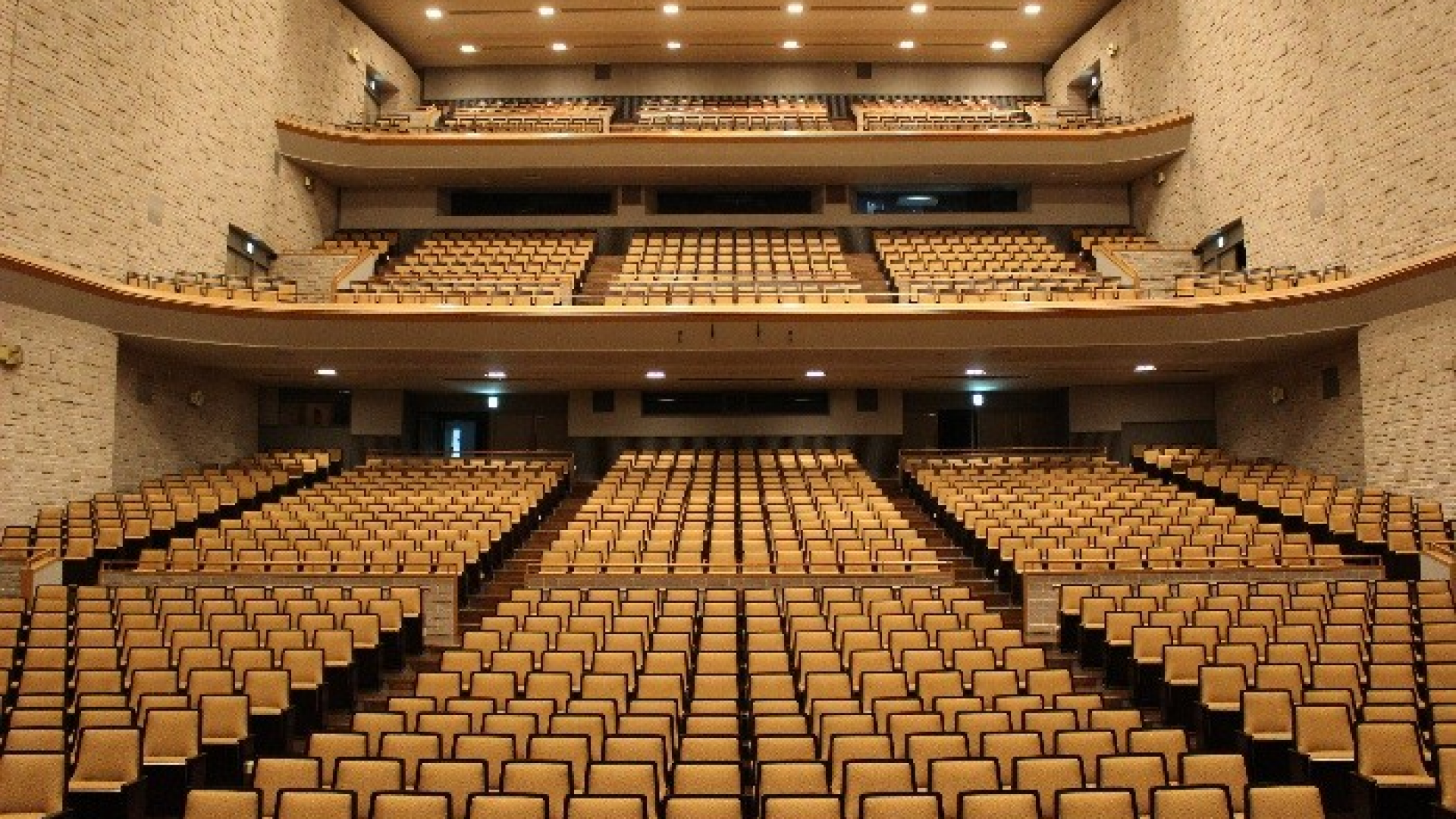
The Somei Noh Stage, the oldest Noh stage in the Kanto region, was built in 1873 by the Maeda family, the former lord of the Kaga Domain, and opened in 1996. Various events are held with explanations to help beginners understand and unique planned performances and workshops, earning the stage the slogan “a Noh theater with a low threshold.” Once a month, we hold tours (advance reservation required) where the staff guides visitors through exhibits related to the history of the Nohgaku and the Noh stage, as well as private dressing rooms not normally accessible to the public. ※ Closed from January 2024 to June 2026 due to renovation work.

Culture & Arts Tokaido Koshu kaido KANAGAWA
Yudate Lion Dance (Sengokuhara)

Yudate Lion Dance (Sengokuhara)

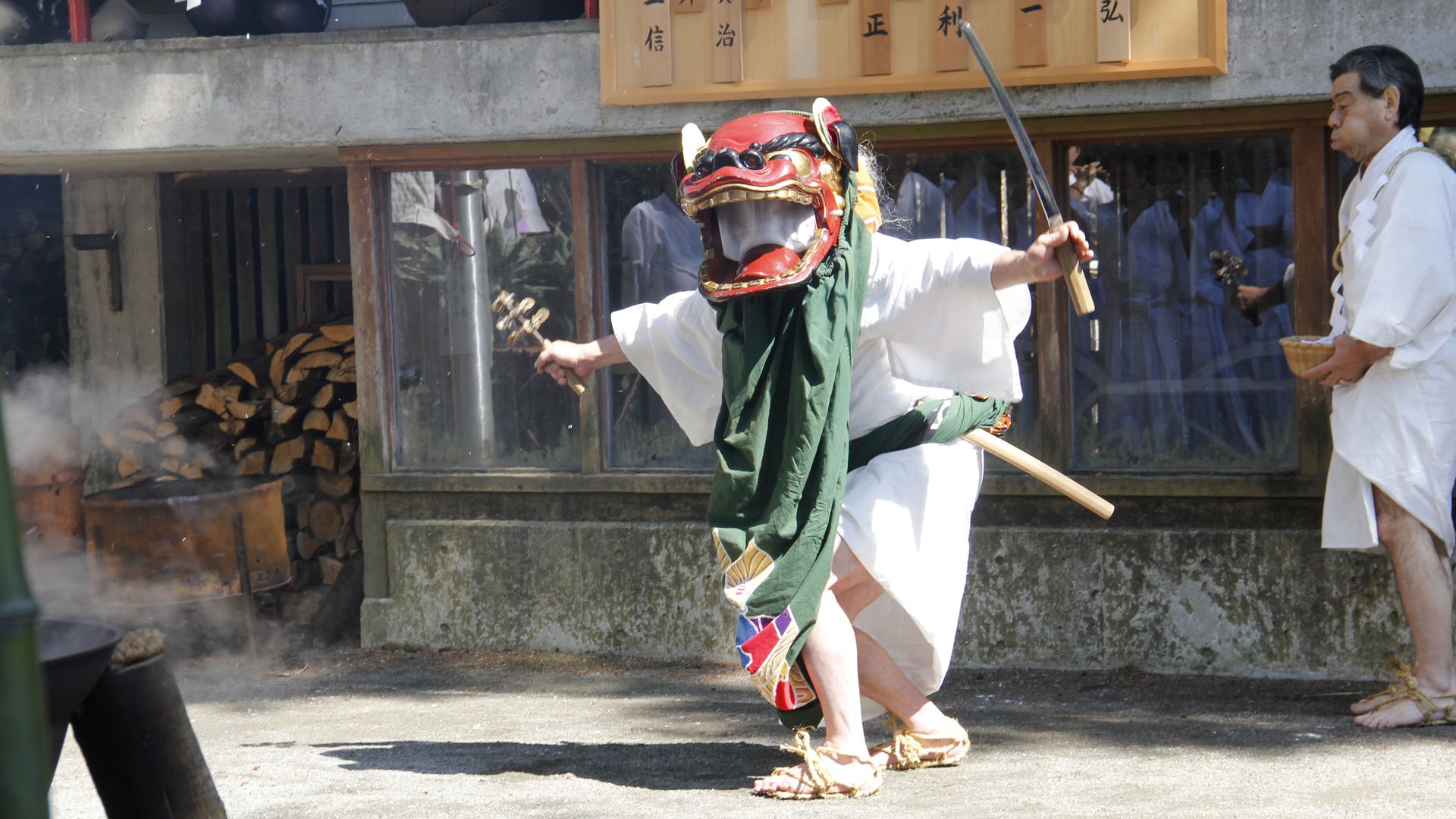
Yudate Kagura is a traditional event was handed down in 1776. While the Shinto ritual of yudate exists throughout Japan, it is not so common for it be carried out by a lion. Praying for sound health, peace and prosperity in the household, and bumper crops, the lion stirs boiling water with bamboo grass, and purifies the worshippers by sprinkling them with the water, warding off pestilence. While being selected as a national Intangible Folk Cultural Property, it is also designated as Yudate Shishimai, an Important Intangible Cultural Property of Kanagawa Prefecture.

Culture & Arts Tokaido Koshu kaido KANAGAWA
Hakone Old Highway

Hakone Old Highway

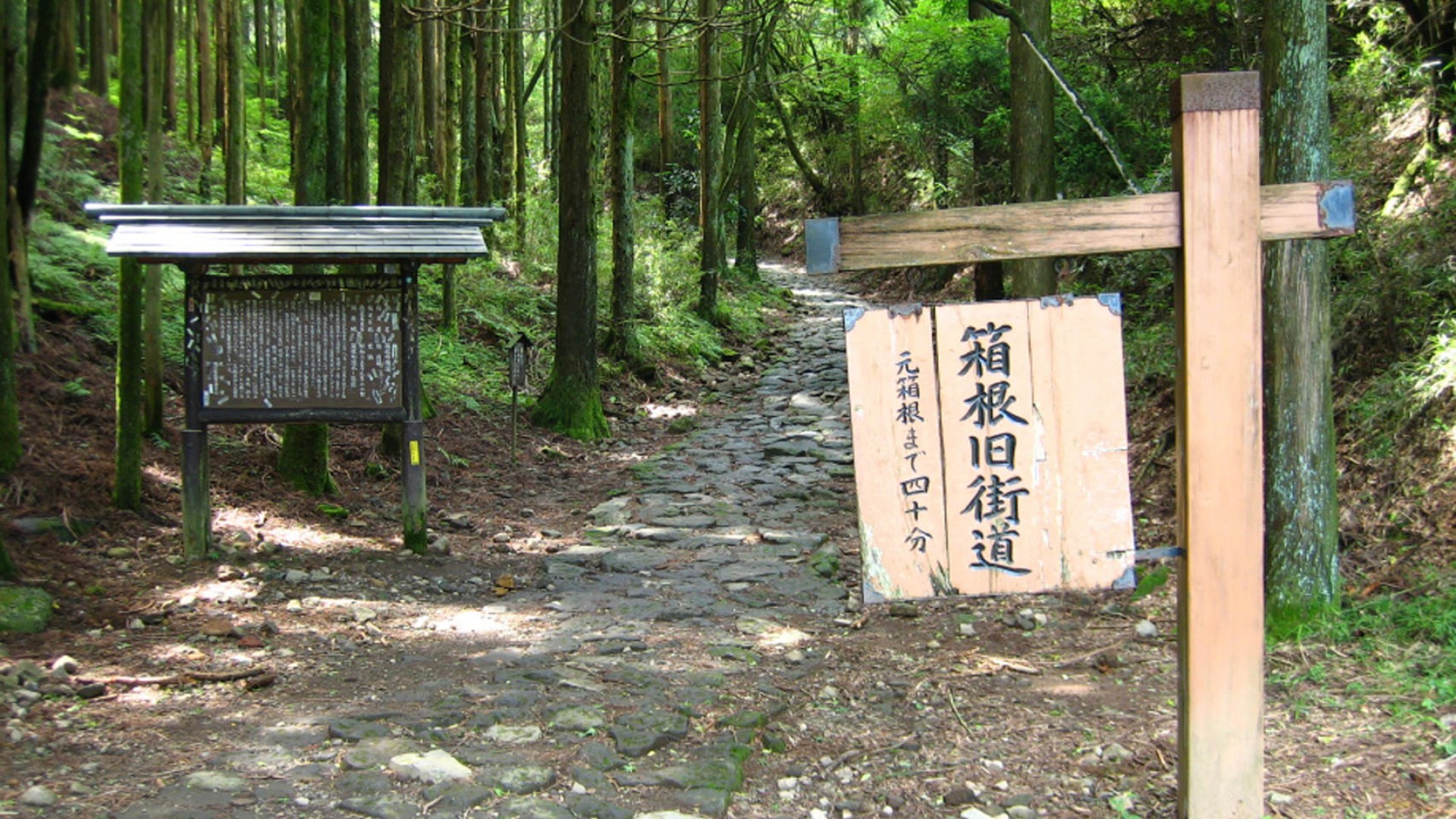
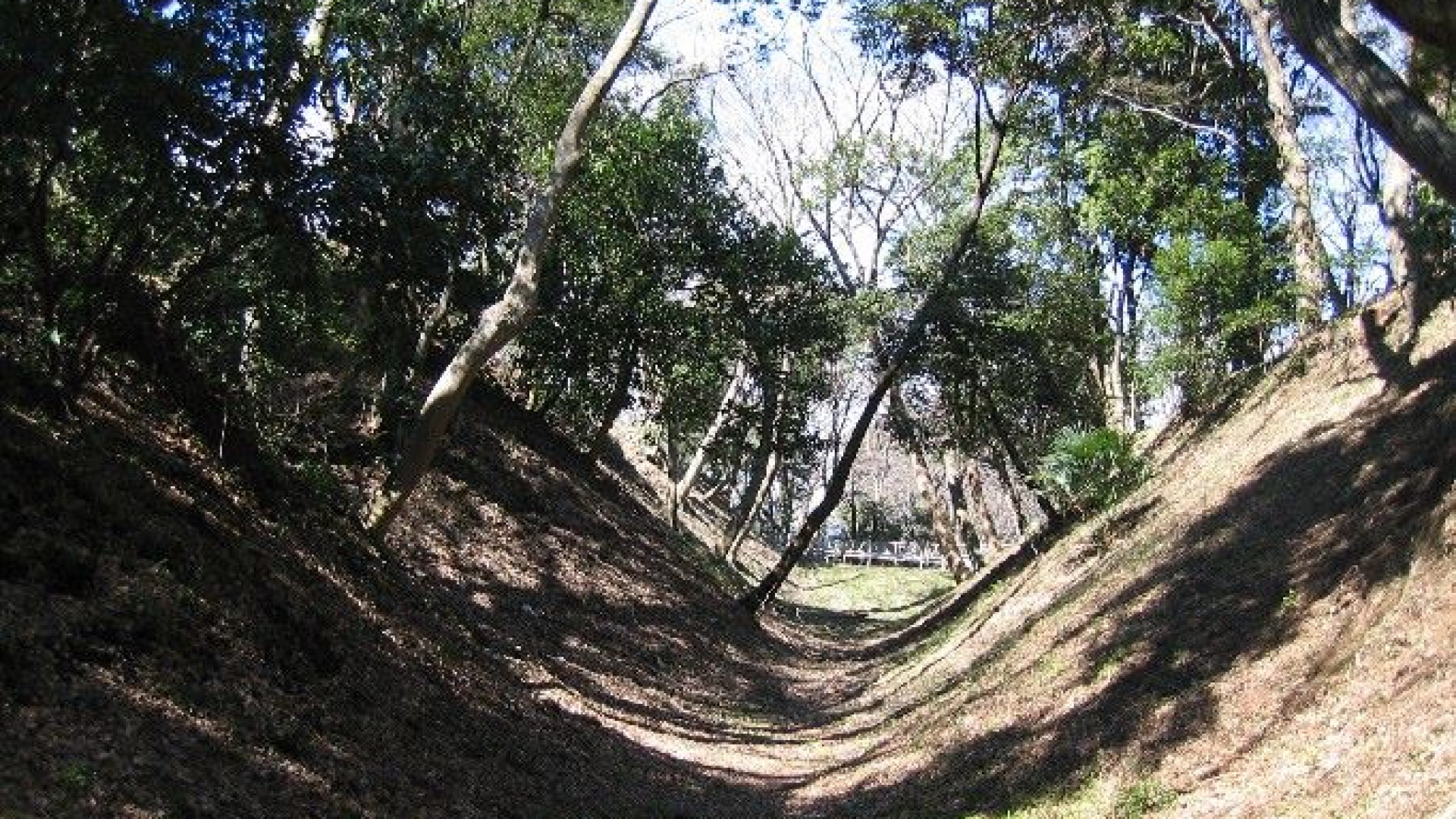
The Hakone Old Highway is a part of the Tōkaidō Highway established by the Edo Shogunal government, and the sloping road extends for 32 km from the Mishima post station via the Hakone-toge pass to the Odawara post station. The part between the Mishima post station and the Hakone check station through the Hakone-toge pass at an elevation of 846 m had been considered the most grueling part in the Tōkaidō Highway, as in addition to the steep ascent at high elevation, travelers had to walk through knee-deep mud if it snowed or rained. The Edo Shogunal government spent 1,400 ryo to pave the road with stone for 10 km of the road. According to records, it was originally paved with local Hakone-dake bamboo, however, it needed to be regularly repaved as the bamboo would rot, costing a great deal of money every year. Now only 2 km of the original stone pavement remains. Enjoy imagining travel in the old days while walking along the original paved segment of the old highway.The mountain road is overgrown with trees, so an early morning start is recommended. When the weather is nice, the sunlight through the trees feels refreshing. Be careful as the stone pavement is slippery after it rains.

Culture & Arts Tokaido Koshu kaido KANAGAWA
Miura Coast Noryo Matsuri Fireworks Festival

Miura Coast Noryo Matsuri Fireworks Festival

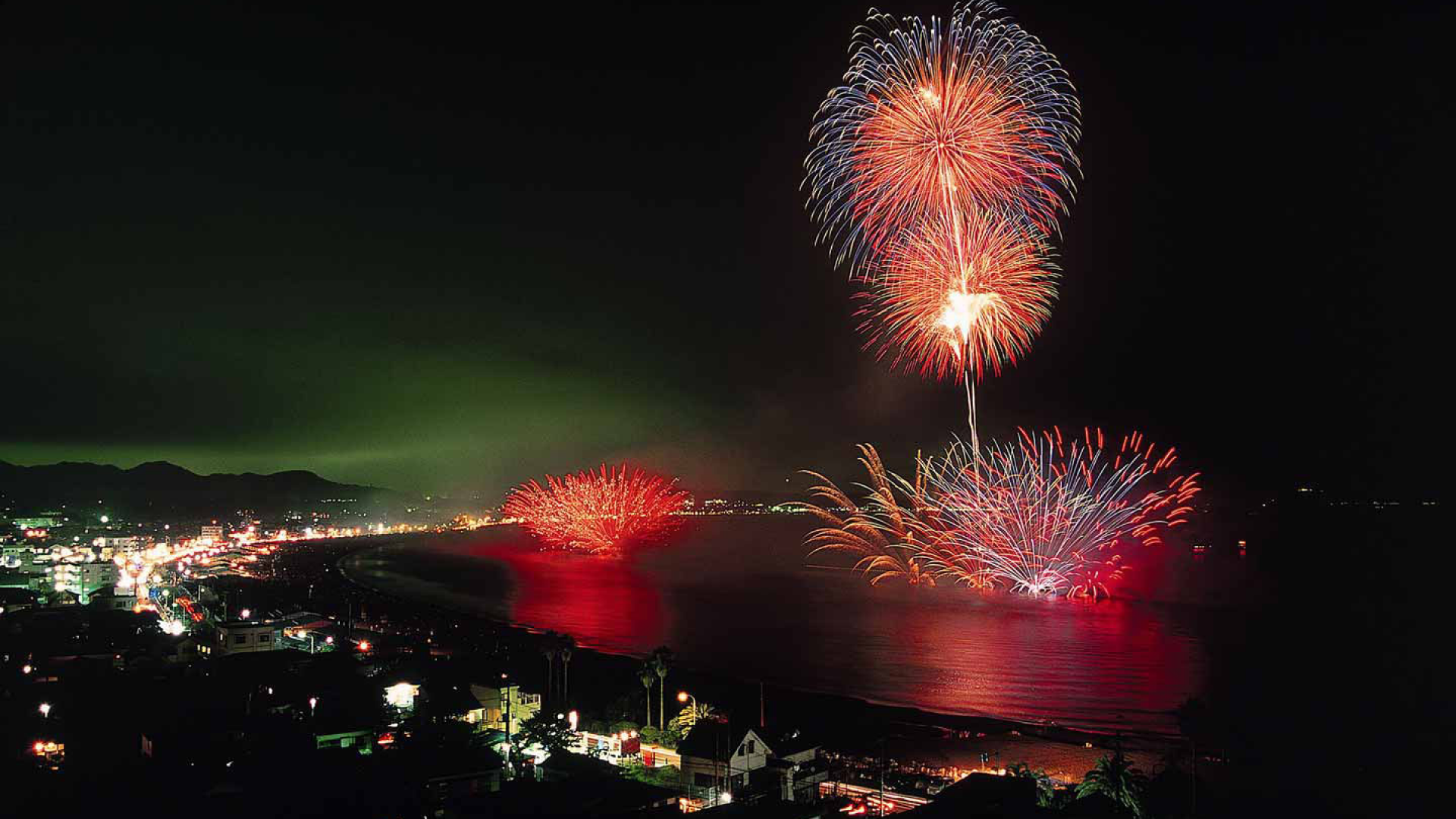
The Miura-Kaigan Noryo Festival Fireworks Display is a summer tradition held every year on the Miura Peninsula in early August. The venue, Miura Beach, is conveniently located just a 5-minute walk from Miurakaigan Station on the Keihin Kyuko Line. Visitors can sit on the vast sandy beach and look up at the fireworks in a relaxing and open setting. The underwater fireworks, nicknamed "underwater peacocks," are launched from a barge and are a spectacular sight sure to wow. The colorful lights brightly illuminate the surface of the sea.

Culture & Arts Koshu kaido Tokaido KANAGAWA
Shonan Hiratsuka Tanabata Festival

Shonan Hiratsuka Tanabata Festival

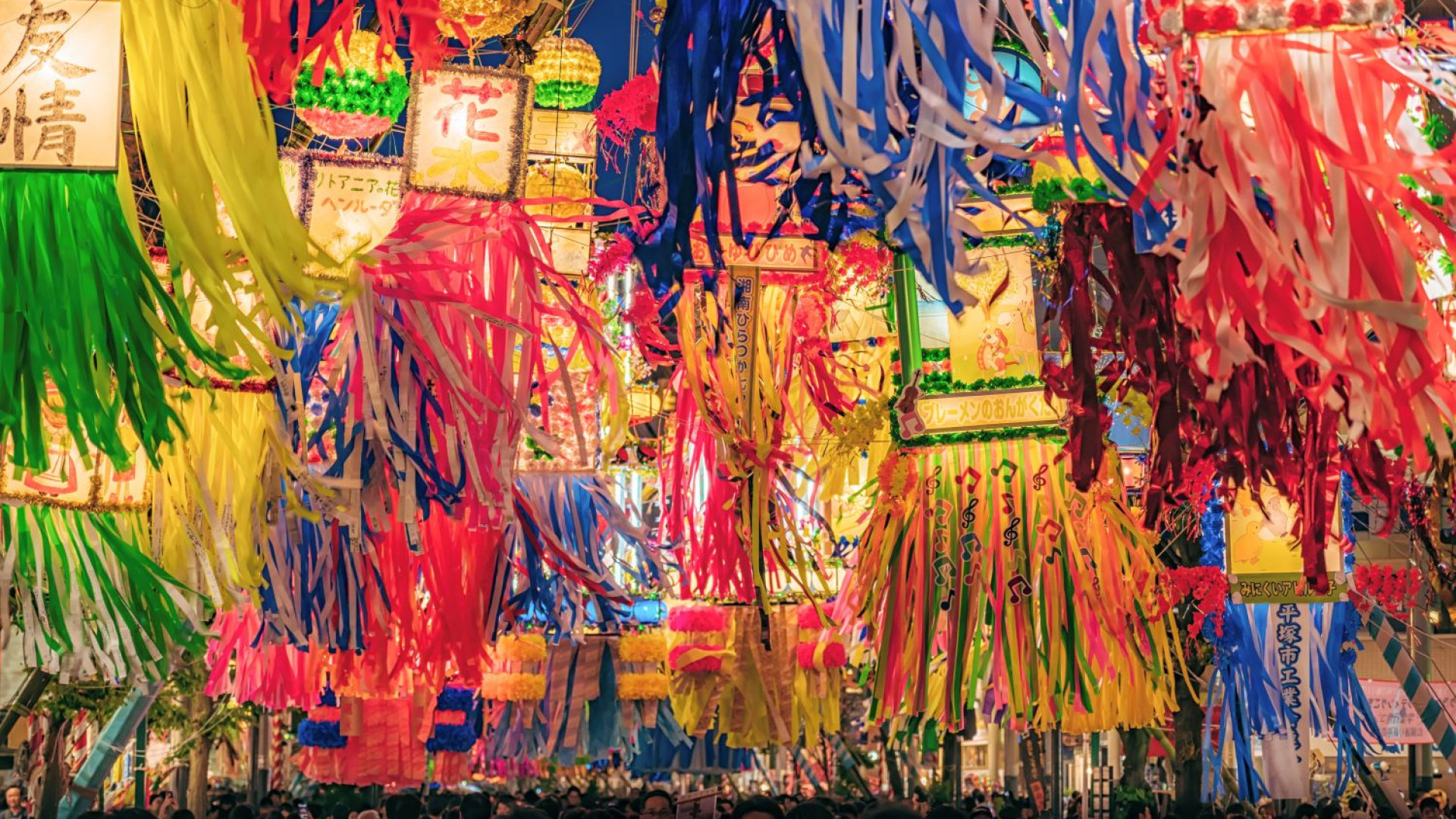
The Shonan Hiratsuka Tanabata Festival was started as a postwar commercial revitalization initiative, and is characterized by the vibrance of its Tanabata decorations, said to be the most lavish in Japan, made possible by the city's commercial power. Approximately 300 ornaments fill the streets of the city center, centered in the main venue, Shonan Star Mall, with gorgeous decorations, some reaching over 5 meters in height! In the evening, the decorations are lit up, creating an even more beautiful and impressive sight. During the festival, various events are held, including a Tanabata decoration competition and a parade. The festival has developed into one of Japan's most representative summer traditions, with the Shonan Hiratsuka Orihime, chosen through a contest, participating in various events, such as parades and visits to the city, further livening up the Tanabata festival.Held every July, Tanabata is a vibrant festival celebrating the one annual meeting of two celestial lovers. The bright colours of the decorations around the city and the night-time illuminations are rivaled by the beautiful kimonos worn by visitors.The Tanabata Festival, which announces the arrival of summer in Shonan, is one of the largest in Japan, along with the Sendai City Tanabata Festival in Miyagi Prefecture. About 500 gorgeous decorations are presented in the center of Hiratsuka, and at night, they are lit up to create a magical atmosphere. A parade and more than 400 stalls—selling a wide variety of things, such as Shonan gourmet foods—make the festival even more exciting.

Culture & Arts Koshu kaido Tokaido KANAGAWA
Yokohama Archives of History

Yokohama Archives of History

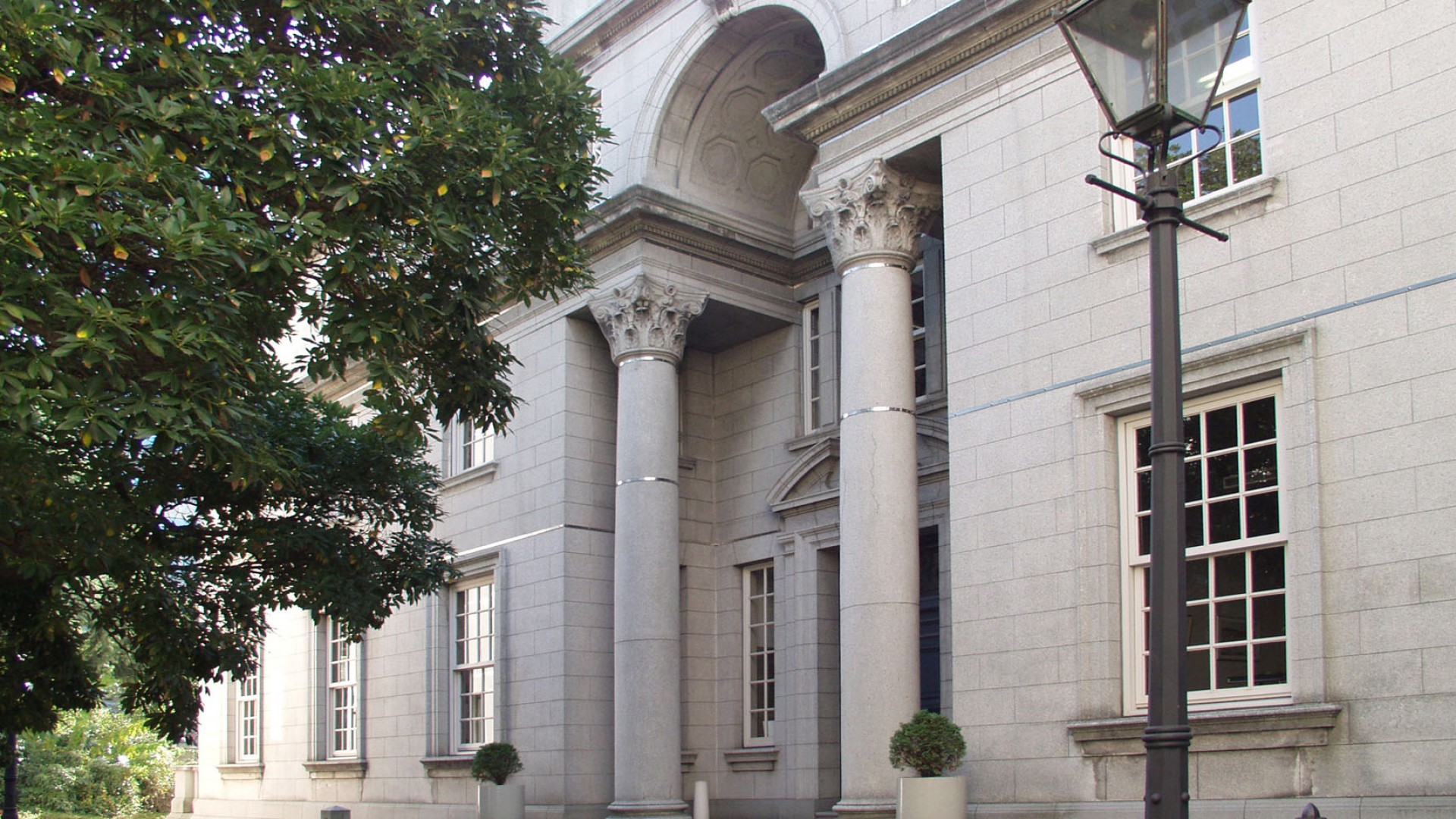
Displays materials on Yokohama history from the end of the Edo period/Opening up of the port period to the beginning of the Showa period. The building was formerly used as the British consulate until 1972. There is a historical camphor tree in the courtyard. *Includes a cafe.Learn the fascinating history of how a small fishing village became the second largest city in Japan. It starts with the landing of Commodore Perry and his black ships.

Culture & Arts Tokaido Koshu kaido KANAGAWA
Homma Yoseki Museum

Homma Yoseki Museum

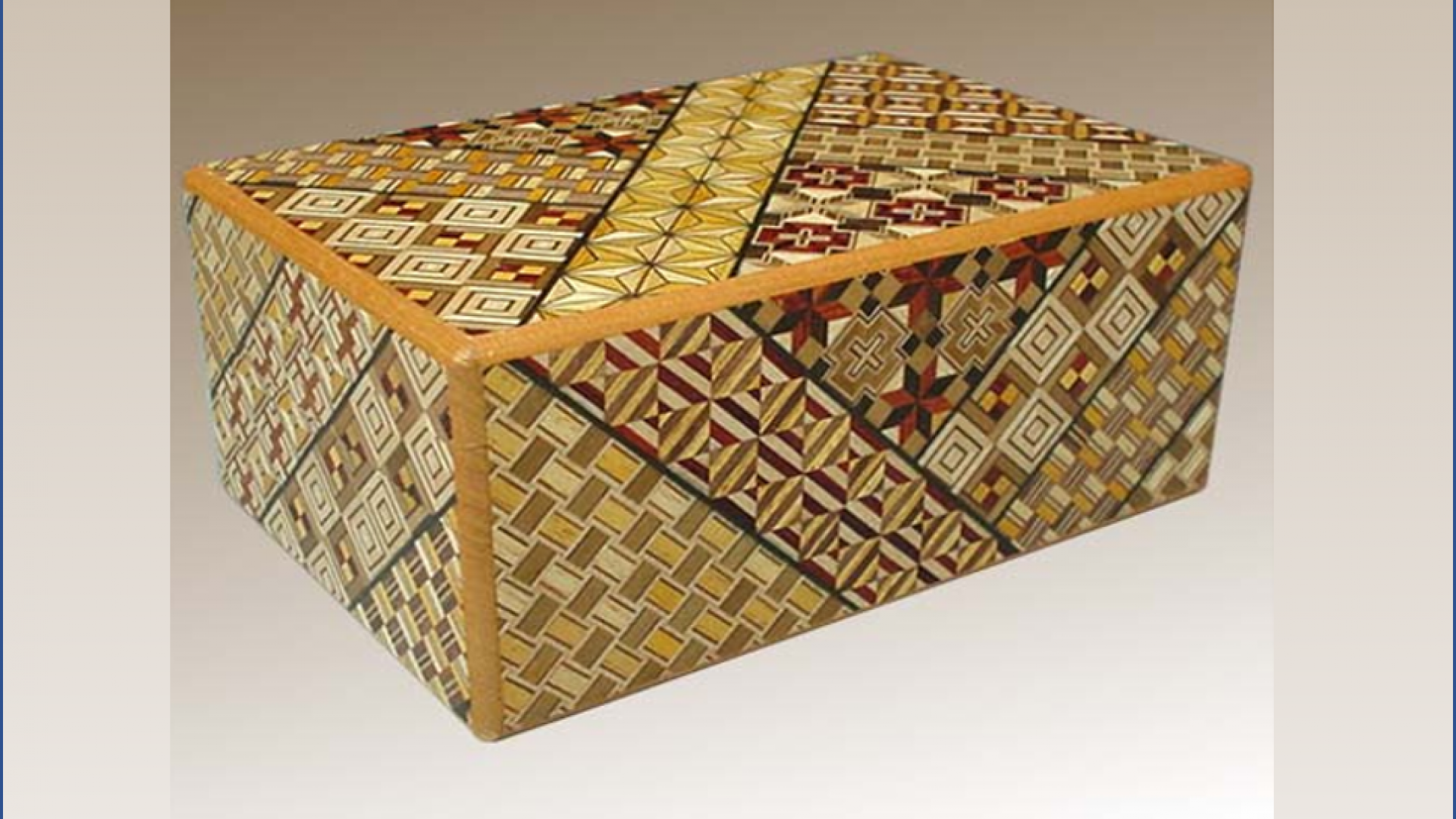
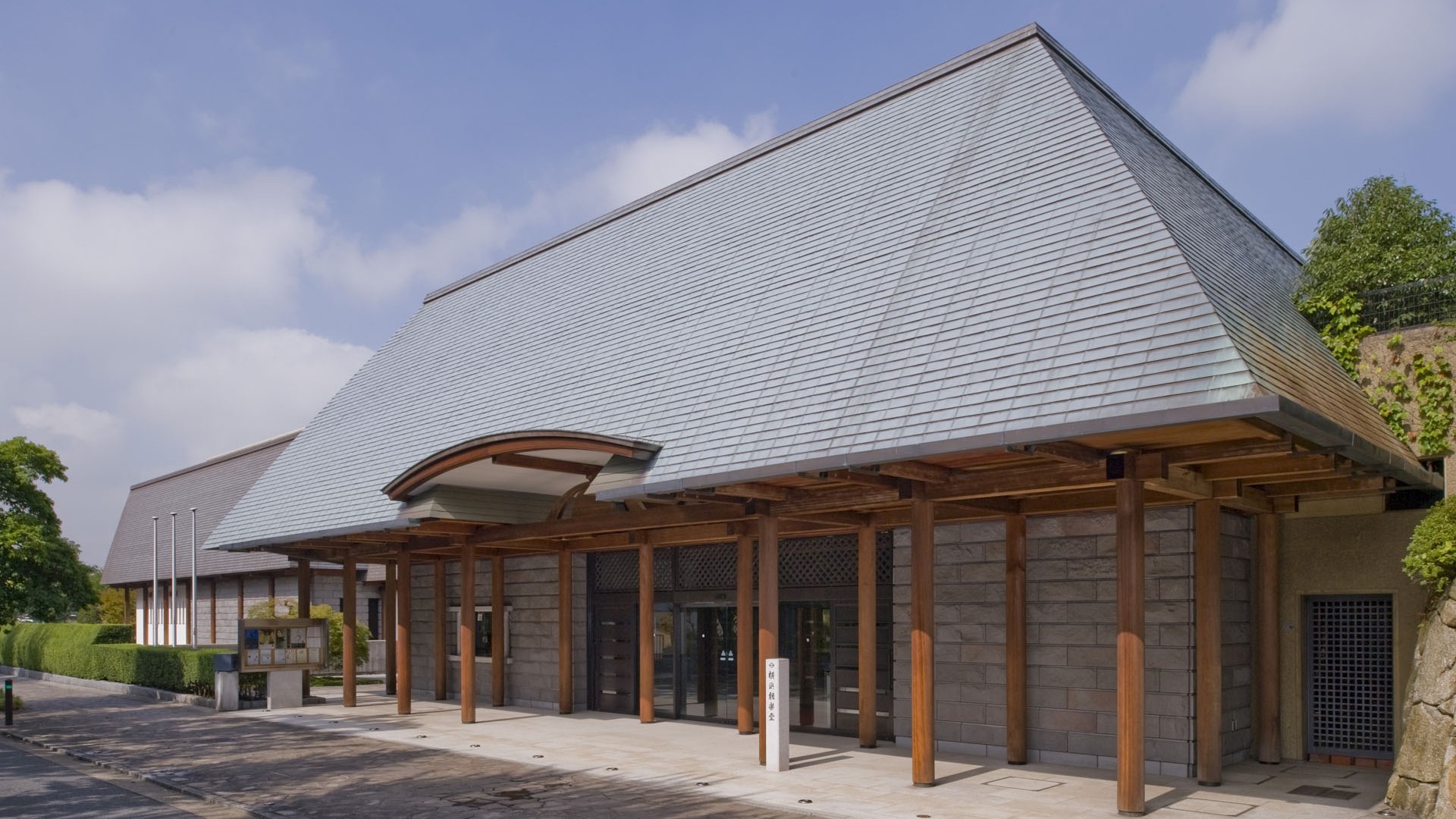
Homma Yoseki Museum is an art gallery that exhibits a collection of Yosegi Zaiku wooden mosaic work, a traditional craft from Hakone that has been continued since the Edo period. Visiting will help you to understand the beauty of this historical art. It holds around 500 pieces, of which at least 200 are always on display. The exhibits change with the seasons, with the Yosegi Gakujin-Bina dolls that are on display in spring being especially worth seeing.

Culture & Arts Tokaido Koshu kaido KANAGAWA
Odawara Hojo Godai Festival

Odawara Hojo Godai Festival

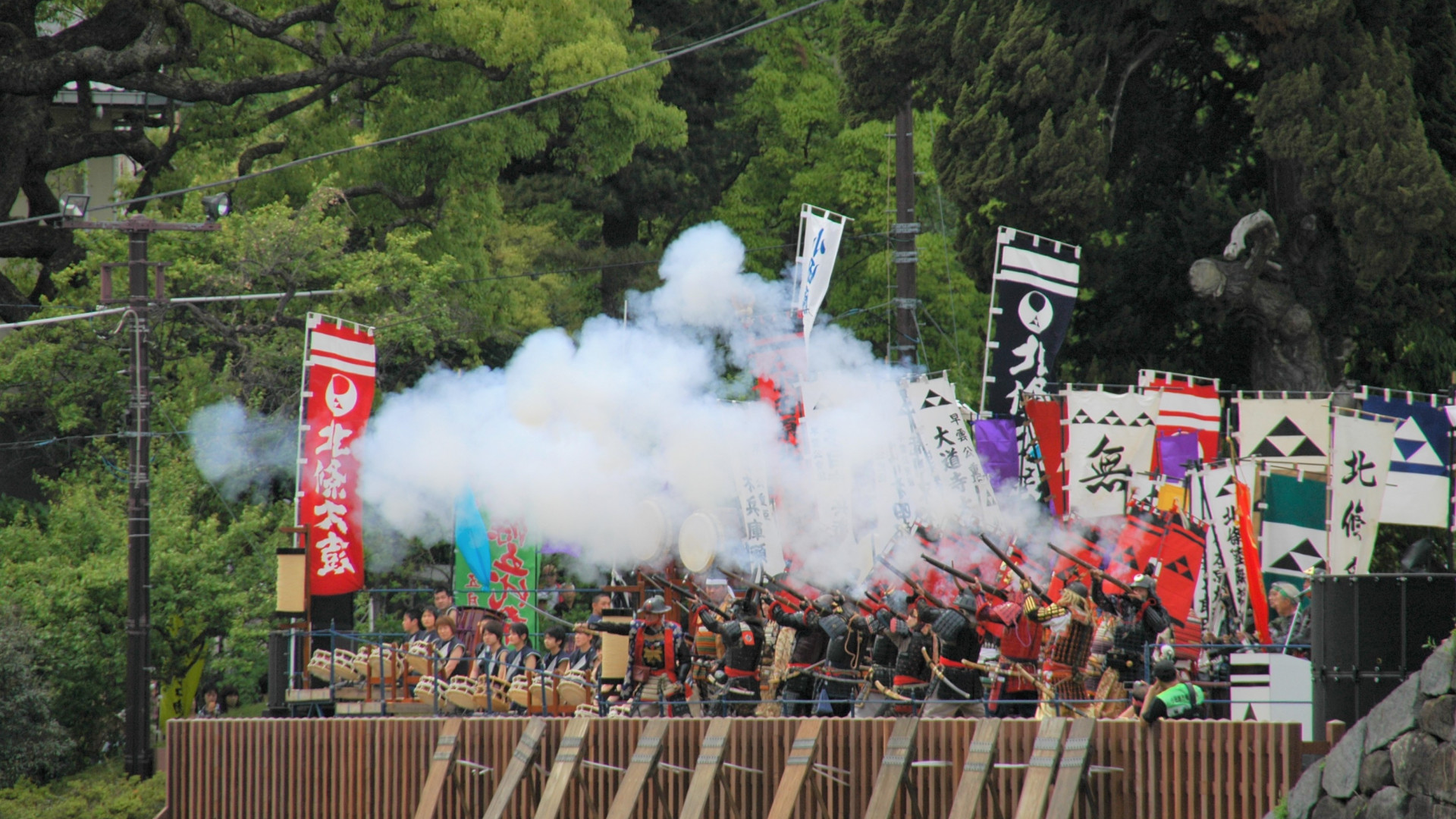
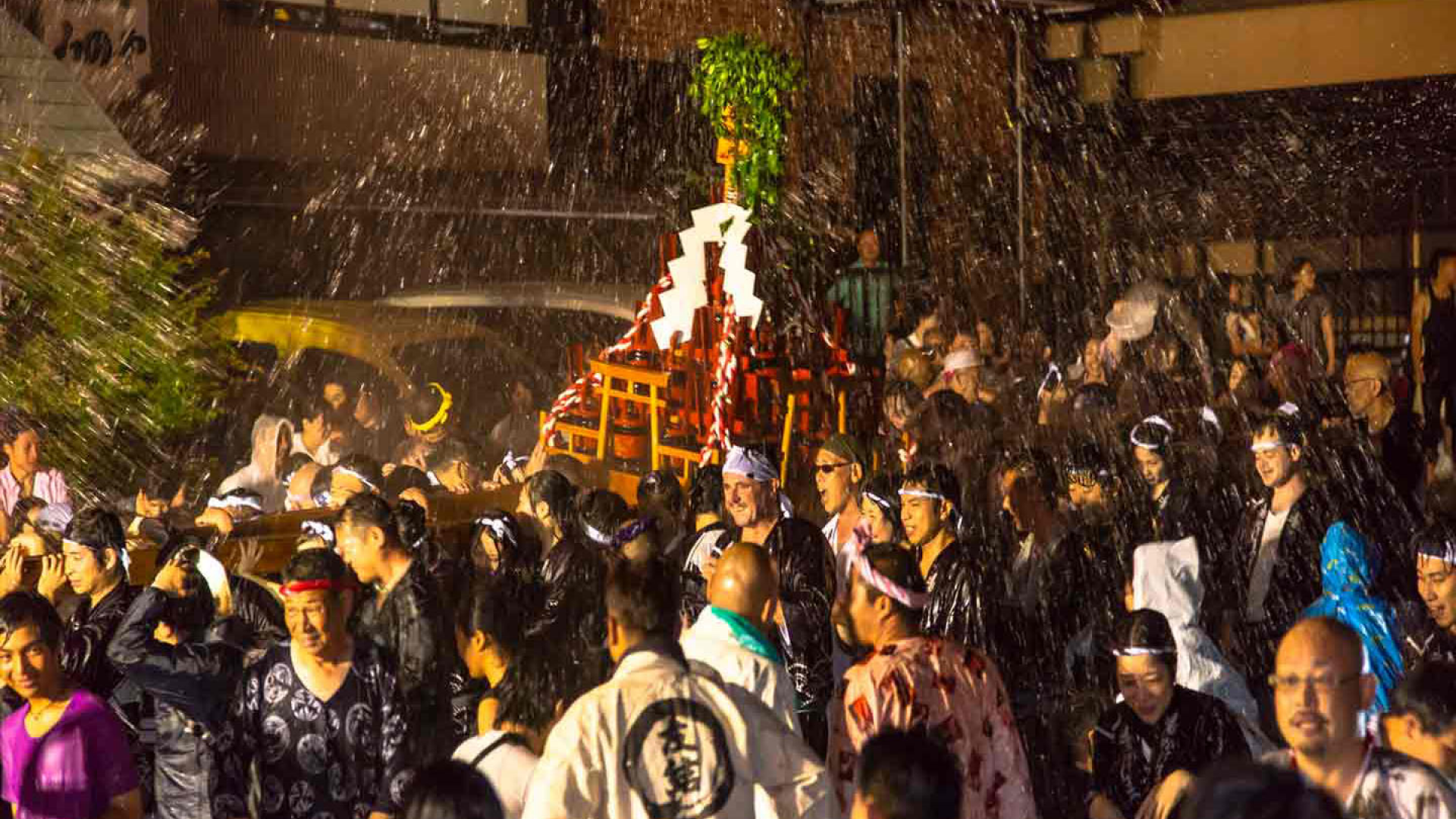
This is Odawara City's largest festival to honor the Hojo clan, a set of feudal lords who reigned over the Kanto region for five generations for about 100 years during the Warring States Period, a time of fierce rivalry between the warriors, and who created a nation with the ideal of the well-being of its people. A total of 1,700 people parade in the city in a heroic procession of warriors, mainly modeled after the five successive lords of the Hojo clan, with the participation of local brass bands, the Ground Self-Defense Force, and other musical groups, as well as portable shrines and other town groups. In addition, there will be a firing performance by the Hojo Tepposhu and a performance by the Fuuma Ninjas in the streets.

Culture & Arts Tokaido Koshu kaido KANAGAWA