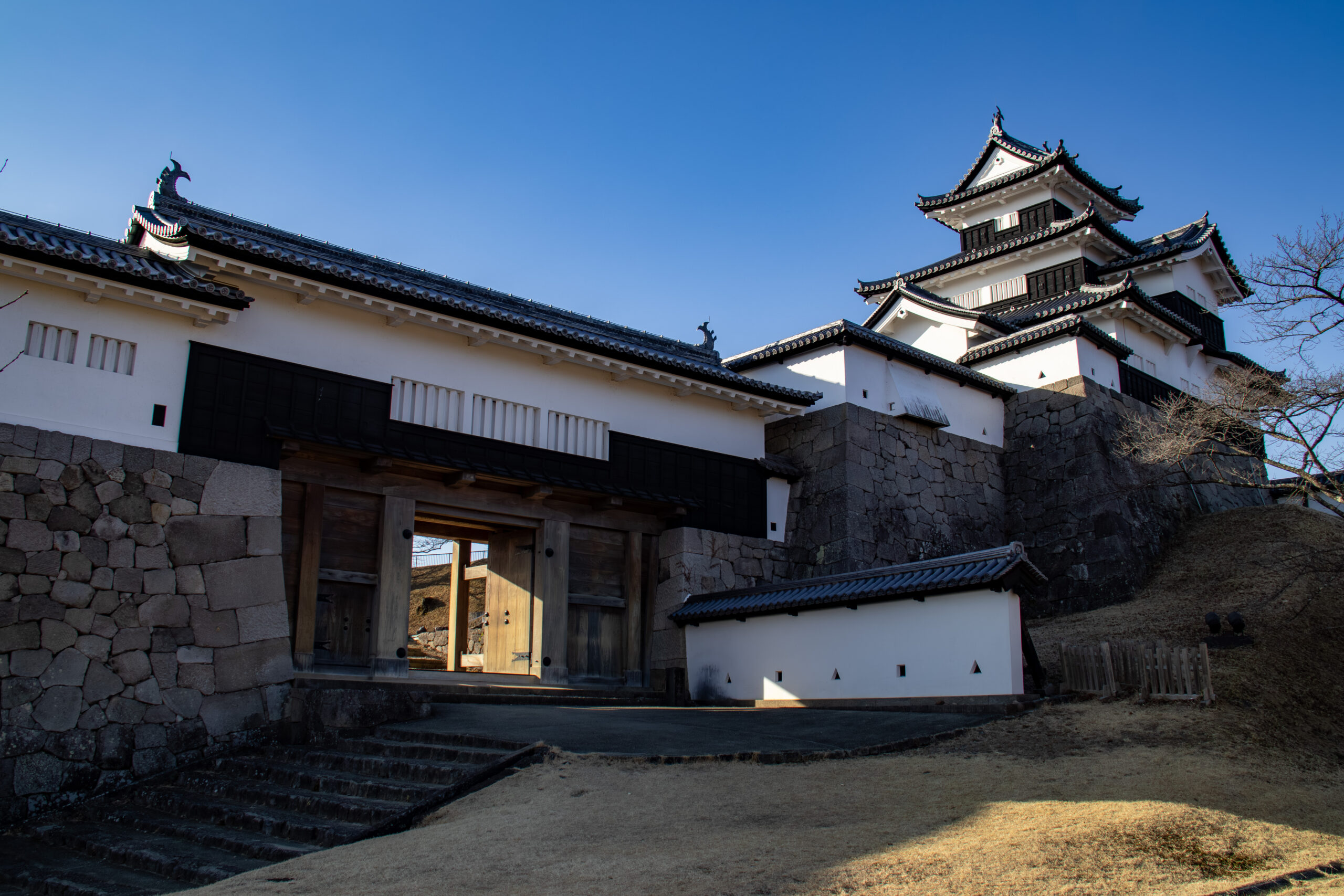
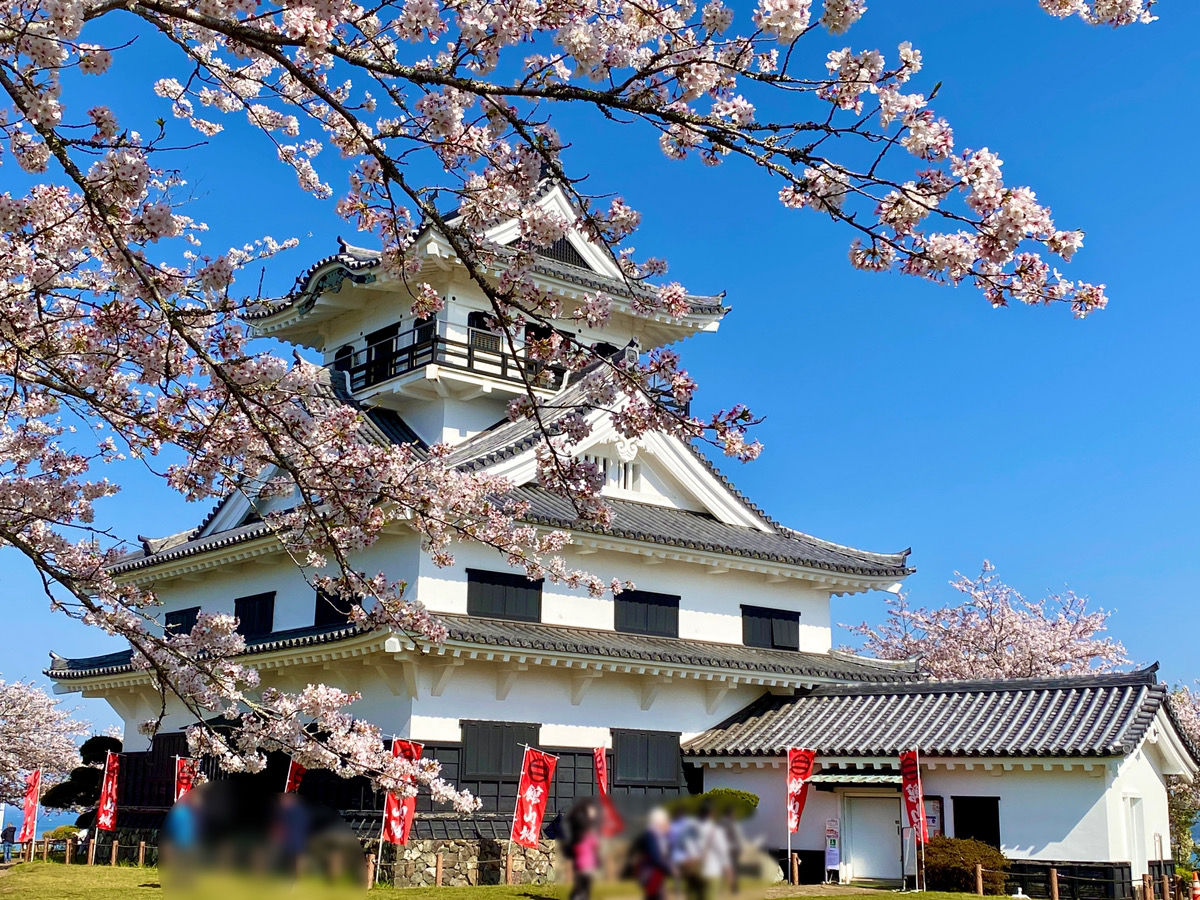
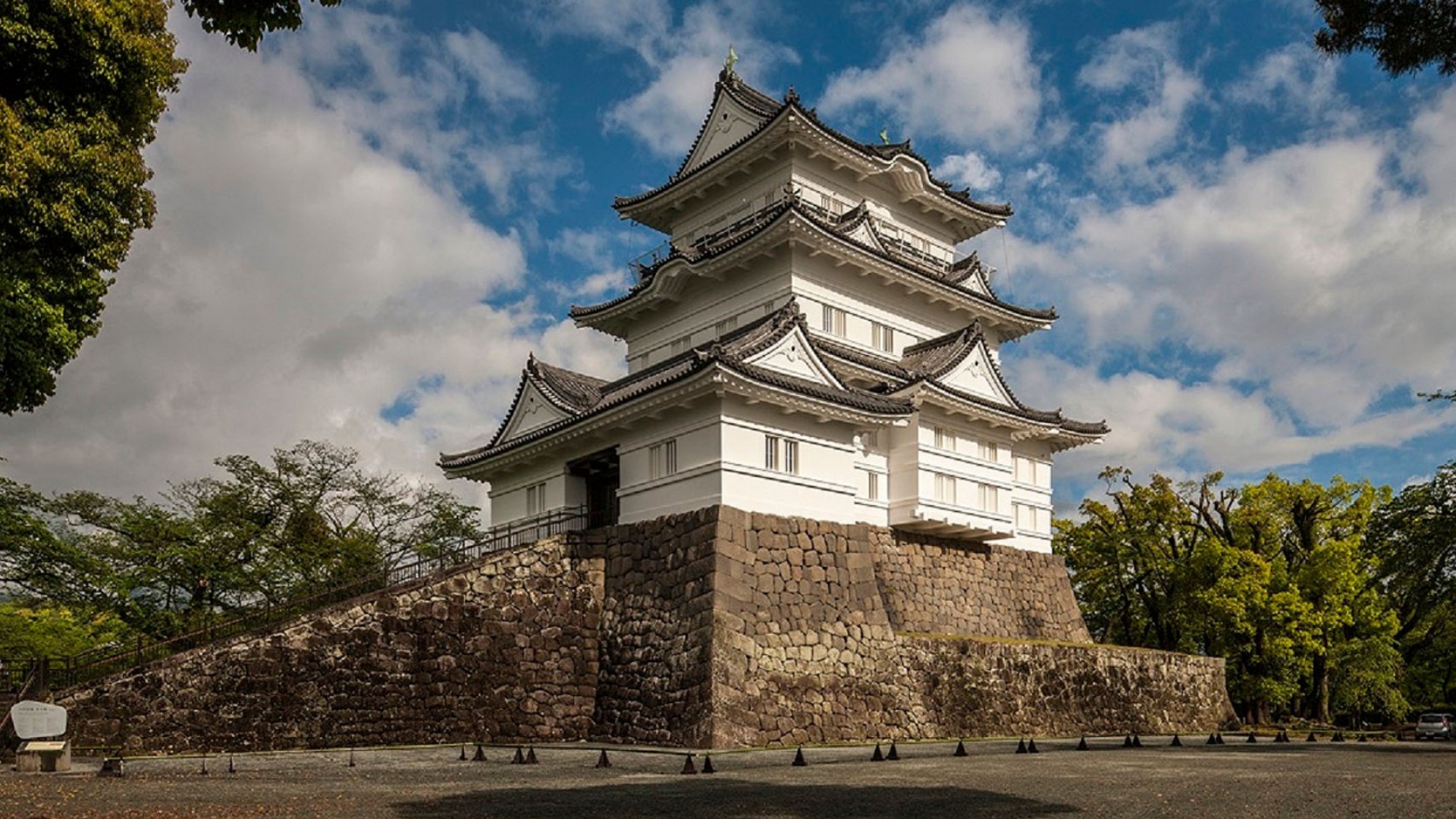
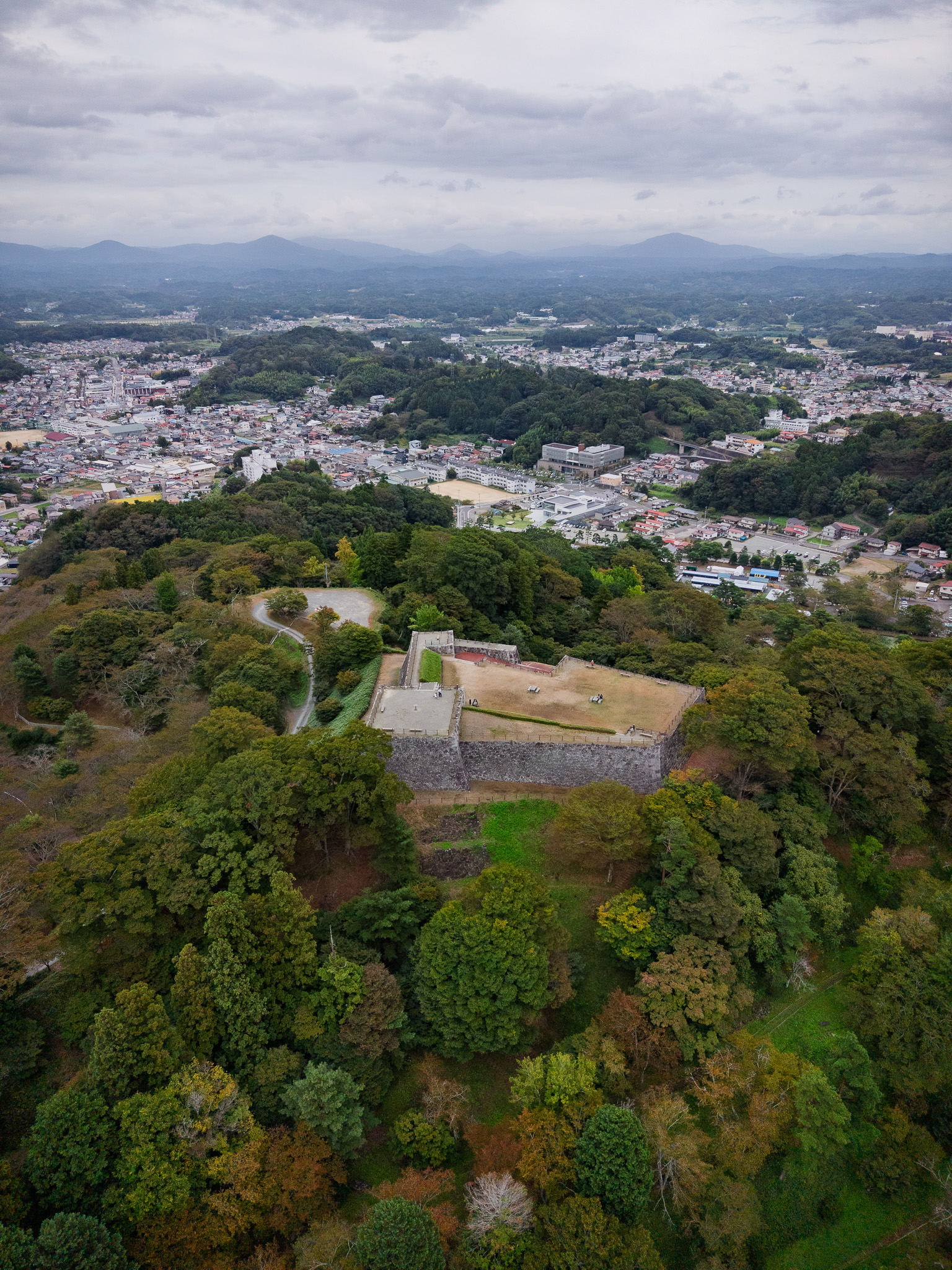
Odawara Castle is an impregnable castle that was designated as a national historic site and preserved through reconstruction and restoration. The first to fifth floors of the castle tower introduce the history of the castle from the Edo period to the present day. From the observation deck on the top floor, which is approximately 60 meters above sea level, visitors can enjoy a panoramic view of Sagami Bay. In Odawara Castle Ruins Park, visitors can enjoy a variety of flowers and plants throughout the year, including cherry blossoms, wisteria, irises, and ume (Japanese plum).Exhibits specializing in weapons such as armor and swords are held to introduce the spirituality of the samurai and the art of the weapons.This castle provides a fun time reliving the medieval era. Inside the castle is an excellent museum and outside, near the back, you can try on the armor of a ninja warrior for a memorable picture of your visit.The lovely contrast between Odawara Castle’s white castle tower and the pale pink of the cherry blossoms can be seen every year from late March to early April. When night falls at Odawara Castle’s Honmaru Square, they hold the “Odawara Castle Cherry Blossom Light-up: Night Cherry Blossoms Dyed in Light” event, creating an even more magical atmosphere.Odawara Castle Hydrangea and Iris Festival: Odawara Castle is designated as one of Japan's Top 100 Castles. In the iris garden located in the east moat of the Odawara Castle Keep, visitors can enjoy about 10,000 iris flowers in full bloom from early to mid June. The garden will be lit up at night which creates a mysterious vista.