
Greater Tokyo

See & Do

reset
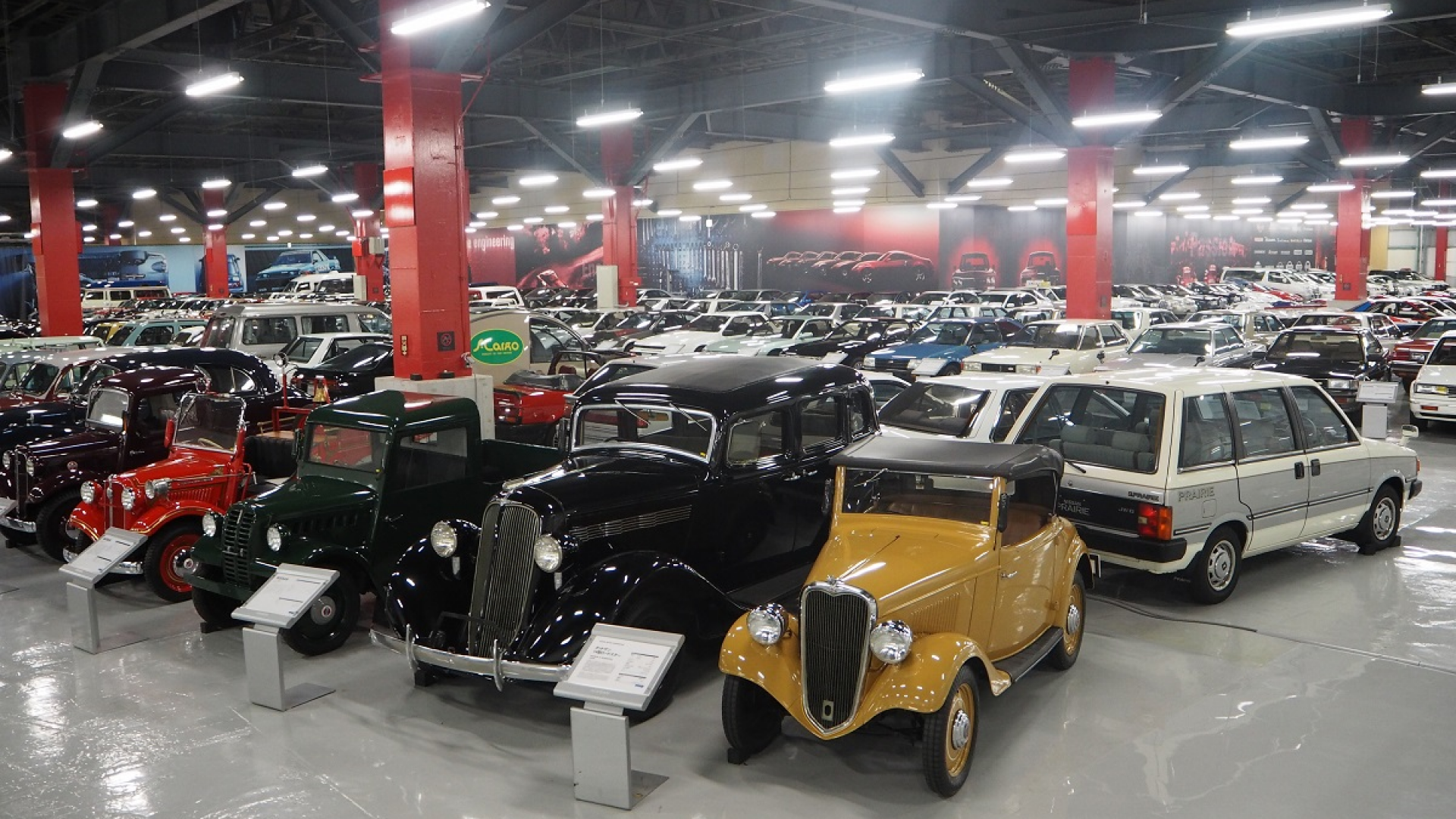
Nissan Heritage Collection

Nissan Heritage Collection

The tour includes the viewing of historic and valuable Nissan cars. There are old cars from the 1930s, like production cars, historic race cars, Nissan street motorcycles, off-road vehicles, and other vintage vehicles. The museum owns around 400 memorial vehicles, with 300 of them on display. ・No smoking in the building ・Do not take photos of the building outside ・Try not to touch the cars. (If you want to touch, please notify a staff) ・Japanese only

Culture & Arts Tokaido Koshu kaido KANAGAWA
Mitsubishi Minatomirai Industrial Museum

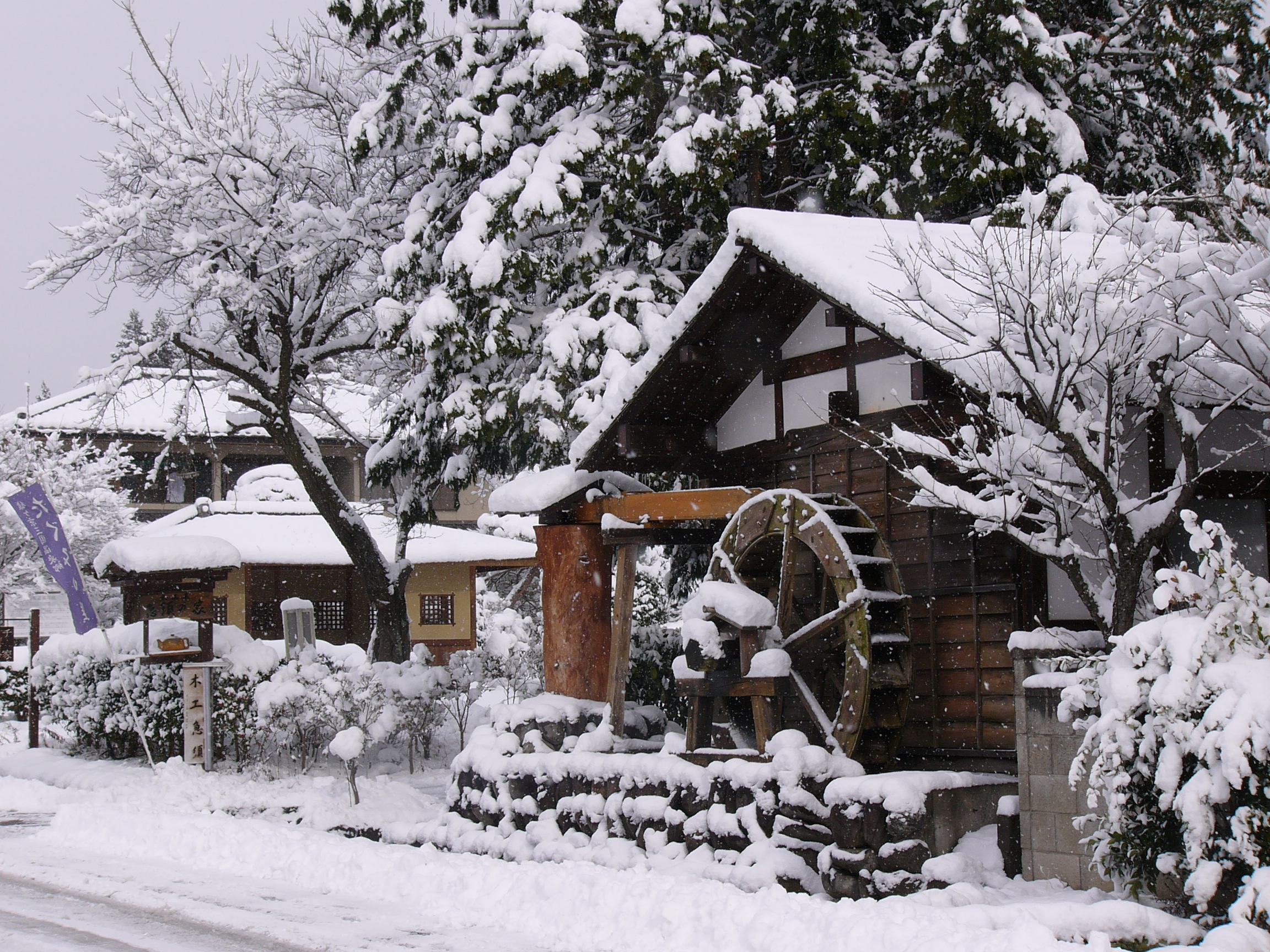
Mitsubishi Minatomirai Industrial Museum

Feel the wonders of leading scientific technology. There are rockets, ships, airplanes, environmental, and energy related technologies on display. You can hop on board a real-size cockpit of the first domestic production regional jet plan “MRJ” and enjoy the “MRJ flight challenge” flight simulator. In the “discoveries of day to day life” zone, you can discover the amazing technologies that surround you in day to day living! Let’s take a look at what the future lifestyle holds for us. Space food, experiment kits, models, and souvenirs are for sale in the museum shop.

Culture & Arts Tokaido Koshu kaido KANAGAWA
Fujiko F. Fujio Museum

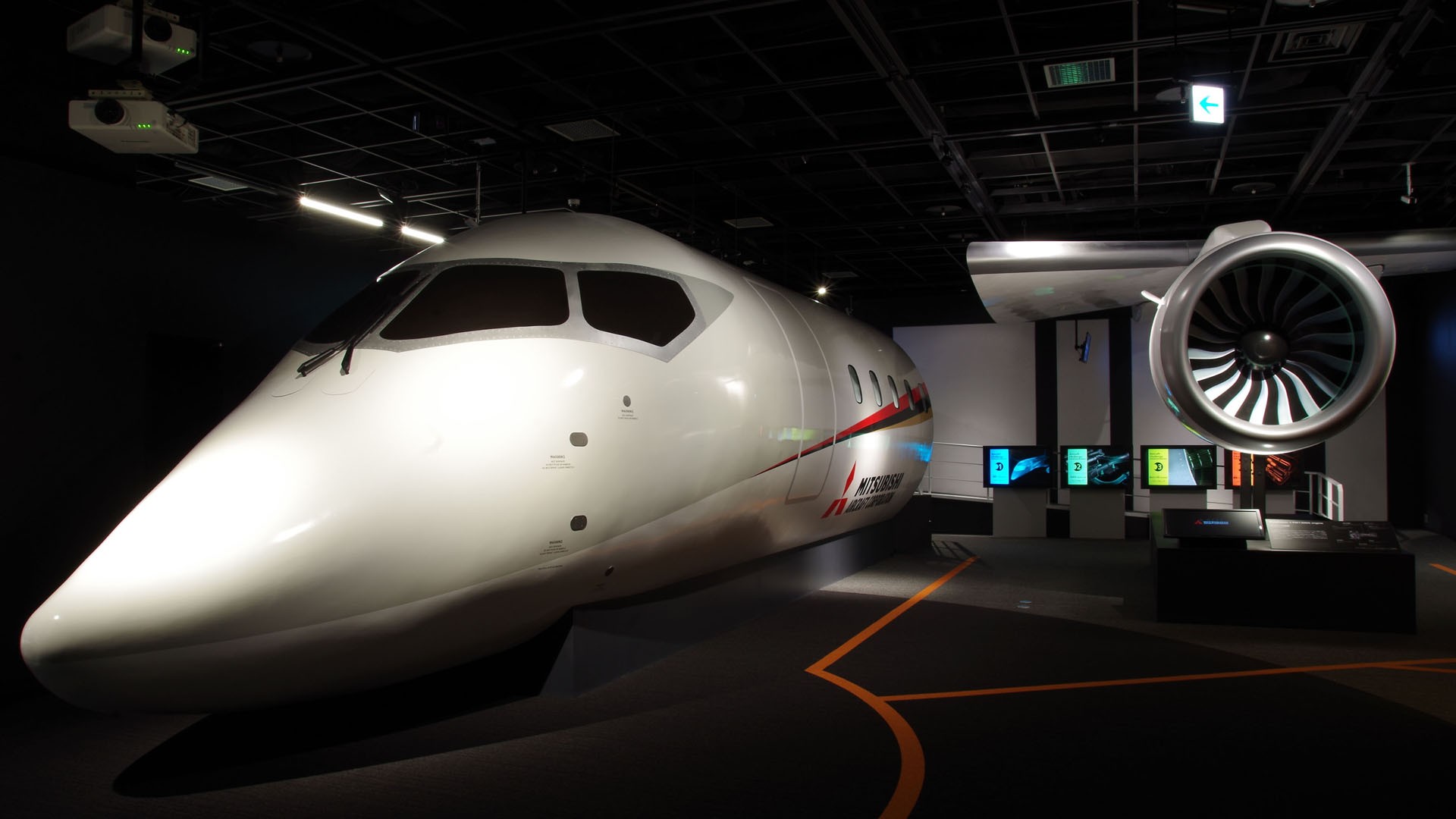
Fujiko F. Fujio Museum

This cultural facility conveys the world of manga artist Fujiko F. Fujio, creator of many works including "Doraemon" and "Perman," and his messages are conveyed to all generations through his original drawings and other works.It is necessary to purchase entry tickets in advance from Lawson. Entry is hours happen 7 times a day, on the hour (10am, 11am, 12pm, 1pm, 2pm, 3pm, and 4pm). As long as you’re within the 60 minutes indicated on your entry ticket, you can enter the building any time.

Culture & Arts Tokaido Koshu kaido KANAGAWA
Narukawa Art Museum

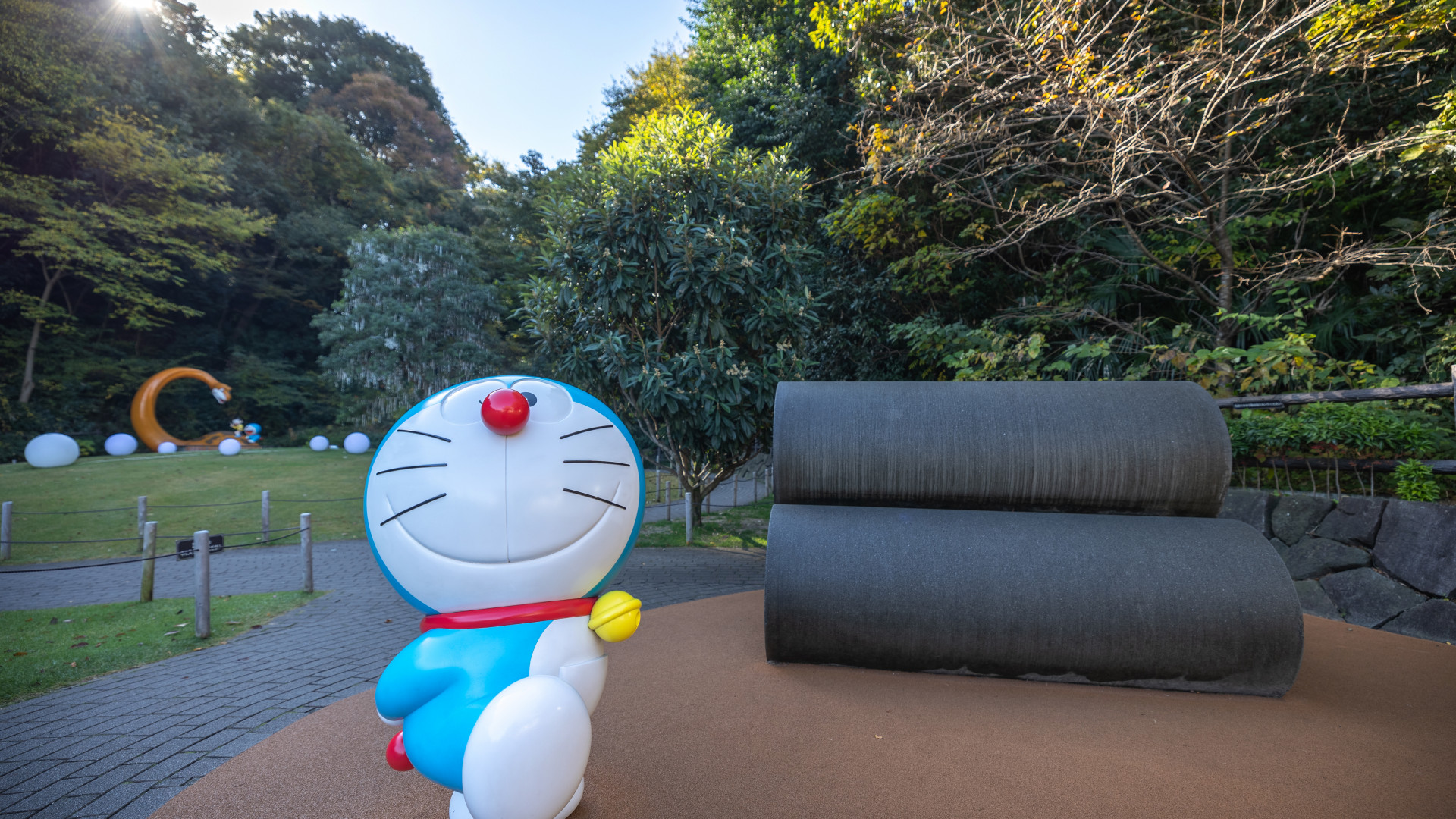
Narukawa Art Museum

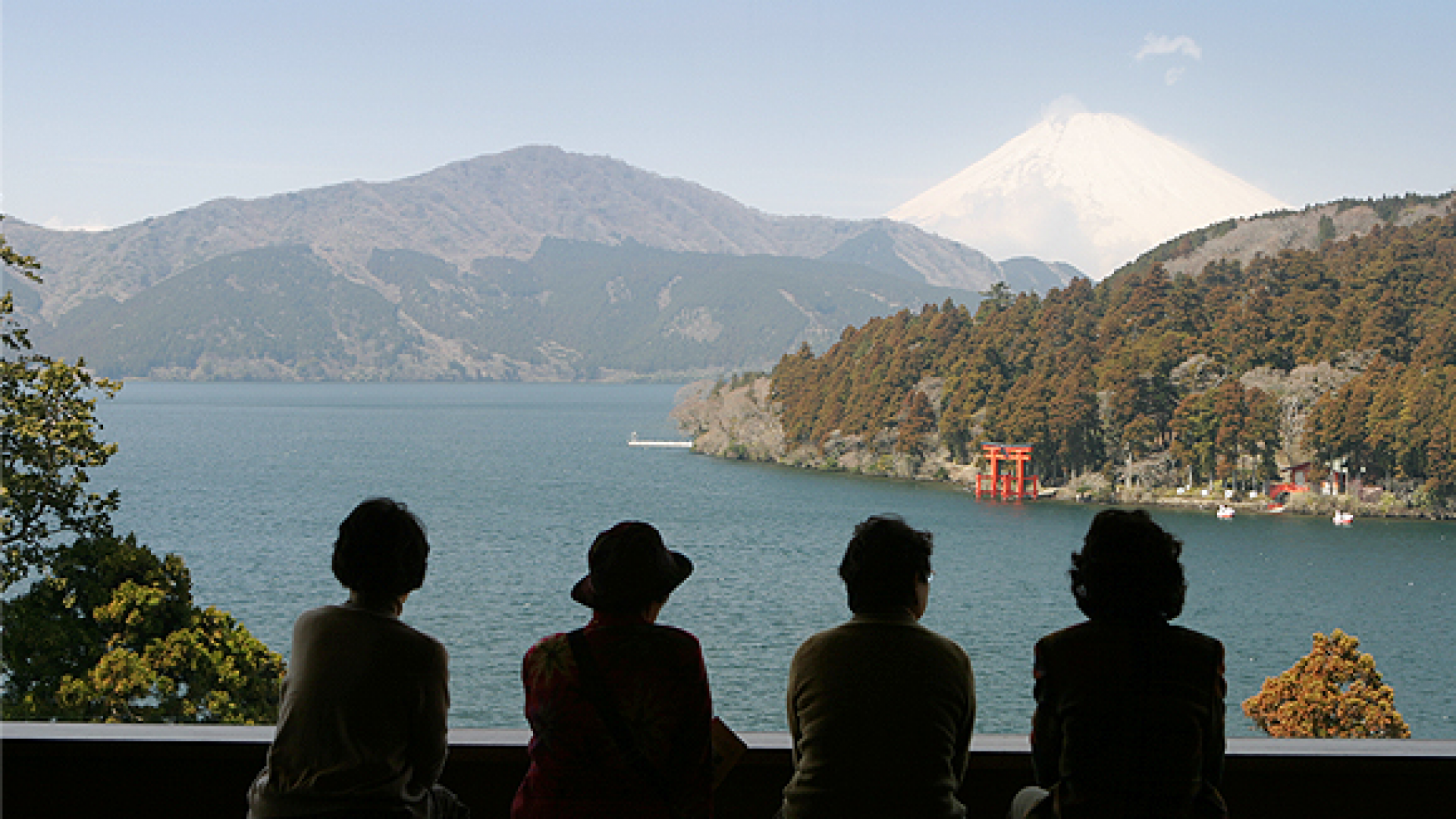
Narukawa Art Museum stands by the Ashinoko in Hakone, surrounded by trees. It was opened to the public in 1988. They have a collection of more than 4,000 works specializing in modern Japanese paintings. They have about 150 pieces of works by Gakuto Yamamoto, who has won an award for culture. About 40 pieces of Ikuo Hirayama. From the museum's garden, enjoy an excellent view of Hakone.Enjoy one of Hakone's best views from the Panorama Lounge — when the sky is clear, admire Mount Fuji, Lake Ashi and Hakone Shrine's red torii gate together.

Culture & Arts Koshu kaido Tokaido KANAGAWA
Japan Open Air Folk House Museum

Japan Open Air Folk House Museum

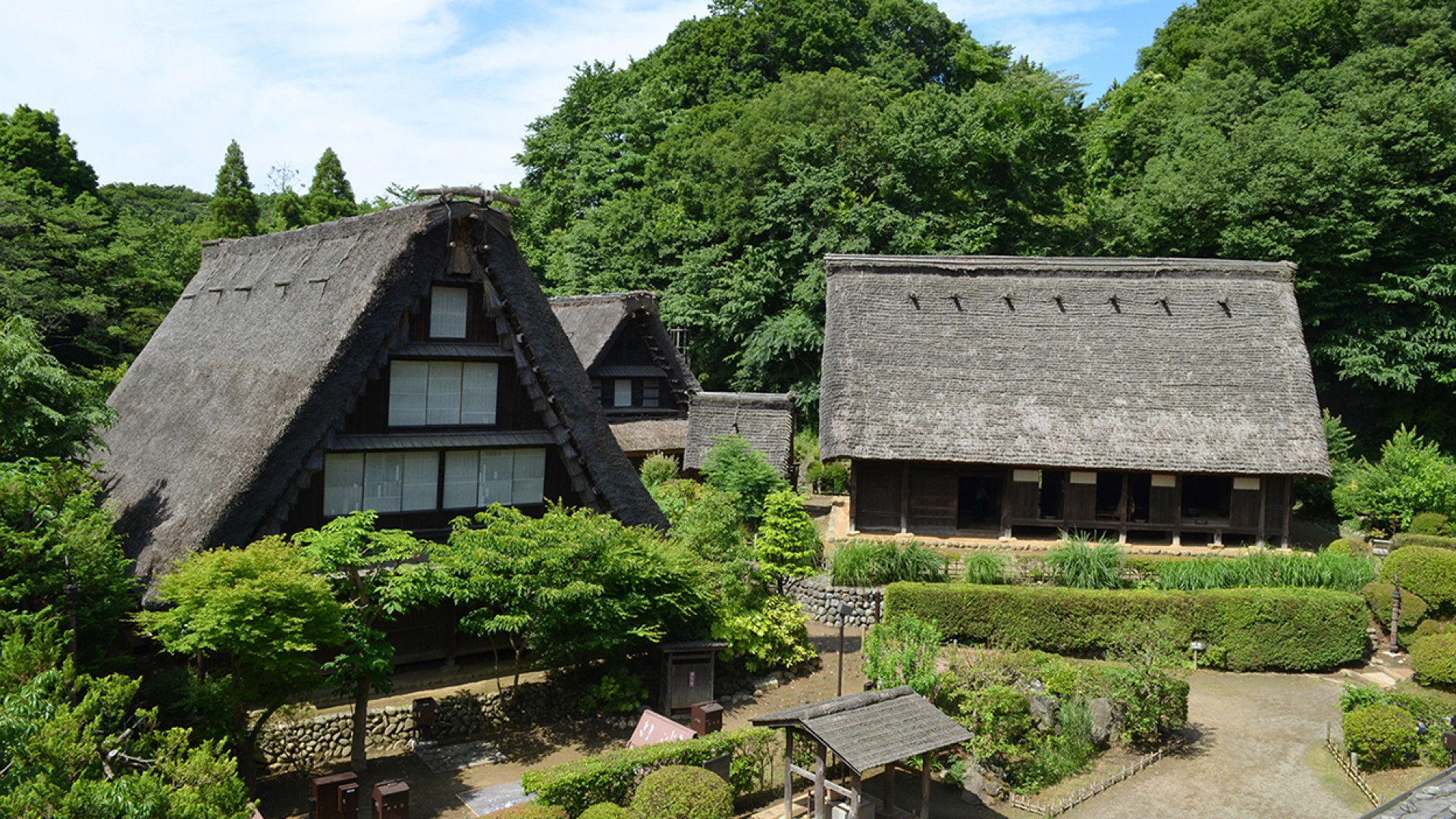
Located 30 minutes from Tokyo and 40 minutes by car from Haneda Airport, this municipal Japanese folklore park in the northern part of Kawasaki City is an outdoor museum that features 25 structures, including traditional Japanese houses, watermills, and Kabuki stages. The buildings are scattered amongst a lush green environment, and you can enjoy the nature of all four seasons. Popular events are also held at the traditional folk houses. In one of the facilities, the traditional crafts building, you can experience indigo dyeing.A gasshō-zukuri house with tall, steep roof and home to the Yamashita family known for their silkworm cultivation and fire farming on the mountain slopes.Similar to the Yamashita House, there was also space under the floors used for the manufacturer of gunpowder.Silkworms were raised in the large attic and papermaking took place on one of the earthen-floored areas.This house was used as both farmhouse and a dye-house.

Culture & Arts Tokaido Koshu kaido KANAGAWA
Kanagawa Prefectural Kanazawa-Bunko Museum

Kanagawa Prefectural Kanazawa-Bunko Museum

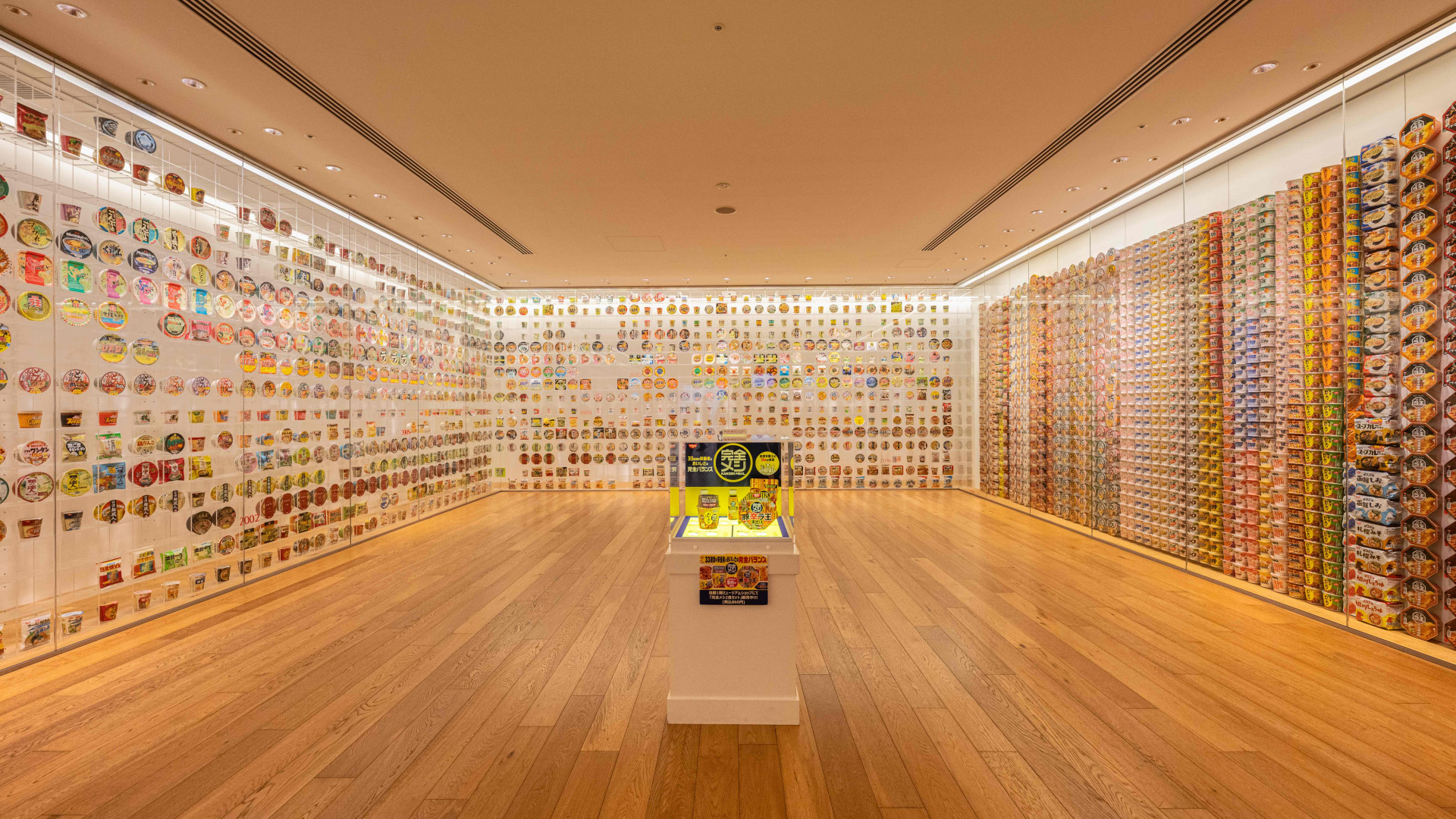
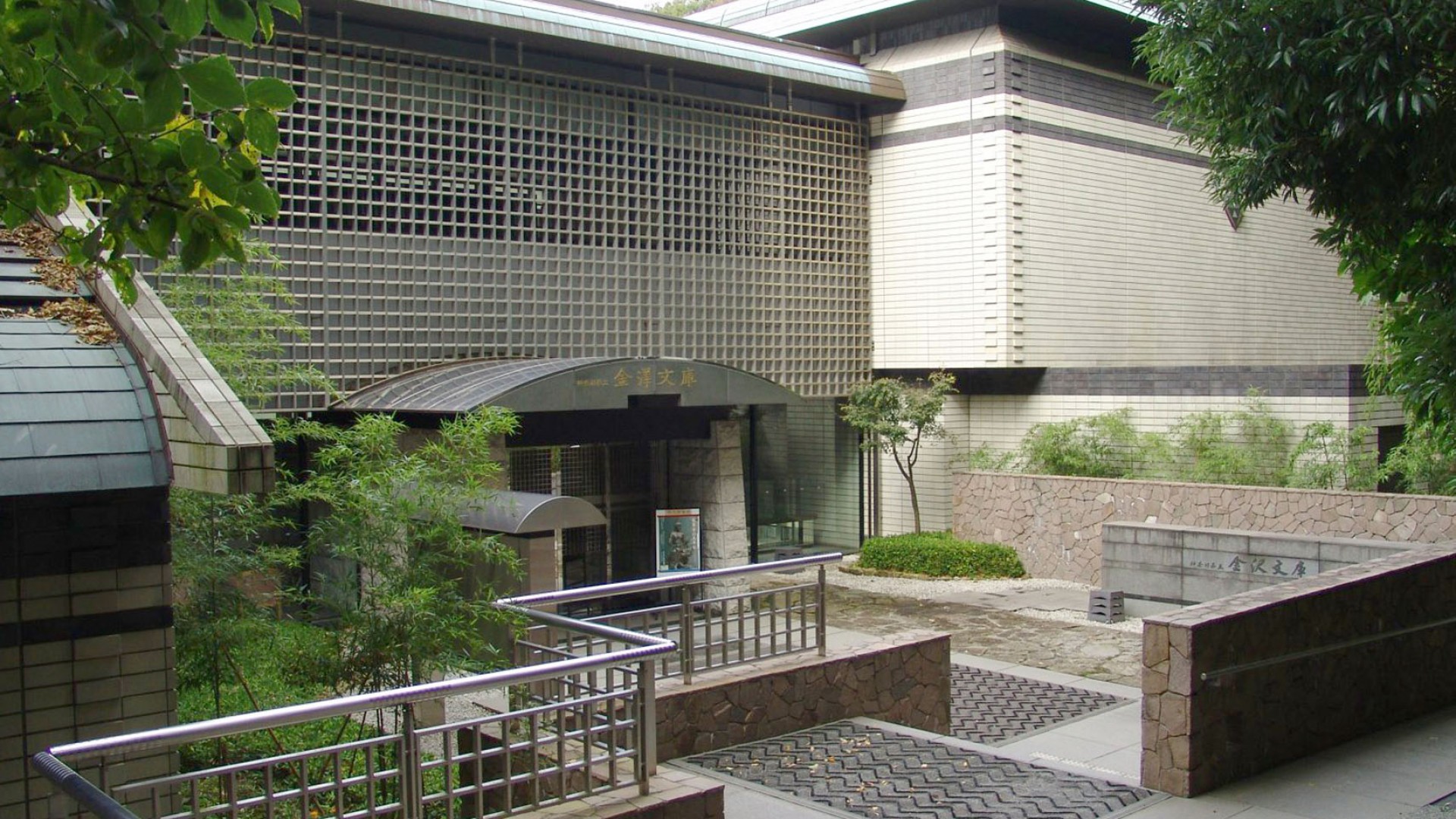
The Kanazawa Bunko was a samurai library built by Hojo Sanetoki, a member of the Hojo clan (Kanazawa Hojo) in the middle of the Kamakura period (1185-1333). The collection covers a wide range of subjects, including politics, literature, and history, and the policy of collecting books was continued by three successive generations of the Hojo family: Akitoki, Sadaaki, and Sadamasa, further enriching the collection. The Kanazawa-Hojo clan shared the same fate with the fall of the Kamakura shogunate, and the collection was administered by the adjacent family temple, Shomyoji Temple, which has continued to manage it into the modern era. The present Kanazawa Bunko was restored as a Kanagawa Prefecture facility in 1930, and since 1990, it has been a museum of history. The Prefectural Kanazawa Bunko is dedicated to preserving for future generations the valuable cultural assets that have handed down the legacy of the Kamakura period, exhibiting the results of its research and studies, and providing public access through lectures and other programs.

Culture & Arts Tokaido Koshu kaido KANAGAWA
YOKOHAMA MINATO MIRAI HALL

YOKOHAMA MINATO MIRAI HALL

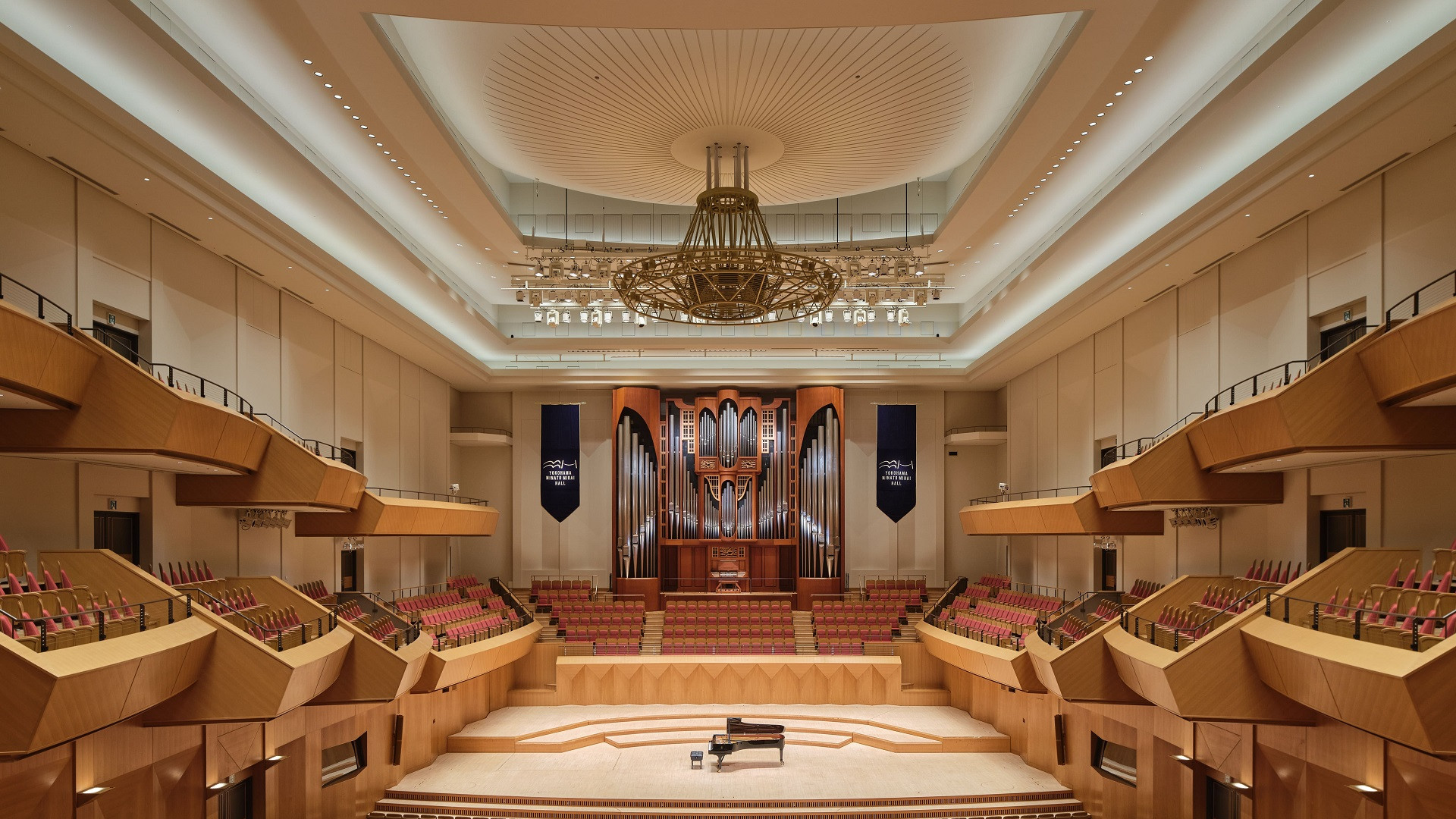
This concert hall is located in the Minatomirai area of the Nishi ward of Yokohama City. Since its opening in 1998, the concert hall has been well known as a "concert hall with a view of the sea" not only to the citizens of Yokohama but also to artists from Japan and abroad. It has a large hall (2020 seats) with a large pipe organ, a small hall (440 seats) suitable for chamber music concerts, and a reception room for parties and small-scale presentations.

Culture & Arts Tokaido Koshu kaido KANAGAWA
Kamakura Museum of History and Culture

Kamakura Museum of History and Culture

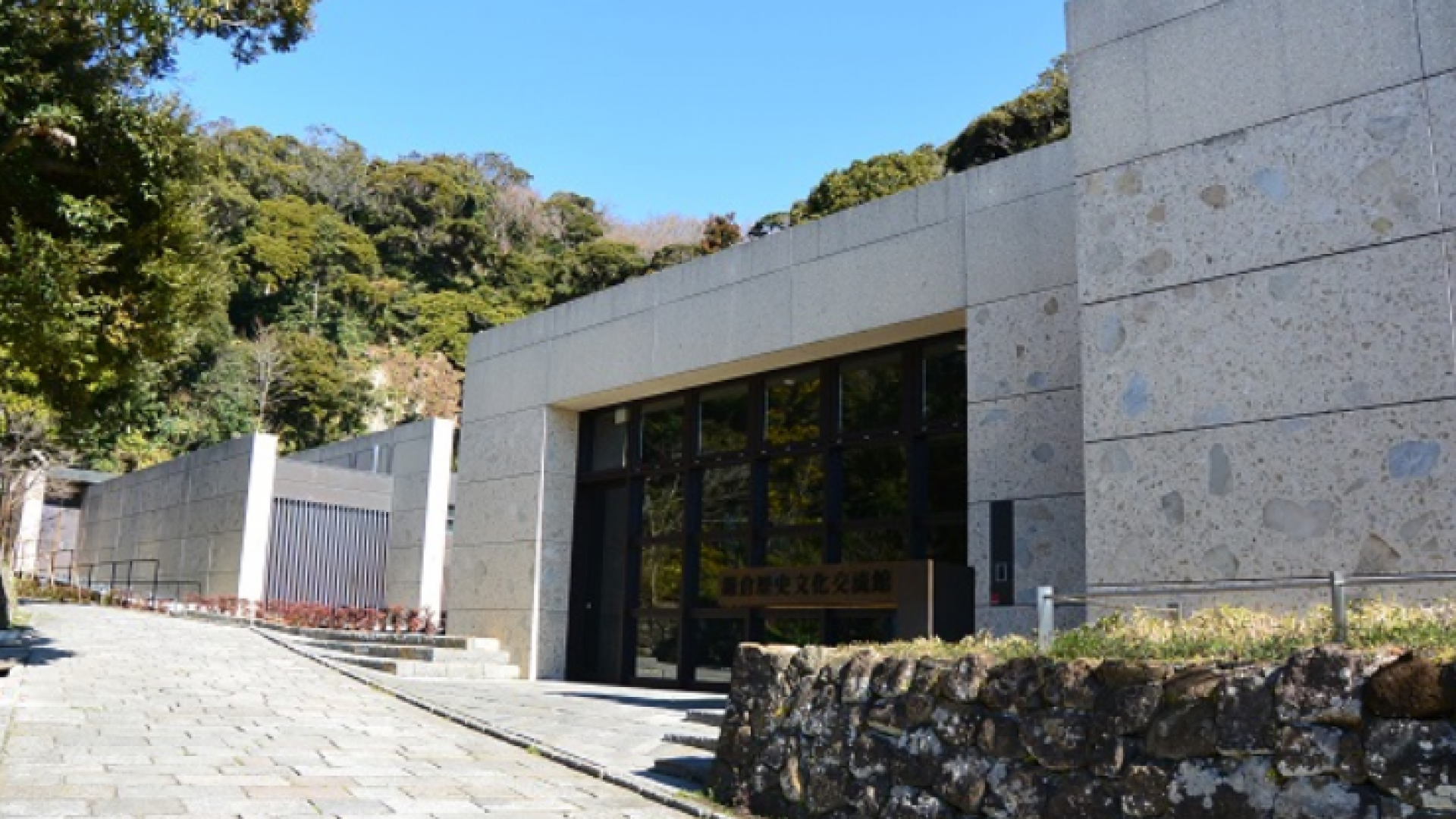
The museum opened in May 2017 as a place where children and adults alike can learn about, experience, and interact with Kamakura's historical and cultural heritage. The history of Kamakura, from primitive and ancient to modern times, is displayed, centering on artifacts excavated in Kamakura. The museum utilizes buildings designed by Foster + Partners, represented by the world-famous architect Norman Foster. Even first-time visitors can enjoy learning about Kamakura through diorama projection mapping and the latest video exhibitions, such as VR. From the special building materials to the medieval landscape garden and the sea view, there is plenty for you to enjoy.

Culture & Arts Tokaido Koshu kaido KANAGAWA
Nissan Motor Yokohama Plant Guest Hall / Nissan Engine Museum

Nissan Motor Yokohama Plant Guest Hall / Nissan Engine Museum

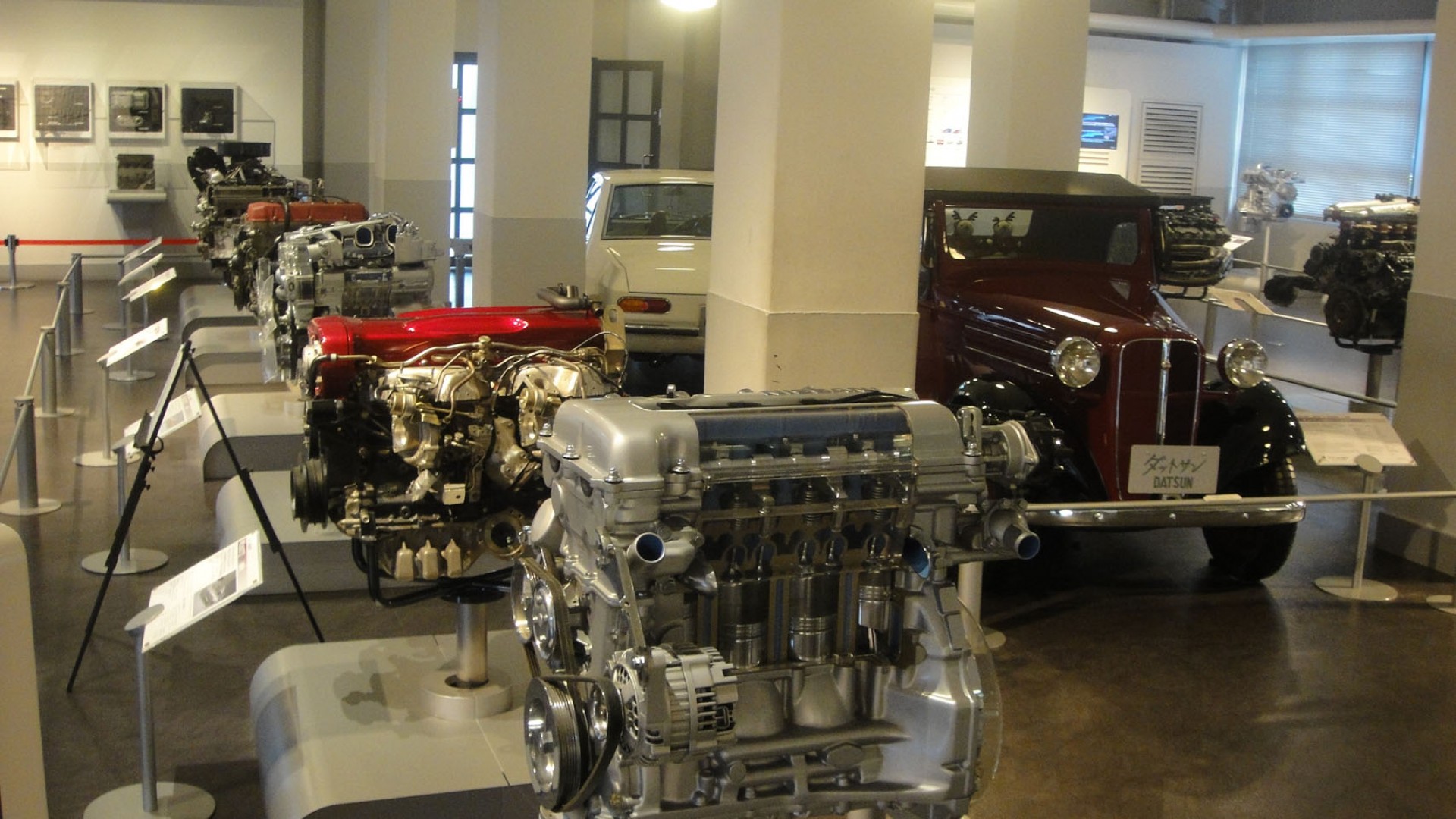
From their collection of roughly 200 engines, the Nissan Engine Museum permanently displays 28 engines representing Nissan Motor Company, allowing visitors to view engines from throughout Nissan's history and the very engines that made strides in racing. The museum building itself originated as Building No. 1 of the Yokohama Plant in 1934, which served as the company headquarters until its relocation to Ginza, Tokyo, in 1968. The building was designated as a Historic Building by Yokohama City in 2002 and was recognized as a Modern Industrial Heritage Site by the Ministry of Economy, Trade and Industry in 2007.

Culture & Arts Tokaido Koshu kaido KANAGAWA
Daihonzan Sojiji Temple (Mitama Festival Bon Odori)

Daihonzan Sojiji Temple (Mitama Festival Bon Odori)

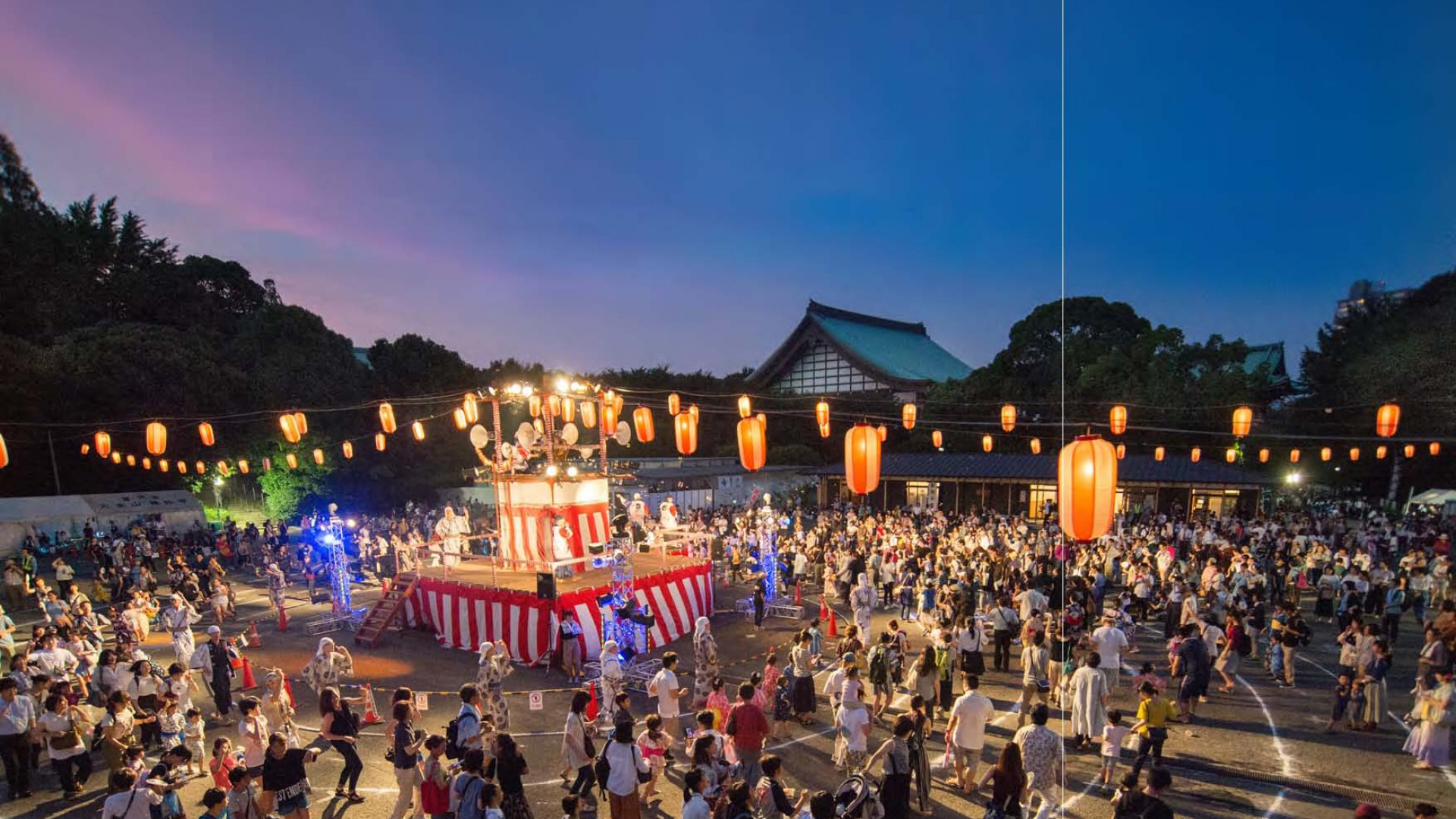
The Sojiji Temple is the head temple of the Soto school (of Zen Buddhism). Every summer, the Mitama Matsuri Bon Odori Festival is held. It is now established as a local summer tradition, and many participants enjoy dancing the Bon dance to the cheers of the energetic monks. Please come and join our Bon Odori Festival!Held over three consecutive days from July 18 to 20, this huge summer festival is a Tsurumi summer tradition. Featuring a Bon Odori dance with the temple priests, a fireworks display with 200 fireworks launched over the three days and many stalls lining the approach to the temple, this lively festival attracts crowds of people of all ages and genders.

Culture & Arts Koshu kaido Tokaido KANAGAWA
Yokohama Night Flowers

Yokohama Night Flowers

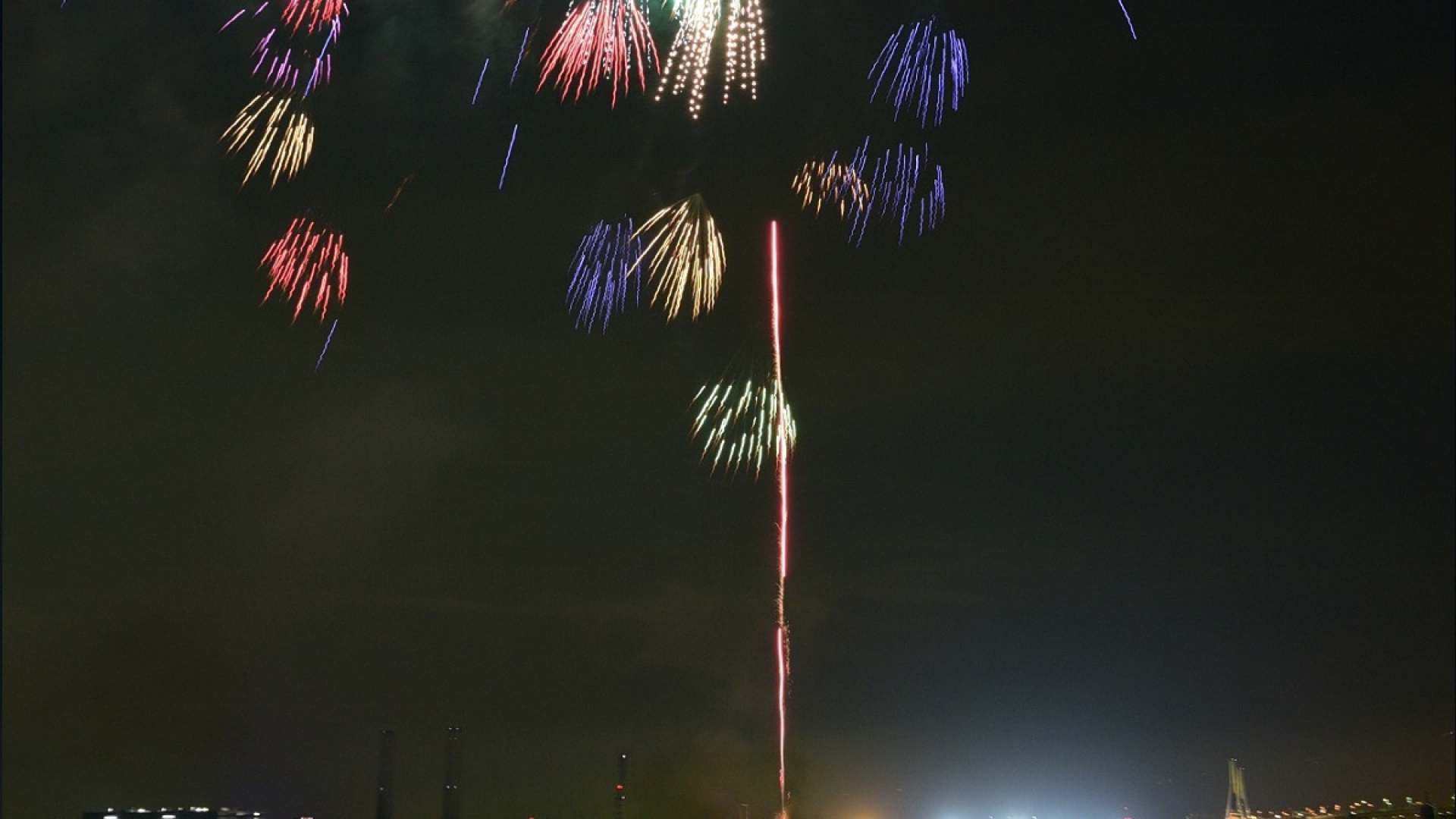
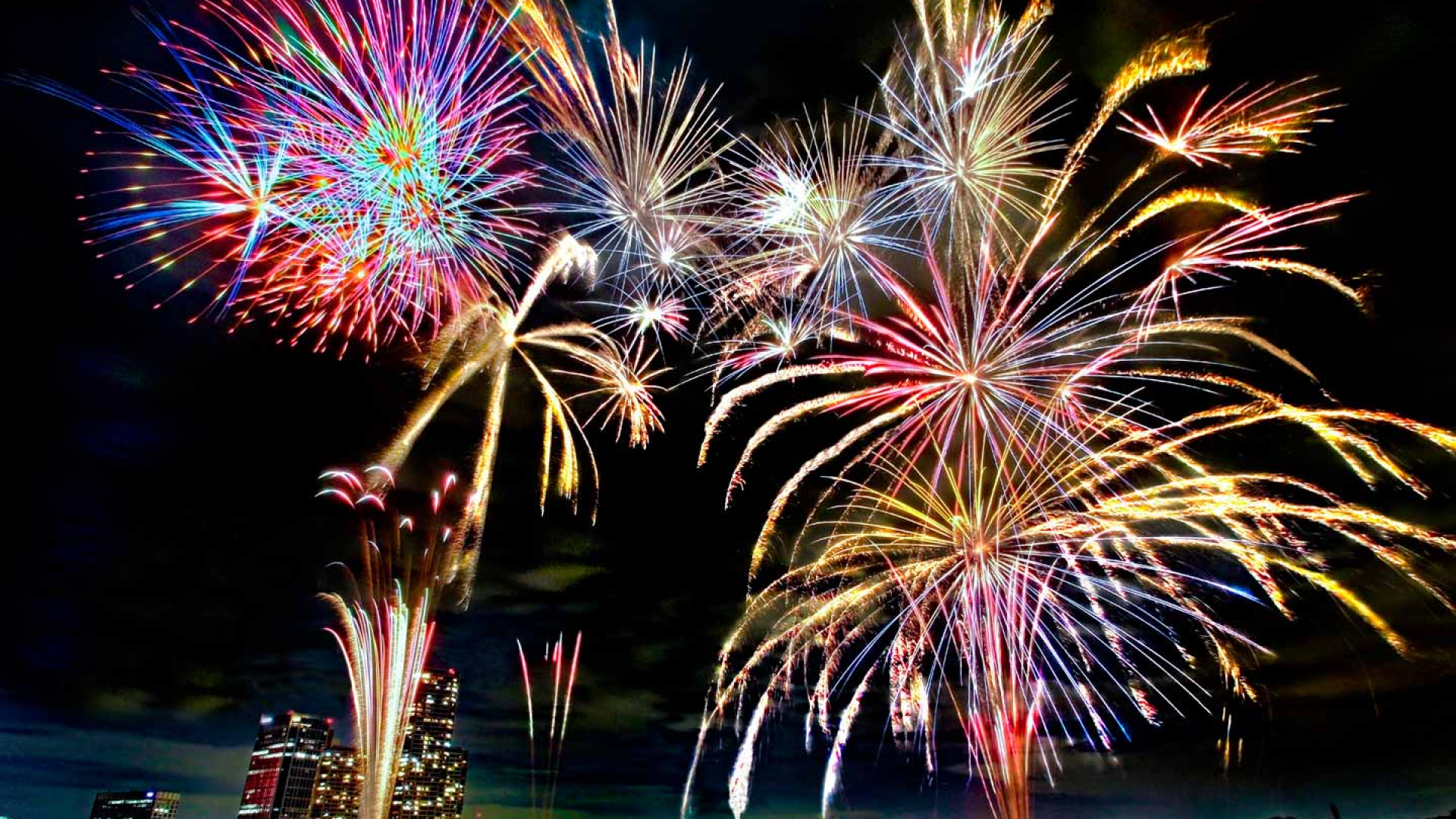
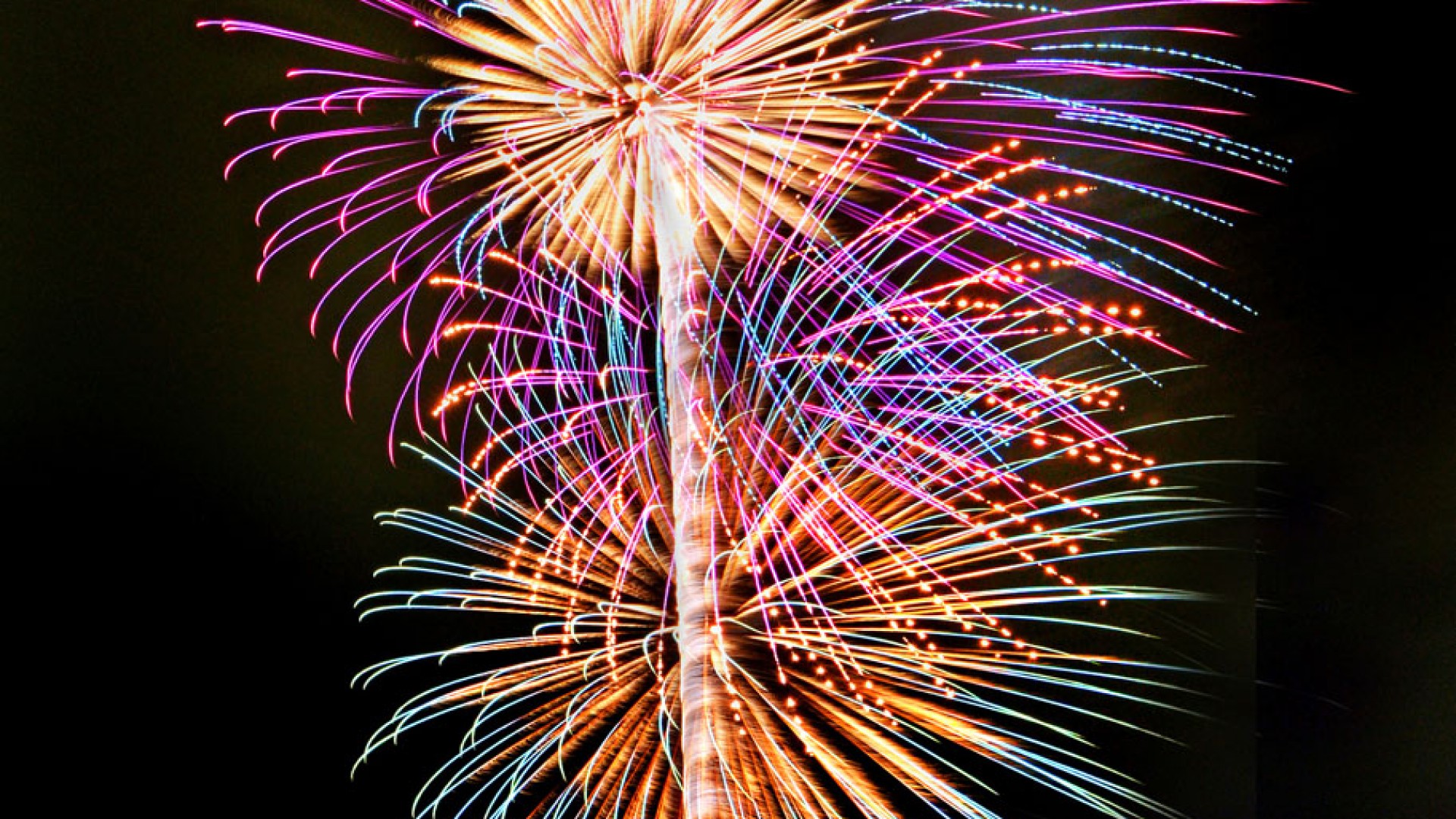
Yokohama Night Flowers is an event that transforms Yokohama’s night sky into an exciting celebration of color. This multi-month event features five-minute fireworks shows one to three times a month at Yokohama Port. The kaleidoscope of colors sparkle on the bay and shine above the cityscape, making for a mesmerizing night out—perfect for couples, friends, and families! As the name suggests, the fireworks bloom before you, like flowers in the sky.The time and launch point of the fireworks (Osanbashi or Shinko Pier) vary depending on the day. So be sure to check the official site for the most up-to-date information.Event dates as of February 25, 2026:

Culture & Arts Tokaido Koshu kaido KANAGAWA
Kibune Festival

Kibune Festival

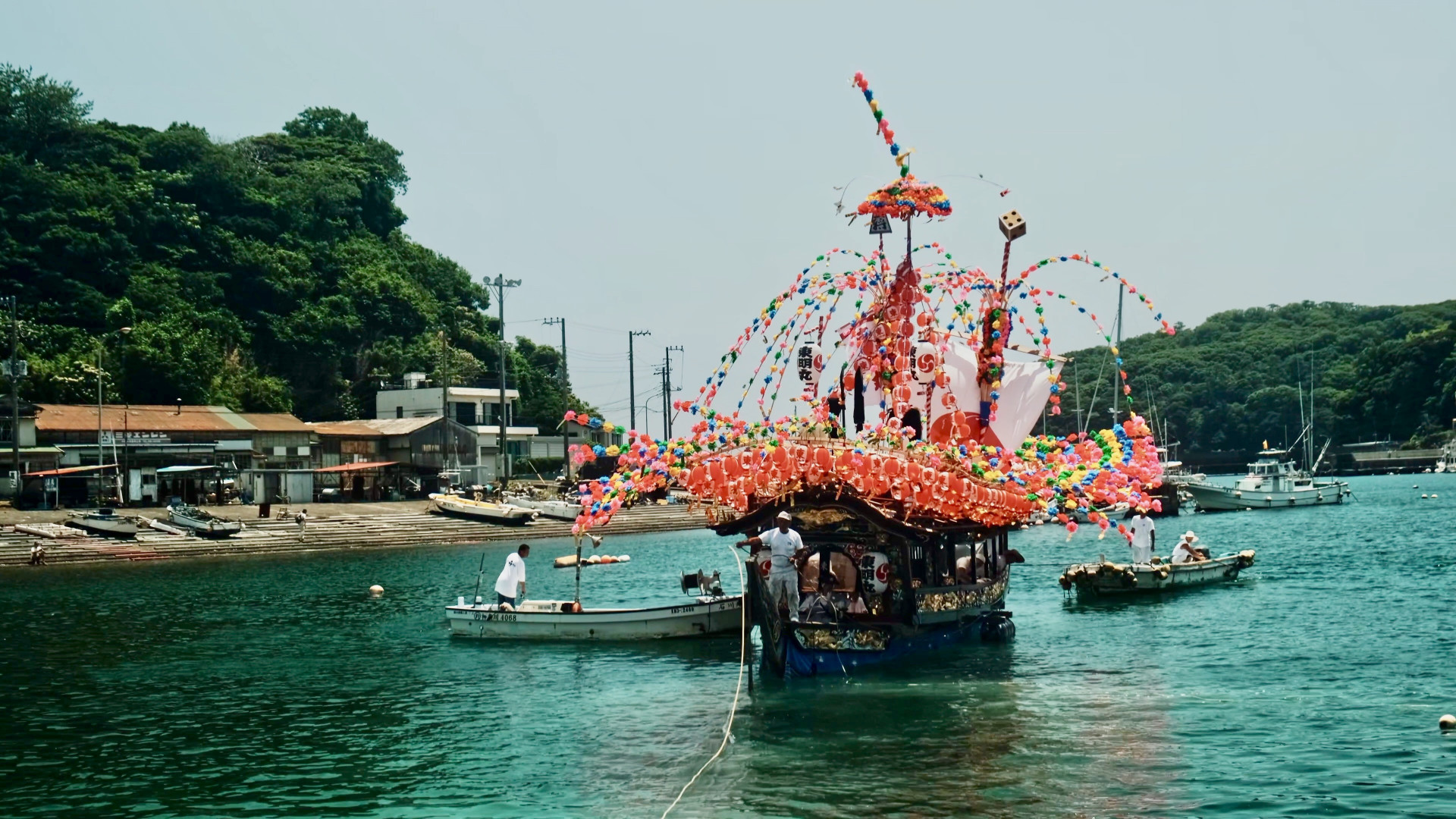
Kibune Shrine’s Kibune Festival, set in Manazuru, is considered one of Japan’s three major ship festivals and occurs annually in late July. It is designated as an Important Intangible Folk Cultural Property.During this two-day event, numerous boats—including one carrying a mikoshi (portable shrine)—are adorned with vibrant flower decorations and towed by oar-operated boats called Kaidenma in Manazuru Port. Both the daytime and illuminated nighttime visuals, which are accompanied by traditional songs and instruments, are mesmerizing. Manazuru celebrates this festival for prosperity in fishing and good health.The festival also features traditional Kashima dancing and mikoshi processions. It is a unique cultural experience you won’t want to miss!

Culture & Arts Tokaido Koshu kaido KANAGAWA
JAXA Sagamihara Campus

JAXA Sagamihara Campus

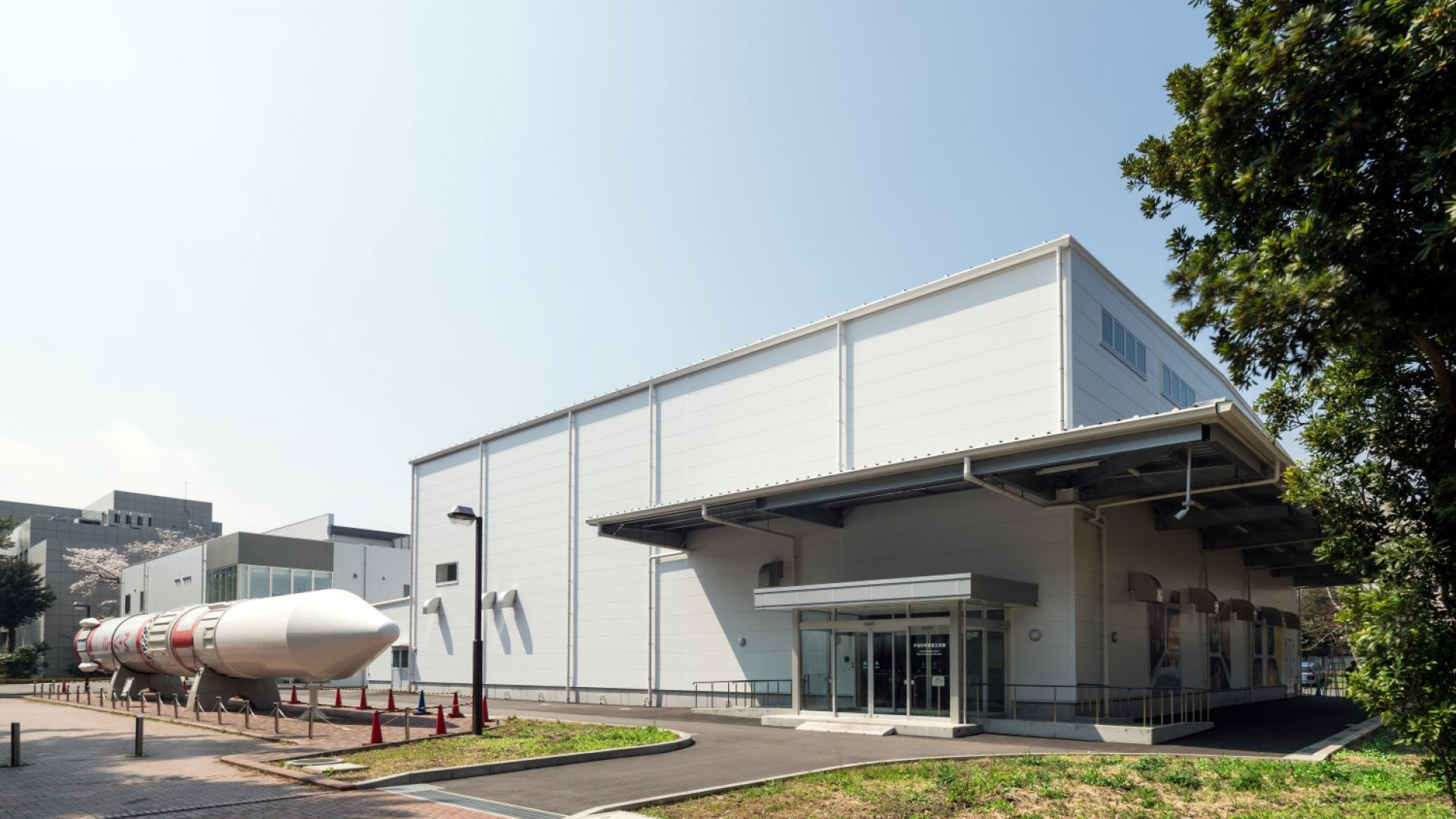
The Communication Hall of Space Science and Exploration building is a visitor facility operated by the JAXA Institute of Space and Astronautical Science (ISAS). Visitors can see exhibits up-close, including an authentic M-V rocket that completed ground combustion tests, test models of scientific satellites, and displays related to the asteroid explorer "Hayabusa2". Wall-mounted monitors display information alongside staff-guided tours. (Please see the website for start times.)

Culture & Arts Tokaido Koshu kaido KANAGAWA
Kamakura Museum of Literature

Kamakura Museum of Literature

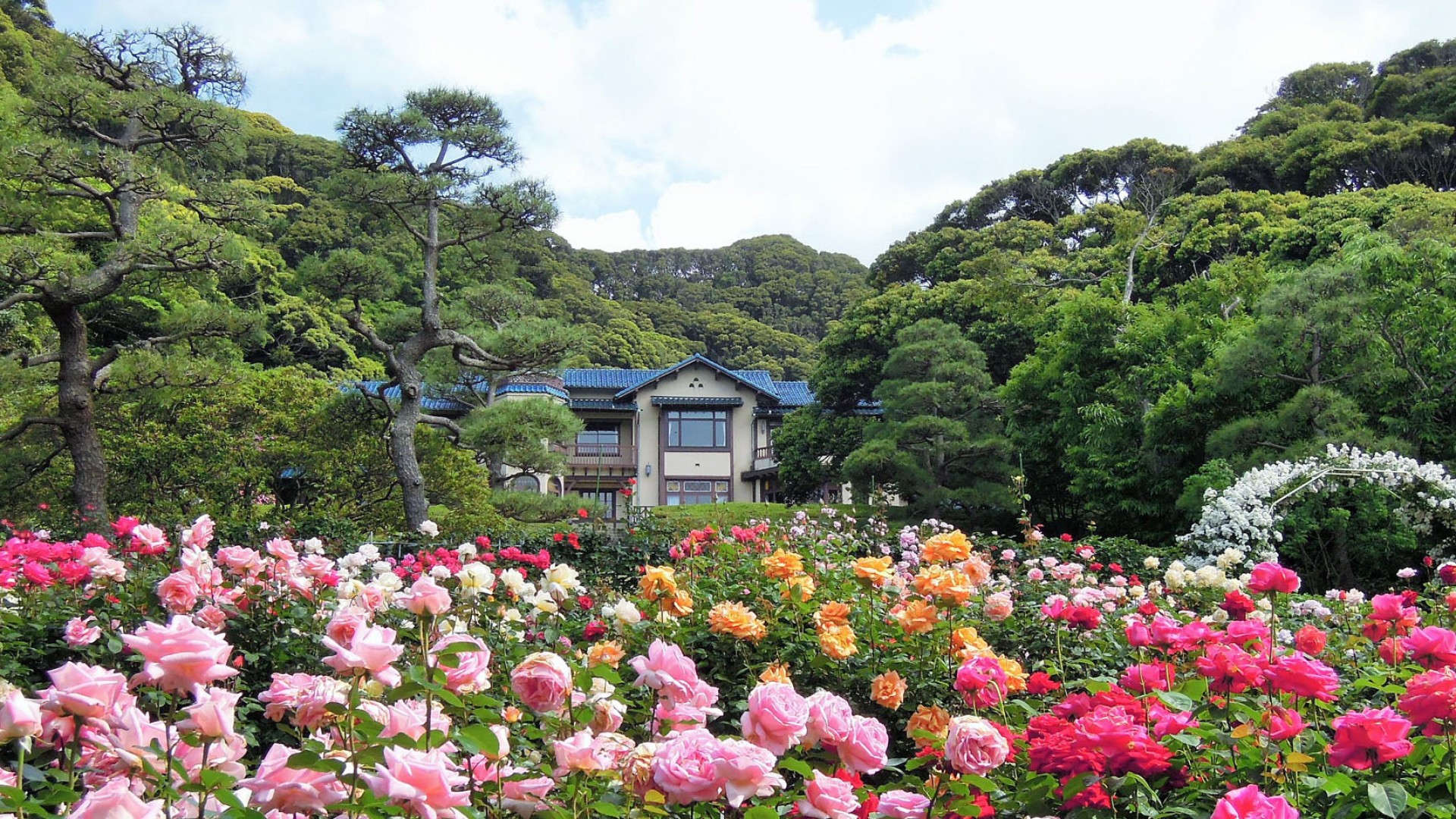
This place is temporarily closed. Please check the official website on reopening, operational information and more.The Kamakura Museum of Literature was built in 1936 (Showa 11) as the former Kamakura villa of Maeda Marquis family. You can view the rooms reminiscent of the past, with marble fireplaces and stained glass, as well as the important resources inside from related authors such as Yasunari Kawabata. In the garden filled with greenery, some 250 shrubs of roses bloom in Spring and Autumn. This building is the model for the villa in Yukio Mishima’s novel, “Spring Snow”.The grounds and rose garden are quite beautiful, but there is not a lot of English support available inside the museum.

Culture & Arts Tokaido Koshu kaido KANAGAWA