

Greater Tokyo

See & Do

reset
Byakue Dai-Kannon

Byakue Dai-Kannon

This impressive, towering statue of the Goddess of Mercy is a well-known symbol of Takasaki. You can walk up 146 steps inside the statue, climbing nine levels to its shoulders, where you will be greeted with views across Takasaki. The statue is within the grounds of Jigenin Temple. People pray to the 20 enshrined Buddhas placed within it. The statue is most beautiful in spring, when cherry blossoms from the surrounding temple gardens frame it, and in autumn, when the garden's maple trees turn red and yellow. Byakue Dai-Kannon is 41.8 meters tall and weighs nearly 6,000 tons.

Culture & Arts Nakasendo Mikuni kaido GUNMA
Rinkokaku

Rinkokaku

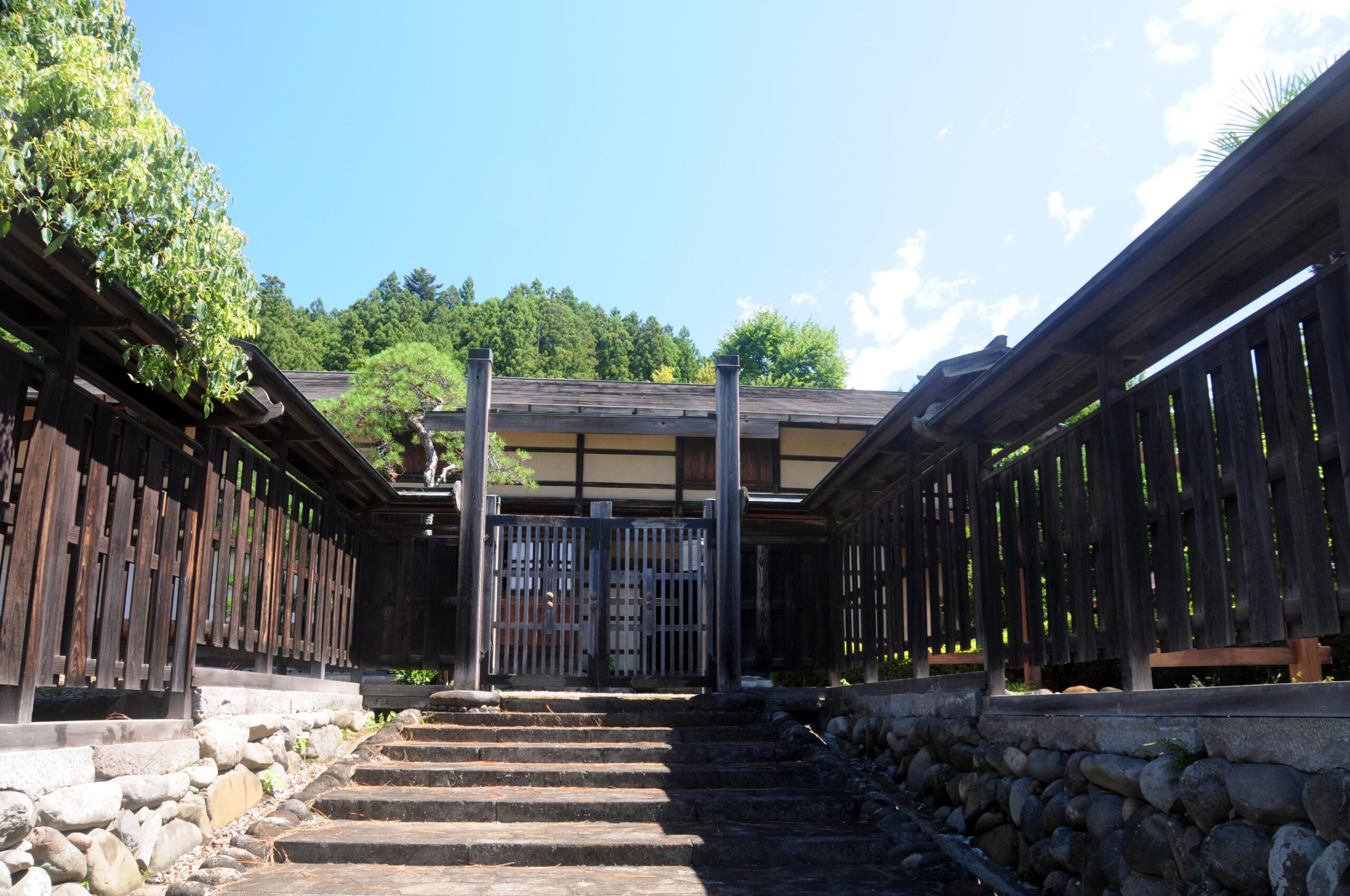
Rinkokaku is a complex of three wooden buildings that served as a state guest house for VIPs. The main building was constructed in 1884 and is an exemplary instance of Japanese architecture at the beginning of Japan's modernization. The complex overlooks the Tone River from its location next to Maebashi Park, which is particularly popular for its cherry blossoms in spring. The Rinkokaku annex, built in 1910, continues to be used for receptions today.

Culture & Arts Nakasendo Mikuni kaido GUNMA
Japan Open Air Folk House Museum

Japan Open Air Folk House Museum

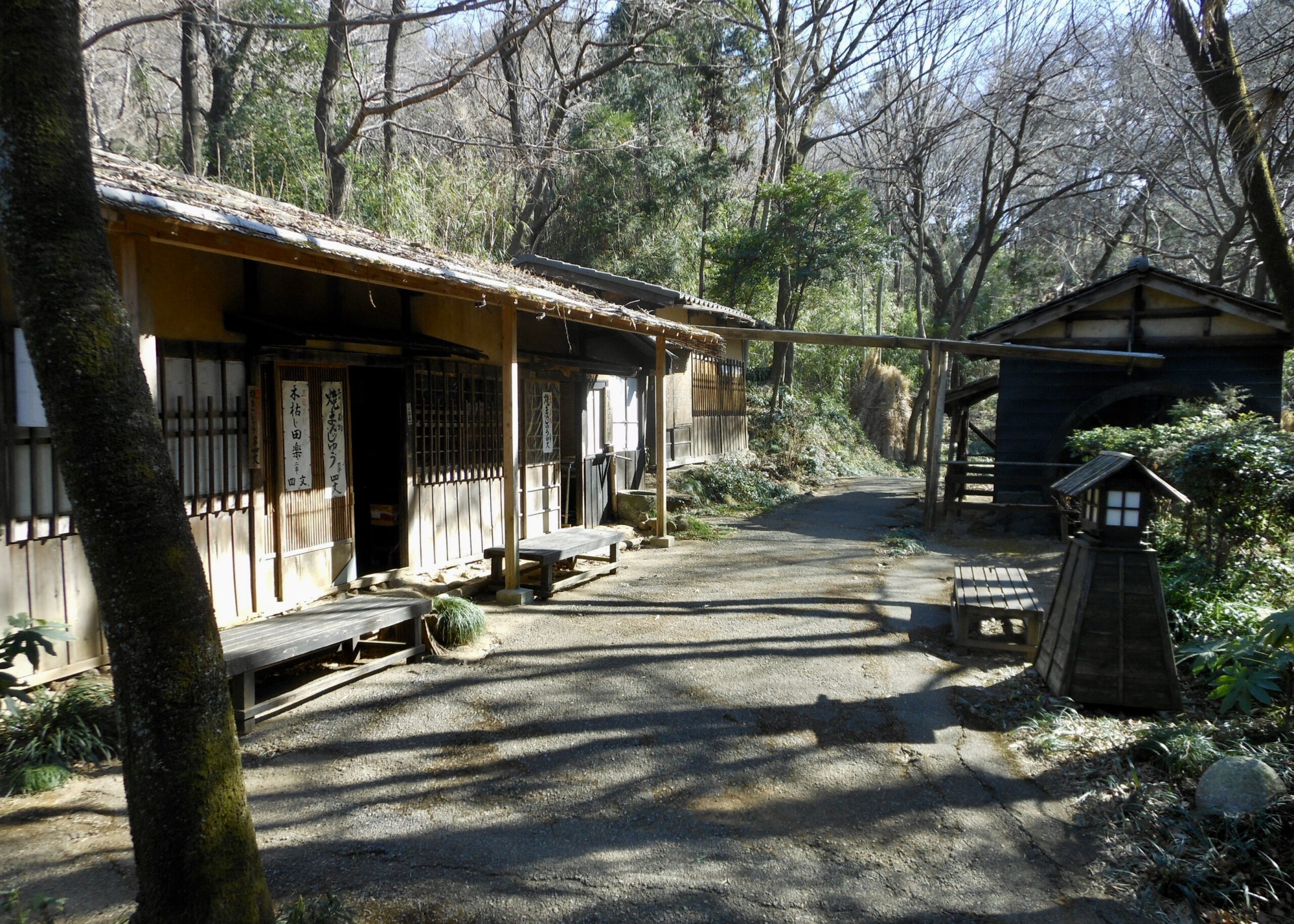
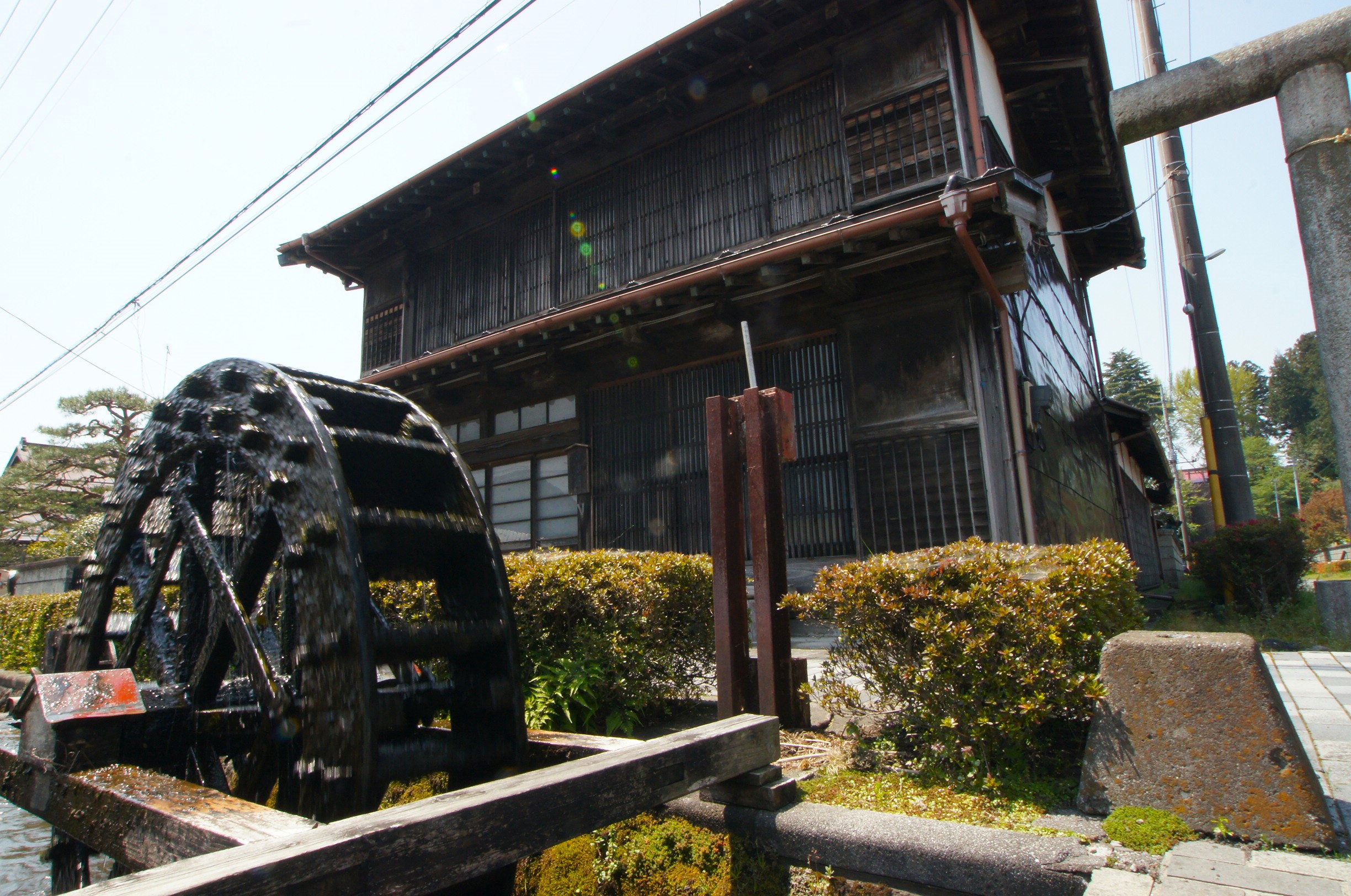
Located 30 minutes from Tokyo and 40 minutes by car from Haneda Airport, this municipal Japanese folklore park in the northern part of Kawasaki City is an outdoor museum that features 25 structures, including traditional Japanese houses, watermills, and Kabuki stages. The buildings are scattered amongst a lush green environment, and you can enjoy the nature of all four seasons. Popular events are also held at the traditional folk houses. In one of the facilities, the traditional crafts building, you can experience indigo dyeing.A gasshō-zukuri house with tall, steep roof and home to the Yamashita family known for their silkworm cultivation and fire farming on the mountain slopes.Similar to the Yamashita House, there was also space under the floors used for the manufacturer of gunpowder.Silkworms were raised in the large attic and papermaking took place on one of the earthen-floored areas.This house was used as both farmhouse and a dye-house.

Culture & Arts Tokaido Koshu kaido KANAGAWA
Hakone Museum Of Art

Hakone Museum Of Art

Hakone museum of art is the oldest museum in Hakone. The museum opened in Hakone-cho Gora in 1952. The museum displays Asian and Japanese ceramics that have been collected by the founder of the museum Mokichi Okada before his death. The exhibition mainly consists of “Japanese Yakimono (ceramics)”.Collections are: Mino wares such as Shino, Oribe, and Kiseto from Momoyama to Edo era, pots and jars of Six Old Kilns of Japan (Tokoname, Seto, Shigaraki, Tanba, Bizen, and Echizen) from Kamakura to Muromachi era, and earthenware and haniwa (a hollow clay) from Jomon era.There is Japanese garden with “Koke Niwa”, “Hagi no michi”, “Take Niwa”. There are over 130 kinds of mosses and 200 Japanese maples, which create beautiful scene in all four seasons. Any visitors are welcomed to view the garden.It is rare to see the place like Hakone museum since they have great ceramics and Japanese gardens at the same time. People who are interested in traditional culture of Japan must visit here.Admire this spacious garden known for its grassy area, large rocks and stream that cuts through the middle. Take in the panoramic view of Mt Myōjō and Mt Asama.Designed by Okada Mokichi and completed in 1952, explore collections of ancient Asian earthenware, porcelains and ceramics.The museum displays are interesting, but its beautiful Japanese garden and wonderful moss garden are what most people come to see!

Culture & Arts Tokaido Koshu kaido KANAGAWA
Sagamiko ILLUMILLION

Sagamiko ILLUMILLION

Sagamiko Illumillion is Kanto's largest illumination event with 6 million shining orbs. It is also certified as one of the three major illuminations in the Kanto region.For a memorable and less rushed experience stay overnight at PICA Sagami Lake (formerly known as the Paddington Bear Campground), which is located on Sagamiko Resort MORIMORI grounds. This facility is filled with quaint cabins and a nearby barbeque area where you can cook and purchase ingredients on-site.An illumination event at the Sagamiko Resort MORIMORI outdoor complex. It is certified as one of Kanto’s top three illumination events.

Culture & Arts Tokaido Koshu kaido KANAGAWA
Nissan Motor Yokohama Plant Guest Hall / Nissan Engine Museum

Nissan Motor Yokohama Plant Guest Hall / Nissan Engine Museum

From their collection of roughly 200 engines, the Nissan Engine Museum permanently displays 28 engines representing Nissan Motor Company, allowing visitors to view engines from throughout Nissan's history and the very engines that made strides in racing. The museum building itself originated as Building No. 1 of the Yokohama Plant in 1934, which served as the company headquarters until its relocation to Ginza, Tokyo, in 1968. The building was designated as a Historic Building by Yokohama City in 2002 and was recognized as a Modern Industrial Heritage Site by the Ministry of Economy, Trade and Industry in 2007.

Culture & Arts Tokaido Koshu kaido KANAGAWA
KAMAKURABORI MUSEUM

KAMAKURABORI MUSEUM

The Kamakurabori Museum, on the 3rd floor of the Kamakurabori Kaikan, is the only museum that introduces the history and works of Kamakurabori (a form of Japanese lacquerware). This museum is used by many people as a place for history and culture, experience, and exchange. About 50 works and materials of Kamakurabori, a traditional craft boasting a history of about 800 years, are on display in the permanent exhibition. Relax and enjoy masterpieces from the Muromachi period (1336-1573) to the present while learning about the production process and its history. In the two-hour hands-on class, you can experience Kamakurabori making under the careful guidance of a full-time instructor. It is a program that even beginners can easily enjoy.

Culture & Arts Tokaido Koshu kaido KANAGAWA