Ooka River Promenade
In the evening, approximately 2,500 lanterns brilliantly illuminate the 3.5km-long Ookagawa promenade lined with fully-blooming cherry trees.
Total: 343 items
In the evening, approximately 2,500 lanterns brilliantly illuminate the 3.5km-long Ookagawa promenade lined with fully-blooming cherry trees.
Approximately 500 cherry trees, including the Yoshino variety, line both banks of the Hikiji River, spanning about 1.3 kilometers. Many people visit when the blossoms are in full bloom, as they form a gorgeous tunnel around the river, making for a picturesque scene.Visit in early April to appreciate the beautiful blossoms.
The Osanbashi Yokohama International Passenger Terminal is a major port where foreign cruise ships dock during international cruises. With a maximum height of 70m and width of 15m, the steel construction was designed by Alejandro Zaera Polo and Farshid Moussavi (a UK-based architect). The rooftop plaza provides beautiful scenery of Yamashita Park, the Yokohama Red Brick Warehouse district, and the landscape of Minato Yokohama.Standing at 296.3 metres tall, the Yokohama Landmark Tower houses an observatory that offers a 360-degree view of the city, a five-star hotel and 48 floors worth of shops, restaurants, and offices.Purposefully shaped like a sleek, sailing yacht, the InterContinental Yokohama Grand Hotel is an iconic structure in Yokohama's Bay Area.The NYK Hikawa Maru is a cargo-passenger liner turned museum ship. Built in Japan before World War II, the ship is extremely well preserved and offers a unique perspective into the cruise ships of history.Located near Yokohama Chinatown, the Yokohama Marine Tower is a perfect post-meal spot to take in 360-degree views of the city.Osambashi Hall is found on the first floor of Osanbashi Pier. It is a 2,000-square meter hall that can house up to 1,100 people. It is commonly used for large meetings and exhibitions.Cosmo World is a theme park located along the Yokohama Bay area. It is home to the Cosmo Clock 21, one of the tallest Ferris wheels in the world.The Yokohama Red Brick Warehouse houses a multitude of unique shops based on Yokohama's charms. It also opens an illuminated skating rink in winter.It is dusk and you are standing on top of the Osanbashi Pier when the lights of Yokohama come on. No matter which direction you stand there is a spectacular view.
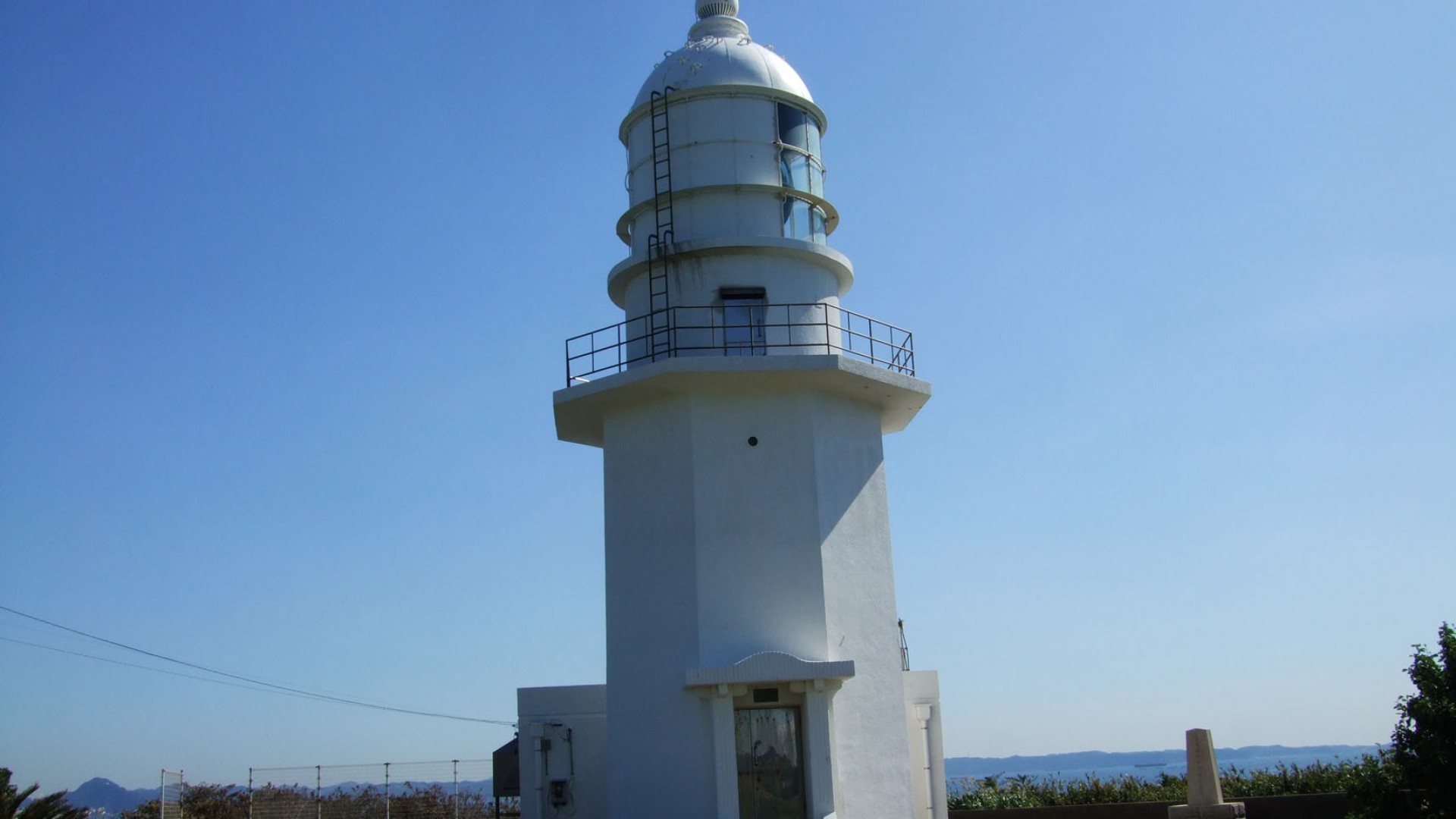
The whole of Cape Kannonzaki is maintained as a park and there, you can find an art museum with scenic landscapes and the Kannonzaki Lighthouse where you can enjoy a view of the Boso Peninsula. There are also wartime ruins you can visit the whole year round, and in summer, you can spend a day at the beach or enjoy a delicious barbecue. This place is also famous for its hydrangeas, and is selected as one of Kanagawa’s Top 100 Flower Spots.
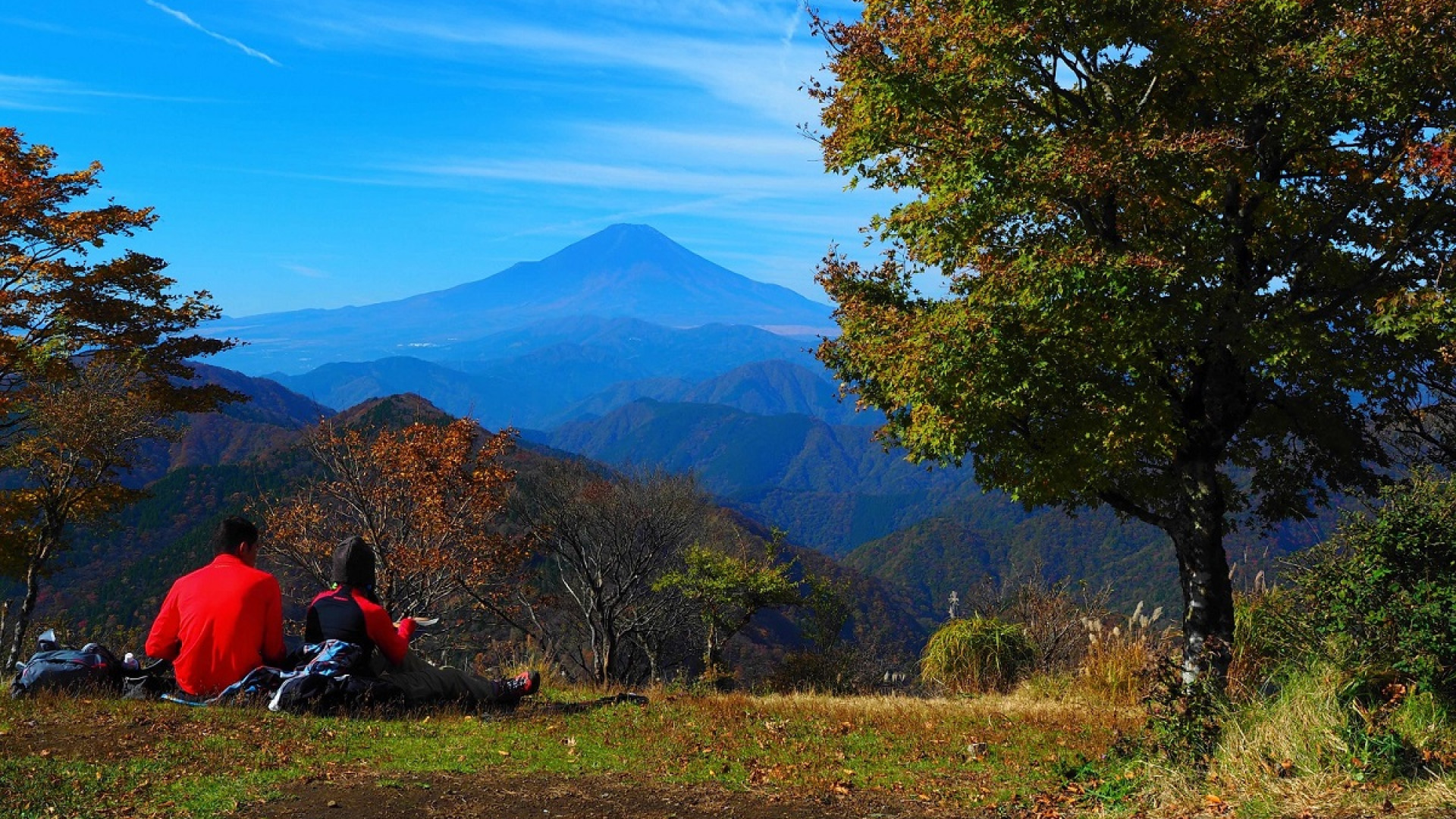
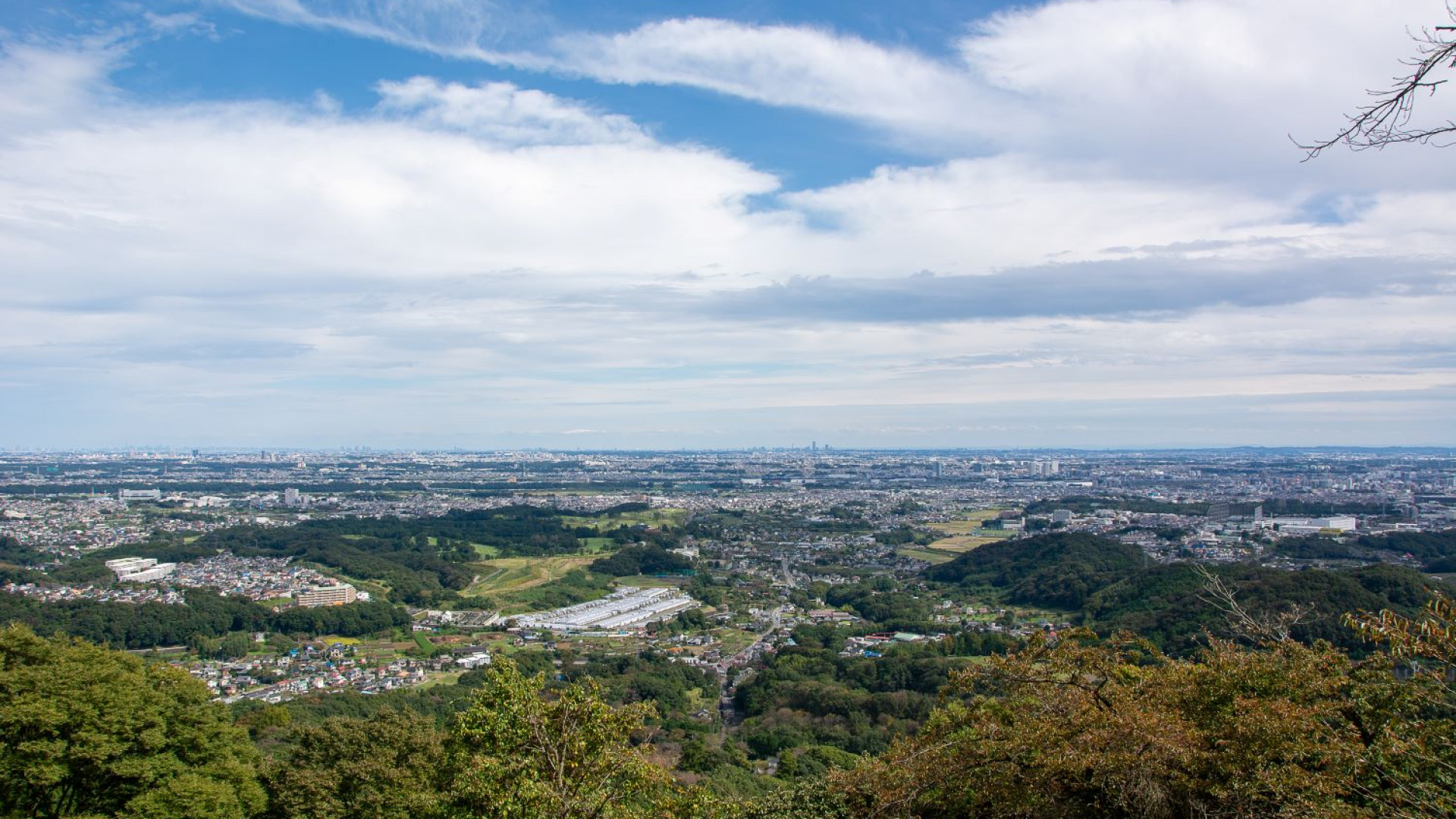
This mountain has an elevation of 404m and is located in Isehara and Atsugi city. Well-known for being a convenient spot for hiking. Suitable for beginners and families.
The largest and widest beach on the Miura Peninsula is close to the station, and during peak season it is crowded with many beachgoers, including families. In August, the "Miura Kaigan Noryo Matsuri Fireworks Festival" is held, and every year hundreds of thousands of tourists are intoxicated by the large flowers that color the summer night sky. With Tsukui Beach to the north and Kikuna Beach to the south, it is the largest beach on the Tokyo Bay side of the Miura Peninsula.
Manazuru point is jut into Sagami Bay. It is the designated "50 most beautiful Kanagawa sceneries" because the view from the edge of the point is so wonderful. You can walk down to the Mituishi beach down below.
It has been chosen "Conservation areas of green in Kawasaki. It is located on the top of Joukei temple.
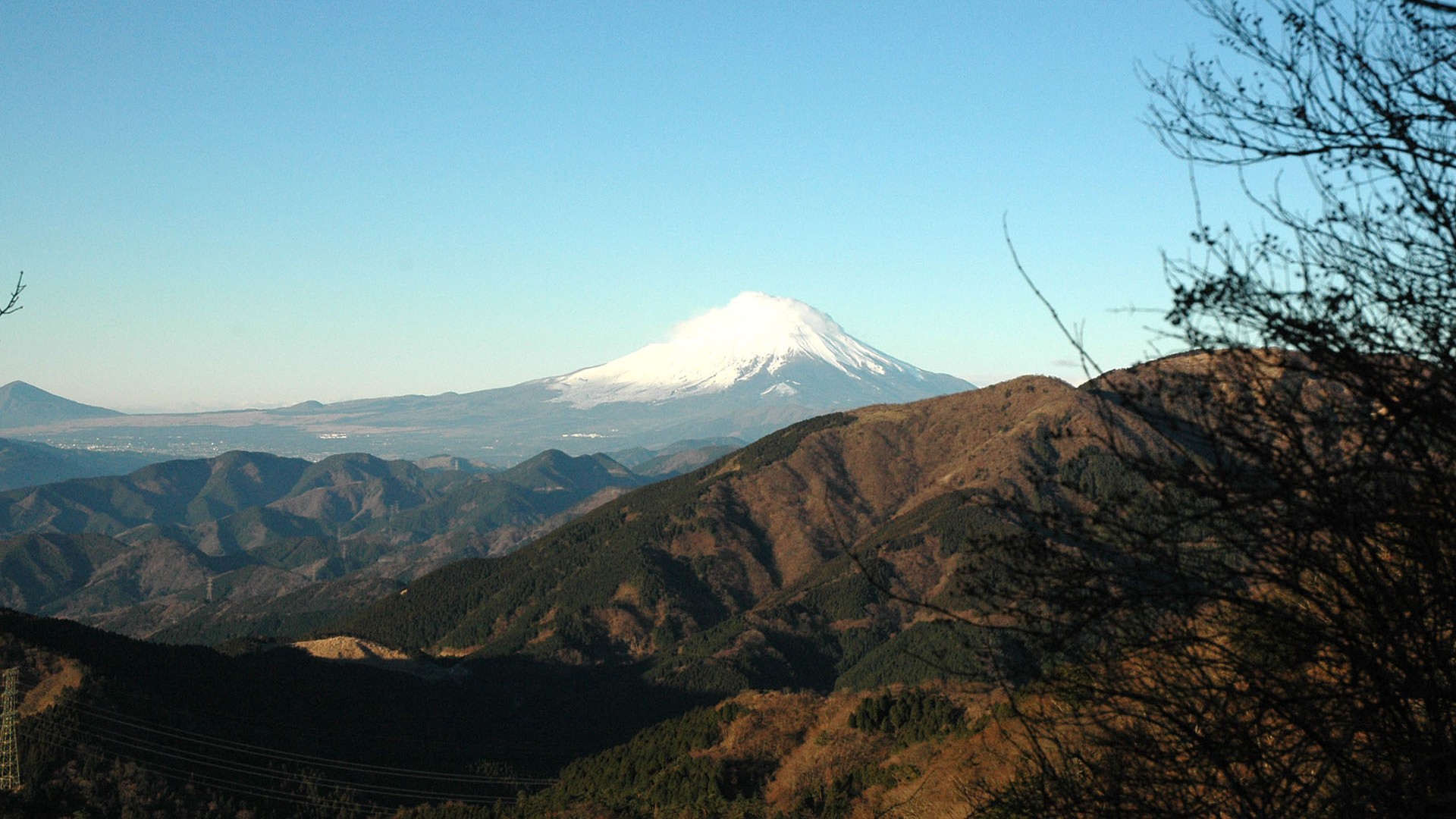
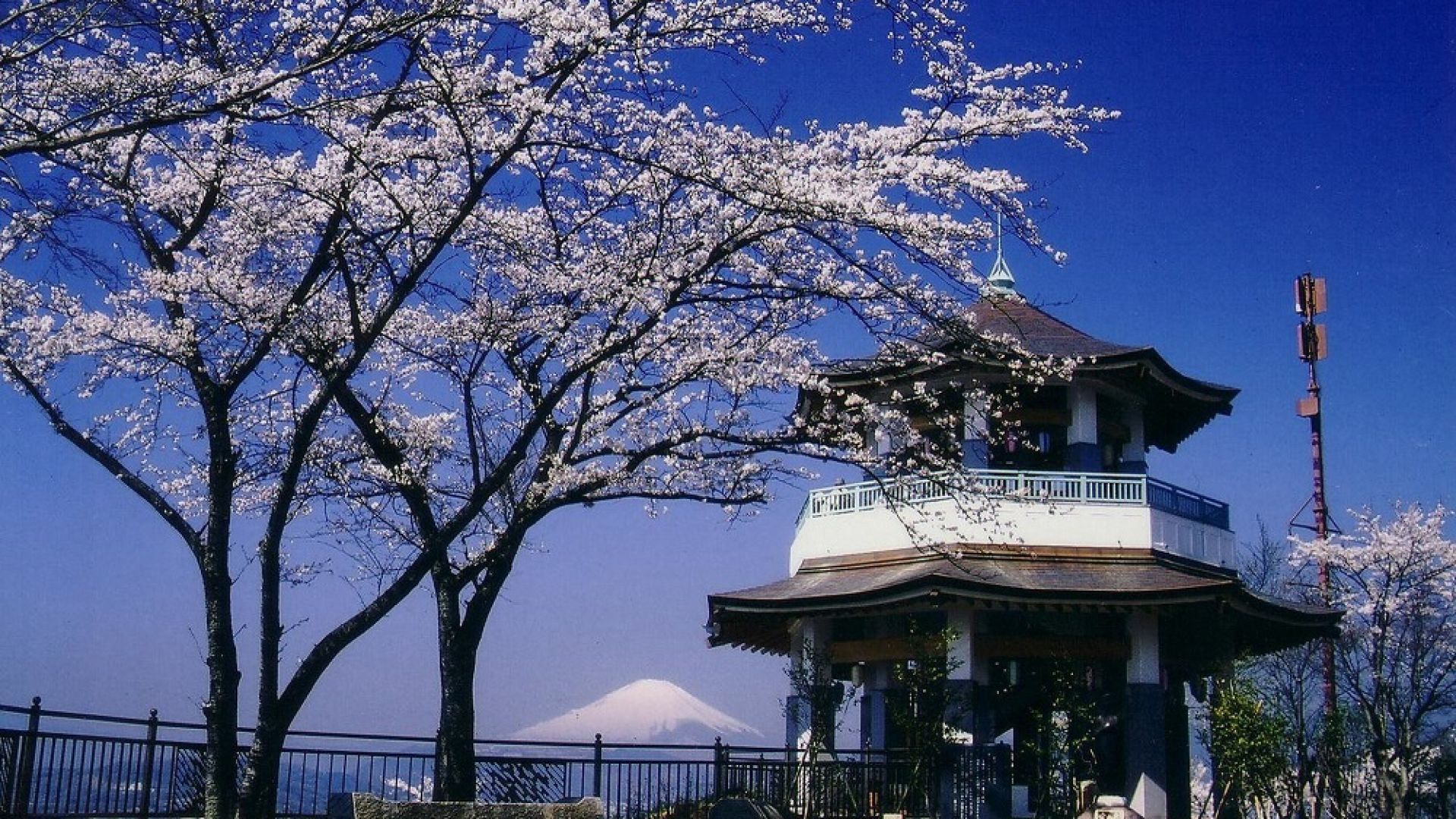
Park where you can see Mount Fuji and Sagami Bay. On a sunny day, you can see the castle tower of Odawara Castle and Toshima.(Quoted from the official website)
Drive in to Cape Manazuru located at the tip of the Manazuru Peninsula Prefectural Nature Park. From Cape Manzuru, you can enjoy a view of the Izu Peninsula, Shonan, Boso Peninsula and Izu Seven Islands. The panorama stretching out to the sea is a highlight not to be missed.
There are 5000 hydrangeas in this rice paddy area the size of 3.6 Tokyo Domes. Enjoy a leisurely walk as you take in the sights of the fields green with the newly planted rice, and the vibrant colours of the blooming hydrangeas. One of the highlights is the Hydrangea Pond in the main venue, Hydrangea Park, where approximately 2,000 hydrangeas float on the water.
Chigasaki Southern C is the symbol of Southern Beach Chigasaki and has even fronted the Southern All Stars CD cover. This place is famous as a matchmaking (En-musubi) spot as when one stands at the right of the C, filling the gap in “C”, a circle (“En” in Japanese) will be formed, essentially tying fates (also “En” in Japanese) together. It is also famous for being a photo spot in Chigasaki where you can snap a shot with the Eboshi Rock in the middle of the C.
The Hakone Old Highway was once part of the Tokaido Highway, established by the Edo Shogunate at the beginning of the Edo period (1603-1867), and was known as the most difficult part of the Tokaido Highway to cross, stretching roughly 32km from Odawara-juku to Mishima-juku via Hakone-juku by Lake Ashi. Even today, some of the roadways from those days remain on the east (Hakone Town and Odawara City) and west (Mishima City and Kannami Town) sides of Mt. Hakone, where stone-paved paths, rows of pine and cedar trees, distance milestones, and even a reconstructed Hakone Sekisho (barrier) can still be seen. The cedar trees, which are found only along Lake Ashi, are believed to have been planted because they were suited to the climate of Mt. Hakone, whereas most of the trees along the highway are pine trees. Walking among the rows of cedar trees, some of which are more than 350 years old and some of which have grown up to 30 to 40 meters high, you are sure to experience the ancient highway as if an Edo-era traveler.This hiking path, as well as Hakone Shrine, are the two best places to see magnificent cedar trees. Descending is easier than the climb, but is tough on the knees.
The Headland, a T-shaped pier and the Boardwalk, an estimated 1km long promenade, are places where the locals relax, have a walk or a jog. Here, you can enjoy the sea breeze while gazing at the magnificent scenery of the Sagami Bay. This is a place where you can also see the Eboshi Rock at its largest, and is a local recommendation to visitors of Chigasaki.
Mitsuike Park has been selected as one of Japan’s Top 100 Cherry Blossom Spots. Beginning with the winter cherry blossoms that bloom in mid-February, various varieties of cherry blossoms bloom at different times and are loved by visitors. In addition, you can enjoy nature—greenery and autumn leaves—throughout the four seasons, and there are playgrounds, baseball fields, and tennis courts to enjoy other leisure and play sports.
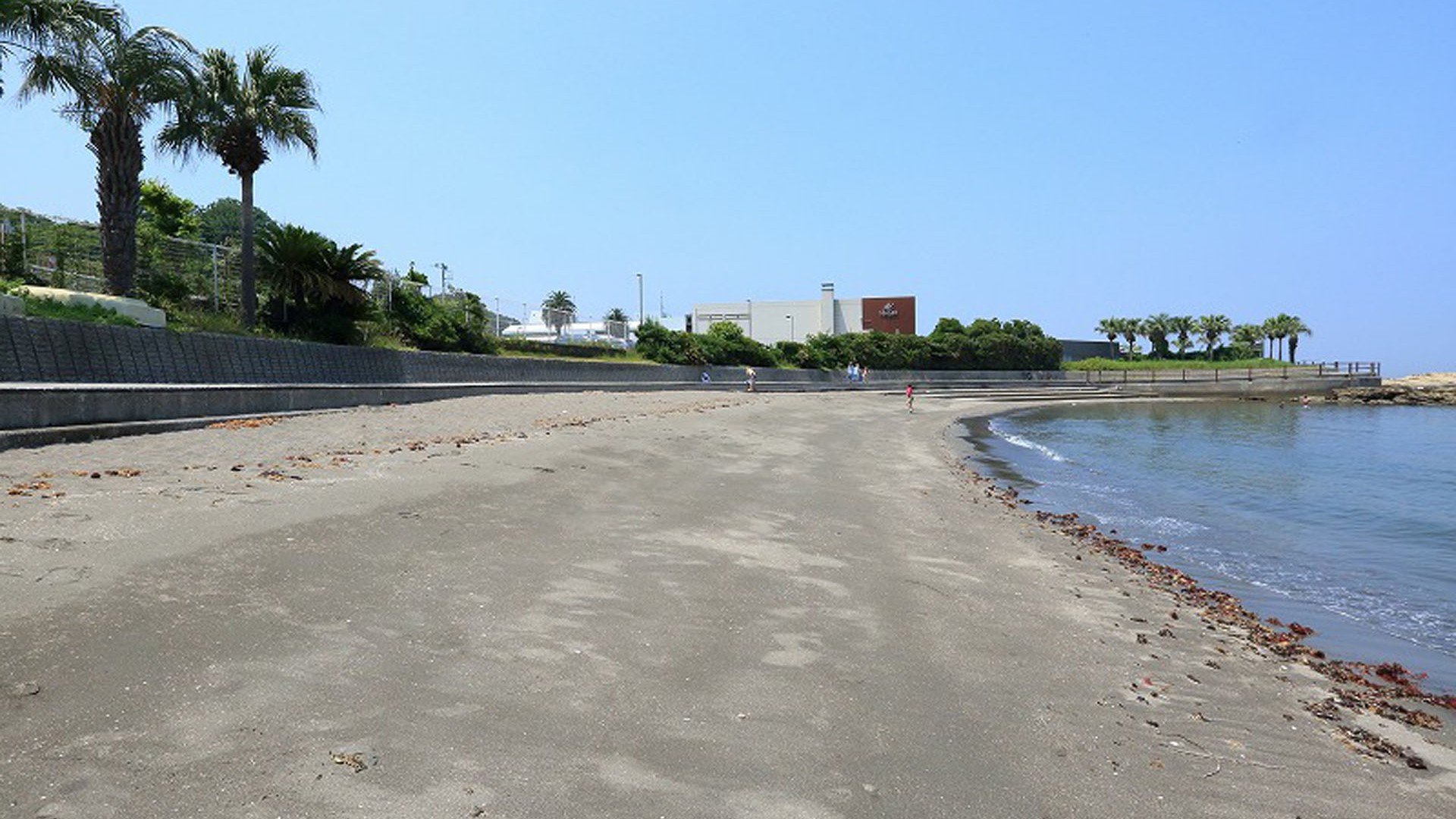
One of the few white sand beaches on Miura Peninsula. In 1945 (Showa 29), the first Godzilla appeared on this beach and its footprints are still left.
Please visit the facility's website for the latest information.There are various flowers beds in the park, with the seasonal flowers blooming in profusion all year round. There are different areas for different flowers such as the rose garden or Chinese peony garden. There are sometimes exhibitions inside the greenhouse. There is also a lawn area, a pond, and a Japanese garden. Enjoy relaxing amongst the beautiful and cute flowers.
The area around the Hatsuyama district of Ikuta Ryokuchi, Tonmori Tanito, where you can enjoy the scenery of the satoyama, which includes the Tonmori river and its fireflies, rice and other farming fields.