

Yamashita Rinkō Line Promenade
This 500-meter-long promenade is a walking path that connects the western edge of Yamashita Park with The Yokohama Customs Office via the entrance of Osanbashi Peer.
Total: 343 items
This 500-meter-long promenade is a walking path that connects the western edge of Yamashita Park with The Yokohama Customs Office via the entrance of Osanbashi Peer.
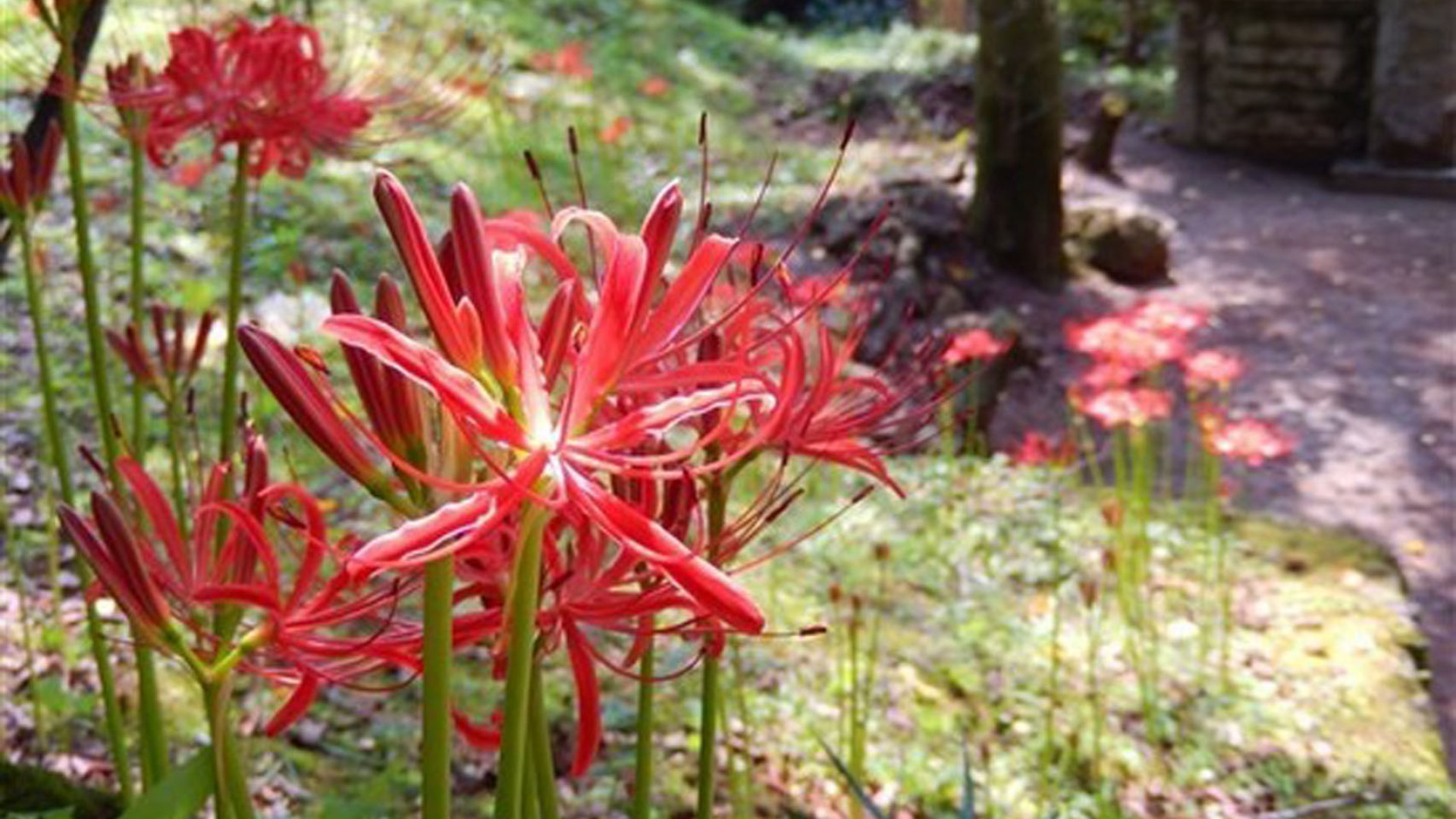
Take a leisurely stroll through the thickets of 130 species of wildflowers and grasses, such as the calanthe discolor, the golden-rayed lily and the mountain hydrangea (or 'tea of heaven').
A beautiful park with a fountain, stone pavements and flowerbeds, having a surface area of approximately 13,000 square meters. The name derives from the fact that the Italian consulate was located here during the Meiji period. One can view the verdant Yamate area from the lookout on the hill. Two western houses, the Diplomat’s House and the Bluff 18 Ban-Kan have been rebuilt here.
Olympic fountain pond and Morse monument are in this park. At Tennou Festival, portable shrines called Mikoshi will walk into the sea from this shore.
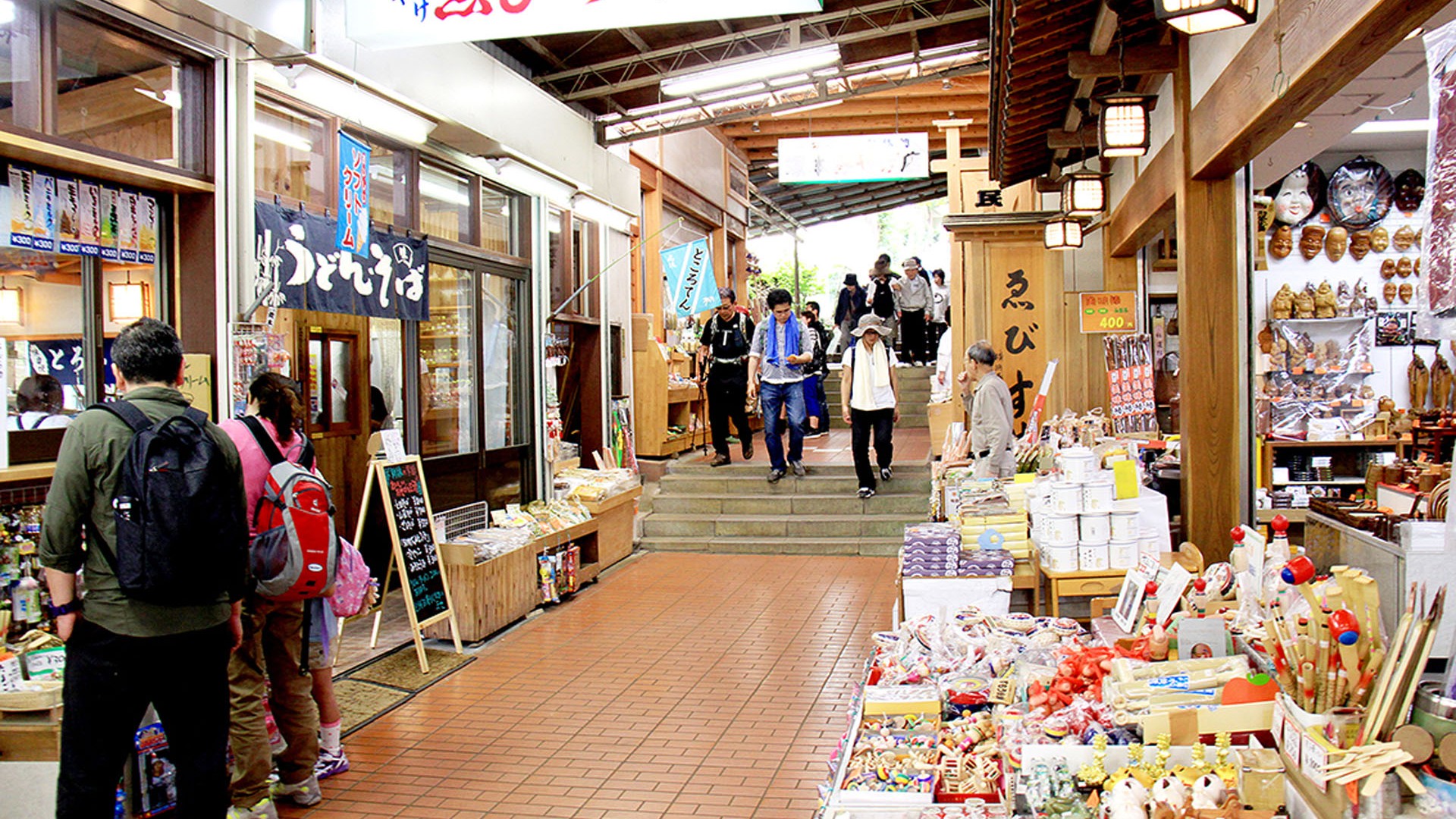
“Tonodake”, the most popular climbing spot in the Tanzawasan area, is known as the roof of Kanagawa Prefecture and boasts an elevation of 1,491 meters. Many climbers visit the mountain from early in the morning. There are a variety of routes that can be enjoyed by both beginners and advanced climbers. Once you reach the summit, a 360-degree panoramic view will refresh both your mind and body.Early morning trekking allows you to enjoy a special experience with fewer people and clear air.
The stone bridge in front of the San-no-torii gate is called Taiko-bashi. Built in 1182, this bridge spans the center of Genpei-ike Pond, which divides into east and west.
The area around the Hatsuyama district of Ikuta Ryokuchi, Tonmori Tanito, where you can enjoy the scenery of the satoyama, which includes the Tonmori river and its fireflies, rice and other farming fields.
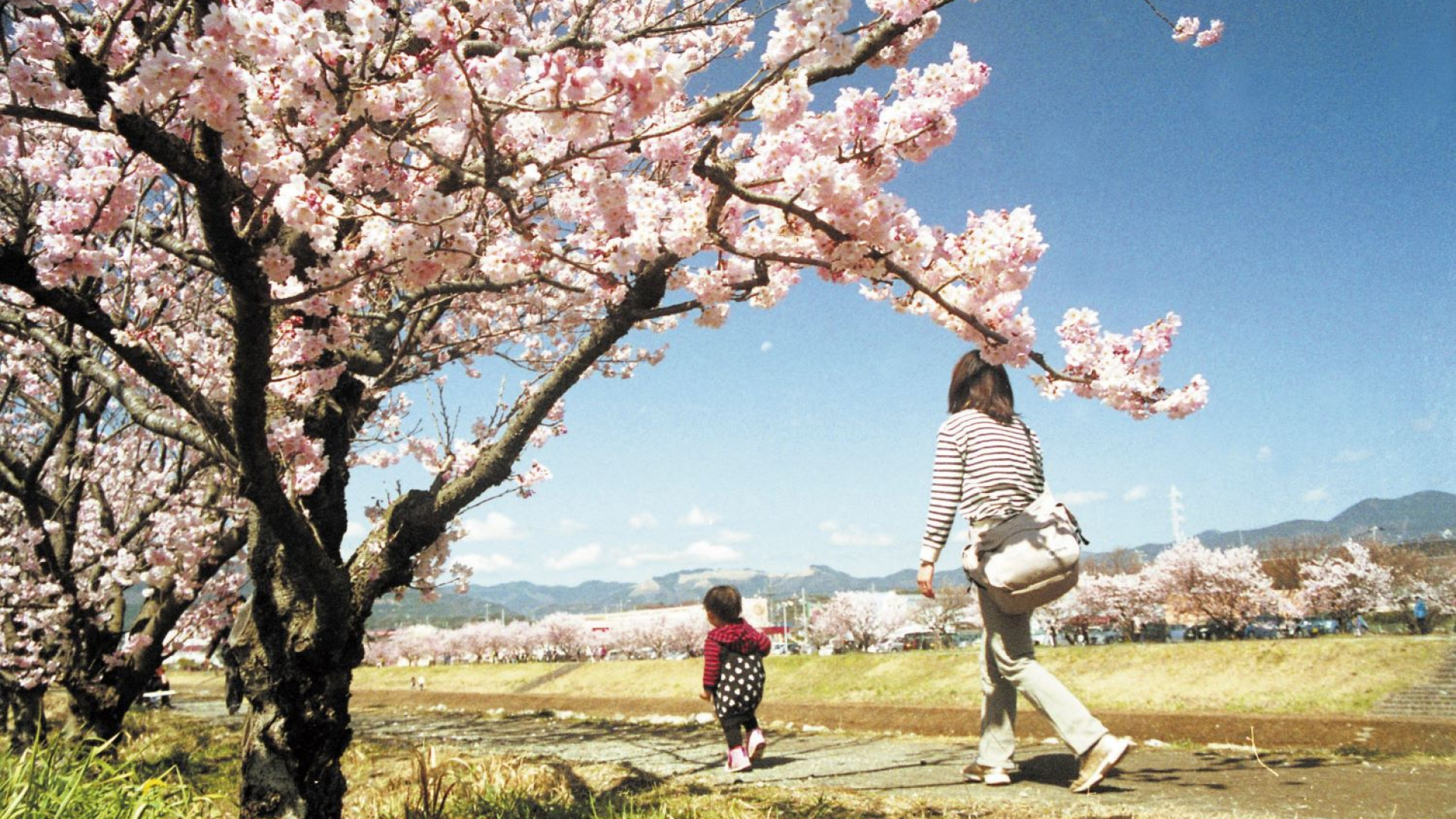
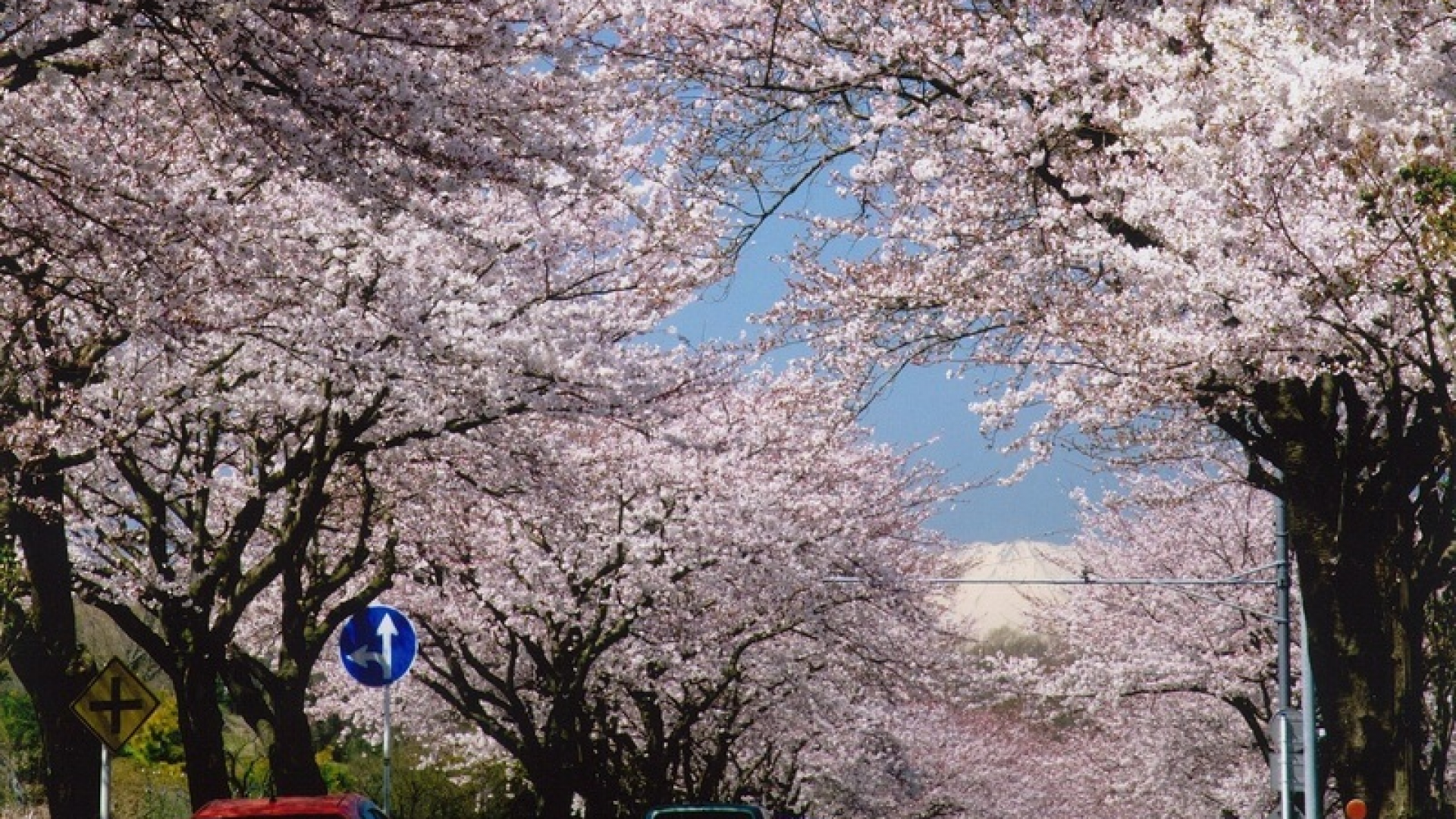
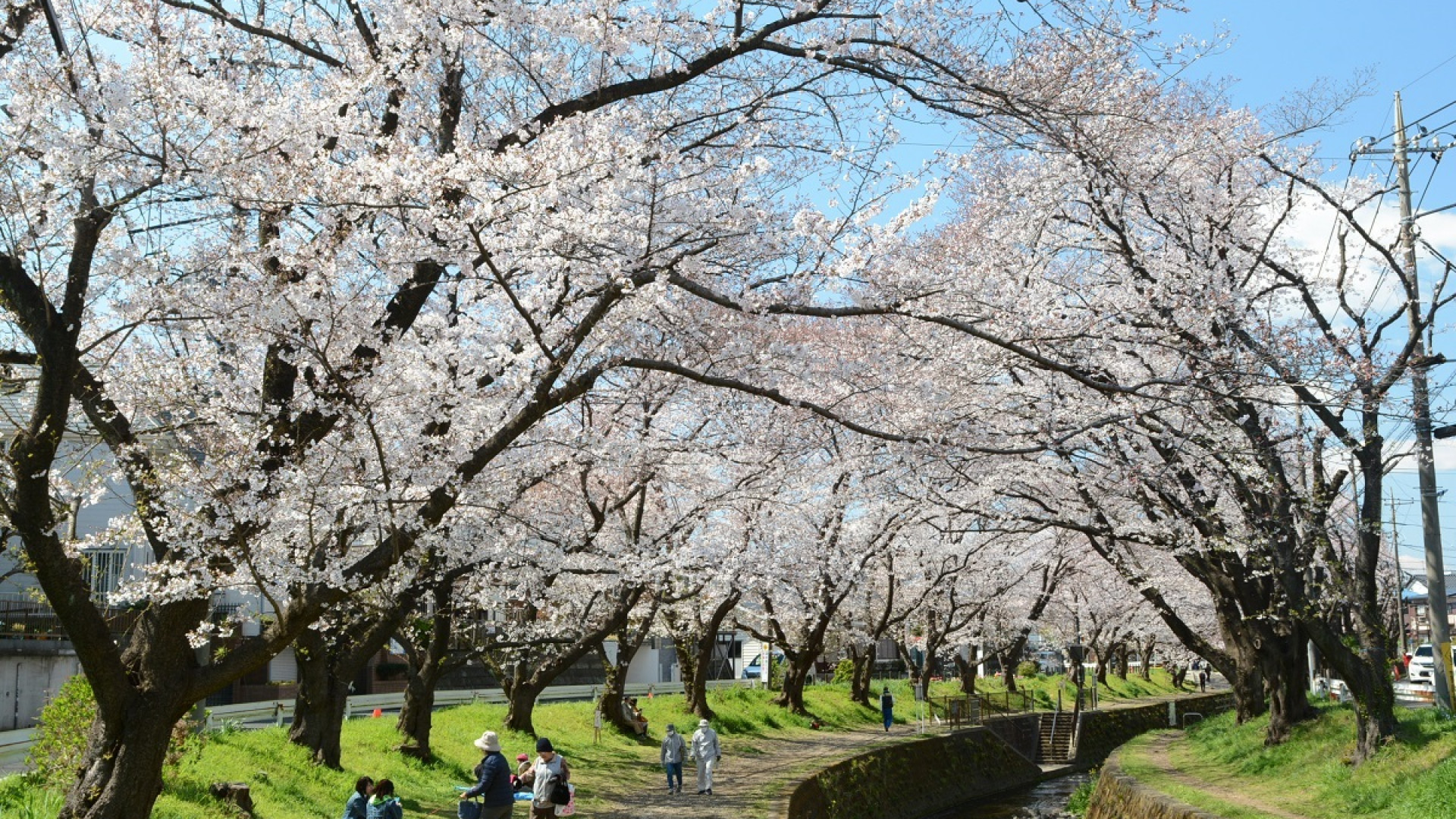
Children's Nature Park is a large athletic facility which includes Makigahara Chibikko Zoo, where you can touch small animals such as guinea pigs and mice. In spring, the cherry blossoms bloom all at once, and the view from the top of Sakurayama is amazing.
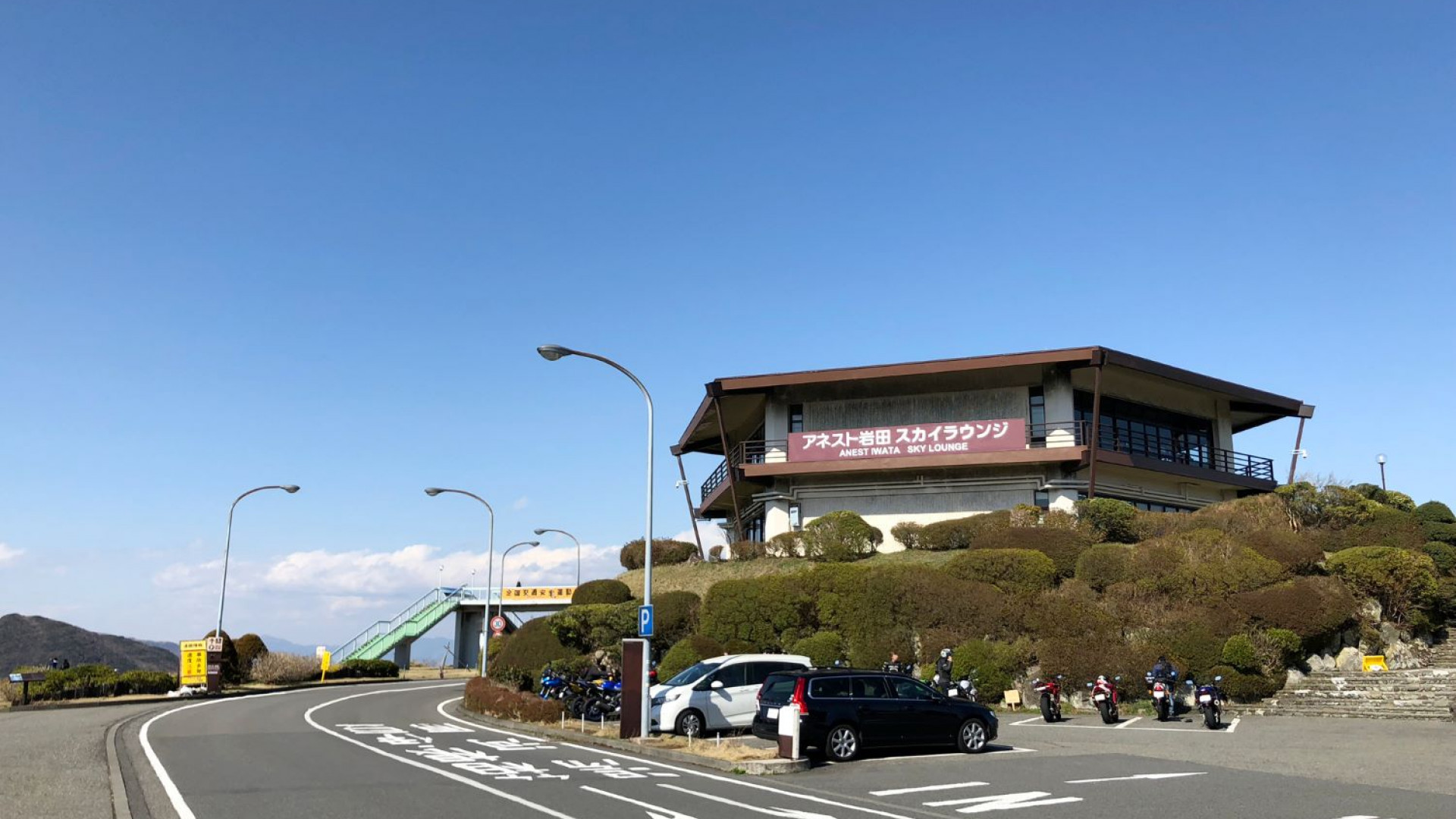
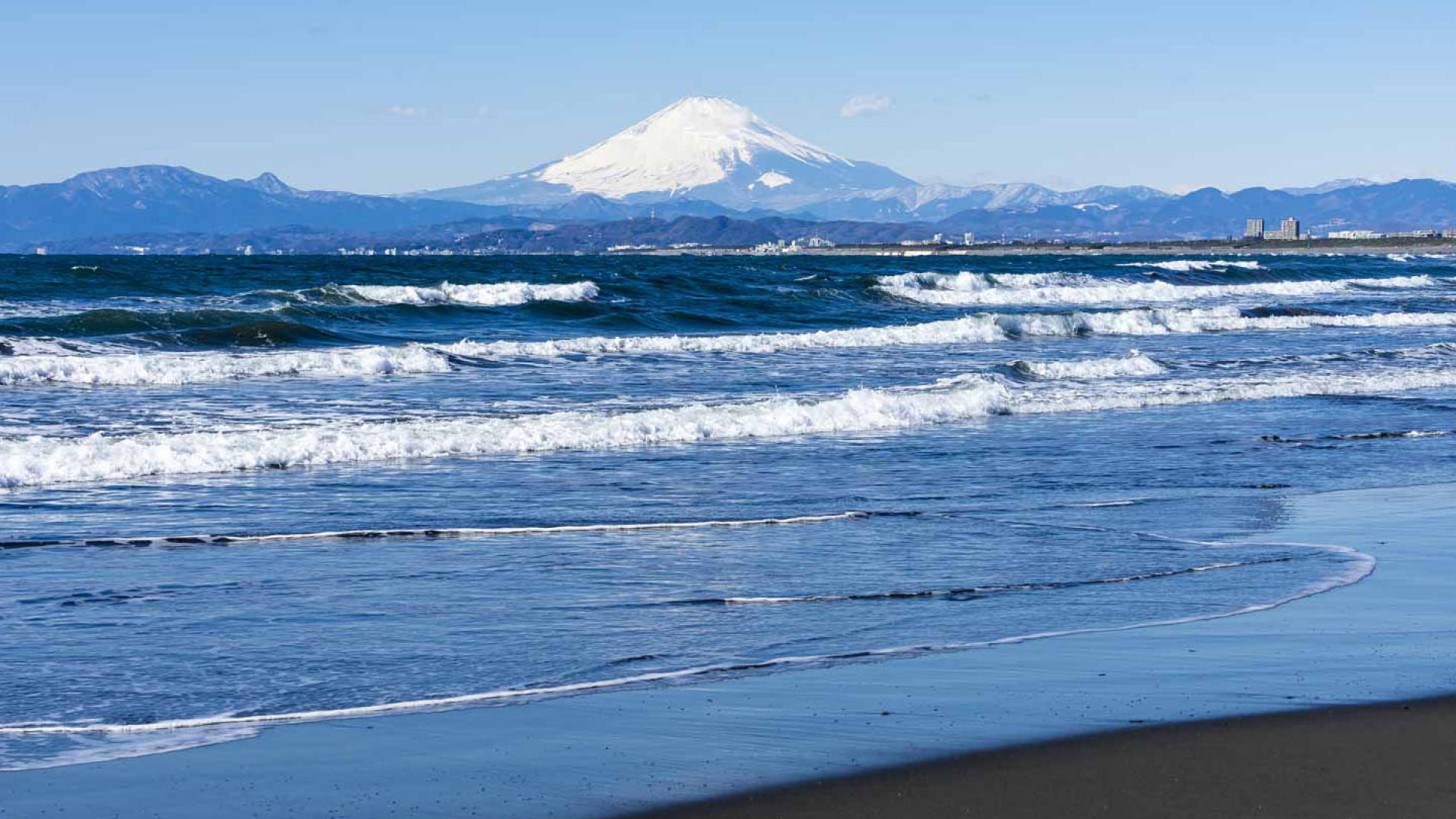
Anest Iwata Turnpike (toll road) is a scenic spot at the edge of Hakone with 360-degree scenic views. From here you can see Mount Fuji and Lake Ashi on the mountain side, Hatsushima and Oshima, and Miura Peninsula and Boso Peninsula on the sea side.
This spooky, sulphury, power spot in Hakone is a must visit. Be sure to check out the black eggs – it is said that eating just one will add 7 years to your life.
The Tsubaki Line refers to the Kanagawa Prefectural Road No. 75 Yugawara Hakone Sengokuhara Line. At “Tsubaki-dai,” chosen as one of Kanagawa’s 50 most beautiful sights, there is a small plateau in the middle of the Tsubaki Line that connects Oku Yugawara Onsen and Daikanzan. There are many camellia trees growing along the Tsubaki Line, and the viewing season is from February to April.
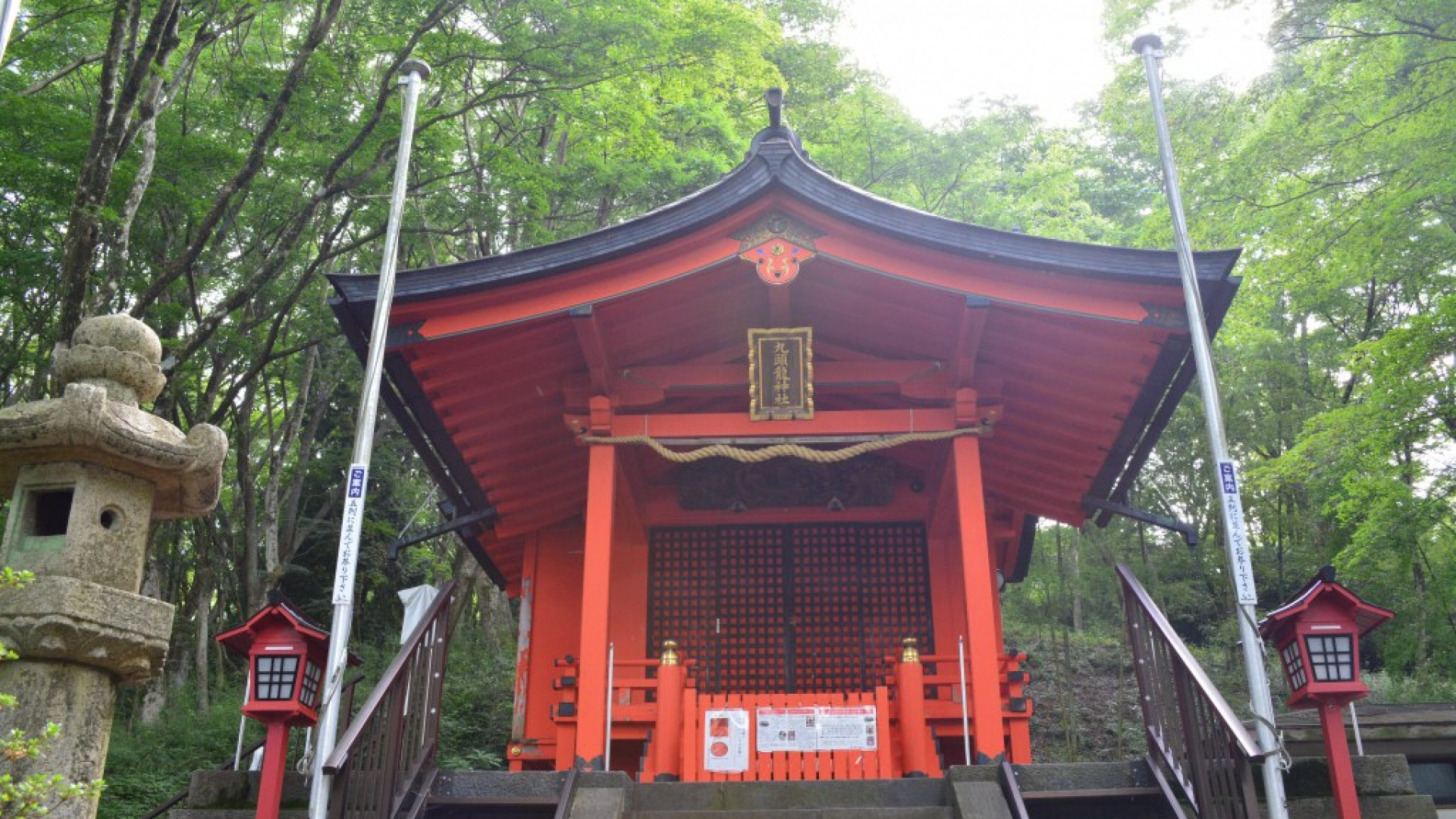
The wild trees, shrubs, and flowers along the shore of Lake Ashi are many in this lush nature park. Within the park is the spiritual spot, Kuzuryu Shrine Hongu. After heading through the entrance to the nature trail, you’ll see the grass swaying from the breeze across the lake. It’s easy to feel the passing of the ever-changing seasons in this much nature.
You can always find flowers throughout the year as well as paths covered with flourishing trees in Azumayama park. Also, at the peak, there is an observatory where you can enjoy a panorama of Sagami Bay while enjoying a comfortable sea breeze from Shonan. Here, you can enjoy nature and have a relaxing time.When you visit, be mindful of the time of year so you can enjoy the park’s seasonal flowers and nature -- Rape flowers from January to February, Cherry blossoms from late March through early April, Azaleas from late April to mid May, Hydrangeas from late June to early July, and Cosmos in August. In autumn, enjoy the trees’ red vibrant red leaves.An early morning stroll is a special experience, with clear air and few people.
It is about 19 hectares where they restore forests fallen into disrepair to familiar woodlands. They cooperate with volunteer organizations in thinning and other activities to keep trees and soil in proper condition and conserve forest management and habitat of organisms and plants. You can appreciate seasonal flowers here.
This hiking course travels around a waterfall that is reminiscent of spilling marbles and a standing stone that Prince Yamato Takeru is said to have visited. The course gets its name from looking like a fog at times when the Miyashita River which sources its waters at Mt. Hinomiya is running high. Beside it is the Fudodo, which is also known by the name Devil’s Waterfall.
As you go up the road from Hakken shrine in Kami Kisawa, you can see Mt. Fuji and fan-shaped farm fields (Dan dan batake) on the mountainside.
Hakone-en is a comprehensive recreational facility with many attractions, restaurant, and souvenir shops. It serves as a convenient base for sightseeing in Hakone as both the Ashinoko Lake Leisure Cruise and Komagatake Ropeway have stations here.
Koajiro Forest is said to be the only natural environment in Kanto where you can find an entire river basin connecting the forest to swamps/mud flats and the sea. Starting with the red-clawed crab living in the forest, many living organisms make up a diverse ecosystem. As you walk along the path from the forest to the mudflats, you can observe the changes in the natural environment.