Greater Tokyo

See & Do

reset
Kinugawa Okashino Shiro (Dessert Castle)

Kinugawa Okashino Shiro (Dessert Castle)

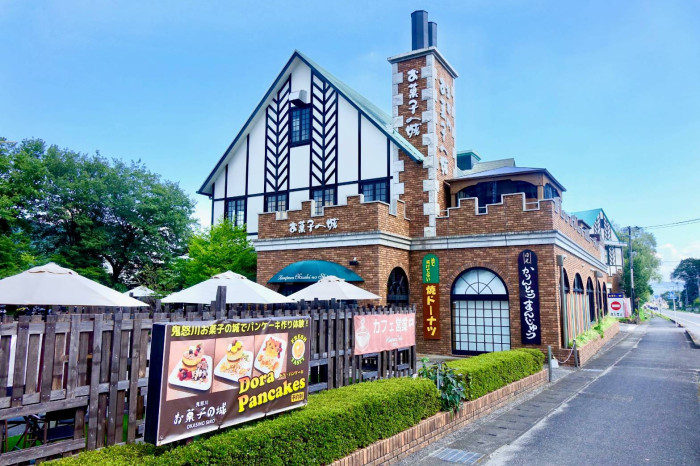
From popular sweets to outdoor activities — a delicious and relaxing stop on your hot spring tripKinugawa Okashino Shiro is a multi-purpose tourist facility that combines Japanese and Western sweets, cafés, and hands-on experiences. Inside, more than 30 varieties of handmade sweets are available, including seasonal fried bread, natural shaved ice, and other popular items, making it the perfect spot to buy souvenirs or enjoy sweet treats. The facility also includes “KINU COFFEE” café and “FUN GARDEN” outdoor space, where you can enjoy freshly grilled skewers, cakes, barbecues, and seasonal activities. Visitors can even take part in a dorayaki (red bean pancake) making workshop, adding an enjoyable hands-on element to the trip.
Nikko kaido Oshu kaido TOCHIGI
Kinugawa Onsen Ropeway

Kinugawa Onsen Ropeway

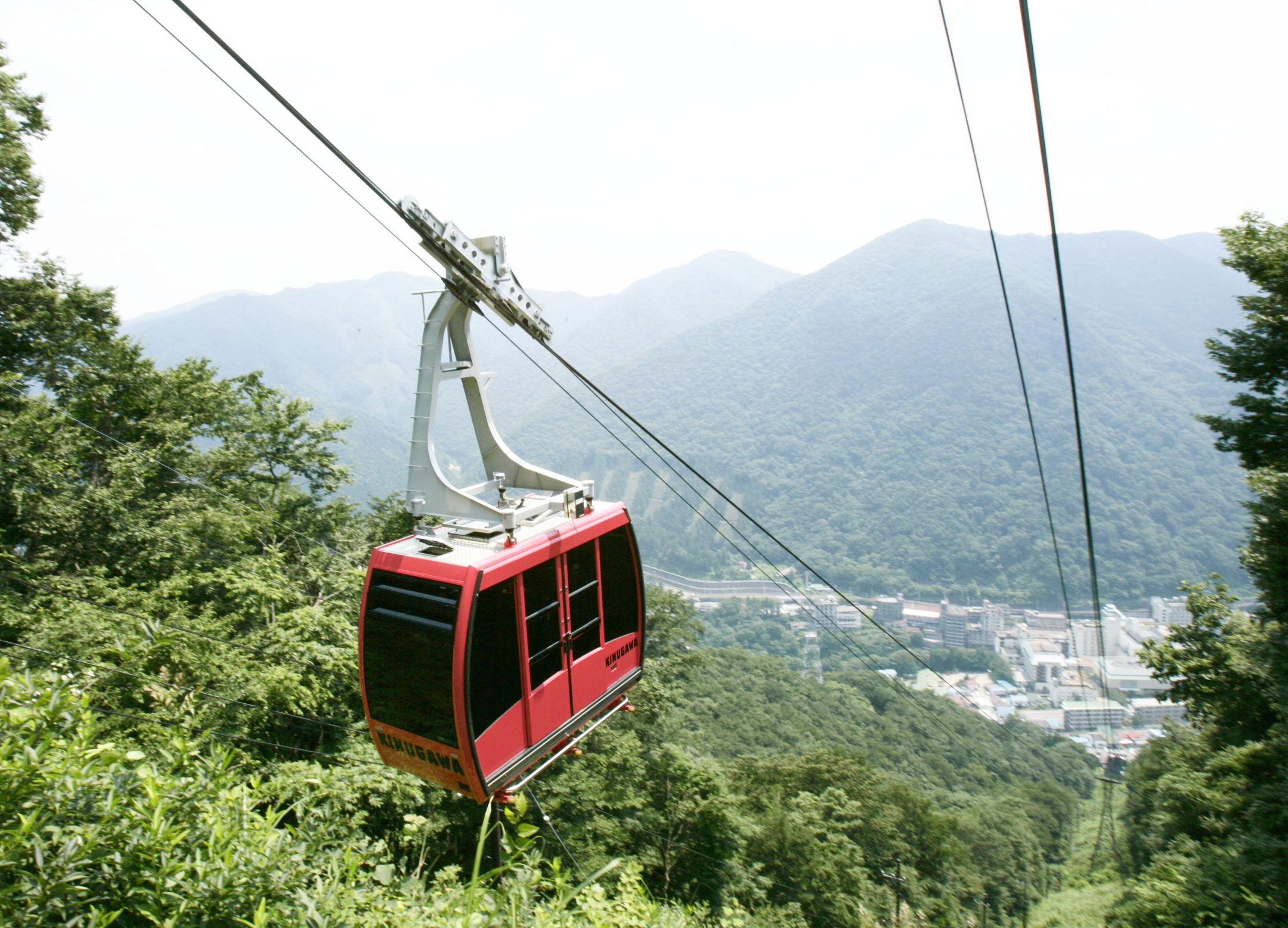
From Kinugawa Onsen Sanroku Station to Maruyama Summit Station, the ropeway ascends about 300 meters, offering a four-minute aerial ride with sweeping views of Kinugawa Onsen town and the surrounding valley. At the mountaintop observatory, visitors can see Keichozan Mountain, and on clear days, even Tokyo Skytree in the distance. The summit is also home to a troop of monkeys, where you can observe them up close or feed them. Near the ropeway station stands the Hotokegaura Shrine, dedicated to the guardian deity of Kinugawa Onsen. Its cherry blossoms have made it a hidden gem spot for spring hanami.

Nikko kaido Oshu kaido TOCHIGI
Jorakuji Temple (Rokujison)

Jorakuji Temple (Rokujison)

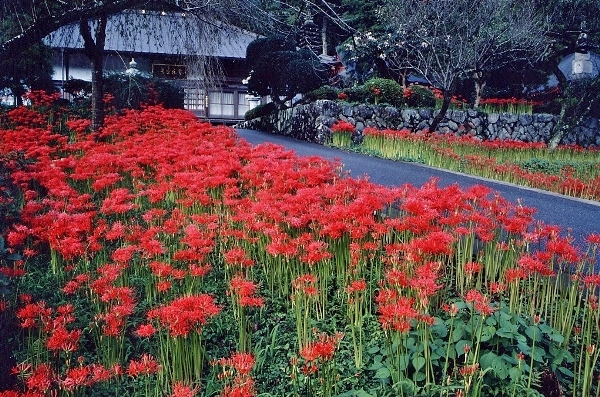
Jorakuji Temple was founded in the first year of Kenkyū (1190) as the family temple of the famed physician Nakano Tomoyuki. When Nakano Tomoyuki investigated the illness of his daughter, it marked the first time acupuncture therapy was introduced to Japan. Later, he was summoned to the imperial court to treat Emperor Go-Toba’s illness and was given the title “Rokujihōgen.” As his medical skills became widely known throughout the country, it is said that even the Thunder God himself once visited the temple for acupuncture treatment, making Jorakuji especially famous as a temple connected to the deity. Because of this tradition, the temple grounds are affectionately called “Rokujison-sama.” It is also known for the beautiful red spider lilies that bloom in abundance around the precincts. Every year on February 11, a grand festival is held, attracting many worshippers and visitors, creating a lively atmosphere.

Oshu kaido Nikko kaido TOCHIGI
Nikko Coffee Nishisando

Nikko Coffee Nishisando

The popular café chain Nikko Coffee, beloved by fans across Japan, opened its Nishisando branch in March 2020! In summer, visitors can enjoy shaved ice made with natural ice, while in mid-October, the shop also offers delicious treats like wagyu beef buns. With a concept of “Good things from Nikko, good things from Japan,” Nikko Coffee not only serves rich, aromatic coffee, but also sells handcrafted goods from Nikko and Tochigi Prefecture, as well as carefully selected items delivered from all over Japan.

Nikko kaido Oshu kaido TOCHIGI
Wakayama Farm – Bamboo Winter Lights

Wakayama Farm – Bamboo Winter Lights

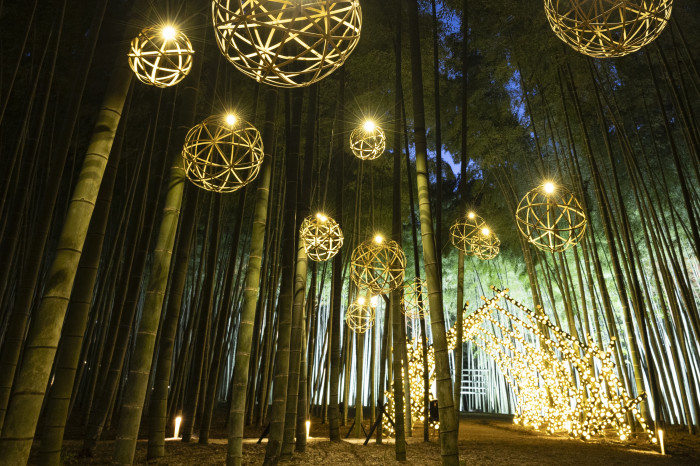
Step into a world of light and shadowsEvery winter evening, Wakayama Farm in Utsunomiya transforms into a fantastical landscape adorned with glowing illuminations for the seasonal event Bamboo Winter Lights. This farm, which offers experiences in every season, becomes even more enchanting in winter evenings, when the entire bamboo grove is bathed in dreamlike lights, guiding visitors into a world like something out of a fairytale. As night falls, the lush green bamboo grove glows warmly, with bamboo lanterns and lights illuminating the paths. The scene, accompanied by music, blends nature and art to create a mystical atmosphere that is both inspiring and deeply moving. The event is perfect not only for couples but also for families, and it’s a popular spot for photography enthusiasts. The fusion of new illuminations and the timeless bamboo forest creates a captivating spectacle, making this one of the best seasonal nighttime attractions. On crisp winter nights, a stroll through Wakayama Farm’s bamboo grove offers a romantic and unforgettable experience, where the quiet beauty of bamboo meets the brilliance of light.

Nikko kaido Oshu kaido TOCHIGI
Moka Summer Festival “Kojin Festival”

Moka Summer Festival “Kojin Festival”

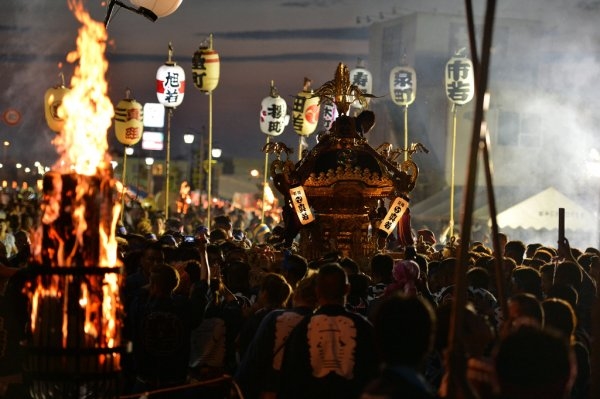
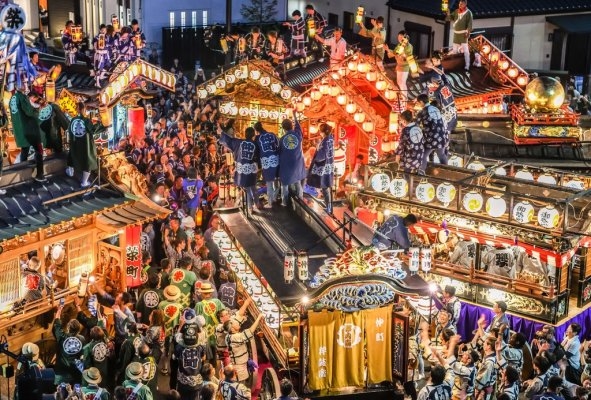
The "Moka Summer Festival," the largest event in Moka City, will be held for three days on late July. More than 20 portable shrines and floats gather together at the festival square, where you can feel the enthusiasm of the festival goers.   On the first day of the festival, "Degyo-matsuri," or the "departure from the shrine," is held at Omae Shrine.Many festival-goers participate in the Degyo-matsuri to pray for the safety of the procession of portable shrines and stalls, a good harvest, the eradication of disease, and the development of industry. After the Degyo-Dashi, "Machiawase" is held, in which the portable shrines are carried across each town council, and the head mikoshi parades through the city.   On the second day, "Festival Plaza" will be held and the city center will become a pedestrian zone. approximately 20,000 fireworks will color the night sky, and "Mikoshi Kawatogo (carried mikoshi to cross the river)" would be held on Gogyo River.

Nikko kaido Oshu kaido TOCHIGI
Kitagura Cafe Higano

Kitagura Cafe Higano

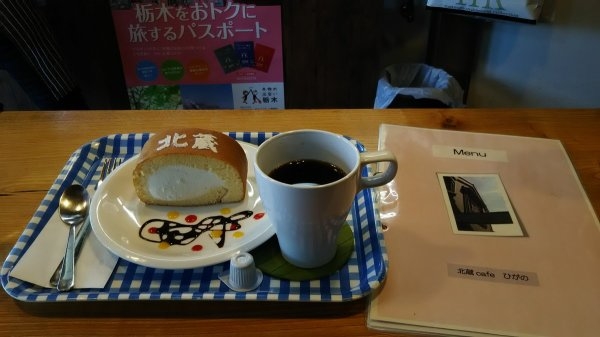
Housed in “Kitagura,” a building constructed in the mid-Meiji period and registered as a Tangible Cultural Property of Japan, Kitagura Cafe Higano is located along Tochigi City’s famous Kuranomachi Street, a popular sightseeing area. The café is operated by Higano Shoten, a traditional confectionery shop founded in 1922. In addition to freshly brewed hand-drip coffee and homemade sweets, visitors can purchase the shop’s signature rice crackers, Okaki, as souvenirs. For coffee lovers, this is the perfect spot to relax and enjoy a quiet, charming atmosphere in the heart of historic Tochigi.

Nikko kaido Oshu kaido TOCHIGI
Nasu Stained Glass Museum

Nasu Stained Glass Museum

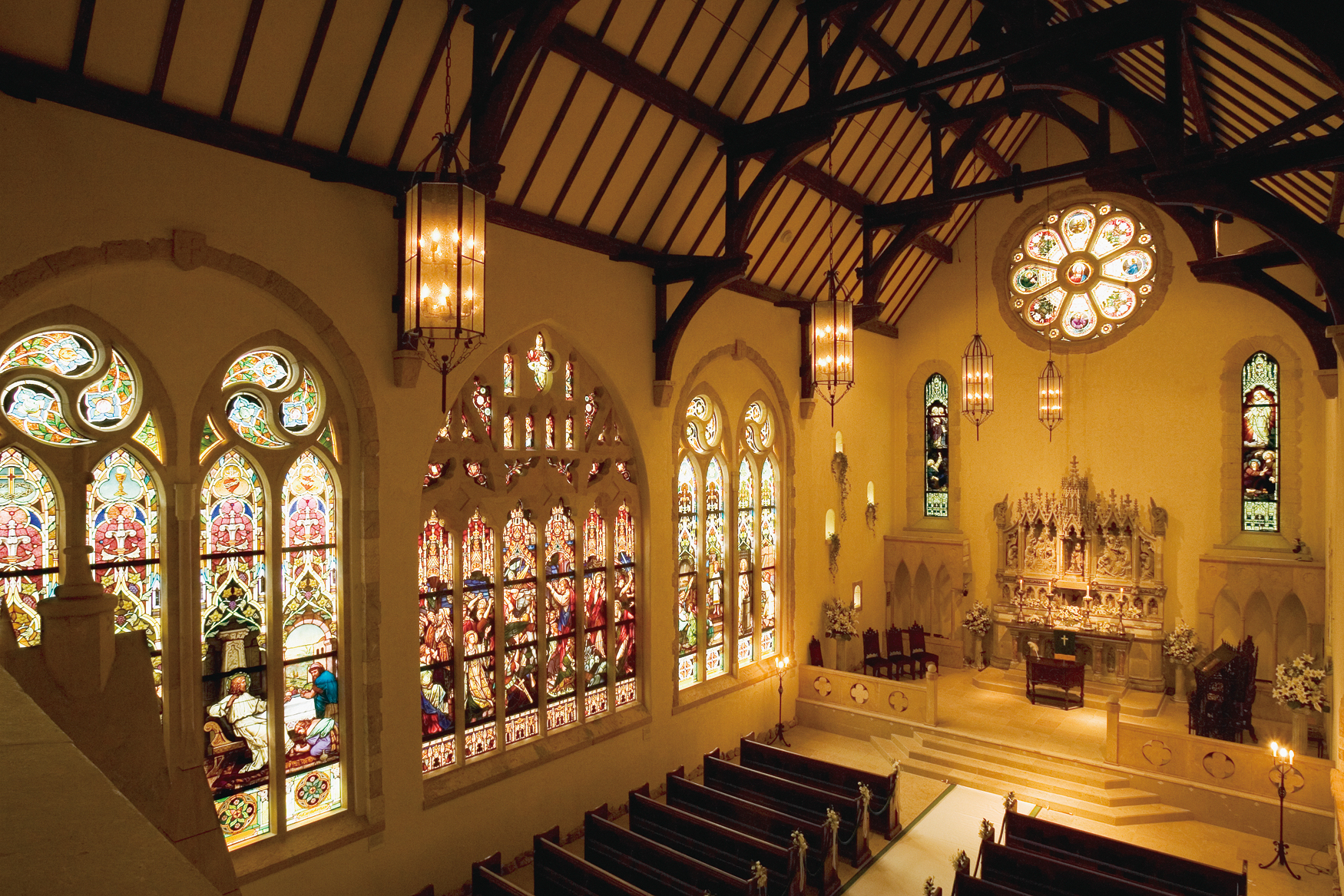
Surrounded by a lush green garden, the Nasu Stained Glass Museum is housed in a stone building modeled after a traditional Cotswold manor in England, exuding the charm of the English countryside. The museum is renowned for its collection of 19th-century antique stained glass. In its chapel, regular performances of antique music boxes and pipe organs are held. As you listen to the beautiful melodies and gaze at the gentle light streaming through the stained glass, you may feel as if you have stepped into a small European town. Visitors can also enjoy hands-on workshops to create their own unique stained glass crafts as memorable souvenirs. The museum features a café and gift shop offering traditional English tea and sweets, providing a relaxing space to unwind and savor the atmosphere.

Nikko kaido Oshu kaido TOCHIGI
Oyama Honba Yuki Tsumugi Craft Museum

Oyama Honba Yuki Tsumugi Craft Museum

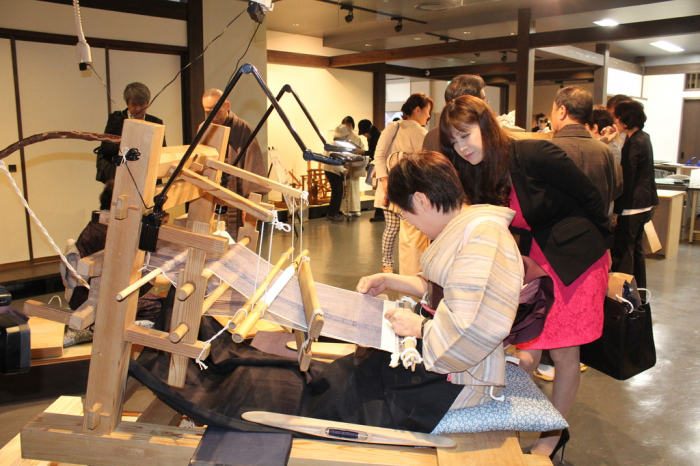
What is Yuki Tsumugi?Yuki Tsumugi is a traditional silk fabric originating from Oyama City in Tochigi Prefecture and Yuki City in Ibaraki Prefecture, with a history dating back to the Nara period. Once valued for its durability, it is now prized as a top-class handwoven silk for its light yet strong texture. Oyama Honba Yuki Tsumugi Craft MuseumHonba Yuki Tsumugi is entirely handcrafted and was inscribed on UNESCO’s Representative List of the Intangible Cultural Heritage of Humanity in 2010. The Oyama Honba Yuki Tsumugi Craft Museum is dedicated to promoting this traditional art and offers the following experiences: Craftsman Demonstrations: Watch up close as artisans spin silk threads and weave on looms. Hands-on Weaving Experience: Try your hand at weaving under staff guidance (advance reservation recommended). Kimono Experience: Select your favorite Yuki Tsumugi kimono pattern and stroll through the streets of Oyama (some accessories require an additional fee). Closed on Mondays and during the New Year holidays. Some activities require ID and advance booking.

Oshu kaido Nikko kaido TOCHIGI
Kinugawa Onsen “Oni” Festival

Kinugawa Onsen “Oni” Festival

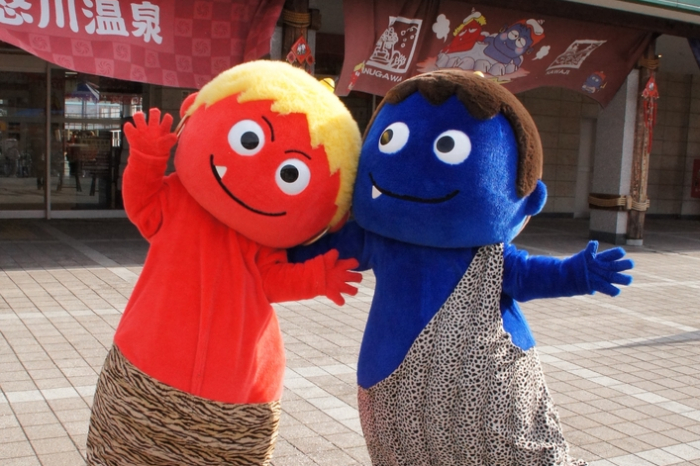
Setsubun Season – Celebrating with “Oni” from Around the World to Pray for Good Fortune and Drive Away Evil The Kinugawa Onsen “Oni” Festival (Shōfuku Oni Matsuri) is a winter celebration that combines the “Oni” in Kinugawa’s name with Japan’s Setsubun traditions. Held annually from late January to late February, the entire Kinugawa Onsen area becomes a festive stage where people and “oni” dance together to bring good luck and ward off evil. With the theme “Demons of the World Gather in Kinugawa – Humans and Oni Join in Festive Exorcism,” the event is both a blessing ceremony and a lively, family-friendly celebration. One of the highlights is the “SL Shōfuku Oni Train,” where participants dressed as oni ride a steam locomotive and interact with adorable local mascot characters like “Kinuta,” “Kinu-chan,” and “Kawa-chan.” Visitors can also enjoy taiko drum performances, monkey shows, chainsaw wood carving, demon-themed food, cultural experiences, and stamp rally games. It’s one of Kinugawa’s most vibrant seasonal events during the Setsubun period.

Nikko kaido Oshu kaido TOCHIGI
Utamaro Festival

Utamaro Festival

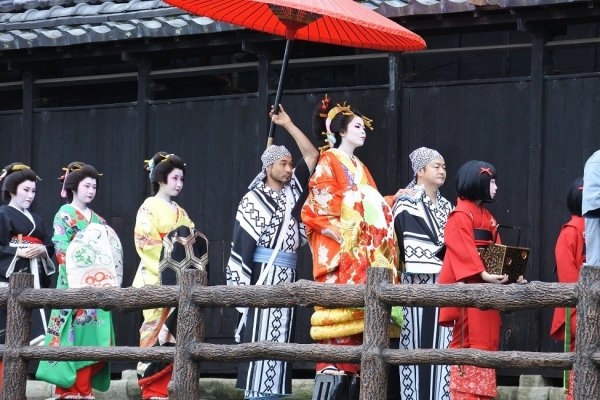
Held in early October each year, the Utamaro Festival celebrates the legacy of Kitagawa Utamaro, a renowned ukiyo-e artist of the mid-Edo period who had close ties to Tochigi City. Many of his works were created here, and the city, with its well-preserved Edo-period architecture, is often called “Little Edo.” The festival’s highlight is the Utamaro Dōchū parade, where performers dressed in gorgeous kimono proceed slowly along Kuranomachi Ōdōri Street, recreating the elegance of the Edo era. The festivities also feature music performances, fireworks, street illuminations, and a handmade market, immersing the entire town in a joyful celebration of culture and tradition. Notably, Kitagawa Utamaro will also be featured in the 2025 NHK Taiga drama Unbound, bringing renewed attention and respect to this ukiyo-e master. Visiting the Utamaro Festival offers a rare opportunity to experience the fusion of historical culture and modern creativity. Strolling through the lantern-lit streets of Kuranomachi, you can enjoy the vibrant atmosphere of the parade and illuminations while discovering the timeless charm of Japanese traditional arts—an unforgettable highlight of any autumn trip.

Nikko kaido Oshu kaido TOCHIGI
Omaru Onsen (Omaru Onsen Ryokan)

Omaru Onsen (Omaru Onsen Ryokan)

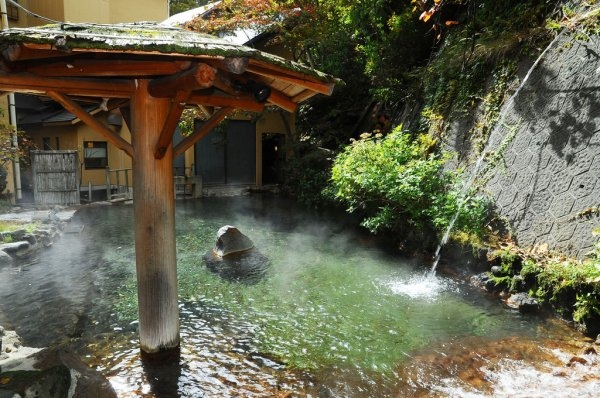
Located at the foot of Mt. Chausu at an altitude of 1,300 meters, Omaru Onsen Ryokan has been preserved by generations of innkeepers for over 200 years. Rich in metasilicic acid, the spring water is known for its moisturizing properties and is often called “Bijin-yu” (Beauty Hot Spring). The historic Kawa-no-Yu bath draws its water directly from the river source, where hot spring water gushes from the mountainside to form an open-air bath along the river. Here, guests can soak while listening to the gentle murmur of the stream, enjoying the secluded charm of this hidden onsen. Omaru Onsen’s water, abundant in metasilicic acid, has long been treasured for its skin-beautifying effects. The ryokan features mixed open-air baths such as Shirakaba-no-Yu, Ajisai-no-Yu, and Azami-no-Yu, making it a great choice for families. The on-site restaurant serves local Nasu vegetables, Tochigi Wagyu beef shabu-shabu, and “Nasuhikari” rice produced in Tochigi. Sake enthusiasts can also try shochu diluted with hot spring water. During the Meiji period, General Nogi Maresuke visited Omaru Onsen every year for convalescence. The ryokan’s lobby still displays valuable artifacts, including his clothing, diaries, and letters.

Nikko kaido Oshu kaido TOCHIGI
Okunasu Taishomura Sachinoyu Onsen

Okunasu Taishomura Sachinoyu Onsen

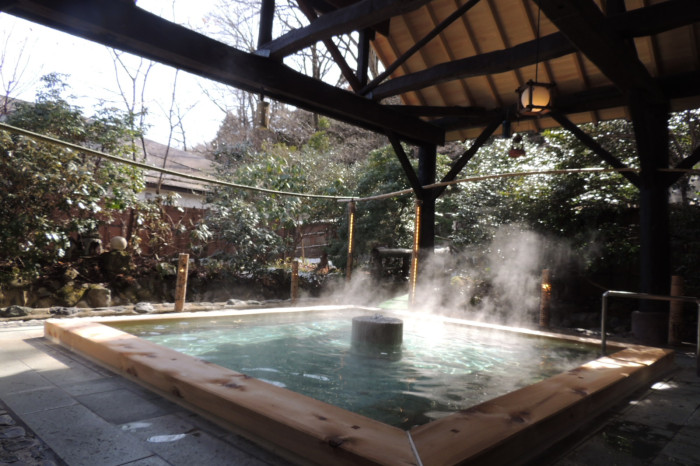
Loved by many women for its skin-beautifying and health-promoting effects, this hot spring inn even produces its own “Shutsuyoku Bijin” facial lotion made from fresh spring water. To celebrate its 30th anniversary, Okunasu Taishomura Satinoyu Onsen restored its unique “Tsuna-no-Yu” bath in August 2014. This distinctive bathing style involves holding onto a rope tied to the beams of the bathhouse while standing in waist-deep water in a bath over one meter deep. Popular in the mid-1960s, it was believed to improve peripheral nerve function and promote blood circulation, attracting many visitors seeking relief from joint and nerve pain. The bath, paved with river stones, measures 4.3 meters long, 2.6 meters wide, and 1.25–1.4 meters deep. Hot spring water wells up from below, stimulating the soles of the feet and letting bathers fully enjoy the benefits of the high-quality spring water. Day-trip visitors can also try the Tsuna-no-Yu. It is available to men on Mondays, Wednesdays, and Fridays, and to women on Tuesdays, Thursdays, Saturdays, and Sundays.

Nikko kaido Oshu kaido TOCHIGI
Moka Romantic Hina Doll Display

Moka Romantic Hina Doll Display

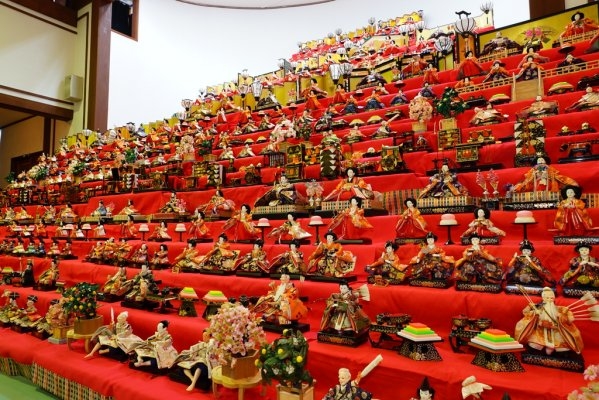
March 3 is celebrated in Japan as Girls’ Day, when hina dolls dressed in luxurious kimono are displayed throughout the country. From early February until Girls’ Day, Moka City hosts the month-long “Moka Romantic Hina Doll Display.” At the Okabe Memorial Hall “Kinreisō,” a Tochigi Prefecture-designated cultural property, visitors can admire a spectacular 26-tier hina doll display—about 6 meters high—featuring imperial dolls and more. The exhibition also includes over 30 hanging hina decorations, a rare sight not to be missed. This season is also perfect for enjoying strawberry picking in the Moka area. Don’t forget to try Tochigi’s new strawberry variety, Tochiaika!  

Nikko kaido Oshu kaido TOCHIGI
Tempyo Flower Festival

Tempyo Flower Festival

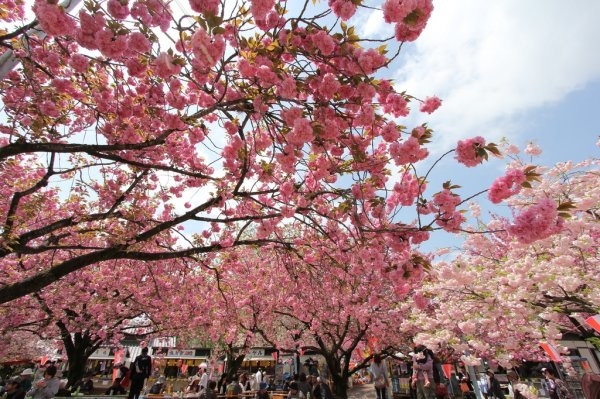
The Usuzumi Zakura of Neo, the Jindaizakura of Yamataka, and the Miharu Takizakura are known as Japan’s Three Great Cherry Trees. These, along with the Ishiwari Zakura of Morioka, the Kosonju tree, and others, are all gathered at Tenpyo-no-Oka Park. From late March, when the Usuzumi Zakura begins to bloom, until late April, when the double cherry blossoms reach their peak, visitors can enjoy breathtaking cherry blossoms blooming throughout the park for an entire month. In addition to stalls run by local vendors, the festival features stage performances such as enka singing shows, appearances by manga characters, and rides on the “Shōnen Ressha” road train, making it a perfect spot for a family outing. The park also has a charming café called “10 Picnic Tables,” converted from an old farmhouse, offering a retro yet artsy atmosphere that contrasts with the main stage area. Visitors can enjoy delicious food while relaxing in a scenic, laid-back setting. Be sure to visit Tenpyo-no-Oka Park and experience the magic of cherry blossoms in full bloom.

Nikko kaido Oshu kaido TOCHIGI
Mt. Ohira Cherry Blossom Festival

Mt. Ohira Cherry Blossom Festival

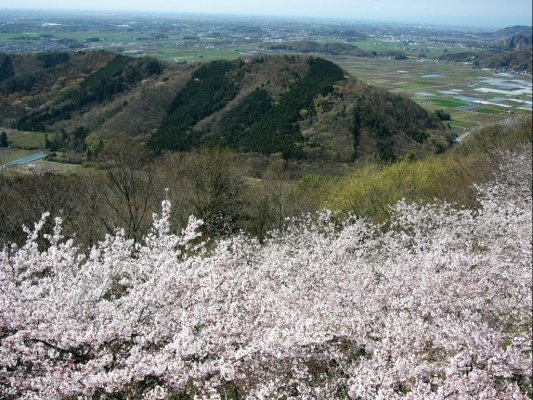
Famous for its “Warehouse Town” scenery, Tochigi City hosts the Mt. Ohira Cherry Blossom Festival in early April. Located west of the city, Mt. Ohira is covered with about 4,000 cherry trees, forming a spectacular 2-kilometer-long tunnel of blossoms along the sightseeing road from the foot of the mountain. On the opposite side of the summit, the Kenshin-daira Observatory offers panoramic views of the Kanto Plain’s picturesque rural landscapes. On clear days, you can even see Tokyo Skytree and Mt. Fuji. Nearby eateries serve Mt. Ohira’s three famous specialties—rice dumplings, grilled chicken skewers, and rolled omelets—providing a feast for both the eyes and taste buds. At the foot of Mt. Ohira stands Taisan-ji, an ancient Shingon Buddhist temple. Its grounds are home to a 360-year-old weeping cherry tree, said to have been planted by the mother of Tokugawa Ietsuna, the fourth shogun of the Tokugawa Shogunate. The weeping cherry season begins in late March. For details, please check the Tochigi City Tourism Association website.

Nikko kaido Oshu kaido TOCHIGI