
Greater Tokyo

See & Do

reset
Tochigi Prefectural Central Park

Tochigi Prefectural Central Park

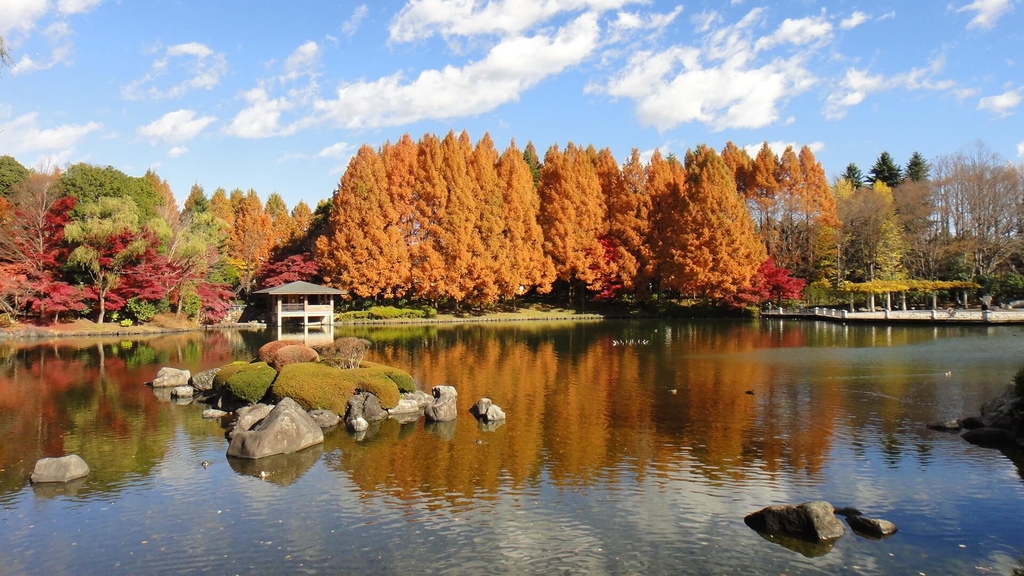
A prefectural park combining Japanese and Western garden design with nature, culture, and disaster-prevention functionsTochigi Prefectural Central Park is located in the center of Utsunomiya City and was created under the theme of “water, greenery, and culture.” Within the park are Western-style sunken gardens, Japanese-style ponds, and multipurpose plazas, which also interact with the neighboring Tochigi Prefectural Museum. Visitors can enjoy a wide variety of landscapes, including waterfalls, stone gardens, and the expansive Noh Stage Plaza with its modern fountain pool. Seasonal flowers and meticulously maintained lawns add to the park’s charm. The park also features the “Midori no Shōkansho” (Green Consultation Office), which regularly holds exhibitions and workshops, providing advice on gardening and tree care for citizens. This space serves as a multipurpose area for relaxation, recreation, and environmental education. As a disaster-prevention park, it also has emergency response functions, making it an important part of daily life for local residents.

Nikko kaido Oshu kaido TOCHIGI
Tochigi Edo Cuisine

Tochigi Edo Cuisine

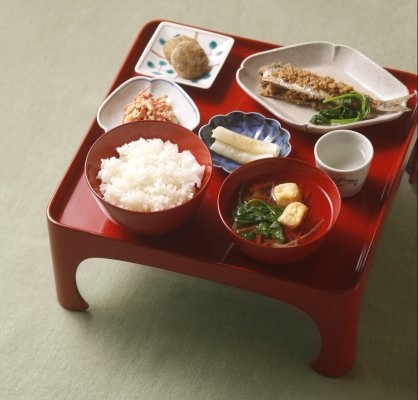
Koedo Tochigi, where Edo atmosphere still lingersDuring the Edo period, Tochigi City flourished as a lodging town along the Nikko Kaido highway and as a hub of river transport. Preserving much of its Edo-period charm, it is often referred to as “Koedo” (Little Edo), alongside Kawagoe and Sawara. A fusion of tradition and innovation – Tochigi Edo CuisineTo let visitors enjoy the unique taste of Edo-style dishes, experts have been researching recipes from the Edo period since 2015, adapting them by blending with local ingredients and techniques. The result is “Tochigi Edo Cuisine,” a modern yet traditional dining experience. On your next visit to Tochigi’s Kurano-machi (Warehouse District), in addition to sightseeing and enjoying a boat ride that recalls the Edo atmosphere, you can also savor Tochigi Edo Cuisine, offering a refined taste of history. For a list of restaurants serving Tochigi Edo Cuisine: https://tochigi-edo.jp/shop

Oshu kaido Nikko kaido TOCHIGI
Sano City Tourist Product Center

Sano City Tourist Product Center

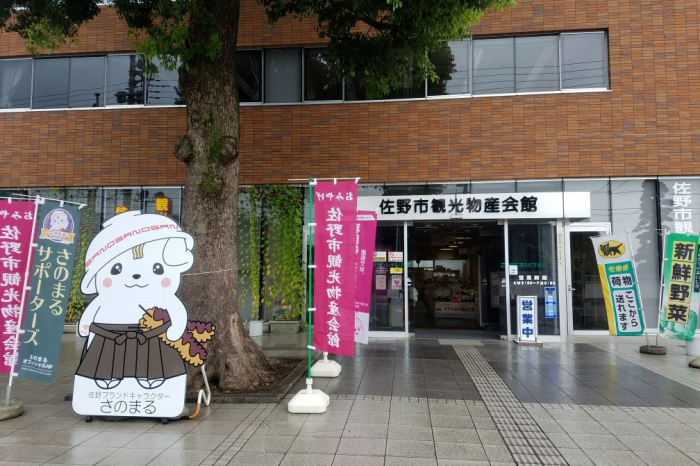
Sano, within a day’s reach from TokyoSano City is located in southwestern Tochigi Prefecture, about 70 kilometers from Tokyo. With its abundant produce and clean environment, it makes a lasting first impression on visitors. The city is also home to many historical sites, telling the long history of Sano’s development. When speaking of Sano’s cuisine, many immediately think of the rich soy-sauce-based Sano ramen. Made with clear water and carefully crafted wheat, this local specialty has become synonymous with the city’s gourmet culture. After enjoying Sano’s culinary delights, be sure to stop by the Sano City Tourist Product Center to take home a taste of Sano! Tourist product center – A comprehensive sightseeing hubInside the Sano City Tourist Product Center, you’ll find more than 800 varieties of souvenirs and specialty products, along with fresh vegetables sold directly from local farms. There is also a wealth of sightseeing information available, making it a convenient starting point for your Sano exploration.    

Nikko kaido Oshu kaido TOCHIGI
Yakumo Shrine

Yakumo Shrine

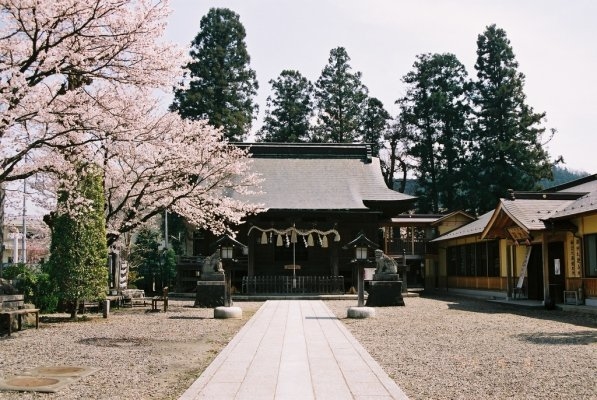
Founded in 1192, Yakumo Shrine is affectionately called “Yakumo-sama” by local residents, reflecting its deep ties with the community. The shrine is dedicated to Susanoo-no-Mikoto, and visitors pray here for physical health, recovery from illness, safe travels, and protection from misfortune. Worshippers even come from afar to pay their respects. In addition to Susanoo-no-Mikoto, the shrine also enshrines Daikoreishin (Hosokawa Okimoto, the founder of the Mogi branch of the Hosokawa clan) as an associated deity. Within the shrine office and the Shushuden Hall (a resting place for parishioners), visitors can see displays of historical materials, including the armor helmet once bestowed upon the Hosokawa clan by Oda Nobunaga. Yakumo Shrine is also known as the guardian shrine of traffic safety and is closely associated with “TWIN RING MOTEGI.” During major motor races, both staff and drivers come to pray here for victory and safety.

Nikko kaido Oshu kaido TOCHIGI
Mount Nantai

Mount Nantai

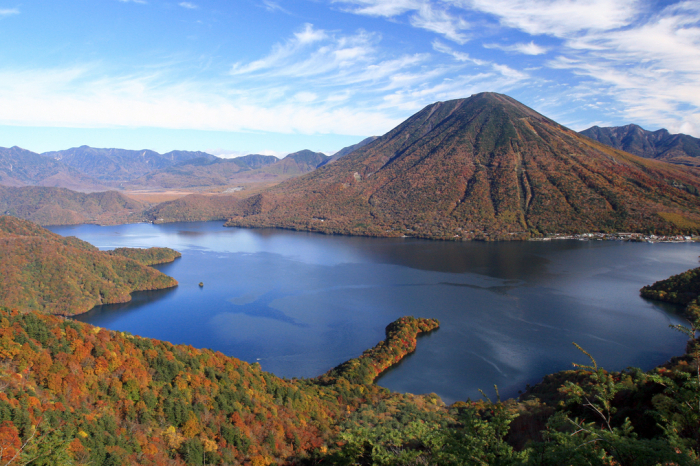
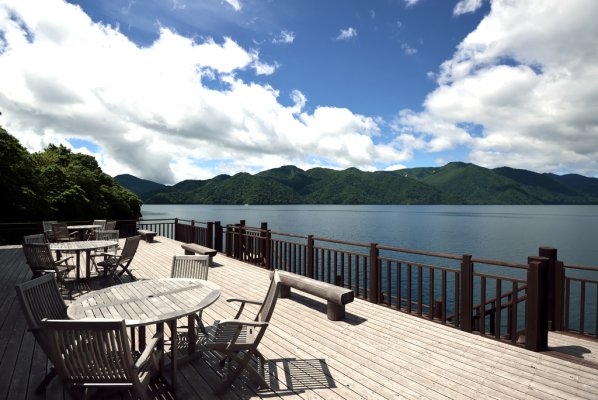
Mount Nantai is one of the representative peaks of the Nikko Mountains, standing at 2,486 meters. Towering over the northern shore of Lake Chuzenji, it offers magnificent scenery. Since ancient times, the mountain has been revered as a sacred object of worship. At its summit stands the Okumiya Shrine of Futarasan Shrine. Mount Nantai is also called “Futarasan.” The name “Futarasan” originates from the Buddhist term “Fudaraku.” Every year, a mountain-opening festival is held on July 31, and from midnight on August 1, many worshippers begin their pilgrimage from Futarasan Shrine’s Chugu Shrine, heading toward the summit to greet the sunrise. In addition, Lake Chuzenji, Kegon Falls, Ryuzu Falls, and the surrounding grasslands and fields at the foot of Mount Nantai were all formed by volcanic activity of the mountain. The official climbing season runs annually from April 25 to November 11. Starting from Futarasan Shrine’s Chugu Shrine, the climb to the summit takes about 6 to 8 hours round-trip. ※Climbing fee is 1,000 yen per person.※Reception hours are from 6:00 a.m. to 12:00 noon.※Entry is not permitted after 12:00 noon.※Please bring your own bear bell.

Nikko kaido Oshu kaido TOCHIGI
Kinugawa Okashino Shiro (Dessert Castle)

Kinugawa Okashino Shiro (Dessert Castle)

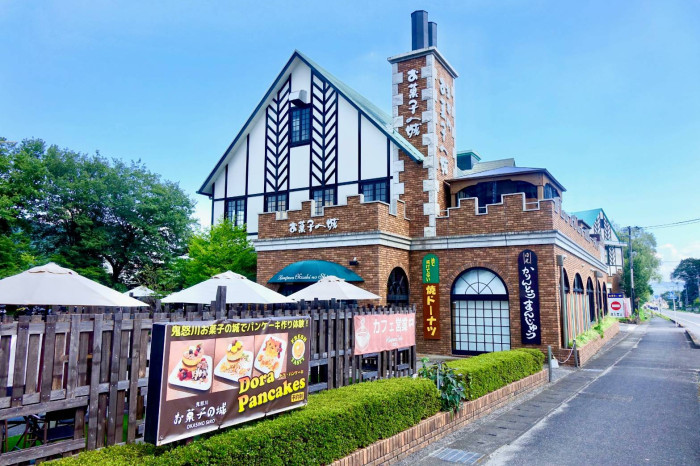
From popular sweets to outdoor activities — a delicious and relaxing stop on your hot spring tripKinugawa Okashino Shiro is a multi-purpose tourist facility that combines Japanese and Western sweets, cafés, and hands-on experiences. Inside, more than 30 varieties of handmade sweets are available, including seasonal fried bread, natural shaved ice, and other popular items, making it the perfect spot to buy souvenirs or enjoy sweet treats. The facility also includes “KINU COFFEE” café and “FUN GARDEN” outdoor space, where you can enjoy freshly grilled skewers, cakes, barbecues, and seasonal activities. Visitors can even take part in a dorayaki (red bean pancake) making workshop, adding an enjoyable hands-on element to the trip.

Nikko kaido Oshu kaido TOCHIGI
Kinugawa Onsen Ropeway

Kinugawa Onsen Ropeway

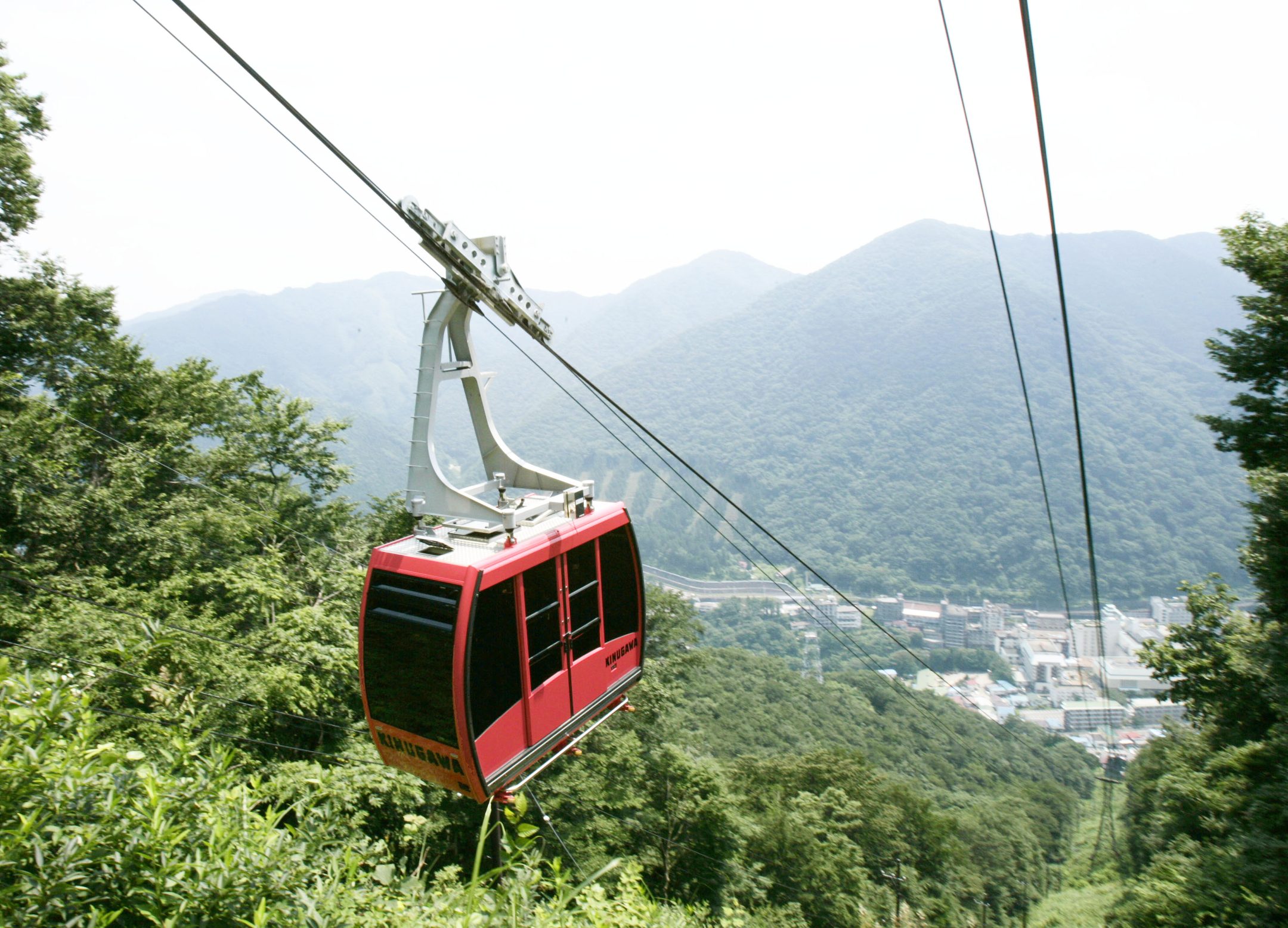
From Kinugawa Onsen Sanroku Station to Maruyama Summit Station, the ropeway ascends about 300 meters, offering a four-minute aerial ride with sweeping views of Kinugawa Onsen town and the surrounding valley. At the mountaintop observatory, visitors can see Keichozan Mountain, and on clear days, even Tokyo Skytree in the distance. The summit is also home to a troop of monkeys, where you can observe them up close or feed them. Near the ropeway station stands the Hotokegaura Shrine, dedicated to the guardian deity of Kinugawa Onsen. Its cherry blossoms have made it a hidden gem spot for spring hanami.

Nikko kaido Oshu kaido TOCHIGI
Jorakuji Temple (Rokujison)

Jorakuji Temple (Rokujison)

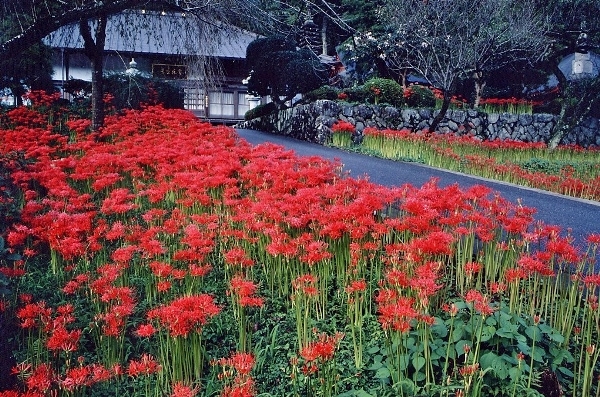
Jorakuji Temple was founded in the first year of Kenkyū (1190) as the family temple of the famed physician Nakano Tomoyuki. When Nakano Tomoyuki investigated the illness of his daughter, it marked the first time acupuncture therapy was introduced to Japan. Later, he was summoned to the imperial court to treat Emperor Go-Toba’s illness and was given the title “Rokujihōgen.” As his medical skills became widely known throughout the country, it is said that even the Thunder God himself once visited the temple for acupuncture treatment, making Jorakuji especially famous as a temple connected to the deity. Because of this tradition, the temple grounds are affectionately called “Rokujison-sama.” It is also known for the beautiful red spider lilies that bloom in abundance around the precincts. Every year on February 11, a grand festival is held, attracting many worshippers and visitors, creating a lively atmosphere.

Nikko kaido Oshu kaido TOCHIGI
Nikko Coffee Nishisando

Nikko Coffee Nishisando

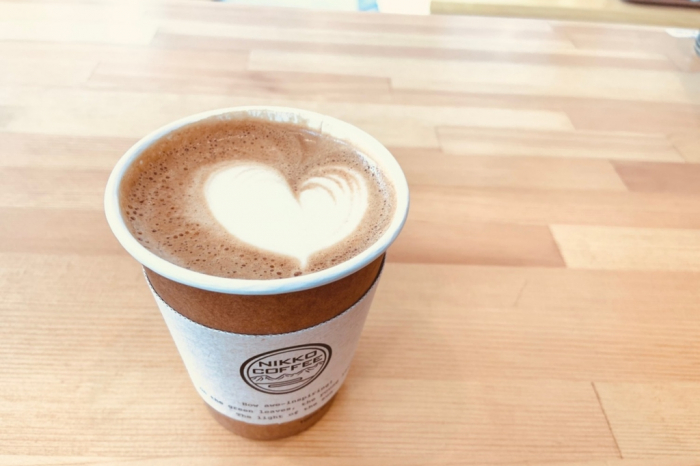
The popular café chain Nikko Coffee, beloved by fans across Japan, opened its Nishisando branch in March 2020! In summer, visitors can enjoy shaved ice made with natural ice, while in mid-October, the shop also offers delicious treats like wagyu beef buns. With a concept of “Good things from Nikko, good things from Japan,” Nikko Coffee not only serves rich, aromatic coffee, but also sells handcrafted goods from Nikko and Tochigi Prefecture, as well as carefully selected items delivered from all over Japan.

Oshu kaido Nikko kaido TOCHIGI
Wakayama Farm – Bamboo Winter Lights

Wakayama Farm – Bamboo Winter Lights

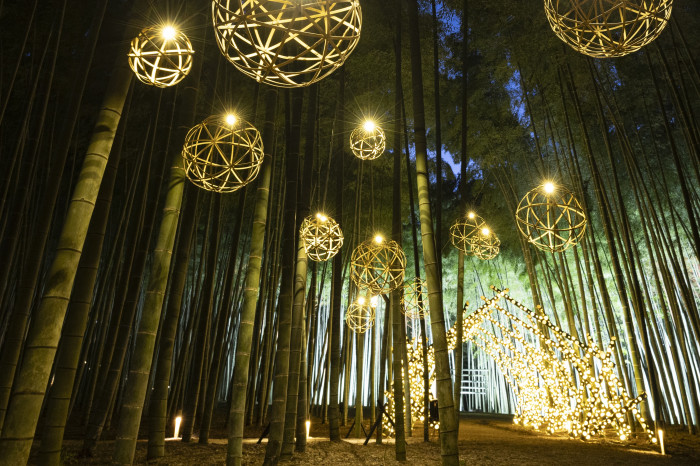
Step into a world of light and shadowsEvery winter evening, Wakayama Farm in Utsunomiya transforms into a fantastical landscape adorned with glowing illuminations for the seasonal event Bamboo Winter Lights. This farm, which offers experiences in every season, becomes even more enchanting in winter evenings, when the entire bamboo grove is bathed in dreamlike lights, guiding visitors into a world like something out of a fairytale. As night falls, the lush green bamboo grove glows warmly, with bamboo lanterns and lights illuminating the paths. The scene, accompanied by music, blends nature and art to create a mystical atmosphere that is both inspiring and deeply moving. The event is perfect not only for couples but also for families, and it’s a popular spot for photography enthusiasts. The fusion of new illuminations and the timeless bamboo forest creates a captivating spectacle, making this one of the best seasonal nighttime attractions. On crisp winter nights, a stroll through Wakayama Farm’s bamboo grove offers a romantic and unforgettable experience, where the quiet beauty of bamboo meets the brilliance of light.

Nikko kaido Oshu kaido TOCHIGI
Moka Summer Festival “Kojin Festival”

Moka Summer Festival “Kojin Festival”

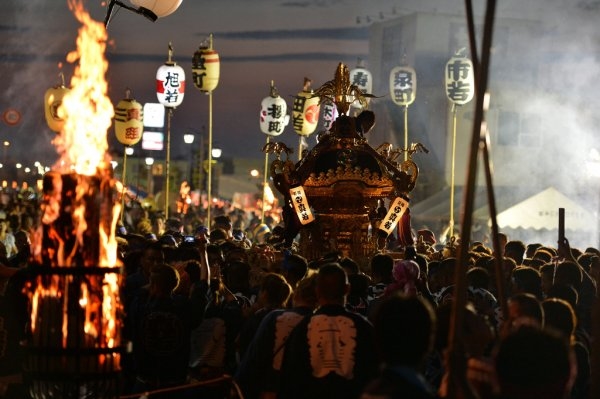
The "Moka Summer Festival," the largest event in Moka City, will be held for three days on late July. More than 20 portable shrines and floats gather together at the festival square, where you can feel the enthusiasm of the festival goers.   On the first day of the festival, "Degyo-matsuri," or the "departure from the shrine," is held at Omae Shrine.Many festival-goers participate in the Degyo-matsuri to pray for the safety of the procession of portable shrines and stalls, a good harvest, the eradication of disease, and the development of industry. After the Degyo-Dashi, "Machiawase" is held, in which the portable shrines are carried across each town council, and the head mikoshi parades through the city.   On the second day, "Festival Plaza" will be held and the city center will become a pedestrian zone. approximately 20,000 fireworks will color the night sky, and "Mikoshi Kawatogo (carried mikoshi to cross the river)" would be held on Gogyo River.

Nikko kaido Oshu kaido TOCHIGI
Kitagura Cafe Higano

Kitagura Cafe Higano

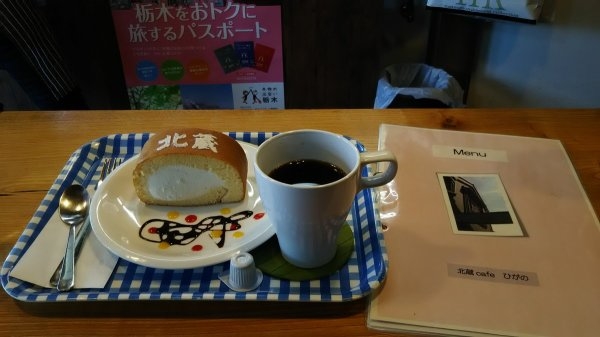
Housed in “Kitagura,” a building constructed in the mid-Meiji period and registered as a Tangible Cultural Property of Japan, Kitagura Cafe Higano is located along Tochigi City’s famous Kuranomachi Street, a popular sightseeing area. The café is operated by Higano Shoten, a traditional confectionery shop founded in 1922. In addition to freshly brewed hand-drip coffee and homemade sweets, visitors can purchase the shop’s signature rice crackers, Okaki, as souvenirs. For coffee lovers, this is the perfect spot to relax and enjoy a quiet, charming atmosphere in the heart of historic Tochigi.

Nikko kaido Oshu kaido TOCHIGI
Nasu Stained Glass Museum

Nasu Stained Glass Museum

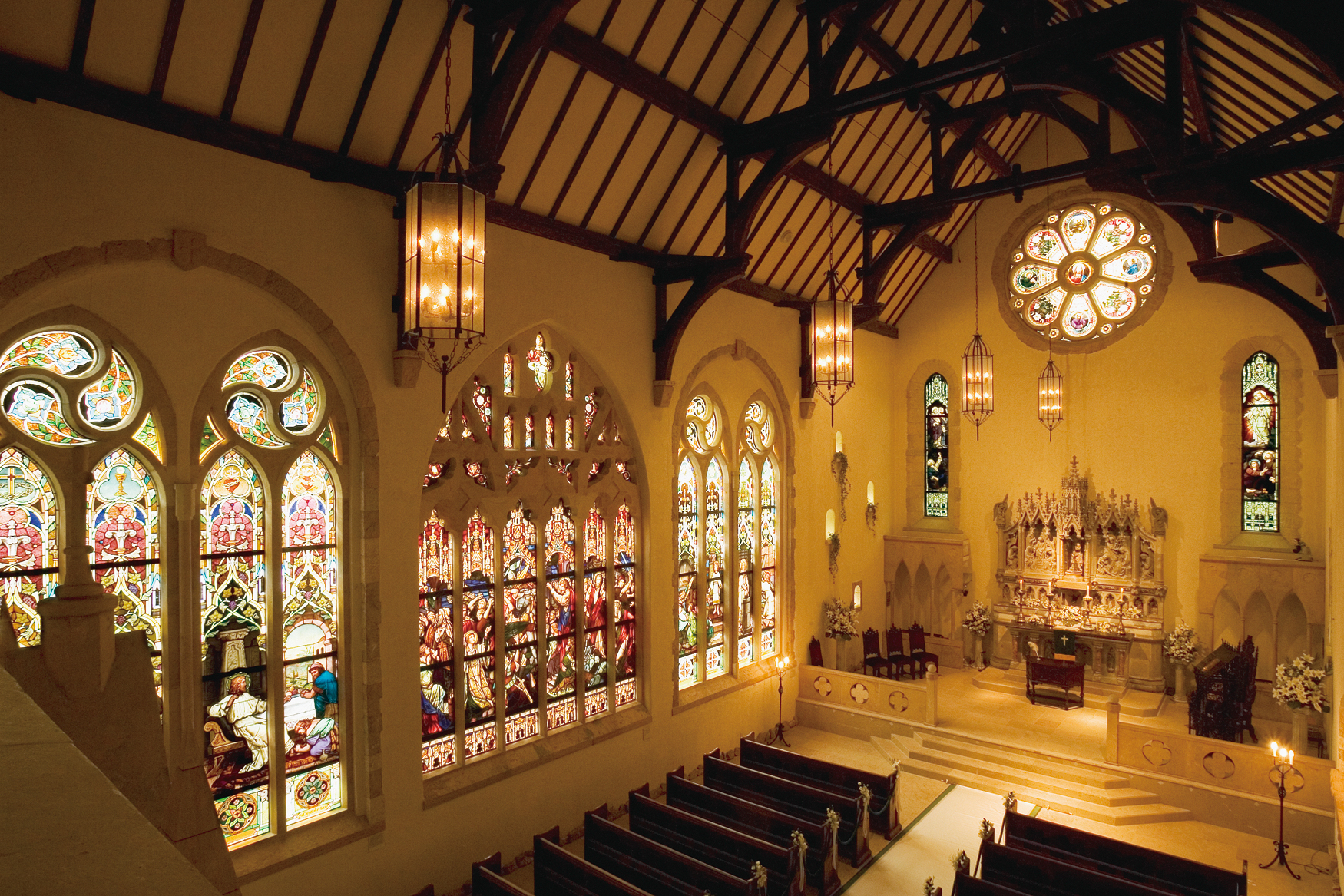
Surrounded by a lush green garden, the Nasu Stained Glass Museum is housed in a stone building modeled after a traditional Cotswold manor in England, exuding the charm of the English countryside. The museum is renowned for its collection of 19th-century antique stained glass. In its chapel, regular performances of antique music boxes and pipe organs are held. As you listen to the beautiful melodies and gaze at the gentle light streaming through the stained glass, you may feel as if you have stepped into a small European town. Visitors can also enjoy hands-on workshops to create their own unique stained glass crafts as memorable souvenirs. The museum features a café and gift shop offering traditional English tea and sweets, providing a relaxing space to unwind and savor the atmosphere.

Nikko kaido Oshu kaido TOCHIGI
Oyama Honba Yuki Tsumugi Craft Museum

Oyama Honba Yuki Tsumugi Craft Museum

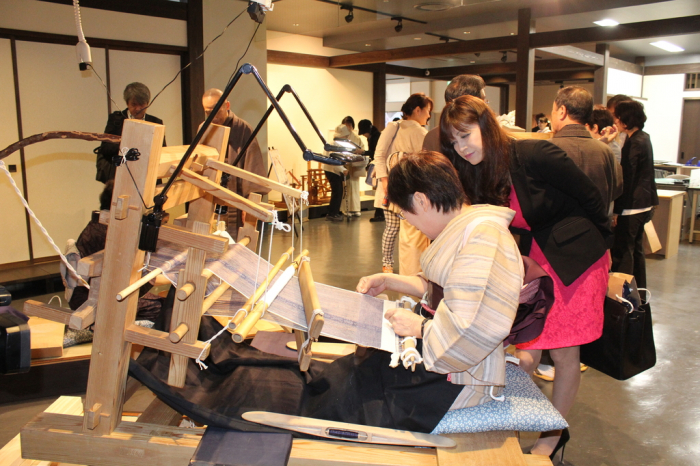
What is Yuki Tsumugi?Yuki Tsumugi is a traditional silk fabric originating from Oyama City in Tochigi Prefecture and Yuki City in Ibaraki Prefecture, with a history dating back to the Nara period. Once valued for its durability, it is now prized as a top-class handwoven silk for its light yet strong texture. Oyama Honba Yuki Tsumugi Craft MuseumHonba Yuki Tsumugi is entirely handcrafted and was inscribed on UNESCO’s Representative List of the Intangible Cultural Heritage of Humanity in 2010. The Oyama Honba Yuki Tsumugi Craft Museum is dedicated to promoting this traditional art and offers the following experiences: Craftsman Demonstrations: Watch up close as artisans spin silk threads and weave on looms. Hands-on Weaving Experience: Try your hand at weaving under staff guidance (advance reservation recommended). Kimono Experience: Select your favorite Yuki Tsumugi kimono pattern and stroll through the streets of Oyama (some accessories require an additional fee). Closed on Mondays and during the New Year holidays. Some activities require ID and advance booking.

Nikko kaido Oshu kaido TOCHIGI
Kinugawa Onsen “Oni” Festival

Kinugawa Onsen “Oni” Festival

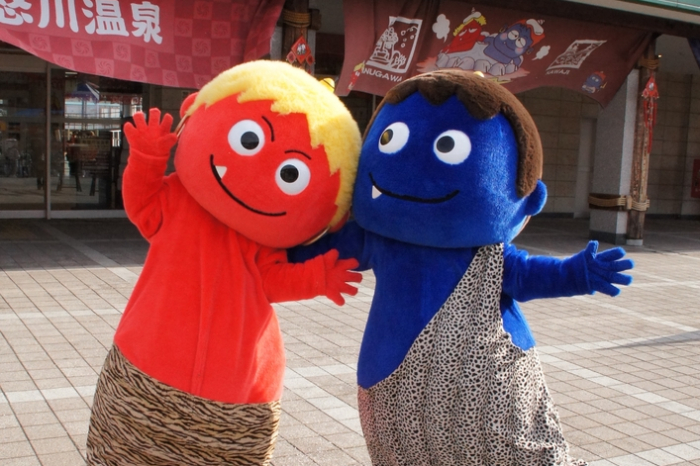
Setsubun Season – Celebrating with “Oni” from Around the World to Pray for Good Fortune and Drive Away Evil The Kinugawa Onsen “Oni” Festival (Shōfuku Oni Matsuri) is a winter celebration that combines the “Oni” in Kinugawa’s name with Japan’s Setsubun traditions. Held annually from late January to late February, the entire Kinugawa Onsen area becomes a festive stage where people and “oni” dance together to bring good luck and ward off evil. With the theme “Demons of the World Gather in Kinugawa – Humans and Oni Join in Festive Exorcism,” the event is both a blessing ceremony and a lively, family-friendly celebration. One of the highlights is the “SL Shōfuku Oni Train,” where participants dressed as oni ride a steam locomotive and interact with adorable local mascot characters like “Kinuta,” “Kinu-chan,” and “Kawa-chan.” Visitors can also enjoy taiko drum performances, monkey shows, chainsaw wood carving, demon-themed food, cultural experiences, and stamp rally games. It’s one of Kinugawa’s most vibrant seasonal events during the Setsubun period.

Nikko kaido Oshu kaido TOCHIGI
Utamaro Festival

Utamaro Festival

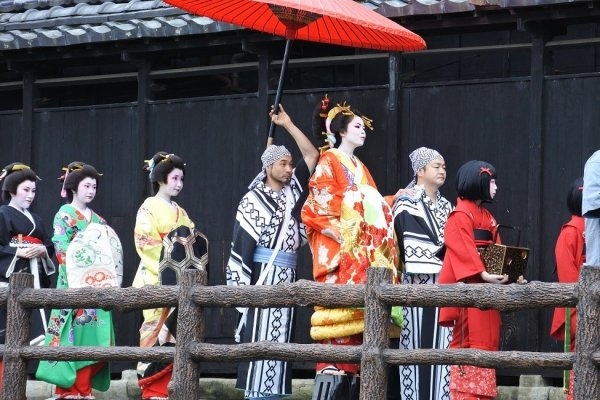
Held in early October each year, the Utamaro Festival celebrates the legacy of Kitagawa Utamaro, a renowned ukiyo-e artist of the mid-Edo period who had close ties to Tochigi City. Many of his works were created here, and the city, with its well-preserved Edo-period architecture, is often called “Little Edo.” The festival’s highlight is the Utamaro Dōchū parade, where performers dressed in gorgeous kimono proceed slowly along Kuranomachi Ōdōri Street, recreating the elegance of the Edo era. The festivities also feature music performances, fireworks, street illuminations, and a handmade market, immersing the entire town in a joyful celebration of culture and tradition. Notably, Kitagawa Utamaro will also be featured in the 2025 NHK Taiga drama Unbound, bringing renewed attention and respect to this ukiyo-e master. Visiting the Utamaro Festival offers a rare opportunity to experience the fusion of historical culture and modern creativity. Strolling through the lantern-lit streets of Kuranomachi, you can enjoy the vibrant atmosphere of the parade and illuminations while discovering the timeless charm of Japanese traditional arts—an unforgettable highlight of any autumn trip.

Nikko kaido Oshu kaido TOCHIGI
Omaru Onsen (Omaru Onsen Ryokan)

Omaru Onsen (Omaru Onsen Ryokan)

Located at the foot of Mt. Chausu at an altitude of 1,300 meters, Omaru Onsen Ryokan has been preserved by generations of innkeepers for over 200 years. Rich in metasilicic acid, the spring water is known for its moisturizing properties and is often called “Bijin-yu” (Beauty Hot Spring). The historic Kawa-no-Yu bath draws its water directly from the river source, where hot spring water gushes from the mountainside to form an open-air bath along the river. Here, guests can soak while listening to the gentle murmur of the stream, enjoying the secluded charm of this hidden onsen. Omaru Onsen’s water, abundant in metasilicic acid, has long been treasured for its skin-beautifying effects. The ryokan features mixed open-air baths such as Shirakaba-no-Yu, Ajisai-no-Yu, and Azami-no-Yu, making it a great choice for families. The on-site restaurant serves local Nasu vegetables, Tochigi Wagyu beef shabu-shabu, and “Nasuhikari” rice produced in Tochigi. Sake enthusiasts can also try shochu diluted with hot spring water. During the Meiji period, General Nogi Maresuke visited Omaru Onsen every year for convalescence. The ryokan’s lobby still displays valuable artifacts, including his clothing, diaries, and letters.

Nikko kaido Oshu kaido TOCHIGI