
Greater Tokyo

See & Do

reset
Kanuma soba Nira soba

Kanuma soba Nira soba

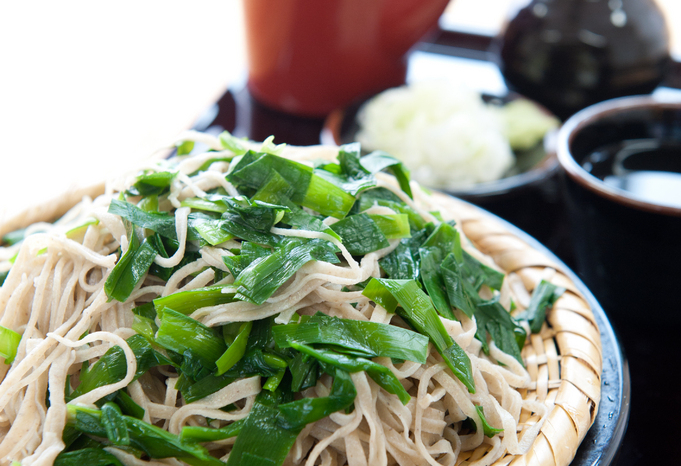
Kanuma's native species of brown buckwheat has characteristically small seeds with a relatively thick, aroma-rich hull. Grown to full ripeness in Kanuma’s large, rainy forests, it has a profound flavor. Kanuma soba is prepared using locally-sourced water and buckwheat flour, giving it a unique sweetness and aroma that are popular among its fans. Soba is a staple food in Kanuma, and nira soba was born out of the local tradition of using nira (garlic chives) to both add volume to and spice up their soba.

Nikko kaido Oshu kaido TOCHIGI
CHUZENJI KANAYA HOTEL

CHUZENJI KANAYA HOTEL

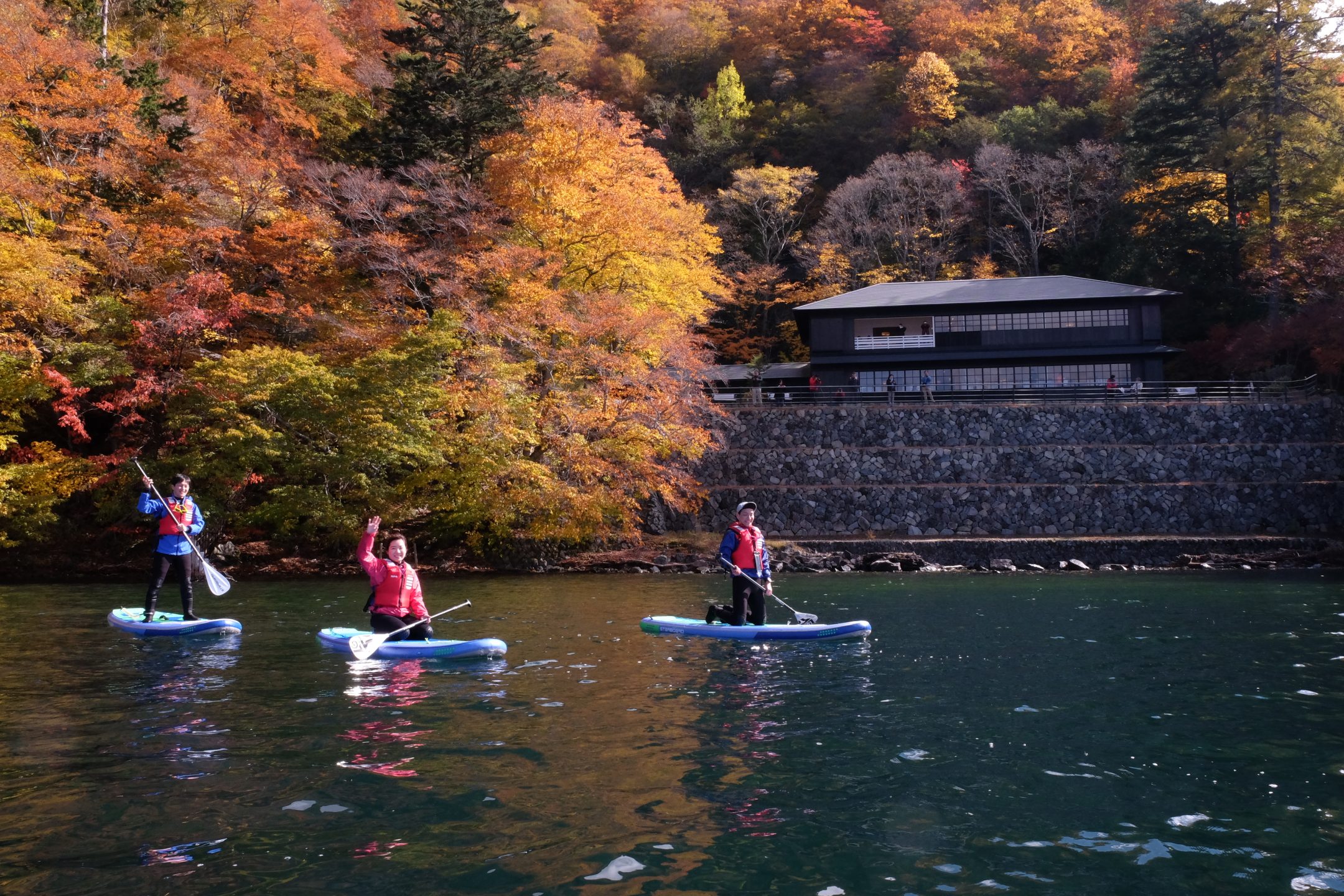
This log cabin-style hotel stands amidst the Mizunara oak trees on the shores of Lake Chuzenji. All rooms have a balcony or wooden deck, allowing you to enjoy the natural surroundings of Lake Chuzenji while feeling the seasons. In the dining room, you can enjoy French cuisine made with locally sourced ingredients, all while gazing at the Mizunara trees. The hot spring is also surrounded by beautiful nature in every season, and is a proud open-air bath called "Sora-buro." You can enjoy a fantastic atmosphere as you gaze upon the morning sun filtering through the trees and the star-filled sky at night. This is a hotel where you can luxuriously enjoy the charm of the natural surroundings of Nikko National Park. [About the hot spring] Water color: Milky white Spring quality: Sulfur spring Effective: Neuralgia, muscle pain, joint pain, bruises, chronic digestive diseases, poor circulation, fatigue recovery, etc.

Nikko kaido Oshu kaido TOCHIGI
World Heritage Site “Shrines and Temples of Nikko”

World Heritage Site “Shrines and Temples of Nikko”

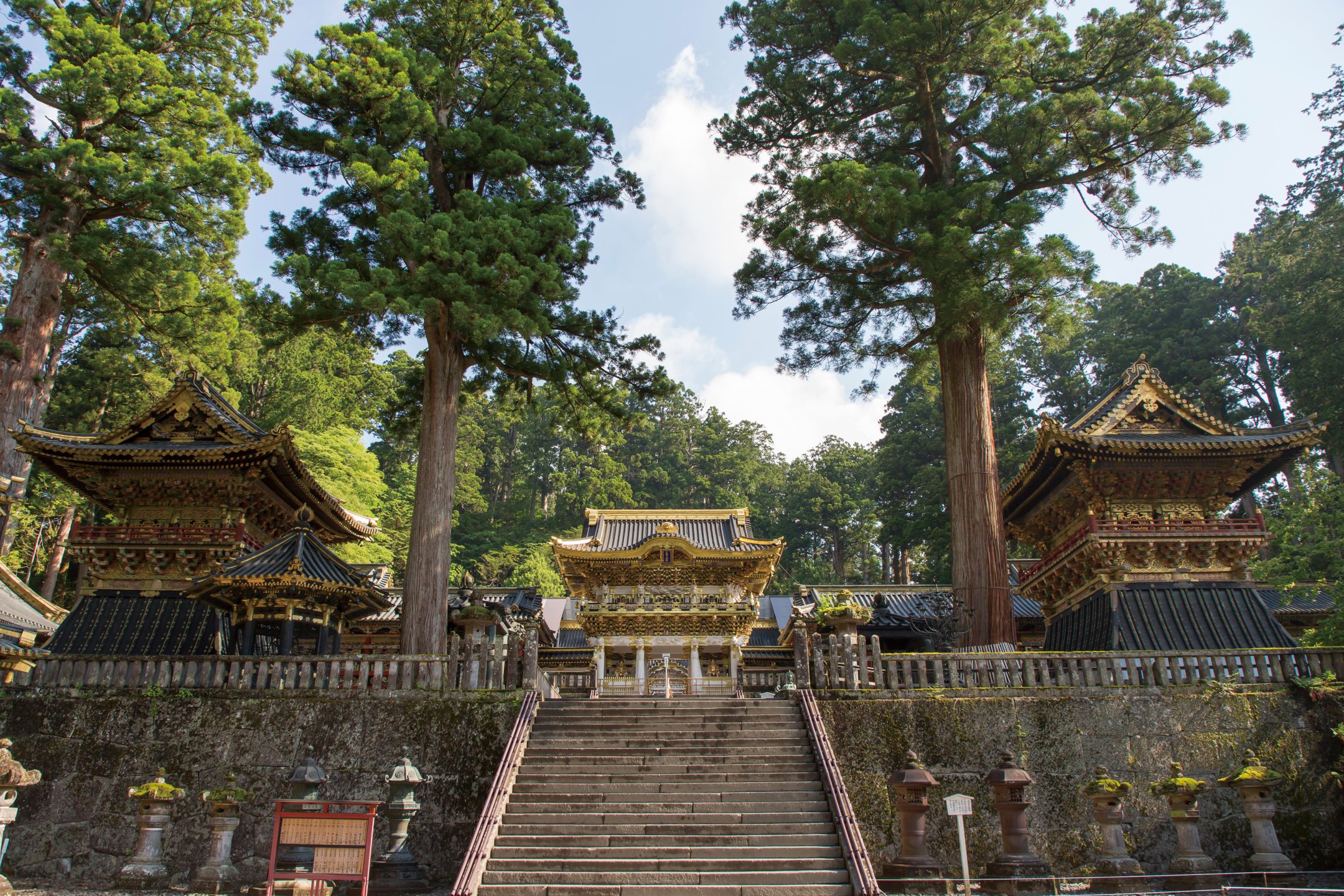
Nikko, the land where the gods lives. Nikko has been an important area for “Mountain Beliefs” since the Japanese monk Shodo Shonin became the founder of Nikko in 766. Many temples and shrines have been established in the Nikko area, making Nikko an extremely important center of faith and a place where spiritual energy meets.   After Tokugawa Ieyasu, who founded the Edo Shogunate, was named “Tosho Daigongen” and buried in Nikkō Tōshō-gū Shinto Shrine, Nikko was honored and cared for by the Shogunate, and became a well-known religious shrine. With the support of the Shogunate, many of Nikko's temples were properly maintained, and even the carvings on the buildings are lavish and beautiful, crystallizing the traditional craftsmanship of the whole of Japan.   World Heritage Site "Shrines and Temples of Nikko" The “Shrines and Temples of Nikko”, which was officially recognized as a World Heritage Site in 1999, consists of three temples and shrines, Nikko Toshogu Shrine, Nikko Rinnoji Temple, and Nikko Futarasan Shrine, and has a total of 103 buildings (9 National Treasures and 94 Important Cultural Properties).   Nikkō Tōshō-gū is famous for honoring Tokugawa Ieyasu, the first shogun of the Edo Shogunate, and there are many splendid and delicate carvings inside the shrine, which are said to be the masterpieces of the best craftsmen from all over Japan. Today, this traditional art has been passed down from the descendants of these craftsmen to the local Nikko traditional art of Nikko Bori (Nikko carving).   Nikkosan Rinnoji Temple, originally founded by Shodo Shonin, has a long history in Nikko. In addition to the main hall of the temple, which is known for being the largest wooden complex in the entire Eastern Japan region, the “Taiyuin Temple,” dedicated to Tokugawa Iemitsu, the third shogun of the Edo Shogunate, also attracts travelers with its intricate and beautiful carvings.   Nikko Futarasan Shrine was also built by Shodo Shonin and has been called “Shimono Province's first Shrine (present-day Tochigi Prefecture)” since ancient times. In addition to managing Mt. Nantai, which is a symbol of mountain beliefs, Nikko Futarasan Shrine also holds the “Yayoi Festival” every year, which symbolizes the visit of spring to the Nikko area and is a must-see festival for tourists.  

Nikko kaido Oshu kaido TOCHIGI
Gyoushintei Buddhist cuisine

Gyoushintei Buddhist cuisine

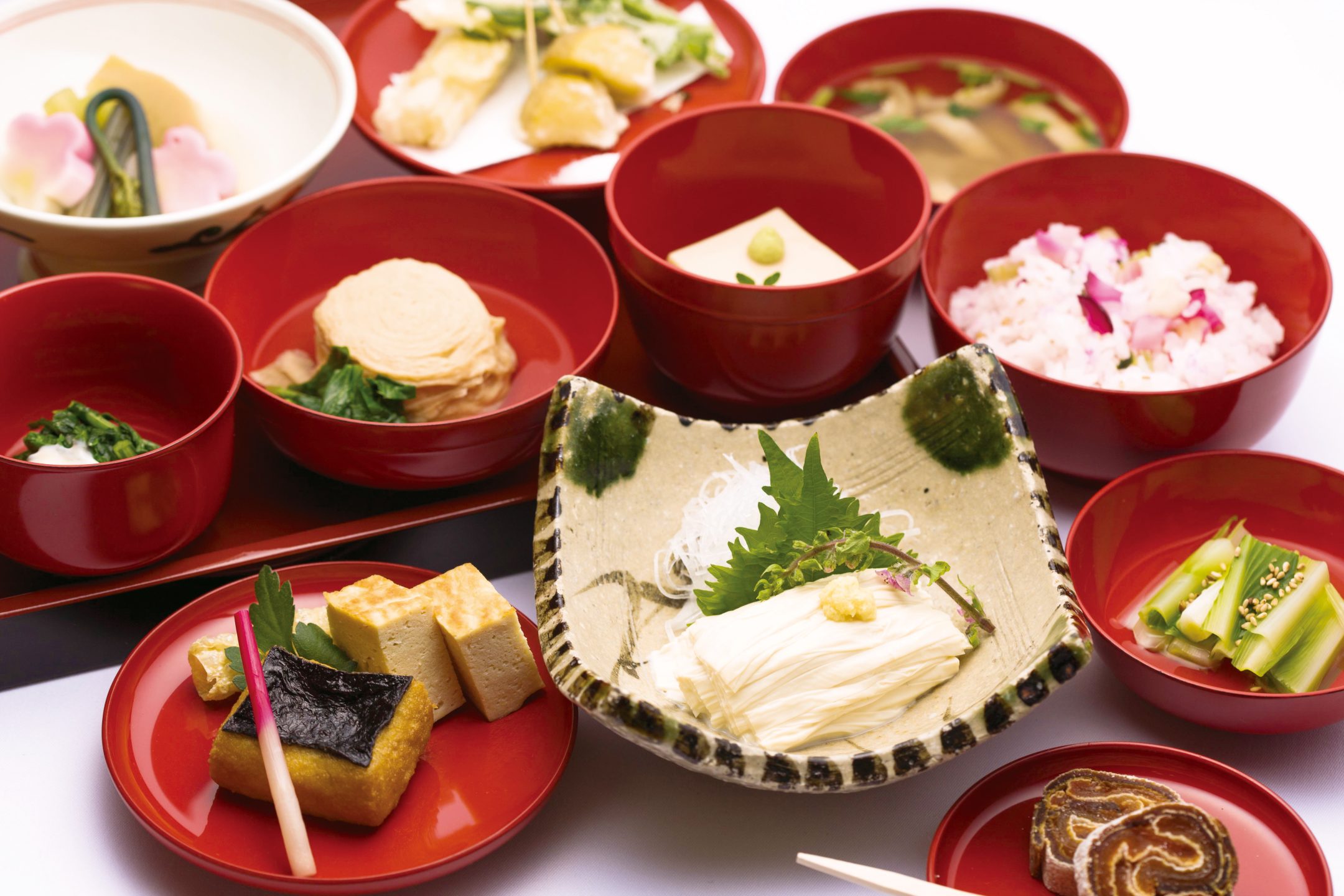
Named after Nikko’s former Gyoushintei Monastery, this restaurant is the gateway to Nikko city's over 1,200 years historical specialization in Buddhist cuisine. Its uniquely-flavored traditional Gozen-ryori is prepared in the Shinjo Shinryu style, which only uses vegetables, grains, and soybean-based products like yuba and tofu, making it completely vegetarian. And since they always use what’s in season, the ingredients change from month to month, providing a rare opportunity to enjoy seasonal, traditional vegetarian cuisine.

Nikko kaido Oshu kaido TOCHIGI
Tezutsu Hanabi(Hand-held fireworks)

Tezutsu Hanabi(Hand-held fireworks)

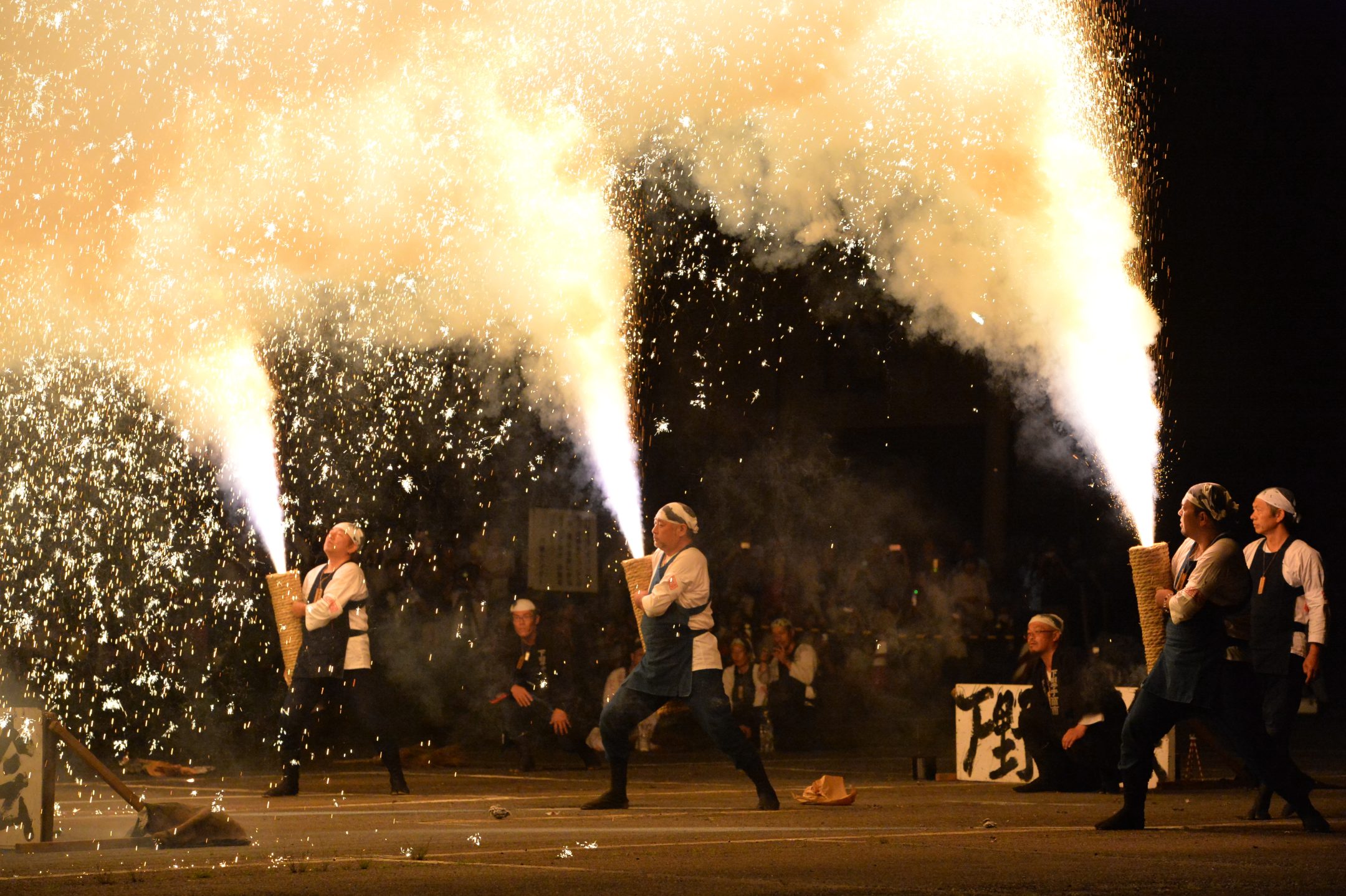
The "Mashiko Gion Festival" held at Kashima-jinja Shrine every July 23, 24, and 25. Kicking off the first night of the festival, an impressive rain of sparks falls from tezutsu fireworks shot up to 8 meters into the night sky from a combination of large and small cylindrical tubes. The handheld fireworks(Tezutsu Hanabi) are said to have originated in Toyohashi city. Tokugawa Ieyasu, who became the first Shogun of the Edo Period, brought that technology to his home in Mikawa province (current Aichi Prefecture). At the time gunpowder was strictly forbidden throughout Japan, but the villagers of this region were allowed to use Tezutsu Hanabi as a part of Shinto rituals offering to the gods in exchange for rich harvests, good health, family fortune and prosperity, and good luck in battle.

Nikko kaido Oshu kaido TOCHIGI
Ashikaga Flower Park Illumination

Ashikaga Flower Park Illumination

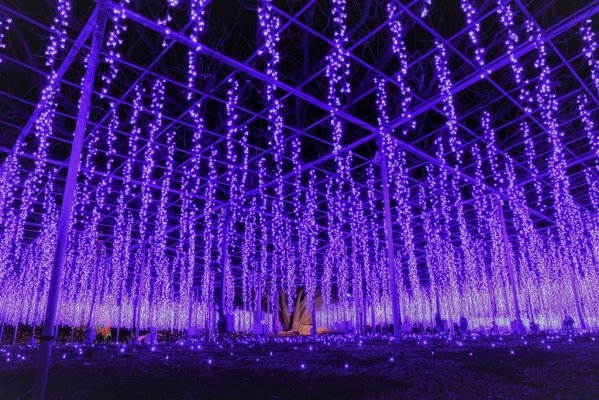
Ashikaga Flower Park is the only place in Japan chosen as one of ten “Dream Destinations” for global travel by the American news site, CNN. The park holds an illumination event in wintertime. Amazingly, for seven years in a row the park has garnered first place in the illumination category for Japan's "Illumination Award” selected by certified professionals knowledgeable about night tourism throughout Japan. This illumination event was also recognized as a Night View Heritage of Japan in 2011 and one of the three major illumination events in Kanto in 2012. This illumination event is very popular every year.

Nikko kaido Oshu kaido TOCHIGI
TOWA PURE COTTAGES

TOWA PURE COTTAGES

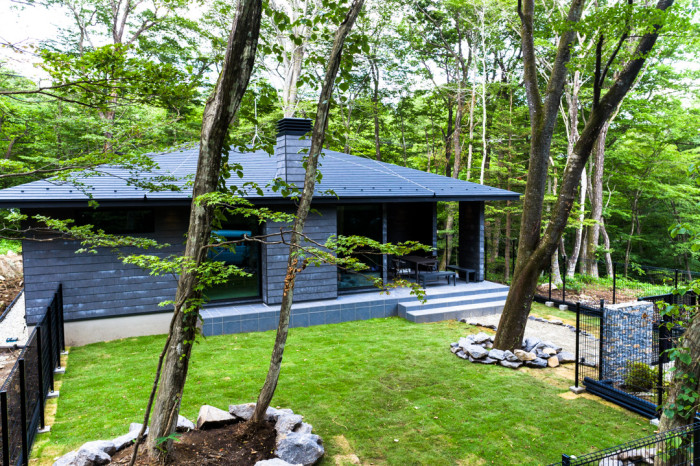
If you’re staying overnight in Nasu Highland (Tochigi Prefecture), stay at Nasu Highland TOWA PURE COTTAGES. Everything including fun, relaxation, and food is found amid the great outdoors of Nasu Highland at this cottage-style hotel where you can relax to your heart’s content. Each cottage has a fireplace made in Northern Europe and a rich variation of living rooms offering a comfortable setting with a spacious feel that promises an all-out resort lifestyle. Pet-friendly guest rooms allow you to sleep with your pets so you can spend the entire restful time with your furry friend. After experiencing the magnificent nature of Nasu, you can choose from a Western-style, Japanese-style, or barbecue dinner meticulously prepared with local ingredients by the chef. In addition, the large bath and open-air bath with natural, free-flowing hot spring water will gently envelop you in soft hot water for a full-body experience that soothes and promotes beautiful skin. As the official cottages for the neighboring Nasu Highland Park, there are a variety of perks, including being able to enjoy Nasu Forest Sky Athletic NOZARU, one of Japan’s largest adventure courses, as well as a dog run, tennis, karaoke, and glamping. The swaying of the trees and tranquil experience unique to a resort provide the ultimate in relaxation that can’t be experienced in the metropolis. Glamping is also available The word ‘glamping’ is a combination of the words ‘glamorous’ and ‘camping.’ The setting lets you fully enjoy the great outdoors even if you are new to outdoor activities such as camping. Not only is there a bed and sofa inside the tent, but a refrigerator, electric power, and other furnishings necessary for a comfortable experience are also included. Meals can be eaten at the hotel restaurant. Guests can choose from Japanese-style meals, Western-style meals, or a barbecue. The barbecue can be eaten out on the terrace, so you can enjoy the delicious food in comfort while immersed in the nature of Nasu. Don’t miss viewing the thrilling starry sky and fireflies in summer, experiences you could never have in the big city. Glamping can provide a unique hands-on experience that ordinary camping can’t, such as spending precious time with a special someone and creating family memories to look back on.

Nikko kaido Oshu kaido TOCHIGI
Okashi-no-Shiro Nasu Heartland

Okashi-no-Shiro Nasu Heartland

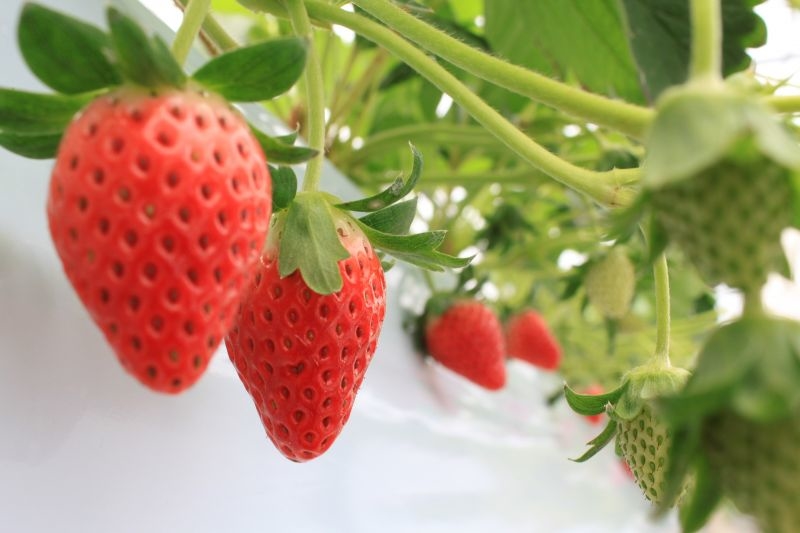
Tochigi is Japan’s largest producer of strawberries. The prefecture has the perfect environment for fresh and sweet strawberries, blessed with abundant sunshine, clear spring water, fertile land and an inland climate with a large difference between high and low temperatures. Strawberry picking is a popular leisure in strawberry farms across the prefecture. Starting with “Tochiotome”, the nation’s superstar brand of strawberry, come and sample some of the many varieties available, some of which are only grown in the prefecture. “Skyberry”, the brand-new premium variety created as a successor of “Tochiotome”, is increasingly popular. The perfect flavours and amazingly large-fruit are utterly delicious!

Oshu kaido Nikko kaido TOCHIGI
Oyama Fireworks

Oyama Fireworks

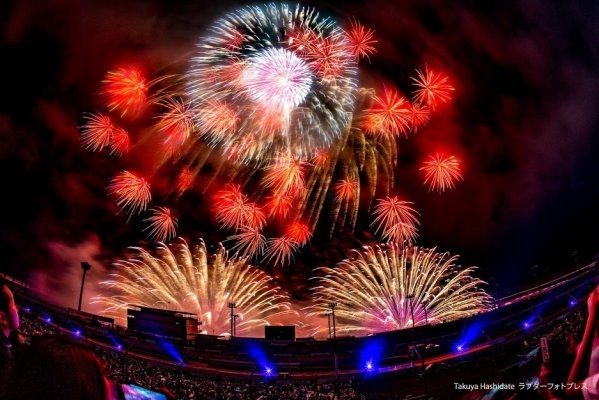
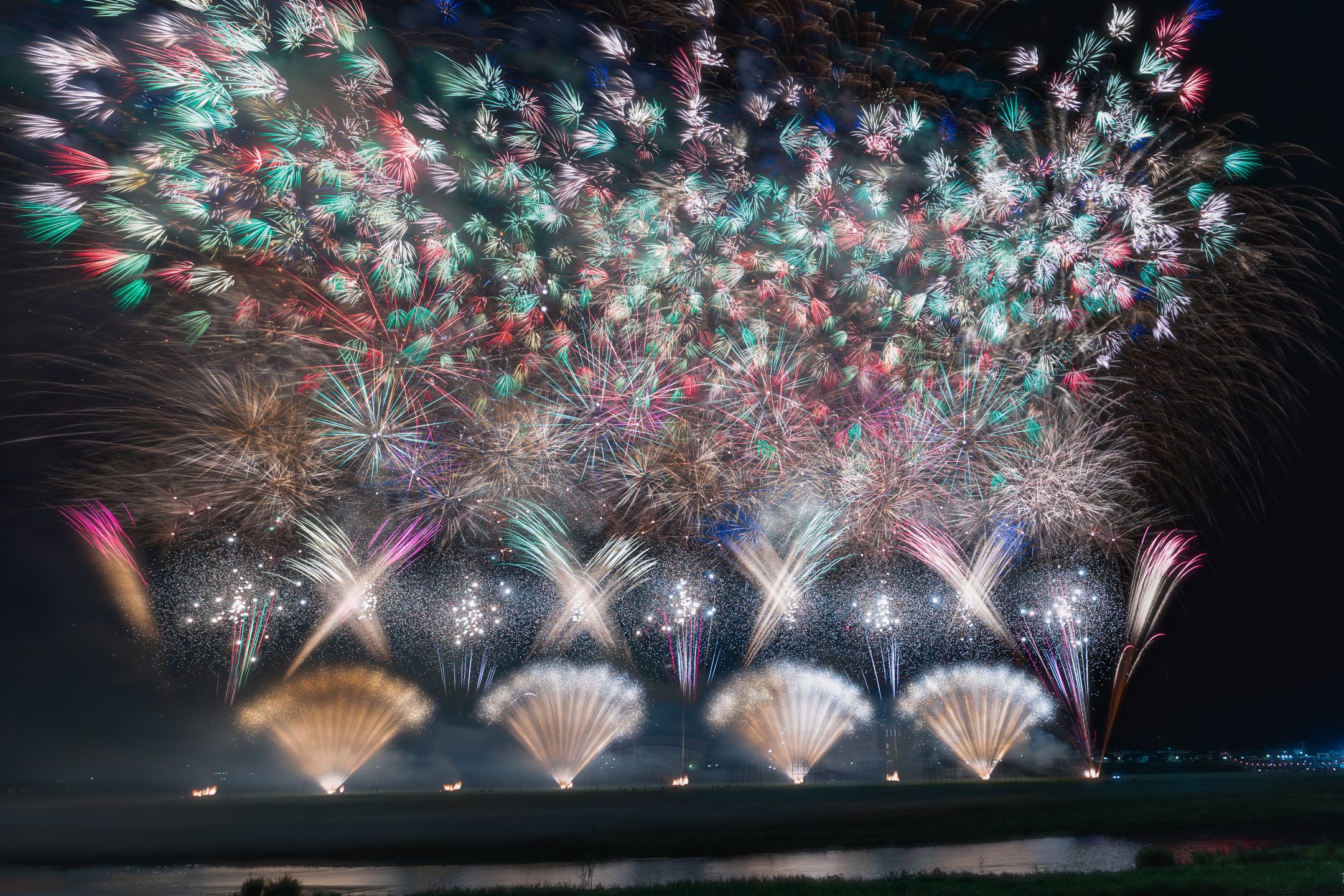
The Oyama Fireworks Festival, a beloved summer tradition in Oyama City, attracts a large number of visitors each year and is considered one of the largest fireworks events in the Kanto region. The launch site is located very close to the audience, allowing spectators to fully experience the intensity of the show. With over 20,000 fireworks—including large-scale displays, rapid-fire sequences, and waterfall-style fireworks—the event offers a truly breathtaking spectacle. The venue is just an 8-minute walk from JR Oyama Station on the Utsunomiya Line, making it highly convenient to access by train. Starting in 2025, to reduce the health risks posed by extreme summer heat and the potential for heavy seasonal rainfall, the festival will be rescheduled to autumn. While the 2025 event will be held on September 23, from 2026 onward it will take place on the first Saturday of October each year. We invite everyone to visit “Oyama: A City of Rural Harmony” and enjoy the dazzling fireworks show beneath the crisp autumn sky.

Nikko kaido Oshu kaido TOCHIGI
Uzuma River Andon (Lantern) Festival

Uzuma River Andon (Lantern) Festival

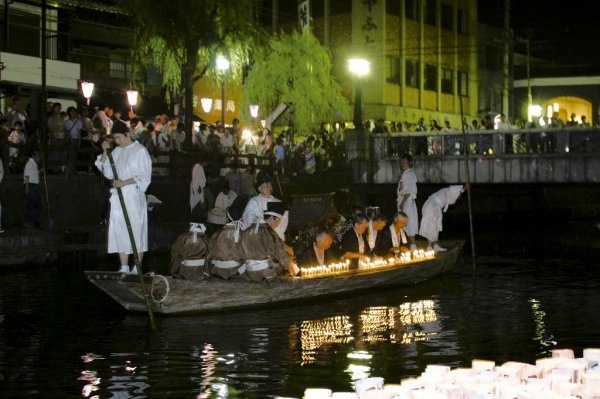
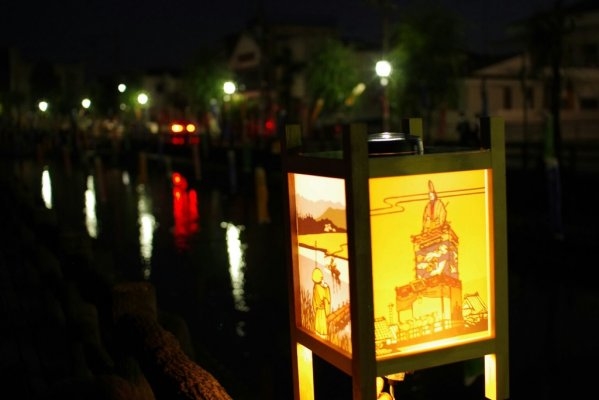
The Uzuma River Andon (Lantern) Festival is being held July 1 - September 30 every year. Festival goers enjoy 135 historic Edo-style paper lanterns displayed along the Uzuma River, from the Kaiun to Korai bridges and around Uzuma Park. Each unique lantern is intricately and handsomely decorated with paper-cut designs of floats and traditional warehouses. Lighting time is 7:00 pm to 10:00 pm daily, adding an exotic and nostalgic atmosphere to the town post-sunset. On the first Sunday of August, the Hyaku Hatto Nagashi Festival is also held."

Nikko kaido Oshu kaido TOCHIGI