Caption by Hyatt Kabutocho Tokyo
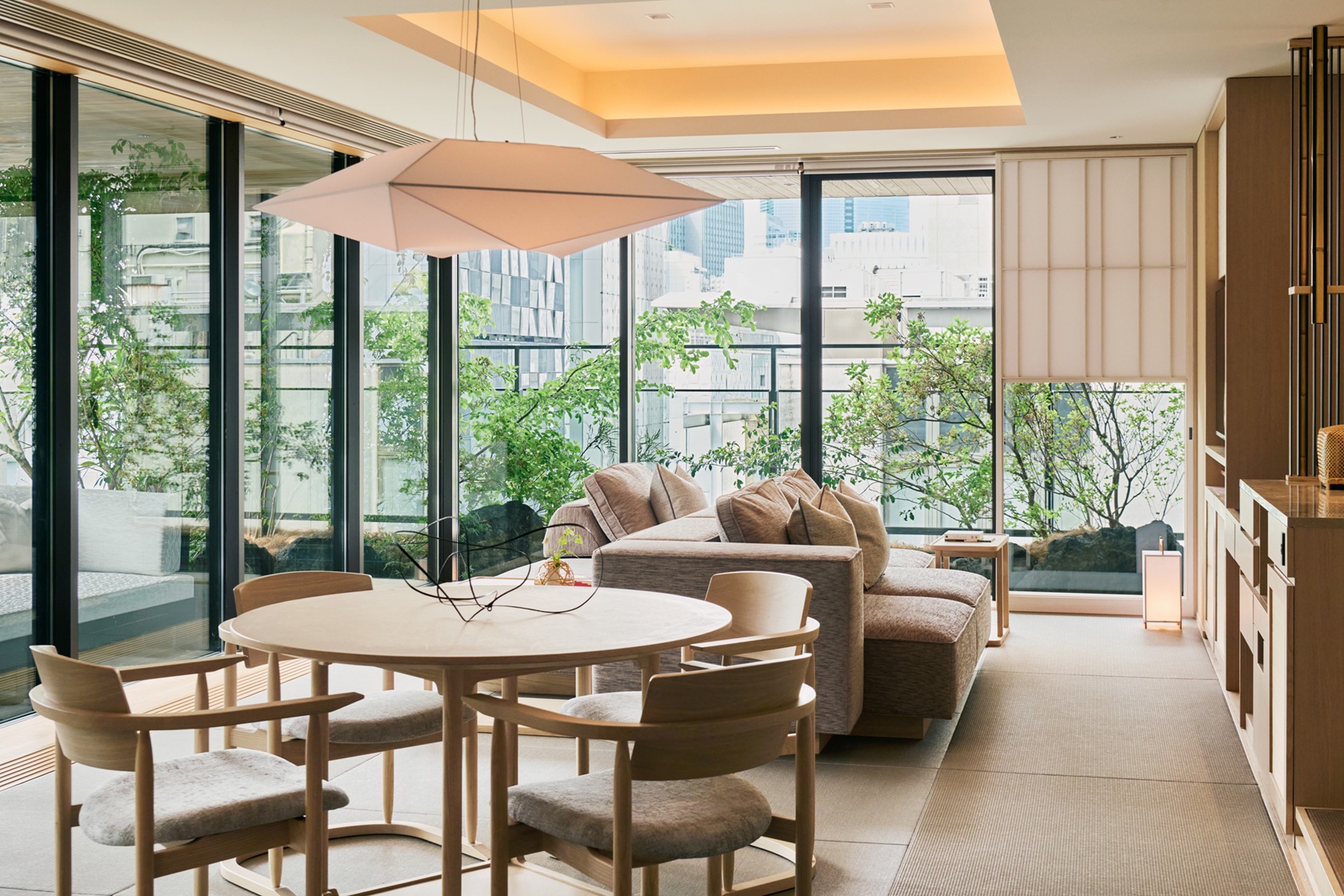
A new hotel concept that blends community, creativity, and comfort in the heart of Nihonbashi Kabutocho.
Total: 1715 items
A new hotel concept that blends community, creativity, and comfort in the heart of Nihonbashi Kabutocho.
Enjoy spending the night in a traditional Japanese room, once a vibrant home to countless geisha, in historic Gunma Prefecture
Shichirigahama Beach can be found on Kanagawa’s southern Shonan coastline, between the areas of Enoshima and Kamakura.It’s a popular destination with surfers throughout the year and is also known for its views of Mt. Fuji — especially at sunset. Given the beautiful panoramas that can be enjoyed here, it was covered by famous ukiyo-e artists Hokusai and Hiroshige and featured in both their Thirty-six Views of Mount Fuji series. In modern days, the area has even been celebrated in song and film by local music group, Southern All Stars.Enjoy a walk along the beach or gaze out at the sunny beach views from the train window of the coastal Enoden railway, which connects Kamakura to Fujisawa.
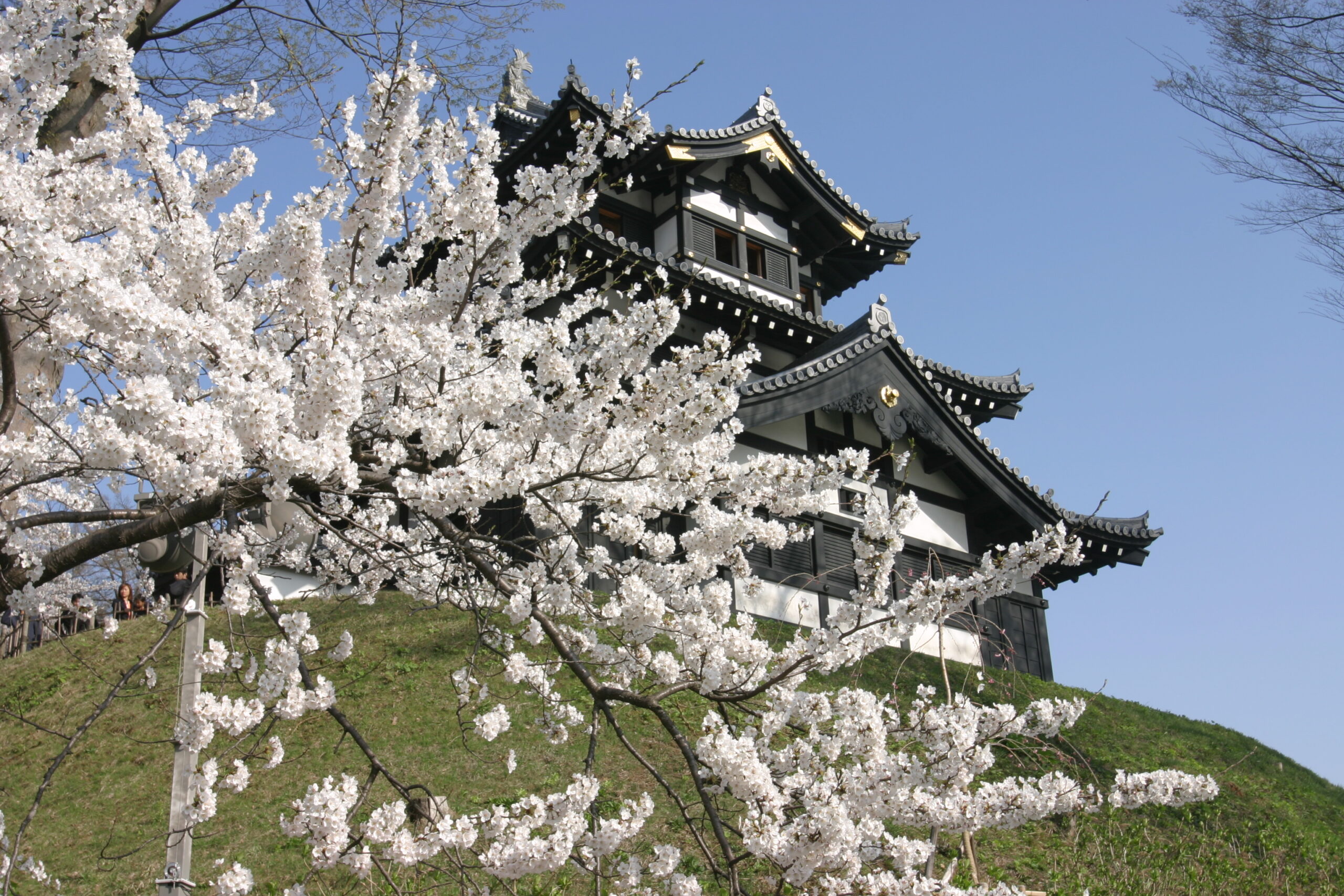
In the heart of Joetsu, a spacious castle park where the memory of history lingers and the changing seasons invite quiet reflection.
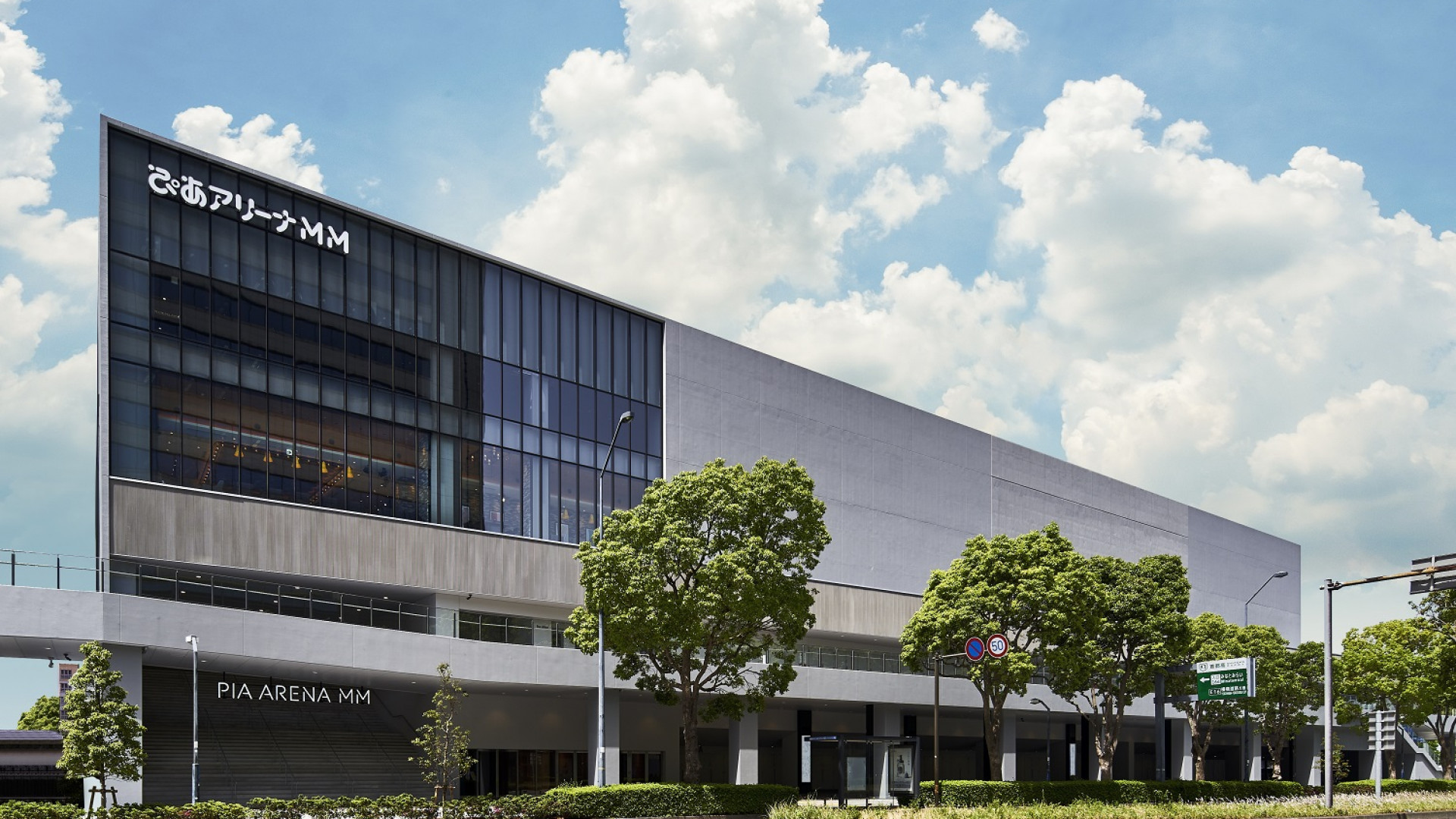
Opened in July 2020. An arena carefully designed to meet the music industry's needsfrom the unique perspective of the private sector, optimizing the environment and usability for music concerts for both concertgoers and performers. The arena is a four-story structure with one basement floor and four stories above ground, and is characterized by its long, vertical structure and the close distance between stage and audience.
Enjoy a serene getaway at Shinra Yoro Valley, a luxury hot spring resort nestled in the Yoro Valley of Chiba Prefecture, where guests can immerse themselves in seasonal landscapes and rejuvenating black hot springs.
Over one million years, these riveting rock formations have been shaped into a thing of beauty.
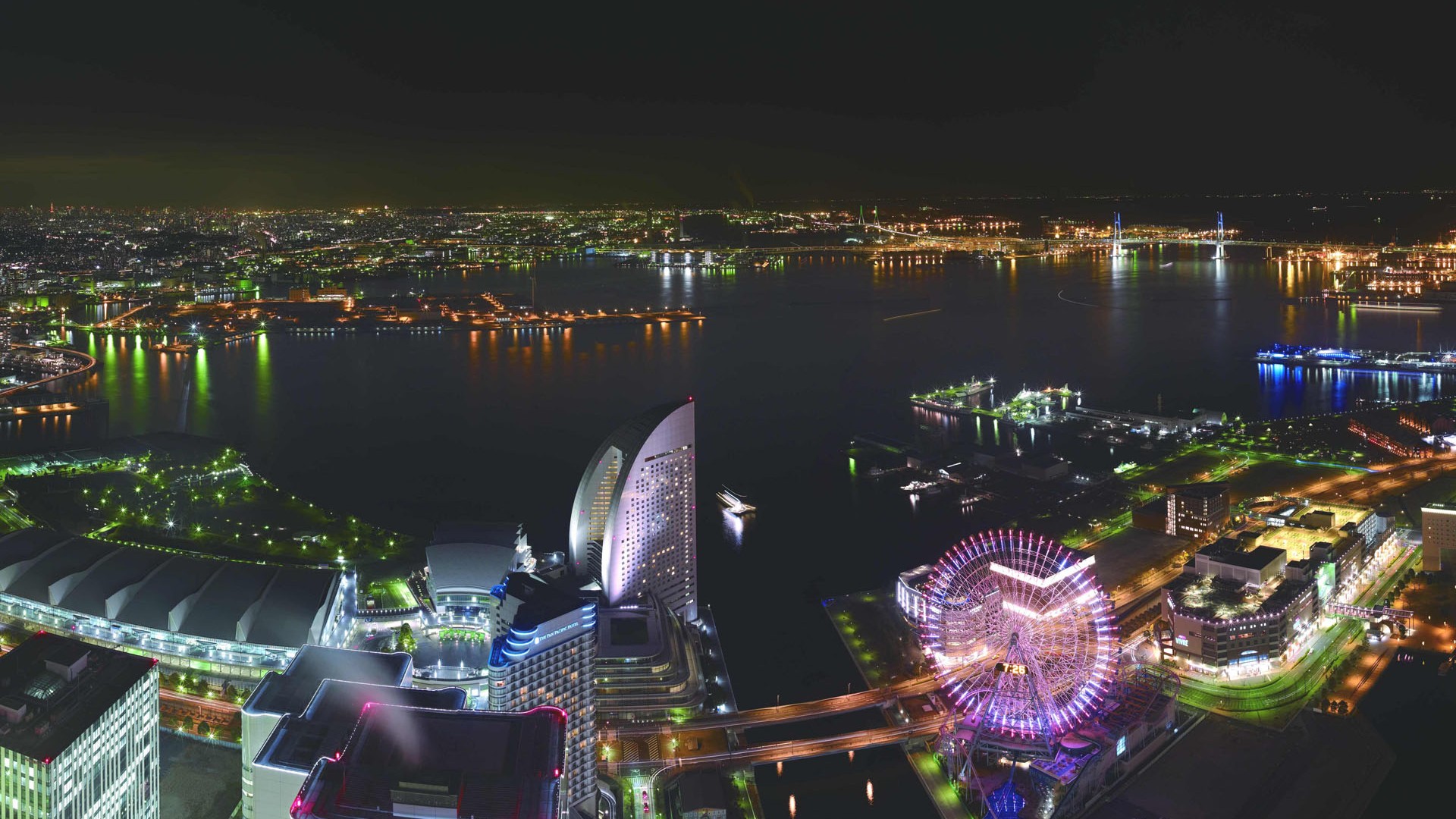
Nissan Stadium, Japan's largest stadium with a capacity of over 72,000, is located within Shin-Yokohama Park, Yokohama City's largest sports park. It serves as the home stadium for the J. League club Yokohama F. Marinos and the Japan Rugby League One team Yokohama Canon Eagles. In addition to hosting international soccer and rugby tournaments, it also stages events such as track and field competitions and concerts. It is also one of the three Final Stadiums (Final Stadiumx3) that hosted the finals of three major international tounaments: the 2002 FIFA World Cup™, Rugby World Cup 2019™, and the Tokyo 2020 Olympic Games men and women's soccer. On days without matches or events, visitors can enjoy stadium tours (check the official website for dates) that let fans experience what it's like to be a player. In addition, there are days when the athletics track, a certified Japan Association of Athletics Federations Class 1 Track and Field Stadium, is available for free use.Venue for the 2002 Soccer World Cup Final, Nissan Stadium is an impressive modern 72,000-seat arena. Enjoy the walk out onto the pitch as part of the stadium tour, catch a music or athletic event, or join the chanting crowds at a home game with local club Yokohama F Marinos.
Set in a tranquil area distinct from central Karuizawa, this former post town preserves the history of the Nakasendō and Hokkoku Kaidō junction in a calm, understated atmosphere.
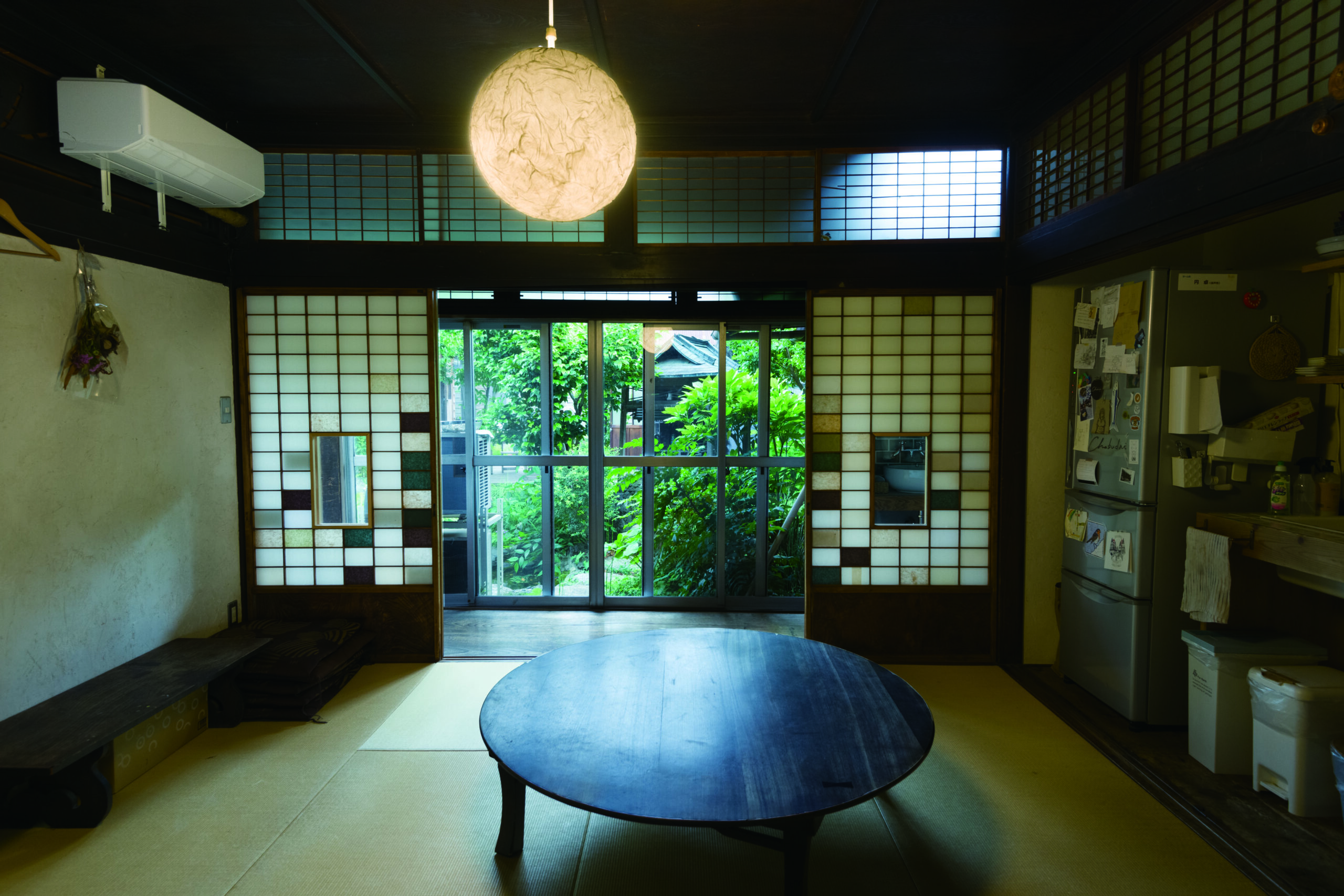
Tucked away in Kawagoe’s historic district, the Chabudai Guesthouse invites travelers to pause, connect, and experience the town’s nostalgic charm at a slower pace. With its century-old architecture, cozy café, and warm community spirit, it’s a traveler’s haven where time moves in the rhythms of old Japan.
An immersive monument to Japan’s illustrated history, the Aizu Bukeyashiki transports guests back to the Tokugawa shogunate.
Step into the world of authentic Japanese rice crackers at Soka Senbei Garden (Soka Senbei no Niwa), where centuries-old craftsmanship meets hands-on cultural experiences in the heart of Saitama Prefecture. Escape Tokyo's urban bustle for a delicious journey into traditional Japanese snack-making—no culinary skills required.
This is a festival of Inage Jinja Shrine which takes place at the beginning of August. On the last day, two portable shrines called "Kujaku (peacock)" and "Tama (jewel)" that enshrine male and female god each will parade through town. Stalls will line up on the shrine premises that boost up the festive mood.IMPORTANT NOTE: The festival dates are not always consecutive.In 2026, the dates are June 14, 15, & 21.
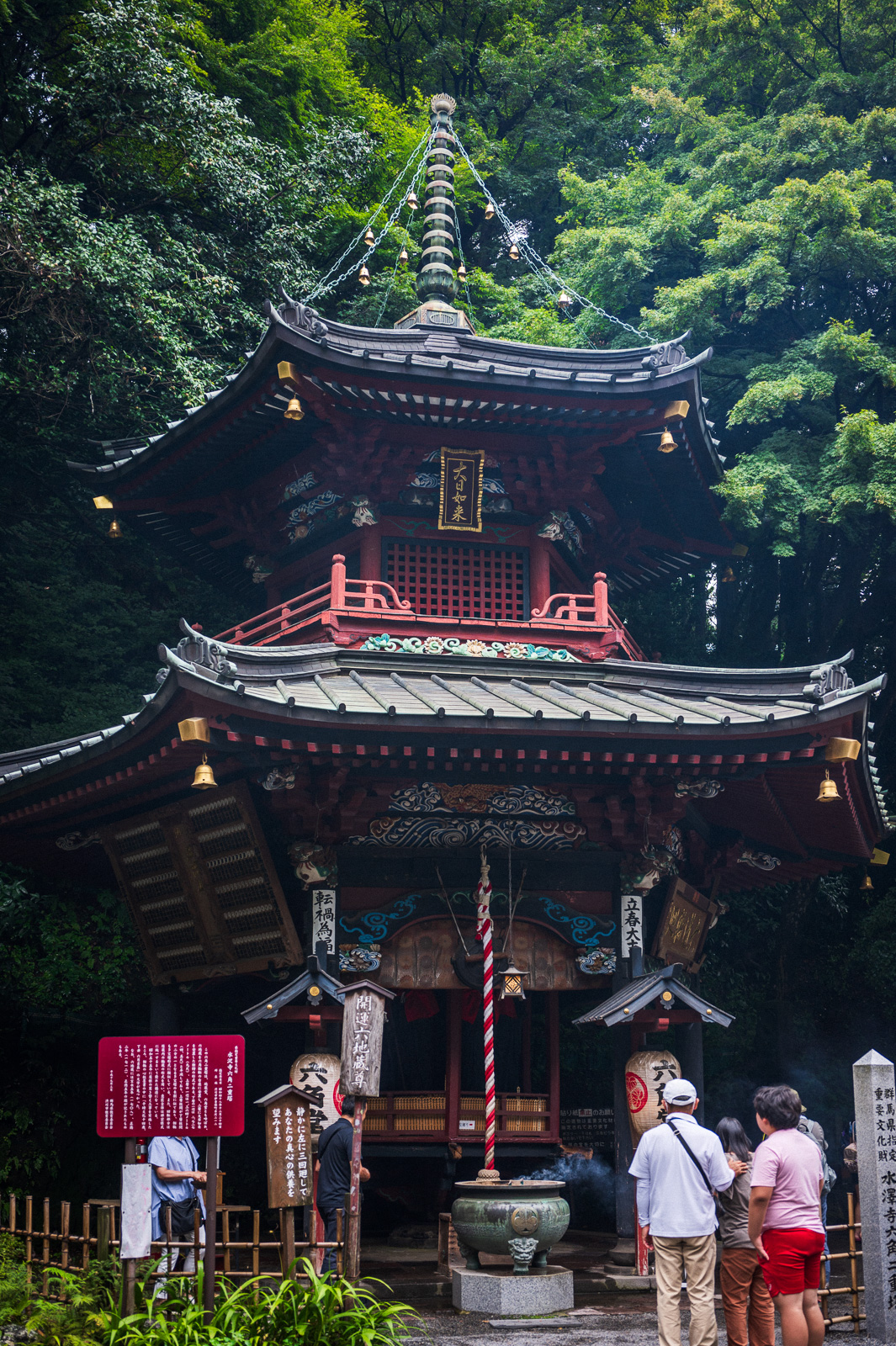
This shrine is located in Minamikanemaru, Otawara City, Tochigi Prefecture. It is said to have been built more some 1600 years ago during the time of Emperor Nintoku. The shrine was rebuilt by Nasu no Yoichi, a samurai famous for his legendary feat of archery at the Battle of Yashima at the end if the Heian period. For this reason, it has strong ties to the Nasu Clan. To this day, horseback archery is still practiced at the shrine's annual grand festival. The main shrine and the shrine's two-story gate, which were rebuilt in 1577, have been designated as national Important Cultural Properties."
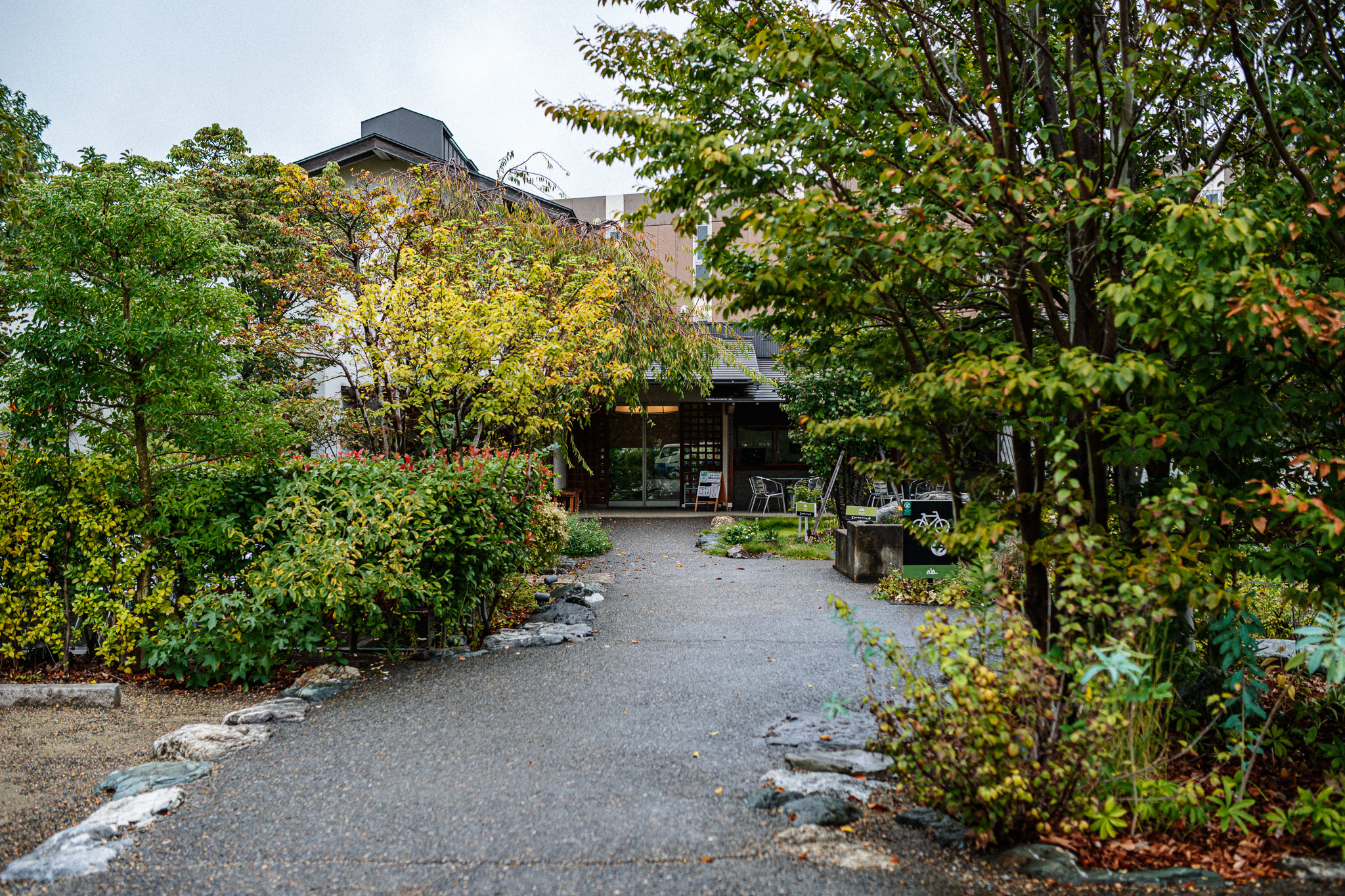
Located in the historical onsen town of Dake and situated at the foot of Mount Adatara, Oyado Hanakanzashi preserves the traditions of centuries past.
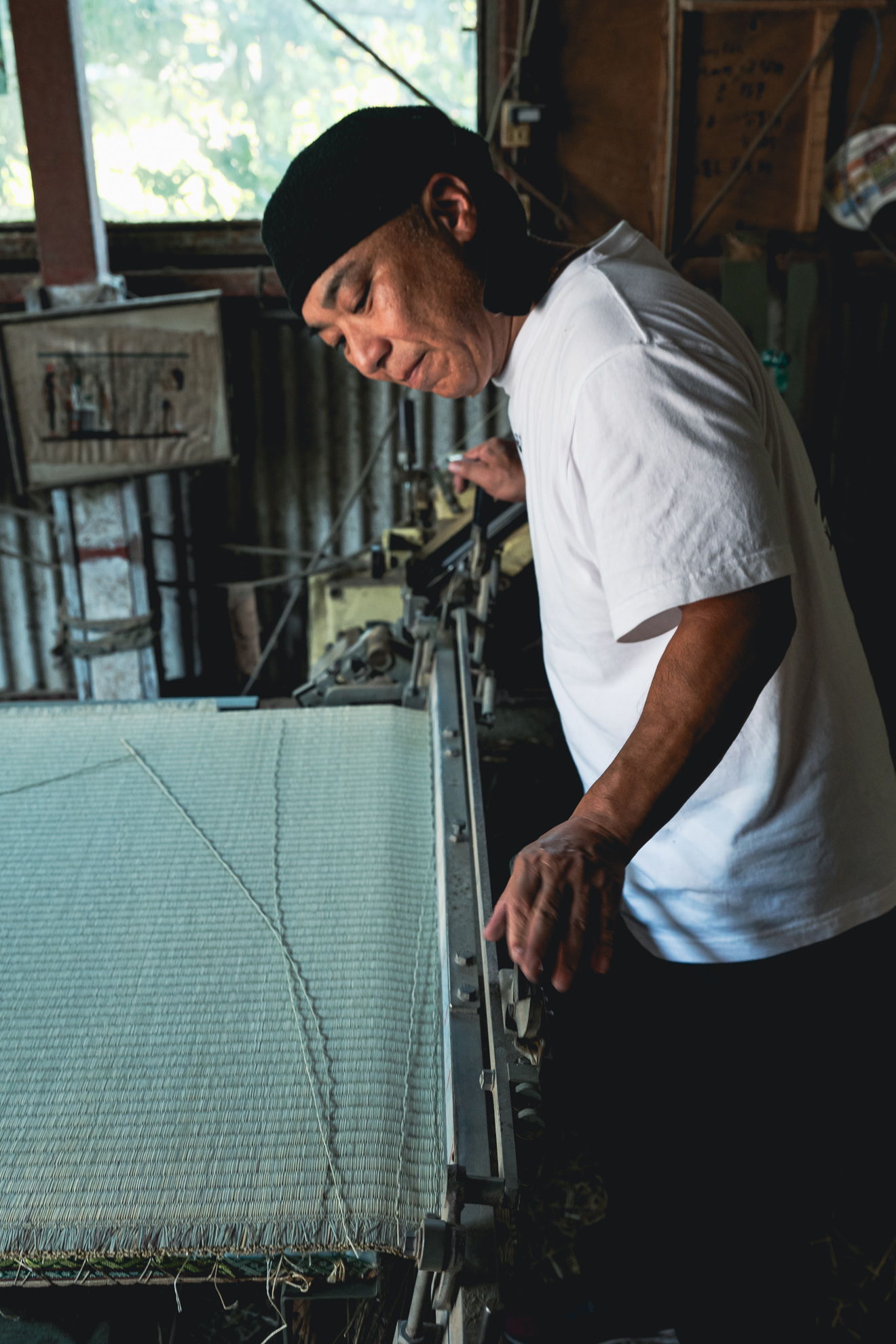
Just over an hour from central Tokyo, Ogawa Town offers a peaceful escape into Japan’s living traditions of washi papermaking, sake brewing, and rural hospitality. Blending craftsmanship and nature, this “Little Kyoto of Musashi” invites visitors to slow down and rediscover beauty in simplicity. Main Text: For travelers seeking authenticity, tranquility, and timeless craftsmanship, Ogawa Town offers a journey where every road, river, and handmade sheet of paper tells a story still unfolding.
The Yoshida Family Residence invites visitors to step inside one of Japan’s oldest surviving private homes. Built in 1721 and set in a quiet rural landscape, the residence offers an immersive look at Edo-period domestic life through architecture, hearth-centered living, and hands-on cultural experiences.
The Kuzuryū Shrine is an outer precinct shrine of the Hakone Shrine, worshipping the guardian deity of Lake Ashinoko and Kuzuryū Shrine. This shrine, located in the forest of Lake Ashinoko, has a small Torii(shrine gate) in the lake and is known for its dragon deity (Ryujin-sama) who is said to have strong powers in bringing fortune, business prosperity and love. During the Tsukinami Festival (festival of the months) held on the 13th of every month, many people come to visit via boats departing from the Moto-Hakone Port. Near the main Kuzuryū Shrine is the Benzaiten Shrine which worships Benzaiten (Goddess of Fortune), one of the Seven Lucky Gods of Japan. Please feel free to also visit the Benzaiten Shrine when visiting the Kuzuryū Shrine.